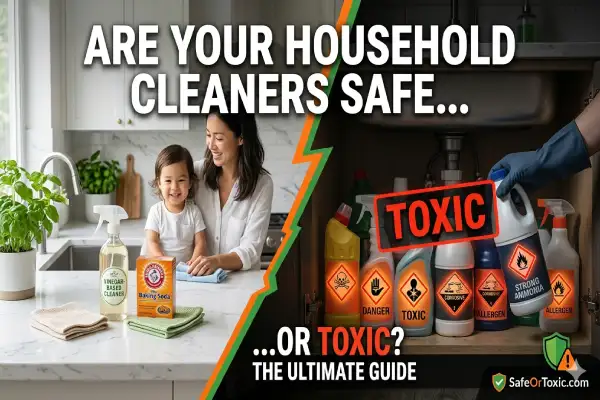
Many homeowners frequently wonder about the best ways to sanitize their living spaces effectively. We often reach for powerful cleaning agents without fully considering the potential impact on our respiratory health or indoor air quality.
Understanding the chemical properties of common disinfectants remains vital for every family. Our goal is to provide evidence-based advice that helps you maintain a pristine home while prioritizing household bleach safety.
We examine the necessary precautions required when handling these substances in residential environments. By following these professional guidelines, you can minimize risks and maximize the effectiveness of your routine. Protecting your well-being while keeping surfaces clean is a balance we help you master today.
Key Takeaways
- Proper ventilation is essential when applying chemical disinfectants in small rooms.
- Never mix cleaning products, as this can create dangerous toxic gases.
- Always wear protective gloves to prevent skin irritation and chemical burns.
- Store all cleaning supplies in their original containers away from children.
- Dilution ratios are critical for maintaining both efficacy and personal health.
Understanding the Chemistry of Household Bleach
Understanding the chemistry of household bleach is the first step toward maintaining a safe and clean environment. While many of us use these products daily, we often overlook the powerful reactions occurring on our surfaces. By learning how these chemicals function, we can better protect our households.
What is Sodium Hypochlorite?
At the heart of most household bleaches lies sodium hypochlorite. This chemical compound is a salt derived from hypochlorous acid and is highly effective at killing germs. In its liquid form, it acts as a strong oxidizing agent that breaks down the molecular structure of unwanted contaminants.
Because of its potency, it is vital to acknowledge the sodium hypochlorite risks associated with improper handling. This substance is not merely soap; it is a reactive chemical that demands respect. When used correctly, it provides a high level of sanitation for various surfaces in your home.
How Bleach Interacts with Organic Matter
Bleach works by attacking the proteins and cell walls of bacteria, viruses, and fungi. Through a process called oxidation, the chemical effectively denatures these proteins, rendering the pathogens inactive. This rapid destruction is why bleach remains a staple for disinfecting high-touch areas.
However, this same reactive nature means that users must be cautious. When bleach encounters organic matter, it can release gases or create unintended byproducts if mixed with other substances. Being aware of these sodium hypochlorite risks ensures that you can sanitize your living space without compromising your health or safety.
Is Bleach Safe to Use Indoors When Handled Correctly?
Navigating the complexities of indoor disinfection starts with knowing if Is Bleach Safe to Use Indoors. While this common cleaner is highly effective at eliminating pathogens, its utility depends entirely on your commitment to proper handling. We believe that with the right knowledge, you can maintain a sanitary environment without compromising your health.
The Balance Between Disinfection and Toxicity
Achieving a clean home while ensuring household bleach safety is a delicate balancing act. You must use enough product to neutralize bacteria and viruses, yet avoid the threshold where bleach toxicity becomes a genuine concern for your household.
The key lies in understanding that more is not always better. Over-application often leads to lingering fumes that can irritate the respiratory system. To maintain this balance, we recommend following these core principles:
- Always prioritize adequate airflow before starting your cleaning process.
- Use the minimum effective concentration required for the specific surface.
- Never leave treated surfaces wet for longer than the manufacturer’s recommended contact time.
Recognizing the Risks of Improper Exposure
Even when used for routine chores, it is vital to remain vigilant regarding sodium hypochlorite risks. Improper handling can lead to unintended health consequences that range from mild irritation to more severe respiratory distress.
Recognizing the early warning signs of overexposure is your first line of defense. If you notice any of the following symptoms while cleaning, you should immediately stop and move to an area with fresh air:
- Sudden stinging or watering of the eyes.
- A scratchy throat or persistent coughing.
- Unexplained skin redness or irritation upon contact.
- Dizziness or lightheadedness caused by concentrated fumes.
By staying aware of these risks, you can take proactive steps to mitigate them. Safety is not a one-time effort, but a consistent practice that protects everyone in your home.
Essential Safety Protocols for Indoor Bleach Use
Mastering the art of safe cleaning involves more than just scrubbing surfaces; it requires a disciplined approach to chemical handling. Prioritizing indoor cleaning safety ensures that you can sanitize your home effectively without compromising your well-being. By following established guidelines, you minimize the risks associated with harsh chemical agents.
Ventilation Requirements for Residential Spaces
Effective bleach ventilation is the most critical step in preventing the buildup of irritating fumes. We strongly recommend opening windows and doors to create a cross-breeze before you begin your cleaning tasks. If your space lacks natural airflow, use exhaust fans or portable box fans to push air out of the room.
Personal Protective Equipment Recommendations
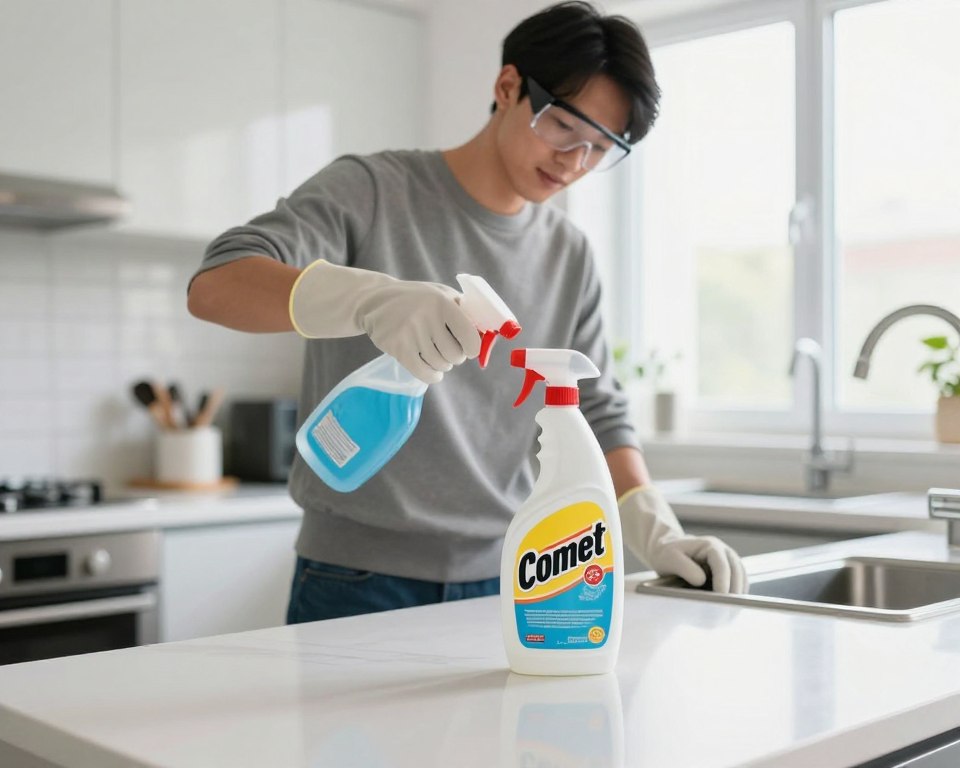
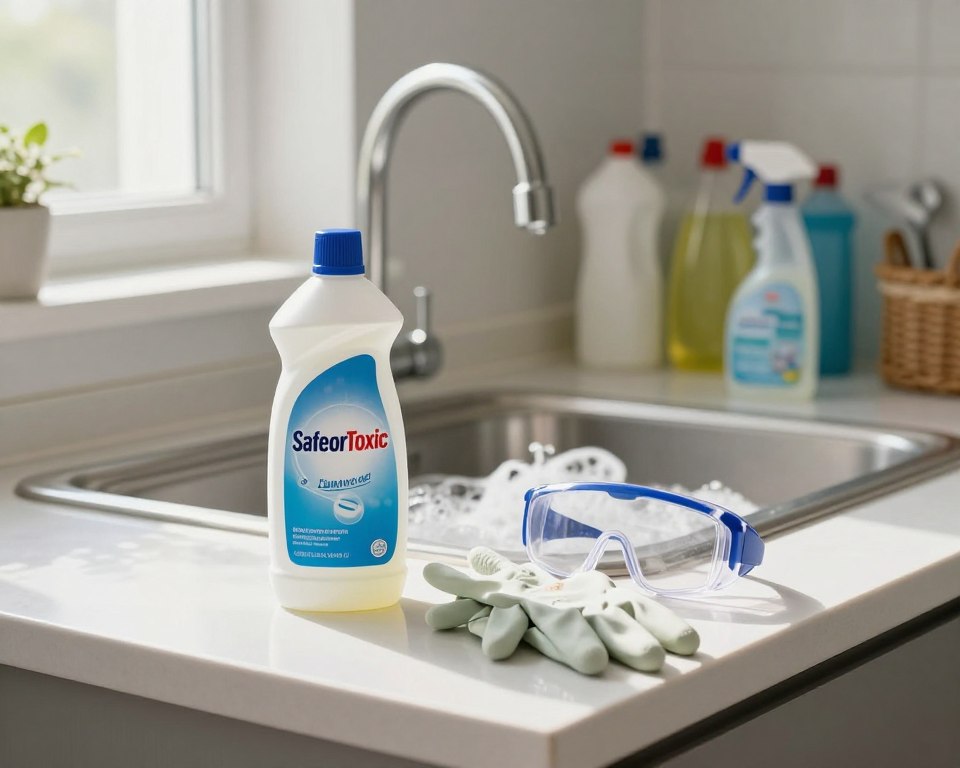
Wearing the right gear acts as a vital barrier between your skin and concentrated chemicals. We advise that you never skip the use of protective equipment, even for quick cleaning jobs. This simple habit significantly reduces the likelihood of accidental chemical burns or irritation.
Selecting the Right Gloves and Eye Protection
When handling bleach, always choose heavy-duty nitrile or rubber gloves that extend past your wrists. Standard dishwashing gloves are often sufficient, provided they are free of tears or punctures. Additionally, wearing safety goggles provides a necessary shield against accidental splashes that could cause severe eye damage.
Respiratory Considerations for Sensitive Individuals
Individuals with asthma or chemical sensitivities should exercise extra caution when working with chlorine-based products. If you find the scent overwhelming, we suggest delegating the task to someone else or opting for a well-ventilated area. Always listen to your body; if you experience coughing or throat irritation, leave the area immediately to breathe fresh air.
The Dangers of Mixing Bleach with Common Household Cleaners
Mixing household chemicals can turn a routine cleaning task into a dangerous health emergency. Many people assume that combining two powerful cleaners will result in a superior scrub, but this often creates chemical mixing hazards that are invisible and lethal. Even with proper bleach ventilation, the reactions occurring in your bucket can release toxic fumes faster than you can clear the air.
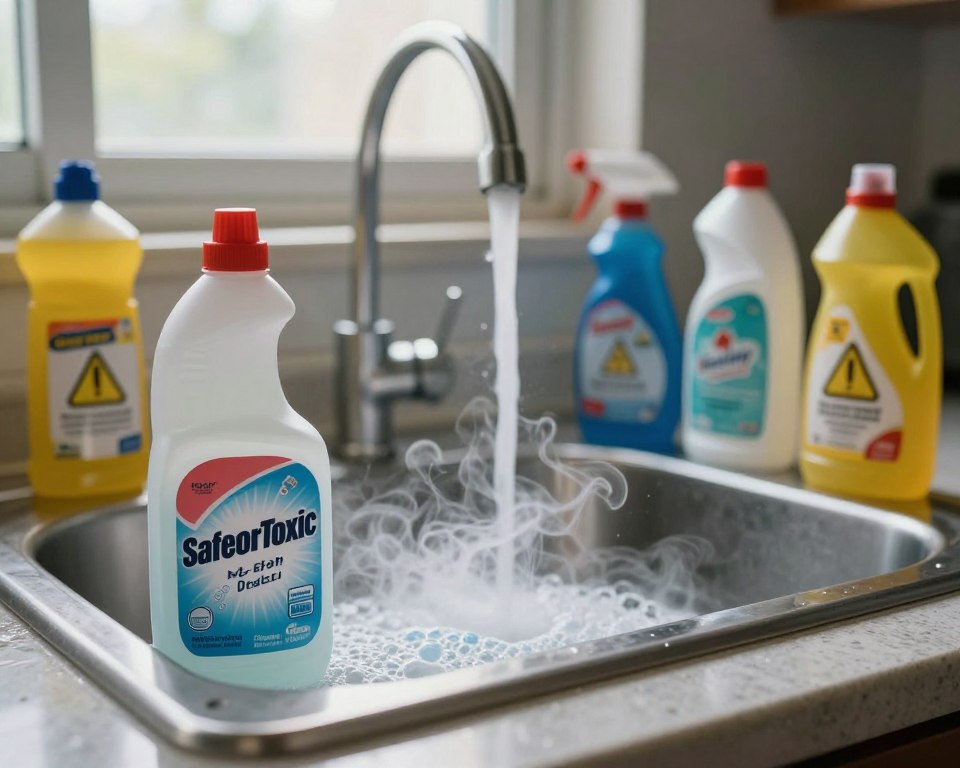
Why You Should Never Mix Bleach with Ammonia
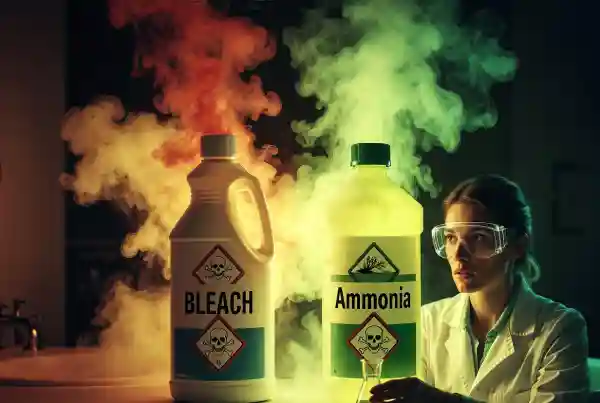
Ammonia is a common ingredient in glass cleaners and some multi-surface sprays. When you combine it with bleach, the reaction produces chloramine gas. This substance is highly irritating to your respiratory system and can cause severe coughing, chest pain, and shortness of breath.
The Hazards of Combining Bleach with Acids
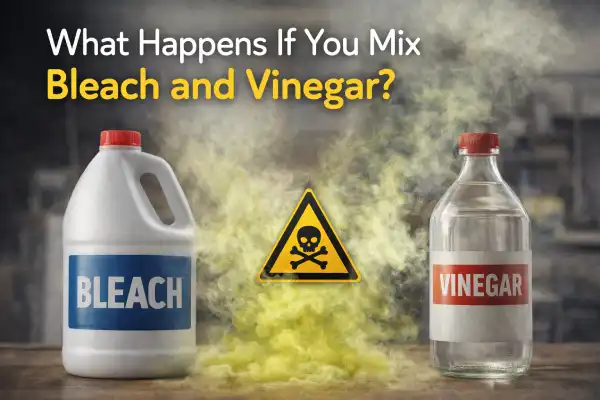
Many bathroom cleaners, such as those designed to remove rust or mineral deposits, contain strong acids. Mixing these products with bleach triggers an immediate release of chlorine gas. This chlorine gas exposure is extremely dangerous, as it can cause chemical burns to your eyes, throat, and lungs within seconds.
If you accidentally mix these substances, you must leave the area immediately to seek fresh air. Do not attempt to neutralize the mixture yourself, as the fumes are often too concentrated for standard home safety measures to handle.
Risks Associated with Mixing Bleach and Alcohol
Some people mistakenly believe that adding rubbing alcohol to bleach creates a more potent disinfectant. In reality, this combination creates chloroform, a toxic chemical that can cause dizziness, nausea, and loss of consciousness. Never combine these two substances under any circumstances, as the health risks are severe and immediate.
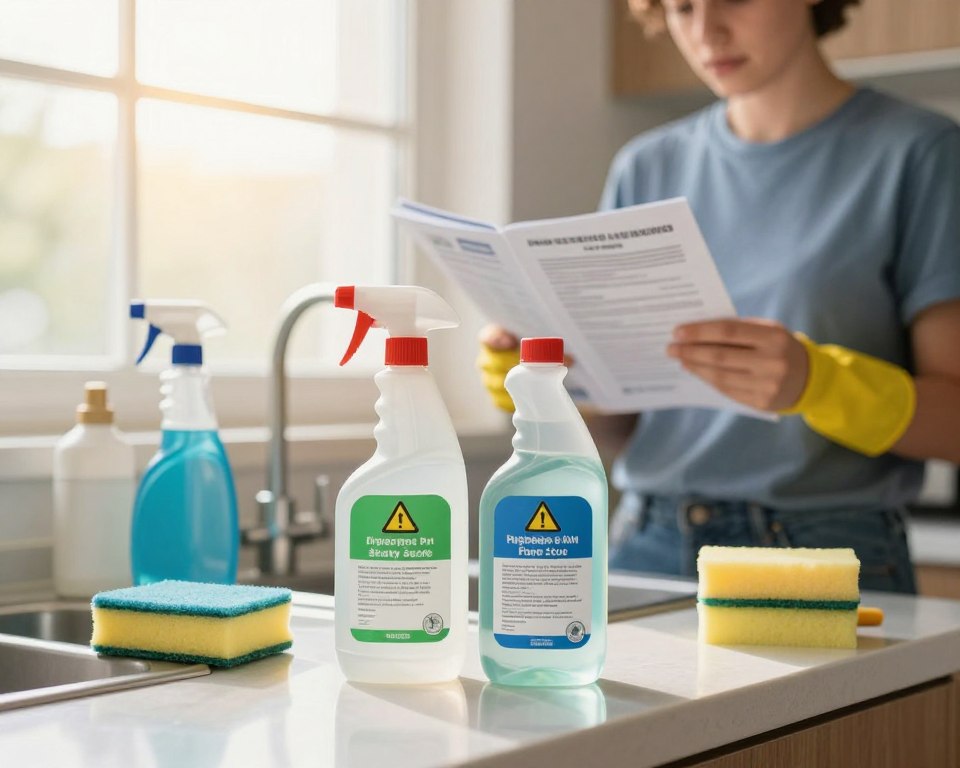
Always read the labels on your cleaning supplies before you begin your chores. Understanding these chemical mixing hazards is the best way to protect your household from accidental chlorine gas exposure. Remember that effective cleaning relies on using products exactly as directed, rather than experimenting with dangerous chemical combinations.
Proper Dilution Ratios for Effective Sanitization
Mastering the art of dilution is a critical skill for anyone handling bleach in a residential setting. Many people assume that using more product leads to a cleaner home, but this is a common misconception. Using proper dilution ratios ensures that you achieve maximum germ-killing power without creating unnecessary chemical hazards.
Calculating the Correct Concentration for Surfaces
When you are disinfecting surfaces, the concentration of sodium hypochlorite must be precise. Most household bleach products contain between 5% and 9% active ingredients. For general sanitization, a common recommendation is to mix one-third cup of bleach per gallon of room-temperature water.
Always check the product label for specific instructions provided by the manufacturer. Different surfaces may require varying levels of strength to remain safe and effective. Using a measuring cup instead of guessing helps maintain the integrity of your cleaning process.
The Importance of Fresh Solutions
We strongly advise that you prepare your cleaning mixtures immediately before use. Chlorine solutions are inherently unstable and begin to lose their potency the moment they are mixed with water. Over time, the active ingredients break down, which renders the solution ineffective for disinfecting surfaces.
If you leave a diluted mixture sitting in a spray bottle for more than 24 hours, it will likely fail to kill bacteria or viruses. Always discard any unused portion of your mixture at the end of your cleaning session. Starting with a fresh batch every time guarantees that you are getting the full benefit of the chemical properties.
Shelf Life and Storage Considerations
Proper handling bleach practices extend beyond the mixing process to how you store your supplies. Bleach has a limited shelf life, typically losing about 20% of its potency within the first year of production. Always check the expiration date on the bottle before you begin your chores.
Store your containers in a cool, dry place away from direct sunlight to slow down the degradation process. Keep the caps tightly sealed to prevent evaporation and contamination. By following these simple storage rules, you ensure that your cleaning products remain reliable and potent whenever you need them.
Managing Accidental Exposure and Chemical Burns
Handling bleach requires caution, but understanding bleach first aid is your best defense against injury. Accidents can occur even in the most careful households, and knowing how to react quickly can significantly reduce the risk of long-term harm. We recommend keeping these procedures in mind to ensure you can act decisively if a spill or splash occurs.
Immediate First Aid for Skin and Eye Contact
If bleach comes into contact with your skin, you must remove any contaminated clothing immediately. Rinse the affected area with cool, running water for at least fifteen minutes to ensure all chemical residue is washed away. Do not apply any creams or ointments, as these can trap the chemical against your skin.
For eye contact, flush the eyes with clean water or saline solution for at least twenty minutes. Keep your eyelids open during this process to ensure thorough irrigation. If you wear contact lenses, remove them carefully if they do not come out during the initial rinsing process.
What to Do in Case of Inhalation
Inhaling fumes can lead to respiratory irritation, especially if you are dealing with chlorine gas exposure. If you notice a sharp, pungent odor, leave the area immediately and move to a space with fresh air. Stay upright to help your lungs recover and avoid further irritation from lingering vapors.
If you feel lightheaded or have difficulty breathing, stay in a well-ventilated area until symptoms subside. Never return to the room where the spill occurred until it has been thoroughly ventilated. If symptoms persist, do not hesitate to contact emergency services for assistance.
When to Seek Professional Medical Attention
Recognizing the signs of bleach toxicity is essential for your safety. Symptoms such as persistent coughing, chest pain, or severe skin blistering indicate that you should seek professional medical help immediately. You can always contact your local poison control center for expert guidance if you are unsure about your health status.
| Exposure Type | Immediate Action | Warning Sign |
|---|---|---|
| Skin Contact | Flush with water | Severe redness or pain |
| Eye Contact | Irrigate for 20 mins | Blurred vision |
| Inhalation | Move to fresh air | Difficulty breathing |
Safe Alternatives for Indoor Cleaning and Disinfection
Finding the right balance between effective sanitation and chemical safety is a common goal for modern households. While chlorine bleach remains a powerful tool for specific outbreaks, many families prefer safe cleaning alternatives for their daily maintenance. These options can be highly effective for disinfecting surfaces without the harsh fumes or corrosive risks associated with traditional bleach.
Hydrogen Peroxide as a Safer Substitute
Hydrogen peroxide is a popular choice for those who want a reliable disinfectant that breaks down into water and oxygen. It is particularly effective against a wide range of bacteria and viruses when used at a concentration of 3%.
Unlike bleach, it does not leave behind toxic residues that could harm children or pets. You should always store it in an opaque bottle, as light exposure causes it to lose its potency over time.
Using Quaternary Ammonium Compounds
Quaternary ammonium compounds, often referred to as “quats,” are common ingredients in many professional-grade cleaning products. These chemicals are excellent for disinfecting surfaces because they provide a residual barrier that continues to work after the initial application.
They are generally less irritating to the respiratory system than chlorine bleach. However, you must follow the manufacturer’s instructions regarding dwell time to ensure the product has enough time to kill pathogens effectively.
Natural Cleaning Agents and Their Limitations
Many people turn to natural ingredients like white vinegar or lemon juice for their home cleaning needs. While these items are excellent for cutting through grease and removing mineral deposits, they are not registered disinfectants.
It is important to understand the limitations of these natural solutions:
- Vinegar: Effective at removing grime but does not kill most dangerous household bacteria.
- Lemon Juice: Provides a pleasant scent and mild acidity but lacks the power to sanitize surfaces.
- Essential Oils: While they smell great, they are not reliable substitutes for EPA-registered disinfectants.
If your primary goal is true sanitation, always verify that your chosen product is labeled as a disinfectant. Relying on safe cleaning alternatives is a smart strategy, provided you choose products that are scientifically proven to handle the specific germs in your home.
Special Considerations for Households with Children and Pets
Maintaining a safe home environment requires extra vigilance when children and pets are present. We must prioritize household chemical safety to ensure that our cleaning routines do not pose hidden risks to the most vulnerable members of our families. By adopting proactive habits, we can enjoy a clean home without compromising the health of our loved ones.
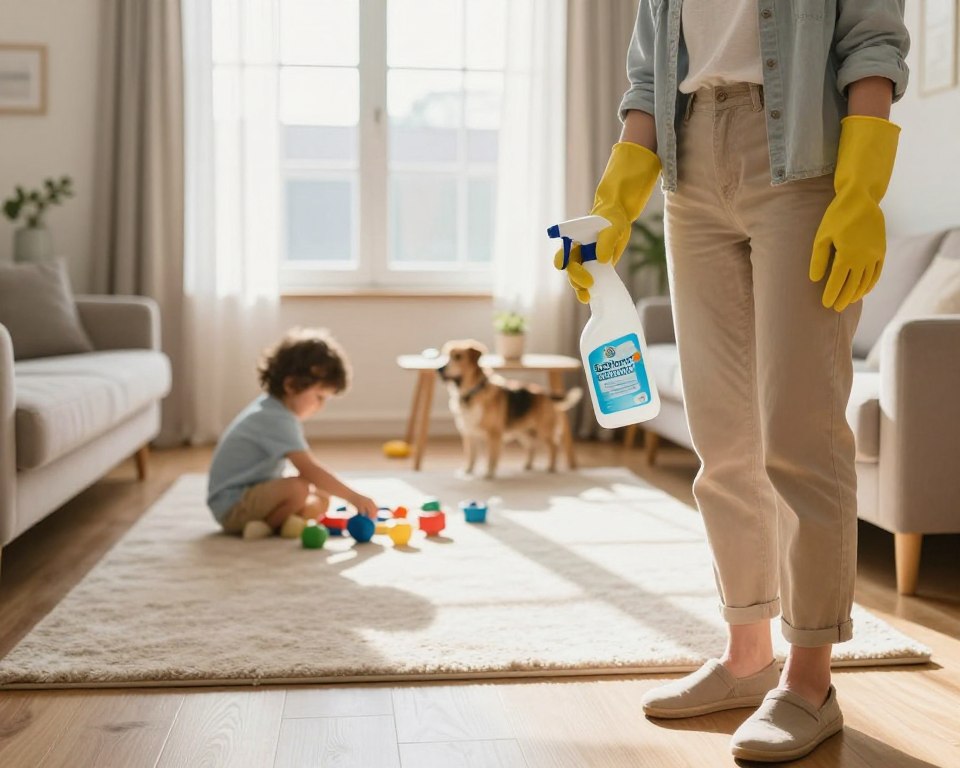
Preventing Accidental Ingestion
Curiosity often leads children and pets to explore areas they should avoid. To prevent accidental ingestion, we recommend keeping all cleaning agents in their original containers with the labels intact. Never transfer chemicals into food or beverage containers, as this can lead to tragic mistakes.
If you have toddlers or curious pets, consider installing child-proof locks on lower cabinets. Keeping products off the floor and away from reach is the most effective way to stop accidental exposure before it happens.
Safe Storage Practices to Keep Families Protected
Implementing effective bleach storage tips is a cornerstone of maintaining a secure living space. Always store cleaning supplies in a cool, dry, and well-ventilated area that remains inaccessible to children and animals. High shelves or locked utility closets are ideal locations for these items.
We suggest performing a regular audit of your storage areas to ensure no containers are leaking or damaged. Proper household chemical safety involves keeping products tightly sealed when not in use to prevent spills and the release of harmful vapors.
Post-Cleaning Surface Rinsing Procedures
Even after a thorough cleaning, chemical residues can remain on surfaces where children play or pets walk. Practicing proper indoor cleaning safety means taking the extra step to rinse surfaces with clean water after using bleach solutions. This simple action significantly reduces the risk of skin irritation or accidental ingestion through paw licking or hand-to-mouth contact.
For high-touch areas like kitchen counters or pet feeding stations, a final wipe-down with a damp cloth is highly recommended. This ensures that no concentrated chemicals linger on surfaces that your family interacts with daily.
| Safety Measure | Children | Pets |
|---|---|---|
| Storage Location | High, locked cabinets | Out of reach/enclosed |
| Surface Rinsing | Essential for play areas | Crucial for floor contact |
| Container Security | Child-resistant caps | Secure, bite-proof lids |
| Emergency Access | Poison control number saved | Vet contact information ready |
Conclusion
Effective cleaning requires a balance between powerful disinfection and personal protection. We can achieve a sanitized living space by applying the right knowledge to our daily routines.
Prioritizing household chemical safety remains the best way to protect our families from avoidable accidents. Small changes in how we store and use products make a significant difference in our long-term wellness.
We encourage you to review your current cleaning supplies and storage habits today. Staying informed about the labels on products like Clorox or Lysol helps us avoid common mistakes. Consistent attention to household chemical safety empowers us to create a secure environment for everyone under our roof.
Reach out to local poison control centers if you ever feel uncertain about a chemical reaction or exposure. These experts provide the guidance we need to handle emergencies with confidence. Let us commit to smarter cleaning practices that keep our homes both spotless and safe.