
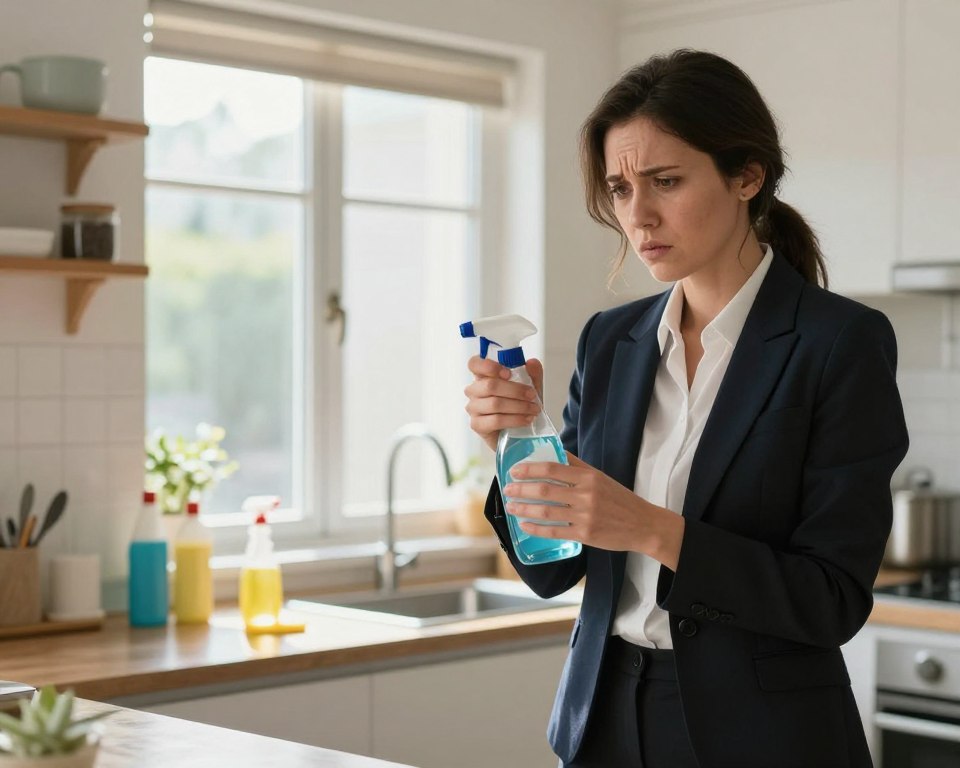
Can Cleaning Products Trigger an Asthma Attack?
Wondering Can Cleaning Products Trigger an Asthma Attack? Discover the risks and safe cleaning tips to keep asthma symptoms at bay.
Can Cleaning Products Trigger an Asthma Attack? Read More »
Laundry Room
Your washing machine routine — detergents, pods, softeners, dryer sheets, scent boosters, and stain removers. Many popular brands (Tide, Gain, Downy, Persil, Shout) hide toxins like 1,4-dioxane (carcinogen byproduct), phthalates/synthetic fragrances (hormone disruptors), quats (asthma triggers), optical brighteners, phosphates (environmental harm), SLS/SLES (skin irritants), and formaldehyde releasers. These can cause skin rashes, respiratory issues, endocrine disruption, or indoor air pollution via residues and off-gassing.
Wondering Can Cleaning Products Trigger an Asthma Attack? Discover the risks and safe cleaning tips to keep asthma symptoms at bay.
Can Cleaning Products Trigger an Asthma Attack? Read More »
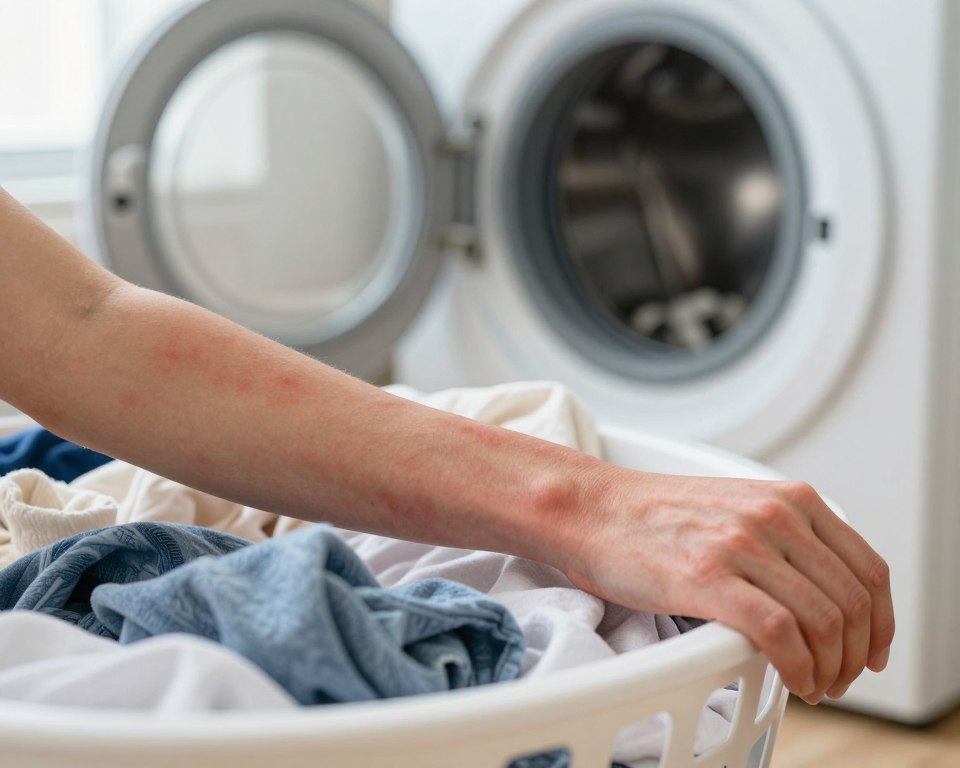
Wondering Can Laundry Detergent Cause a Rash Even After Clothes Are Rinsed Find out how leftover detergent can affect your skin and what you can do about it
Can Laundry Detergent Cause a Rash Even After Clothes Are Rinsed? Read More »
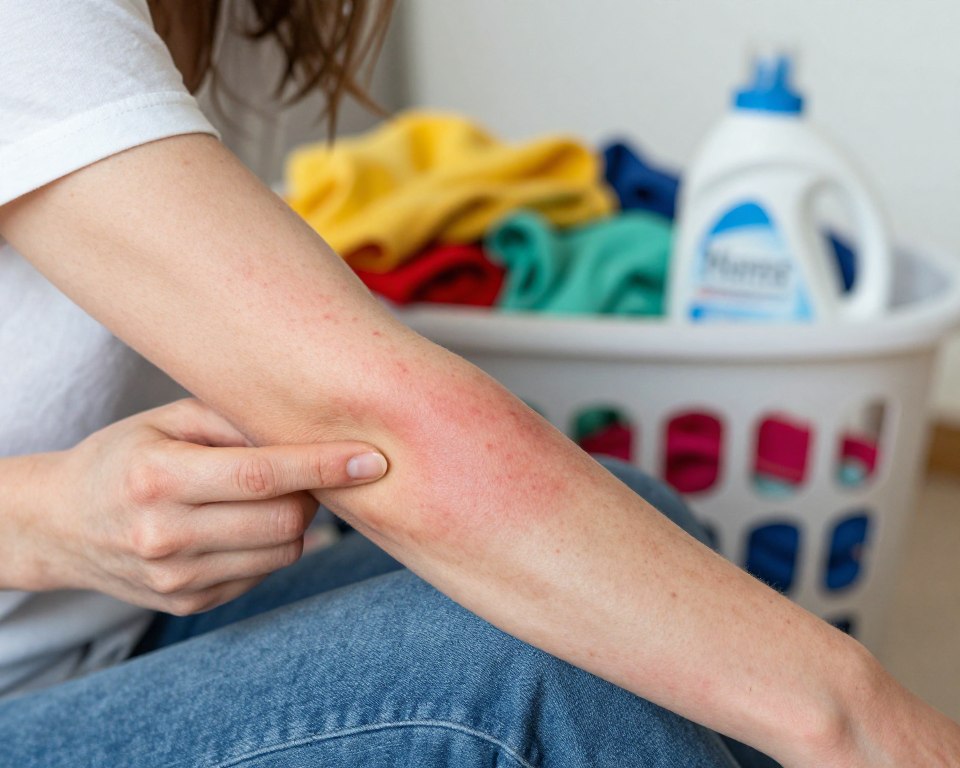
Wondering What Does a Laundry Detergent Allergy Look Like Discover signs, symptoms, and tips to protect your skin from detergent irritation today
What Does a Laundry Detergent Allergy Look Like? Read More »

Wondering Can Laundry Detergent Cause Itchy Skin Without a Visible Rash Find out why irritation happens and how to protect your skin effectively today
Can Laundry Detergent Cause Itchy Skin Without a Visible Rash? Read More »
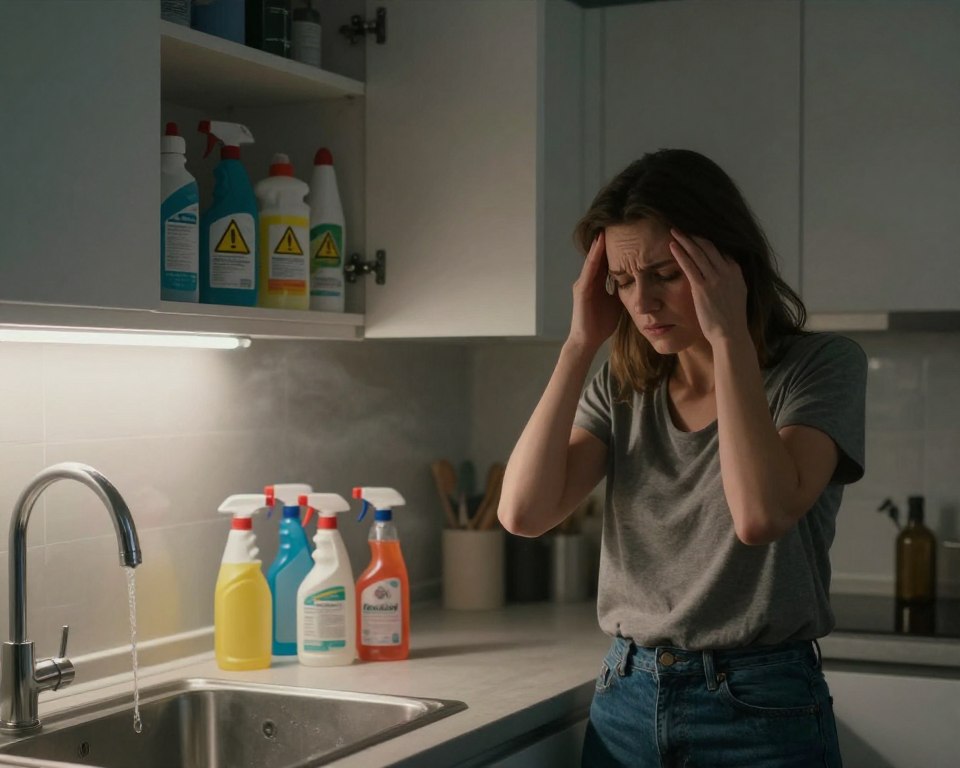
Wondering Can Cleaning Product Fumes Cause Nausea? Discover the symptoms, causes, and tips to protect yourself from harmful cleaning fumes today.
Can Cleaning Product Fumes Cause Nausea? Read More »
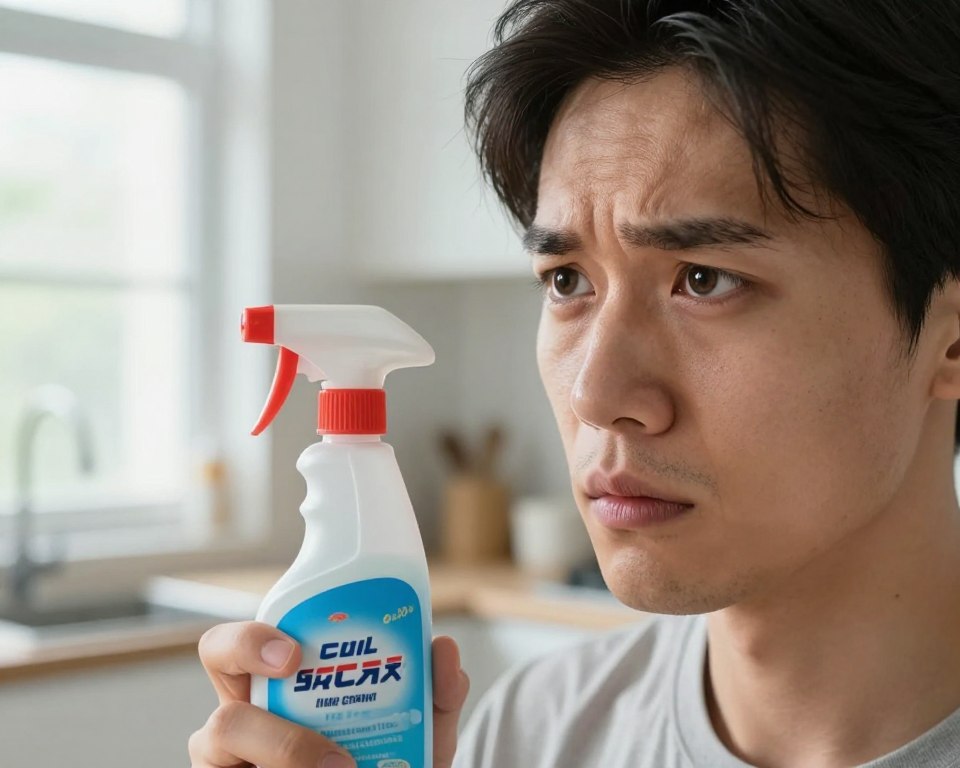
If you wonder Why Do My Eyes Burn After Using Cleaning Products this article explains causes and offers tips to soothe and protect your eyes
Why Do My Eyes Burn After Using Cleaning Products? Read More »
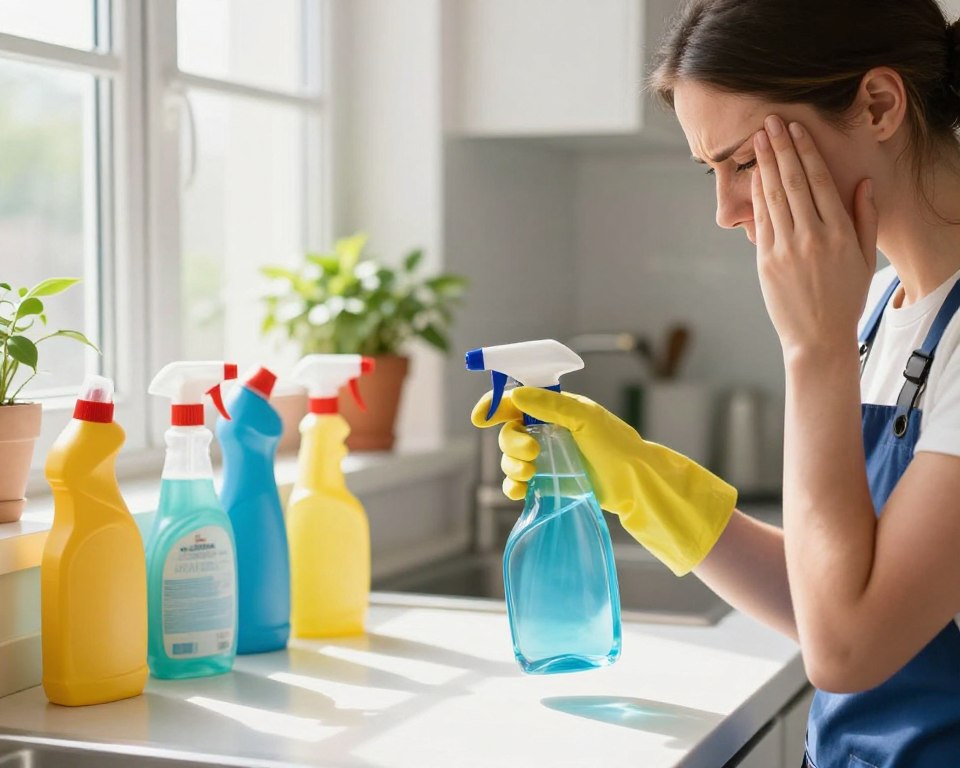
Can Cleaning Products Cause a Headache After Use Find out why cleaning products might trigger headaches and how to keep your home safe and healthy
Can Cleaning Products Cause a Headache After Use? Read More »
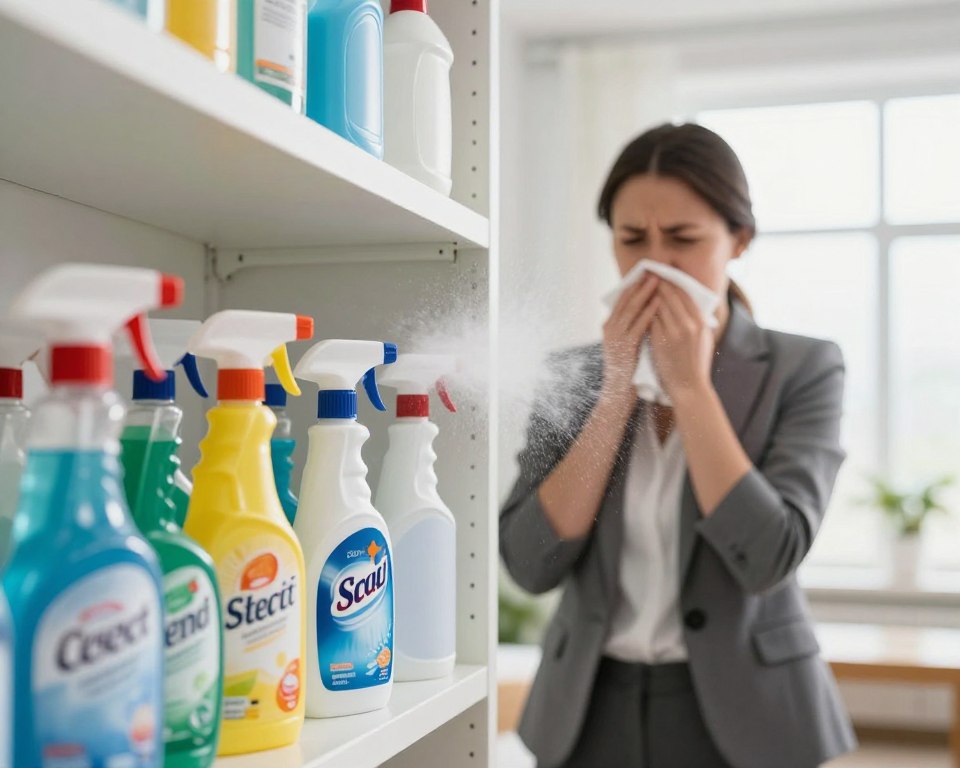
Can Cleaning Products Cause a Sore Throat and Cough? Discover the causes, symptoms, and tips to protect yourself from irritation at home.
Can Cleaning Products Cause a Sore Throat and Cough? Read More »
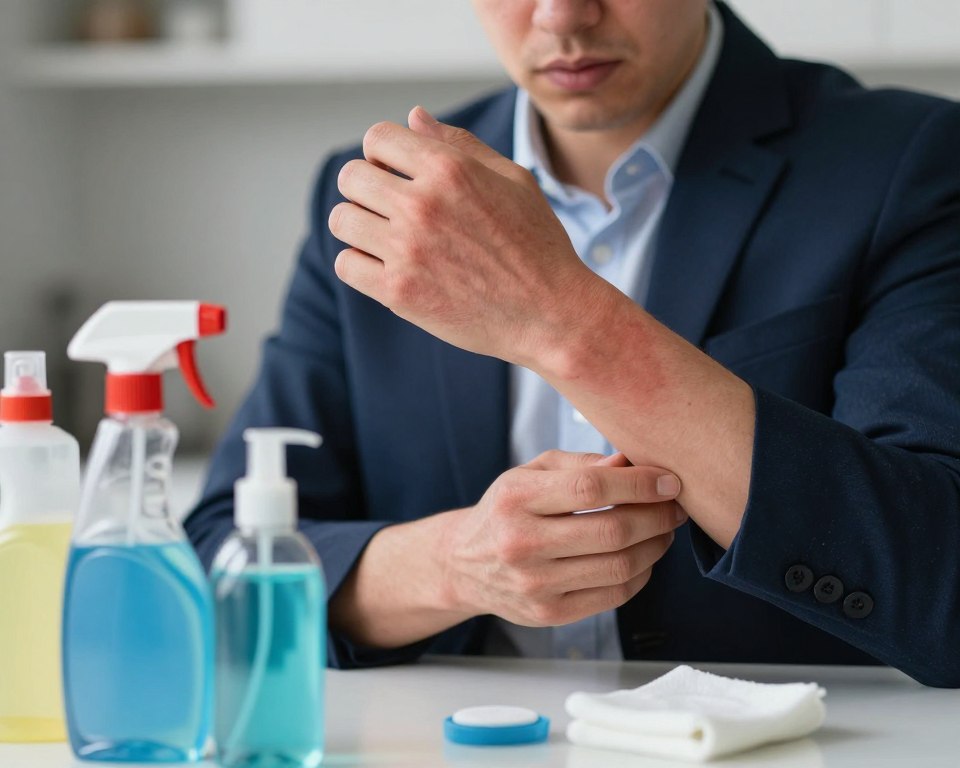
Wondering Can Cleaning Products Cause a Skin Rash or Contact Dermatitis? Discover causes, symptoms, and tips to keep your skin safe while cleaning.
Can Cleaning Products Cause a Skin Rash or Contact Dermatitis? Read More »
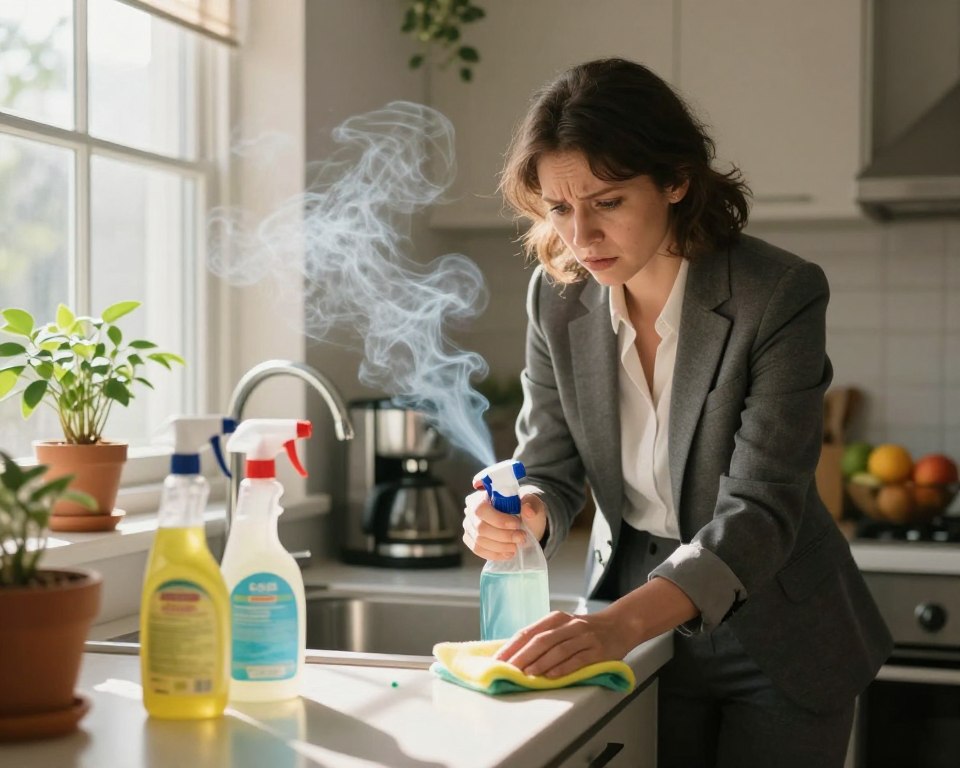
Can Cleaning Product Fumes Make You Dizzy Find out how common household cleaners may cause dizziness and what steps to stay safe indoors
Can Cleaning Product Fumes Make You Dizzy? Read More »