Keeping your home sparkling clean is a top priority for every homeowner. However, many people do not realize that combining common supplies can create unexpected hazards in your living space.
It is vital to understand that mixing Bleach and Hydrogen Peroxide creates a volatile chemical reaction. This combination releases harmful gases that can irritate your lungs, eyes, and skin almost instantly.
Prioritizing household cleaning safety is the best way to protect your family from accidental injuries. Always read product labels carefully before you start your chores. When you know how to handle these substances properly, you ensure a much safer environment for everyone.
Key Takeaways
- Mixing common cleaners often leads to dangerous chemical reactions.
- Always store different cleaning agents in separate, labeled containers.
- Never combine products unless the manufacturer explicitly states it is safe.
- Proper ventilation is essential when using any strong chemical solutions.
- When in doubt, stick to using one product at a time for your surfaces.
The Chemistry Behind Bleach and Hydrogen Peroxide
Exploring the molecular interaction between Bleach and Hydrogen Peroxide reveals why they are a dangerous pair. While both are common household items, their combined presence creates a volatile environment that can lead to unexpected chemical reaction dangers. Understanding the science behind these substances is the first step toward keeping your home safe.
Understanding Sodium Hypochlorite
Bleach is primarily composed of a chemical compound known as sodium hypochlorite. This substance is a powerful disinfectant that works by breaking down the molecular bonds of stains and germs. However, sodium hypochlorite risks are significant because it is highly reactive when it encounters other household chemicals.
Because it is a strong base, it seeks to donate or accept electrons to stabilize itself. This makes it an aggressive cleaner, but it also means it does not play well with others. Keeping it isolated is essential for preventing accidental exposure.
The Oxidizing Nature of Hydrogen Peroxide
Hydrogen peroxide is another common household staple, often used for minor cuts or as a mild bleaching agent. It belongs to a class of chemicals known as oxidizing agents. These substances are designed to release oxygen atoms to destroy organic matter, such as bacteria or dirt.
When used alone, it is relatively stable and safe for specific household tasks. However, its nature as an oxidizer means it is constantly looking for a reaction. When it meets another strong chemical, it can trigger rapid changes that are difficult to control.
The Chemical Reaction When Combined
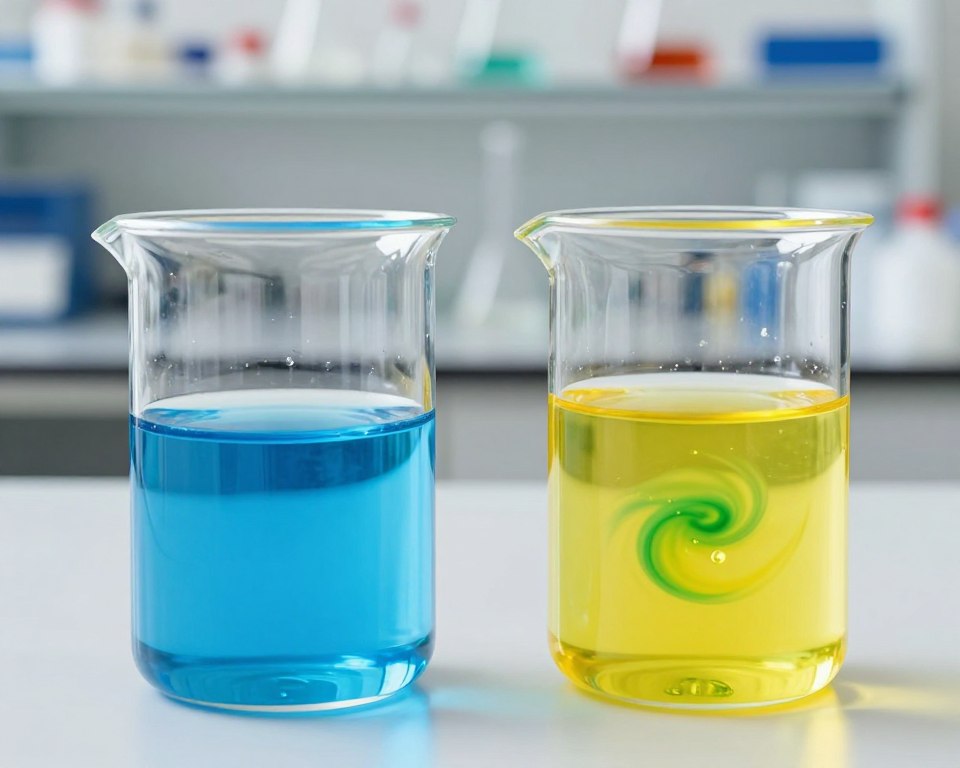
When you mix Bleach and Hydrogen Peroxide, you are essentially forcing two powerful oxidizing agents to compete. This interaction leads to a rapid chemical reaction dangers that releases heat and oxygen gas. The result is an unstable mixture that can cause bubbling and the release of potentially harmful vapors.
The sodium hypochlorite risks are amplified during this process because the bleach is essentially neutralized by the peroxide. Instead of a clean surface, you are left with a mixture that is both ineffective and hazardous to your health. Always remember that these two products should never be stored or used in the same container.
Why You Should Never Mix Bleach and Hydrogen Peroxide
You might think that combining Bleach and Hydrogen Peroxide creates a stronger cleaner, but this is a dangerous misconception. Many homeowners assume that mixing two potent disinfectants will result in a superior cleaning agent. In reality, this combination creates significant cleaning product hazards that can compromise your safety.
Instead of creating a neutral or more effective solution, you are triggering a volatile event. It is vital to understand that these substances are both powerful oxidizing agents that do not work well together. When they meet, they react in ways that can cause immediate physical harm.
The Formation of Oxygen Gas and Heat
When these two liquids combine, they undergo a rapid decomposition process. This chemical reaction dangers include the sudden release of oxygen gas and the generation of significant heat. The reaction is exothermic, meaning it releases energy in the form of thermal intensity.
This rapid release of gas can cause the mixture to bubble over or spray unexpectedly. Because the reaction happens so quickly, it is impossible to control the outcome once the liquids have touched. You should never attempt to combine these products under any circumstances.
Potential for Explosive Reactions in Confined Spaces
The buildup of oxygen gas poses a serious risk, especially if the mixture is contained in a bottle or a small, unventilated room. As the gas expands, it creates internal pressure that can lead to a container rupture. This toxic gas formation is particularly dangerous in bathrooms or laundry rooms where airflow is limited.
Proper ventilation for cleaning is always a necessity, but it cannot prevent the dangers of this specific mixture. If you are working in a small area, the concentration of reactive gases can reach hazardous levels very quickly. Always prioritize your safety by keeping these chemicals strictly separated.
Why Neutralization Does Not Occur
A common myth suggests that one chemical will neutralize the other, leaving you with a harmless liquid. This is fundamentally false. Because both are strong oxidizers, they do not cancel each other out; they react to form new, unstable compounds.
The following table illustrates why these substances should never be combined:
| Feature | Bleach Alone | Hydrogen Peroxide Alone | Combined Mixture |
|---|---|---|---|
| Primary Action | Oxidation | Oxidation | Violent Decomposition |
| Gas Release | Minimal | Minimal | Rapid Oxygen Release |
| Heat Generation | None | None | High Exothermic Heat |
| Safety Status | Safe if Diluted | Safe if Diluted | Highly Unstable |
Always remember that your safety depends on using cleaning products exactly as directed by the manufacturer. Mixing chemicals is never the right way to achieve a deeper clean. Stick to using one product at a time to keep your home environment secure.
Immediate Health Risks of Exposure
When you accidentally mix these two common chemicals, the resulting reaction poses significant risks to your well-being. It is important to recognize that sodium hypochlorite risks are not just theoretical; they manifest as immediate physical distress when these substances interact in your home.
Respiratory Tract Irritation
The primary danger stems from toxic gas formation, which occurs almost instantly upon mixing. These fumes are highly irritating to the delicate tissues of your nose, throat, and lungs.
You may notice respiratory irritation symptoms such as coughing, wheezing, or a burning sensation in your chest. If you find yourself in a room where this mixture has occurred, you must leave the area immediately to breathe fresh air.
Eye and Skin Damage
Direct contact with the liquid or the concentrated vapors can lead to severe irritation or chemical burns. Your eyes are particularly vulnerable, often reacting with redness, tearing, and intense pain.
If you experience accidental contact, knowing the basics of chemical burn first aid is essential. You should flush the affected area with cool, running water for at least fifteen minutes and seek medical attention if the pain persists.
Long-term Effects of Inhalation
While the immediate effects are alarming, repeated or prolonged exposure to these fumes can lead to lasting damage. Chronic inflammation of the airways may develop, making it harder to breathe over time.
Protecting your respiratory health requires strict adherence to safety guidelines. Never assume that mixing cleaners will provide a “deeper” clean, as the potential for permanent lung injury is simply too high.
| Exposure Type | Primary Symptom | Immediate Action |
|---|---|---|
| Inhalation | Severe coughing | Move to fresh air |
| Eye Contact | Burning sensation | Flush with water |
| Skin Contact | Redness or rash | Wash with soap |
Identifying Symptoms of Chemical Exposure
Recognizing the early symptoms of toxic exposure is essential for your safety at home. When you accidentally combine household cleaners, you may face sodium hypochlorite risks that require immediate attention. Being aware of how your body reacts allows you to take quick, life-saving action before the situation worsens.
Recognizing Respiratory Distress
The toxic gas formation that occurs during improper mixing often targets your lungs first. You might notice sudden coughing, wheezing, or a tight feeling in your chest while cleaning. These respiratory irritation symptoms are clear indicators that you should leave the area immediately to breathe fresh air.
Signs of Ocular and Dermal Irritation
Your eyes and skin are highly sensitive to chemical vapors. If you experience emergency chemical exposure, you may notice intense redness, burning sensations, or even blistering on your skin. It is vital to flush these areas with cool water for at least fifteen minutes if contact occurs.
When to Seek Professional Medical Help
Do not wait for symptoms to disappear if you feel lightheaded or have trouble breathing. You should prioritize poison control contact to receive expert guidance tailored to your specific situation. If you experience severe pain or loss of consciousness, call emergency services right away.
| Symptom Category | Common Indicators | Immediate Action |
|---|---|---|
| Respiratory | Wheezing, coughing, chest pain | Move to fresh air |
| Ocular | Burning, tearing, redness | Flush with water |
| Dermal | Itching, rash, blistering | Wash with soap/water |
| Systemic | Dizziness, nausea, fainting | Seek medical help |
Emergency Procedures for Accidental Mixing
When cleaning products interact unexpectedly, your safety depends on quick, decisive steps. Handling emergency chemical exposure requires you to remain calm while prioritizing your physical well-being above all else. By following these guidelines, you can effectively manage a hazardous situation before it escalates.
Evacuating the Area Immediately
If you notice a pungent odor or see smoke after mixing cleaners, leave the room right away. Do not stay to investigate or attempt to clean up the mess while the reaction is active. Moving to fresh air is the most important step to prevent the onset of severe respiratory irritation symptoms.
Ventilating the Space Safely
Once you are in a safe location, you must address the fumes lingering in your home. Proper ventilation for cleaning involves opening windows and doors to allow cross-breezes to clear the air. If the area has an exhaust fan, turn it on, but only if you can do so without re-entering the danger zone.
First Aid Steps for Skin and Eye Contact
If you have touched the mixture, you need to act fast to minimize potential damage. Chemical burn first aid focuses on removing the substance from your body as quickly as possible. Always prioritize your safety by removing any contaminated clothing that may have trapped the chemicals against your skin.
Rinsing Procedures
For skin or eye contact, immediate irrigation is essential. Follow these steps to ensure you are rinsing correctly:
- Flush the affected area with cool, running water for at least 15 to 20 minutes.
- Do not use high-pressure water, as this can cause further tissue damage.
- If the eyes are affected, keep them open while rinsing to ensure the water reaches all surfaces.
When to Call Poison Control
You should reach out for professional help if you experience persistent coughing, skin redness, or eye pain. Having the poison control contact information saved in your phone is a key part of accidental mixing prevention and emergency preparedness. Experts can provide specific instructions based on the exact products involved in the incident.
Proper Storage and Handling of Household Cleaners
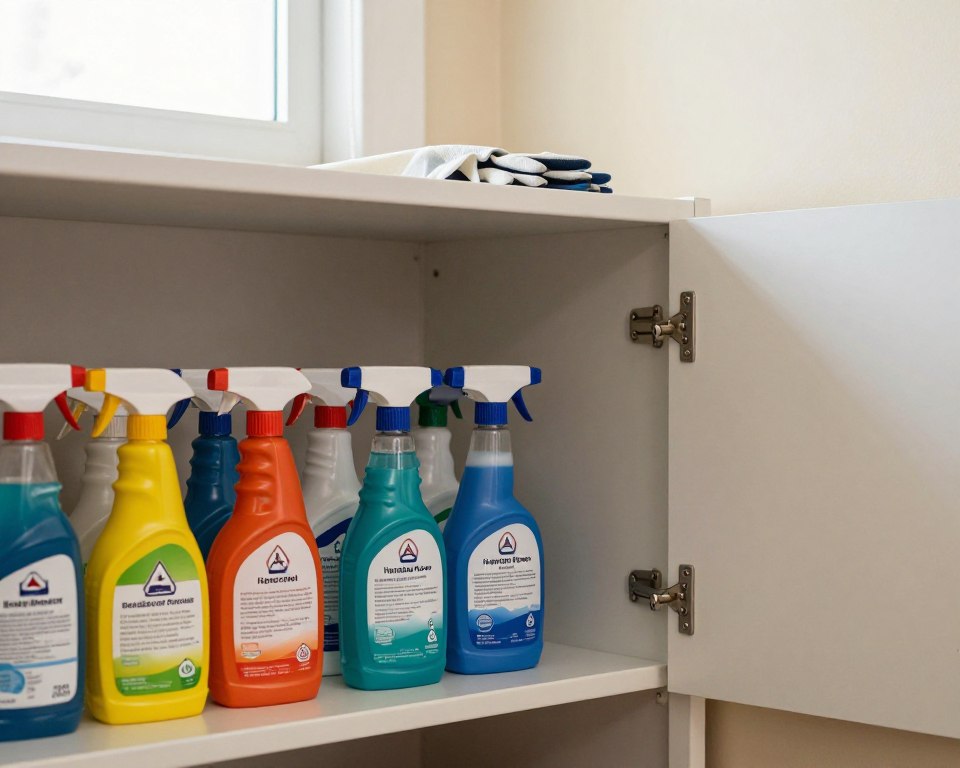
Establishing a safe home environment starts with how you manage your cleaning supplies. When you take the time to organize your utility closet, you significantly improve household cleaning safety for everyone in your home. Simple habits can prevent major accidents before they even begin.
Keeping Chemicals in Original Containers
Always keep your cleaning agents in their original bottles. These containers are specifically designed to hold the chemicals safely and include essential safety warnings on the labels. If you transfer liquids to unmarked spray bottles, you risk forgetting what is inside, which leads to dangerous mistakes.
The original labels provide critical instructions for use and emergency contact information. Keeping these intact is a fundamental rule of household chemical storage. Never remove or cover these labels, as they are your first line of defense against misuse.
Organizing Cleaning Supplies for Safety
Effective organization is key to avoiding cleaning product hazards. You should store incompatible products on separate shelves or in different cabinets to ensure they never interact. For example, keep acids away from bleach-based cleaners to maintain a safe distance between reactive substances.
“The most effective way to prevent chemical accidents is to treat every cleaning product with respect and store it in a dedicated, secure location.”
Consider using plastic bins to group similar items together. This prevents bottles from tipping over and leaking onto other products. A well-organized space makes it much easier to find what you need without shuffling through potentially reactive items.
Preventing Accidental Cross-Contamination
Accidental mixing prevention relies on keeping your workspace clean and your storage areas orderly. Always wipe down the exterior of bottles after use to prevent residue from dripping onto other surfaces. This simple step ensures that no chemicals are transferred from one container to another during storage.
| Storage Rule | Safety Benefit | Action Required |
|---|---|---|
| Keep Original Labels | Clear Identification | Do not remove tags |
| Separate Shelves | Prevents Reactions | Store acids and bleach apart |
| Secure Lids | Avoids Spills | Tighten caps after use |
| High Storage | Child Safety | Use locked cabinets |
By following these guidelines, you create a secure environment that protects your household. Consistent habits turn a cluttered utility closet into a model of safety and efficiency. Taking these small steps today will provide you with peace of mind for years to come.
Safe Alternatives for Household Disinfection
Maintaining a clean home does not require dangerous chemical mixtures. Many people mistakenly believe that mixing powerful substances creates a better result, but this often leads to the creation of harmful oxidizing agents that can damage your health. Instead, you can rely on simple, effective methods that keep your living space pristine without the unnecessary risks.
Using Vinegar and Water Solutions
White vinegar is a staple in many households for a reason. When mixed with water, it creates a mild acidic solution that cuts through grease and grime on most surfaces. This is one of the most popular safe cleaning alternatives available today.
To make your own cleaner, simply mix equal parts water and white vinegar in a spray bottle. It works wonders on glass, countertops, and tile floors. Always remember that while vinegar is safe, it should never be used on natural stone like marble or granite, as the acid can etch the surface.
Benefits of Alcohol-Based Sanitizers
When you need to disinfect high-touch areas, alcohol-based solutions are a fantastic choice. Products containing at least 70% isopropyl alcohol are highly effective at killing germs on surfaces like doorknobs, light switches, and remote controls.
These sanitizers evaporate quickly, which makes them very convenient for daily use. Because they do not leave behind toxic residues, they are much safer for your family and pets than harsh industrial cleaners. Just ensure you maintain proper ventilation for cleaning by opening a window or running a fan while you work.
Commercial Green Cleaning Products
If you prefer the convenience of store-bought items, the market for eco-friendly cleaners has grown significantly. Many brands now offer powerful formulas that rely on plant-based ingredients rather than volatile chemicals.
These products provide several advantages for your home:
- Biodegradable ingredients that are safer for the environment.
- Pleasant, natural scents derived from essential oils.
- Effective cleaning power that rivals traditional, harsh chemicals.
- Clear labeling that helps you avoid accidental mixing.
By choosing these greener options, you protect your indoor air quality while still achieving a deep clean. Making the switch is a simple step toward a healthier and safer home environment for everyone.
Common Household Cleaning Myths and Dangers
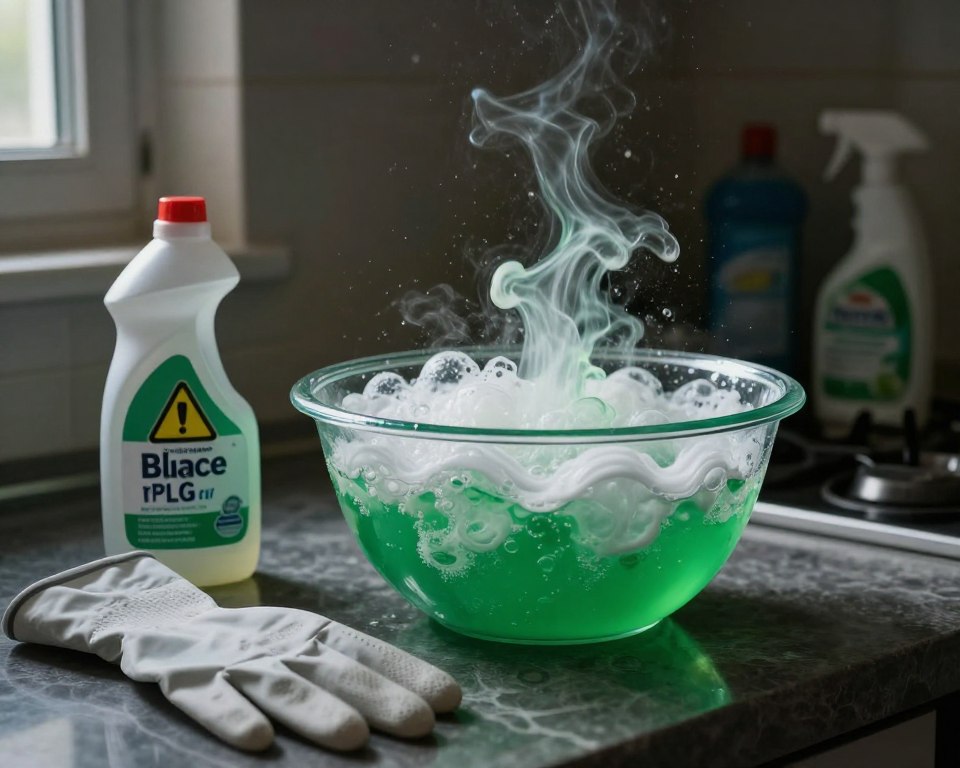
You might think that mixing two powerful cleaners will double your cleaning power, but the reality is far more hazardous. Many people fall for the trap of believing that combining products creates a stronger solution. In truth, this practice often leads to chemical reaction dangers that can compromise your indoor air quality.
The Myth of Mixing Cleaners for Extra Strength
The idea that mixing cleaners increases efficacy is a dangerous myth. When you combine different chemical agents, you rarely get a better result. Instead, you often create toxic gases or corrosive substances that are harmful to your health.
It is much safer to rely on proven safe cleaning alternatives rather than experimenting with your own mixtures. Stick to using one product at a time as directed by the manufacturer. This simple habit ensures that you achieve a deep clean without risking your well-being.
Other Dangerous Combinations to Avoid
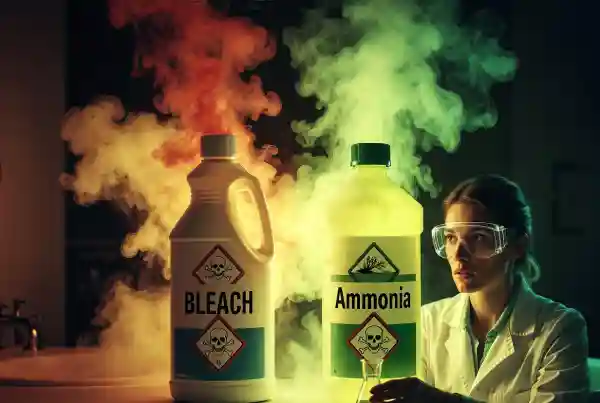
Proper household chemical storage is only half the battle; you must also know which products should never meet. Mixing bleach with ammonia, for example, creates toxic chloramine vapors. These fumes can cause severe respiratory distress and eye irritation almost immediately.
Always keep your cleaning supplies in their original containers to avoid confusion. Never pour different liquids into the same spray bottle or bucket. Taking these steps is vital for accidental mixing prevention in your home.
| Product A | Product B | Resulting Hazard |
|---|---|---|
| Bleach | Ammonia | Toxic Chloramine Gas |
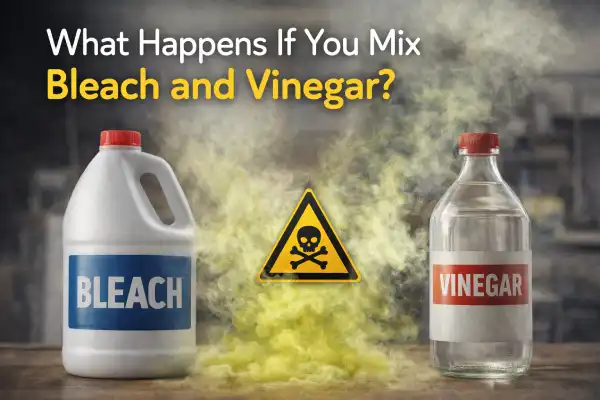
| Bleach | Vinegar | Chlorine Gas |
| Hydrogen Peroxide | Vinegar | Peracetic Acid |
Reading Labels for Safety Warnings
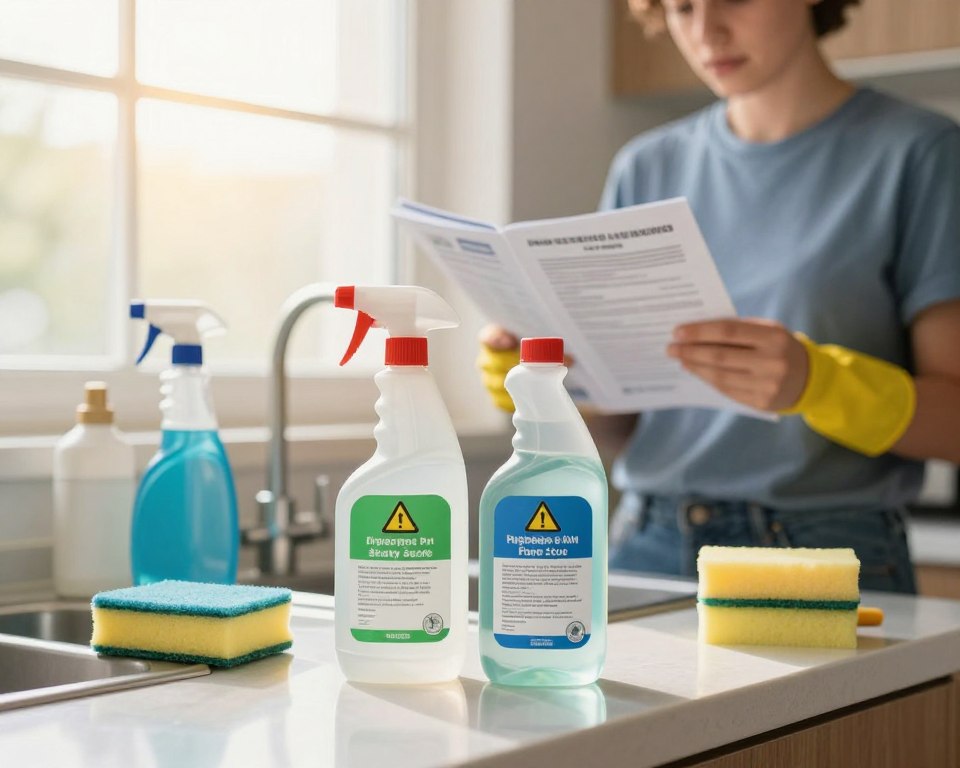
Every product you bring into your home comes with specific instructions for a reason. Ignoring these labels can lead to significant cleaning product hazards that are entirely preventable. Always take a moment to read the back of the bottle before you start your chores.
Look for warning symbols and instructions regarding ventilation. If a label says to use the product in a well-ventilated area, make sure to open your windows or turn on a fan. Being informed is the best way to protect yourself and your family from unnecessary risks.
Conclusion
Maintaining a healthy living space starts with smart habits. Prioritizing household cleaning safety remains the most effective way to protect your family from preventable accidents. You now possess the knowledge to handle supplies with care and confidence.
Proper household chemical storage prevents dangerous interactions before they begin. Keep all products in their original containers to ensure labels remain visible. This simple step reduces the risk of accidental mixing during your daily chores.
Preparation is vital when managing potential hazards. Keep the poison control contact number saved in your phone for quick access during an emergency chemical exposure. Knowing these details provides peace of mind while you manage your home.
If a spill occurs, act quickly to minimize harm. Understanding basic chemical burn first aid helps you manage minor incidents while waiting for professional help. Your commitment to these safety practices creates a secure environment for everyone in your household.
FAQ
What exactly happens if I mix Clorox bleach and hydrogen peroxide?
When you combine sodium hypochlorite (the active ingredient in Clorox) and hydrogen peroxide, a violent chemical reaction occurs. Instead of creating a more powerful disinfectant, the two substances react to produce oxygen gas and significant heat. This reaction is immediate and can be quite volatile, especially if the substances are concentrated.
Is there a risk of an explosion when mixing these household chemicals?
Yes. Because the reaction releases oxygen gas so rapidly, it can cause a massive pressure buildup if the mixture is in a closed container. In confined spaces or sealed bottles, this can lead to explosive reactions, potentially spraying corrosive liquid and glass or plastic shards throughout the room. Proper ventilation is always necessary when cleaning, but these two should never meet in any environment.
Does mixing bleach and hydrogen peroxide result in a neutral, safe solution?
This is a dangerous household cleaning myth. Mixing these two does not result in a “neutralized” or safer solution. Instead, it creates an unstable environment. The myth of “extra strength” cleaning is fundamentally flawed and dangerous, as the chemical byproduct is neither a better cleaner nor a safe substance to handle.
What are the immediate health symptoms of exposure to these toxic fumes?
Exposure to the byproducts of this mixture can cause severe respiratory tract irritation, leading to coughing, wheezing, and respiratory distress. Additionally, you may experience ocular and dermal irritation, such as redness, burning, or even blistering of the skin and eyes. If you notice these signs of chemical exposure, you must seek fresh air and professional medical help immediately.
What should I do if I accidentally mix these chemicals while cleaning?
Your first priority is to evacuate the area immediately to avoid inhaling harmful vapors. Once you are safe, attempt to ventilate the space safely by opening windows if possible. For physical contact, follow strict rinsing procedures for the skin and eyes. You should also contact Poison Control at 1-800-222-1222 or call emergency services to ensure you receive expert guidance for the situation.
How should I organize my cleaning supplies to prevent accidental cross-contamination?
The best way to prevent accidents is to keep all chemicals in their original containers so that safety warnings and labels remain clearly visible. Organizing cleaning supplies by storing incompatible products on separate shelves or in different cabinets is a vital safety measure. Never store hydrogen peroxide directly next to bleach or ammonia-based cleaners like Windex.
Are there safer alternatives for disinfecting my home without using harsh chemicals?
Absolutely. You can use vinegar and water solutions for many everyday tasks, or utilize alcohol-based sanitizers for targeted disinfection. Many homeowners are also switching to commercial green cleaning products from brands like Seventh Generation or Mrs. Meyer’s Clean Day, which offer powerful results without the extreme risks associated with mixing volatile substances.
Are there other dangerous combinations besides bleach and peroxide I should avoid?
Yes, you should be extremely cautious and avoid mixing bleach and ammonia, which creates toxic chloramine gas, or mixing bleach with vinegar, which releases chlorine gas. Always take the time for reading labels on products before use to ensure you are not inadvertently creating a life-threatening chemical event in your home.