We all want our homes to be clean and safe for our families. We often use cleaning products without thinking about the air we breathe. It is natural to worry about how these chemicals affect our health.
As pharmacists, we get your concerns about household disinfectant safety. We help you understand complex chemical labels and how they affect your daily cleaning. Our goal is to make it easy to protect your lungs.
You might ask: Is Disinfectant Spray Toxic to Breathe in small spaces? We offer clear, evidence-based advice to keep your home clean without harming your health. Let’s tackle these risks together, with confidence and clarity.
Key Takeaways
- Understand the chemical components found in common cleaning agents.
- Learn how to improve ventilation while sanitizing your living space.
- Identify safer alternatives for daily home maintenance.
- Recognize early signs of respiratory irritation from chemical exposure.
- Follow professional protocols to minimize inhalation risks effectively.
Understanding the Chemical Composition of Common Disinfectants
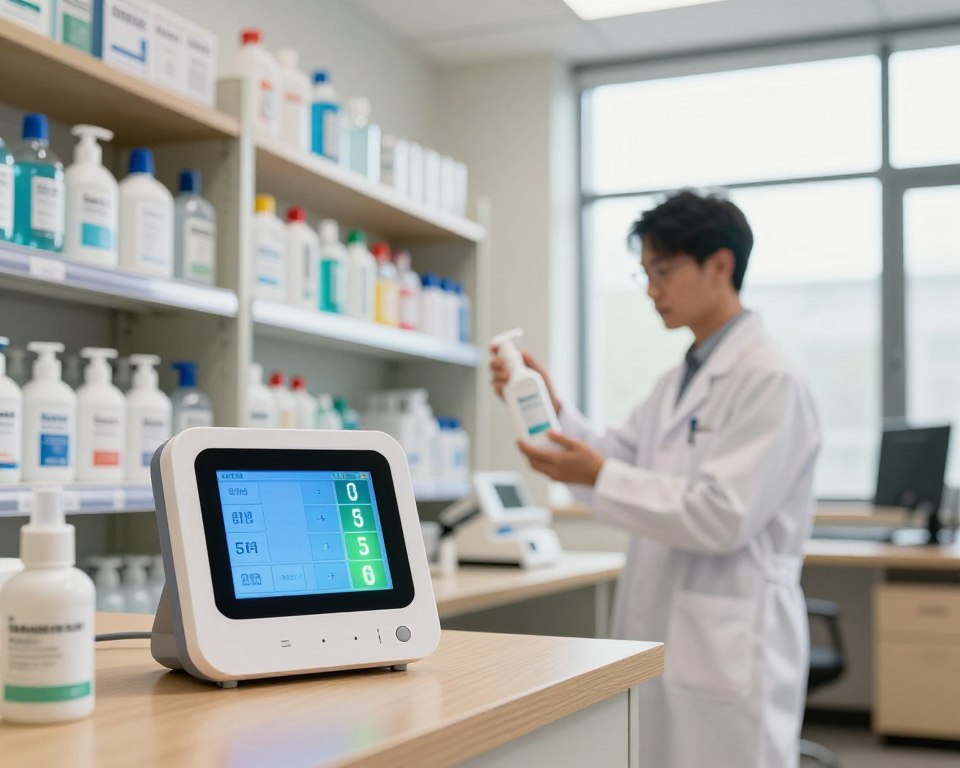
Many of us use disinfectant sprays without thinking about the chemicals they contain. These products aim to kill germs but use strong substances that need careful handling. Knowing how these ingredients work helps us choose better products for our homes.
Common Active Ingredients in Household Sprays
Household disinfectants use certain chemicals to destroy bacteria and viruses. Quaternary ammonium compounds and sodium hypochlorite are common. They are good at cleaning surfaces but have different uses.
It’s crucial to follow bleach safety guidelines when using chlorine-based cleaners. Knowing the sodium hypochlorite risks helps keep your home safe. Here are some common ingredients in sprays:
- Quaternary Ammonium Compounds: Found in multi-surface cleaners, they are usually safe but can irritate the lungs if inhaled.
- Sodium Hypochlorite: A strong chemical that needs to be diluted and used in well-ventilated areas.
- Hydrogen Peroxide: A gentler option that breaks down into water and oxygen, making it safer for daily use.
How Volatile Organic Compounds Affect Indoor Air Quality
Many sprays also have solvents and fragrances that release VOCs. These chemicals evaporate quickly, lowering indoor air quality in small spaces. Spraying these products turns liquid chemicals into airborne particles that stay in the room.
Poor indoor air quality comes from VOCs in spaces with little air flow. Over time, these compounds can cause health issues for some people. By picking products with low VOCs and ensuring good air flow, we can keep our homes clean and healthy.
Is Disinfectant Spray Toxic to Breathe? Analyzing the Risks
We think a clean home means a healthy home. But the air we breathe during cleaning is different. These products kill germs but can harm our lungs. It’s key to understand how these chemicals affect our lungs during cleaning.
Immediate Respiratory Irritation and Symptoms
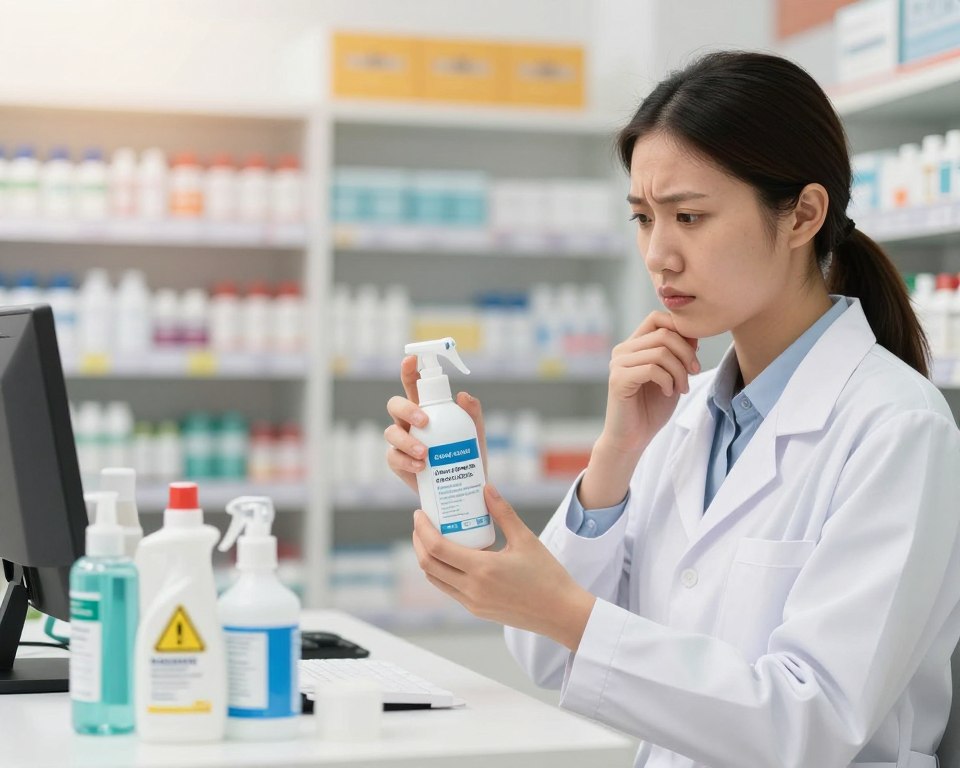
Using aerosol cleaners can cause sudden discomfort. This cleaning product toxicity shows up as an immediate reaction to the air mist. If you see these signs, your lungs are fighting to handle the air:
- Persistent coughing or wheezing during or after cleaning.
- A scratchy or burning sensation in the throat and nasal passages.
- Shortness of breath or a feeling of chest tightness.
- Watery, irritated eyes caused by chemical vapors.
Long-term Health Implications of Chronic Exposure
There’s more than just immediate discomfort. Frequent use of strong disinfectants can harm lung function over time. There’s a COPD risk from disinfectants that homeowners should know about.
Long-term breathing in these chemicals can cause airway inflammation. This inflammation can lead to lung problems over years. Protecting your long-term lung health means being careful with these chemicals in our homes.
The Science of Inhalation Toxicity
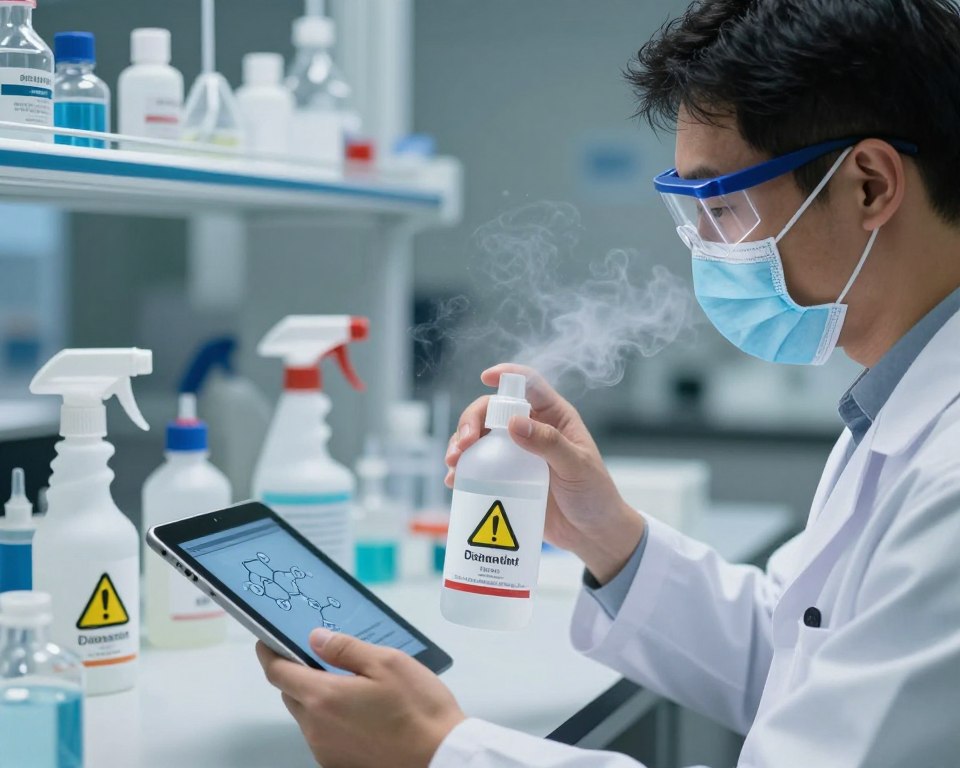
When we spray disinfectants, we mix chemistry with human biology. These products have volatile compounds that turn into air mist. Knowing this helps us spot disinfectant inhalation hazards in our daily lives.
How Chemicals Enter the Respiratory System
The human body filters out big particles but not tiny chemical vapors. These vapors go deep into our lungs, causing immediate inflammation or irritation.
Some chemicals even get into our bloodstream. This can lead to respiratory health risks that go beyond just coughing or sore throats. Our lungs are very good at absorbing what we breathe, including cleaning spray mists.
The Role of Particle Size in Aerosolized Disinfectants
The size of spray droplets affects how deep they go into our bodies. Big droplets settle fast or get stuck in the upper airways. But aerosolized particles are small enough to reach our lungs’ deepest parts.
These tiny droplets can harm the alveoli, where gas exchange happens. This can cause a lot of trouble. By making fewer fine mists, we lower respiratory health risks from cleaning.
The science tells us that how we use a product matters as much as what’s in it. By controlling how we spray, we avoid disinfectant inhalation hazards and keep our homes clean.
Vulnerable Populations and Increased Sensitivity
Our homes should be safe havens, but some cleaning products can cause health issues for certain groups. How we react to airborne chemicals varies greatly. A healthy adult might handle a brief exposure well, but others could face severe reactions.
Risks for Individuals with Asthma and COPD
The connection between asthma and cleaning products is clear in medical studies. Aerosol disinfectants often contain harmful volatile organic compounds. These can cause sudden breathing problems and coughing.
For those with COPD, the risk from disinfectants is high. Their lungs are already weakened, so even small amounts of chemicals can worsen symptoms. It’s crucial for them to stay away from areas being cleaned to avoid sudden attacks.
Protecting Children and Pets from Airborne Residues
Children and pets are especially at risk because of their size and fast breathing. They often get closer to the floor, where chemicals settle. Their young bodies can’t filter out toxins as well, which can harm their health over time.
To keep a safe home, consider these tips for families with sensitive members:
- Always open windows for good air flow while cleaning.
- Apply liquid cleaners to a cloth instead of spraying them in the air.
- Keep children and pets out of the room until the cleaner has dried completely.
| Vulnerable Group | Primary Risk Factor | Recommended Action |
|---|---|---|
| Asthma Patients | Airway Hyper-responsiveness | Use fragrance-free, low-VOC cleaners |
| COPD Patients | Reduced Lung Capacity | Avoid aerosol sprays entirely |
| Children/Pets | Lower Breathing Zone | Clean surfaces when they are absent |
Recognizing Signs of Overexposure
It’s important to notice early signs of overexposure to avoid serious respiratory health risks. Cleaning in small spaces can quickly lead to irritation from airborne chemicals. Being aware of these signs helps prevent minor issues from becoming big health problems.
Acute Symptoms Requiring Immediate Attention
If you feel sudden changes while cleaning, stop right away and get to a well-ventilated area. Common chemical exposure symptoms include irritation in the airways or eyes. Watch for these warning signs:
- Persistent coughing or wheezing
- Burning sensations in the throat or nose
- Watery, red, or itchy eyes
- Sudden onset of dizziness or lightheadedness
- Shortness of breath or chest tightness
These symptoms mean your body is reacting to too much chemical in the air. Ignoring them can cause more serious inflammation or breathing problems.
When to Seek Medical Advice from a Healthcare Professional
It’s crucial to know when to seek medical help. If your breathing doesn’t get better in a few minutes of fresh air, call a doctor. This is especially true if you have health issues or were using bleach, where sodium hypochlorite risks are high.
If unsure about your symptoms, contact your local Poison Control Center. They can tell you if you need urgent care or the emergency room. Always prioritize your safety by getting help if you feel confused, have severe chest pain, or can’t breathe well.
Safe Application Practices for Household Disinfection
Keeping your home clean shouldn’t harm your breathing. We think household disinfectant safety begins with how you use cleaning products daily. Simple changes in your routine can help clean your home and keep the air fresh.
The Importance of Proper Ventilation During Use
Ensuring proper ventilation for cleaning is key. Just opening one window isn’t enough to clear out chemical vapors fast. Open windows on opposite sides of the room to let fresh air in and out.
If you can’t get cross-ventilation, use a portable fan. It helps move air towards an open window or door. Always prioritize fresh air to keep your home healthy while cleaning.
“The solution to pollution is dilution. When using chemical cleaners, increasing airflow is the single most effective way to reduce your exposure to airborne irritants.”
Techniques to Minimize Aerosolization
Many people accidentally create harmful mists by spraying cleaners from a distance. To practice safe home disinfection, spray the product onto a microfiber cloth or paper towel first. This keeps the chemical on the surface, not in the air.
If you must spray, hold the nozzle close to the surface. This reduces the spread of fine droplets. Below is a comparison of common application methods to help you choose the safest approach for your daily chores.
| Method | Aerosol Risk | Surface Coverage | Recommended Use |
|---|---|---|---|
| Direct Spraying | High | Wide | Large, non-porous floors |
| Cloth Application | Very Low | Controlled | High-touch surfaces |
| Trigger Mist | Moderate | Medium | General countertops |
| Pre-moistened Wipes | None | Precise | Small electronics |
Choosing the right application technique lowers the risk of inhaling chemicals. These habits are crucial for a clean home without harming your health. We encourage you to adopt these practices for a safer cleaning routine for your whole household.
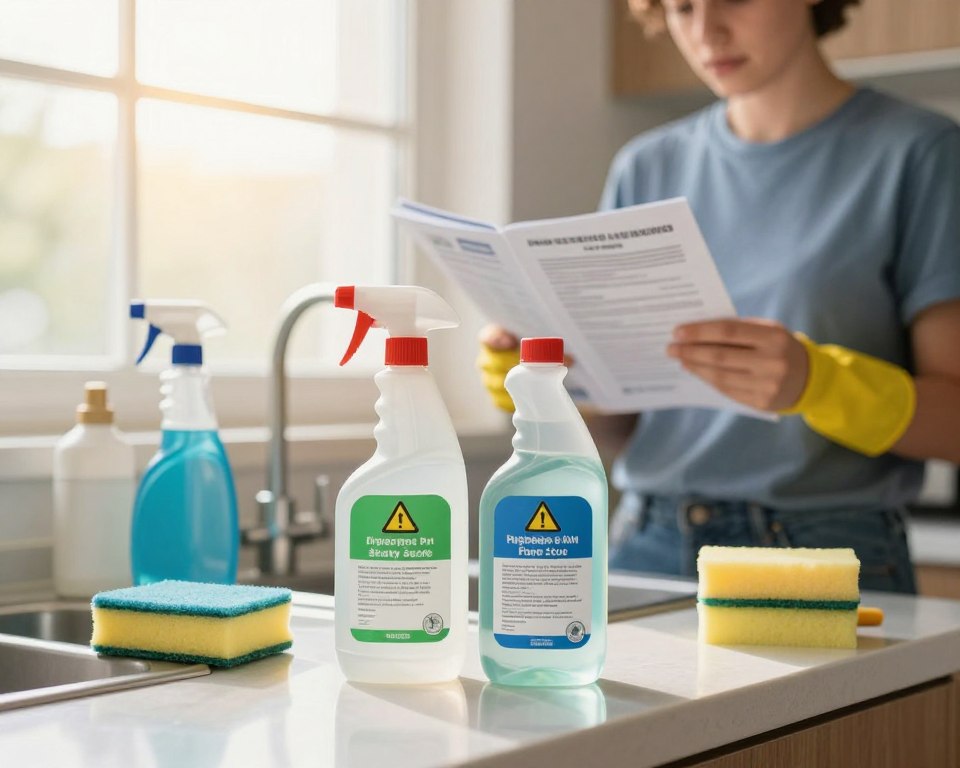
Reading and Interpreting Product Safety Labels
Many of us spray without checking the label, which can be risky. Cleaning products have important info to keep you safe. By reading these details, you become a more informed user.
Understanding Signal Words and Hazard Statements
Manufacturers use signal words to show the risk level. Danger means high toxicity, while Warning or Caution mean lower risks. Ignoring these can cause unintended symptoms like breathing problems or skin rashes.
Hazard statements give more info on safe use. They tell you about dangers like flammability or eye irritation. Always check these warnings before cleaning to stay safe.
Why Following Manufacturer Instructions is Non-Negotiable
Following the directions on the bottle is crucial. These instructions come from thorough testing to ensure safety and effectiveness. Not following them can harm you and reduce the product’s power.
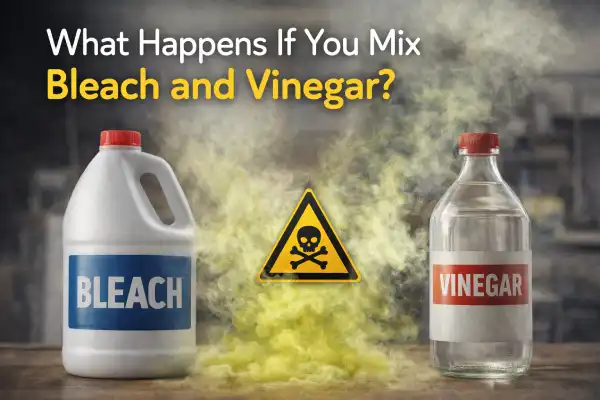
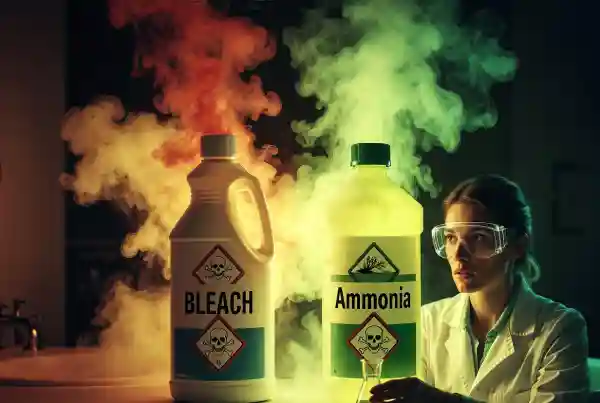
For example, following bleach safety guidelines prevents harmful gas creation. Consistency in cleaning keeps your home safe. By following the manufacturer’s advice, you keep your home clean and healthy.
Comparing Different Types of Disinfectant Delivery Systems
Not all disinfectant delivery systems are the same when it comes to your health. The way you apply cleaning agents can affect how much chemical mist you breathe. Knowing these differences helps you make choices that protect your health.
Aerosol Sprays Versus Trigger Sprays
Aerosol sprays are popular for their ease of use. But, they often pose a higher risk of disinfectant inhalation hazards. They release a fine mist that stays in the air for a long time. This mist can easily reach deep into your lungs during cleaning.
Trigger sprays, on the other hand, produce larger droplets that fall faster. They are less likely to become airborne than aerosol sprays. Using a trigger spray can help reduce the chemicals you inhale while cleaning your home.
The Benefits of Wipes and Liquid Solutions
Pre-moistened wipes are a great choice to lower disinfectant inhalation hazards. They don’t require spraying, as the chemical is already on the cloth. This method keeps your space free from mist.
Applying a liquid solution to a microfiber cloth is also effective. Spraying the cloth instead of the surface prevents the chemical from turning into mist. This way, you can keep your home clean without compromising the air quality.
| Delivery Method | Inhalation Risk | Ease of Use | Best For |
|---|---|---|---|
| Aerosol Spray | High | Very High | Large Areas |
| Trigger Spray | Moderate | High | General Surfaces |
| Wipes | Low | Very High | High-Touch Points |
| Liquid/Cloth | Very Low | Moderate | Precision Cleaning |
Environmental and Personal Protective Measures
A clean home needs both clean surfaces and personal safety. A strong safety plan keeps your health first when cleaning. The right gear and proper ventilation for cleaning make your home safe.
Using Personal Protective Equipment Effectively
Wearing the right gear is crucial for cleaning. Use nitrile gloves to stop chemicals from getting into your skin. These gloves block harsh ingredients in many sprays.
Safety goggles are also key, especially when spraying above your eyes. They protect against splashes or mists that can irritate your eyes. Here are the must-haves for your cleaning kit:
| Equipment | Primary Purpose | Recommended Material |
|---|---|---|
| Nitrile Gloves | Skin Protection | Chemical-resistant rubber |
| Safety Goggles | Eye Shielding | Impact-resistant plastic |
| Long Sleeves | Dermal Coverage | Washable cotton or synthetic |
Managing Indoor Air Quality After Cleaning
Keeping indoor air quality high is as important as ventilation during cleaning. After scrubbing, rinse surfaces well with water. This removes any leftover chemical residue.
Also, open windows for at least thirty minutes after cleaning. This clears out any remaining volatile compounds in the air. These steps ensure a safe environment for your health after cleaning.
Natural and Less Toxic Alternatives for Surface Cleaning
Understanding the difference between cleaning and disinfecting is key. Many homes face cleaning product toxicity issues, especially when family members have breathing problems. If you’re concerned about asthma and cleaning products, it’s wise to look for gentler options.
Evaluating the Efficacy of Vinegar and Hydrogen Peroxide
Not all natural substances are equal in fighting germs. Vinegar and lemon juice are great for removing dirt and mineral buildup. But, they can’t kill viruses or bacteria that need medical treatment.
Hydrogen peroxide, on the other hand, is a safer choice for many surfaces. At 3% concentration, it’s a strong oxidizer that kills germs. Make sure to keep these solutions in dark bottles to keep them effective.
When to Use EPA-Registered Disinfectants Versus Natural Cleaners
Choosing between natural cleaners and EPA-registered cleaners depends on your needs. For everyday cleaning, like wiping down kitchen counters, a mild soap or natural cleaner works well. But, if someone is sick, you need cleaners that can kill specific germs.
Stronger cleaners, like those with quaternary ammonium compounds, are effective but can irritate lungs. Use them only in high-risk areas or when someone is sick. This way, you reduce lung irritation while keeping your home clean.
| Cleaning Agent | Primary Use | Disinfectant Status | Safety Profile |
|---|---|---|---|
| Vinegar | General Cleaning | No | High |
| Hydrogen Peroxide | Sanitizing | Yes | Moderate |
| Quaternary Ammonium | Heavy Disinfection | Yes | Low |
Pharmacist Recommendations for a Safer Home Environment
We think a clean home doesn’t need harsh chemicals on every surface. Balance is key to a healthy home and less exposure to harmful substances.
Creating a Balanced Cleaning Protocol
To keep your home safe, create a cleaning routine that’s efficient, not excessive. First, figure out which areas need deep cleaning and which can just use soap and water.
When using EPA-registered cleaners, always stick to the recommended dilution. More product doesn’t clean better and can harm your health.
Prioritizing High-Touch Surfaces Without Over-Spraying
Good safe home disinfection focuses on germ hotspots. Instead of spraying whole rooms, clean high-touch spots like doorknobs and light switches.
Apply cleaner to a cloth first, not directly on surfaces. This method stops chemicals from spreading and uses just the right amount.
| Cleaning Strategy | Primary Benefit | Chemical Usage |
|---|---|---|
| Targeted Wiping | High Precision | Low |
| Indiscriminate Spraying | Low Effort | High |
| Soap and Water | Non-Toxic | None |
By following these tips, you can improve your home’s air quality and keep it clean. Remember, EPA-registered cleaners are strong and should be used with care for your family’s safety.
Conclusion
Keeping your home clean is all about finding the right balance. We’ve looked into how chemicals affect the air we breathe. This helps you choose safer ways to clean.
Changing your cleaning habits can make a big difference. Start by opening windows and picking less toxic cleaners. These easy steps can greatly improve the air you breathe every day.
It’s important to check your cleaning supplies and switch to safer options when you can. Being careful about how you use these products keeps your family and pets safe. This effort helps make your home a healthier place for everyone.
We’d love to hear about your cleaning experiences or any questions you have. Join us in working towards better air quality in our homes. Your efforts to create a cleaner, safer space are truly valuable.
FAQ
Is it safe to breathe in disinfectant spray during our daily cleaning routine?
While these products kill pathogens, breathing in their mists can harm us. Many household sprays, like Lysol, can irritate the lungs. This risk is higher in small spaces where harmful chemicals can quickly build up, causing breathing problems or long-term health issues.
What are the primary risks associated with sodium hypochlorite in cleaning products?
Sodium hypochlorite, found in Clorox Bleach, is very reactive. It can release fumes that irritate the eyes, throat, and lungs. Knowing these risks is key because improper use or poor air can lead to toxic gases, harming our air and health.
Can chronic exposure to cleaning sprays lead to long-term respiratory conditions?
Yes, long-term exposure to cleaning chemicals can lead to chronic conditions. People often exposed to these irritants may face a higher risk of COPD or lung function decline. This is a serious concern for anyone using heavy chemicals at home.
Why are aerosolized disinfectants considered more hazardous than liquid solutions?
Aerosolized disinfectants are more hazardous because of their small particle size. These tiny particles can travel deep into our lungs, causing inflammation. This makes products like Microban 24 Hour Sanitizing Spray more likely to cause breathing issues if not used carefully.
How should individuals with asthma or COPD handle household disinfection?
People with asthma or COPD should be very cautious. Strong scents and chemical residues can trigger attacks. To protect them, we suggest using non-aerosol options, ensuring good ventilation, and choosing EPA-registered products with lower toxicity.
What are the early warning signs of chemical overexposure?
Watch for symptoms like coughing, wheezing, shortness of breath, or a stinging sensation in the nose and throat. If you experience these, get to fresh air right away. If symptoms don’t go away, call Poison Control or a doctor to avoid a serious situation.
How can we minimize the creation of harmful aerosols while cleaning?
One safe way to disinfect is to spray the disinfectant on a microfiber cloth first. Then, wipe the surface. This method reduces airborne particles while still sanitizing effectively.
What information should we look for on product safety labels?
Always look for “Caution,” “Warning,” or “Danger” on labels. These words tell us how toxic a product is and how to use it safely. Following the manufacturer’s instructions is crucial to avoid breathing in harmful fumes.
Are natural alternatives like vinegar and lemon juice effective disinfectants?
Vinegar and lemon juice are good for cleaning but not for disinfecting. They are not EPA-registered to kill certain viruses or bacteria. For a safer option, consider hydrogen peroxide, which is a strong disinfectant that breaks down into safe components.
What personal protective equipment (PPE) is recommended for home cleaning?
Wear nitrile gloves to prevent skin absorption and safety goggles for splashing. Also, open windows and use exhaust fans to improve indoor air quality. This is as important as the PPE we wear.
What is the best protocol for disinfecting high-touch surfaces safely?
Focus on high-touch surfaces like doorknobs and countertops using the right dilution ratios. Avoid spraying too much and use pre-moistened wipes or liquid applications instead. This way, we can keep our environment clean without flooding it with harmful chemicals.