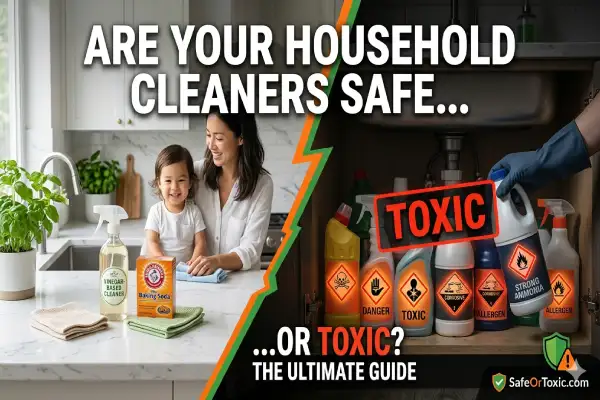
This concise guide examines whether common household cleaning products pose real risks to your indoor air and long-term health.
As a pharmacist-reviewed resource, we look at recent studies, regulatory notes from the EPA and CDC, and practical steps you can take at home.
Understanding hidden hazards helps you choose safer options and reduce exposure to synthetic ingredients that may affect breathing or allergies.
Our goal is simple: empower you with clear, science-backed advice so you can protect your family and make informed choices about products.
Key Takeaways
- Pharmacist-reviewed evidence clarifies how everyday cleaners can affect indoor air and respiratory wellness.
- Regulatory guidance from EPA and CDC helps gauge product safety but labels can be confusing.
- Simple swaps and ventilation often reduce exposure more than costly replacements.
- Know ingredient lists and avoid unnecessary fragrances to lower irritant risk.
- This article provides practical, evidence-based steps to safeguard your home and health.
Understanding the Modern Cleaning Landscape
The story of household cleaning moves from ancient remedies to a flood of commercial products on today’s shelves.
Humans have used chemical agents for roughly 5,000 years, evolving from simple ash, salts, and even Roman urine-based scrubs to engineered cleaners that claim fast results.
A Finnish study found that people cleaned about 70% more during the Covid‑19 pandemic. That shift led to a roughly 75% rise in the volume of cleaning products in many homes.
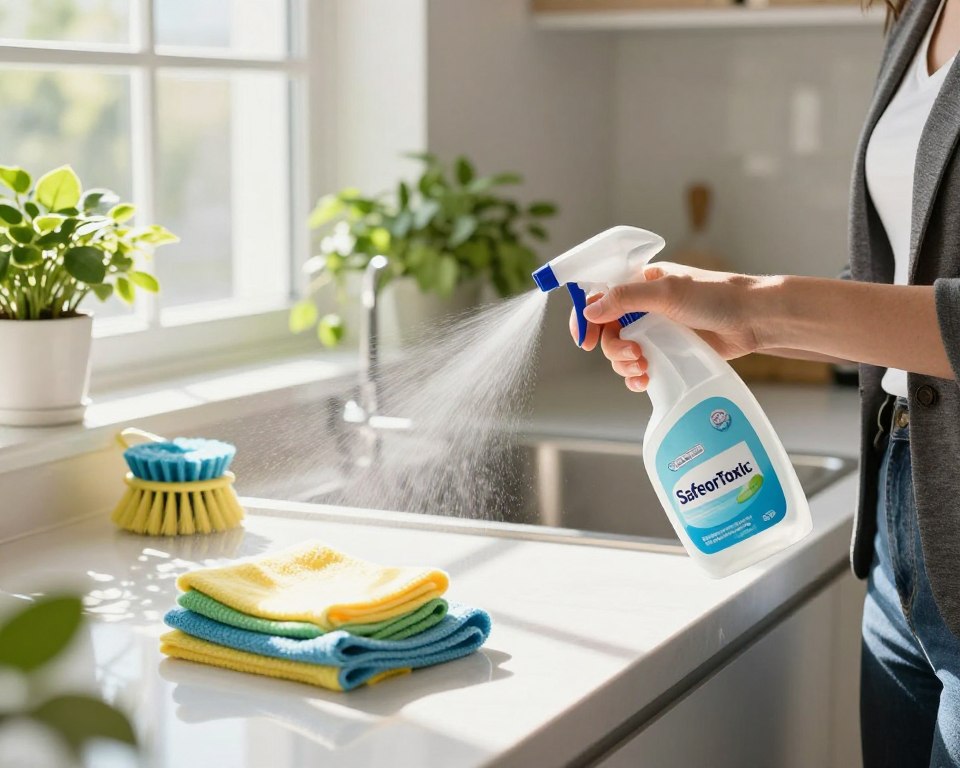
The steady increase in product use raises real questions about indoor air and repeated exposure. Constant use of a multi‑purpose cleaner can add small chemical loads that build up over time.
Modern household cleaning needs balance: effective removal of germs and dirt while limiting unnecessary chemicals. Many people now prefer gentler, sustainable methods and reduced reliance on heavy laundry and surface agents.
“Understanding why and how we clean helps us choose safer, more effective options for our homes.”
Are Multi-Surface Sprays Toxic to Your Health?
Scientists reviewing dozens of studies highlight a clear link between routine cleaning habits and respiratory effects. A 2024 review of 77 studies found that some cleaning products, especially those turned into airborne mists, can harm the respiratory system.
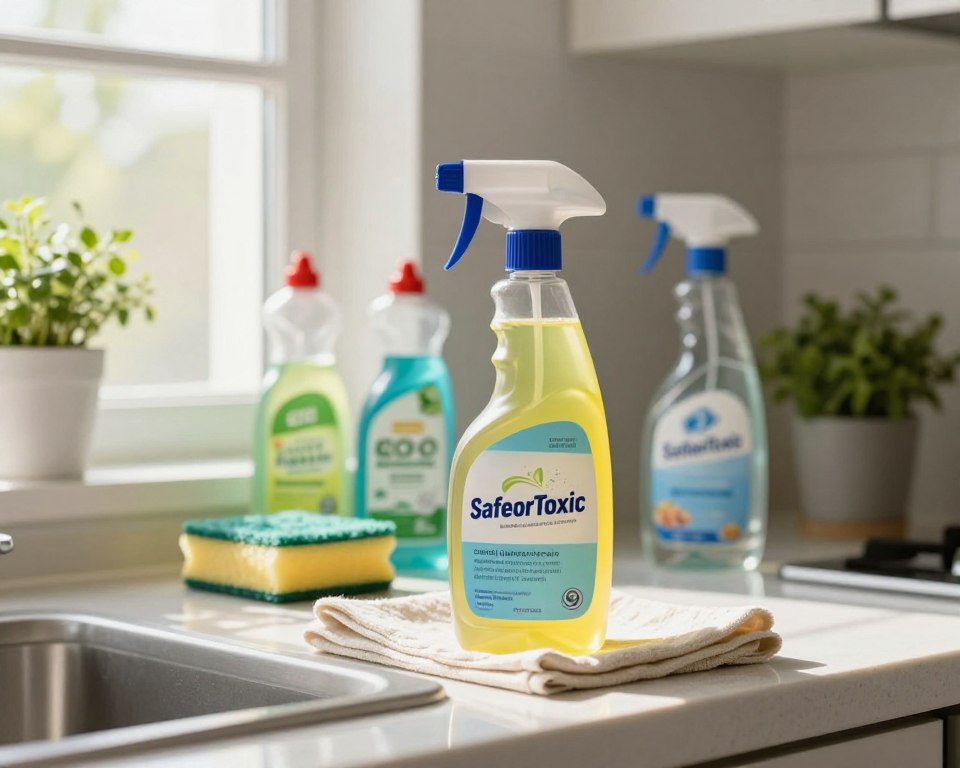
Regular use of a spray between four and seven times weekly is associated with higher asthma rates in young adults. This pattern suggests repeated exposure matters more than occasional use.
The Impact on Children and Pets
Children breathe faster than adults, so they inhale more of the volatile compounds released during household cleaning. Pregnant people exposed to these chemicals may also raise the chance of persistent wheezing in early childhood.
- Airborne chemicals from kitchen or laundry cleaning make inhalation easier than with liquids.
- Repeated exposure can trigger poorly controlled asthma and ongoing wheeze in people who live in the home.
- Reducing frequency and switching methods lowers risk for children and pets.
The Science Behind Airborne Cleaning Chemicals
When we clean, some ingredients move into the air and can affect respiratory health. Cleaning products often release volatile organic compounds (VOCs) that irritate the ear, nose, and throat. Professor Nicola Carslaw at the University of York notes that we know these products harm some people, but pinpointing the exact chemicals is complex.
Turning a liquid into a spray creates aerosols that raise the chance of inhalation compared with applying a liquid by hand. Even water-based solutions can react in air and form secondary contaminants.
Research shows that many risks come from reactive irritants that damage tissues at a cellular level when airborne. A 2024 study found cumulative exposure to these airborne chemicals is a modifiable risk factor — meaning our cleaning habits can lower overall exposure and risk.
- Experts say identifying the single harmful agent is difficult, but harm is real.
- Using spray formats increases aerosol inhalation versus pouring or wiping.
- VOCs and reactive byproducts formed in the air drive much of the irritation in homes.
“Converting liquid cleaners into airborne particles amplifies inhalation and increases potential harm.”
Common Ingredients That Pose Respiratory Risks
A handful of ingredients in everyday cleaning products act as corrosive agents and deserve caution. These substances can become airborne or splash during use, increasing inhalation risk.
Identifying Corrosive Irritants
Chemicals such as chlorine, ammonia, hydrochloric acid, chloramine, and sodium hydroxide are classified as corrosive. Inhalation can cause severe irritation and may lead to long-term lung damage or the development of asthma.
“Knowing the active ingredients in a cleaner is the first step toward safer use and better respiratory health.”
| Ingredient | Common Use | Primary Risk |
|---|---|---|
| Chlorine (bleach) | Disinfecting, whitening | Respiratory irritation, reactive gases |
| Ammonia | Glass cleaners, degreasers | Airway irritation; harmful if mixed with bleach |
| Sodium hydroxide | Drain cleaners | Severe skin burns and lung injury if aerosolized |
- Check labels for these ingredients to reduce household chemical load.
- Use gloves to protect skin and avoid concentrated exposures.
- Prioritize safer alternatives and better ventilation when possible.
Why Fragrances Are Often Hidden Hazards
Fragrances in cleaners often hide dozens of chemicals behind a single word on the label. That short label line can mask a complex mix of proprietary compounds that companies do not fully disclose.
Natural-looking aromas can be chemically identical to lab-made versions once they enter the air. Professor Nicola Carslaw’s work shows that a lemon scent released during cleaning behaves the same whether sourced from fruit or a factory-made blend.
These aroma chemicals can move through the indoor environment and the body, causing irritation for sensitive people. Sensitive lungs react more when airborne compounds linger after a routine cleaning session.
- Many products use synthetic fragrances designed to persist in the air and mask other substances.
- “Fragrance” on a label often hides untested proprietary chemicals.
- Cutting added scents is a simple way to improve indoor air quality and lower chemical load.
Practical tip: Choose unscented solutions or plain soap and water when possible. Reducing fragrances reduces hidden exposures and helps protect household members.
The Truth About Antibacterial Cleaning Products
Plain soap and a damp cloth often do the heavy lifting when removing germs from home surfaces. Many cleaning products marketed as antibacterial add chemicals but not clear benefits.
Professor Elaine Larson’s 2007 study followed 238 families in Manhattan for nearly a year. The study found no measurable difference in respiratory symptoms between families using antibacterial products and those using regular cleaners.
Antibiotic Resistance Concerns
Overusing antibacterial cleaners can favor bacteria that survive chemical exposure. This process may feed antibiotic resistance and harm public health.
The Hygiene Hypothesis
The hygiene hypothesis suggests early microbe exposure helps the immune system develop. Excessive sanitizing in the household may limit that natural training, especially for children.
“Mechanical action — soap, water, and friction from a cloth — is what removes bacteria, not labels.”
| Focus | What the research shows | Practical take |
|---|---|---|
| Larson 2007 study | No respiratory benefit from antibacterial products in 238 families | Use soap and water for routine cleaning |
| Resistance risk | Frequent antibacterial use can select resistant strains | Reserve stronger agents for specific disinfecting needs |
| Immune development | Over-sanitizing may reduce beneficial microbe exposure | Balance cleaning in kitchen and bathroom with normal exposure |
- Read labels—many categories of cleaners claim antibacterial action without proven benefit.
- For food prep and everyday use, soap and water are effective and gentler on skin and the environment.
Evaluating the Risks of Bleach and Ammonia
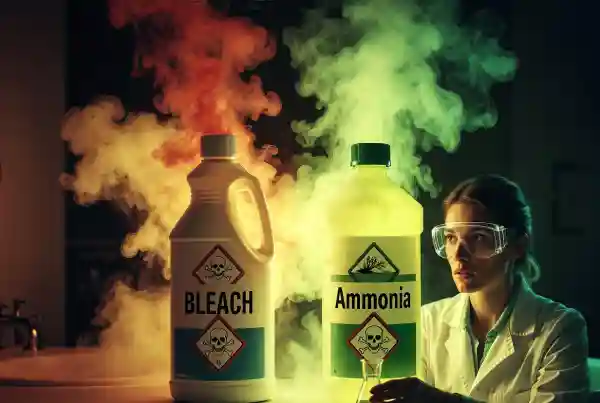
Bleach and ammonia are common in homes, yet they can interact to form life‑threatening gases.
Bleach is a widely used household cleaning agent, but it can harm skin and lungs if inhaled or splashed.
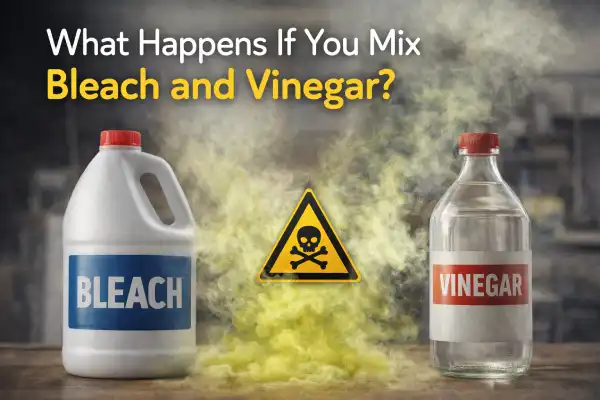
Mixing bleach with ammonia, vinegar, or acidic products creates reactive gases. These gases can burn lung tissue and cause severe respiratory damage within minutes.
- High risk: Many window and laundry products contain ammonia. OSHA classifies ammonia as a high‑hazard ingredient because it can cause pulmonary edema.
- Household danger: Even passive exposure raises the chance of breathing problems in children and adults.
- Check labels: Always read the ingredients list to avoid accidental chemical reactions.
Safer choice: Avoid harsh chemicals when possible and pick gentler alternatives. Use plain soap and water or single‑ingredient cleaners to cut chemical load and lower risk.
“Never mix bleach with other cleaners — the consequences can be immediate and severe.”
How Cleaning Sprays Affect Indoor Air Quality
Aerosols from household cleaning can linger and alter indoor air more than many people expect.
Volatile organic compounds (VOCs) are released when common products evaporate or get atomized. These compounds can irritate the ear, nose, and throat and raise short‑term discomfort in sensitive people.
Volatile Organic Compounds Explained
The use of a spray converts liquid into tiny droplets that enter the respiratory system easily.
- Turning a liquid into an aerosol increases inhalation and raises exposure to airborne chemicals.
- Repeated exposure to VOCs from cleaning products can lower lung function and raise the risk of developing asthma.
- Picking a liquid cleaner and wiping with a cloth cuts the dose of airborne contaminants while still cleaning effectively.
| Action | Effect on Indoor Air | Practical Tip |
|---|---|---|
| Using an aerosol | Higher airborne VOCs and droplets | Limit use; ventilate for 20–30 minutes |
| Applying liquid with cloth | Lower inhalation dose | Prefer concentrated liquid and microfiber |
| Choosing unscented products | Fewer persistent vapors | Read labels and avoid added fragrances |
“Minimizing sprays reduces cumulative chemical load and supports healthier indoor air.”
The Role of Elbow Grease in Effective Cleaning
Mechanical action — your hand, a cloth, and a little pressure — does much of the heavy lifting in removing germs.
Research shows that the friction between a cloth and a surface often matters more than the chemical strength of a cleaner. Wiping lifts bacteria and dirt from kitchen and bathroom surfaces without relying on harsh bleach or frequent use of aerosol formats.
Using plain soap and water with steady motion removes microbes safely and cuts exposure to vapors from strong cleaning products. The FDA emphasizes that handwashing motion is key to removing germs — the same principle applies to surface care.
By favoring physical effort over heavy chemicals, you protect skin and lower risks to indoor air. A reusable cloth extends sustainability and reduces waste from disposable cleaners and single‑use wipes.
“Friction and adequate contact time are the most reliable tools for effective cleaning.”
- Use a damp cloth and soap for routine household cleaning.
- Avoid overusing sprays; reserve stronger agents for specific disinfection needs.
- Rinse and launder reusable cloths to keep them sanitary and effective.
Navigating Green and Natural Cleaning Claims
Many shoppers assume green means safer, yet the term lacks a single regulatory definition. That gap lets marketers label diverse products under the same banner.
Emilie Pacheco Da Silva analyzed data from more than 40,000 people and found that green-labeled items may be less harmful on average. Still, the study shows labels are inconsistent and can mislead buyers.
Look beyond the front label. Check the ingredient list and avoid items that rely on vague green claims. Many natural-sounding formulas still contain chemicals that irritate the airway when aerosolized.
“True sustainability pairs proven effectiveness with clear ingredient disclosure.”
| Label claim | What it may mean | What to check |
|---|---|---|
| Green | Marketing term without a fixed standard | Read full ingredients; verify third-party certifications |
| Natural | May include plant-based aroma chemicals | Avoid added fragrances; seek transparent lists |
| Eco-friendly | Focus may be package or carbon, not indoor air | Assess both ingredients and environmental claims |
Practical tip: Group cleaning tasks by categories and pick a single trusted cleaner for each. Favor transparent labels to protect your home and the wider environment.
Tips for Safer Household Cleaning Practices
Practical steps, not panic, are the best way to lower exposure from common cleaners. Small changes in how and when you clean protect breathing and skin while keeping your home hygienic.
Prioritizing Ventilation
Keep a window open or run an exhaust fan during and after cleaning. The American Lung Association advises airing a room to disperse airborne compounds and reduce exposure.
Choosing Liquid Over Spray
Use a liquid cleaner applied with a damp cloth instead of a spray. This lowers aerosol formation and reduces the dose that reaches the lungs, which can help lower asthma and skin irritation risk.
Reducing Fragrance Use
Pick unscented products and avoid added fragrances. Children and sensitive household members often react to lingering scents. A simple soap and water solution works for most tasks and keeps chemical use minimal.
“Ventilation, simple liquids, and plain soap offer the clearest path to safer home cleaning.”
| Tip | Why it helps | Quick action |
|---|---|---|
| Open a window | Dilutes airborne chemicals | Ventilate 10–20 minutes while cleaning |
| Use liquid + cloth | Reduces aerosols | Apply cleaner to cloth, wipe, rinse with water |
| Choose unscented | Fewer persistent vapors | Check labels and avoid added scent |
Keep a simple list of safe ingredients to avoid known irritants such as bleach or ammonia. These small steps cut exposure and protect family health while keeping homes clean.
Medical Review Statement
This article was reviewed for accuracy by Dimitar Atanasov, MPharm, Master Pharmacist.
Review process: The review used current toxicology references, household chemical safety data, poison control guidelines, and peer‑reviewed scientific literature available at the time of review.
The information on SafeOrToxic.com is for general educational purposes only and does not replace professional medical or safety advice.
“If you or someone else has been exposed to a potentially harmful substance, contact your local poison control center or emergency services immediately.”
- Reviewed by Dimitar Atanasov, MPharm, Master Pharmacist using up‑to‑date toxicology and safety sources.
- Content is educational and not a substitute for medical or emergency guidance.
- Contact poison control or 911 for suspected exposures or acute symptoms.
- We maintain pharmacist oversight to keep material grounded in verified scientific data.
- Consult a medical professional for specific concerns about chemical exposure or respiratory issues.
| Reviewer | Credentials | Sources Used |
|---|---|---|
| Dimitar Atanasov | MPharm, Master Pharmacist | Toxicology literature, safety data sheets, poison control guidance |
| Review Date | Most recent update | Current at time of review |
| Purpose | Accuracy & safety | Public education on household chemical risks |
Choosing Non-Toxic Alternatives for Your Home
Small swaps in your cleaning kit can lower asthma risk and reduce residues on food‑prep surfaces. Start by favoring products with clear labels that list all ingredients, not vague scent or hidden chemicals.
Simple DIY cleaners work well for many tasks. Baking soda tackles grime, vinegar helps with mineral deposits, and hydrogen peroxide disinfects kitchen and bathroom surfaces without leaving harmful residues.
- Pick a mild cleaner for daily wipes; apply liquid to a damp cloth rather than using an aerosol spray.
- Choose unscented items to avoid persistent fragrances that irritate sensitive noses and skin.
- Keep a short list of banned ingredients (bleach and strong ammonia mixes) and read labels before purchase.
These changes lower chemical load on the body and in the environment. They protect children, reduce skin damage, and preserve indoor air quality while still keeping your home clean and functional.
Conclusion
Small changes in how you clean are a practical way to protect breathing while keeping your home tidy. Choose a single trusted cleaner and favor liquids applied with a damp cloth to lower airborne particles. This approach keeps tasks simple and limits unnecessary chemical use.
Prioritize clear labels and basic, well‑known ingredients. Mechanical action and time often deliver the best results, so focus on effective cleaning methods rather than complex formulas.
Swap harsh additives in laundry and surface kits for gentler options. Your careful choices will make your home cleaner, safer, and more sustainable for family health over time.
FAQ
Do common all-purpose cleaners pose risks to breathing?
Many household cleaners release volatile organic compounds (VOCs) and aerosols that can irritate the nose, throat, and lungs. Products that contain ammonia, bleach, or solvent-based ingredients increase the chance of coughing, wheezing, and short-term airway irritation. People with asthma or chemical sensitivities are more likely to react. To reduce exposure, use adequate ventilation, open windows, and consider pump sprays or wipes instead of aerosolized bottles.
Can cleaning products harm children or pets?
Young children and pets are more vulnerable because they breathe closer to floors and have higher respiration rates for their size. Ingestion and skin contact are additional risks. Store cleaners out of reach, follow label directions, and rinse surfaces that contact food. Choose unscented, dilute solutions and avoid products labeled for industrial use in the home.
Are scented formulations safer than unscented ones?
No. Fragrances often contain phthalates and other chemicals that can trigger allergies, headaches, and respiratory symptoms. Manufacturers are not required to list all fragrance chemicals, so “fragrance” on a label can hide dozens of compounds. Opt for fragrance-free or products that disclose scent ingredients.
Should I avoid antibacterial sprays to prevent antibiotic resistance?
Regular household disinfectants with household-strength active ingredients like ethanol, hydrogen peroxide, or sodium hypochlorite are effective for cleaning and disinfection when used correctly. However, products containing triclosan or other specific biocides used long term may contribute to selection pressures. Use antibacterial products only when needed (e.g., for surfaces after illness) and follow label contact times.
Is mixing bleach and ammonia really dangerous?
Yes. Combining bleach (sodium hypochlorite) with ammonia produces chloramine gases, which irritate the eyes and respiratory tract and can cause serious lung injury at high levels. Never mix bleach with other cleaners, especially those containing ammonia or acids. If a spill or mixing occurs, ventilate the space and leave until the air clears.
How do cleaning sprays affect indoor air quality?
Sprays generate fine droplets and vapors that raise indoor concentrations of VOCs and particles. These can linger for minutes to hours, depending on ventilation. Poor indoor air exchange allows concentrations to build, increasing exposure for occupants. Improving ventilation and minimizing spray use lower airborne pollutant levels.
What are the main ingredients I should watch for on labels?
Look for ammonia, sodium hypochlorite (bleach), quaternary ammonium compounds (quats), alcohols, glycol ethers, and solvents such as isopropanol or butoxyethanol. Fragrance, preservatives, and dye entries may also indicate chemicals that trigger sensitivities. Prefer products that list full active ingredients and avoid vague terms like “cleaning agents.”
Does using a cloth and detergent work as well as sprays?
Yes for many routine tasks. Soap and water, microfibre cloths, and manual scrubbing remove dirt and reduce microbial load without creating aerosols. For disinfecting high-touch surfaces after known contamination, use an EPA-registered disinfectant and follow label contact times. In general, physical removal plus targeted disinfection reduces reliance on sprays.
How can I reduce exposure while still keeping my home clean?
Prioritize ventilation by opening windows and using exhaust fans. Choose ready-to-use liquids or wipes over aerosol sprays. Dilute concentrated cleaners per instructions, use gloves to protect skin, and store products safely. Limit fragrance use, avoid unnecessary antibacterial products, and clean regularly to reduce the need for stronger chemicals.
Are "green" or "natural" labels trustworthy for safety?
Some certified green products do reduce hazardous ingredients, but labeling is inconsistent. Look for third-party certifications (EPA Safer Choice, Green Seal) and full ingredient disclosure. Even natural substances can irritate—vinegar and essential oils can affect sensitive people—so test products in a small area and prioritize ventilation.
Do cleaning sprays contribute to long-term health problems?
Long-term associations exist between chronic exposure to certain cleaning agents and increased risk of asthma and reduced lung function in professional cleaners. For household users, occasional use carries lower risk, but frequent or poorly ventilated use may contribute to chronic respiratory irritation. Minimize daily exposure and follow safer-use practices.
What should I do if someone experiences symptoms after using a cleaner?
Move the person to fresh air immediately and ventilate the area. Remove contaminated clothing and rinse skin with water if contact occurred. For eye exposure, flush with water for at least 15 minutes. Seek medical help if breathing difficulty, persistent coughing, chest pain, or severe irritation occurs. Bring the product label to the clinician if possible.
How can I choose safer alternatives for routine cleaning?
Prefer water-based cleaners with clear ingredient lists, use diluted household detergent for most tasks, and select EPA Safer Choice or Green Seal-certified products. Replace sprays with poured solutions or cloth-and-water methods. When disinfecting, use EPA-registered products as directed and avoid mixing chemicals.