We’ve all stood in the cleaning aisle, wondering if the product we trust could harm our family. For many of us, a familiar scent promises a fresh home, but it can also spark worry about safety and chemicals.
In this guide, we look closely at the question of Pine-Sol Toxic concerns by checking chemical labels, Clorox Company reports, and the 2022 recall of 37 million bottles. We want to give families clear, practical information so they can choose products with confidence.
Our team evaluates the safety profile of this popular cleaner and reviews studies and official data. We explain what the risks and benefits are, and what steps you can take to protect your household while keeping spaces clean.
Key Takeaways
- We analyze chemical ingredients and official safety reports for clarity.
- We summarize the 2022 recall to explain context and consumer impact.
- We outline real risks and practical safety steps for home use.
- We compare evidence from studies and manufacturer guidance.
- We aim to help families make informed choices about cleaning products.
Understanding the Composition of Pine-Sol
Let’s break down the formula so you understand which ingredients do the heavy lifting. We outline the main cleaning agents and the role of fragrances so readers can make informed choices about cleaning products for their homes.
Key Cleaning Agents
The classic formula uses surfactants like PEG/PPG propylheptyl ether and C10-12 alcohol ethoxylates to dissolve grease on many surfaces. These ingredients help the cleaner lift dirt into water for easy rinsing.
Importantly, these cleaners do not contain ammonia or phosphorus. That fact is useful for people comparing household products and managing sensitive surfaces.
Most bottles list a two-year shelf life. Over time color may change, but effectiveness generally holds for about that time frame.
The Role of Fragrances
The iconic pine scent comes from a blend of synthetic fragrance chemicals. The brand also offers lemon fresh and lavender varieties to suit different preferences.
Fragrance mixes are trade secrets, so exact compounds are not public. Some consumers raise concerns about trace byproducts, such as 1,4-dioxane, that can form during ethoxylation of ingredients.
- The original pine-sol multi-surface product is formulated to work with water to remove microbes when used correctly.
- We note ingredient concerns while acknowledging the product’s cleaning effectiveness.
Is Pine-Sol Toxic to Humans and Pets
We weigh real risks so you can use cleaning products with confidence.
We review health concerns tied to household cleaners and clear facts from fear. In 1997, an 89-year-old woman died after ingesting about 100 mL of the product. That tragic case shows why keeping all products out of reach of children is essential.
Exposure to some fragrance chemicals can cause skin irritation or breathing problems. Studies report about 9.6% of people noting respiratory issues after cleaning in a room. High-level exposure to certain chemicals may affect the nervous system, though this is rare with normal use.
Bacterial contamination is another concern. Pseudomonas aeruginosa found in recalled batches can cause serious infections. We stress that contaminated cleaners change safety guidance and may pose added health risks.
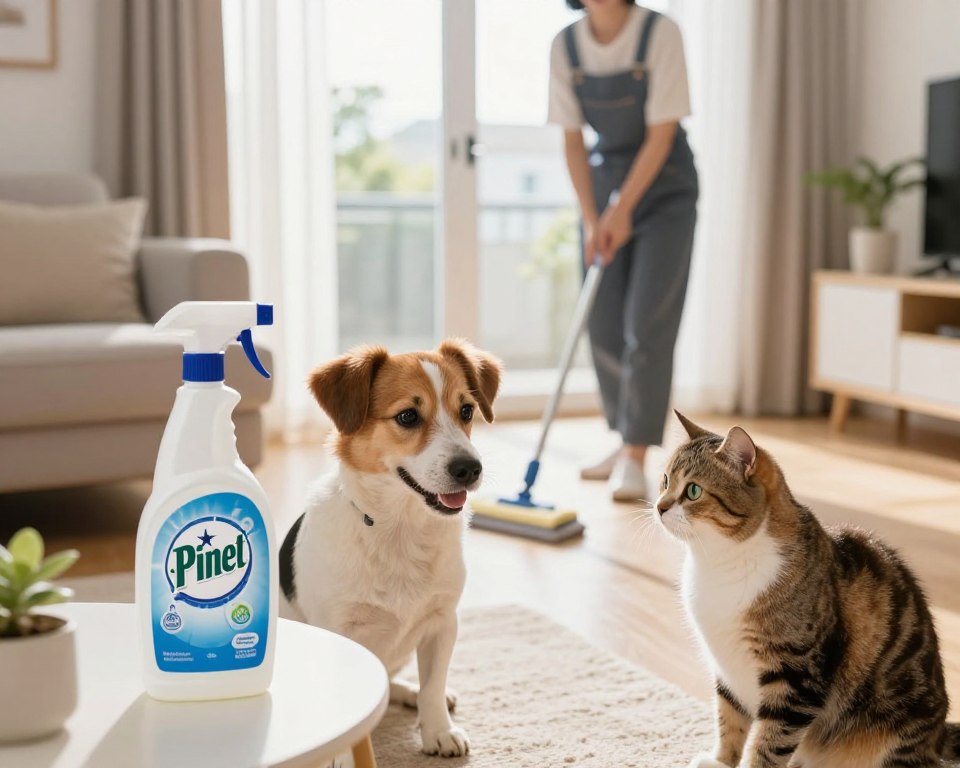
- Use the pine-sol multi-surface cleaner and original pine-sol as directed; never let pets ingest or be bathed with these products.
- Store cleaning products safely and rinse surfaces when required to lower residue and protect household health.
Proper Application and Surface Compatibility
Knowing the right way to apply a multi-surface cleaner keeps surfaces safe and cleaning effective.
Recommended Surfaces
For general cleaning, dilute 1/4 cup of the cleaner per gallon of water. This recommended use works well on sealed countertops, tile, vinyl, and finished floors.
Surfaces to Avoid
Avoid marble, aluminum, and unsealed, waxed, oiled or visibly worn wood surfaces. These finishes can discolor or etch if exposed to strong cleaners or puddles that sit too long.
Do not use the multi-surface product in steam cleaners or on dishes and other food-contact surfaces.
Disinfection Guidelines
For disinfection, apply original Pine-Sol full strength to hard, nonporous surfaces. Let it sit for 10 minutes, then rinse with clean water.
For tough jobs you may use the product full strength, but rinse immediately to avoid finish damage.
| Task | Method | Notes |
|---|---|---|
| Daily cleaning | 1/4 cup per gallon of water | Safe for sealed surfaces; quick wipe dry |
| Disinfecting | Full strength, 10 minutes contact time | Hard, nonporous surfaces only; rinse after |
| Tough stains | Full strength; rinse immediately | Limit use on delicate finishes |
| Surfaces to skip | Do not use | Marble, aluminum, unsealed or oiled wood |
Identifying Potential Health Risks and Contaminants
Identifying contaminants helps us reduce health risks when using common cleaning products.
Concerns Regarding Bacterial Contamination
In 2022, a major recall involved 37 million bottles after Pseudomonas aeruginosa was found in some batches. That incident highlights how product purity can affect household health.
Pseudomonas aeruginosa can cause pneumonia or bloodstream infections, especially in people with weakened immune systems or medical devices. Studies estimate this bacteria contributed to roughly 32,600 hospital cases in 2017, showing its potential severity.

Manufacturing and formulation can also produce trace chemicals, like 1,4-dioxane, that regulators flag for concern. Exposure in a closed room over time is why we stress safe use and proper ventilation.
Some fragrance ingredients may cause skin irritation or breathing issues in sensitive individuals. For safe use on wood and other surfaces, follow the recommended use, rinse when advised, and store products securely to lower bacteria and chemical risks.
- Check lot codes in recalls and follow manufacturer guidance.
- Use water, ventilation, and proper contact minutes when disinfecting.
Conclusion
Our final take focuses on safe routines that keep floors and surfaces clean without added risk. For tough jobs, the original pine-sol and similar multi-surface cleaner work well when you follow the recommended use, contact time and rinse instructions. Use the proper strength and water dilution for each task.
We answered common questions about ingredients, bacteria and skin irritation. Keep all cleaning products out of reach of children and pets. If you have sensitive skin or worry about contaminants, consider vinegar-based or fragrance-free alternatives.
Bottom line: when used as directed, this cleaner cleans floors and hard surfaces effectively. Stay mindful of wood and oiled worn surfaces, practice safe use, and prioritize household health.
FAQ
Is Pine-Sol toxic?
We review cleaning products by looking at ingredients and recommended use. When used as directed, the cleaner is safe for routine household cleaning but can cause irritation if swallowed, inhaled in large amounts, or left on skin for long periods. We always recommend keeping the product out of reach of children and pets and following label directions for dilution and contact times.
What are the key cleaning agents in the product?
The formula combines surfactants that lift dirt and grease with solvents that help dissolve oils. The active mix targets soils on hard, nonporous surfaces. Fragrance components are added for scent, and small amounts of preservatives maintain stability. We suggest checking the product label for full ingredient details if you need specifics for allergy or safety reasons.
How do fragrances affect safety and indoor air?
Fragrances can cause mild respiratory or skin irritation in sensitive people. Using the cleaner in a well-ventilated area reduces odor buildup and lowers inhalation risk. If household members have asthma or fragrance sensitivity, we recommend using a fragrance-free alternative or ventilating thoroughly during and after cleaning.
Is the cleaner toxic to pets or children?
Pets and children are more vulnerable to ingestion or prolonged skin contact. Small exposures from properly diluted use are unlikely to cause serious harm, but ingestion or concentrated exposure can lead to vomiting, drooling, or irritation. We advise rinsing floors or surfaces accessible to pets after treatment, storing the bottle securely, and contacting a veterinarian or poison control if ingestion occurs.
Which surfaces are recommended for use?
We recommend the product for sealed hard surfaces: ceramic tile, vinyl, sealed linoleum, countertops, and bathroom fixtures. Follow dilution instructions for routine mopping or surface wiping. For disinfecting claims, check the label for required contact time and any additional preparation steps.
What surfaces should we avoid using it on?
Avoid using this cleaner at full strength on unfinished, oiled, or waxed wood, unsealed stone, and some painted or delicate finishes. Prolonged contact or repeated use can dull or damage these surfaces. Test in an inconspicuous spot when in doubt and rinse surfaces that may be sensitive.
How do we use the product for disinfecting?
For disinfection, follow the label: apply the solution so the surface stays wet for the specified contact time, then allow to air dry or rinse if required. We recommend cleaning visible dirt first, then applying the disinfecting dilution. Always check the product label for the pathogens listed and required wet contact minutes.
Can the cleaner contaminate water or the environment?
When disposed of according to local guidelines, diluted household cleaning solutions pose minimal environmental risk. Avoid pouring large quantities down storm drains or into natural waterways. We follow local disposal rules and, when possible, use only the recommended dilution to limit chemical load.
Could bacterial contamination occur in the bottle?
Contamination of the bottle or diluted bucket can occur if left standing for long periods or if contaminated tools are introduced. We recommend storing the product sealed, preparing fresh cleaning solutions daily, and not reusing mop water without changing it frequently to reduce bacteria spread.
What health symptoms should prompt medical attention?
Seek medical help if ingestion causes persistent vomiting, difficulty breathing, loss of consciousness, or if skin exposure leads to severe redness, blistering, or swelling. For eye exposure, rinse with water for at least 15 minutes and get immediate care. Contact poison control for guidance after accidental ingestion or large exposures.
Does the product contain ammonia or other harsh chemicals?
Formulations vary by scent and label. Some multi-surface cleaners avoid ammonia, while others use specific solvents or surfactants. We advise reading the ingredient list on the bottle to confirm the presence of ammonia or other components if that matters for your household or work environment.
How should we store and handle the cleaner safely?
Store the product upright in its original container, tightly closed, and away from heat or direct sunlight. Keep it out of reach of children and pets. Wear gloves for prolonged use if you have sensitive skin, and ventilate rooms while cleaning. Never mix with bleach or ammonia-containing products, as dangerous gases can form.
Is it safe to use on finished hardwood floors?
We recommend caution with finished hardwood. Use a diluted solution and avoid soaking the floor. Excess moisture or harsh solvents can remove finish or swell seams. For best results, follow manufacturer guidance for your floor and test an inconspicuous area before widespread use.
How long should the cleaner remain on a surface before wiping?
Follow the label’s recommended dwell time for cleaning or disinfecting. For routine cleaning, a brief contact that allows soil to lift—then wiping or rinsing—is often sufficient. For disinfecting, many products require several minutes of wet contact; check the bottle for the exact time to inactivate listed germs.
Can the cleaner cause skin irritation?
Direct and prolonged contact can cause dryness, redness, or irritation in sensitive individuals. We suggest wearing gloves, rinsing skin with water if contact occurs, and discontinuing use if irritation persists. Use milder alternatives if you have a history of skin sensitivity.