We examine whether commonly used disinfectant products carry risks when inhaled and how that affects our homes. The EPA designation #777-99 confirms that the standard Lysol disinfectant can inactivate SARS-CoV-2 on hard surfaces, but efficacy is not the whole story.
As consumers, we want clear information about ingredients and safe handling. We look at the chemical makeup of these products and explain simple steps for proper use that lower exposure and protect long-term health.
On this page, we outline how to apply a disinfectant by the label, ventilate during cleaning, and avoid unnecessary contact. Our goal is to help you make informed choices about your daily routine and keep indoor spaces healthy for everyone.
Key Takeaways
- EPA #777-99 confirms effectiveness against SARS-CoV-2 on hard surfaces.
- Follow label directions; proper use reduces exposure and risk.
- Understand ingredients so we can choose products that fit our needs.
- Ventilation and limited contact are simple ways to protect health.
- Our page offers practical information to keep homes safer during cleaning.
Understanding the Composition of Disinfectant Sprays
We outline what goes into common disinfectant cans and why composition matters for home use.
Active ingredients define how a product kills germs. This disinfectant contains roughly 40–60% ethanol, which rapidly inactivates viruses on hard surfaces. The label also lists quaternary ammonium compounds that give residual protection on non-porous areas. The EPA registration #777-99 confirms this disinfectant meets federal efficacy standards.
Aerosol delivery systems
Aerosols use a propellant, often liquefied petroleum gases, to create a fine mist. That design helps the spray reach irregular surfaces but can temporarily affect the air quality in a room. Understanding this helps us limit unnecessary inhalation and use products as intended.
- Ethanol (40–60%) — fast surface action.
- Quats — residual surface protection.
- Propellant — disperses product evenly; avoid prolonged exposure.
| Component | Role | Note |
|---|---|---|
| Ethanol | Active germicide | Surface use |
| Quats | Residual action | Hard, non-porous only |
| Propellant | Delivery | Can affect room air briefly |
Is Lysol Spray Toxic to Breathe?
This section focuses on short-term effects that can follow inhaling a disinfectant mist indoors. We summarize likely symptoms and immediate steps to protect health.
Short-term effects: Excessive intentional inhalation may cause respiratory tract irritation. People can feel dizziness, headaches, or light nausea during the time of exposure. If symptoms occur, step outside for fresh air and rest.
Eye and skin contact: Chemical components can cause moderate eye irritation. If eyes sting after use, flush with cool water for 15–20 minutes. Seek care if irritation persists beyond that time.
- Avoid direct contact with the mist; use products as labeled.
- Move to fresh air if you feel unwell after inhalation.
- Do not inhale large amounts intentionally; this product is safe when used properly.
| Issue | Immediate Action | Notes |
|---|---|---|
| Respiratory irritation | Step outside; rest | Symptoms often ease with fresh air |
| Eye irritation | Flush with cool water 15–20 minutes | Use plain water; seek care if pain continues |
| Overexposure nausea | Move to fresh air; sip water | Monitor for worsening; get help if vomiting persists |
We offer this information so readers can use disinfectant products safely and reduce unnecessary exposure.
Best Practices for Safe Application
We describe simple steps that keep cleaning effective while lowering risk in the room. Follow label directions and basic hygiene. Small habits make a big difference for household safety.
Ensuring Proper Ventilation
Open windows or run a fan when using cleaning products in tight spaces. Good air flow reduces concentrations of airborne solvent and helps meet safety goals like the OSHA-PEL for ethanol (1000 ppm) in work settings.
If possible, step outside briefly during dwell time and allow treated surfaces to dry before reoccupying the room.
Avoiding Direct Contact
Hold the container at the recommended distance and avoid spraying toward your face. Keep people and pets out of the immediate area while the product wets surfaces.
After handling any disinfectant product, wash hands with soap and water. Do not eat or drink while using these products to prevent accidental ingestion.
Storage Guidelines
Store aerosol containers in a cool, dry place well below 49°C (120.2°F). Excess heat increases internal pressure and the risk of rupture.
Keep products away from direct sunlight and heat sources, and out of reach of children.
- Ventilate: windows or fans in small rooms.
- Distance: hold container as directed; avoid direct contact.
- Hygiene: wash hands with water and soap after use.
- Storage: keep below 49°C; cool, dry location.
| Practice | Why it matters | Action | Notes |
|---|---|---|---|
| Ventilation | Reduces airborne concentrations | Open windows, run fan | Helps approach OSHA-PEL safety levels |
| Avoid direct contact | Minimizes skin and eye irritation | Maintain recommended distance | Keep people and pets away during application |
| Hand hygiene | Prevents ingestion and spread | Wash hands with soap and water | Do this after every use |
| Proper storage | Prevents container failure | Store cool, dry, out of sunlight | Never exceed 49°C (120.2°F) |
Emergency Procedures for Accidental Exposure
In an accidental exposure, rapid steps can limit harm and help us protect household health. Keep calm, move the affected person away from the area, and follow clear first-aid steps while you gather product information.
When to Seek Medical Attention
If someone shows severe respiratory irritation, persistent dizziness, fainting, or difficulty breathing, call 1-800-228-4722 immediately. This line connects you with professional guidance for exposure to this product.
For eye contact, rinse with water for 15–20 minutes before seeking further care. For skin contact, flush the area with cool water for 15 minutes to remove any residual cleaning residue.
If ingestion occurs, have the person rinse their mouth with water and get medical attention right away. Always bring the container so a clinician can review the ingredient list and safety data.
- Move the affected individual to fresh air at once if they show nausea or breathing trouble.
- Contact 1-800-228-4722 for severe symptoms or uncertainty about the exposure.
- Act quickly; timely care reduces longer-term health risks.
| Exposure Type | Immediate Action | Rinse Time | When to Call |
|---|---|---|---|
| Respiratory irritation | Move to fresh air; rest | N/A | Severe or worsening symptoms — call 1-800-228-4722 |
| Eye contact | Rinse with water | 15–20 minutes | Persistent pain or vision changes |
| Skin contact | Flush with cool water; remove contaminated clothing | 15 minutes | If rash or worsening irritation develops |
| Ingestion | Rinse mouth with water; do not induce vomiting | N/A | Seek immediate medical care or call the hotline |
Note: Keep products stored with labels intact. When you speak with health professionals, the container provides essential information about the disinfectant and ingredients. Quick, informed action helps us protect the people in our homes.
Conclusion
We close with practical guidance for the responsible consumer who wants clean, safe living spaces. Follow label directions, allow adequate time for surfaces to dry, and prioritize ventilation during use.
Avoid direct contact with the mist and keep people and pets out of treated areas. Store cleaning products in a cool, secure place and check labels before each application.
This page gives clear information on minimizing exposure and protecting household health. If accidental exposure occurs, follow the emergency steps on this page and seek help as needed. Staying informed helps us keep hygiene high while using disinfectants safely.
FAQ
Is Lysol Spray toxic to breathe?
We recognize concerns about inhaling disinfectant aerosols. Short, infrequent use in a well-ventilated space typically poses low risk for healthy adults, but extended or heavy exposure can irritate the eyes, nose, throat, or lungs. People with asthma, COPD, or chemical sensitivities should avoid inhaling the mist and use alternatives like wipes or diluted liquid solutions.
What are the active ingredients in common disinfectant sprays?
Most commercial disinfectant formulas rely on chemicals such as quaternary ammonium compounds, ethanol, isopropyl alcohol, or hydrogen peroxide to kill pathogens. These agents work well on surfaces but can cause irritation if inhaled in high concentrations or if used without ventilation.
How do aerosol delivery systems affect safety?
Aerosol mechanisms create fine droplets that stay suspended in air longer than liquids applied with a cloth. That increases the chance of inhalation. We recommend spraying briefly, keeping a safe distance, and airing the room for several minutes after application to reduce airborne particles.
What are best practices for safe application?
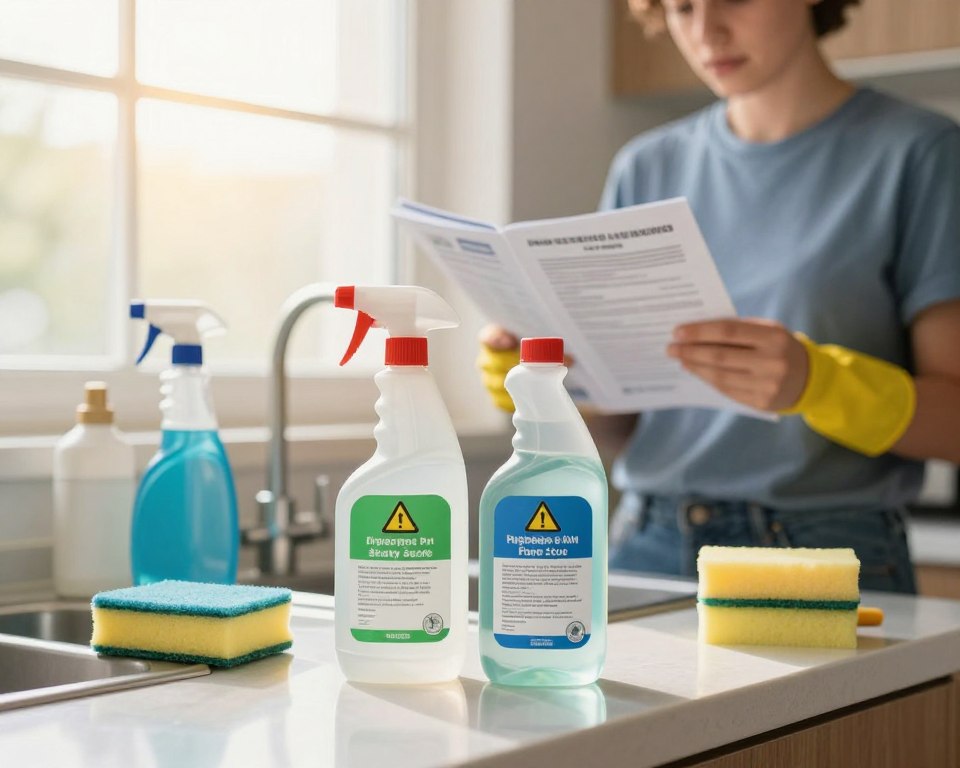
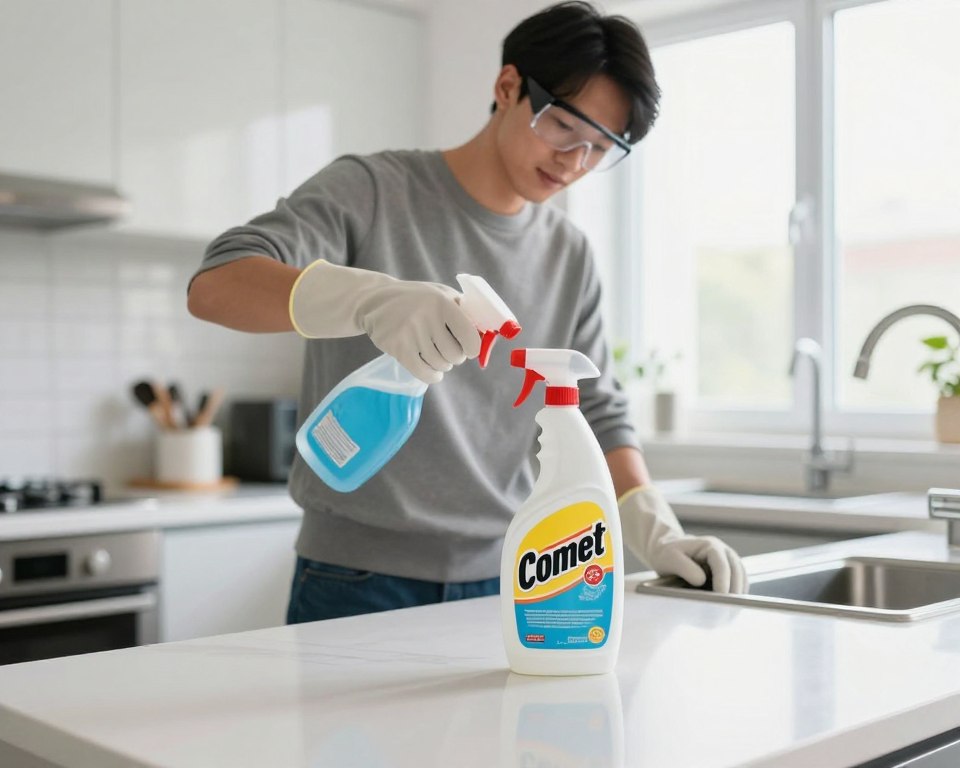
We advise following label directions exactly: use in well-ventilated areas, aim away from people and pets, and apply the minimum effective spray. If a product lists a required contact time, keep the surface wet for that period, then wipe if instructed. Wearing gloves and eye protection helps prevent skin or eye contact.
How can we ensure proper ventilation when using disinfectants?
Open windows and doors, run exhaust fans, or use an air purifier with HEPA filtration during and after application. For small or poorly ventilated rooms, limit use and consider switching to non-aerosol alternatives to lower inhalation risk.
How do we avoid direct contact with disinfectant sprays?
Keep sprays away from your face and body, and never spray directly onto hands. If contact occurs, rinse skin with water for several minutes. For eye exposure, flush eyes with water for at least 15 minutes and seek medical advice if irritation persists.
What are safe storage guidelines for disinfectant products?
Store products in a cool, dry place out of reach of children and pets. Keep containers tightly closed and away from heat or open flames. Follow expiration dates and dispose of empty cans or bottles according to local regulations.
What should we do after accidental inhalation or significant exposure?
Move to fresh air immediately and rest. If symptoms like persistent coughing, wheezing, chest pain, or severe shortness of breath develop, seek medical attention right away. Bring the product label or container to help clinicians assess exposure.
When should we seek medical attention after exposure?
Seek urgent care or call emergency services if breathing difficulty, loss of consciousness, severe chest pain, or severe eye injury occurs. For mild irritation that doesn’t improve within a few hours, contact a poison control center or your primary care provider for guidance.