We examine whether this popular multi-purpose cleaner is safe for our home. We look at the liquid formula, the scent, and the ingredients that shape its cleaning power. Our goal is clear. We want practical answers for everyday household use.
We analyze chemicals, fumes, and how the product interacts with surfaces like wood, tile, and appliances. We read the label and test common ways people use fabuloso around floors and furniture. We highlight when this bottle is suitable and when it may harm materials.
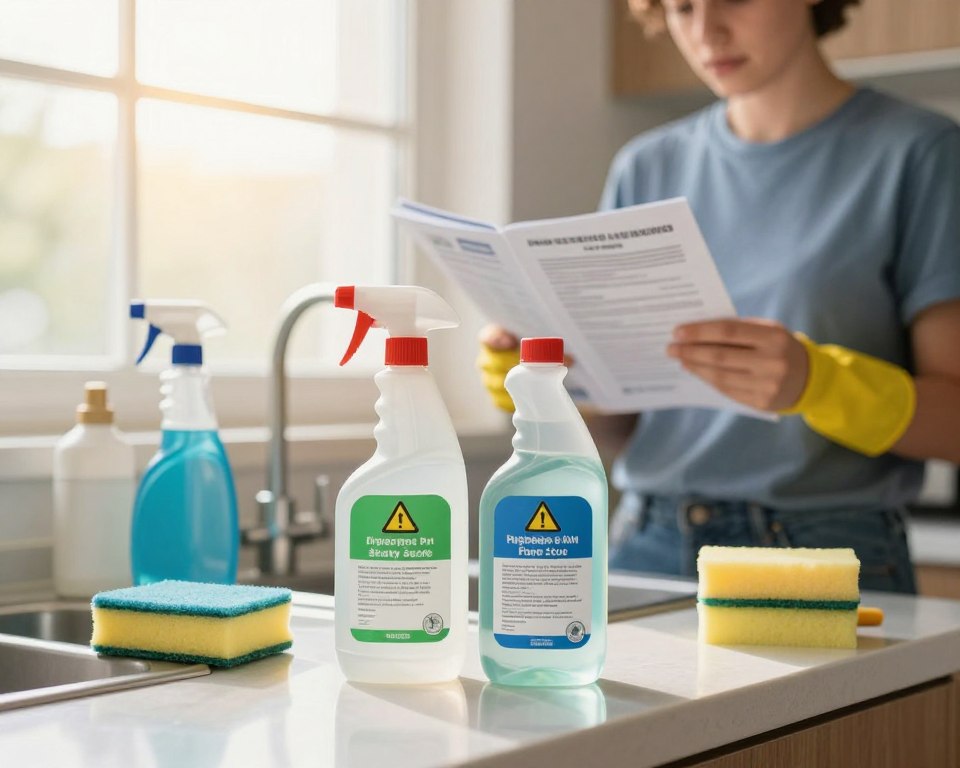
Expert guidance helps us set safe habits. Ashita Kapoor, CR’s associate director for product safety, recommends opening windows and doors when using cleaning products. That step improves indoor air and reduces exposure to fumes.
In this section we break down the scent, the antibacterial claims, and whether this cleaner is gentle enough for dishes or strong enough for grout. Our aim is to help readers decide if the product fits their home cleaning routine.
Key Takeaways
- We assess ingredients and formula for common household risks.
- Ventilation is a simple, effective safety measure.
- Read the label before applying on wood, fabric, or finished floors.
- Scent and fumes can affect indoor air quality; handle with care.
- Consider alternatives if you need a milder soap or detergent option.
Understanding the Composition of Fabuloso
We outline the actual ingredients in the bottle and explain how they work on common household surfaces. The multi-purpose cleaner is a liquid blend of surfactants, fragrance, and solvents that lift dirt and leave a lasting scent.
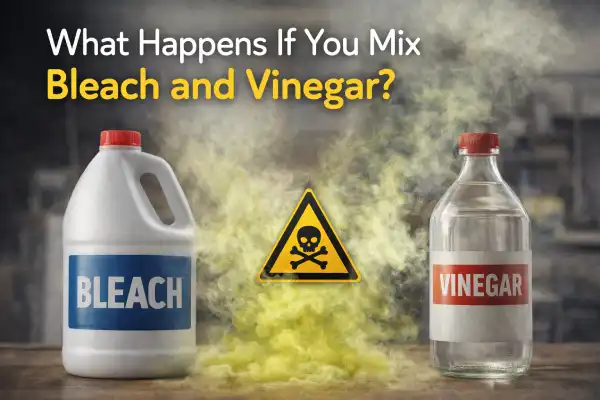
Key points: some formulas include lactic acid. Never mix this product with bleach or chlorine bleach. Lactic acid and bleach can react and produce dangerous chlorine gas.
The formula is made for hard surfaces such as tile, finished wood, and the toilet bowl area. It is not a fabuloso antibacterial agent, so use a dedicated disinfectant when you need to kill germs.
- The soap and detergent elements perform in water to remove grime.
- Fragrances define the scent but can affect indoor air if overused.
- Follow the label on every bottle for dilution and surface guidance.
| Ingredient | Role | Risk / Note | Best For |
|---|---|---|---|
| Surfactants | Lift and remove soil | Low; avoid contact with skin | Hard surfaces |
| Lactic acid | Helps with stains | Reacts with bleach → chlorine gas | Non-porous surfaces |
| Fragrance | Gives scent | May affect air quality | General cleaning |
Our recommendation: treat this spray as a surface cleaner, not a disinfectant. Read the label before applying on wood or porous materials. Proper use keeps the scent pleasant and the air in your home healthier.
Is Fabuloso Safe to Use in Your Home?
We show practical steps for applying this product on common surfaces and managing its scent and fumes. The goal is clear: help you clean effectively while protecting indoor air and finishes.
General Usage Guidelines
Use the multi-purpose cleaner on hard, non-porous areas like walls, counters, and the toilet bowl. Read the label on the bottle for dilution and spray directions before you begin.
Do not rely on this as a fabuloso antibacterial solution when you need true disinfection. For sanitizing, choose a product labeled for that purpose.
Open windows or run a fan while cleaning. Proper ventilation reduces the scent and helps keep indoor air healthier during and after cleaning.
Identifying Non-Porous Surfaces
Non-porous surfaces do not absorb liquids. Examples include glazed tile, sealed countertops, and finished bathroom fixtures like a toilet bowl.
Check finishes on furniture and floors first. If a surface darkens or feels tacky after a spot test, stop and use a milder option designed for wood or porous materials.
- Quick spot test: apply a small amount, wait a minute, then wipe.
- Keep this cleaner away from food prep surfaces unless label instructions allow it.
- When in doubt, follow label guidance and choose a specialized product for delicate areas.
| Best For | Notes | Action |
|---|---|---|
| Walls, glazed tile | Non-porous, easy rinse | Safe with dilution |
| Counters (sealed) | Check label for food areas | Spot test first |
| Toilet bowl | Designed for bathroom cleaning | Use as directed |
Surfaces and Materials to Avoid
We highlight surfaces that should be off-limits for this product and explain the risks.
Risks for natural stone
Avoid natural stone counters. The lactic acid in the formula can etch granite, marble, and limestone over time.
Even mild contact can dull a polished finish and leave faint scratches that grow with repeated cleaning.
Damage to porous fabrics
Do not apply this cleaner on leather or suede. Sodium chloride in the formula draws moisture out and can make leather crack and stiffen.
This risk includes shoes, upholstery, and other porous fabrics where residues can remain trapped.
Hazards for unsealed wood
Unsealed wood soaks up liquid. That can warp boards, lift finishes, and cause discoloration.
We recommend using plain water or a dedicated wood product for floors and furniture made without a seal.
- Keep away from dishes and food contact surfaces since residues can remain in pores.
- Check the label on the bottle before cleaning appliances or delicate furniture.
- Avoid any surface recently treated with bleach; mixing residues may cause harmful reactions.
| Material | Risk | Action |
|---|---|---|
| Natural stone | Etching from lactic acid | Do not clean; use pH-neutral product |
| Leather / suede | Drying from sodium chloride | Spot test; use leather cleaner |
| Unsealed wood | Warping and discoloration | Use water or wood-specific cleaner |
Bottom line: this multi-purpose cleaner belongs on hard, non-porous surfaces. When in doubt, test a small area and read the label on the bottle before proceeding.
Dangerous Cleaning Hacks to Ignore
We warn against viral tricks that repurpose a multi-purpose cleaner in risky ways around the home.
Never heat this liquid in a simmer pot or plug-in air freshener. The brand notes heating the bottle scent is not approved. Heating can release stronger fumes and raise chemical exposure in indoor air.
Mixing this product with bleach or chlorine bleach can produce chlorine gas. That gas causes coughing, eye irritation, and worse. Avoid any pairing of cleaners and bleach.
Using the cleaner in a toilet tank or inside hot appliances is a bad idea. The liquid can degrade plastic and rubber parts over time, leading to leaks and broken components.
“Ignore viral recipes that turn a spray into an air freshener or mold cure.”
Do not treat mold with this multi-purpose cleaner. It is not a mold-killing product and may spread spores. Follow label directions and pick a product made for the job.
- Skip hacks that alter label guidance.
- Prioritize ventilation when cleaning.
- Choose the right cleaning products for each surface.
Health Risks and Safety Precautions
We outline how ingredients in this product can affect family members and pets, plus practical steps to reduce exposure. Minor spills and wet floors pose the biggest everyday risks.
Protecting pets and family members
Keep animals and children away from areas while you clean and until floors dry. The surfactant sodium dodecylbenzene sulfonate is toxic for dogs and cats and may cause vomiting or skin irritation if they lick paws or groom fur.
Fragrances and sulfuric acid traces can form airborne irritants. Birds and people with asthma have sensitive lungs and can react quickly to fumes.
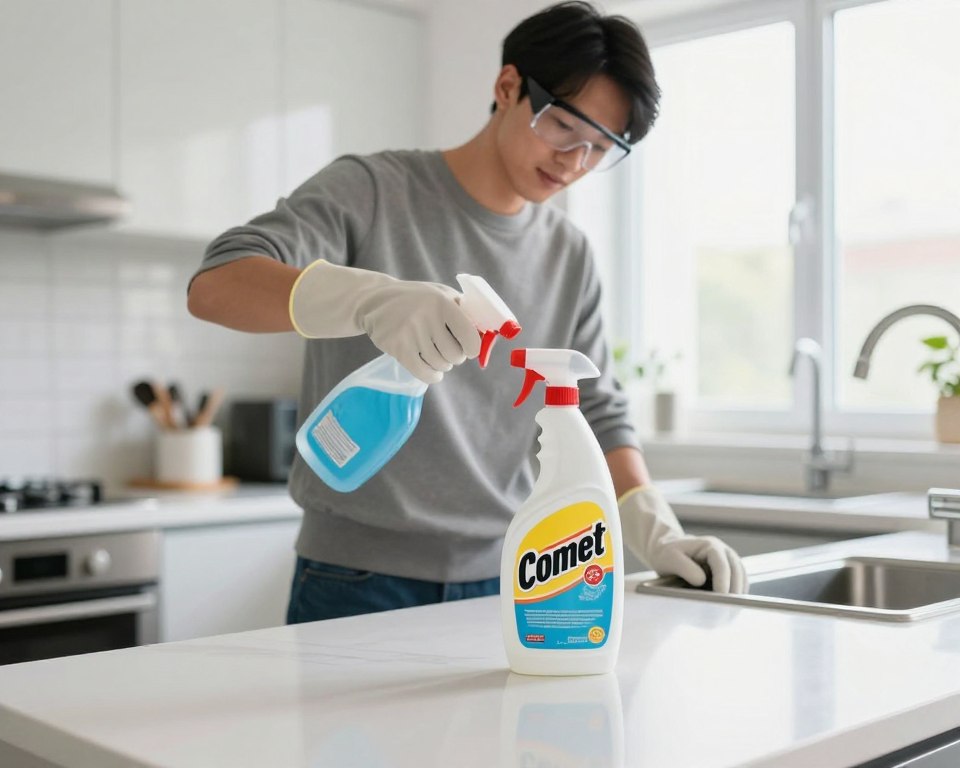
- Wear gloves and a mask to limit skin and inhalation exposure.
- Use a damp cloth for wiping instead of leaving liquid puddles on floors.
- Open windows or run fans to clear the air after spraying or mopping.
Important: this multi-purpose cleaner is not a fabuloso antibacterial product for food contact areas. Avoid dishes, cutting boards, and direct food prep surfaces unless the label permits rinsing.
| Risk | Preventive step | When to act |
|---|---|---|
| Pet poisoning from wet floors | Block room until dry | Immediately after cleaning |
| Skin irritation | Wear gloves; rinse skin if contacted | Right after exposure |
| Respiratory irritation | Ventilate; limit use near birds | During and after cleaning |
Store the bottle high and locked away, follow the label instructions, and dispose of unused product per local rules. By wearing gloves and using a clean cloth, we can minimize exposure and keep our home healthier.
Clarifying the Status of Product Recalls
We review past recalls and show how readers can check their bottle for problems.
What happened: In February 2023, Colgate‑Palmolive recalled 4.9 million units of this multi‑purpose cleaner sold in the U.S. and 56,000 units in Canada. The recall followed discovery that a preservative was not added at intended levels during manufacturing, which allowed growth of Pseudomonas bacteria, including Pseudomonas aeruginosa.
That bacteria can pose a risk for people with weakened immune systems and those with lung conditions. For most healthy households the risk was low, but the event reminds us to monitor product safety announcements.
What you should do: Check the label and lot code on any older bottle in your home. If your product matches recall details, stop using the bottle and follow recall instructions on the official website or contact customer service for return or disposal guidance.
We recommend keeping products stored properly, following the label for dilution and surface guidance, and checking company notices over time. Staying informed helps protect people, pets, and the air in your home.
| Recall Date | Units Affected | Action |
|---|---|---|
| Feb 8, 2023 | 4.9M (US); 56k (Canada) | Check bottle label and lot; follow official recall steps |
Conclusion
In short, we advise caution and common sense.
Here we summarize key steps that help you get good results while limiting risks at home. Use the cleaner on hard, non-porous surfaces only. Read the product label and keep the bottle out of reach of children and pets.
Ventilate rooms during and after cleaning. Avoid heating the liquid or mixing it with other chemicals, especially bleach, which can cause harmful fumes. Remember the 2023 recall; check older bottles for lot codes before continued use.
Follow these simple rules and you can keep rooms fresh while protecting family, furnishings, and indoor air.
FAQ
Is Fabuloso safe to use? Ingredients explained
We check the label and notice this multi-purpose cleaner contains surfactants, solvents, fragrance, and preservatives. These ingredients clean grease and soils on hard, non-porous surfaces when used as directed. We should avoid mixing it with chlorine bleach, ammonia, or other strong chemicals because that can generate harmful fumes. Always follow dilution and ventilation instructions on the bottle.
What is the composition of this cleaner?
The formula is a blend of detergents (surfactants), water, fragrance, and small amounts of solvents and preservatives. The surfactants break surface tension to lift dirt, while solvents help dissolve oily residues. The product is not a disinfectant unless the label specifically states antibacterial claims and contact time for kill. Check the product label for active ingredient and percent by volume.
Is it safe to use this cleaner throughout our home?
We can use it on many household surfaces such as sealed countertops, tile, sealed vinyl floors, glass, and appliances if the label allows. We should always test an inconspicuous spot first and rinse surfaces that contact food. Keep the area ventilated, avoid prolonged contact with skin, and store the bottle away from children and pets.
What general usage guidelines should we follow?
Use the recommended dilution for mopping or spray-and-wipe applications. Apply with a cloth or mop, rinse if the label advises, and allow surfaces to dry. Wear gloves if you have sensitive skin. Never mix with bleach or other cleaners, and avoid inhaling concentrated fumes during heavy cleaning.
Which non-porous surfaces are best for this cleaner?
This product works well on sealed laminate, ceramic tile, glazed porcelain, sealed granite with manufacturer approval, stainless steel, and sealed countertops. It helps remove everyday dirt and leaves a scent but always follow the surface maker’s care instructions for best results.
What risks exist for natural stone surfaces?
We should avoid using alkaline or acidic cleaners on unsealed natural stone such as marble, travertine, and some granites. The solvents and fragrances in multi-purpose formulas can dull or etch stone over time. Use a pH-neutral cleaner made for stone or consult the stone supplier before use.
Can this cleaner damage porous fabrics?
Porous fabrics, upholstery, and untreated textiles can absorb the liquid and may stain or lose fibers. We recommend spot-testing and using a fabric cleaner designed for upholstery. Do not saturate washable fabrics without rinsing and laundering per garment care instructions.
Is unsealed wood at risk from this product?
Unsealed or unfinished wood can absorb liquid, causing warping, discoloration, or finish damage. For sealed and finished wood floors or furniture, use a damp mop with a cleaner approved for wood. For unsealed wood, we advise wiping with a barely damp cloth and drying immediately.
What dangerous cleaning hacks should we ignore?
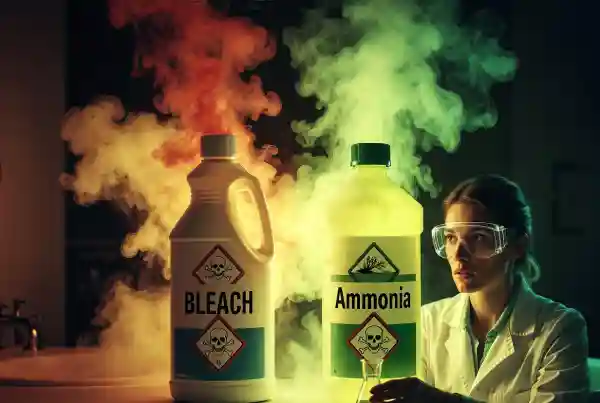
Never mix this cleaner with chlorine bleach, hydrogen peroxide, or ammonia — those combinations can produce toxic chlorine or chloramine gases. Avoid using excessive heat or steam with strong cleaners, and do not pour undiluted formula into drains or septic systems without confirming compatibility.
What health risks and safety precautions should we take?
Eye and skin contact can cause irritation; rinse thoroughly with water if contact occurs. Inhalation of concentrated vapors can trigger respiratory irritation, so ventilate rooms during use. Keep the bottle out of reach of children and follow first-aid instructions on the label in case of ingestion or severe exposure.
How do we protect pets and family members when cleaning?
We remove pets and children from the area while cleaning and until surfaces dry and odors dissipate. Store cleaners in locked cabinets. Rinse food prep areas and pet bowls after cleaning to avoid ingestion of residue. For sensitive people or animals, consider fragrance-free or milder cleaning products.
Are there any product recalls or safety alerts we should know about?
We suggest checking the U.S. Consumer Product Safety Commission (CPSC) and manufacturer websites for current recalls or safety notices. If there is a recall, follow the manufacturer’s guidance for return, refund, or safe disposal. Keep purchase records and the product label handy for reference.