We examine a common question about a popular household cleaner and its real-world effects. Many people worry that mr. clean brand products used on every surface in their home hide ingredients that could pose health concerns.
In this short guide, we break down available data and chemical information on these products. Our goal is to give clear, evidence-based answers so readers can decide how to use each product safely.
We review ingredients, typical use patterns, and available scientific studies to see whether long-term exposure might lead to health effects. This section sets the stage for a closer look at what these tools contain and how they behave during cleaning.
By the end, you will have straightforward information to judge the safety of your cleaner and choose safer options if needed.
Key Takeaways
- We analyze common ingredients in popular cleaners and sponges.
- Most products are safe with correct use; some ingredients warrant caution over time.
- Understanding labels helps reduce unnecessary health concerns.
- We rely on scientific data to assess real household risk.
- This guide helps you make informed choices for your home.
Understanding the Composition of Mr. Clean Products
Here we map the key chemicals in the most-used multi-purpose cleaners and their roles.
Product labels list surfactants, solvents, fragrances, and pH adjusters. The mr. clean multi-purpose cleaner with febreze freshness in meadows and rain scent is a liquid spray that blends these groups to clean and add aroma.
Regulatory records matter. Sodium hydroxide (CAS 1310-73-2) appears in some formulas and is listed under CERCLA with a reportable quantity of 1,000 lbs. That flag shows it is hazardous in large releases, not that typical home use is inherently catastrophic.
Another ingredient, 2-aminoethanol (CAS 141-43-5), appears on state right-to-know lists such as Pennsylvania RTK. These listings guide safe handling and disclosure, not automatic bans.
We analyze ingredient lists to weigh real effects and practical concerns. Understanding the chemical makeup of each product helps us choose safe cleaning habits and reduce long-term exposure risks.
- Takeaway: Scents like meadows and rain add fragrance but require scrutiny.
- Legal listings inform risk management for spills and workplace safety.
- Proper use, dilution, and ventilation lower potential effects in the home.
Is Mr. Clean Toxic to Your Household Environment
We examine the potential household impacts when common cleaning items meet skin, pets, and children. This helps readers decide safe handling and storage for daily cleaning tasks.
Skin Contact and Sensitivity
Direct contact with an abrasive surface can cause redness or mild irritation. Users who scrub hard or leave damp residue may notice more skin sensitivity.
We recommend wearing gloves for extended chores and rinsing skin after use. Packaging often lacks clear warnings about skin sensitivity, so extra care is wise.
Impact on Children and Pets
Since the magic eraser hit the U.S. market in 2003, parents raised concerns about accidental contact and ingestion. These products are not toys and should stay out of reach.
If swallowed, a foam chunk can cause a blockage in the gastrointestinal tract. That is a serious health hazard that needs immediate attention from a medical professional.
- Store cleaning items in locked or high cabinets.
- Supervise use around young children and pets.
- Follow label guidance on ventilation and proper use.
| Exposure Type | Likely Effect | Recommended Action |
|---|---|---|
| Skin contact | Redness, irritation | Wear gloves; rinse skin |
| Eye contact | Irritation, tearing | Flush with water; seek care |
| Ingestion (children/pets) | Possible blockage | Call poison control; seek emergency care |
| Prolonged surface use | Increased exposure risk | Limit frequency; ventilate rooms |
Investigating the Role of Melamine Resin Foam
Let’s investigate the role of melamine resin foam and what production data reveal about risks.
The foam is the primary ingredient in some magic erasers and gives the product its abrasive power. Its structure cleans by physical abrasion rather than chemistry, so it can remove marks without a liquid spray.
Environmental Considerations
We note a key public-health event: melamine contamination in infant food in 2008 led to deaths and widespread urinary tract effects. That incident shows how melamine exposure can harm children when it enters food.
Production uses chemicals that may create workplace hazards and environmental burdens. The foam is not biodegradable and can persist in waste streams, increasing long-term concerns.
- The foam can break down with heavy use, raising potential exposure to small particles.
- Manufacturing data matter for buyers who weigh product risks and environmental impact.
- Choosing alternatives or minimizing use can reduce waste and potential effects.
| Aspect | Concern | Practical Action |
|---|---|---|
| Ingredient origin | Factory chemical hazards | Prefer suppliers with transparent data |
| Use mode | Abrasive breakdown | Limit force; discard worn foam |
| End-of-life | Non-biodegradable waste | Seek recyclable or lower-impact options |
Debunking Common Myths About Formaldehyde
We address a common worry about whether a white abrasive sponge or similar cleaner releases formaldehyde when used in the home.
The persistent myth says the magic eraser contains free formaldehyde. In reality the ingredient listed is formaldehyde-melamine-sodium bisulfite copolymer. That complex name describes a stable bound compound, not pure formaldehyde.
Manufacturers and independent testing note that the product contains no free formaldehyde. When used per label directions, the cleaner poses minimal risk for routine use.
We stress that long chemical names often spark unnecessary alarm. Knowing the exact ingredients helps separate fear from fact and clarifies the real effects on indoor air and skin.
- Read labels for the full ingredients list.
- Follow directions, ventilate when cleaning, and avoid prolonged skin contact.
- Contact poison control for ingestion or severe exposure.
| Claim | Reality | What to Do |
|---|---|---|
| Product contains formaldehyde | Contains formaldehyde-melamine copolymer; no free formaldehyde | Use as directed; ventilate rooms |
| Ingredient equals hazard | Chemical name ≠ free chemical; context matters | Check safety data sheets for details |
| Cleaning causes lasting health effects | Standard use shows low effects; misuse raises risk | Limit exposure; wear gloves if needed |
Potential Risks of Fragrances and Ethoxylated Ingredients
Fragrance and surfactant chemistry can boost performance but may also add hidden risks to household products. We review how scented formulas and ethoxylated ingredients affect skin and indoor air during routine cleaning.
Understanding Ethoxylation Risks
Some liquid cleaners use ethoxylation to make surfactants milder and more soluble. That process can leave traces of 1,4-dioxane, a byproduct that is easily absorbed by the skin and classified as a potential carcinogen.
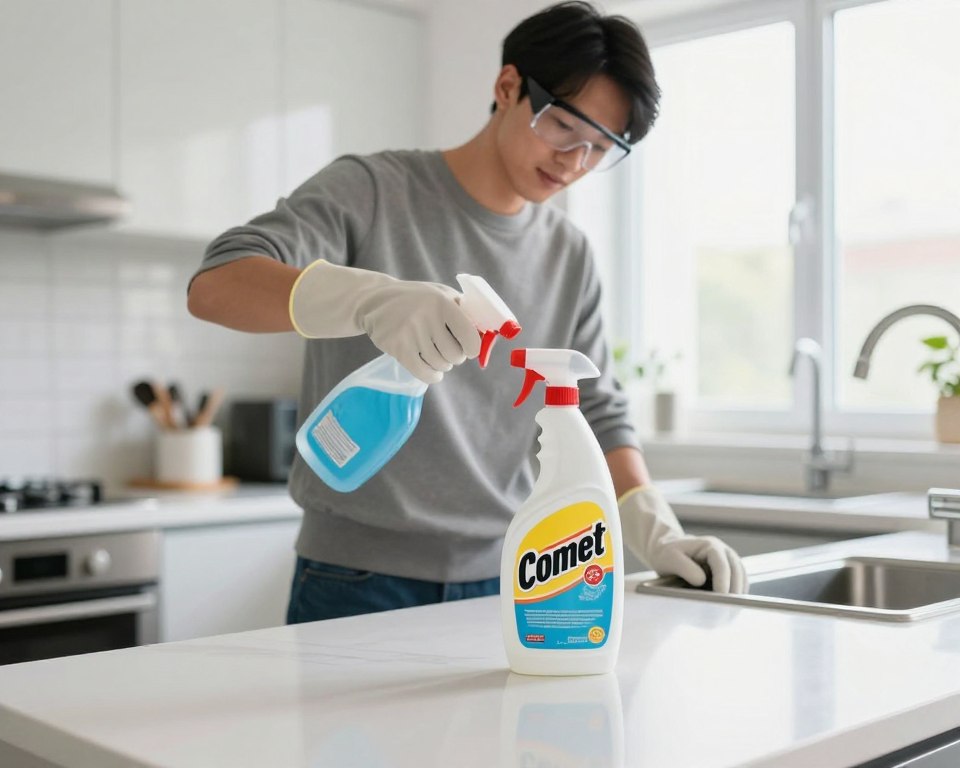
We advise limiting direct skin contact and avoiding frequent, prolonged exposure to any product that contains ethoxylated ingredient lists. Ventilate rooms and use gloves when you spray or scrub.
Concerns Regarding Colorants
Colorants such as polyoxyalkylene-substituted chromophores often lack robust safety data. These additives may include undisclosed allergens or endocrine-active compounds that affect sensitive users.
“Synthetic fragrances can irritate eyes and skin even at low levels.”
- Many mr. clean products, including cleaner febreze and rain- or lavender-scented sprays, can irritate skin or eyes.
- Check ingredient lists and safety data sheets for what the product contains.
- When in doubt, choose fragrance-free or simpler formulations to reduce exposure and long-term risks.
| Issue | Effect | Action |
|---|---|---|
| Ethoxylation byproduct | Skin absorption, potential risk | Gloves; ventilate |
| Synthetic fragrance | Irritation, allergy | Test small area; avoid if sensitive |
| Colorants | Unknown long-term effects | Prefer clear or uncolored options |
Best Practices for Safe Cleaning at Home
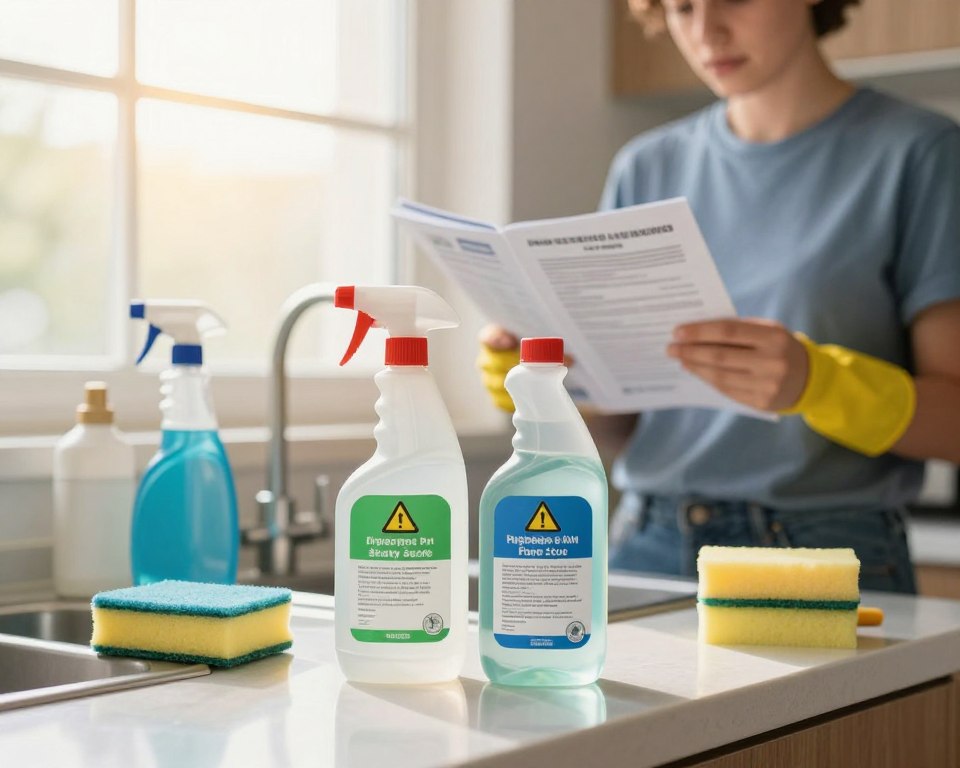
We share easy, evidence-based habits to protect skin and air during routine cleaning chores. Start by reading the full ingredient list on the packaging of every mr. clean product you buy. That information helps you spot allergenic scents, ethoxylated surfactants, or other concerning ingredients.
Avoid direct skin and eye contact with any spray or liquid cleaner. Wear gloves for longer tasks and rinse promptly if you get residue on skin. Keep cleaners out of reach of children and pets to prevent ingestion hazards and choking from foam pieces.
When preparing food, choose low-residue options or rinse surfaces thoroughly after cleaning. If you have questions about a specific ingredient, consult a trusted safety guide or the product data sheet for clear risk and exposure data.
- Ventilate rooms during use and limit spray over food prep areas.
- Store sealed packaging in a high cabinet to keep reach risks low.
- Replace worn foam pads and discard heavily abraded pieces to lower particle effects.
| Action | Why | Quick Tip |
|---|---|---|
| Read ingredients | Find potential irritants | Check data sheets |
| Wear gloves | Protect skin | Use nitrile for liquids |
| Keep away from children | Prevent ingestion hazard | Store locked or high |
Conclusion
To close, we offer simple checks and habits that reduce exposure to hidden ingredients during routine cleaning and help you judge real effects on your home.
We reviewed ingredients so you have clear information to support healthy cleaning. Note common concerns like skin irritation from fragrances or ethoxylated surfactants.
When using a multi-purpose cleaner such as cleaner febreze in meadows rain scent, stay alert for any hazard signs: eye or skin irritation, strong odors, or residue. Follow label directions and ventilate rooms.
We encourage you to act on your concerns, keep products stored safely, and choose lower‑fragrance or simpler formulas when possible. These steps let you manage cleaning needs while minimizing undesired effects.
FAQ
Is the product harmful if used as directed?
We consider many household cleaners safe when used according to label directions. Most contain surfactants, solvents, fragrances, and preservatives that clean surfaces effectively. Exposure risks rise if you mix products, use them in poorly ventilated spaces, or let them contact skin and eyes. Always follow dilution and ventilation guidance on the packaging and store products out of the reach of children and pets.
What ingredients are commonly found in multi-purpose surface cleaners?
We often see water, surfactants to lift soils, mild solvents, pH adjusters, fragrance, and preservatives. Some formulas include chelating agents or small amounts of alcohol. Labels list active and inactive components; if you need to avoid specific chemicals, check the SDS (safety data sheet) or the ingredient list before use.
Can cleaning sprays irritate skin or cause allergic reactions?
Yes. Direct skin contact with concentrated cleaners or prolonged exposure can cause dryness, irritation, or contact dermatitis. Fragrances and preservatives are common culprits. We recommend wearing gloves for extended cleaning and rinsing skin promptly with water if irritation occurs. Seek medical advice for severe reactions.
Are home cleaners dangerous for children and pets?
Children and pets are more vulnerable to accidental ingestion or skin and eye exposure. We advise storing cleaners in high, locked cabinets and using child-safe packaging when available. Clean spills immediately, keep ventilation good, and never use products around unsupervised toddlers or animals.
What is melamine resin foam and does it pose environmental concerns?
Melamine resin foam is a dense, abrasive material used in scouring pads. It removes stains mechanically without added chemicals. We note disposal can be an issue: the foam is not biodegradable and can fragment. Reuse responsibly and dispose of worn pieces in regular trash; avoid flushing them or breaking them into micro-particles.
Could products release formaldehyde or related compounds?
Some consumer products can contain trace amounts of formaldehyde-releasing preservatives or contaminants from raw materials. We recommend checking labels and SDS for specific preservatives. Proper ventilation during use minimizes inhalation exposure. If you have heightened sensitivity, choose products labeled low-VOC or formaldehyde-free.
How do fragrance ingredients and ethoxylated surfactants affect health?
Fragrances can trigger respiratory irritation or allergies in sensitive individuals. Ethoxylated surfactants may contain trace impurities from manufacture and can irritate skin or eyes at higher concentrations. We suggest fragrance-free or plant-based options if you or household members have sensitivities, and always rinse surfaces that touch food.
What are ethoxylation risks and how can we reduce them?
Ethoxylation can introduce low-level impurities such as residual 1,4-dioxane. We advise selecting products from manufacturers that test and minimize such residues. Use recommended dilutions, rinse food-contact areas, and avoid aerosolizing strong concentrates to reduce inhalation risk.
Should we worry about colorants in cleaners?
Colorants are mainly aesthetic and can cause allergic reactions in rare cases. We recommend choosing uncolored formulas if anyone in the household has sensitive skin or respiratory issues. Colorants do not generally affect cleaning performance.
What safe cleaning practices do we recommend for home use?
Use products only as directed, dilute if required, and ventilate rooms while cleaning. Wear gloves for prolonged contact and eye protection for splashes. Keep cleaners away from food prep surfaces or rinse them thoroughly. Never mix different cleaning products, store all containers closed and secure, and keep SDS documents accessible.