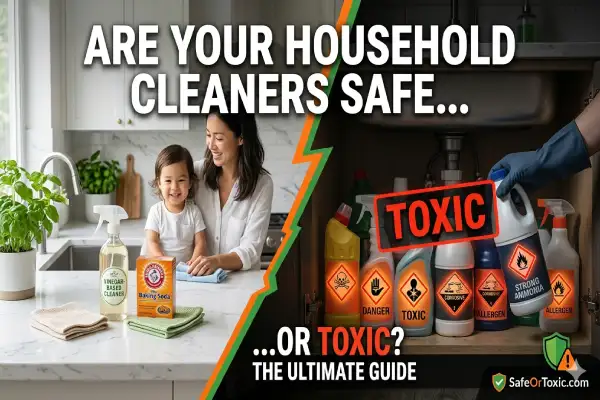
We all want our homes to be safe havens for our families. There is a quiet peace in a clean kitchen. But have you thought about what’s left behind after cleaning?
Keeping our homes safe is more than just cleaning. It’s showing love and care for our loved ones.
Creating a safe cleaning routine means checking the labels of our cleaning products. We often trust brands we’ve known for years. But, independent studies often disagree with these brands.
It’s crucial to know what we’re using in our homes.
Many people wonder if Comet Cleaner toxic worries are real or just rumors. We want to clear up the confusion between what companies say and what science shows. By looking at the facts, we can choose safer options for our health and planet.
Key Takeaways
- Prioritizing safety in your home starts with understanding product ingredients.
- Independent research often provides a clearer picture than marketing claims.
- A consistent, informed approach helps build a healthier living environment.
- Transparency from manufacturers is essential for consumer trust.
- Small changes in your habits can significantly reduce chemical exposure.
Understanding the Chemical Composition of Comet Cleaner
We often overlook the complex chemistry inside a simple bottle of household cleanser. To use these products well, we must first understand what makes them work on tough stains and grime.
Active Ingredients and Their Functions
The main part of Comet is calcium carbonate, a mild abrasive. This mineral lifts dirt from surfaces without harming durable materials like porcelain or stainless steel.
The formula also includes surfactants. These compounds lower water’s surface tension. This lets the cleaner get into grease and lift it away. Effective cleaning comes from both physical scrubbing and chemical breakdown.
The Role of Bleach in Household Cleaning
Many cleaners include chlorine-based disinfectants to kill bacteria and remove tough stains. But, users must be careful of bleach cleaning hazards in closed spaces.
When using bleach, keep the area well-ventilated to avoid inhaling fumes. Knowing these bleach cleaning hazards helps keep your home clean without harming your health.
Surfactants and Abrasives Explained
The heart of abrasive cleaning science is using particles for mechanical friction. This friction is key for removing soap scum or dried food that liquid sprays can’t handle.
To get the best results, consider these key aspects of how these ingredients function:
- Mechanical Action: Calcium carbonate particles act like tiny scrubbers to dislodge debris.
- Chemical Emulsification: Surfactants surround oil molecules, making them easier to rinse away.
- Disinfection: Chlorine agents neutralize pathogens on contact.
By understanding abrasive cleaning science, you can pick the right tool for every surface in your home. Always aim to remove grime while keeping your fixtures intact.
Is Comet Cleaner Toxic to Humans and Pets
We often use strong cleaners, but it’s crucial to check if Comet cleaner is safe for our families. These products are good at cleaning but have ingredients that need careful handling. Knowing the chemical exposure risks helps make our homes safer for everyone.
Acute Exposure Risks and Symptoms
Touching cleaning agents can cause chemical toxicity symptoms right away. You might get respiratory irritation, cough, or skin redness. These happen when you use the product in small spaces or without gloves.
Even everyday products can be harmful if not used right. If you get burning eyes or throat after cleaning, get to fresh air fast. Quick action can lessen these problems.
Chronic Health Concerns and Long-term Exposure
While quick symptoms usually go away, long-term use is a worry. Using harsh chemicals a lot can make your skin sensitive or hurt your breathing. Many think these products are safe once dry, but they can still be on surfaces.
Wear gloves and make sure the area is well-ventilated to avoid direct contact. Using less chemical can reduce your exposure. Staying safe is important for your health over time.
Specific Risks for Children and Vulnerable Populations
Children and pets are more at risk because they’re in contact with floors and surfaces a lot. Their small size and growing bodies make them more affected by chemicals. We need to be extra careful when cleaning areas where kids play or pets sleep.
| Exposure Type | Common Symptoms | Risk Level |
|---|---|---|
| Inhalation | Coughing, wheezing | Moderate |
| Skin Contact | Redness, itching | Low to Moderate |
| Ingestion | Nausea, stomach pain | High |
| Eye Contact | Watering, burning | Moderate |
Always keep cleaning supplies in locked cabinets to stop accidental ingestion. Keeping surfaces clean and free of chemicals is a responsible practice for pet owners and parents. These simple steps help keep your home safe for your family.
Analyzing the Potential for Respiratory Irritation
Cleaning your home should not harm your breathing. Using abrasive powders can affect our indoor air quality. It’s important to know that respiratory irritation can happen fast if we’re not careful.
Inhalation Risks During Scrubbing
Powdered cleansers release particles and fumes when mixed with water. These can cause coughing or a sore throat. It’s crucial to remember that chemical exposure risks grow in small, poorly ventilated areas like bathrooms.
The Dangers of Mixing Comet with Other Chemicals
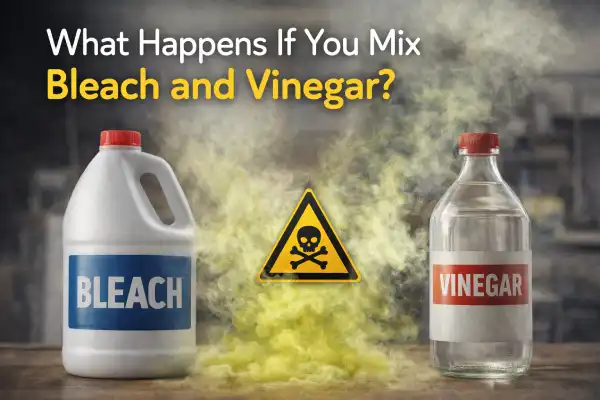
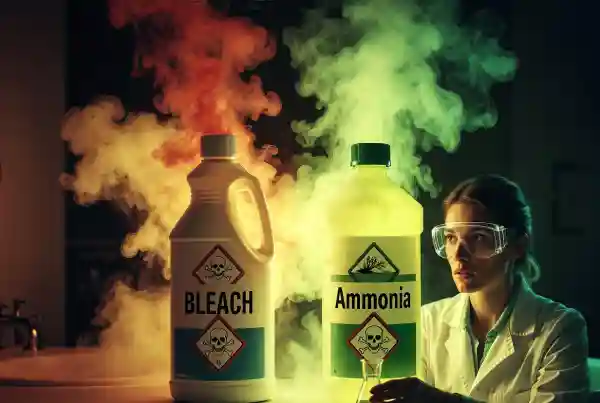
Never mix cleaning products, especially bleach-based ones like Comet. Combining it with ammonia or acidic cleaners is very dangerous. These reactions can create toxic gases that are harmful to anyone nearby.
Never mix bleach-based products with other household chemicals, as the resulting fumes can cause severe respiratory distress and long-term lung damage.
Ventilation Best Practices for Indoor Cleaning
To keep air healthy, always ensure good airflow. Open windows and use exhaust fans to clear out fumes. We suggest keeping doors open to let fresh air flow through the whole cleaning area.
Skin and Eye Contact Hazards
Keeping your skin and eyes safe is key to a safe cleaning routine at home. These products are good at cleaning but can be tough on human skin.
Dermal Sensitivity and Chemical Burns
Touching cleaning powders can irritate or even burn your skin if it stays there too long. People with sensitive skin often get rashes or red spots after touching these products.
To stay safe, wash your hands well right after cleaning. If your skin itches or burns, rinse it with cool water for a few minutes. This helps get rid of any leftover chemicals.
“Safety is not just a practice; it is a mindset that protects our well-being during every household chore.”
Ocular Irritation and Emergency First Aid
Getting cleaning products in your eyes is a big worry. If this happens, you might feel a sharp sting, have too many tears, or see blurry.
Flush the eye with clean, warm water for at least 15 minutes. Keep your eyelids open to make sure all the chemical is gone. If your eye still hurts after flushing, get medical help fast to avoid serious damage.
Protective Gear Recommendations for Users
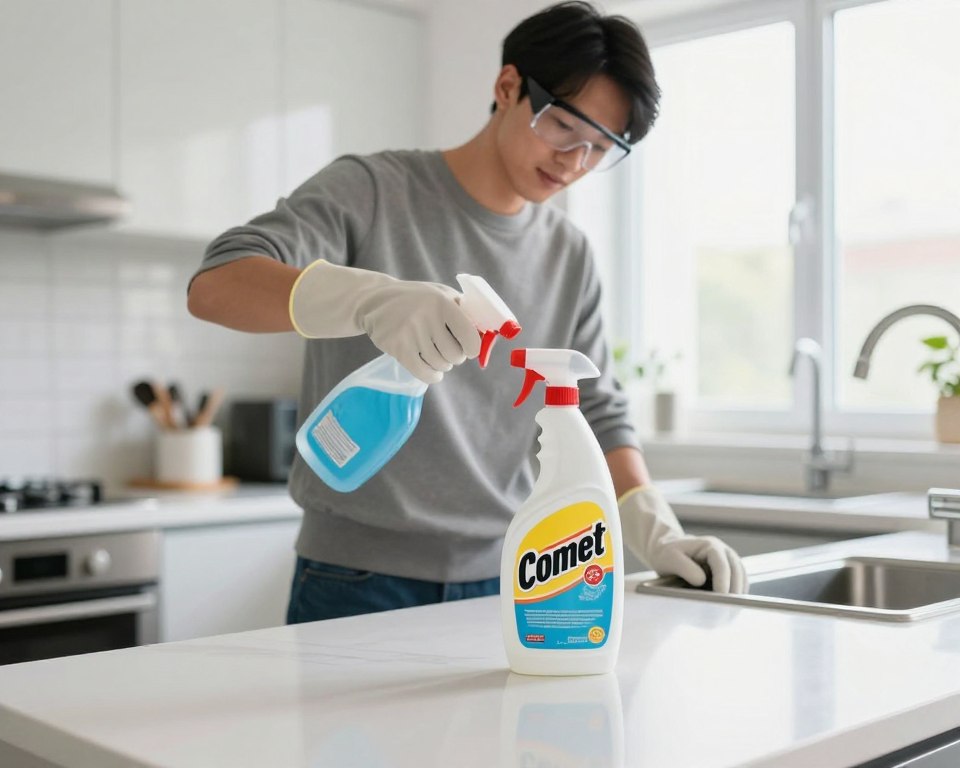
Using the right gear is important to avoid getting hurt while cleaning. The right gear acts as a shield between you and the cleaning products.
Here are some things you should have in your cleaning kit:
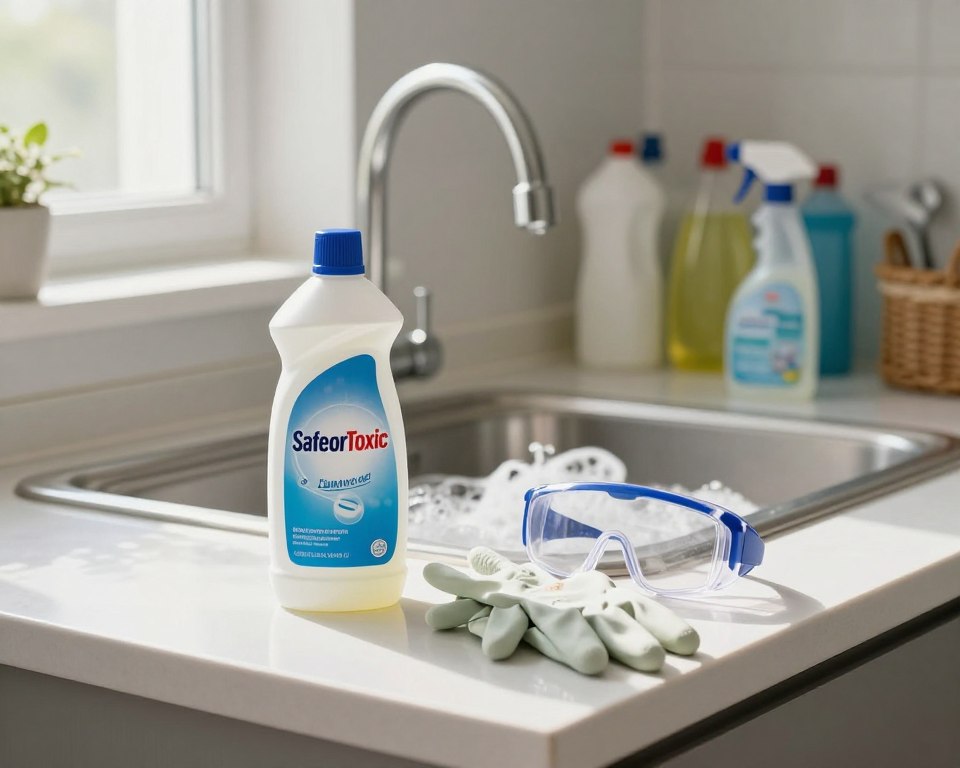
- Rubber gloves: These stop your skin from touching harsh chemicals.
- Safety goggles: They protect your eyes from powder or spills.
- Long sleeves: Wearing long sleeves keeps your arms from touching treated surfaces.
By focusing on skin contact safety, you can handle household chemicals safely. Remember, the best way to stay safe is to prevent accidents.
Environmental Impact of Comet Cleaner
When we clean, we don’t just make our homes shine. The chemicals we use can harm our environment. It’s crucial to think about the environmental impact of cleaners we choose every day. These products may make our homes look great, but their impact doesn’t stop there.
Waterway Contamination and Aquatic Toxicity
After we clean, the leftover chemicals go down the drain. They then enter our wastewater systems. Many cleaners contain harsh chemicals that aren’t fully broken down by treatment.
This can pollute our rivers, lakes, and oceans. Aquatic life is very sensitive to these chemicals. Even a little bit can harm fish and plants. Keeping our air clean is important, but so is the water quality we leave behind.
Biodegradability of Synthetic Ingredients
Today’s cleaners often use synthetic ingredients to tackle tough stains. These ingredients don’t break down quickly. They can stay in our environment for a long time, possibly building up in soil or water.
Choosing cleaners that are better for the planet is key. Reading labels helps us make greener choices. Look for products that are made with sustainable ingredients. This way, we can reduce harm to our environment.
Disposal Guidelines for Household Cleaning Products
How we dispose of cleaners matters a lot. Don’t pour strong cleaners down storm drains. They go straight to our water without being treated.
Here’s how to handle cleaners safely:
- Empty containers completely: Make sure to rinse bottles well before recycling, if allowed.
- Check local regulations: Many places have special days for hazardous waste collection.
- Avoid mixing: Don’t mix leftover cleaners in one container, as it can cause harmful reactions.
Regulatory Standards and Safety Labeling
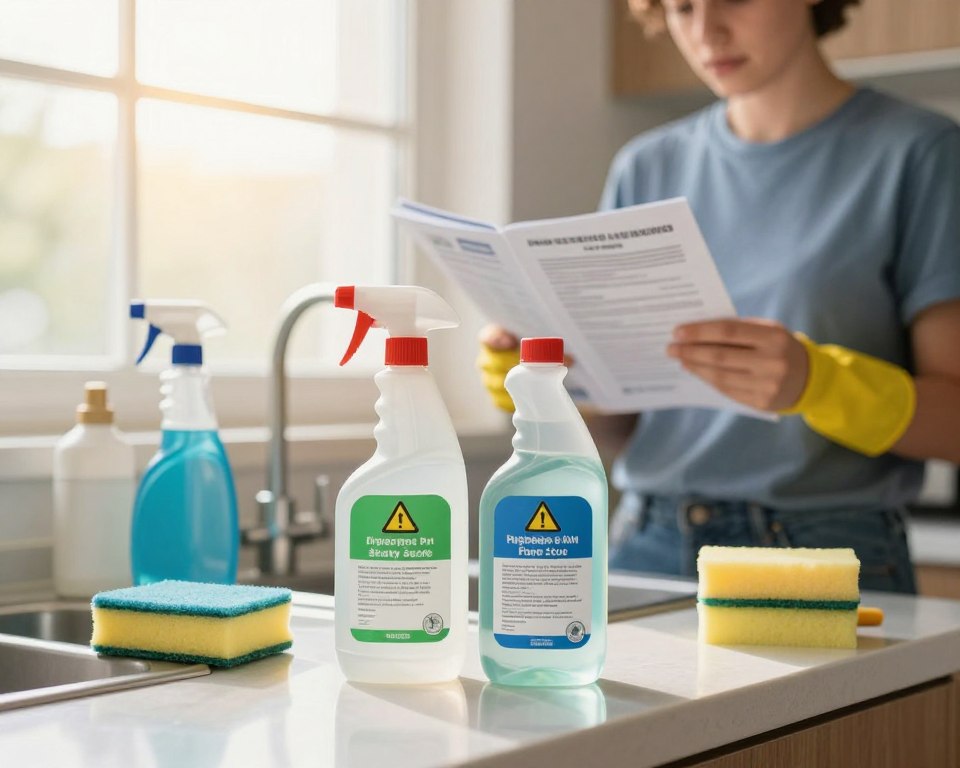
We often overlook the labels on our cleaning supplies, yet they contain critical information for our safety. By taking a moment to read the fine print, we can better protect our families from accidental exposure. Understanding these standards is the first step toward a safer cleaning routine.
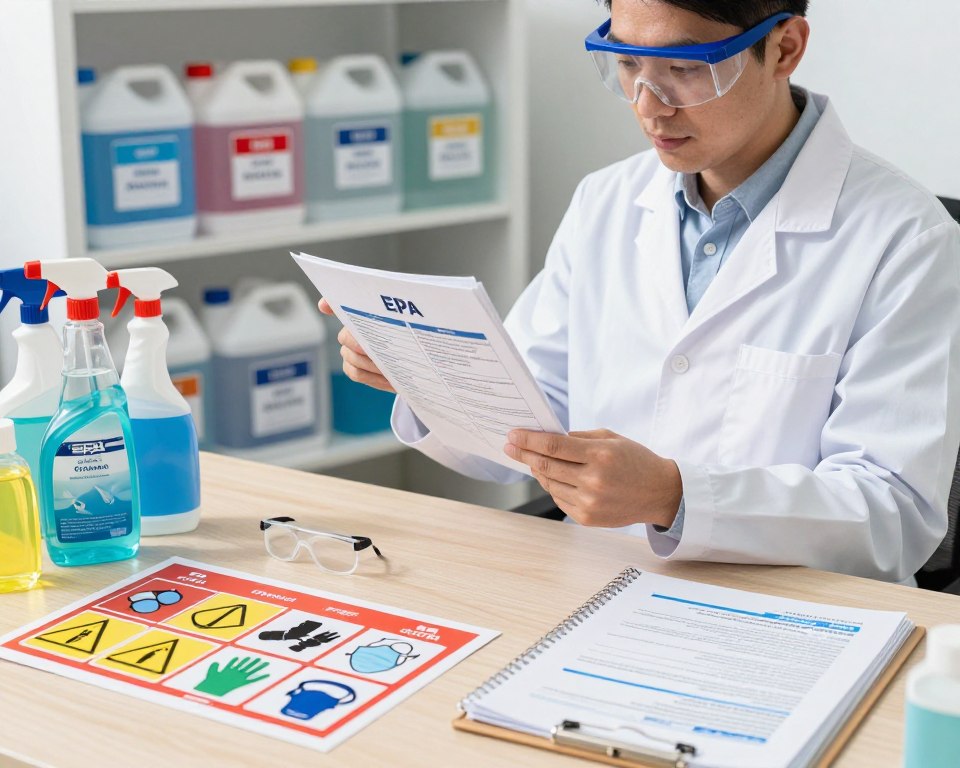
Interpreting EPA and OSHA Safety Guidelines
Regulatory agencies like the Environmental Protection Agency (EPA) and the Occupational Safety and Health Administration (OSHA) set strict rules for chemical products. These EPA safety guidelines ensure that manufacturers disclose potential risks clearly. We rely on these standards to understand how to handle substances like Comet safely in our homes.
OSHA focuses on workplace safety, but their standards often influence consumer product labeling. When we review these documents, we gain insight into the chemical properties of the cleaners we use daily. Following these established protocols helps us minimize risks during routine chores.
Understanding Signal Words on Product Labels
Manufacturers use specific signal words to alert us to the level of hazard associated with a product. These terms are not random; they are legally required indicators of toxicity and potential harm. Recognizing these words allows us to make informed decisions before we even open the bottle.
| Signal Word | Hazard Level | Meaning |
|---|---|---|
| Danger | High | Product is highly toxic or corrosive. |
| Warning | Moderate | Product may cause moderate irritation. |
| Caution | Low | Product poses a minor risk if misused. |
The Importance of Following Manufacturer Instructions
The instructions provided on the back of a container are there for a reason. We must treat these directions as essential safety protocols rather than mere suggestions. Ignoring recommended dilution ratios or contact times can lead to unnecessary chemical exposure.
Always check the label for specific ventilation requirements or protective gear needs. By adhering to the manufacturer’s guidance, we ensure that we are using the product as intended. This simple habit significantly reduces the likelihood of accidents in our living spaces.
Safe Handling and Storage Protocols
We believe that effective cleaning starts with responsible storage and handling practices. A secure routine for your household chemical storage is key to protecting everyone in your home. By following these guidelines, you can minimize risks while keeping your living space clean.
Preventing Accidental Ingestion in the Home
Keeping cleaning products out of reach of children and pets is crucial. Store all abrasive cleaners in high cabinets or locked cupboards. Never store them under the kitchen sink if toddlers can reach them.
Always keep products in their original containers to ensure safety warnings are visible. If you must transfer a product, use a clearly labeled, airtight container not associated with food or drink. This simple habit prevents dangerous mix-ups that could lead to accidental ingestion.
Proper Storage Conditions to Maintain Stability
Effective household chemical storage requires a cool, dry environment. Moisture can cause powdered cleaners to clump or react prematurely, which may compromise their effectiveness. Keep containers tightly sealed to prevent humidity from entering the packaging.
Avoid storing cleaners in areas with extreme temperature fluctuations, such as near furnaces or in direct sunlight. A stable environment ensures that the chemical composition remains consistent over time. Always check the expiration date on the label to ensure the product is still safe and effective for use.
Managing Spills and Cleanup Safely
When a spill occurs, immediate action is necessary to protect your surfaces and your health. Wear gloves during the cleanup process to prioritize skin contact safety. If the powder spills, use a dry cloth or paper towel to sweep it up before wiping the area with a damp cloth.
Avoid using a vacuum cleaner on large spills, as this can disperse fine particles into the air. Once the bulk of the material is removed, rinse the surface thoroughly with water to ensure no residue remains. If the product comes into contact with your skin, wash the area immediately with soap and plenty of water.
| Action Item | Safety Priority | Recommended Method |
|---|---|---|
| Storage Location | High/Locked | Out of reach of children |
| Spill Cleanup | Skin contact safety | Use gloves and damp cloth |
| Container Care | Moisture Control | Keep lid tightly sealed |
| Labeling | Identification | Keep in original packaging |
Comparing Comet to Natural Cleaning Alternatives
We often compare natural cleaning alternatives to industrial cleaners. Many homes are choosing greener options to avoid synthetic chemicals. It’s key to know which tasks need strong cleaners and which can be done with milder ones.
Effectiveness of Vinegar and Baking Soda
Vinegar and baking soda are top picks for natural cleaning alternatives. Vinegar is a mild acid that dissolves mineral deposits and soap scum well. Baking soda is a gentle abrasive that lifts stains without scratching surfaces.
Yet, these items have their limits. They don’t have the disinfecting power needed to kill tough bacteria or viruses. For deep cleaning or heavy grime, they need more effort than traditional cleaners.
Plant-Based Commercial Cleaners vs Traditional Formulas
The market for plant-based cleaners is booming, offering safer choices for families. These products use citric acid, essential oils, or enzymes to break down dirt. They strike a balance between safety and effectiveness for daily cleaning.
On the other hand, traditional formulas like Comet use bleach and mineral abrasives for tough stains. These ingredients are strong for heavy-duty sanitation and whitening. While plant-based options are better for the environment, they might not give the same immediate results as traditional cleaners on porous surfaces.
When to Choose Heavy-Duty Chemical Cleaners
There are times when natural cleaning alternatives aren’t enough. For mold, mildew, or surfaces contaminated by raw food, a strong cleaner is needed. These products kill pathogens effectively, keeping your home clean and safe.
Use heavy-duty cleaners only in high-risk areas like bathrooms and kitchens. This way, you keep your home clean while reducing chemical exposure. Always make sure to ventilate well when using these products.
| Cleaning Agent | Best Use Case | Safety Level | Abrasive Power |
|---|---|---|---|
| Vinegar/Baking Soda | Routine maintenance | High | Low |
| Plant-Based Cleaners | Daily surface cleaning | High | Low to Medium |
| Traditional Bleach Cleaners | Deep sanitation/Mold | Low | High |
The Science of Abrasive Cleaning
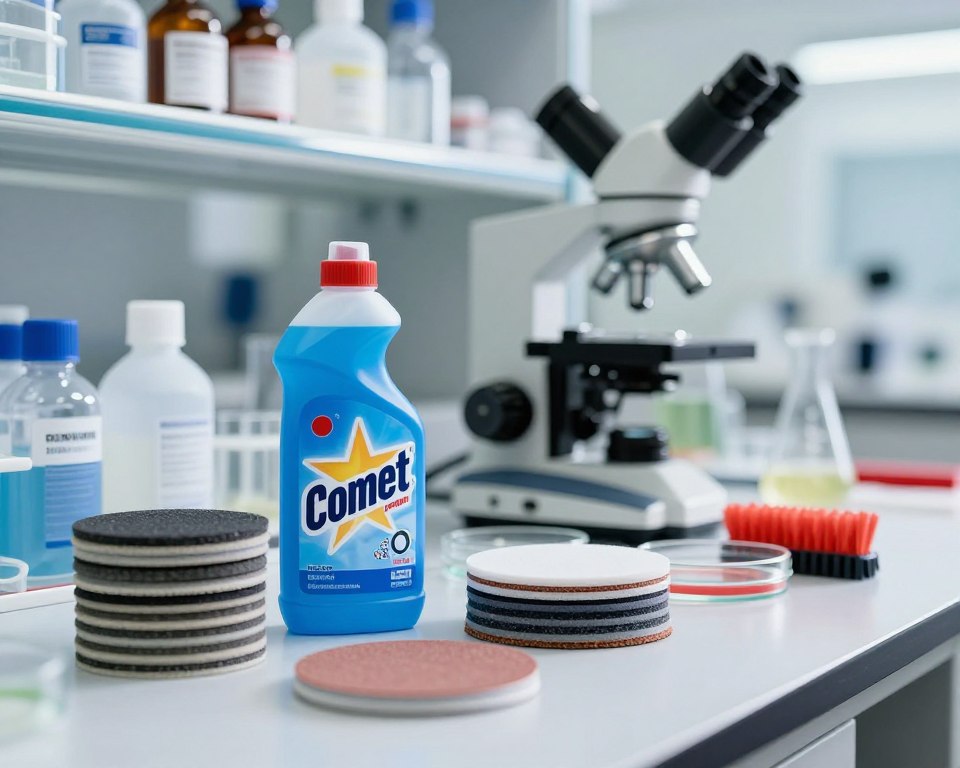
The abrasive cleaning science in many household powders is complex. It combines physical friction and chemical action. When we scrub, we’re not just applying liquid; we’re using tiny particles to lift debris.
This two-part approach makes some cleaners very good at removing tough stains.
How Abrasives Work on Tough Stains
Abrasive cleaners have fine, hard particles like tiny sandpaper. When we press with a sponge or cloth, these particles remove grime that regular detergents can’t. Physical friction breaks the bond between the stain and the surface.
The cleaners also have chemicals that soften the stain. A surfactant and an abrasive work together. They loosen and remove dirt, especially in kitchens and bathrooms.
Surface Compatibility and Potential Damage
The abrasive cleaning science can be risky. Hard particles can scratch softer surfaces like plastic, fiberglass, or polished stone. Over time, these scratches trap dirt and bacteria, making cleaning harder.
Before using a gritty cleaner, check the surface’s hardness. If it’s soft, use a liquid cleaner instead. Always test a small area first to protect the surface.
Balancing Cleaning Power with Surface Longevity
We need to balance cleaning power with protecting surfaces. Use the least abrasive method needed. For light stains, a soft cloth and mild soap are enough.
For tough stains, use gentle pressure and lots of water. This reduces damage risk while keeping things clean. The table below shows how different surfaces react to abrasives.
| Surface Type | Abrasive Sensitivity | Recommended Approach |
|---|---|---|
| Stainless Steel | Moderate | Use fine abrasives; scrub with the grain. |
| Porcelain | Low | Safe for most abrasive powders. |
| Acrylic/Fiberglass | High | Avoid abrasives; use non-scratch pads. |
| Natural Stone | Very High | Avoid all harsh abrasives. |
Common Myths Regarding Household Bleach Products
It’s important to know the truth about household cleaners. Many times, good advice can still confuse us. This is especially true for cleaning supplies.
Debunking Misconceptions About Toxicity Levels
One big myth is that bleach is always deadly. But, its danger level really depends on how it’s used and its strength.
Some think opening a bleach bottle is dangerous right away. But, if you follow the label, these products are safe for certain tasks. Knowing the right mix is key to staying safe.
Clarifying the Difference Between Cleaning and Disinfecting
Cleaning and disinfecting are not the same. Cleaning removes dirt and germs with soap or detergent.
Disinfecting kills germs on surfaces with chemicals. You must clean a surface first for disinfecting to work. Always clean the surface before using a disinfectant.
| Action | Primary Goal | Common Tools |
|---|---|---|
| Cleaning | Remove dirt/debris | Soap and water |
| Disinfecting | Kill pathogens | Bleach solutions |
| Sanitizing | Reduce bacteria | Chemical sprays |
Addressing Viral Claims Found Online
The internet is full of viral cleaning tips that might not be safe. We advise against mixing bleach with other acids or ammonia. These mixes can cause harmful reactions and respiratory irritation.
Always check cleaning tips on official government sites, not social media. Using verified scientific data keeps your family safe. If unsure, always follow the product label’s instructions.
Best Practices for a Safer Cleaning Routine
We think being proactive in home care is key to keeping our families safe. By focusing on household cleaning safety, we can cut down on risks from common products. A safe cleaning routine helps us keep our homes clean while keeping our loved ones healthy and safe.
Developing a Consistent Safety Checklist
A good checklist is the base for a safe home. We suggest keeping all cleaning supplies in their original containers for better household chemical storage. Make sure lids are sealed tight and stored in a cool, dry place out of reach.
- Check ventilation by opening windows before you begin scrubbing.
- Wear appropriate gloves to prevent skin irritation.
- Review labels for specific warnings before each use.
“Safety is not just a practice; it is a mindset that we must cultivate every single day to protect those we love.”
Reducing Chemical Load in Your Living Space
When we focus on cleaning power, we often forget about the environmental impact of cleaners. Using natural cleaning alternatives like vinegar or baking soda for light tasks can reduce harsh chemicals in our homes. This simple change improves indoor air quality for everyone.
Try to use heavy-duty products only for tough stains. Using fewer synthetic agents lowers the risk of accidental exposure. Consistency is key in managing our daily chemical use.
Educating Family Members on Product Safety
Communication is our strongest tool for home safety. We must make sure everyone knows how to handle cleaning supplies right. Teaching kids to avoid touching bottles and explaining label importance can prevent accidents.
Ensure everyone knows where to find emergency contact info. Sharing our knowledge empowers our families to make smarter, safer decisions. An informed home is always safer.
Conclusion
Comet is a strong tool for dealing with tough stains at home. It’s often found in many American homes because it works well.
We want you to use these products carefully. Knowing what’s in Comet helps you choose safer items for your home.
Looking into natural cleaning options is a good idea. Using less harsh chemicals makes your home safer for everyone.
Following safety rules is key to keeping your home clean without harming your health. A clean home is important, but your health is more so. Always check labels and keep your home safe.
FAQ
Is Comet Cleaner toxic to humans and household pets?
Comet is safe for home cleaning if used right. But, it has chemicals that can harm. These can cause breathing problems or skin irritation.
Children and pets are more at risk because they are smaller. They can get sick if they touch or eat it.
What should I do if Comet comes into contact with my eyes or skin?
If Comet touches your eyes or skin, it can hurt. If your eyes get irritated, rinse them with water for 15 minutes. See a doctor if it doesn’t get better.
To keep your skin safe, wear gloves. This is especially important when cleaning hard.
Why does Comet sometimes cause respiratory irritation during use?
Comet’s fine powder can get in the air when you scrub. Breathing in these fumes can irritate your lungs. It also makes the air inside worse.
Always open windows or use fans to keep the air clean. This stops harmful chemicals from building up.
Is it safe to mix Comet with other household cleaning supplies?
No, mixing Comet with other cleaners is dangerous. This is because Comet has bleach. Mixing it with other chemicals can make toxic gas.
This gas can seriously harm your lungs or cause long-term health problems.
How does Comet Cleaner impact the environment and water safety?
Comet can harm the environment and water. Its ingredients can pollute waterways. This is bad for fish and other aquatic life.
To help the planet, use only what you need. Dispose of it properly. This reduces harm to our ecosystem.
What is the difference between cleaning and disinfecting with Comet?
Cleaning and disinfecting are not the same. Cleaning removes dirt with abrasives and surfactants. Disinfecting kills germs with chlorine-based products.
Follow EPA guidelines to know how long to use Comet. This ensures it kills germs, not just dirt.
Are there natural cleaning alternatives that work as well as Comet?
Yes, natural cleaners like Arm & Hammer Baking Soda and vinegar work well. Plant-based cleaners from Seventh Generation or Mrs. Meyer’s Clean Day are also good.
But, for tough stains, Comet might be better. Use natural cleaners for everyday tasks and save Comet for tough jobs.
How should I store Comet to ensure household safety?
Store Comet safely to avoid accidents. Keep it in a cool, dry place. This keeps the powder stable and prevents it from reacting with moisture.
Always seal the container tightly. Store it where children can’t reach it to avoid spills or ingestion.
Can the abrasive nature of Comet damage my home fixtures?
Yes, Comet’s abrasive nature can scratch surfaces. It works well on some materials but not others. Check before you use it.
It can dull finishes on stainless steel or natural stone. Always read the label to avoid damage.
How do I interpret the safety labels on Comet products?
Reading safety labels is key to safe cleaning. Look for EPA and OSHA guidelines. Signal words like “Caution” or “Warning” tell you the level of danger.
Follow the instructions carefully. This keeps your home safe and healthy for everyone.