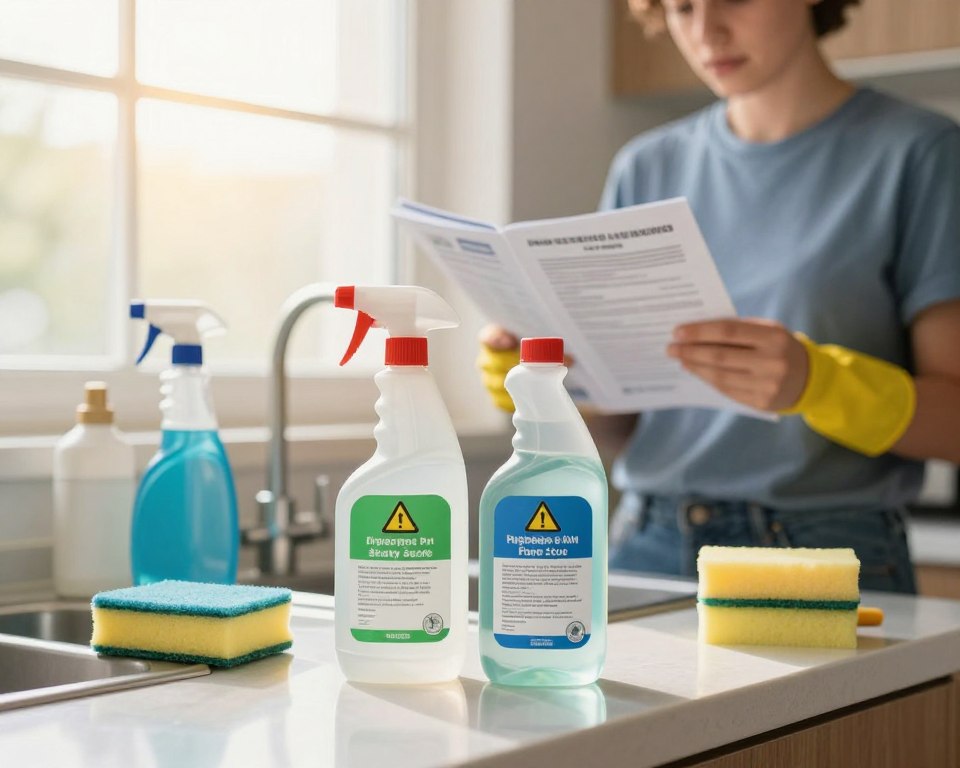
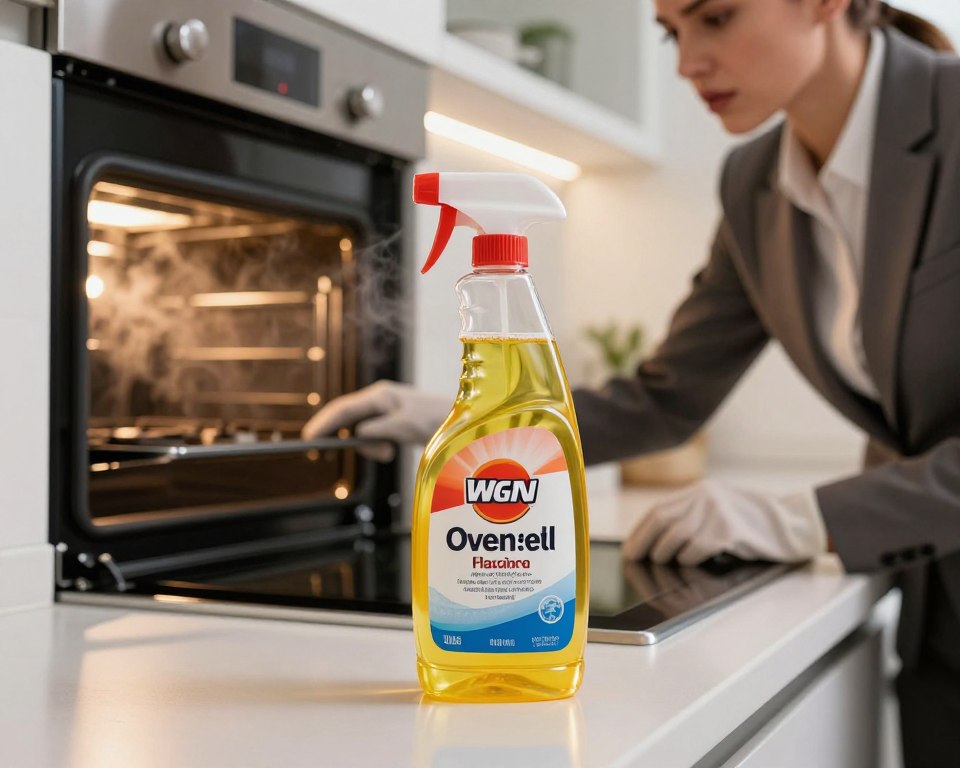
I remember standing in my kitchen, mask in hand, worried about the smell and what it might mean for my kids and pets. That uneasy knot many of us feel before a deep scrub is real. It raises a simple question: how safe is the product you reach for?
The National Capital Poison Center warns that many high-pH formulas are caustic and can harm exposed tissue, including airways. When you clean oven surfaces, fumes and splashes are the main concerns.
Good ventilation and easy access to fresh water matter. Knowing what chemicals are in a bottle helps you weigh fast results against possible health risks.
This piece explores common oven cleaners, how fumes affect household air, and safer steps to keep your kitchen and family protected while you work toward a clean oven.
Key Takeaways
- Many commercial oven cleaners are caustic and can irritate skin and airways.
- Fumes pose a real risk; ventilate the space and keep windows open.
- Have water ready to rinse spills and reduce chemical contact.
- Learn product ingredients before you use them to decide on safer options.
- Simple alternatives and careful use can protect your household during oven cleaning.
Understanding the Chemical Composition of Oven Cleaners
Several widely sold cleaners rely on powerful caustic compounds to break down stubborn deposits. These formulas are engineered to dissolve grease and carbonized grime that builds up inside an oven over time.
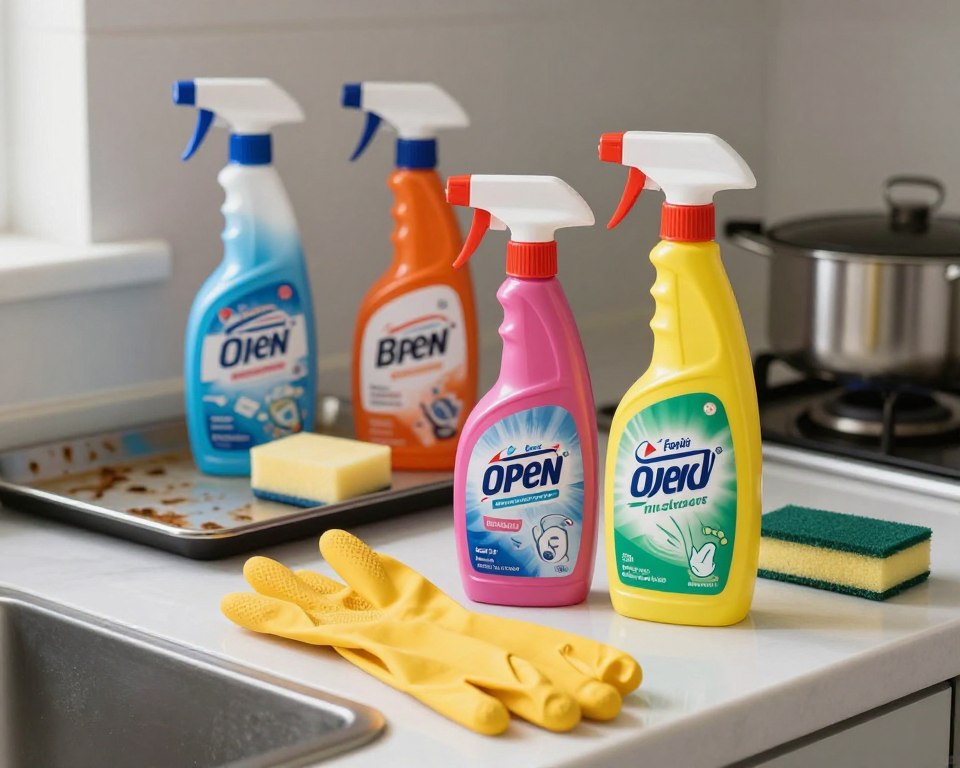
Caustic Ingredients
Most commercial cleaning products use high-pH substances such as sodium hydroxide or potassium hydroxide. These agents saponify fats and lift burned food, which makes the cleaning process fast and effective.
Corrosive Effects
The same corrosive action that removes grime can damage human tissue on contact. The National Capital Poison Center notes that caustic ingredients can cause serious burns to skin, mouth, eyes, and airway.
- Direct contact may cause severe irritation and chemical burns that need immediate care.
- Corrosive residues can linger on surfaces and increase exposure risk after cleaning.
- Understanding ingredient lists helps you choose safer cleaning products or alternatives.
This article section aims to explain why knowing the composition of an oven cleaner product matters for household safety and informed use.
Is Oven Cleaner Toxic to Your Health
Strong chemical fumes from common oven products can change indoor air within minutes.
Many conventional oven cleaners rank among the most hazardous items in a home because they use volatile compounds that irritate lungs and mucus membranes.
Frequent exposure to these cleaning products can add up. Residues left near cookware or food may raise long-term health concerns for children and pets.
When you work on an oven, the act of oven cleaning often releases gases into your household environment. Those gases can move from the appliance into other rooms.
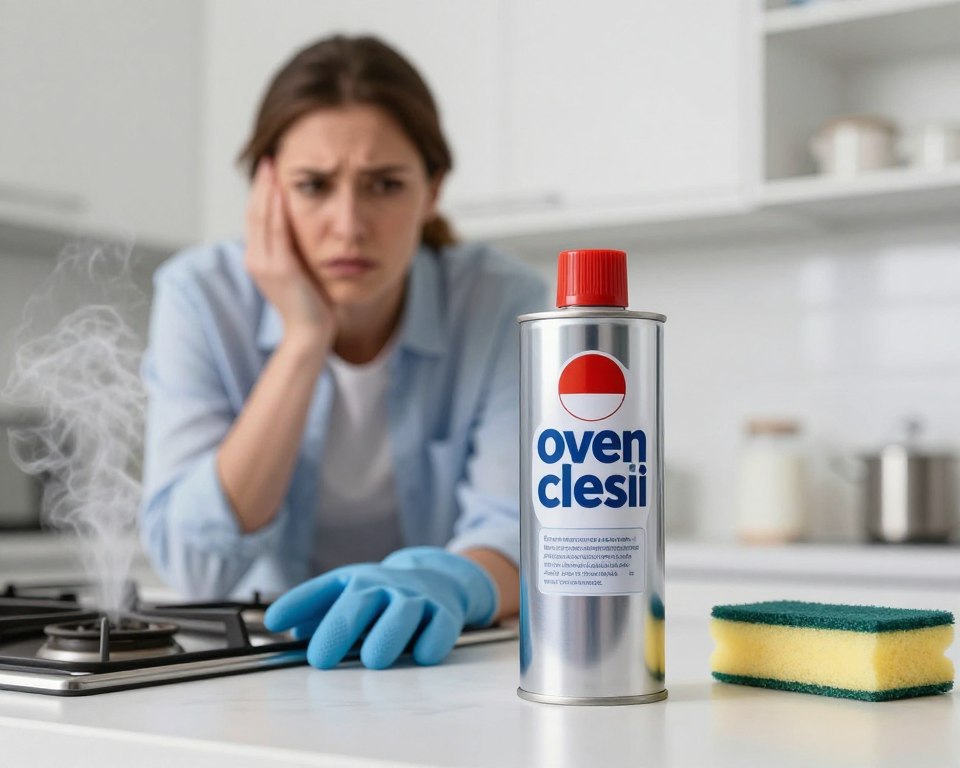
Health experts now recommend non-toxic, plant-based alternatives for routine maintenance. Safer options reduce the chance of inhaling harsh fumes and leaving dangerous residues behind.
- Limit use of heavy-duty cleaners and ventilate well during and after cleaning.
- Rinse surfaces thoroughly before cooking again to lower exposure near food.
- Consider milder products or professional services for stubborn buildup.
| Product Type | Short-Term Risk | Residue Concern | Safer Option |
|---|---|---|---|
| Caustic aerosol | High: lung and eye irritation | Moderate to high | Plant-based paste |
| Caustic gel | Moderate: fumes and skin burns | Moderate | Baking soda method |
| Enzymatic spray | Low: mild irritation possible | Low | Enzymatic or steam |
| Steam / professional | Minimal during use | Minimal | Professional cleaning |
Accurate information about ingredients and safe use helps protect family health. Choose products and practices that lower exposure and preserve indoor air quality.
The Hidden Dangers of Inhaling Cleaning Fumes
A quick spray can send volatile compounds into your home’s air, affecting everyone inside. These vapors move fast and can aggravate breathing, especially for children, seniors, or people with asthma.
Respiratory Irritation
Inhaling fumes from a strong oven cleaner may trigger coughing and shortness of breath. Some cleaning products release VOCs that linger in the kitchen air for hours or days. That means exposure can continue long after you finish scrubbing.
Direct contact with vapors often causes burning eyes, a scratchy throat, and skin irritation. These symptoms can appear quickly and feel severe to sensitive individuals.
Fumes do not stay confined to one room. Forced-air systems and open doorways let cleaners circulate through the home, affecting people who never entered the kitchen.
- VOCs and particulates can cause immediate and delayed effects.
- Watch for unexplained respiratory or allergic symptoms after cleaning.
- Minimize use of harsh products, ventilate thoroughly, and keep pets and kids away until air clears.
Risks Associated with Self-Cleaning Oven Cycles
High-heat self-clean cycles remove stubborn residue, but they also bring real safety risks into the kitchen. These cycles reach extreme temperatures and change the behavior of grease and coatings inside the appliance.
Carbon Monoxide Risks
Pyrolytic cycles can hit about 932 degrees Fahrenheit. At that heat, incomplete combustion of food and grease can release carbon monoxide into indoor air.
Ensure good ventilation and follow the manufacturer’s instructions to limit exposure during long cycles that may last hours.
Teflon Breakdown
High heat can break down nonstick coatings like Teflon, producing fumes that may cause flu-like symptoms in some people.
Pets, especially birds, are very sensitive to these changes in air quality and should be removed from the home during cleaning use.
Fire Hazards
Leftover food and pooling grease can ignite under extreme heat. Even if large debris is removed, remaining grease poses a real fire risk.
Monitor the cycle closely and stop it if excessive smoke or unusual smells appear. Many users find manual, gentle cleaning causes less damage and fewer hazards than repeated self-clean cycles.
- Short catalytic cycles may take 20 to 30 minutes; pyrolytic cycles often take several hours.
- Always check instructions and avoid repeated heavy use that can damage control panels or fuses.
Protecting Your Family and Pets During Kitchen Maintenance
A few deliberate steps can make routine maintenance safe for everyone in your home. Plan where people and animals will be before you start a high-heat cycle or strong cleaning job in the kitchen.
Keep curious children and pets out of the area. High temperatures can cause serious burns, and vapors can harm sensitive animals more quickly than people.
“Protecting air quality and minimizing contact lowers the chance of short-term symptoms and lasting harm.”
- Move pets outdoors or to a well-ventilated room until the process ends to reduce fumes exposure.
- Wear gloves and avoid skin contact when handling strong solutions to prevent irritation.
- Watch for respiratory symptoms in family members and leave the home if breathing becomes difficult.
- Choose gentler methods when possible to keep your household environment safer.
| Action | Who to Protect | Benefit |
|---|---|---|
| Block room access during cycles | Children, pets | Reduces risk of burns and accidental exposure |
| Use non-chemical methods | Entire family | Improves air quality and lowers skin irritation |
| Ventilate and wait before cooking | Home occupants | Clears fumes and lowers household health risks |
Natural Alternatives for a Sparkling Clean Oven
A simple paste made from pantry staples removes baked-on grime with patience, not chemicals.
The Baking Soda and Vinegar Method
Mix baking soda and water into a spreadable paste. Cover carbonized food and greasy spots liberally.
Leave the paste to dwell for at least 12 hours. That long dwell time lets the ingredients break down stubborn deposits so you do less scrubbing.
After the paste dries, spray a little vinegar over it. The fizz lasts for a few minutes and helps lift residue.
- Wipe away loosened grime with a damp cloth and water.
- This method avoids harsh fumes and is gentler on enamel than many commercial options.
- It removes grease and food deposits while keeping the kitchen safer for family and pets.
Tip: For tough spots, reapply paste and give it more time rather than reaching for stronger cleaners.
Professional Cleaning Services as a Safer Solution
Experts use tested, biodegradable solutions that cut through grease without corrosive ingredients.
Ovenclean specialists have more than 20 years of experience using non-caustic systems that work across all major brands. Their approach removes baked-on food and grease while protecting internal parts and controls from damage.
Choosing a professional service gives you a fume-free home and a clean oven you can use right away. Technicians follow strict instructions so every surface is rinsed and left safe, with no harmful residues.
- Biodegradable products with no added caustic ingredients.
- Fast, efficient work that often finishes in minutes rather than hours.
- Reduced risk of damage and lower chance of lingering fumes or residues.
- Clear information and post-service care instructions provided.
| Service | Time | Residue Risk | Protection for Parts |
|---|---|---|---|
| Professional cleaning | 30–90 minutes | Minimal | High |
| DIY heavy-duty products | Several hours | Moderate to high | Moderate risk |
| Natural paste methods | 12+ hours dwell | Low | Low |
“Professional services remove grease and food debris without risking appliance damage.”
Conclusion: Prioritizing Safety in Your Home
, Smart cleaning choices preserve your appliances and safeguard household air. Pick methods that lower risk while still getting a clean oven. Use gentler products or a baking soda paste when possible. This protects surface finishes and reduces fumes that harm health.
When you clean, keep the home well ventilated and rinse surfaces with plenty of water. Choose professional services for heavy buildup to avoid harsh chemicals and high-heat cycles that can affect the environment inside your house.
Protect your family by making informed choices. This article aims to help you balance results with safety. Thank you for reading and taking small steps today to keep your living space cleaner and safer for years to come.
FAQ
Are oven cleaning products safe to use around food and cookware?
Most commercial solutions contain strong alkaline or caustic ingredients that can irritate skin and mucous membranes. Always remove racks, trays, and any cookware before using a chemical product. Rinse surfaces thoroughly after cleaning and run an empty heated cycle or wipe with a wet cloth to remove any residue before placing food back inside.
What chemicals in oven sprays cause skin burns and eye damage?
Many sprays and gels include sodium hydroxide (lye) or similar caustic agents. These substances can cause chemical burns on contact and severe eye irritation. Wear rubber gloves, eye protection, and avoid splashes. If contact occurs, flush the area with plenty of water and seek medical help for persistent pain or vision changes.
Can fumes from cleaning products harm my lungs?
Yes. Volatile compounds and aerosolized droplets can irritate the respiratory tract, leading to coughing, wheezing, or shortness of breath—especially for people with asthma or COPD. Use products in a well-ventilated space, open windows, turn on kitchen exhaust fans, and leave the room while the product works when possible.
Are self-cleaning cycles safer than chemical cleaners?
Self-clean cycles reach very high temperatures to turn grime into ash, which reduces chemical exposure. However, the process can release fumes and, in rare cases, cause smoke or trigger carbon monoxide if the oven is faulty. Follow the manufacturer’s instructions, ventilate the area, and keep pets and vulnerable family members away during the cycle.
Could using a self-clean cycle damage nonstick coatings like Teflon?
High-heat cleaning cycles may degrade nonstick finishes or cause off-gassing of coating materials. Remove or avoid cleaning parts with nonstick coatings in the self-clean mode. Check the appliance manual for guidance to prevent damage or hazardous fumes.
How do I reduce the risk of fire when cleaning an oven?
Remove loose food debris and large grease deposits before using heat or chemicals. Do not leave solvents or rags soaked with cleaner inside the appliance. For self-clean cycles, remove anything flammable from the oven cavity and stay nearby to monitor the process. If you smell burning or see flames, turn off the oven and call emergency services if needed.
Are there safer, natural ways to remove baked-on grime?
Yes. A paste of baking soda and water applied to cooled surfaces, left for several hours or overnight, loosens grime. Spray with vinegar to reactivate the paste, then scrub with a nonabrasive pad and wipe clean. This method avoids corrosive chemicals and reduces fumes.
How can I protect children and pets during oven maintenance?
Keep kids and pets out of the kitchen while using strong cleaners or running self-clean cycles. Store products in locked cabinets, wear protective gloves and eye protection, and ventilate thoroughly. After cleaning, ensure no residue remains and allow adequate airing-out time before reintroducing people or animals.
When should I call a professional cleaner instead of doing it myself?
Hire a professional if stains are extensive, if you have respiratory vulnerabilities in the household, or if you prefer to avoid handling harsh chemicals. Licensed technicians use equipment and methods that reduce exposure risks and often offer safer, more effective results.
What first aid steps should I take after exposure to a strong oven cleaning product?
For skin contact, remove contaminated clothing and rinse the area with water for at least 15 minutes. For eye exposure, flush both eyes with water for 15 minutes and seek immediate medical attention. If inhalation causes breathing difficulty, move to fresh air and call 911 or contact Poison Control at 1-800-222-1222 if symptoms persist.
How long should I ventilate the kitchen after using a chemical cleaner?
Ventilate for several hours when possible. Open windows, run exhaust fans, and leave the kitchen while the product works. If you detect lingering odors, continue airing the space until they dissipate to reduce inhalation of residual fumes.
Do oven cleaners pose an environmental hazard?
Many commercial cleaners contain chemicals that can harm aquatic life if rinsed directly into drains in large amounts. Use recommended quantities, avoid pouring concentrated product down the sink, and consider eco-friendlier formulations or mechanical cleaning methods to reduce environmental impact.
Can small exposures leave lasting health effects?
Brief, low-level exposures usually cause temporary irritation that resolves with fresh air and first aid. Repeated or high-level exposure may lead to chronic respiratory issues, skin sensitization, or other complications. Limit repeat exposure and follow safety directions on product labels.