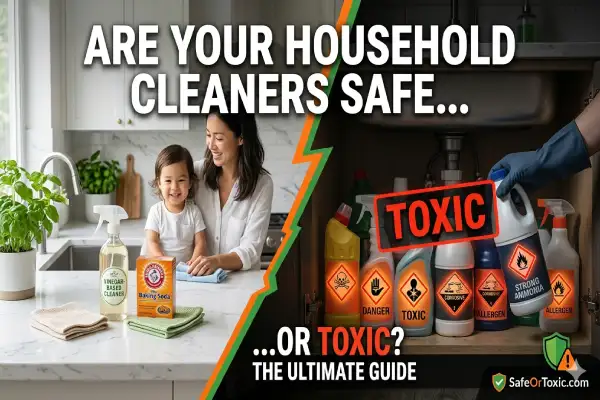
Many homeowners wonder about risks when they pick up a common bathroom product. Routine cleaning often involves a bottle and a brush. Those items can contain strong ingredients that need careful handling.
When you scrub a toilet bowl, chemical formulas work hard to remove grime. Yet missteps — like poor ventilation or mixing products — raise the chance of harm. Keep a window open and follow label directions every time you clean.
If exposure or a spill happens, get help immediately. In the United States, call the Poison Help hotline at 1-800-222-1222 for expert guidance available 24/7.
Key Takeaways
- Household bathroom products can be effective but require safe use.
- Use a brush and good ventilation to reduce risks during cleaning.
- Read and follow label directions before each use.
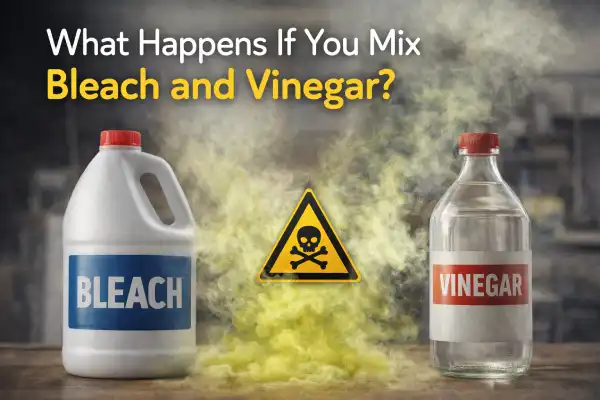
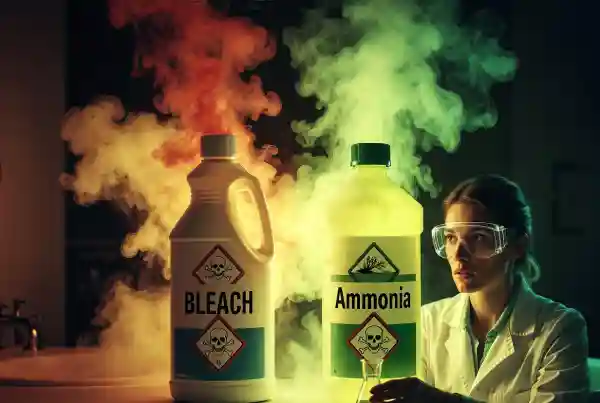
- Never mix different products; that can create dangerous fumes.
- For exposure concerns, call 1-800-222-1222 for immediate help.
Understanding the Hidden Ingredients in Your Bathroom
Hidden ingredients in everyday cleaning bottles can linger in water long after use. Many commercial toilet bowl cleaners and bowl cleaners rely on strong acids or chlorine to cut through set-in stains.
Labels often list hard-to-pronounce chemicals. That can mean synthetic compounds that resist breakdown in the local system. ScienceDirect notes that alkylphenol ethoxylates are one group that can persist in the water supply.
Warnings about skin irritation and the need for good ventilation are common. Those alerts exist because these products can harm people and pollute a home environment if misused.
“Reading ingredient lists is the first step toward safer choices for your family and local water.”
- Many formulas use hydrochloric acid or hypochlorite for fast results.
- Persisting surfactants may not break down and can reach sewage systems.
- Understanding ingredients helps you pick less harmful cleaners.
Is Toilet Bowl Cleaner Toxic to Your Health?
A single spill or deep inhalation of harsh cleaning vapors can cause immediate harm. Acute exposure may burn the mouth, throat, or stomach if the product is swallowed. Rapid medical attention limits lasting damage.
Short-term contact can also trigger severe breathing difficulty or skin irritation. If you notice trouble breathing, persistent coughing, or visible burns after using a cleaner, seek care right away and call the Poison Help line at 1-800-222-1222.
Long-Term Health Considerations
Frequent use of acid-based products can harm the respiratory system and weaken skin over time. The EPA warns that hydrochloric acid vapors are dangerous when inhaled or when in direct contact with skin.
Regular exposure to strong chemicals for stain removal may create a health risk that outweighs the benefit of a perfectly clean toilet bowl. Consider safer alternatives, use gloves, and ventilate the area each time you clean.
“If you experience a problem such as breathing difficulty or skin irritation after using a product, seek medical help immediately.”
- Acute swallowing can cause burns to the throat and stomach.
- Repeated contact may cause chronic respiratory or skin damage.
- Call 1-800-222-1222 for exposure guidance in the United States.
How Chemical Vapors Impact Indoor Air Quality
After using certain cleaning liquids, the air in a home bathroom can remain unhealthy for up to two hours. Research shows air quality can dip into the hazardous zone following use of strong toilet bowl cleaners.
Poor ventilation in a small room lets vapors build up fast. Tiny particles and rising CO2 can make breathing harder right after cleaning. Even when you finish, polluted air can linger and increase exposure for anyone who enters.
The Role of Ventilation in Reducing Exposure
Open windows and run a fan to cut the time hazardous vapors stay in the space. A steady flow of fresh air helps dilute fumes from acid-based products and other chemicals.
- Small bathrooms need a clear place for air to move.
- Ventilation lowers the peak concentration of airborne irritants.
- Allow extra time before others use the toilet bowl area after cleaning.
“Ensure fresh air circulation every time you clean; it reduces lingering fumes and risk.”
| Issue | Cause | Quick Fix |
|---|---|---|
| Poor air quality | Vapors from harsh cleaners | Open window; use exhaust fan |
| Respiratory irritation | High particle and CO2 levels | Leave room for 30–60 minutes; ventilate |
| Lingering exposure | Confined space and time spent cleaning | Use milder products and increase airflow |
The Environmental Journey of Cleaning Agents
Some cleaning compounds survive treatment plants and show up in streams and sediments. Chemicals that pass through a sewer system can reach rivers or soil and persist for years.
When you flush a toilet bowl cleaner, the residues enter the public water network. Many conventional formulas contain surfactants or acid agents that treatment plants struggle to remove.
A clean toilet need not mean a lasting pollutant. Choosing an eco-friendly option reduces the chance that harsh ingredients travel beyond your home.
“By picking safer products you protect rivers, soil, and the air in nearby communities.”
- Flushed residues from toilet products can persist downstream.
- Safer formulas cut the chemical load entering treatment facilities.
- A clean toilet can be achieved without a strong chemical smell or long-term pollution.
| Pathway | Typical Source | Environmental effect |
|---|---|---|
| Sewer outflow | Household cleaners | Contaminants in rivers and sediments |
| Treatment bypass | Persistent surfactants / acid | Reduced removal; long-term persistence |
| Soil uptake | Sludge application | Accumulation of unwanted chemicals |
Identifying Warning Signs on Product Labels
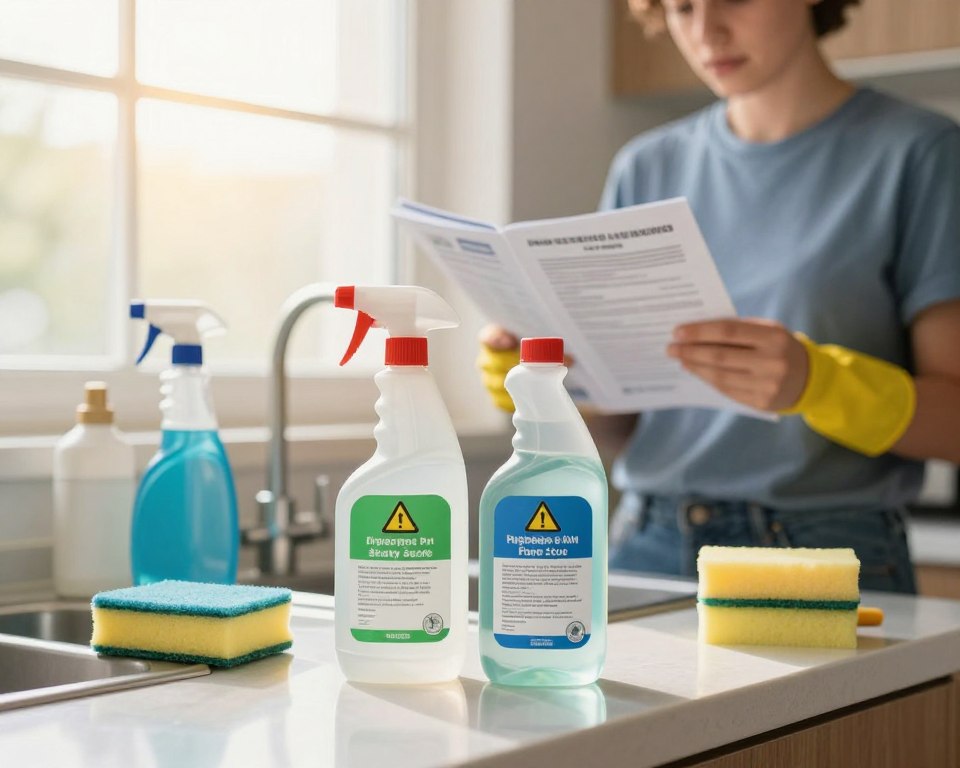
Check product labels closely; small phrases can warn you about serious hazards. Read every ingredient line and the hazard statements before you buy or use a product.
Common Chemicals to Avoid
Look for names like bleach, ammonia, or hydrochloric acid. These ingredients often cause skin damage and breathing problems in a short time.
Avoid items that list chlorine or strong acid formulas when possible, especially for regular household cleaning. Milder options reduce risk and still remove many stains.
Understanding Third-Party Ratings
Independent groups such as the Environmental Working Group give ratings that flag risky items. Many popular toilet bowl cleaners have received low marks from EWG.
Use third-party scores to compare products quickly and choose safer options for your home and health.
Recognizing Danger Signals
If a label says Danger or Poison, treat the item as hazardous. Those words signal a high chance of harm on contact or exposure.
| Warning Term | What It Means | Action |
|---|---|---|
| Danger / Poison | High acute risk; can cause burns or poisoning | Do not use; find safer product or wear full protection |
| Contains bleach or ammonia | Produces harmful fumes if mixed | Never mix; ventilate and use gloves |
| Hydrochloric acid / strong acid | Can damage skin and surfaces | Avoid for routine cleaning; choose gentler cleaner |
“Take the time to read the ingredient list; avoiding harsh chemicals prevents accidental exposure.”
Effective Ways to Clean Without Harsh Chemicals
A few pantry staples act fast on mineral buildup and scum when given time to work.
Try a DIY mix of powdered citric acid, baking soda, and a few drops of essential oil. Sprinkle the powder, scrub with a brush, and let the mix sit for 15 minutes before flushing.
Distilled white vinegar is excellent for hard water stains. Pour vinegar into the bowl and leave it for 15 minutes or overnight for stubborn mineral buildup.
This gentle way of cleaning reduces harsh chemical fumes and keeps indoor air fresher. For regular upkeep, use a drop-in cleaning sheet or a mild bowl cleaner and scrub briefly with a brush.
“Choosing non-toxic options protects your home and still removes stains effectively.”
- Citric acid + baking soda: safe, effective, and low cost.
- Vinegar: best for hard water and mineral deposits.
- Let solutions sit for 15 minutes or overnight for deeper cleaning.
| Method | Best for | Time |
|---|---|---|
| Citric acid + baking soda | General stains and scum | 15 minutes |
| Distilled white vinegar | Hard water and mineral buildup | 15 minutes – overnight |
| Drop-in cleaning sheet | Maintenance between deep cleans | Continuous |
Conclusion: Prioritizing Safety in Your Home
Small changes in how you clean can reduce fumes, protect health, and limit pollution.
Be mindful of the ingredients on any toilet bowl cleaner label and pick a safer option when possible. Using citric acid or vinegar and a brush often removes stains without heavy chemicals.
Good ventilation lowers harmful vapors and keeps indoor air healthier. That protects your family’s health and cuts chemical load reaching local water systems.
Keep a routine for a clean toilet, read directions, and choose milder products for regular use. Thoughtful choices now mean a safer bathroom and a healthier home for years to come.
FAQ
Are common toilet bowl cleaners harmful if accidentally inhaled?
Many commercial products contain acids (like hydrochloric) or chlorine-based bleach. Brief inhalation of fumes can irritate eyes, nose, and throat. Prolonged or heavy exposure may trigger coughing, wheezing, or difficulty breathing, especially for people with asthma or COPD. Always ventilate the bathroom and avoid breathing concentrated vapors.
Can skin contact with bowl cleaning products cause injury?
Yes. Strong formulations can cause chemical burns, redness, or irritation on contact. Wear gloves when cleaning and rinse skin with water immediately if a product splashes. Seek medical attention for persistent pain, blisters, or signs of chemical burn.
Are there long-term health risks from regular use of harsh toilet cleaners?
Repeated exposure to certain chemicals, like chlorine or strong acids, may increase respiratory irritation and could affect mucous membranes over time. Evidence linking household cleaners to chronic disease is limited, but reducing repeated exposure is a prudent measure for household health.
How do cleaning fumes affect indoor air quality?
Volatile chemicals evaporate into the bathroom air and can spread through the home. Poor ventilation traps these vapors and raises indoor pollutant levels, which may worsen allergies and respiratory symptoms. Open windows, run an exhaust fan, or wait until vapors clear before reentering.
Which ingredients should I watch for on product labels?
Look for hydrochloric acid, sulfuric acid, sodium hypochlorite (bleach), and quaternary ammonium compounds (quats). Citric acid and lactic acid are milder alternatives. Labels also list hazard pictograms and first-aid guidance—read them before use.
Do third-party certifications matter when choosing cleaners?
Yes. Certifications from organizations like EPA Safer Choice or Green Seal indicate the product meets stricter safety and environmental standards. These ratings help you pick options with fewer harmful ingredients and lower indoor air impact.
What immediate steps should I take after accidental exposure?
For inhalation, move to fresh air and seek medical help if symptoms persist. For skin contact, flush the area with water for 15 minutes and remove contaminated clothing. For eye exposure, rinse eyes gently with water for at least 15 minutes and get emergency care. If ingested, contact Poison Control or emergency services right away.
Are natural alternatives effective for hard-water stains and mineral buildup?
Yes. White vinegar, baking soda, and citric acid can remove many mineral stains when allowed to sit and scrubbed with a toilet brush. For heavy scale, specialized descalers or pumice stones can help without strong industrial acids.
Can mixing cleaners increase toxicity or danger?
Never mix products. Combining bleach with acids or ammonia produces toxic gases like chlorine or chloramine, which can be life-threatening. Use one product at a time, rinse thoroughly, and store cleaners separately.
How can I clean effectively while minimizing health and environmental risks?
Choose products with safer active ingredients, improve ventilation, use gloves, and follow label directions. Consider eco-certified brands, use mechanical action (scrubbing) to reduce chemical reliance, and limit frequency of heavy treatments by performing regular light cleaning.