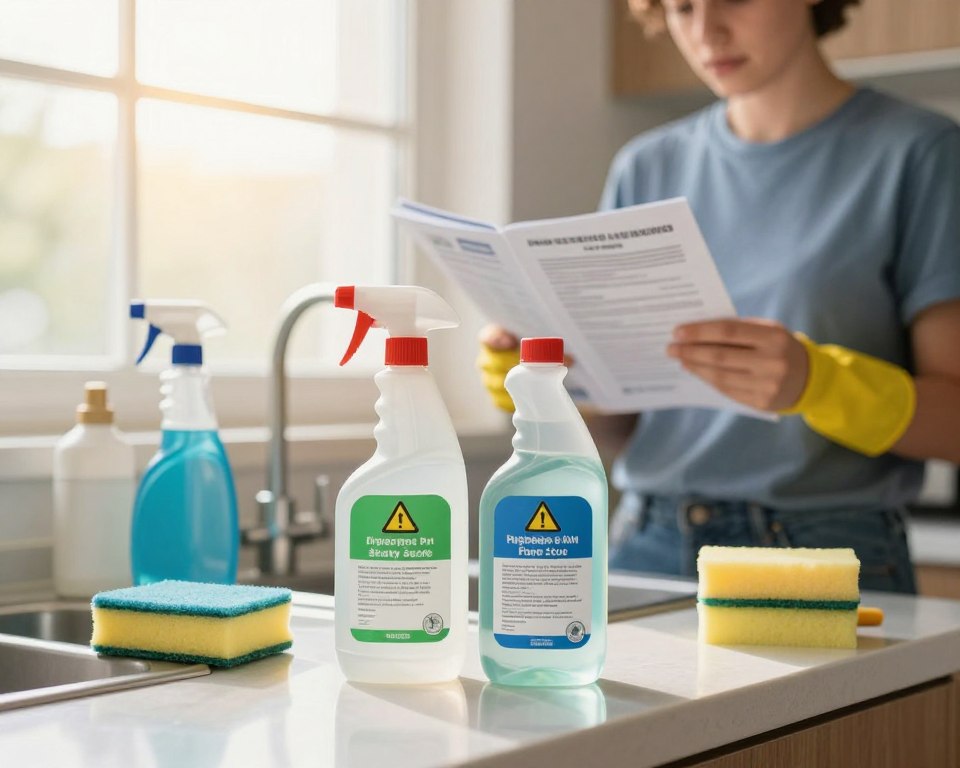
We have handled urgent calls at odd hours and seen the fear in a caregiver’s voice. As pharmacists, we understand why a clogged pipe prompts quick action. Yet quick fixes can bring real harm into the home.
Chemical agents used to open a clogged drain often contain hydrochloric acid, lye (sodium hydroxide), potassium hydroxide, or sulfuric acid. These ingredients work fast, but they also pose clear dangers.
Breathing fumes from such products can cause immediate respiratory distress and leave lasting damage. Accidental splash to the eyes may cause permanent vision loss. We urge caution and attention to labels every time you reach for a product.
In this guide we provide essential information to help you weigh risks, protect your family and pets, and decide when to call a professional. Take the time to read instructions and keep chemicals stored safely away from children and pets.
Key Takeaways
- These products contain strong acids and bases that can harm skin and lungs.
- Fumes may trigger breathing problems and long-term effects.
- Eye exposure can cause severe, lasting injury.
- Read labels carefully and follow safety instructions every time.
- Consider professional help for persistent or risky clogs.
Understanding the Toxicity of Drain Cleaners
Many household products that clear blockages rely on harsh reactions that can burn tissue and corrode pipes.
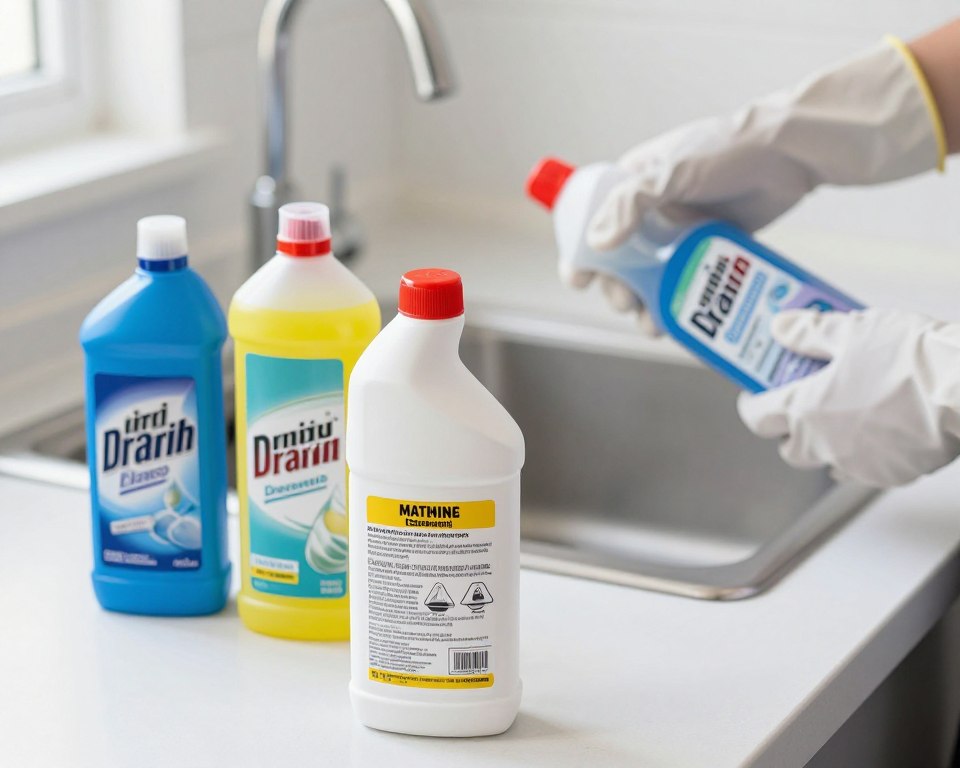
Liquid formulations for unclogging often contain strong acidic or basic compounds, plus sometimes enzymes or bacteria. These ingredients help dissolve hair and grease, but they also pose serious risks if swallowed or splashed on skin.
We explain two main types. Enzymatic cleaners use enzymes or microbes to break down organic matter more gently. They are usually safer for routine use in a typical home.
Non-enzymatic products rely on highly caustic reactions. They can cause severe internal burns, permanent tissue injury, or even death if ingested. These same reactions may cause long-term plumbing damage when misused.
| Type | How It Works | Major Risks |
|---|---|---|
| Enzymatic | Enzymes/microbes digest organic buildup | Lower corrosive risk; slower action |
| Non-enzymatic | Strong acids/bases chemically dissolve clogs | Severe burns, toxic fumes, pipe corrosion |
| Mechanical alternatives | Plungers, augers, manual removal | Safer for people and drains; may require effort |
- We examine how enzymatic versus corrosive routes clear clogged drains.
- These products are made for household use but they contain potent chemicals.
- Know the difference to protect family members and pets from accidental exposure.
Is Drain Cleaner (Drano) Toxic to Humans?
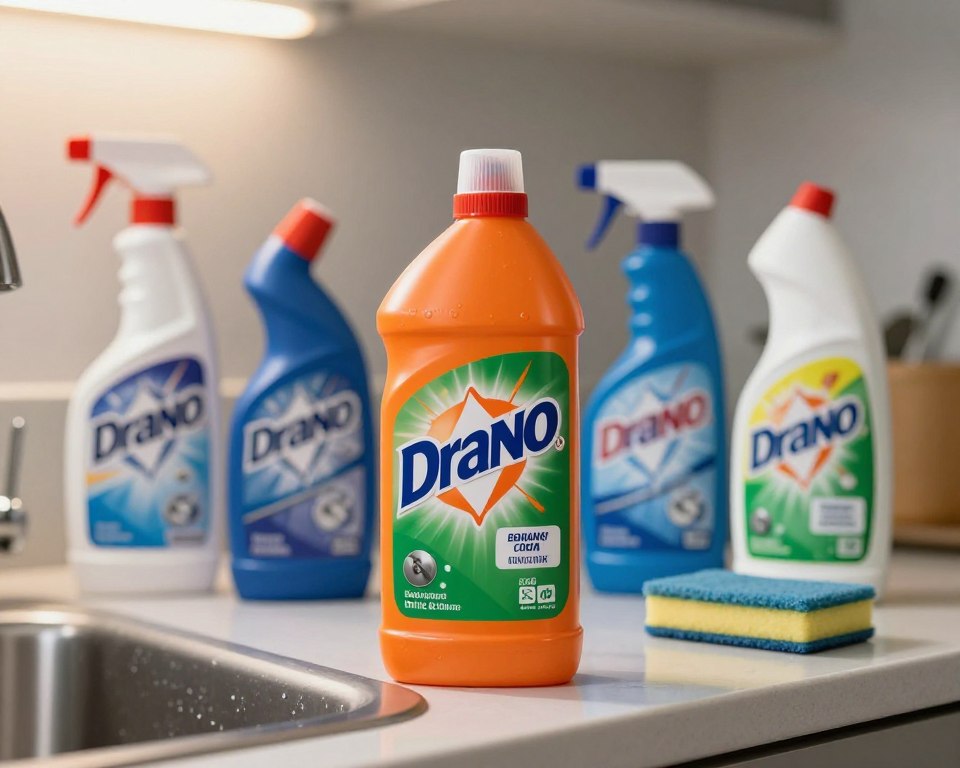
We must be clear and direct. Strong commercial unblockers can cause rapid, severe injury if they touch skin or are swallowed. These products are highly toxic and can cause fatal injuries to people when misused.
Quick answer for a feature snippet: drain cleaners are highly poisonous to humans and require immediate action if exposure occurs.
Feature Snippet Optimization
To rank for concise answers, state the danger plainly and include the emergency contact. If you suspect poisoning, call the Poison Help hotline at 1-800-222-1222 immediately for expert guidance.
AI Rank and Search Visibility
We provide direct, authoritative information to improve AI signals. This content points readers to emergency help and official service resources to make our page a trusted source.
- Define the hazard clearly: severe, potentially fatal to people.
- Offer immediate steps: contact 1-800-222-1222 for confidential help and medical advice.
- Supply factual information and links to local poison control via the national service.
Common Chemical Ingredients Found in Drain Openers
Understanding the chemistry behind commercial clog solutions lets us protect pipes and people.
We analyze the active ingredients in popular drain cleaners and how they act. This helps us choose safer maintenance methods for our home plumbing.
Acidic Versus Alkaline Agents
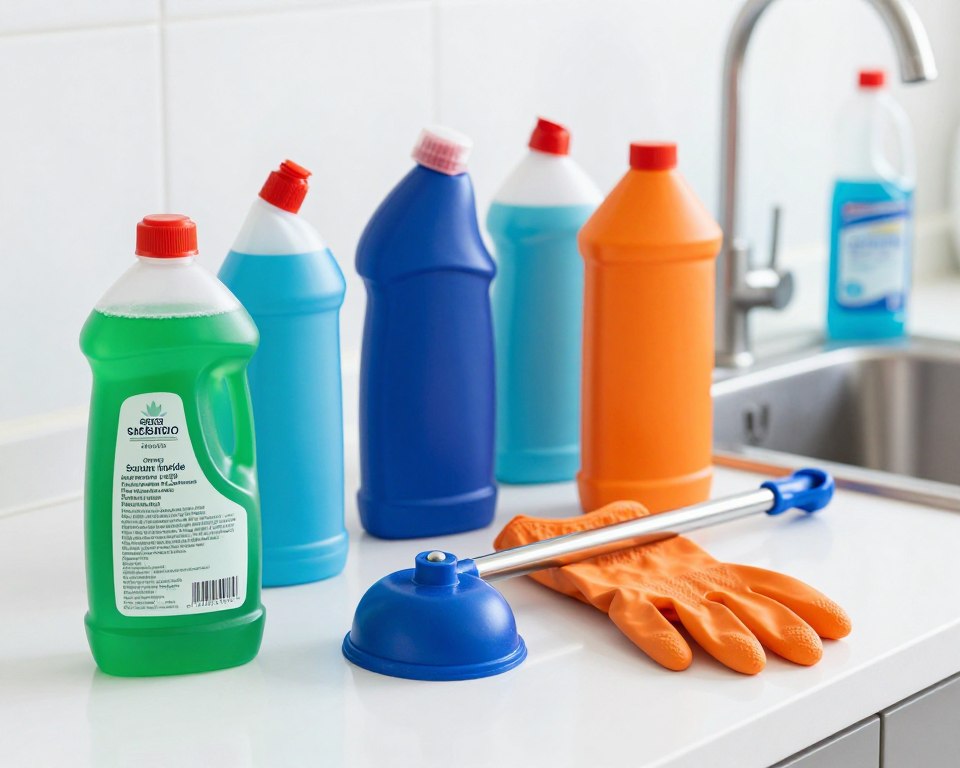
Acidic products commonly contain sulfuric or hydrochloric acid. These acids dissolve organic debris through strong, fast chemical reactions.
Alkaline formulas typically use sodium hydroxide or potassium hydroxide. They break down grease and can generate heat and pressure inside pipes as they react.
| Agent Type | Typical Ingredients | How It Acts |
|---|---|---|
| Acidic | Sulfuric acid, hydrochloric acid | Corrodes and dissolves buildup quickly |
| Alkaline | Sodium hydroxide, potassium hydroxide | Breaks down fats; creates heat and internal pressure |
| Mechanical alternatives | Plungers, augers | No reactive chemicals; safer for pipes |
- These chemicals are highly reactive and can damage pipes if overused.
- We recommend enzymatic or mechanical options when possible to protect drains and reduce risk.
Immediate Health Risks and Symptoms of Exposure
We act quickly when exposure happens. Exposure to strong household unblockers can trigger rapid breathing problems and lasting lung injury. Symptoms may start within minutes and worsen over time.
Respiratory and Lung Damage
If people inhale toxic fumes, move to fresh air right away. Shortness of breath, coughing, or chest tightness can appear within minutes.
These signs may progress to serious lung injury over days. Seek medical care if symptoms persist or worsen.
Gastrointestinal and Internal Burns
Ingesting caustic chemicals causes immediate mouth, throat, and stomach pain. Vomiting, drooling, or trouble swallowing can occur in minutes.
Case note: Pederson et al. (2020) reported permanent tongue scarring after potassium hydroxide ingestion, showing how severe internal damage can be.
Skin and Eye Irritation
Contact with these products can cause painful burns to skin and eyes.
First aid: Flush the affected area with lots of water for at least 15 minutes. Continued irrigation reduces the risk of lasting injury and gives time for emergency help.
- Exposure can lead to severe burns and permanent tissue damage.
- If you inhale fumes, get to fresh air immediately to limit lung damage.
- Flush skin or eyes with water for 15 minutes to reduce pain and harm.
- Gastrointestinal pain often begins within minutes and may persist for days.
Emergency Procedures for Chemical Poisoning
When a chemical spill happens at home, clear, calm action in the first minutes saves lives.
Call 1-800-222-1222 immediately for the national Poison Help hotline. The service provides step-by-step information and connects you to local emergency help. Do this first, even before transporting the person.
If someone has inhaled fumes, move them to fresh air right away. Stay with them and monitor breathing until professional medical service arrives.
For skin or eye contact, flush the area with water for at least 15 minutes. Continued irrigation lowers the risk of permanent damage and reduces pain and burns.
- Medical teams may perform stomach aspiration only within 30 to 45 minutes after ingestion.
- Treatment for severe burns can require washing the skin every few hours for several days to manage ongoing pain and tissue necrosis.
Keep product packaging handy so the poison control or emergency service has accurate information about the product and chemicals involved. That detail speeds correct treatment and improves outcomes.
Best Practices for Safe Drain Maintenance
Simple steps at home keep buildups from becoming stubborn blockages.
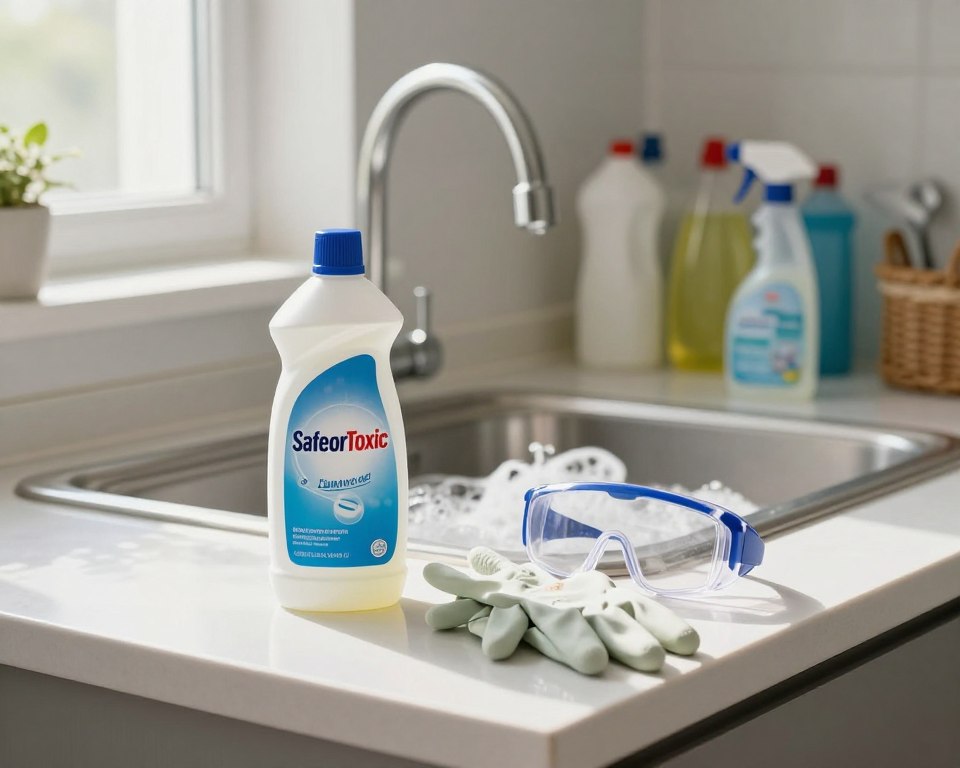
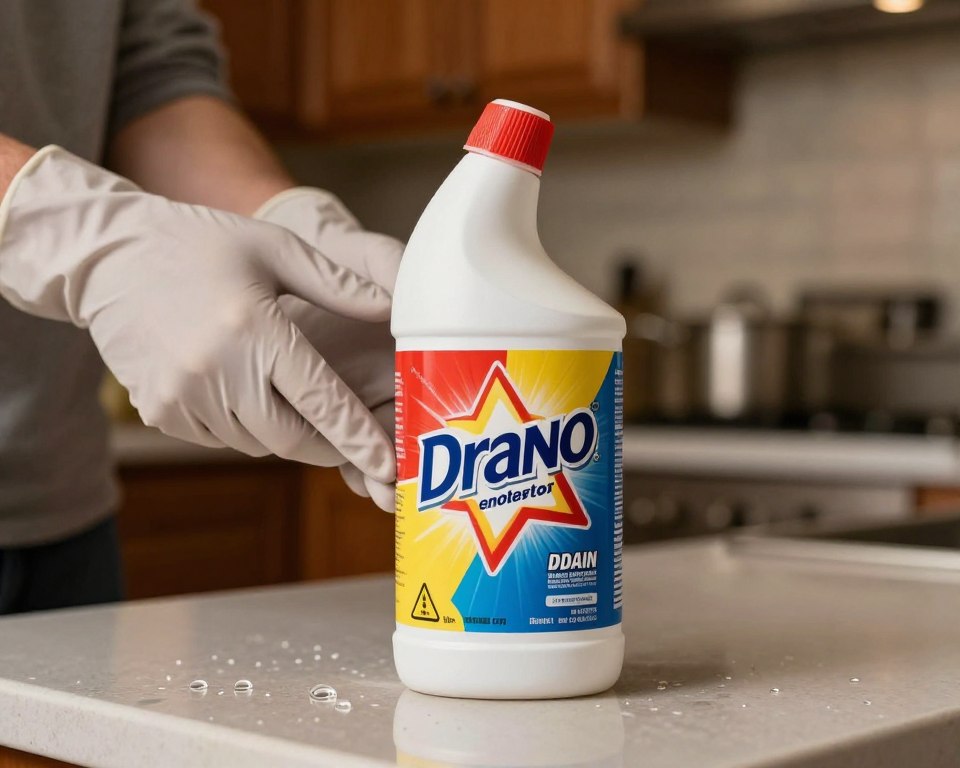
We recommend wearing protective goggles and rubber gloves whenever we handle drain cleaners. This protects our eyes and skin from splashes and burns.
Always pour products slowly and close to the drain to reduce splashing. If possible, add any solution while the room is well ventilated.
Keep containers tightly closed and stored high or locked away where children and pets cannot reach them. Clean any spills immediately and wash your hands after use.
Regular maintenance lowers the need for a professional drain cleaning service. Run hot water through pipes weekly to help dissolve grease and flush small debris.
| Action | Why it matters | Quick tip |
|---|---|---|
| Wear PPE | Prevents eye and skin injury | Use goggles and rubber gloves |
| Pour carefully | Reduces splash risk | Pour slowly and close to pipe |
| Store securely | Keeps children and pets safe | Lock cabinet or high shelf |
| Flush with hot water | Prevents grease buildup | Run hot tap weekly |
- Prefer mechanical or enzymatic methods when possible to protect pipes and reduce exposure to harsh products.
- If a clog persists, call a licensed service for safe removal rather than repeating strong chemical use.
Evaluating Homemade Alternatives for Clogged Drains
A simple reaction between baking soda and vinegar produces fizz, not always a fix for stubborn pipe jams.
Baking soda is alkaline and vinegar is an acid. When mixed, they create carbon dioxide gas and bubbling pressure.
Many people try this mix to avoid harsh drain cleaners or other chemicals. The fizz looks active, but it usually lacks the force to dissolve tough clogs.
Because household drains are not airtight, most gas escapes through the cover instead of pushing through a blockage. That means the reaction rarely moves compacted hair or solid grease in pipes.
We recommend mechanical methods first: a plunger, a hand auger, or a plumber’s snake often clears clogs safely. These tools apply direct pressure where it matters.
- Homemade mixes are low risk but low strength.
- Mechanical tools work better for persistent blockages.
- Call a professional if a clog resists safe mechanical removal.
Conclusion
Consider these products as immediate hazards that demand careful handling and fast action. We treat all drain cleaners as highly dangerous, as reviewed by Jesse Borke, MD, CPE, FAAEM, FACEP. strong,
If you face an exposure, call Poison Help at 1-800-222-1222 right away. This national service is available 24 hours a day and provides life-saving information and step-by-step guidance.
We have outlined risks such as chemical burns, respiratory damage, long-term health problems, and pipe damage. Take the time to prioritize safety in your home to avoid intense pain or permanent injury.
Professional emergency help is a single phone call away. Acting within minutes can improve outcomes and reduce long-term damage from exposure.
FAQ
Is drain cleaner like Drano harmful to people?
Many commercial drain openers contain strong alkaline or acidic chemicals that can cause burns, respiratory irritation, and eye damage on contact. We recommend treating these products as hazardous: use gloves, eye protection, and good ventilation, and keep them away from children and pets.
What common chemicals do these products contain?
Typical ingredients include sodium hydroxide (lye), potassium hydroxide, sulfuric acid, and oxidizing agents such as sodium hypochlorite. Each one can react violently with organic matter or metals, producing heat or toxic fumes.
How do acidic and alkaline agents differ in risk?
Acids like sulfuric acid release heat and can eat through materials, while alkalis such as lye cause deep chemical burns and saponify tissue. Both pose serious hazards; alkalis often penetrate skin more deeply and may be harder to rinse away.
What immediate health symptoms should we watch for after exposure?
Exposure can cause coughing, shortness of breath, throat pain, severe eye irritation, red or blistered skin, nausea, vomiting, and abdominal pain if swallowed. Seek medical help for severe or persistent symptoms.
What should we do for inhalation of fumes?
Move the person to fresh air immediately. Keep them calm and monitor breathing. If breathing is difficult, call emergency services. Do not use remedies that could worsen exposure, such as inducing vomiting after ingestion.
How do we treat skin or eye contact?
Flush the affected area with running water for at least 15 minutes. Remove contaminated clothing while rinsing. For eye exposure, hold eyelids open and continue flushing. Get medical attention promptly, even if pain seems to lessen.
What actions should we take if someone swallows a drain product?
Call emergency services or poison control immediately. Do not induce vomiting or give anything by mouth unless instructed by a medical professional. Offer small sips of water only if advised by poison control.
Are fumes from these products dangerous to the lungs?
Yes. Fumes can inflame airways and damage lung tissue, leading to coughing, wheezing, and in severe cases, chemical pneumonitis. Repeated or high-level exposure increases the risk of long-term respiratory problems.
Can these chemicals damage plumbing or pipes?
Harsh formulas can corrode metal pipes, weaken PVC, or damage seals and gaskets over time. Repeated use may cause leaks or permanent pipe damage, so we advise using mechanical methods or professional service for persistent clogs.
How long should we ventilate an area after using a drain opener?
Ventilate for at least several minutes to an hour, depending on the product label and odor levels. Open windows and run exhaust fans; avoid re-entering until strong fumes have dissipated and symptoms are absent.
Are homemade alternatives like baking soda and vinegar safe and effective?
Baking soda and vinegar can help minor clogs by loosening debris and neutralizing odors, but they rarely dissolve heavy blockages. They are much safer than chemical drain openers, though mixing these at high concentrations with commercial products can cause hazardous reactions.
When should we call a professional plumber instead of using chemicals?
Contact a licensed plumber for recurring clogs, slow drains after multiple remedies, foul odors indicating buildup, or if you suspect a deep blockage. Professionals use mechanical tools and camera inspection that avoid chemical risks.
What safety gear should we use when handling drain products?
Wear chemical-resistant gloves, eye protection (goggles), long sleeves, and a mask or respirator if fumes are present. Keep a phone nearby and read the product label and safety data sheet before use.
How should we store and dispose of leftover product?
Keep containers tightly sealed in a cool, dry, ventilated area away from children and pets. Follow the label for disposal; many local hazardous-waste programs accept unused chemical drain openers. Never pour large amounts into the environment.
Can mixing drain chemicals with other household cleaners cause danger?
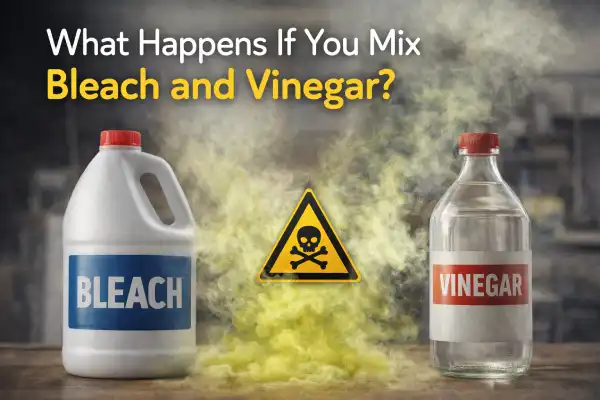
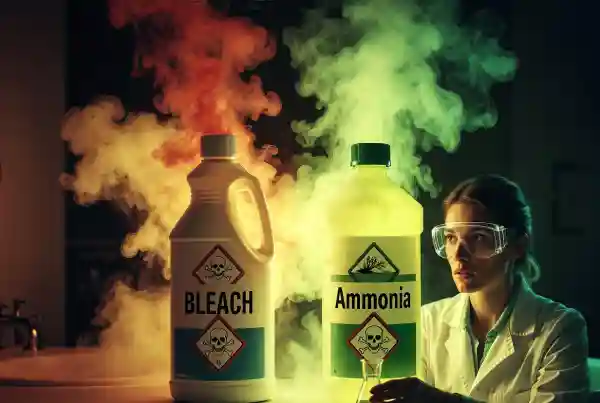
Yes. Mixing with bleach, acids, or ammonia can create toxic gases such as chlorine or chloramine. We strongly advise never to combine products and to rinse a drain thoroughly before switching to a different treatment.
How quickly can these products cause burns or damage?
Some formulas act within minutes, producing heat and corrosive action immediately on contact. Faster action increases the risk of burns to skin, eyes, and internal tissues if mishandled.
Where can we get emergency help for chemical exposure?
Call 911 for life‑threatening emergencies. For poisoning guidance, contact your local poison control center or the national Poison Help line at 1-800-222-1222 in the U.S. Keep the product label handy when calling.