
I still remember the first time I stood over a stained bathroom tile and felt worried for my kids. As a master pharmacist, that knot in my chest was familiar — the same one patients describe when they fear for a loved one’s health after using a household cleaner.
Many homeowners ask whether the products they use to fight mold and mildew are truly safe. This short guide offers clear information about common ingredients, safer options, and steps to protect your family and pets while cleaning at home.
If you suspect accidental poisoning, call the national Poison Help hotline at 1-800-222-1222 right away for expert help. We’ll also touch on gentler choices like hydrogen peroxide and practical handling tips to reduce risk.
Key Takeaways
- Household cleaners can pose risks; know the ingredients and label warnings.
- Safer alternatives, such as hydrogen peroxide, can help control mold growth.
- Keep products away from children and pets and use gloves and ventilation.
- For any exposure or questions, contact Poison Help at 1-800-222-1222.
- This guide gives clear, pharmacist-backed information to protect your home and health.
Understanding the Risks: Is Mold Remover Spray Toxic?
A quick splash or inhale of a strong cleaning product can lead to severe burning in the nose, throat, or eyes.
Exposure to some mildew cleaners produces immediate, painful reactions. People often feel sharp pain or a burning sensation around the nose, eyes, lips, or tongue. These are serious signs that need prompt attention.
Many commercial products contain chemicals that harm skin and airways if swallowed, inhaled, or touched. Gather the product label and chemical names before seeking help so medical staff get clear information fast.
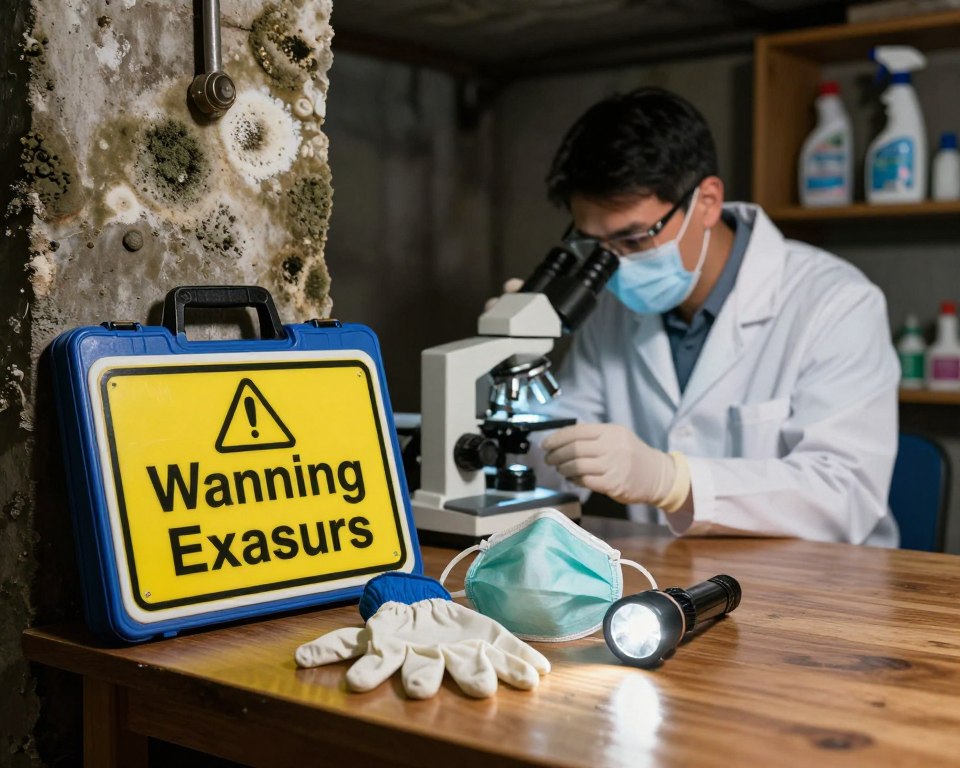
- Burning or pain in the eyes, nose, or throat
- Redness, coughing, or sudden wheeze
- Nausea, drooling, or trouble speaking
| Exposure type | Common signs | Immediate action |
|---|---|---|
| Inhalation | Coughing, wheeze, throat pain | Move to fresh air; call for help if severe |
| Skin contact | Redness, burning, irritation | Rinse with water for 15 minutes; remove contaminated clothes |
| Eye or mouth | Severe pain, watering, swelling | Flush eyes; seek immediate medical attention |
When you find mold in the home, act quickly to stop spread and protect everyone’s health. Keep the original container nearby to provide accurate product and ingredient information in an emergency.
Common Toxic Chemicals Found in Cleaning Products
A single application of a strong commercial product can leave fumes that linger in a small room.
Know what you are spraying or applying. Many ready-to-use trigger solutions list active agents on the label. Read directions and warnings before use and allow plenty of time for ventilation.
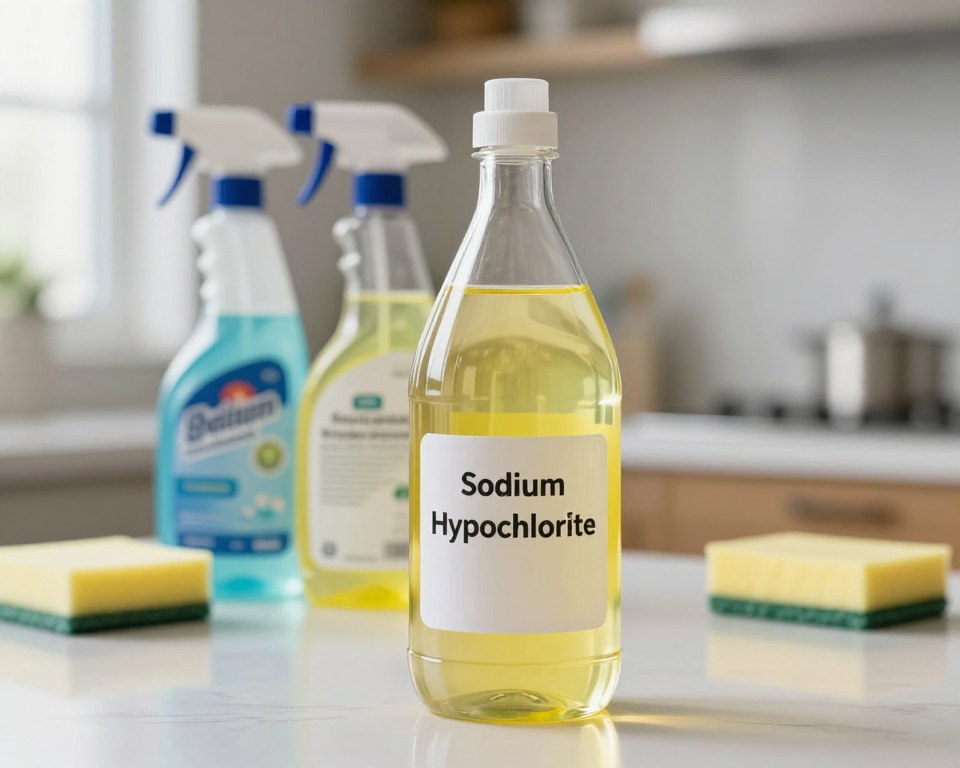
Sodium Hypochlorite
Sodium hypochlorite is the active ingredient in many bleach-based cleaners used to treat mold on bathroom walls and other surfaces. It works fast on mildew but can irritate skin and lungs.
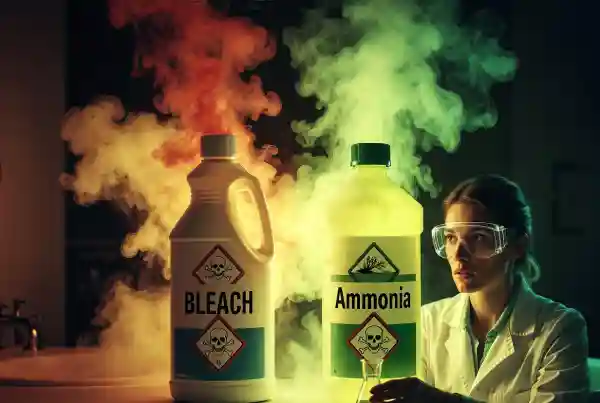
Mixing hypochlorite with acids or ammonia can create dangerous gases. Take care, wear gloves, and open windows when you use a bleach solution.
Fragrance and Additives
Fragrances, dyes, and quaternary ammonium compounds are common additives in cleaning products. In a closed room, these can trigger coughing, headaches, or asthma in sensitive people.
Choose unscented formulas when possible and limit use around pets and children. Professional-grade products need strict safety steps to avoid accidental exposure.
| Chemical | Common use | Main risk |
|---|---|---|
| Sodium hypochlorite | Bleach solutions for bathroom walls | Respiratory irritation; harmful fumes if mixed |
| Fragrance additives | Scented cleaning products | Trigger asthma; irritate airways |
| Quats (quaternary ammonium) | Disinfectant sprays and wipes | Skin irritation; environmental concerns |
- Take time to read labels on all cleaning products.
- Ensure good ventilation and remove people and pets from the area while you clean.
Potential Health Effects of Exposure
Airborne fumes from household cleaners often cause immediate coughing and shortness of breath.
Respiratory and Skin Irritation
Inhalation exposure can lead to sudden breathing difficulty, throat swelling, and wheeze. These are serious health signs that need urgent care.
Direct contact with skin or eyes may cause burning, redness, or chemical burns. If a chemical hits the eyes or skin, flush the area with large amounts of water for at least 15 minutes.
Ingestion or heavy exposure can affect the whole body. Symptoms such as abdominal pain, vomiting, or fainting suggest systemic damage and require immediate medical attention.

Keep fresh air flowing while cleaning to reduce the risk of respiratory distress. Protecting skin and eyes with gloves and goggles is the best prevention against long-term tissue damage.
| Route of exposure | Typical symptoms | Immediate action |
|---|---|---|
| Inhalation | Coughing, wheeze, breathing difficulty | Move to fresh air; seek emergency care if severe |
| Skin contact | Redness, burning, possible necrosis | Rinse 15 minutes; remove contaminated clothing |
| Eye contact | Severe pain, tearing, vision blur | Flush 15 minutes; urgent medical review |
| Ingestion | Abdominal pain, vomiting, shock | Do not induce vomiting; call Poison Help or emergency services |
Essential Safety Precautions for Mold Remediation
Good planning cuts exposure risk and shortens the time you spend in a contaminated room.
Protective Gear
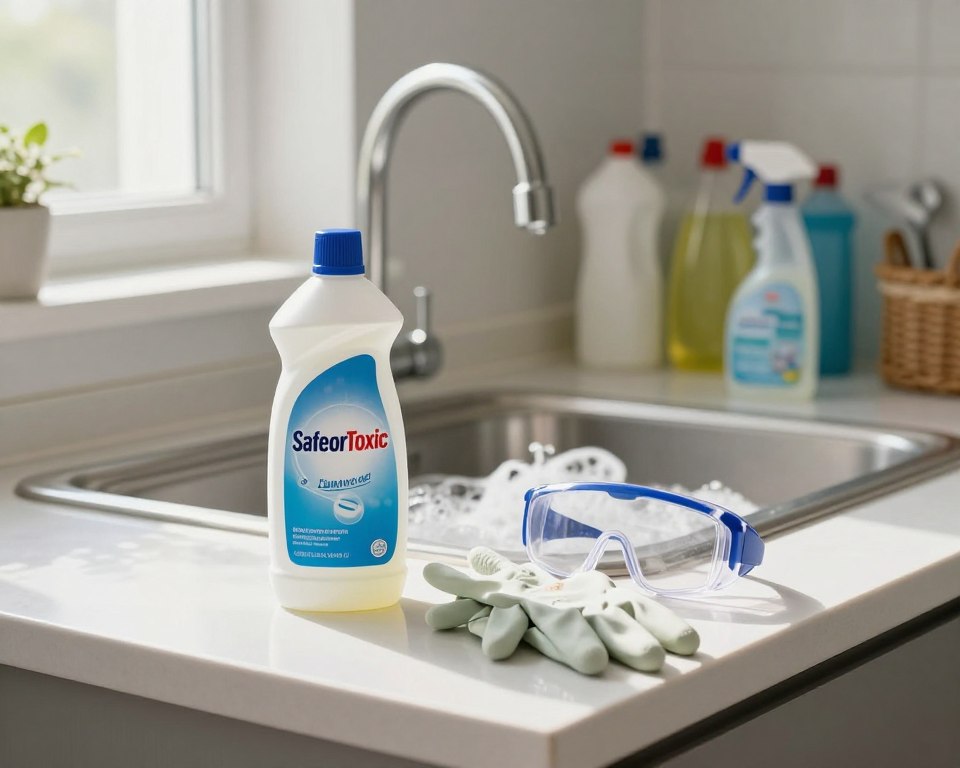
Wear rubber gloves and goggles when treating a 3 m2 area in your bathroom to protect skin and eyes from splashes.
Use a basic N95 or higher respirator if you expect heavy spores or strong fumes. Replace disposable masks after a single use when they feel damp.
Ventilation Strategies
Open windows and run a fan to move air out of the room. This reduces fumes from bleach or a sodium hypochlorite solution and lowers breathing irritation.
Work in short bursts of a few minutes, then step outside to reduce exposure. If possible, keep other people and pets away from the area until air clears.
Proper Storage
Store cleaning products in a locked cabinet away from children and pets. Keep product labels and manufacturer information for safe use and in case symptoms appear.
Never mix bleach with other chemicals. Mixing can create dangerous gases. Follow instructions for the correct amount of solution per surface.
Natural and Non-Toxic Alternatives for Mold Removal
Gentle household items often clear small mold spots without harmful fumes.
Distilled white vinegar is one of the best options. Studies show it treats over 80% of common species found in the home. Spray, wait, then scrub with water.
Hydrogen peroxide bubbles on contact, a sign it is working. Apply a 3% solution to the surface and leave for 15 minutes before wiping. This helps kill spores on tiles and grout.
Baking soda mixed with water makes a paste for stubborn areas. Lemon juice (about 5% acid) brightens bathroom tiles while cleaning. Use tea tree oil for tough spots, but choose a product with at least 30% Terpinen-4-ol and ventilate the room because the scent is strong.
“Always spot-test a solution on an inconspicuous area first to avoid discoloration.”
| Solution | Use | Contact time |
|---|---|---|
| Vinegar | Spray and scrub | 10–15 minutes |
| Hydrogen peroxide | Spray on surface | 15 minutes |
| Baking soda | Scrub paste | As needed |
- Ventilate the room and remove people and pets during cleaning.
- Do not mix natural solutions with bleach or sodium hypochlorite products.
Best Practices for Cleaning Different Surfaces
Different surfaces need tailored care to remove mildew without causing damage.
Leather: Wipe with distilled white vinegar on a soft cloth, then treat the area with a leather conditioner to avoid drying. Test a hidden spot first.
Clothing: Add a measured amount of hydrogen peroxide to the bleach dispenser for a safe wash cycle. Use cool water and check fabric care labels before use.
Ceramic tile: Ceramic handles scrubbing well. Use a mild solution and a stiff brush; a few minutes of elbow grease usually clears the area.
Books and paper: Brush each page gently, slip wax paper between pages, and clean small spots with a rag dampened in a little hydrogen peroxide solution. Work slowly and allow time to dry.
Large porous areas: For big patches on drywall or ceiling tiles, replacement is often safer than deep cleaning. This avoids hidden moisture that can restart growth.
- Always let the surface dry completely after cleaning; water left behind invites new growth.
- Wear gloves to protect skin and ventilate the area during and after product use for several minutes.
When to Call a Professional for Mold Issues
Large or hidden growth behind drywall often needs trained technicians and special equipment to fix safely.
Call a professional when mold covers a wide area or appears behind walls. Extensive damage often requires wallboard replacement and controlled demolition to stop spread.
If several rooms show recurrent mildew after cleaning, a remediation team can isolate the room and use containment to protect the rest of your home. They monitor air quality and remove contaminated materials safely.
- Contact a pro if you have persistent breathing problems, eye pain, or other symptoms after exposure; stop using all cleaning products and seek medical help.
- Hire professionals when you find growth covering large areas, when water has soaked building materials, or when you feel overwhelmed.
- A certified team provides correct information about the substance present and the right solution, whether hydrogen peroxide, bleach, or a specialty treatment.
Make sure to get written estimates and confirm certifications. Professional work saves time and reduces risk to people, pets, and surfaces in your home.
Conclusion: Prioritizing Safety in Your Home
Simple changes in cleaning habits can cut exposure and lower long-term risks at home.
Prioritize your family’s health by choosing safer products and learning the information that matters. Watch for early signs and symptoms of exposure so you can act fast.
Keep the Poison Help number handy: 1-800-222-1222 for immediate help. Use gentle options like hydrogen peroxide for many tasks to reduce harsh effects on the body.
If you suspect wide material damage or see products containing hypochlorite where risk is high, seek professional service. Staying informed with up-to-date information prevents problems and protects your home.
FAQ
What common chemicals in mold cleaners can harm health?
Many commercial mildew removers contain sodium hypochlorite (household bleach) and strong fragrances or additives. Sodium hypochlorite can release chlorinated gases when mixed with acids or ammonia. Fragrances may trigger headaches, asthma, or allergic reactions. Hydrogen peroxide appears in some formulas as a less harsh alternative, but concentrated solutions still irritate skin and eyes.
How quickly do symptoms appear after exposure?
Symptoms such as coughing, sneezing, throat irritation, eye pain, or skin redness usually show within minutes to hours after inhaling fumes or contacting liquid. More severe reactions, like difficulty breathing or chest tightness, can begin rapidly and require immediate medical attention.
What immediate steps should I take if product contacts my skin or eyes?
For skin contact, remove contaminated clothing and rinse the area with running water for 15–20 minutes. For eye exposure, hold eyelids open and flush with clean water for at least 15 minutes, then seek medical care. Avoid using creams or neutralizers unless directed by poison control or a clinician.
Are small amounts of cleaner safe to use in a bathroom with normal ventilation?
Limited use can be safe when you follow precautions: open windows, run an exhaust fan, wear gloves and eye protection, and avoid inhaling fumes. Use the minimum effective concentration and keep people and pets out of the room for several minutes after application until odors dissipate.
How long should I ventilate a room after using a bleach-based product?
Continue ventilation for at least 15–30 minutes after cleaning. For larger areas or heavy use, ventilate longer. If you detect lingering irritation, extend airflow and leave the space until symptoms resolve.
Can mixing cleaners make fumes more dangerous?
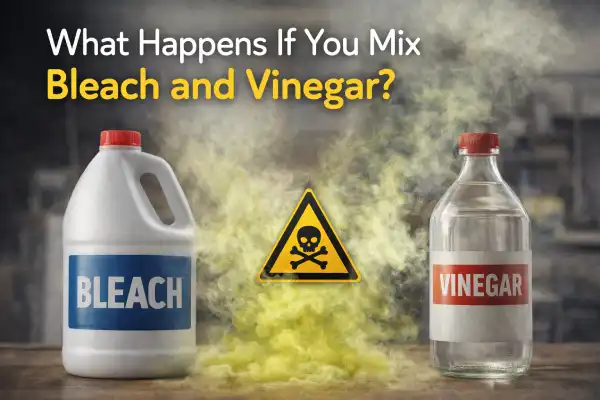
Yes. Never mix bleach with ammonia, vinegar, or acid-based cleaners — those combinations generate toxic gases like chloramines and chlorine gas. Always read labels and use one product at a time, rinsing surfaces between treatments if switching formulas.
What protective gear should I wear during mold treatment?
Wear chemical-resistant gloves (nitrile or heavier), eye protection (goggles), and an N95 or higher respirator when scrubbing or spraying. For larger infestations, consider a full-face respirator and protective coveralls to prevent skin contact and inhalation of spores and chemicals.
Are natural options like vinegar or hydrogen peroxide safer?
Vinegar and 3% hydrogen peroxide are milder and effective on non-porous surfaces for small patches of mildew. They produce fewer harsh fumes but still require ventilation and gloves. They do not always kill mold roots on porous materials, so results vary by surface.
How should I store bleach and other mold cleaners at home?
Keep products in original containers, tightly sealed, and stored upright in a cool, dry place away from heat, sunlight, children, and pets. Separate bleach from acids and ammonia-based cleaners to prevent accidental mixing. Follow label expiry and disposal instructions.
When is a professional needed for mold removal?
Call a certified remediation specialist if mold covers more than about 10 square feet, if contamination lies inside HVAC systems, if there’s persistent water intrusion, or if occupants have serious respiratory conditions. Professionals assess structural damage and use industrial-grade methods to control exposure and prevent recurrence.
What signs indicate chemical overexposure after cleaning?
Watch for persistent coughing, wheezing, chest pain, severe eye pain or blurry vision, chemical burns on skin, nausea, vomiting, dizziness, or loss of consciousness. Seek emergency care or contact poison control if symptoms are moderate to severe.
Can cleaners damage walls and other surfaces?
Harsh bleach solutions can discolor paint, damage grout, strip finishes, and weaken some plastics and fabrics. Test a small, hidden area first and use manufacturer-recommended products for delicate surfaces. Neutralize and rinse thoroughly after treatment when appropriate.
How much product should I use for a small bathroom patch?
Use the manufacturer’s recommended dilution — often a few tablespoons of bleach per gallon of water for mild cleaning. Apply sparingly, avoid oversaturating porous materials, and rinse after the dwell time to limit chemical residue and surface damage.
Are children and pets at higher risk from cleaning chemicals?
Yes. Children and pets are more vulnerable due to smaller body size and developing respiratory systems. Keep them out of treated areas during cleaning and until fumes clear. Store all chemicals securely and follow label warnings to minimize accidental exposure.