
We all want our homes to be a sanctuary, a place where our families can breathe easy and thrive. Yet, the very products we use to keep our living spaces sparkling can sometimes feel like a mystery.
You might find yourself wondering, is ammonia-based cleaner toxic when used in your daily routine? It is a valid concern that deserves a clear, evidence-based answer.
To provide you with the most reliable guidance, this article was reviewed for accuracy by Dimitar Atanasov, MPharm, Master Pharmacist. Our goal is to help you navigate household safety with confidence and peace of mind.
Key Takeaways
- Understanding the chemical properties of common household agents is essential for home safety.
- Proper ventilation remains the most effective way to minimize exposure risks during cleaning.
- Always follow manufacturer labels to prevent dangerous chemical reactions.
- Expert review ensures that our safety advice meets high professional standards.
- Small adjustments in your cleaning habits can significantly improve indoor air quality.
Understanding the Chemistry of Ammonia-Based Cleaners
Before we look at safety, let’s dive into the science of common household ammonia. Many of us use an ammonia basic cleaner to keep our homes clean. But, few know the complex chemistry behind it.
What is Household Ammonia?
Household ammonia is ammonia gas mixed with water, known as ammonium hydroxide. It’s a versatile ingredient in many cleaners, from glass to multi-purpose sprays.
“Chemicals are tools, and like any tool, their safety depends entirely on our understanding of their properties and limitations.”
When you ask, is ammonia-based cleaner toxic, you’re really asking about its concentration and use. In its diluted form, it’s safe for household cleaning, not industrial use.
How Ammonia Functions as a Cleaning Agent
Ammonia (NH3) is great at breaking down grease, oils, and tough grime. It makes cleaning easy by breaking down dirt.
It also evaporates fast, making it perfect for streak-free mirrors and windows. This ammonia basic cleaner is a favorite for its effectiveness and affordability.
| Feature | Ammonia Property | Cleaning Benefit |
|---|---|---|
| Solubility | Highly water-soluble | Easy to rinse away |
| pH Level | Alkaline (Basic) | Dissolves acidic grease |
| Volatility | High evaporation rate | Streak-free surfaces |
| Action | Surfactant booster | Lifts stubborn stains |
Is Ammonia-Based Cleaner Toxic to Humans?
When we talk about household safety, a big question is: is ammonia-based cleaner toxic? The answer depends on how you use it and the amount you use every day.
Acute Exposure Risks and Symptoms
Acute exposure happens when you touch or breathe in high amounts of ammonia vapors. These vapors can hurt your breathing right away. Mixing ammonia with other cleaners can create chloramine gas, which is very harmful.
Chloramine gas attacks your breathing system, causing coughing, sore throats, and trouble breathing. It’s important to know the signs of acute exposure. These include burning eyes, sore noses, and feeling tight in the chest.
If you spill ammonia or use it a lot, get to fresh air right away. This is key to staying safe.
Chronic Exposure and Long-Term Health Considerations
Long-term exposure to ammonia can also be harmful. It can make your mucous membranes sore over time. This might make your lungs work less well or make you more sensitive to other irritants.
Working with these cleaners every day increases your risk of breathing problems. To know if ammonia is toxic over time, watch for signs like a chronic cough or sinus problems. Always make sure the area is well-ventilated to avoid these risks.
Routes of Exposure and Absorption
Using an ammonia-based cleaner means you’re dealing with a substance that can get into your body in several ways. Many household items, like Windex or multi-purpose sprays, have this chemical. Knowing how these cleaners can get into your body is key to staying safe while cleaning.
Inhalation Risks in Enclosed Spaces
The most common way these chemicals get into your body is through your lungs. In small, poorly ventilated areas like bathrooms or closets, the fumes can build up fast. Inhaling these vapors can irritate your nose, throat, and lungs right away.
Dermal Contact and Skin Irritation
Touching an ammonia basic cleaner without protection can harm your skin. Ammonia can remove your skin’s natural oils or cause burns if it stays on too long. Always wear gloves to keep your skin safe.
Ocular Exposure and Potential Damage
Getting splashed in the eyes is a big risk when cleaning near or above eye level. Ammonia can seriously hurt your eyes, even causing permanent vision problems. If you get splashed, rinse your eyes with water right away to lessen the damage.
| Exposure Route | Primary Risk | Prevention Strategy |
|---|---|---|
| Inhalation | Respiratory irritation | Ensure proper ventilation |
| Dermal | Skin burns or dryness | Wear protective gloves |
| Ocular | Corneal damage | Use safety goggles |
The Dangers of Mixing Ammonia with Other Chemicals
It’s key to know which chemicals go together when using an ammonia-based cleaner. Many accidents happen because people think mixing strong products makes a better cleaner. But, mixing some can lead to dangerous reactions that harm your health.
Why You Should Never Mix Ammonia and Bleach
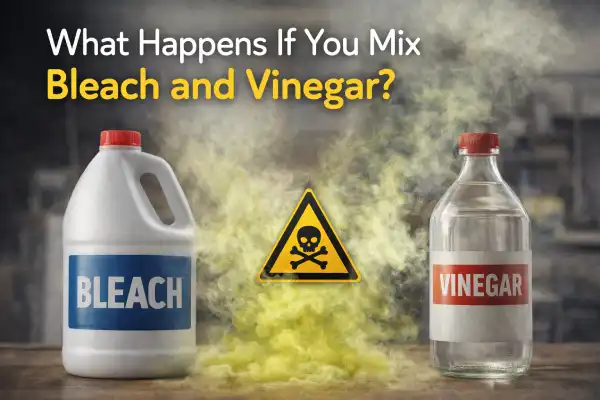
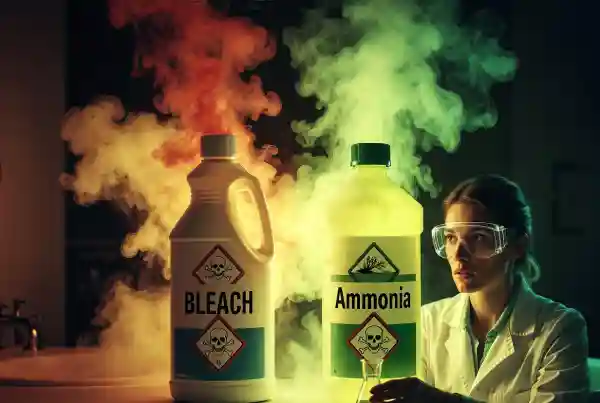
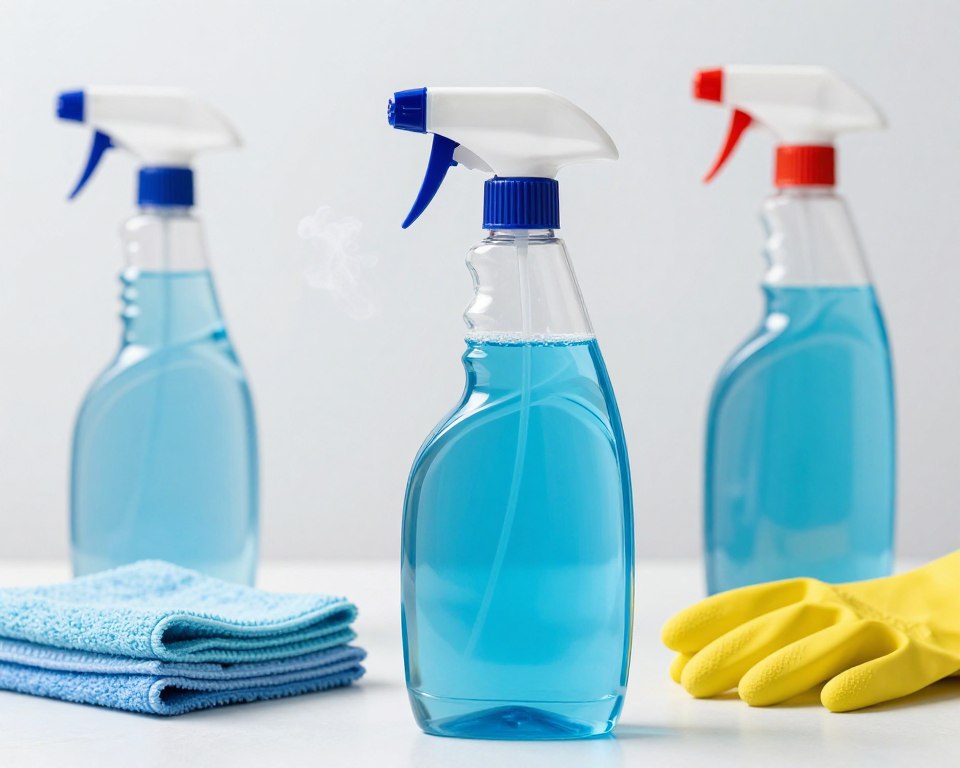
One big rule in keeping your home safe is to never mix bleach with ammonia. When they mix, they create toxic chloramine gas right away. This gas is harmful and can cause serious breathing problems.
Being near these fumes can burn your eyes, irritate your throat, and hurt your lungs. In bad cases, it can even be deadly. Always check your cleaning products’ labels to avoid making this dangerous mix with an ammonia-based cleaner.
Risks of Combining Ammonia with Acids or Other Cleaners
Don’t mix ammonia with acids or other common cleaners either. Many products have ingredients that can react badly with ammonia. These reactions can release harmful gases or cause burns.
We recommend using only one cleaner at a time on any surface. If you’ve used an ammonia-based cleaner on a surface, wash it well with water before using anything else. Keeping products separate is the safest way to avoid chemical accidents.
Vulnerable Populations and Sensitivity
It’s important to know how chemical fumes affect different people. While many adults can handle standard cleaning products, an ammonia-based cleaner can be tough for those who are more sensitive. Being aware is the first step to making your home safer for everyone.
Impact on Children and Pets
Children and pets are more at risk because of their size and breathing rate. They spend more time near the floor, where fumes settle. It’s crucial to keep them away from recently cleaned areas.
Young ones and animals can’t tell us when they’re feeling bad. Make sure rooms are well-ventilated before letting them back in after using an ammonia-based cleaner. These simple steps can help avoid accidents and keep your loved ones safe.
Respiratory Conditions and Pre-existing Sensitivities
People with asthma, COPD, or other breathing problems are very sensitive to chemicals. Even a little bit of fume can cause coughing, wheezing, or trouble breathing. Be very careful when using strong chemicals in small spaces.
Exposure can be tricky because symptoms can take hours to show up. For example, pulmonary edema might not appear right away. If you or a family member uses an ammonia-based cleaner and feels bad, watch closely and get medical help if it gets worse.
| Vulnerable Group | Primary Risk Factor | Recommended Action |
|---|---|---|
| Children | Lower breathing zone | Ventilate and restrict access |
| Pets | Higher respiratory rate | Keep out of cleaned areas |
| Asthma Patients | Airway hyper-reactivity | Use alternatives or masks |
| Elderly | Reduced lung capacity | Ensure maximum airflow |
Safe Handling and Storage Practices
We believe that proper handling and storage are key to avoiding a toxic environment at home. By following strict safety rules, you can keep your cleaning safe and effective for everyone.
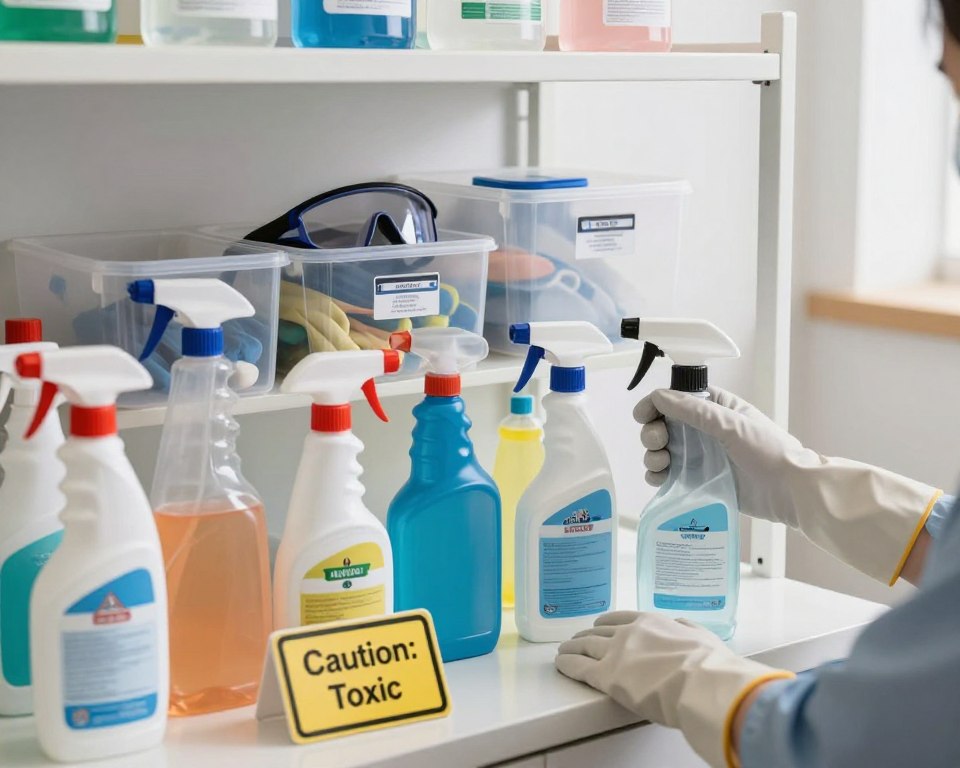
Proper Ventilation Techniques
Airflow is crucial when using strong cleaning agents. Always open windows and doors before using products with ammonia or bleach. This ensures good air flow.
If you’re cleaning in a room without windows, like a bathroom, use exhaust fans. Keeping fresh air flowing helps lower the risk of inhaling harmful particles.
Personal Protective Equipment Recommendations
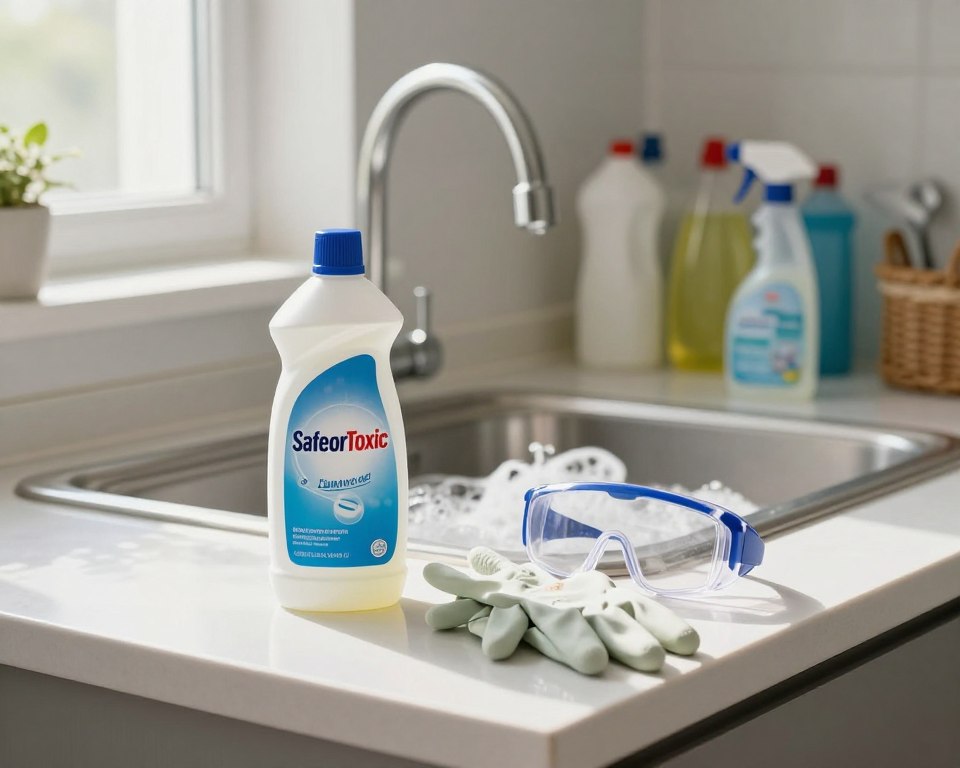
Wearing the right gear is essential to protect your skin from harsh chemicals. Use gloves made of nitrile or rubber to block chemical absorption.
If you have sensitive skin or breathing problems, wear a mask or eye protection. These steps help control your environment and reduce the risk of irritation or toxic exposure.
Guidelines for Secure Household Storage
Proper storage is vital to avoid accidents. Always keep chemicals in their original containers. This way, labels and safety instructions are easy to see.
Store these items in a cool, dry place that’s out of children and pets’ reach. By following these steps, you can greatly lower the chance of a toxic incident. Your home will stay clean and organized.
| Safety Category | Primary Action | Benefit |
|---|---|---|
| Ventilation | Open windows/doors | Reduces fume buildup |
| Protection | Wear gloves | Prevents skin contact |
| Storage | Use original bottles | Ensures clear labeling |
| Accessibility | Lock cabinets | Prevents child access |
First Aid and Emergency Response Procedures
Accidents can happen, but being ready with a good emergency plan is key for safety. Even with care, using an ammonia basic cleaner can sometimes lead to unexpected exposure. Knowing how to react quickly can make a big difference.
Immediate Steps for Inhalation Exposure
If you or someone else breathes in fumes from a cleaning product, the first thing is to get to fresh air right away. Move the person away from where the product was used. Open windows or doors to let in air if it’s safe.
Watch for signs of breathing trouble, like coughing, wheezing, or hard breathing. Keep them sitting up to help them breathe better. Don’t try to fix the fumes with other chemicals, as it can be toxic.
Managing Skin and Eye Contact
For skin contact, take off any dirty clothes right away to stop more harm. Rinse the affected skin with cool water for at least fifteen minutes. Don’t rub the skin, as it can get worse.
If the chemical gets in the eyes, rinse them with clean water for twenty minutes. Keep the eyelids open to wash away the chemical. If they wear contact lenses, take them out gently if you can.
When to Seek Professional Medical Attention
If you’re not sure about the seriousness of an exposure, don’t wait to call for help. Call Poison Control at 1-800-222-1222 right away if you mixed bleach and ammonia or if symptoms don’t go away. They offer expert advice for chemical emergencies.
Go to the emergency room if someone has bad chest pain, trouble breathing, or can’t wake up. Always have the product container ready to tell medical staff what’s in it. Your fast action and clear talk are crucial for the right treatment.
Medical Review and Professional Oversight
We make sure every piece of info we share is backed by solid science. Our team knows that dealing with household chemicals can be tricky. That’s why we stick to strict editorial standards.
Our Commitment to Pharmacist-Verified Information
We check our content carefully to give you the best advice. Dimitar Atanasov, MPharm, a Master Pharmacist, checks our articles. He uses the latest toxicology and safety references.
This careful review helps us connect scientific data with real-life use. We think verified scientific data is key for any safety guide.
“Safety in the home starts with knowing the chemicals we use daily. Having accurate, pharmacist-checked info is crucial to avoid accidental exposure to harmful substances.”
Understanding the Scope of Educational Content
Our site is meant to teach, not diagnose. We want to give you the knowledge on chemical properties and safe handling.
But, our info is not a replacement for expert medical or safety advice. Every home is different, and how you react to a toxic substance can vary.
| Resource Type | Primary Purpose | Best For |
|---|---|---|
| Educational Articles | General Safety Knowledge | Preventative Learning |
| Medical Professionals | Clinical Diagnosis | Specific Health Concerns |
| Poison Control | Emergency Intervention | Acute Exposure Events |
Disclaimer Regarding Medical Advice and Emergency Situations
Our content is not meant to replace urgent medical advice. If you or someone else has been exposed to a harmful or toxic substance, act fast.
- Contact your local poison control center right away.
- Call 911 or your local emergency services for urgent symptoms.
- Get professional medical help for any health worries.
Your health and safety are our top priorities. Use this info wisely, but always seek medical help in emergencies.
Alternatives to Ammonia-Based Cleaning Products
Looking for a safer option than a amonia cleaner is simpler than you might think. Many families are moving to gentler cleaners to avoid accidents or breathing problems. By updating your cleaning supplies, you can keep your home clean and safe for your family.
Natural Cleaning Substitutes
You might already have some great cleaners in your pantry. Distilled white vinegar is great for removing grease and mineral buildup on glass or tile. Mixing it with baking soda creates a fizz that helps remove tough stains without harsh smells.
Lemon juice is another great natural cleaner that smells fresh and acts as a mild disinfectant. These ingredients are affordable and safer for homes with pets or young kids. Using them lets you clean well without worrying about harmful chemicals.
Choosing Safer Commercial Cleaning Agents
If you like buying cleaning products, look for ones that say they’re free from harmful chemicals. Many brands now offer plant-based cleaners that work as well as amonia cleaners. Always check the ingredients to make sure they’re safe for your home.
Remember, simplicity is key to safety. The only safe mix for bleach is plain water. Never mix different cleaners, as it can be dangerous. By choosing clear labels and avoiding complex mixes, you can keep your home safe and healthy.
Conclusion
Keeping your home healthy means watching what chemicals you use. No surface is safe enough to risk toxic gas. Always put your family’s health first, not the ease of cleaning.
Learn about the dangers of amonia cleaners and follow our advice. This way, you can keep your home clean and safe. Always check the labels and make sure your home is well-ventilated.
Choosing safer options or using amonia cleaners carefully improves your air quality. This guide helps you make smart choices for your home. Safe cleaning habits make your home a better place for your family every day.
FAQ
Is an ammonia-based cleaner toxic if I smell it while cleaning?
The smell of an ammonia-based cleaner is strong at low levels. But, it becomes toxic at high concentrations or in poorly ventilated areas. If you feel dizzy or have a scratchy throat, it’s time to get out of there and find fresh air.
Can I use an amonia cleaner on all surfaces in my kitchen?
No, not all surfaces are safe for an ammonia cleaner. It works well on glass and stainless steel but can harm wax-polished wood or some natural stones. Always check the label to avoid damaging your surfaces.
Why is the vapor from an ammonia basic cleaner so irritating to the eyes?
The vapor from an ammonia cleaner mixes with your eye’s moisture, causing a burning sensation. To avoid this, make sure there’s a good airflow in the room.
What should I do if I accidentally mixed a small amount of bleach with an ammonia-based cleaner?
Get out of the room right away. The bleach and ammonia mix creates a toxic gas that’s bad for your lungs. Don’t try to clean it up. Leave the area, let it air out, and call Poison Control at 1-800-222-1222 for help.
Are there specific brands I should look for if I want to avoid a toxic amonia cleaner?
Many cleaners, like Windex, contain ammonia. To avoid these risks, look for “ammonia-free” products. You can also try natural cleaners like Seventh Generation or Mrs. Meyer’s, which use plant-based ingredients.