We remember the first time we reached for a clear bottle to tackle a stubborn stain and felt unsure. That moment pushed us to gather facts, sift studies, and talk with pharmacists so families could feel confident about care at home.
In this pharmacist-backed guide, we explain that the chemical formula H2O2 is basically water with an extra oxygen atom. That extra oxygen gives this solution its reactivity and makes it useful for cleaning and health tasks.
We provide clear steps and verified advice so you can use hydrogen peroxide without guessing. Our team ties recommendations to scientific data and real products so you get practical tips for safe use.
Key Takeaways
- H2O2 acts like water plus oxygen, which explains its reactivity.
- We base advice on pharmacist-reviewed evidence for your health.
- Use simple precautions to protect surfaces and skin.
- Follow product labels to preserve efficacy and avoid damage.
- This guide helps you use hydrogen peroxide confidently in home care.
Understanding the Chemistry of Hydrogen Peroxide
A quick look at the molecule explains why it releases oxygen and cleans so well.
The Science of Oxidation
The formula 2 H2O2 → 2 H2O + O2 shows how the solution breaks down into water and gas. This decomposition is why the product eventually becomes harmless water.
The peroxide molecule has two hydrogen and two oxygen atoms. The oxygen-oxygen bond is relatively weak, so light or heat can split it easily.
When the liquid meets enzymes on our skin, it bubbles as oxygen gas forms. That rapid release overwhelms microbes and helps fade stains by breaking color bonds.
- Simple H2O2 structure makes it a strong oxidizer.
- Released oxygen is the active cleaning force.
- The decomposition reaction explains why it reverts to water.

Is Hydrogen Peroxide Safe as a Household Cleaner
We assess safety by looking at chemical action, how materials react, and any effects on skin and pets.
We find that, at the common 3% concentration, hydrogen peroxide performs well for routine cleaning and disinfection when handled correctly.
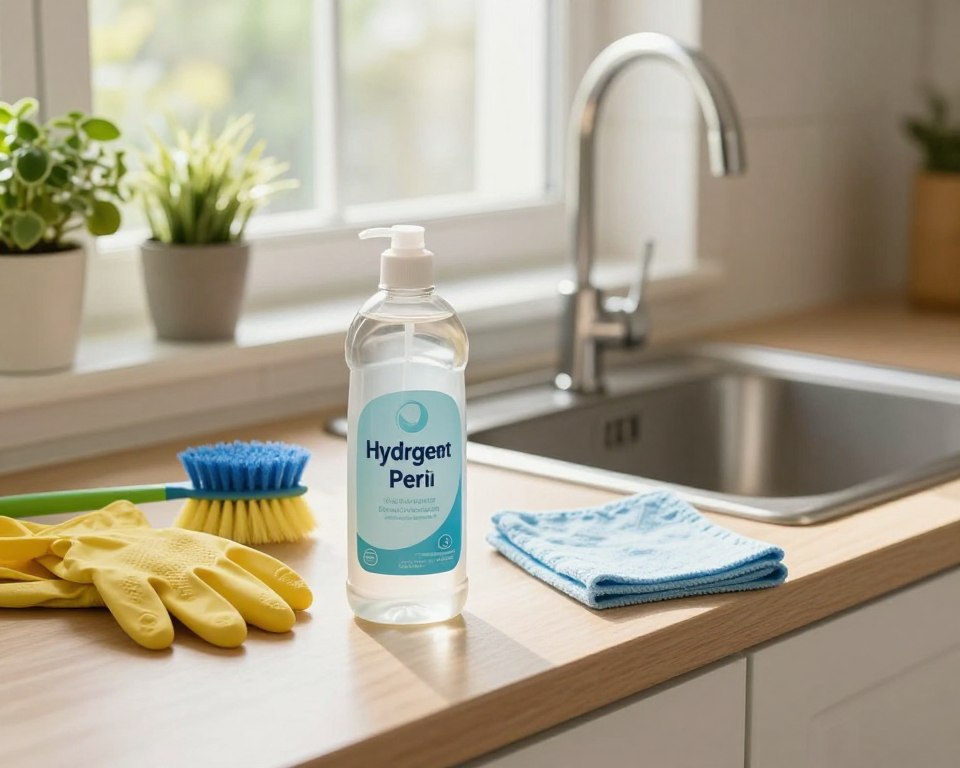
Key risks include bleaching on fabrics and some finishes, and mild irritation if left on bare skin. We recommend wearing gloves and testing an unseen area first.
“Treat this product like any other active disinfectant: respect label directions and keep it out of reach of children and pets.”
For most home tasks, it is a reliable cleaner and keeps microbial counts low. We advise storing original products in opaque containers, avoiding mixes with vinegar or bleach, and labeling bottles clearly to protect household health.
- Use 3% strength for home care.
- Patch-test surfaces first to prevent damage.
- Keep contact time long enough to disinfect, then rinse when needed.
Effective Methods for Disinfection and Stain Removal
We outline safe, practical ways to use the common 3% solution for food, fabrics, and surfaces.
Cleaning Produce and Kitchen Surfaces
To remove residues and bacteria from fruit and vegetables, add 1/4 cup of hydrogen peroxide to a large bowl of water and soak your food for a few minutes.
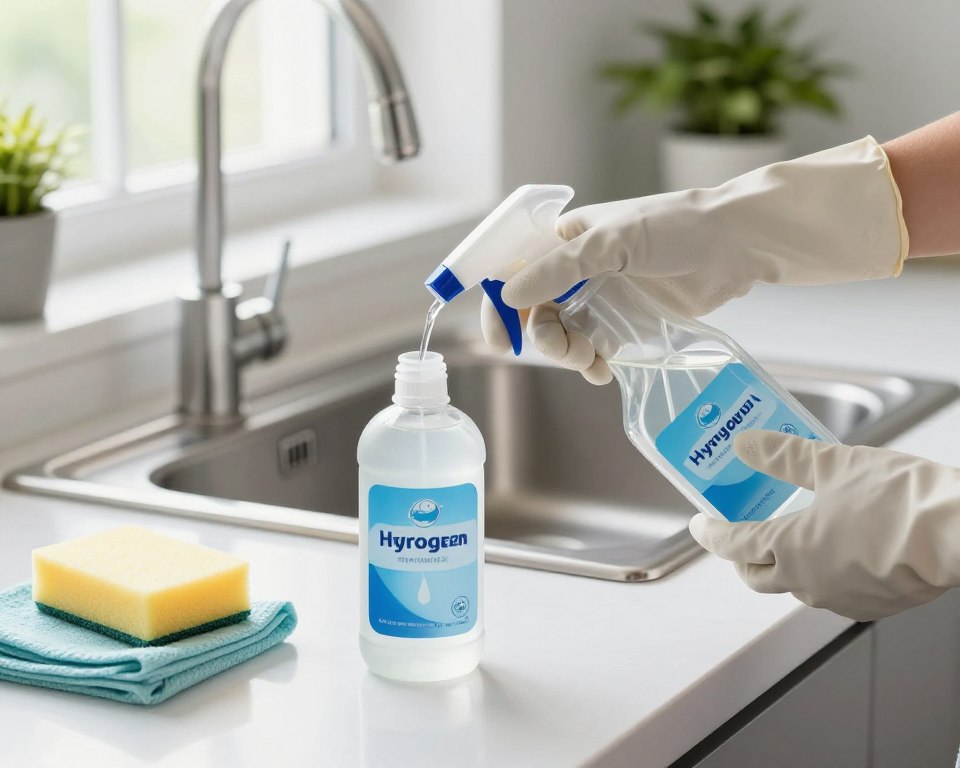
Rinse thoroughly under running water before serving. For countertops, fill a spray bottle with the solution and mist high-touch areas, then let sit until fizzing stops to help kill germs.
Removing Carpet and Mattress Stains
For fresh stains, blot first with plain water. Pour a small amount of peroxide onto the spot and let sit while bubbling finishes, then blot again.
Do not rub; test a hidden patch for colorfastness before treating larger areas.
Neutralizing Household Odors
To tackle pet or garbage odors, pour the solution into the affected area or down the drain and let sit for five minutes before rinsing.
Avoid mixing with vinegar or baking soda unless directed by a professional. For grout and white textiles, hydrogen peroxide water is a gentler alternative to chlorine bleach, but always patch-test first.
- Use a spray bottle for bathroom surfaces; soap still removes scum best.
- To kill germs, let sit until the oxygen fizzles out.
- Store product in its original bottle and label clearly.
Surfaces and Materials to Avoid
Before you reach for a spray bottle, know which items can be harmed by oxidizing liquids.
We strongly advise against using hydrogen peroxide on unsealed wood floors or natural stone. The solution can etch or dull finishes and leave permanent marks.
Oxygen is a powerful oxidizer. It can corrode ferrous metals and alter plated jewelry or hardware.
“Never apply this product to electronics; the water content risks shorting and corrosion.”
- Avoid electronics and circuit boards; use isopropyl alcohol for quick drying instead.
- Do not treat delicate textiles or dyed fabrics without a hidden patch test first.
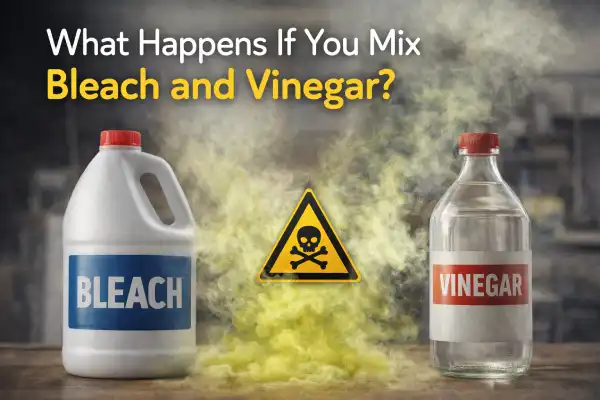
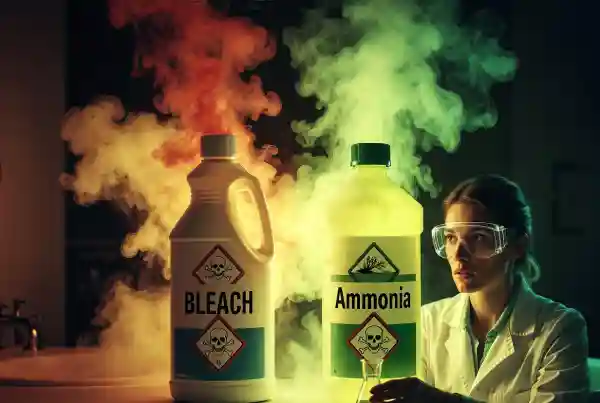
- Never mix with chlorine bleach or acidic cleaners; unintended reactions may occur.
Always read manufacturer guidance for finishes and appliances. When in doubt, test in an out-of-the-way spot or choose a gentler cleaning method to protect surfaces and retain warranty coverage.
Best Practices for Handling and Storage
Good handling and clear storage rules cut risk and keep performance steady over time.
Protective Equipment and Ventilation
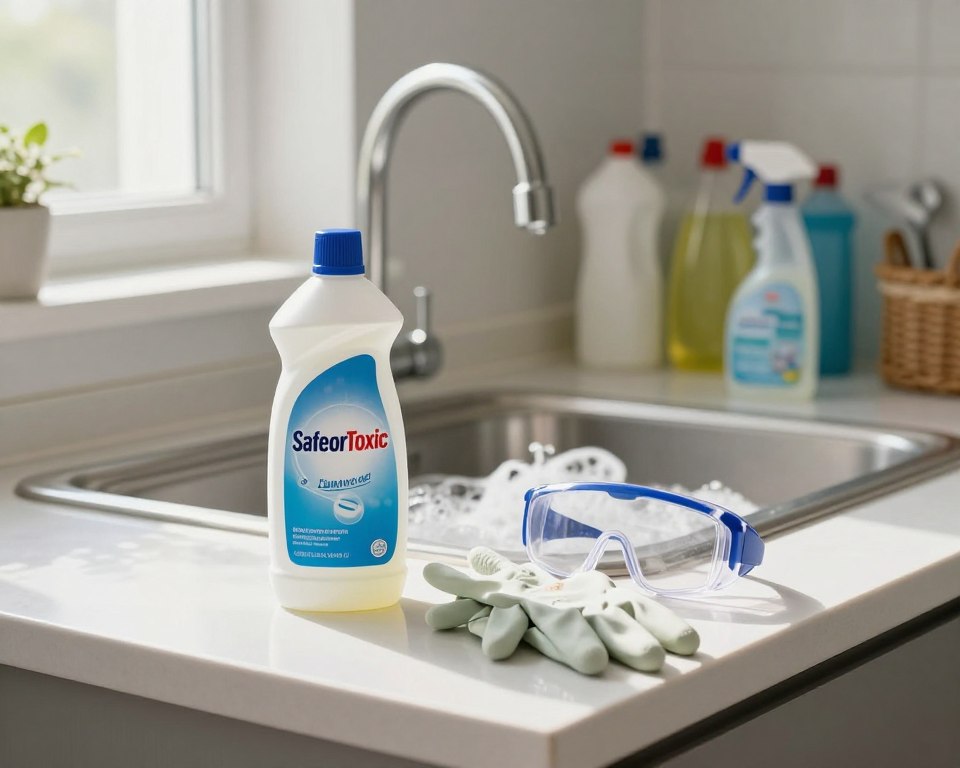
We recommend wearing protective gloves and eyewear to shield skin and eyes during cleaning and care tasks.
Work in a well-ventilated room. Open windows or run an exhaust fan to reduce fumes and protect respiratory health.
“Always prioritize simple protective steps to avoid irritation and accidental contact.”
Proper Storage Techniques
Keep the solution in its original brown bottle to limit light exposure that speeds decomposition. Tightly cap the bottle after each use.
Store in a cool, dark cabinet away from heat and direct sunlight. Label containers clearly and keep them out of reach of children and pets.
If you must dispose of a small amount of 3% product, pouring it down the drain is generally acceptable in many states. Check local regulations if unsure.
- Wear gloves and eyewear for skin and eye protection.
- Ensure airflow while using any cleaning product.
- Store in original bottle, tightly closed, in a cool dark place.
Medical Review and Safety Disclaimer
We asked a licensed pharmacist to review this material to make sure the guidance is grounded in current science.
Reviewed by Dimitar Atanasov, MPharm, Master Pharmacist. The review used current toxicology references, household chemical safety data, poison control guidelines, and peer‑reviewed scientific literature available at the time of review.
Important: The information on SafeOrToxic.com is for general educational purposes only and does not replace professional medical or safety advice.
“If you or someone else has been exposed to a potentially harmful substance, contact your local poison control center or emergency services immediately.”
We maintain pharmacist oversight to keep our content accurate and useful. Our goal is to protect your health by tying recommendations to verified sources.
- This article was reviewed for accuracy by Dimitar Atanasov, MPharm, Master Pharmacist, using current toxicology references and peer‑reviewed literature.
- If exposure or acute symptoms occur, contact poison control or 911 for immediate care.
- Please consult a medical professional for specific concerns; this content is not a substitute for emergency guidance.
Conclusion
To wrap up, our goal was to give clear steps so you can handle common stains and germs with confidence.
We hope this guide explained the benefits and correct use of hydrogen peroxide in your home. Follow label directions and test surfaces first to avoid damage.
It works for many stains and to reduce bacteria, but it is not the right choice for every material. For some fabrics and finishes, chlorine bleach or other products may perform better.
Use measured amounts, keep water close at hand for rinsing, and store bottles in the original container. Thank you for trusting our pharmacist‑backed information to help you make safer cleaning decisions.
FAQ
Can we use 3% peroxide from drugstores to disinfect kitchen counters?
Yes. Pharmaceutical 3% solutions in brown bottles work well on hard, nonporous surfaces. Spray or pour, let sit for one minute, then wipe with a clean cloth. Avoid mixing with vinegar or bleach; combining oxidizers with acids or chlorine releases irritating gases.
How long should we let the solution sit to kill common bacteria and viruses?
For routine disinfection, leave the liquid on the surface for at least one minute. For tougher germs or visible soil, five minutes improves effectiveness. Always follow label instructions on any commercial product for contact times and dilution.
Is it safe for cleaning fruits and vegetables?
We recommend rinsing produce under running water. A food-grade oxidizer at very low concentration can reduce surface microbes, but most food-safety agencies advise plain water for routine washing. If you use a sanitizer, follow specific guidance and rinse thoroughly.
Can we use it on fabrics to remove blood or wine stains?
For washable fabrics, apply a small amount to the stain, let sit briefly, then rinse and launder. Test an inconspicuous area first—colors and delicate fibers can fade. Do not use on silk or wool without consulting care labels.
Will it bleach grout, tile, or countertops?
It can brighten grout and light-colored tile without the harsh fumes of chlorine bleaches. Apply, let sit a few minutes, then scrub. Avoid prolonged contact on colored or porous stone; it can alter appearance.
Are there surfaces we should avoid altogether?
Yes. Do not use on natural stone like granite or marble, untreated wood, brass, and some metals; oxidizers can dull or etch these materials. Also avoid electronics and screens unless diluted and applied sparingly with a soft cloth.
Is it safe for skin contact during cleaning?
Brief, incidental contact is usually tolerated, but repeated exposure can irritate skin and eyes. Wear gloves for extended use and rinse any splashes with water. Seek medical care for persistent irritation or chemical burns.
Can we mix it with baking soda or soap for stain removal?
Combining with baking soda can create a mild scrubbing paste for stains; that mix is generally safe. Avoid adding household soaps that contain ammonia, and never mix with bleach—dangerous gases form when oxidizers meet chlorine-based cleaners.
How should we store bottles at home?
Keep bottles in original, opaque containers away from heat, direct light, and metals. Store at cool room temperature and out of reach of children and pets. Tighten caps after use to slow decomposition into water and oxygen.
What protective gear should we use during heavy cleaning?
Use nitrile or rubber gloves and eye protection when handling concentrated solutions or working for long periods. Ensure good ventilation—open windows or run exhaust fans—to reduce inhalation of any vapors.
Does it work better than household bleach for disinfecting?
Each has strengths. Chlorine bleach acts faster against certain pathogens but produces strong fumes and corrosive residues. Peroxide is less odorous and breaks down to water and oxygen, making it a gentler option for many routine tasks.
Can we pour it down drains or into the toilet for cleaning?
Small amounts used for routine cleaning are fine and will decompose naturally. Avoid repeated high-concentration pours into plumbing that contains metal parts, and do not mix with other drain cleaners.
How do we handle accidental spills or splashes?
Wipe spills with an absorbent cloth, rinse area with water, and ventilate the space. For skin contact, flush with water for at least 15 minutes. For eye exposure, seek immediate medical attention.
Are there any food-safety concerns when using this around meal prep areas?
Rinse surfaces that contact food with potable water after using an oxidizing cleaner, and allow them to air dry. If using on cutting boards or utensils, sanitize per label directions and rinse before reuse.
What concentration is common in stores and what do professionals use?
Retail bottles typically contain 3% solutions. Professionals may use higher concentrations for industrial applications, but those require training, PPE, and strict handling protocols. We advise sticking to retail strengths for home use.