We know many ordinary home solutions hide real risks. In this guide, we explain how everyday agents in the pantry and under the sink may lead to a painful household injury if handled the wrong way. Our aim is to give clear, practical care steps so your home stays safe.
Every room can hold a hazardous item. We will help you spot which product carries the most risk and how to store and use it safely. Simple choices and a few precautions reduce chances of a serious chemical burn.
While most items are tested for safety, ignoring labels or mixing solutions can cause harm. We focus on prevention, quick actions after exposure, and when to seek urgent help to protect your health and loved ones.
Key Takeaways
- Common household agents can injure skin if misused.
- Follow labels and avoid mixing solutions to improve safety.
- Know first steps for a suspected chemical burn and when to get help.
- Store risky items securely to protect children and pets.
- Education and simple routines are the best defense for home health.
Can Cleaning Products Cause Chemical Burns
Household solvents and sprays can injure skin faster than people expect. Research shows that these injuries account for about 10.7% of all burn cases reported in clinical settings across the United States. That number is not small.
Even more striking: chemical burns cause roughly 30% of deaths related to burns. This highlights how severe some cases become when exposure is overlooked or mishandled.
We see many incidents where users underestimate everyday solutions and end up with an accidental chemical burn. While most think of heat when they hear “burn,” these injuries are frequent and need different first aid and follow-up.
Understanding prevalence helps us act smarter. Read labels, store items out of reach, and treat any skin exposure seriously to reduce the chance of a major injury.
- 10.7%: proportion of burn injuries linked to these agents.
- 30%: share of burn-related deaths tied to such exposures.
- Many daily routines involve substances that can harm skin if misused.
Understanding the Nature of Chemical Injuries
Not every burn feels the same—some substances eat through layers without a searing heat. We must know how different agents interact with tissue to act fast and keep harm low.
Acidic vs Alkaline Burns
Acids work by denaturing proteins and creating a firm, coagulated surface. This often limits deeper penetration but still causes severe pain and local redness.
Alkalis cause saponification and liquefactive necrosis. That leads to deeper, hidden damage and a higher risk of long-term tissue loss.
The Role of Skin as a Barrier
The skin protects us from heat and fluid loss, yet many chemicals disrupt that layer quickly. We group common compounds as acid, alkali, organic, or inorganic to predict how they act.
Symptoms may include redness, blistering, or pain. Nerve destruction can mask initial feeling, so visible mild signs may hide serious underlying damage.
| Type | Action on Tissue | Typical Signs |
|---|---|---|
| Acid | Protein coagulation; surface crust | Redness, sharp pain, possible blistering |
| Alkali | Saponification; deep tissue liquefaction | Delayed severe damage, pale or leathery tissue |
| Organic/Inorganic compounds | Variable: solvent action or ionic injury | Irritation, burns, systemic effects in some cases |
Common Household Cleaners That Pose Risks
Many everyday cleaners hide powerful ingredients that can damage skin on contact. We review the main types that most often lead to injury so you know what to handle with extra care.
Drain and Oven Cleaners
Drain and oven formulations are among the most caustic. Drain cleaners often contain strong alkali or acids that produce fumes and severe skin burns.
Oven cleaners are highly corrosive too. Direct skin or eye contact with these products may cause deep tissue damage and blindness in extreme cases.
Bleach and Disinfectants
Bleach solutions commonly include sodium or calcium hypochlorite. These ingredients can burn skin and irritate eyes and lungs after exposure.
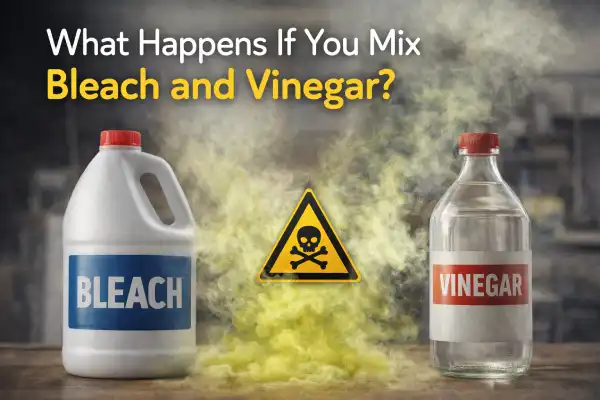
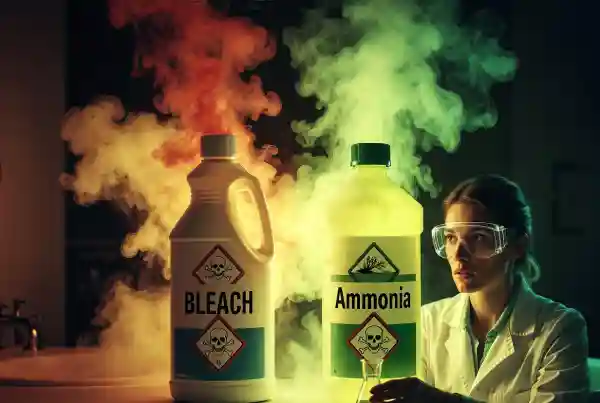
Mixing bleach with ammonia or other cleaners produces dangerous fumes. We advise good ventilation and gloves every time you use these agents.
Specialty Household Chemicals
Some specialty items—like rust removers, paint strippers, and pool treatments—contain strong acids or solvents. Ammonia is another agent that may cause serious injury on contact.
- Over 300 chemicals are listed as highly hazardous by safety authorities.
- Always wear protective gloves and eye protection when handling potent solutions.
- Keep areas ventilated to reduce inhalation risk and accidental exposure.
How Different Chemicals Damage Skin and Tissue
Not all spills act the same: some eat through fats, others denature proteins or generate heat where they touch the skin.
Alkaline compounds produce saponification of surface epithelium and subcutaneous lipids. This may lead to full-thickness skin loss when cleaners contain strong bases such as sodium hydroxide.
Organic solvents harm by dissolving the lipid barrier. That disrupts the skin’s protective layer and allows deeper penetration of the substance.
Inorganic agents injure by protein denaturation. The result is a coagulated surface that may hide deeper damage beneath.
“When a product comes in contact with skin, oxidation or heat production can deepen injury and alter prognosis.”
Eye exposure is especially dangerous; bleach and oven cleaners may cause severe eye damage and urgent health complications.
- Depth of tissue damage determines recovery and long-term outcomes.
- Immediate irrigation and removing contaminated clothing limit spread and severity.
- We must treat every exposure seriously and get help for significant or progressive injuries.
| Compound Class | Primary Action | Common Risks |
|---|---|---|
| Alkaline (e.g., sodium hydroxide) | Saponification of lipids; deep tissue liquefaction | Full-thickness skin loss; painful wounds |
| Organic solvents | Dissolves lipid membrane; increases penetration | Hidden deep damage; chronic skin irritation |
| Inorganic acids | Protein denaturation; surface coagulation | Severe surface burns; possible scarring |
Immediate First Aid Steps for Chemical Exposure
A fast response with abundant water is the most effective early defense for exposed skin. We must act immediately to limit damage and reduce pain.
The Importance of Water Decontamination
Begin flushing at once. Use a steady flow of cool water and continue for at least 15–20 minutes when possible.
If the incident involves the eyes or face, hold eyelids open and flush gently. If clothing is soaked, remove it while avoiding further contact.
- Use large amounts of water for initial decontamination to dilute and remove the agent.
- Soak the affected area in cool water to ease pain and limit penetration.
- Keep the area clean daily and watch for signs of infection such as increasing redness or pus.
- Ensure helpers protect themselves before assisting to avoid additional exposure.
- Seek medical attention immediately for any deep or spreading injury; a prompt professional exam matters.
“Immediate irrigation with water can markedly reduce the severity of tissue injury.”
| Action | When to Do It | Why It Helps |
|---|---|---|
| Flush with cool water | Immediately after exposure | Dilutes agent; lowers pain |
| Remove contaminated clothing | As soon as it is safe | Stops ongoing contact |
| Seek medical care | If injury is deep, in eyes, or worsens | Prevents infection and long-term harm |
Recognizing When to Seek Emergency Medical Attention
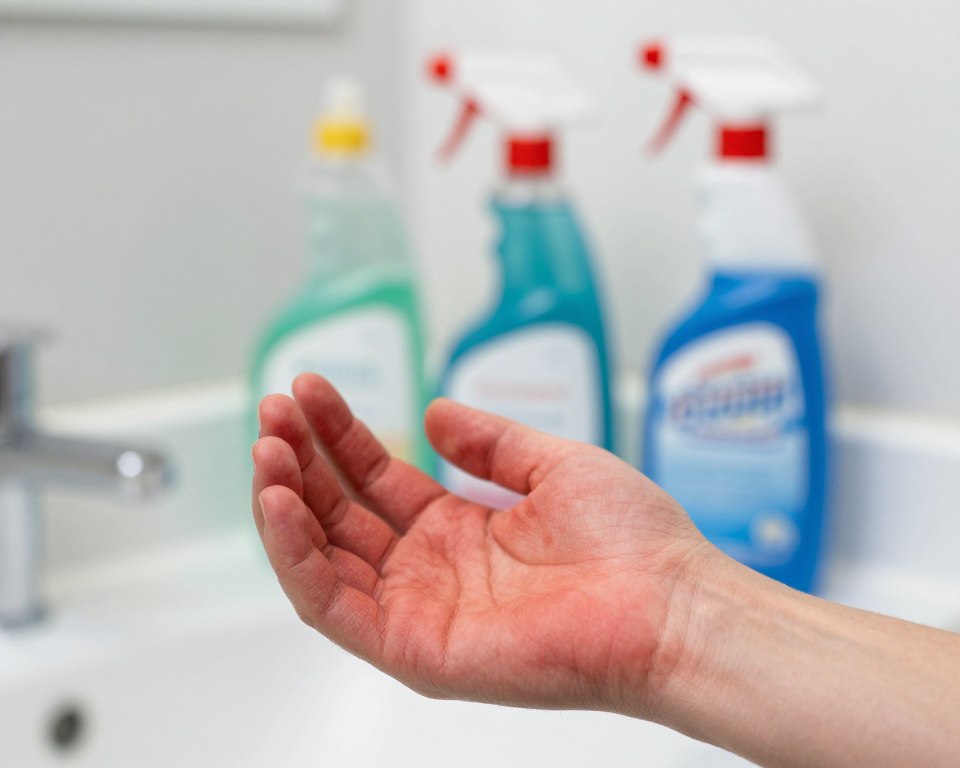
Small splashes can hide deep damage, so we watch for warning signs fast. If a large area of skin is involved, or severe pain, breathing changes, or altered consciousness occur, call 911 right away.
Eye or deep tissue exposures need immediate evaluation by professionals. Do not wait if you suspect the face, eyes, or major joints are affected.
If a burn does not heal within two weeks, contact a physician. Also seek medical care for scarring, increasing redness, pus, or fever.
Some exposures lead to systemic health effects. Watch for dizziness, confusion, or fainting after skin contact and get urgent help.
- When to act now: large-area burns, eye involvement, severe pain, breathing trouble, or unstable vital signs.
- When to call a doctor: wounds that fail to improve in 14 days or show infection or scarring.
- When to monitor: mild surface injury that improves with first aid but watch for worsening symptoms.
| Sign | What to Do | Why it Matters |
|---|---|---|
| Large-area skin injury | Call 911 | Rapid spread increases risk of shock |
| Eye or deep tissue exposure | Seek medical evaluation | Protects vision and function |
| Non-healing wound (14 days) | See physician | Prevents infection and scarring |
Safety Protocols for Storing and Using Cleaning Agents
Storing supplies correctly is one of the simplest ways to protect skin and eyes at home. Keep every product in its original container so labels and instructions stay with the item.
Never mix cleaners that contain bleach or acid. Combining those compounds releases dangerous fumes and raises the risk of contact with eyes or skin.
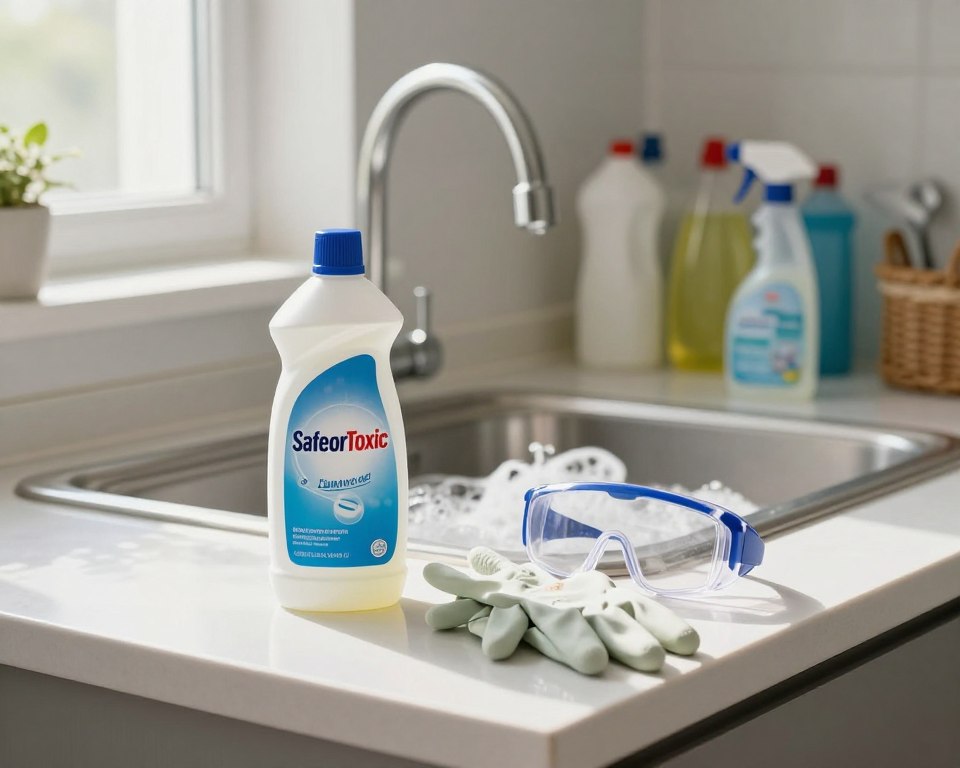
We recommend wearing gloves and eye protection when you use a cleaning agent. Protective gear reduces the chance a substance will touch skin or cause eye damage.
Keep water nearby while you work. Quick irrigation cuts exposure time and helps limit harm if a spill or splash occurs.
- Store all household cleaning items out of reach of children and pets and away from heat or direct sunlight.
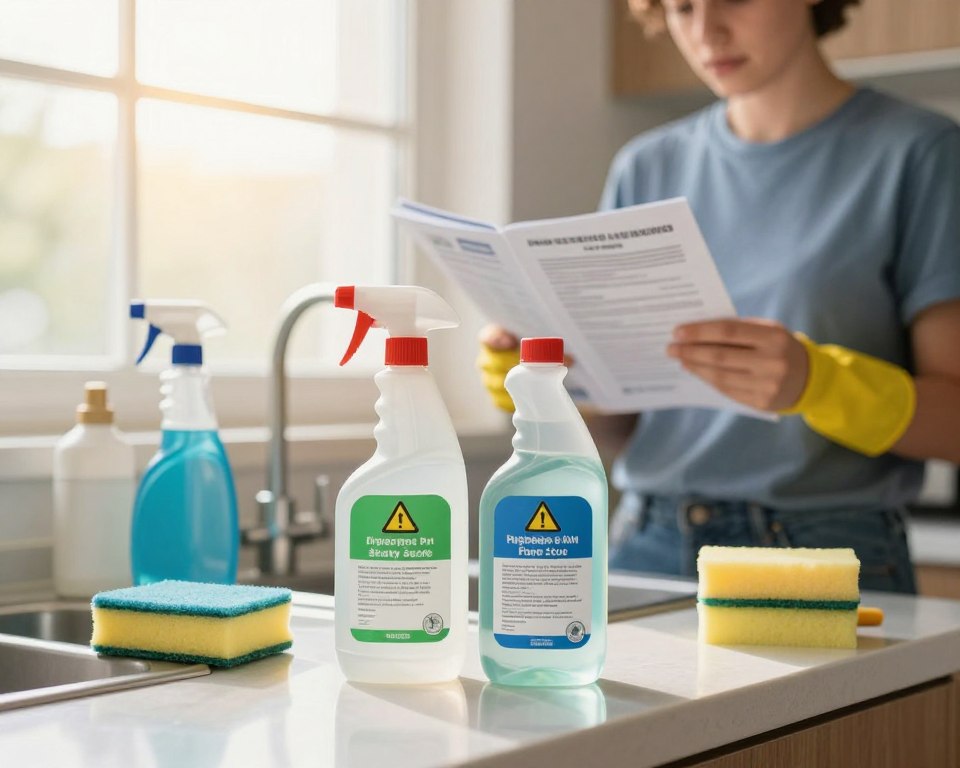
- Read labels before use to learn about hazards and first aid steps for each product.
- Use ventilation to lower inhalation risk when strong substances are in use.
“Proper storage and basic precautions prevent most accidental contact and reduce long-term damage.”
| Action | Why it Helps | Quick Tip |
|---|---|---|
| Keep original container | Retains label warnings and instructions | Never decant into food containers |
| Wear protection | Prevents skin contact and eye splashes | Use goggles and resistant gloves |
| Have water ready | Allows immediate rinsing after exposure | Keep a jug or hose nearby |
Protecting Children and Pets from Accidental Exposure
A single moment of access can turn a routine bottle into a serious hazard for a child or animal. We store many household items within reach, and curiosity leads to contact that may cause a painful burn or eye injury.
Keep all cleaning products locked away in high cabinets. Use child-proof locks on any cupboard that holds strong cleaners or solutions. This lowers the chance a child finds a harmful product.
Never leave a product unattended while in use. Even a small amount of acid or sodium-based solution can damage soft skin quickly.

If a child or pet is exposed, rinse the area with plenty of water at once and remove contaminated clothing. Seek help immediately if there is persistent pain, worsening redness, or eye contact.
“Protecting children from these substances is our top priority; secure storage and quick rinsing reduce harm.”
- Store every product in its original container and out of sight.
- Install locks on cabinets that hold dangerous cleaners or chemicals.
- Have water ready when you work so you can flush skin or eyes without delay.
Medical Review and Professional Safety Standards
We verify recommendations against peer‑reviewed literature and national poison‑control standards before publication.
Our Commitment to Pharmacist‑Verified Data
This article was reviewed for accuracy by Dimitar Atanasov, MPharm, Master Pharmacist.
The review used current toxicology references, household chemical safety data, poison control guidelines, and peer‑reviewed scientific literature available at the time of review.
We maintain pharmacist oversight to keep material grounded in verified scientific data. This helps us provide reliable guidance about the safe handling of agents such as sodium‑based formulations.
“If you or someone else has been exposed to a potentially harmful substance, contact your local poison control center or emergency services immediately.”
- This article was reviewed for accuracy by Dimitar Atanasov, MPharm, Master Pharmacist, using current toxicology references and household safety data.
- We maintain pharmacist oversight so content is grounded in verified science, but it is not a substitute for medical attention.
- If exposure occurs, contact poison control or 911 and seek medical care without delay.
- Our review included peer‑reviewed literature and poison control guidelines to ensure the most reliable safety information.
- Consult a medical professional for specific concerns; this information is educational.
| Reviewer | Credentials | Key Sources |
|---|---|---|
| Dimitar Atanasov | MPharm, Master Pharmacist | Toxicology refs, poison control, peer‑reviewed literature |
Conclusion
We aim to equip you with simple actions that keep common household items from harming your family. Prioritize safe storage, clear labels, and accessible water to protect your health and limit risk from sodium or other strong agents.
Act fast on any skin or eye exposure. Rinse the area, remove contaminated clothing, and seek medical help for a suspected chemical burn or worsening injury. Quick steps reduce long‑term harm after contact or exposure to hazardous substances.
Keep children and pets out of reach, read labels before use, and call emergency services or poison control if needed. We are committed to giving you the knowledge to prevent household harm and respond with confidence.
FAQ
What types of household cleaners are most likely to injure skin or eyes?
Strong drain and oven cleaners, concentrated bleach solutions, and products labeled as caustic or corrosive pose the highest risk. These often contain sodium hydroxide, sulfuric acid, or high-strength hypochlorite. We should treat any product marked “danger” or “corrosive” as capable of causing serious tissue damage on contact.
How do acidic and alkaline exposures differ in the harm they cause?
Acids tend to coagulate proteins on the skin, which can limit deeper penetration but still cause painful burns. Alkalis, like lye, saponify fats and penetrate more deeply, producing more extensive injury. Both can damage eyes and respiratory tissues; the mechanism shapes the severity and treatment approach.
What immediate first aid should we follow after skin contact with a harsh cleaner?
Remove contaminated clothing and rinse the area under running water for at least 15 minutes. Do not apply neutralizing chemicals or creams. Cover the area loosely with a clean dressing and seek medical evaluation if pain, redness, blistering, or numbness persists.
Is flushing with water always appropriate after chemical exposure?
Yes — abundant running water is the best immediate measure for most household exposures. Flush the affected skin or eyes for a minimum of 15 minutes. For eye exposures, hold eyelids open and irrigate continuously. If the product label gives different instructions, follow them while initiating water rinse.
When should we seek emergency medical care after exposure?
Call 911 or go to the emergency department for large-area skin injury, deep pain, persistent burning, vision changes, difficulty breathing, vomiting after ingestion, or chemical contact with the eyes. Also seek urgent care if the product is a strong acid or alkali or if unsure about the quantity involved.
Can brief contact with bleach cause long-term skin damage?
Brief, dilute contact with household bleach usually causes irritation or mild redness. Prolonged exposure, concentrated solutions, or combination with other chemicals (like acids) increases the risk of severe injury. We should rinse promptly and monitor for delayed symptoms.
What steps reduce risk when using potent cleaners at home?
Wear appropriate PPE such as chemical-resistant gloves and eye protection, ensure good ventilation, never mix products (especially bleach and acids or ammonia), follow label directions, and keep containers sealed and stored upright. Use smaller amounts and transfer to clearly labeled containers if needed.
How can we protect children and pets from accidental exposure?
Store all hazardous agents out of reach and locked if possible, use childproof caps, clean up spills immediately, and dispose of empty containers promptly. Keep pets away during application and drying. Teach older children basic safety rules about household chemicals.
Are there safer alternatives for heavy-duty cleaning tasks?
For many jobs, enzyme-based cleaners, diluted vinegar (for some mineral deposits), baking soda pastes, and commercially available noncaustic degreasers are effective and less hazardous. Choose EPA-registered disinfectants for microbial control when needed.
What information on a product label indicates high hazard?
Look for signal words like “Danger” or “Corrosive,” hazard pictograms, first-aid directions, active ingredient names (e.g., sodium hydroxide, sulfuric acid), and concentration percentages. These signal the need for extra precautions and professional handling.
If someone inhales fumes from a cleaner, what should we do first?
Move the person to fresh air immediately and keep them calm. If breathing is difficult, call 911. Monitor for coughing, chest tightness, or dizziness. Seek medical assessment even if symptoms seem mild, especially after exposure to chlorine gas or strong ammonia fumes.
How should we store chemicals to meet safety standards?
Keep chemicals in original containers with labels intact, store corrosives separately from acids and bases, avoid extreme temperatures, and follow local disposal guidelines. Use locked cabinets for high-risk products and keep an up-to-date inventory and safety data sheets (SDS) accessible.
Who can we consult for reliable, pharmacist-reviewed safety guidance?
Pharmacists, poison control centers (1-800-222-1222 in the U.S.), emergency departments, and certified industrial hygienists provide verified advice. We recommend consulting product SDS documents and seeking pharmacist-reviewed resources for medication and skin-care follow-up after exposure.