We investigate the persistent nature of indoor air after routine cleaning. Our goal is to explain why fumes from common household products can linger and how that affects your home and family health.
Researchers at the University of Toronto, including Chen Wang, found that 19 common chemicals reappeared in test homes within 8 to 55 minutes after windows were closed. This shows surfaces can act as reservoirs that trap and release vapors even after ventilation.
We examine how quickly cleaning releases compounds into the air, why mere opening of windows may not solve the issue, and what this means for exposure over time. Our guide also outlines practical steps to manage levels and maintain better indoor air quality.
Key Takeaways
- Chemical residues can return to the air minutes after ventilation ends.
- Household surfaces store and release gases, affecting indoor air quality.
- Opening windows helps, but it is not a complete solution for exposure.
- We recommend simple steps to lower levels and protect home health.
- Understanding this research helps us choose safer products and habits.
Understanding How Long Do Cleaning Product Fumes Last Indoors
Many common household sprays and wipes release volatile compounds that can remain in the air far longer than we expect. We examine the link between everyday cleaning products and the indoor air in your home.
Surfaces absorb and re‑emit vapors, so a single product can affect room air quality after use. These chemicals interact with fabrics, paint, and dust, creating steady low‑level exposure.
Many household items release mixtures that pose health concerns over time. We break down how those molecules move, why ventilation may only reduce concentrations temporarily, and what steps prevent ongoing problems.
Below we outline clear points to help manage the risks: choose fewer aggressive products, air rooms while using them, and limit repeated use in small spaces. These practical steps improve the overall quality of the air you and your family breathe.
The Science of Chemical Reservoirs in Your Home
Surfaces in our rooms act like sponges for airborne compounds, soaking them up and later letting them go. We now know many common materials store traces of sprays and vapors and then emit them back into the air.
Surface Interactions
Chemist Chen Wang and her team at the University of Toronto showed that furniture, curtains, and counters serve as storage sites for these chemicals. When we use cleaning products, molecules attach to fabrics and finishes.
Chemical Reappearance
In test homes, levels of some chemicals returned to pre‑air‑out amounts in as little as eight minutes after windows closed. This quick rebound shows the lasting effects surfaces have on room air.
- Materials pick up molecules during use and slowly release them afterward.
- This cycle raises background levels in a home even when active use stops.
- Understanding these reservoirs helps us pick safer approaches and limit exposure.
| Surface Type | Storage Behavior | Typical Reappearance |
|---|---|---|
| Upholstered furniture | Strong adsorption to fabrics | Minutes to hours |
| Curtains & textiles | Absorb and re‑emit with airflow | Minutes |
| Hard counters & painted walls | Surface films hold residues | Minutes to days |
Common Household Products That Release Volatile Organic Compounds
Everyday sprays and polishes can release invisible gases that change the air in each room. We want to help you spot which items are likely sources and which mixes are especially risky.
Many household products contain volatile organic compounds (VOCs). These chemicals escape into the air when we use cleaners, air fresheners, or furniture polish.
Dangerous Combinations to Avoid
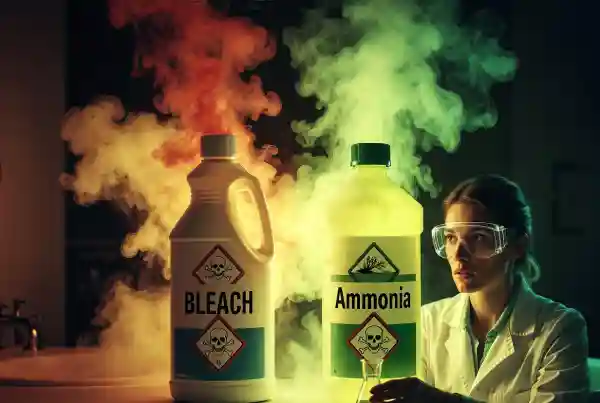
Never mix bleach with any item that lists ammonia or ammonium on the label. When bleach meets ammonia, toxic gases form that can cause severe breathing problems or worse.
- Bleach + ammonia = harmful gases; avoid mixing under any circumstance.
- Air fresheners and scented cleaners may add extra volatile organic compounds to room air.
- Know ingredients in your cleaning supplies so you can limit exposure to harmful chemicals.
| Household Product | Common Ingredients | Risk Notes |
|---|---|---|
| Bleach solutions | Sodium hypochlorite | High reactivity with ammonia; emits toxic gases |
| All-purpose cleaners | Solvents, fragrances | May release VOCs; ventilate while using |
| Furniture polish | Petroleum distillates, fragrances | Deposits on textiles can off‑gas later |
| Air fresheners | Fragrance mixes | Adds continuous low-level VOCs to rooms |
Warning: Mixing bleach with ammonia produces gases that can cause chronic lung damage or be fatal.
Potential Health Risks Associated with Indoor Air Quality
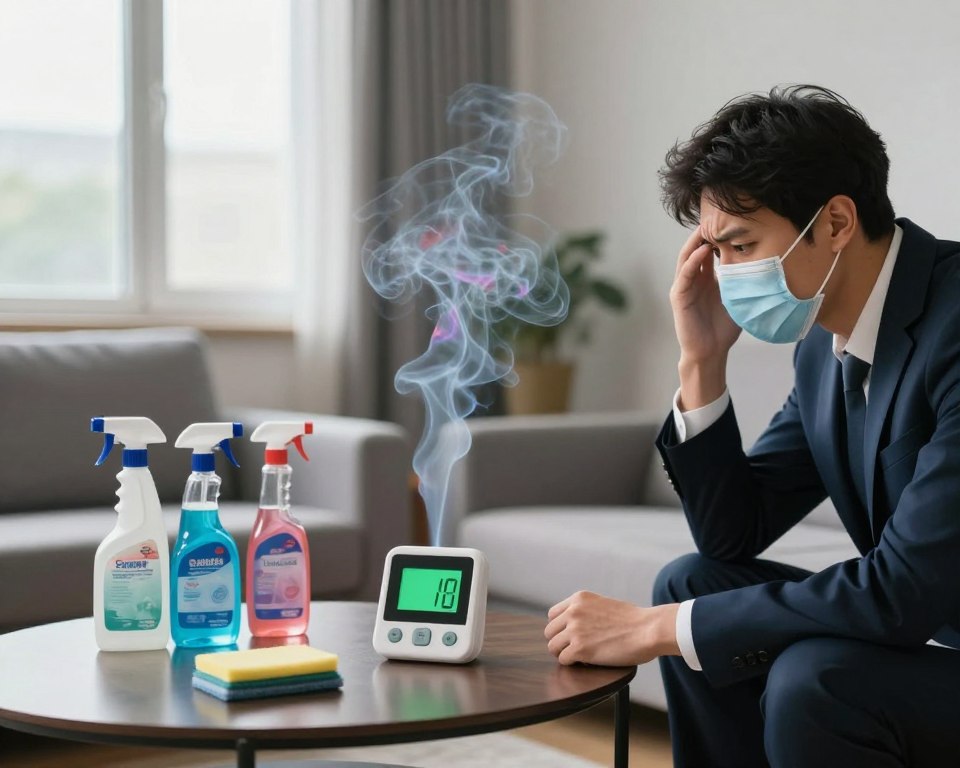
Low-level gases from everyday household items can trigger immediate breathing problems and ongoing health effects. We examine key impacts so readers can spot signs early and act.
Respiratory Impacts
Short bursts of vapors may tighten the chest and worsen existing asthma. Even mild exposures can increase coughing and breathlessness.
We recommend limiting use in small rooms and airing spaces when possible to reduce exposure.
Irritation Symptoms
Many household products release vapors that sting the eyes and irritate the throat. People often report persistent headaches after using scented supplies.
Take breaks and move to fresh air if symptoms begin.
Chronic Exposure Concerns
Repeated contact with volatile organic compounds can raise the risk of long-term health problems. Furniture and textiles may store chemicals, releasing them slowly over time.
Note: Ongoing low-level exposure can worsen respiratory disease and reduce overall air quality.
| Symptom | Onset | Likely Sources | Action |
|---|---|---|---|
| Eye irritation | Minutes | Scented cleaners, air fresheners | Ventilate and rinse eyes with water |
| Throat soreness / cough | Minutes to hours | Solvents, sprays, furniture treatments | Leave room; use cleaner alternatives |
| Headaches / fatigue | Hours | VOC-emitting supplies, poor ventilation | Increase airflow; reduce use |
| Worsened asthma | Immediate to chronic | Persistent VOCs from textiles and products | Consult clinician; limit exposures |
Why Ventilation Alone May Not Solve the Problem
Ventilation reduces peak concentrations, but it is not a cure. Research showed that four washings with ammonia actually increased airborne chemical levels. That proves open windows alone can fall short.
Surfaces release stored gases back into the air over time. Fabrics, paints, and dust act as reservoirs and can undo the short-term benefits of ventilation.
These returning chemicals can raise background levels in a home. That lingering exposure may trigger asthma or other respiratory effects in sensitive people.
“Four washings with ammonia increased the levels of chemicals in household air, showing ventilation alone is insufficient.”
We recommend combining ventilation with safer product choices and targeted source control. Opening windows helps, but pairing airflow with low‑VOC supplies and limited use will better protect indoor air quality.
| Strategy | What it does | When to use |
|---|---|---|
| Ventilate | Reduces immediate peaks of gases | During and after use |
| Choose low‑VOC | Lowers long‑term re‑emission from surfaces | Everyday cleaning |
| Limit repeated washes with ammonia | Prevents buildup of airborne chemicals | Small rooms; frequent use |
Selecting Safer Alternatives for Your Cleaning Routine
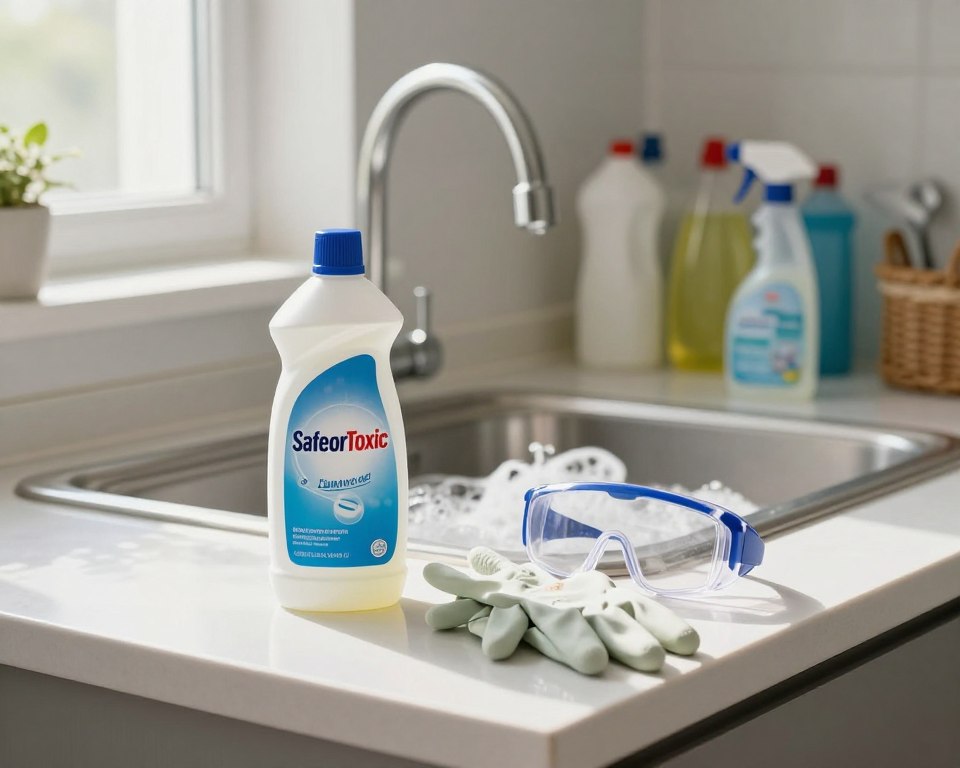
Choosing low‑emission supplies and simple cleaners can limit the chemicals that linger on furniture and fabrics. We recommend swapping out high‑VOC options for formulas labeled low‑VOC or fragrance‑free.
Use basics first: mild soap and water work well for many tasks and leave no lasting residues. Avoid air fresheners and heavily scented cleaning items that add continuous volatile compounds to the room.
Read ingredient lists and skip items with known harmful chemicals. Opt for cleaners with transparent labels. This practice helps lower background levels and reduces irritation risks for sensitive household members.
- Prefer simple cleaning products with few ingredients.
- Choose eco‑certified or low‑VOC cleaners when possible.
- Keep good ventilation while using any supplies to reduce immediate exposure.
Tip: Making small swaps to safer products protects air quality and reduces long‑term health problems.
Best Practices for Reading Labels and Ingredient Lists
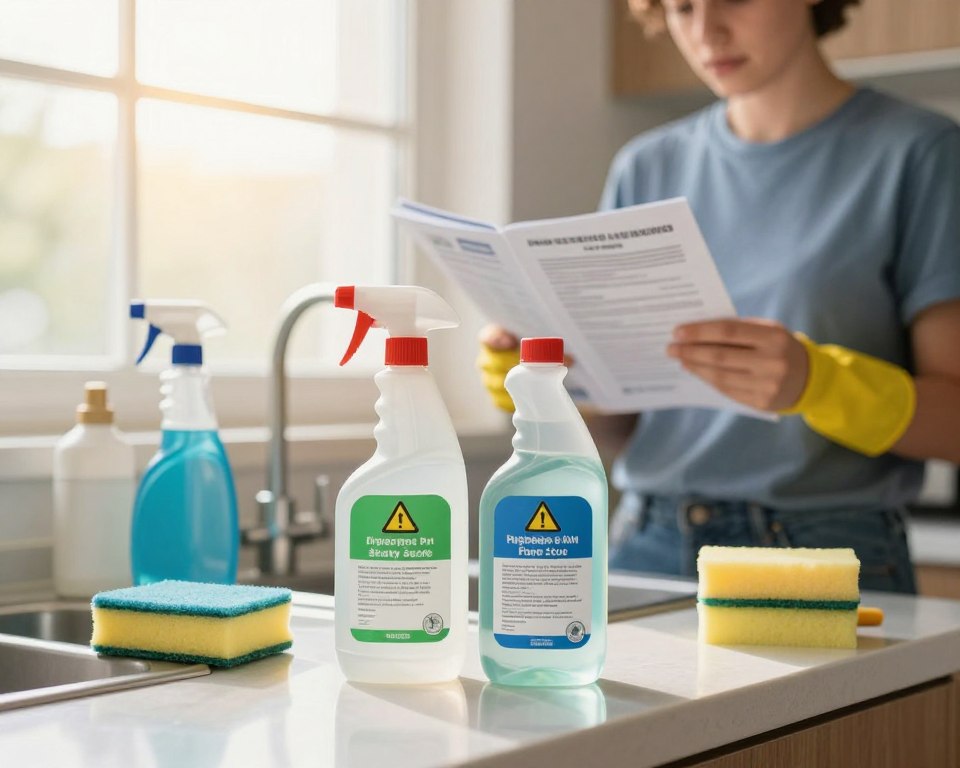
We teach simple steps to read labels so you can spot hidden hazards before a purchase. A clear label scan helps us find solvents, bleach, or fragrance mixes that add VOCs to room air.
First, read labels line by line. Look for known terms such as sodium hypochlorite, ammonia, or petroleum distillates. These ingredients often mean a product will off‑gas or leave residues on furniture.
Next, check the ingredient list for vague entries. If the label says “fragrance” or “parfum,” that may hide many VOCs. When manufacturers omit details, we search online for full ingredients or avoid the item.
Keep a shortlist of safer options. Pick cleaners and supplies labeled low‑VOC or fragrance‑free. Use mild soap and water for routine tasks to reduce how often strong products are needed.
- Tip: If labels do not disclose ingredients, assume the product may contain irritants and choose an alternative.
- Tip: Limit use of bleach to situations that need disinfection and follow label directions closely.
We recommend checking ingredients closely so our home air stays safer and family risks are lower.
Medical Review and Safety Disclaimer
A licensed pharmacist reviewed this article to confirm the use of current toxicology and poison control standards. Dimitar Atanasov, MPharm, Master Pharmacist, examined the references, safety data sheets, and peer‑reviewed literature available at the time of review.
We used clinical toxicology sources, household chemical safety data, and guidance from poison control centers to check facts and recommendations. This review helps keep our guidance grounded in verified science.

Important: The content on SafeOrToxic.com is for general educational purposes only and does not replace professional medical or safety advice from a qualified practitioner.
“If you or someone else has been exposed to a potentially harmful substance, contact your local poison control center or emergency services immediately.”
We maintain pharmacist oversight to keep material accurate and useful. For specific health concerns, please consult a medical professional rather than relying solely on this article.
| Reviewed by | Sources used | Recommended action |
|---|---|---|
| Dimitar Atanasov, MPharm | Toxicology refs, SDS, peer‑reviewed studies, poison control guidelines | Contact poison control or emergency services for exposures |
| Pharmacist oversight | Current clinical and safety literature | Seek personalized medical advice for symptoms |
| Content purpose | Educational guidance only | Not a substitute for professional care |
Conclusion
,Routine maintenance can unintentionally raise background levels of airborne chemicals in living spaces. We reviewed evidence that simple measures such as open windows and brief ventilation lower peaks but may not solve persistent re‑emission from fabrics and surfaces.
We urge readers to protect family health by choosing safer, low‑emission options and by limiting repeated use in small rooms. Watch for signs of irritation — sore throat, stinging eyes, or headaches — and reduce sources when these problems arise.
Managing chemical levels keeps indoor air and overall air quality better and lowers the chance of asthma flare-ups. Thank you for following our guide; informed choices are the best defense against harmful gases and lingering fumes.
FAQ
How long can fumes from household cleaners linger after use?
We typically see vapors dissipate within minutes to several hours, depending on the chemical’s volatility, room size, and ventilation. Volatile organic compounds (VOCs) from sprays and solvents clear faster than heavier gases from bleach or ammonia, which can persist longer on surfaces and in soft furnishings.
What affects how quickly airborne chemicals disappear?
Airflow, temperature, humidity, and the amount of product used change dissipation times. Open windows, fans, and HVAC systems speed removal. Porous materials like curtains and upholstery absorb compounds and then release them slowly, extending exposure.
Can residues on surfaces re-release chemicals into the air?
Yes. Many cleaners leave a chemical reservoir on walls, floors, and furniture. Over time, heat or further cleaning can cause those residues to volatilize again, producing intermittent spikes in indoor air concentrations.
Which common household supplies emit the most VOCs?
Aerosol air fresheners, all-purpose sprays, oven cleaners, paint strippers, and some sanitizers contain high VOC levels. Bleach and ammonia produce reactive gases and chloramines when mixed with other products, increasing risk even if initial fumes seemed to clear.
What dangerous combinations should we avoid when mixing solutions?
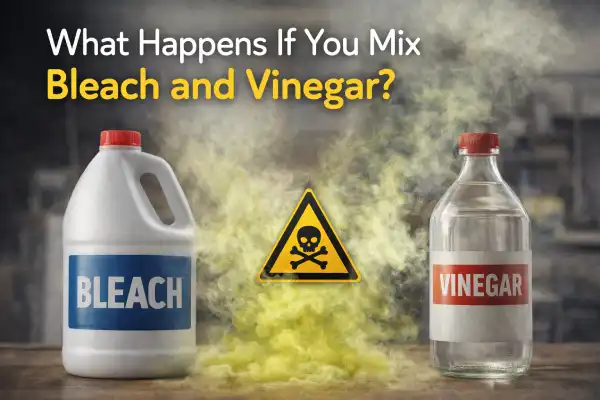
Never mix bleach with ammonia, vinegar, or acidic cleaners. Combining bleach with acids or ammonia forms toxic gases like chloramine and chlorine, which can cause severe respiratory distress within minutes of exposure.
What short-term health effects might appear after exposure?
Irritation of the eyes, nose, and throat; coughing; headaches; and dizziness are common. People with asthma or COPD may experience wheezing or breathlessness even at low concentrations.
What signs point to chronic exposure concerns?
Repeated exposure can worsen asthma, trigger chronic sinus issues, and lead to persistent headaches or fatigue. Some VOCs have been linked to longer-term risks, so minimizing routine exposure is wise.
Why might ventilation not fully eliminate risks?
Ventilation dilutes airborne levels but doesn’t remove residues absorbed into fabrics or porous surfaces. Also, some reactions between chemicals can continue producing gases despite fresh air, so source control and safer product choices matter.
How can we choose safer options for cleaning and air care?
Look for fragrance-free, low-VOC, and EPA Safer Choice or Green Seal labels. Use dilute solutions of mild soap, baking soda, or vinegar for many tasks—avoiding mixing agents—and prefer microfiber cloths that reduce the need for chemicals.
What should we check on product labels and ingredient lists?
Read for active ingredients, warnings about mixing, VOC content, and respiratory protection instructions. Avoid products listing unspecified “fragrance” if sensitivity is a concern. When in doubt, visit manufacturer websites for full ingredient disclosures.
When should we seek medical advice after exposure?
If someone has trouble breathing, persistent chest pain, severe eye or throat burning, confusion, or fainting after inhaling fumes, get emergency care. For prolonged low-level symptoms, contact a primary care provider or an indoor air specialist for evaluation.
Are there specific concerns for homes with children, pets, or seniors?
Yes. Children and pets have higher breathing rates relative to body size and often spend time near treated surfaces. Seniors and people with chronic conditions can be more sensitive. We recommend using the mildest effective products, airing rooms well, and storing cleaners securely.