We all want a clean home without harsh chemicals. Many turn to common items in their pantry for a natural solution. It is a deeply personal choice to choose a healthy home environment.
Pharmacists often get asked if household items really work. You might ask, is white vinegar safe for cleaning your kitchen or bathroom? We focus on safe, evidence-based cleaning to protect your health.
Many trust these traditional cleaning methods. But, the science is more complex than online claims. We want to debunk myths and help you choose the best cleaning options for your home.
Key Takeaways
- Vinegar acts as a mild acid that can dissolve mineral deposits effectively.
- It lacks the broad-spectrum antimicrobial power required for true disinfection.
- Using acidic solutions on natural stone surfaces can cause permanent damage.
- Commercial products are often formulated to target specific pathogens more reliably.
- Always prioritize safety by avoiding the mixture of vinegar with bleach.
- Evidence-based habits provide the best protection for your family’s health.
The Chemical Composition of White Vinegar
White vinegar is a household favorite because of its chemical makeup. It’s a mix of acetic acid and water. This weak acid is great for many household chores.
Understanding Acetic Acid Concentrations
The acid in white vinegar fights germs well. Acetic acid gets into bacteria cells easily. This is because it can pass through cell walls.
This action works best when the acid stays in its original form. It messes with the bacteria’s balance inside. So, how much acid is in the vinegar matters a lot.
Distinction Between Culinary and Cleaning Vinegar
Not all vinegar is the same. They both have acetic acid, but in different amounts. This is true for the vinegar you buy at the store.
Always check the label before buying. Here’s what you need to know:
- Culinary Vinegar: Has about 5% acidity, perfect for cooking and pickling.
- Cleaning Vinegar: Has more, up to 10% or more, for tough cleaning jobs.
- Safety Considerations: Don’t drink high-strength vinegar. It can irritate skin or surfaces.
Choosing the right vinegar is key for safety and effectiveness. Make sure to check the cleaning vinegar strength. This way, you avoid damaging things and get the best clean.
Is White Vinegar Safe for Cleaning Surfaces in Your Home
Many of us wonder if white vinegar is safe for cleaning. We often choose pantry staples to avoid harsh chemicals. Vinegar is mild and effective, but knowing how to use it is key for a healthy home.
Assessing Toxicity and Household Safety
White vinegar is non-toxic and biodegradable, making it safe for families. It’s okay to use around kids, the elderly, and pets if used right. But, it can irritate skin or eyes if it touches them directly.
For people with weakened immune systems, vinegar can’t kill all germs. It’s best for regular cleaning, not for disinfecting high-risk areas. Make sure to rinse surfaces well after using vinegar to avoid acid residue.
Respiratory Considerations During Application
The smell of vinegar can be strong for some. Working in small spaces makes these smells worse. If you’re sensitive, open windows or use a fan to improve air flow.
Good air flow makes cleaning more comfortable for everyone. If vinegar smells bother you, leave the area until it goes away. Finding a balance between green cleaning and comfort is important.
| Safety Factor | Vinegar Status | Recommendation |
|---|---|---|
| Toxicity | Low | Safe for daily use |
| Skin Contact | Mild Irritant | Wear gloves if sensitive |
| Inhalation | Strong Odor | Ensure proper ventilation |
| Residue | Non-toxic | Rinse surfaces well |
The Science Behind Vinegar as a Cleaning Agent
White vinegar’s power comes from simple chemical reactions. Cleaning with it is like chemistry in action. By knowing how it works, we can clean better with less effort.
How Acetic Acid Breaks Down Mineral Deposits
Acetic acid is vinegar’s main ingredient. It’s great at dissolving mineral deposits in bathrooms and kitchens. When vinegar hits hard water stains or soap scum, it breaks the bonds holding minerals together.
This makes the minerals dissolve and become easy to wipe away. It’s super useful for:
- Dissolving calcium buildup on showerheads.
- Removing cloudy water spots from glass surfaces.
- Clearing scale from the interior of kettles.
Interaction with Alkaline Soils and Grime
Vinegar also tackles alkaline soils and grime. Many stains, like kitchen grease or soap residue, are alkaline. Vinegar’s acidity neutralizes these substances.
This reaction breaks down grime, making it easy to remove. Using vinegar is a natural way to keep your home clean. It’s a reliable method for everyday cleaning without harsh chemicals.
Evaluating the Disinfectant Properties of White Vinegar
Looking into white vinegar disinfectant properties shows its good and bad sides. It’s a natural product we often use, but it’s key to know its limits. This knowledge helps keep our homes healthy.
Limitations Against Pathogenic Bacteria
Household vinegar has about 5% acetic acid, good for cleaning but not for killing germs. Studies show a mix of 10% acetic acid and 1.5% citric acid is needed to kill many harmful bacteria. So, regular vinegar might not be enough to get rid of dangerous germs.
Vinegar can cut down on microbes, but it’s not as effective as special products. Using only vinegar in high-risk areas might not keep your home germ-free.
Why Vinegar Is Not a Hospital-Grade Sanitizer
Vinegar is not strong enough to be a hospital-grade sanitizer. These products are made to kill tough bacteria like MRSA, which vinegar can’t. Vinegar doesn’t meet health standards and isn’t an EPA-registered disinfectant.
For areas where germs are a big worry, we should use products made for disinfection. Here’s a table showing vinegar and professional sanitizers’ differences.
| Feature | White Vinegar | Hospital-Grade Sanitizer |
|---|---|---|
| Active Ingredient | Acetic Acid | Quaternary Ammonium/Bleach |
| Pathogen Reduction | Limited/Variable | >5-log (99.999%) |
| EPA Registration | No | Yes |
| Best Use Case | General Cleaning | Biohazard/Germ Control |
Knowing about white vinegar disinfectant properties helps us use it right. It’s good for cleaning, but we need stronger stuff for serious germ control. Choosing the right product for each task is key to a safe home.
Surfaces You Should Never Clean with White Vinegar
White vinegar is great for many things around the house, but not everything. Its naturally acidic composition can harm certain materials. Cleaning the wrong surfaces with vinegar can cause lasting damage that’s hard to fix.
Risks to Natural Stone Countertops
Natural stone, like marble, granite, and limestone, needs special care. Vinegar can etch these stones, making them dull and cloudy. This damage is permanent and can make the stone more prone to stains.
To keep your stone looking good, use a cleaner made just for it. This will help protect its finish and keep it looking new.
Damage to Hardwood Floors and Finishes
Hardwood floors are a big investment. They need the right care to last. Using vinegar on them is not always safe. The acid can wear down the sealant or wax.
This can make your floors look dull and hazy. In worse cases, vinegar can get into the wood, causing discoloration or warping. To keep your floors in top shape, use cleaners made for hardwood.
Here’s a list of surfaces to avoid using vinegar on:
- Natural Stone: Marble, granite, and travertine countertops or tiles.
- Hardwood Floors: Those with wax or delicate polyurethane finishes.
- Cast Iron: Vinegar can strip the seasoning and cause premature rusting.
- Electronic Screens: The acid can damage the anti-glare coatings on TVs and monitors.
Safe and Effective Homemade Cleaning Solutions with White Vinegar
Often, the best cleaning tools are in our kitchen. Making homemade cleaning solutions with white vinegar saves money and is good for the planet. It’s easy to keep your home clean with simple ingredients and avoid harsh chemicals.
“Simplicity is the ultimate sophistication when it comes to maintaining a healthy and clean home environment.”
Formulating All-Purpose Sprays
To make a versatile white vinegar cleaning solution, mix equal parts water and distilled white vinegar in a spray bottle. It’s great for many surfaces like countertops and floors. Always label your bottles to keep everyone safe.
For a milder scent, add a few drops of essential oils like lemon or tea tree. These oils make cleaning more enjoyable without losing effectiveness. Shake the bottle well before each use.
Dilution Ratios for Glass and Mirror Care
For a streak-free shine on glass, the right mix is key. A 50/50 mix is good for most tasks, but glass needs a bit more water to avoid streaks. Here are the best ratios for homemade cleaning solutions with white vinegar.
| Surface Type | Vinegar Ratio | Water Ratio | Best Use |
|---|---|---|---|
| General Glass | 1 Part | 3 Parts | Windows |
| Mirrors | 1 Part | 4 Parts | Vanity Mirrors |
| Heavy Grime | 1 Part | 1 Part | Glass Tabletops |
Using a good microfiber cloth is key for glass surfaces. It removes dust and fingerprints without leaving marks. Regular use keeps mirrors clear all year.
Benefits of Using White Vinegar for Cleaning
We think that keeping your home clean doesn’t need lots of harsh chemicals. Many families find that using white vinegar for cleaning does more than just remove stains. It helps keep our homes clean and promotes a healthier lifestyle for our families.
Eco-Friendly Advantages for the Home Environment
Choosing eco-friendly cleaning with white vinegar cuts down our chemical use a lot. Most cleaners have synthetic smells and harmful chemicals that stay in our air. Vinegar is a safe, non-toxic choice that breaks down easily without harming our water.
“The best way to keep a home healthy is to simplify the ingredients we bring inside our living spaces.”
Cost-Effectiveness Compared to Commercial Cleaners
White vinegar is also a big money-saver. Commercial cleaners are often pricey because of their fancy packaging and branding. But vinegar is cheap and does many jobs, like polishing glass and cleaning surfaces.
Here’s a comparison to show how vinegar saves money for most families.
| Feature | White Vinegar | Commercial Cleaners |
|---|---|---|
| Cost per Ounce | Very Low | High |
| Chemical Content | Natural/Simple | Synthetic/Complex |
| Versatility | High | Low (Task-Specific) |
| Environmental Impact | Minimal | Significant |
Switching to vinegar saves space and money. It lets us clean our homes better and feel more at ease.
White Vinegar Cleaning Hacks for Kitchen Maintenance
Your kitchen appliances work hard every day. Why not give them a natural refresh with white vinegar? Using white vinegar cleaning hacks keeps your home running smoothly. It also avoids harsh chemicals.
Descaling Coffee Makers and Kettles
Mineral deposits from hard water can slow down your coffee maker and electric kettle. They also affect the taste of your coffee. To fix this, run a mix of equal parts water and white vinegar through a brewing cycle.
This mix effectively dissolves the deposits. After, run two or three cycles of plain water to remove any vinegar residue. Your appliances will heat up faster and work better. This is a key white vinegar cleaning hack for your small kitchen electronics.
Removing Odors from Garbage Disposals
Garbage disposals can trap food particles, causing bad smells. To get rid of these, pour half a cup of baking soda down the drain. Then, add a cup of white vinegar. The fizzing action breaks down grime, and the vinegar sanitizes the blades.
For more cleaning, steam your microwave. Put a bowl of water and vinegar inside. Heat it for three minutes. This loosens stuck-on food and gets rid of smells. These white vinegar cleaning hacks keep your kitchen smelling fresh without synthetic air fresheners.
White Vinegar Cleaning Tips and Tricks for the Bathroom
Many effective cleaning solutions are in our kitchen pantry. Using white vinegar cleaning hacks helps keep our bathrooms clean. This way, we avoid harsh chemicals that can harm our skin or lungs.
Tackling Soap Scum and Hard Water Stains
Keeping the bathroom clean often means fighting soap scum and hard water stains. Vinegar’s acidity helps dissolve mineral deposits on tiles and glass.
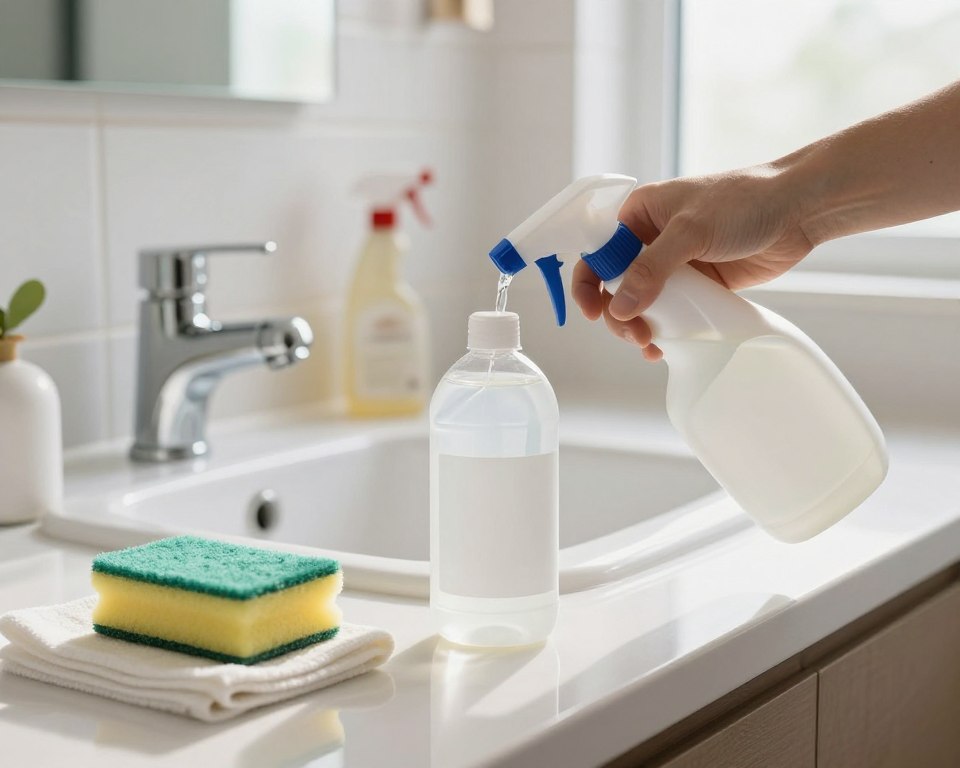
To clean these spots, mix equal parts white vinegar and water in a spray bottle. Spray it on the stains and let it sit for a few minutes. Then, wipe it off with a soft cloth for a shiny finish.
Refreshing Showerheads and Faucets
Mineral buildup in showerheads and faucets can slow down water flow. Using these white vinegar cleaning tips and tricks can fix this problem.
To deep clean, put white vinegar in a plastic bag and wrap it around the showerhead with a rubber band. Let it soak for at least an hour, or overnight for tough stains. After removing the bag, run water to clear out any remaining dirt. Your showerhead will be completely refreshed and clear.
How to Safely Use White Vinegar for Cleaning Laundry
Many homeowners are finding out how to safely use white vinegar for cleaning their laundry. Adding a small amount of distilled white vinegar to your wash cycle can give you professional results without harsh chemicals. Studies show that using 0.75% acetic acid in the wash can kill many common bacteria.
Softening Fabrics Naturally
Commercial fabric softeners can leave waxy residues on your clothes. Vinegar is a natural alternative that removes these deposits and detergent buildup. This makes your towels and linens softer and more absorbent after each wash.
To use vinegar, add half a cup to your fabric softener compartment. Your clothes will feel cleaner and won’t have the strong scent of traditional products. It’s a gentle way to keep your favorite clothes soft and fresh.
Neutralizing Odors in Athletic Wear
Athletic wear traps sweat and bacteria, causing bad smells. These odors can stay even after washing. Vinegar is great at breaking down these organic compounds.
Learning how to safely use white vinegar for cleaning your gym clothes can make them last longer. Here are some tips for the best results:
- Pre-soak heavily soiled athletic wear in a mixture of water and one cup of vinegar for thirty minutes.
- Add half a cup of vinegar directly to the rinse cycle to ensure all lingering odors are neutralized.
- Avoid using too much detergent, as this can trap odors inside the fabric fibers.
- Always air dry your synthetic performance fabrics to prevent heat from locking in any remaining smells.
Common Mistakes When Mixing Vinegar with Other Chemicals
Many people think mixing household cleaners makes them work better. But this can be very dangerous. We strongly advise against mixing your cleaning supplies. Safety in the home means knowing some chemicals don’t go together.
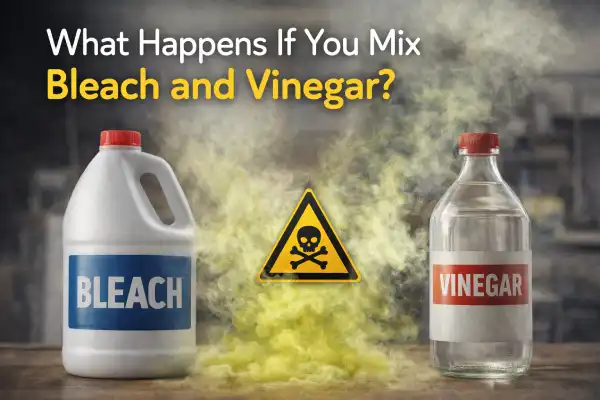
The Dangers of Mixing Vinegar and Bleach
One key rule is to never mix vinegar with bleach. When you do, it creates a harmful gas. This gas can hurt your breathing and eyes.
If you mix them by mistake, get out of the room fast. These fumes are very dangerous. Always use these cleaners separately and make sure the area has good air flow.
Why Combining Vinegar and Hydrogen Peroxide Is Risky
Mixing vinegar with hydrogen peroxide is another mistake. Both are good cleaners, but together they make peracetic acid. This acid can hurt your skin, eyes, and breathing.
It’s safer to use them one at a time. This way, you keep each cleaner effective without making something harmful. Always put your safety first by following the instructions and avoiding risky cleaning tricks.
| Chemical Combination | Resulting Hazard | Safety Recommendation |
|---|---|---|
| Vinegar + Bleach | Chlorine Gas | Never mix; highly toxic |
| Vinegar + Hydrogen Peroxide | Peracetic Acid | Avoid; causes irritation |
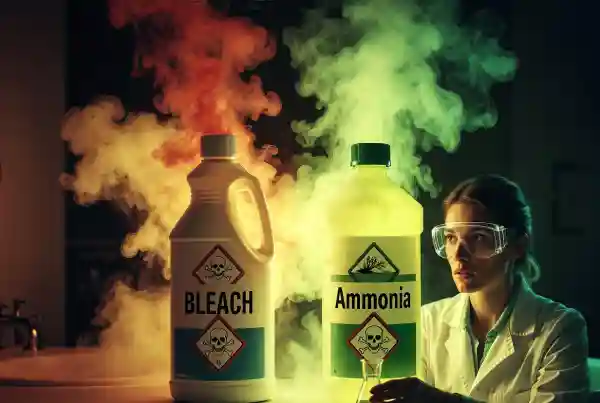
| Vinegar + Ammonia | Chloramine Vapors | Never mix; respiratory risk |
Storage and Handling Best Practices for Vinegar Solutions
When you make a white vinegar cleaning solution, how you store it is key. Storing it right keeps it effective and safe for your home. Just a few simple steps can keep your supplies ready when you need them.
Proper Labeling and Container Selection
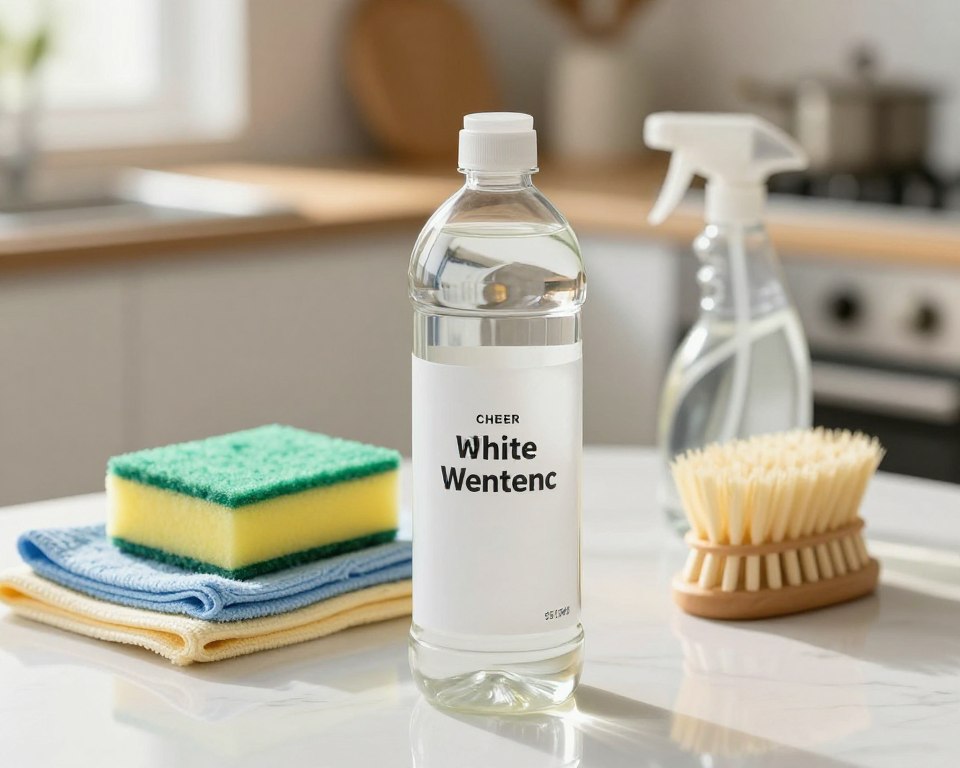
Use strong, closed containers for your mixtures. Glass or high-density plastic bottles are best. Make sure they are clearly labeled to avoid accidents. Never use food or drink containers for cleaning solutions, as it’s dangerous for kids and pets.
“Safety in the home begins with clear communication and proper organization of all chemical agents, no matter how mild they may seem.”
Shelf Life and Potency Considerations
Vinegar lasts a long time, but a white vinegar cleaning solution can weaken over time. Make only what you’ll use in a few weeks for best results. If it smells or looks different, throw it away and make a new batch.
Check your supplies often to use effective products. Keeping your cleaning area tidy means your white vinegar cleaning solution will always be ready to help.
Impact of Vinegar on Indoor Air Quality
White vinegar is great for cleaning, but it can make your air smell. We know that even eco-friendly cleaners need to be used carefully. The right choice helps keep your home air healthy.
Managing Volatile Organic Compounds
Many cleaning products release bad stuff into the air. But, white vinegar is safer because it doesn’t do this as much. Switching to vinegar can help keep your air cleaner.
Ventilation Requirements During Heavy Cleaning
Vinegar’s smell can be too much when you’re cleaning a lot. Make sure to open windows or use fans. This keeps the air fresh and stops vinegar fumes from building up.
Good air flow is important for cleaning. It makes your cleaning work better and keeps your home smelling nice.
When to Choose Commercial Cleaners Over Vinegar
It’s important to know when natural cleaners like vinegar aren’t enough. Vinegar works well for everyday cleaning, but sometimes we need something stronger. Choosing the right cleaner is key to keeping our homes clean and safe.
Handling Heavy-Duty Grease and Biohazards
Vinegar is great for light cleaning, but it can’t handle tough grease. Commercial degreasers are better at removing stubborn grease. They use special ingredients that vinegar can’t match.
When dealing with biohazards like blood or mold, vinegar isn’t enough. These dangers need professional cleaners that can safely remove them. Vinegar can’t ensure complete safety in these cases.
Situations Requiring EPA-Registered Disinfectants
For complete pathogen removal, EPA-registered disinfectants are the best choice. They are tested to kill viruses and bacteria that vinegar can’t. This is important for keeping areas safe after illness or in busy places.
Here are some times when you should use commercial cleaners:
- Sanitizing surfaces after someone has been sick.
- Deep cleaning areas with biohazards, like bathrooms after sewage spills.
- Removing thick, hard grease from big appliances.
- Cleaning in medical or high-risk areas where sterilization is key.
Choosing the right cleaner is important for a safe home. Vinegar is great for daily cleaning, but for tough jobs, we need professional cleaners. They offer the essential protection we need.
Conclusion
White vinegar is a strong ally for those who want to clean their homes in a green way. It’s important to use it carefully to keep everyone safe. This way, we can all live in a cleaner, healthier space.
It’s key to know how much vinegar to use to protect your home. We recommend using a diluted vinegar spray for everyday cleaning. For tougher jobs, it’s best to use special products.
By choosing to clean wisely, you improve the air in your home and save money in the long run. We encourage you to share your cleaning tips or ask about any challenges you face.
This guide is meant to help you make smart choices about cleaning. By following these tips, you can keep your home looking great while taking care of your most important surfaces.
FAQ
Is white vinegar safe for cleaning all types of household surfaces?
White vinegar is versatile but not for all surfaces. It’s safe for non-porous ones like glass and some laminates. But, it’s not good for natural stone or hardwood floors. The acid can damage the stone and strip the wood finish. Always test a small area first to keep your surfaces safe.
What is the difference between a culinary product and a dedicated white vinegar cleaning solution?
Culinary vinegar, like Heinz Distilled White Vinegar, has about 5% acetic acid. Cleaning vinegar can have up to 75% acidity. The higher acidity makes cleaning vinegar more potent and needs careful use.
What are the main benefits of using white vinegar for cleaning compared to commercial products?
White vinegar is cheap and eco-friendly. It’s better than many commercial cleaners because it’s simple and biodegradable. It’s great for homes wanting to cut down on chemicals while cleaning well.
Can you explain the white vinegar disinfectant properties and their limitations?
White vinegar is a weak acid that can kill some bacteria. But, it’s not as strong as hospital cleaners. For example, a mix of 10% acetic acid and 1.5% citric acid is needed for a strong disinfectant. Household vinegar can’t kill tough bacteria like MRSA.
How can we create effective homemade cleaning solutions with white vinegar?
Mix equal parts water and white vinegar for a good all-purpose spray. This works well for windows, mirrors, and countertops. For tougher bathroom stains, use undiluted vinegar. Always label your homemade cleaners to avoid accidents.
What are some essential white vinegar cleaning hacks for the kitchen?
Use vinegar to descale appliances like Keurig coffee makers or kettles. A vinegar solution can remove calcium buildup and improve efficiency. Also, heat a vinegar and water mix in the microwave to loosen food stains and remove odors quickly.
How to safely use white vinegar for cleaning laundry and athletic wear?
Add half a cup of vinegar to your wash to remove odors from synthetic fabrics. It breaks down bacteria and makes clothes softer. This is a natural way to soften clothes without using fabric softener.
Are there any dangerous chemical combinations we should avoid?
Yes, never mix vinegar with bleach. It creates toxic chlorine gas. Also, avoid mixing vinegar with hydrogen peroxide as it can irritate skin, eyes, and lungs. Always use these cleaners separately and rinse well.
What white vinegar cleaning tips and tricks help improve indoor air quality?
Vinegar can release VOCs, so ensure good ventilation. Open windows or use fans during cleaning. This helps reduce the smell and prevents irritation, which is important for people with sensitivities or asthma.
When should we choose an EPA-registered commercial cleaner over vinegar?
Use commercial cleaners like Lysol or Clorox for tough grease, biohazards, or guaranteed disinfection. Vinegar is great for daily cleaning but not strong enough for high-risk areas.