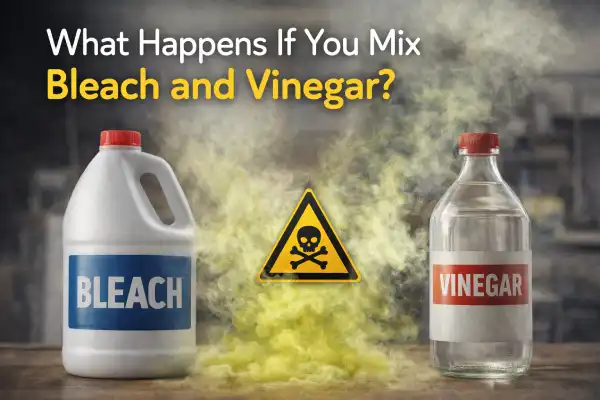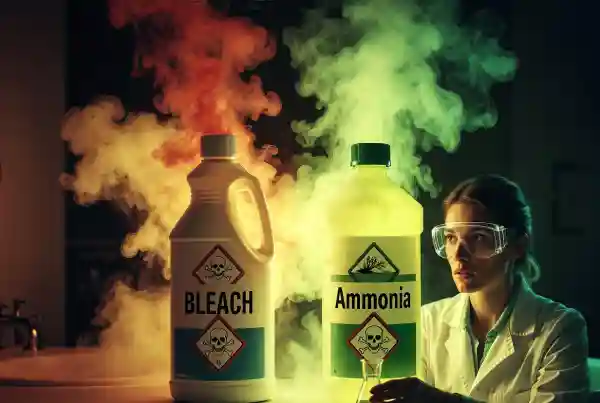
We all want our homes to be safe and clean for our families. We often use quick cleaning supplies to sanitize surfaces. But have you wondered if these items are safe for you?
It’s a good question to ask if Disinfectant Wipes Toxic labels are something to worry about. As pharmacists, we see people using these wipes on their skin. Remember, these chemicals are meant for surfaces, not for use on or in the human body.
Understanding your household cleaners is key to feeling safe. We’re here to guide you through the world of cleaning products. We want to help you keep your home healthy without risking your health.
Key Takeaways
- Cleaning products are designed for inanimate surfaces, not human skin.
- Always read the manufacturer’s label for proper usage instructions.
- Chemical exposure can be minimized by ensuring proper ventilation while cleaning.
- Store all cleaning supplies out of reach of children and pets.
- Consult a medical professional if you experience irritation after contact with cleaning agents.
Understanding the Chemistry Behind Disinfectant Wipes
Every time we use a cleaning cloth, we’re relying on a special formula. This formula is designed to kill germs. Yet, we rarely think about the science behind these products. Knowing what’s in them helps us figure out if they’re safe for our homes.
Common Active Ingredients in Household Wipes
Household wipes mix water with different chemicals. These include cleaners, moisturizers, and preservatives to stop bacteria and mold. The makers of these wipes carefully mix everything to keep them working well from start to finish.
How Quaternary Ammonium Compounds Function
Many disinfectants use Quaternary Ammonium Compounds, or “quats.” These chemicals break down the walls of germs, killing them on contact. Some people worry if these compounds are safe for those who are more sensitive.
The Role of Solvents and Surfactants
Wipes also have solvents and surfactants for cleaning. Solvents break down dirt and grime. Surfactants make the liquid spread out, so it can reach all germs. Together, they make sure your surfaces are clean and germ-free.
Are Disinfectant Wipes Toxic to Human Health
Understanding if disinfectant wipes toxic is key. We need to see how our bodies react to these common cleaners. They are convenient, but we must think about the chemicals we touch or breathe in while cleaning.
The FDA checks wipes for health uses, like skin treatments, as drugs. They test these products a lot. But, regular cleaning wipes get less scrutiny. So, we should watch what’s in them.
Acute Exposure Risks and Skin Irritation
Right away, cleaning chemicals can irritate our skin. Many get contact dermatitis, feeling itchy or burning after touching wipes without gloves.
These wipes have chemicals that remove dirt but also take away our skin’s natural oils. If your skin stays dry or gets rashes, it might be a sign of a problem with the disinfectant wipes toxic effects.
Respiratory Sensitivities and Inhalation Concerns
Using wipes in small spaces can make us breathe in harmful fumes. People with asthma or chemical sensitivities might have trouble breathing or cough a lot.
Always clean in areas with good air flow to avoid breathing in too much. Protecting your lungs is as important as keeping things clean.
Long-term Exposure and Possible Endocrine Disruption
Some worry about the long-term effects of using these wipes often. Some cleaners might mess with our hormones over time.
Even though we need more studies, using these products less can be a good idea. Choosing safer options can help keep your home safer from disinfectant wipes toxic risks.
Identifying Harmful Chemicals in Disinfectant Wipes
Knowing what’s in your cleaning products is key to a safer home. These products aim to kill germs but often have harmful chemicals in disinfectant wipes that can harm your air quality. Always check the fine print on every package.
Recognizing Volatile Organic Compounds
Cleaning products often release Volatile Organic Compounds, or VOCs, into the air. These chemicals evaporate quickly and can make indoor air worse. Prolonged inhalation of these vapors can cause headaches or breathing problems for some.
The Dangers of Fragrance Additives
Fragrance ingredients are a big worry because they’re often hidden under “fragrance.” This term can mean dozens of chemicals, some of which are allergens or irritants. Opting for fragrance-free wipes can greatly reduce your exposure to these harmful chemicals in disinfectant wipes.
Why Preservatives Like Methylisothiazolinone Matter
Preservatives keep wipes from growing bacteria, but some are worse than others. Methylisothiazolinone is a strong preservative linked to skin problems. If you get redness or itchiness after cleaning, this might be why.
| Chemical Category | Common Examples | Primary Concern |
|---|---|---|
| VOCs | Ethanol, Glycol Ethers | Air quality impact |
| Fragrances | Limonene, Phthalates | Allergic reactions |
| Preservatives | Methylisothiazolinone | Skin irritation |
Keep an eye on these labels to keep your cleaning safe. By being aware of harmful chemicals in disinfectant wipes, you can make better choices for your home.
Evaluating the Health Risks of Disinfectant Wipes in the Home
When we clean our homes, we must think about the chemicals left behind. These chemicals can be harmful to our family members. It’s important to know these risks to keep our homes safe.
Risks to Infants and Small Children
Infants and toddlers are very sensitive because they touch and taste everything. They often crawl on floors or touch surfaces before putting their hands in their mouths. This means they might eat chemicals from cleaning products.
It’s also important to remember that everyone reacts differently to chemicals. We’ve seen cases where parents got skin reactions from certain wipes, but their kids didn’t. This shows we need to watch out, as what’s safe for one person might not be for another.
Impact on Household Pets
Pets also face risks from cleaning products, often more so because they touch surfaces and then lick their paws. If these surfaces have chemicals from wipes, pets might eat these substances.
Some pets might also get skin problems from touching these surfaces. If your pet is scratching a lot after cleaning, it might be because of the wipes. Always make sure floors are dry before letting pets in a cleaned room.
Cross-Contamination and Surface Residue Issues
Many of us use the same wipe for different surfaces, which can spread bacteria and chemicals. This can lead to harmful chemicals being transferred to places where we eat, like kitchen counters. Even if a wipe is labeled safe, the buildup of residue can be a problem.
To avoid these issues, rinse surfaces that will come into contact with food after using a disinfectant. This step helps prevent unwanted substances in your meals. Below is a table showing the main risks for different household members.
| Household Member | Primary Exposure Route | Risk Level |
|---|---|---|
| Infants | Hand-to-mouth contact | High |
| Small Children | Floor and surface play | Moderate |
| Household Pets | Paw grooming and ingestion | High |
| Adults | Dermal contact | Low |
Regulatory Standards and Safety Labels
Knowing the rules behind your cleaning supplies is key to a safer home. In the U.S., the Environmental Protection Agency (EPA) watches over products that kill germs on surfaces. They make sure these products are safe and work well, helping you avoid harmful chemicals disinfectant wipes at home.
Decoding EPA Registration Numbers
Every EPA-registered product has a unique number on its label. This number is like a digital fingerprint that shows the product has been tested to kill germs. You can check these numbers online to see if the product really works.
Looking up this number lets you see the “master label.” This label tells you how to use the product safely. It’s better than trusting ads that might hide the truth about harmful chemicals disinfectant wipes.
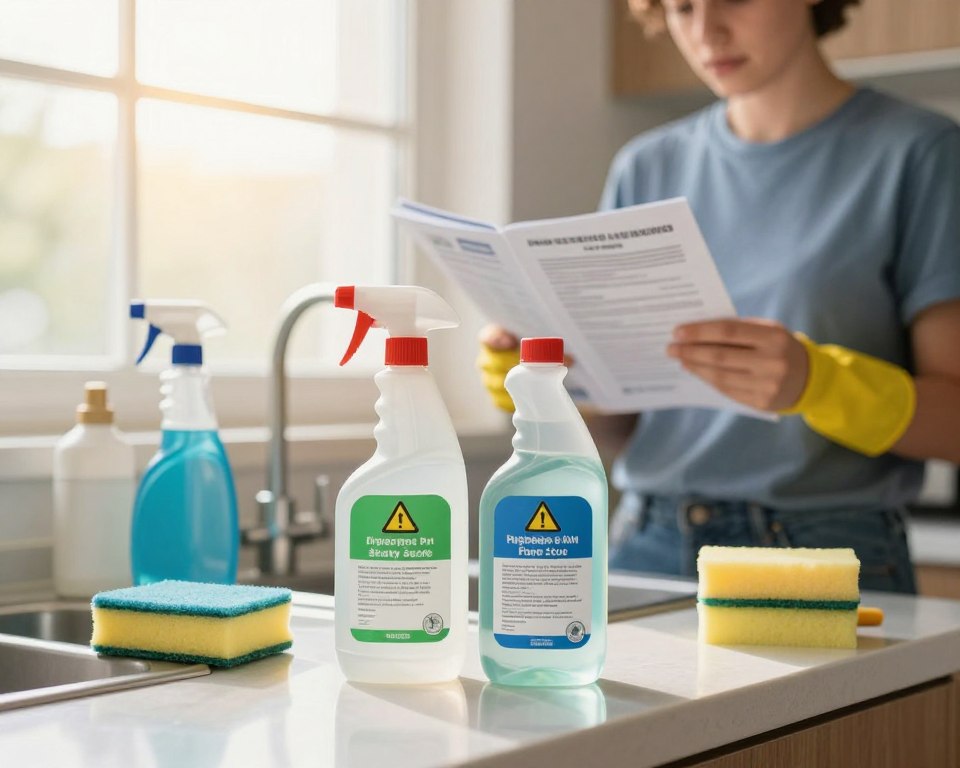
Understanding Signal Words Like Caution and Warning
Companies must put special labels on their products to warn you. These labels are based on how toxic the product is. Knowing what these labels mean helps keep your home safe.
| Signal Word | Meaning | Risk Level |
|---|---|---|
| Caution | Low to moderate toxicity | Minor irritation possible |
| Warning | Moderate toxicity | Potential for significant harm |
| Danger | High toxicity or corrosive | Severe damage to skin or eyes |
The Limitations of Current Safety Testing
EPA registration is a good start, but it’s not perfect. Tests usually check how well products kill bacteria in a lab, not how they affect people over time. So, even safe-looking products might have harmful chemicals disinfectant wipes that need care.
Tests also assume perfect conditions, like the right amount of air and time. But homes are never perfect. We suggest being careful and using proactive safety habits to stay safe.
Safe Handling Practices for Daily Use
Handling dangers of disinfectant wipes wisely starts at home. These wipes kill germs well but have chemicals that need careful use. Simple steps can keep your home clean and safe from chemical risks.
Proper Ventilation Techniques During Cleaning
Cleaning wipes can release harmful gases that affect your breathing. Always open windows or use exhaust fans during deep cleaning. Fresh air circulation helps keep your air clean and safe.
When to Use Protective Gloves
Wearing gloves is key to protect your skin from harsh chemicals. Gloves, like nitrile or rubber, prevent dryness and irritation. This simple action greatly reduces dangers of disinfectant wipes risks.
Avoiding Surface Residue on Food-Contact Areas
Wipes should only touch unbroken skin, not food. Always check labels before using wipes on food surfaces. Many products need a thorough water rinse after drying to remove residue.
| Action | Safety Benefit | Frequency |
|---|---|---|
| Ventilate Room | Reduces inhalation risk | Every use |
| Wear Gloves | Prevents skin irritation | Extended cleaning |
| Rinse Surfaces | Eliminates food contamination | Food-contact areas |
| Follow Labels | Ensures proper chemical use | Always |
By following these safe practices, you can lower chemical exposure risks. Always read the labels to understand the dangers of disinfectant wipes in your home.
Natural and Eco-Friendly Alternatives
If you worry about the dangers of disinfectant wipes, you might be surprised. Simple household items can clean well. Many think only harsh chemicals can deep clean, but that’s not true.
Finding the right products is hard because the FDA doesn’t control terms like “scented” or “unscented.” This means we have to guess what’s in our cleaning products.
The Efficacy of Vinegar and Hydrogen Peroxide Solutions
White vinegar and hydrogen peroxide are great for a safe alternative disinfectant wipes option. Vinegar is a mild acid that cuts through grime and mineral deposits. It keeps your home clean without harming your lungs.
Hydrogen peroxide works by breaking down organic matter. It’s perfect for areas that get a lot of touch. Always keep these solutions in dark bottles to keep them strong.
Plant-Based Disinfecting Agents
Now, many products use natural disinfectant wipes made from plants. These wipes smell nice without the harm of synthetic fragrances. They’re better for your home because they’re made from plants.
These agents are good for homes with pets or kids. They might take a bit longer to work, but they’re better for your air. It’s a small trade-off for cleaner air.
Benefits of Reusable Microfiber Cloths
Using microfiber cloths is a smart move for cleaning. They pick up dirt and bacteria without chemicals. These cloths are great for daily cleaning.
Switching to reusable cloths also cuts down on plastic waste. Just wash them in hot water to keep them clean for the next time.
| Feature | Traditional Wipes | Natural Alternatives |
|---|---|---|
| Chemical Load | High (Synthetic) | Low (Plant-based) |
| Environmental Impact | High (Plastic waste) | Low (Reusable/Biodegradable) |
| Respiratory Safety | Potential Irritant | Generally Safe |
| Cleaning Method | Chemical-based | Mechanical/Natural |
How to Choose the Best Disinfectant Wipes for Your Health
When we buy cleaning supplies, we need to look beyond the marketing. We must understand what’s really in the package. Even though products are safe when used as directed, safety can mean different things to different brands. By being proactive, we can avoid the dangers of disinfectant wipes and keep our homes clean.
Reading Ingredient Lists Beyond the Marketing Claims
Many people think a product on the shelf is safe for everyone. But, it’s important to check the fine print. Transparency is key when looking for the best disinfectant wipes for health.
Look for clear lists of active and inactive ingredients. Avoid vague terms like “proprietary blend.” If a label is unclear, it’s best to choose another product. Being an informed consumer helps protect against chemical sensitivities.
“The dose makes the poison; in our homes, we should minimize chemical exposure whenever possible.”
Prioritizing Products with Safer Choice Certification
Look for the EPA’s Safer Choice label to find safer products. This label means the product has been checked by experts. It meets strict health and environmental standards.
Choosing products with this label makes shopping easier. It means you don’t have to worry about harmful ingredients. Choosing certified products is a simple way to protect your home.
Avoiding Harsh Synthetic Fragrances
Fragrance additives often cause respiratory problems and allergic reactions. Companies use synthetic scents to hide the smell of disinfectants. This can lead to asthma or skin issues. Opt for fragrance-free versions to avoid these risks.
- Check labels for “fragrance-free” or “unscented” designations.
- Avoid products that list “parfum” or “fragrance” as an ingredient.
- Prioritize natural essential oils if you prefer a scent, provided they are safe for your specific household members.
By avoiding harsh additives, you lower the dangers of disinfectant wipes in your daily life. Choosing the best disinfectant wipes for health means picking simplicity and transparency over artificial scents.
The Environmental Impact of Disinfectant Wipes
Disposable wipes are convenient but have a big environmental cost. They contribute to pollution in our homes and planet. It’s important to think about how our daily actions affect the environment.
Plastic Waste and Microfiber Pollution
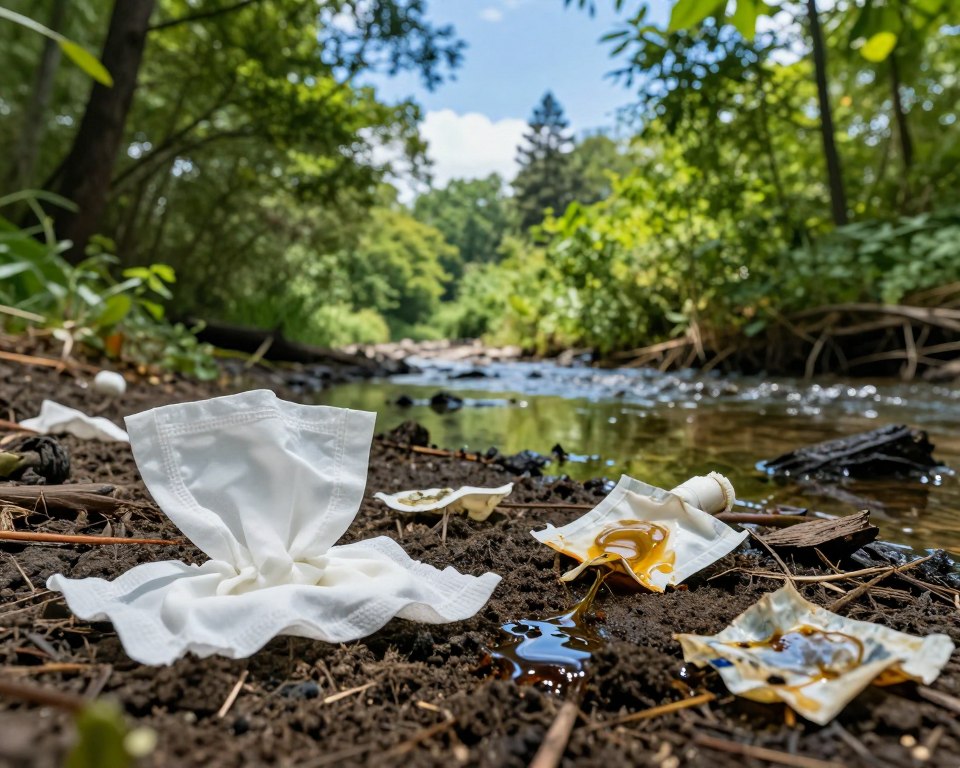
Most cleaning wipes are made of plastics like polyester or polypropylene. These plastics don’t break down in landfills, causing long-term waste. As they degrade, they release microfibers into our water, harming fish and other sea creatures.
The presence of toxic ingredients in disinfectant wipes makes recycling hard. These wipes are usually not recyclable because of the chemicals they contain. This means we often end up throwing them away, adding to our waste problem.
Biodegradability Myths in Cleaning Products
Many people think all cleaning wipes are biodegradable, but this isn’t always true. Even wipes labeled as “flushable” or “natural” might not break down easily. True biodegradability requires special conditions that are rare in landfills.
Environmental factors also play a role in how well products work. Chemicals that prevent bacteria and mold can fail in extreme temperatures. When these chemicals break down, they can pollute our soil and water, harming the environment.
Sustainable Disposal Methods
To lessen our environmental impact, we should choose eco-friendly disinfectant wipes made from compostable materials. It’s important to dispose of them properly to avoid harming our ecosystems. We should not flush them down the toilet, as they can damage sewage systems.
The table below shows the environmental differences between various cleaning methods:
| Cleaning Method | Material Composition | Environmental Impact | Disposal Recommendation |
|---|---|---|---|
| Standard Synthetic Wipes | Polyester/Plastic | High (Microplastic pollution) | Trash only |
| Compostable Wipes | Plant-based fibers | Low (Biodegradable) | Industrial compost |
| Reusable Microfiber | Synthetic/Recycled | Minimal (Long-term use) | Wash and reuse |
Managing Accidental Exposure and Poison Control
Accidents with household cleaning supplies can happen fast, even in busy homes. When dealing with toxic ingredients in disinfectant wipes, staying calm and acting fast is key. We think being prepared is the best way to handle these situations safely.
Immediate First Aid for Skin and Eye Contact
If a wipe touches sensitive areas like the eyes or broken skin, act quickly. Start by flushing the area with cool, clean water for at least fifteen minutes. Do not use harsh soaps or scrubbing motions, as these can further damage the skin barrier.
If a child accidentally chews on a wipe, remove it from their mouth right away. Use a soft, wet cloth to gently wipe out their mouth and check for any small pieces that might have been swallowed. If you notice any redness, swelling, or persistent discomfort, seek medical attention promptly.
“The dose makes the poison; even common household items require respect and careful handling to ensure they remain safe for everyone in the home.”
When to Contact Poison Control Centers
If you’re unsure about the severity of an exposure, don’t hesitate to call professionals. In the United States, the Poison Control Center is available 24/7. You can reach them by calling 1-800-222-1222 or using their online tool for quick assessments.
Keep the product packaging nearby when you call, as the experts will need to know the specific ingredients listed. This information helps them determine if the toxic ingredients in disinfectant wipes pose a significant risk based on the amount ingested or the duration of contact.
Recognizing Symptoms of Chemical Overexposure
Knowing the early signs of chemical sensitivity can help you act fast. Symptoms often vary, but common ones include respiratory distress, skin rashes, or sudden nausea. The following table outlines common reactions to watch for after accidental contact.
| Exposure Type | Common Symptoms | Recommended Action |
|---|---|---|
| Skin Contact | Redness, itching, burning | Wash with mild soap and water |
| Eye Contact | Watering, stinging, blurred vision | Flush with water for 15 minutes |
| Inhalation | Coughing, wheezing, dizziness | Move to fresh air immediately |
| Ingestion | Nausea, vomiting, throat pain | Call Poison Control immediately |
Always watch the affected person closely for several hours after the incident. If symptoms worsen or do not improve, contact your local emergency services or visit an urgent care facility. Your quick response is the most important factor in preventing long-term health complications from accidental exposure.
Debunking Common Myths About Disinfectant Wipes
Many of us use disinfectant wipes for daily cleaning. But, we often misuse them because of common myths. Knowing the truth about these products helps us avoid harmful chemicals and keep our homes clean.
The Myth of Sterile Surfaces
Some think using wipes makes surfaces perfectly clean. But, our homes are full of life, and it’s not possible to kill every germ.
Trying to make surfaces sterile can lead to using too much harsh chemicals. True cleanliness means keeping germs at a safe level, not getting rid of them all.
Misconceptions About Contact Time Requirements
People often wipe surfaces dry too soon. Labels usually say the surface must stay wet for a certain time to kill germs.
Wiping away the solution too fast can leave germs behind. Always check the label to see if the surface needs to stay wet for three to ten minutes. This helps avoid wasting toxic ingredients in disinfectant wipes.
Why More Product Does Not Mean More Clean
Many think using more wipes or solution makes things cleaner. But, using too much just leaves more chemical residue on surfaces.
Too much residue can be dangerous, even more so in homes with kids or pets. Quality cleaning means following the instructions carefully, not using too much chemical.
Balancing Hygiene and Chemical Exposure
We often overlook the health risks disinfectant wipes can cause when used too much. Keeping our homes clean is important, but using harsh chemicals for every little spill is not the best idea. Finding a balance keeps our homes safe without too much chemical buildup.
Targeted Cleaning Versus Over-Sanitizing
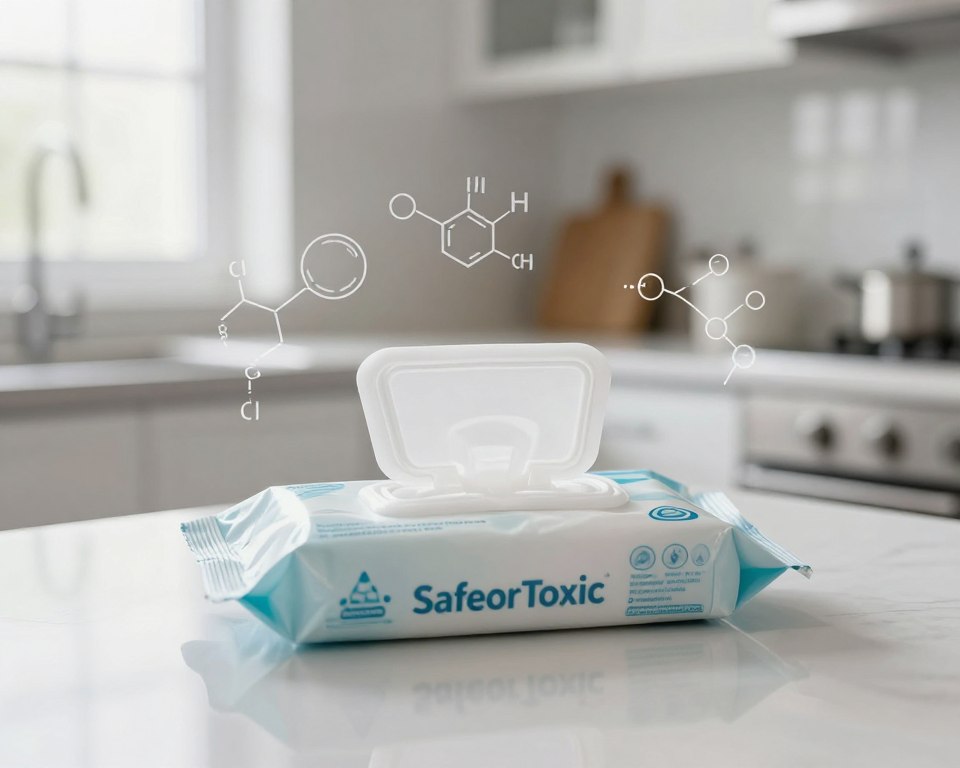
It’s a common mistake to think every surface needs heavy disinfection. Over-sanitizing can expose us to harmful chemicals and damage our belongings. For example, many wipes can permanently degrade the plastic of sensitive medical devices.
Always check the manufacturer’s guidelines before using any chemical product on special equipment. By focusing on targeted cleaning, we use strong agents only where needed. This reduces the health risks disinfectant wipes pose to our homes.
The Importance of Mechanical Cleaning
Before using a wipe, think about using simple mechanical cleaning. A cloth with warm water and mild soap can remove most dirt and germs from non-porous surfaces. This method physically removes contaminants, not just spreads them.
Mechanical cleaning is highly effective and safe from chemical risks. We suggest making it your go-to for daily cleaning. Use chemical disinfectants only when needed, like after handling raw meat or during illness.
Creating a Balanced Home Hygiene Routine
Creating a safer routine starts with good ventilation and choosing the right products. Open windows while cleaning to let fumes escape. Also, keep a log of which surfaces are safe for your cleaners to avoid damage.
Remember, a clean home doesn’t have to be sterile. By adding mechanical cleaning to your daily routine, you reduce the health risks disinfectant wipes can cause. This balanced approach protects your home and family’s health.
Non-Toxic Disinfectant Wipes for Sensitive Households
For families with allergies or asthma, choosing cleaning supplies is critical. It’s not just about what you like. It’s about keeping your home clean without harming your health.
Criteria for Selecting Hypoallergenic Options
When looking for safe alternative disinfectant wipes, check for third-party certifications. Look for the EPA’s “Safer Choice” or “Design for the Environment” labels. These show the product is safe for humans and the environment.
Choose fragrance-free wipes to avoid respiratory problems. Always check the ingredient list before buying. If a product doesn’t list its ingredients, it’s best to avoid it.
Ingredients to Avoid for Asthma and Allergy Sufferers
Some chemicals can trigger reactions in sensitive people. Be careful of products with methylisothiazolinone, a common preservative. Also, avoid products with high volatile organic compounds (VOCs) as they can irritate asthma.
The table below shows what to avoid in standard wipes and what to choose in non-toxic alternatives:
| Ingredient Category | Standard Wipes (Avoid) | Non-Toxic Alternatives (Preferred) |
|---|---|---|
| Preservatives | Methylisothiazolinone | Citric Acid or Essential Oils |
| Fragrance | Synthetic Phthalates | Fragrance-Free / Natural Extracts |
| Solvents | Ammonia or Bleach | Hydrogen Peroxide or Vinegar |
Testing New Products on Small Surface Areas
Even with non-toxic disinfectant wipes, reactions can differ. Always test a small area first. This checks for residue or immediate reactions.
If you have sensitive skin, wear gloves while cleaning. Testing products first ensures a safe cleaning routine for your home.
Conclusion
Disinfectant wipes are handy for fighting household germs. But, we must know the risks they pose to our families.
Your choices affect the air quality and chemical levels in your home. Look for safer ingredients on labels from brands like Clorox or Lysol. The EPA Safer Choice label is a good sign, showing fewer harsh chemicals.
If you have bad reactions, tell the FDA. Your stories help them watch out for dangers from disinfectant wipes. This way, makers stay on their toes about safety.
Changing how you clean can really help. Use microfiber cloths and water for light cleaning. Being smart and careful keeps your home safe and clean.
FAQ
Common Active Ingredients in Household Wipes
Wipes from Clorox and Lysol have a mix of chemicals. They have water, cleaners, and strong germ killers. Knowing what’s in them helps us understand their safety.
How Quaternary Ammonium Compounds Function
Quats are key in most wipes. They kill germs by breaking down their cell walls. You’ll see Alkyl dimethyl benzyl ammonium chloride on labels.
The Role of Solvents and Surfactants
Wipes also have solvents and surfactants. These help the wipe spread and cut through grease. But they can also get on our skin and in the air.
Acute Exposure Risks and Skin Irritation
Direct skin contact can lead to irritation. Without gloves, chemicals can strip our skin’s oils. The FDA regulates some wipes, but not all.
Respiratory Sensitivities and Inhalation Concerns
Using wipes in small spaces can irritate our lungs. This is a big worry for people with asthma or breathing problems.
Long-term Exposure and Possible Endocrine Disruption
Long-term use of some disinfectants might affect our hormones. We’re careful about chemicals that don’t break down quickly.
Recognizing Volatile Organic Compounds
VOCs are gases from some chemicals in wipes. Keeping areas well-ventilated helps avoid air quality issues.
The Dangers of Fragrance Additives
“Fragrance” can hide many chemicals, including phthalates. These can cause problems for those with sensitivities.
Why Preservatives Like Methylisothiazolinone Matter
Preservatives like Methylisothiazolinone prevent mold. But they can also cause severe skin reactions.
Risks to Infants and Small Children
Children are more likely to touch and eat treated surfaces. It’s important to manage chemical residue for their safety.
Impact on Household Pets
Pets can absorb chemicals through their paws or mouth. Make sure surfaces are dry before letting pets back in.
Cross-Contamination and Surface Residue Issues
Using one wipe for many surfaces can spread germs. Chemical residue can also trap dirt and pose health risks.
Decoding EPA Registration Numbers
Wipes are regulated by the Environmental Protection Agency (EPA). Look for the EPA Registration Number on the package.
Understanding Signal Words Like Caution and Warning
The EPA uses “Signal Words” to show toxicity. “Caution” is the lowest risk, while “Warning” or “Danger” are higher.
The Limitations of Current Safety Testing
Many tests focus on single chemicals, not mixtures. We take a cautious approach to limit exposure.
Proper Ventilation Techniques During Cleaning
Open windows or use exhaust fans during deep cleaning. This reduces inhaled chemicals.
When to Use Protective Gloves
Wear nitrile or latex gloves for sensitive skin or long cleaning. They protect against harsh chemicals.
Avoiding Surface Residue on Food-Contact Areas
Rinse food-contact surfaces with water after disinfecting. This prevents chemical ingestion.
The Efficacy of Vinegar and Hydrogen Peroxide Solutions
Hydrogen Peroxide is a safe choice. It breaks down into water and oxygen, making it effective and natural.
Plant-Based Disinfecting Agents
Brands like Seventh Generation use Thymol from thyme oil. These wipes kill germs without harsh chemicals.
Benefits of Reusable Microfiber Cloths
Using a microfiber cloth and soap can remove pathogens. This reduces our need for chemical disinfectants.
Reading Ingredient Lists Beyond the Marketing Claims
Look beyond the front of the bottle. Check the “Active Ingredients” and “Other Ingredients” sections for safety.
Prioritizing Products with Safer Choice Certification
Choose products with the EPA Safer Choice label. They are safer for humans and the environment.
Avoiding Harsh Synthetic Fragrances
Opt for “Free & Clear” or “Unscented” products. This avoids respiratory and skin irritation from fragrances.
Plastic Waste and Microfiber Pollution
Most wipes are made of plastic. They contribute to microplastic pollution in oceans and landfills.
Biodegradability Myths in Cleaning Products
Be skeptical of “biodegradable” claims. Many wipes don’t break down at home and stay in the environment for decades.
Sustainable Disposal Methods
Don’t flush wipes, even if labeled “flushable.” They cause clogs in sewer systems. Choose non-toxic disinfectant wipes that are compostable.
Immediate First Aid for Skin and Eye Contact
Rinse eyes with water for 15-20 minutes for eye irritation. Wash skin with soap and water for skin reactions.
When to Contact Poison Control Centers
If a child or pet chews on a wipe, call the Poison Control Center (1-800-222-1222) right away. They can guide based on the product’s EPA registration.
Recognizing Symptoms of Chemical Overexposure
Watch for signs like coughing, shortness of breath, or skin rashes. These are signs of chemical overexposure.
The Myth of Sterile Surfaces
Our homes don’t need to be sterile. They just need to be clean. Over-sanitizing can weaken our immune system and lead to antibiotic-resistant germs.
Misconceptions About Contact Time Requirements
Not following the label’s contact time means you’re not really disinfecting. This can lead to unnecessary chemical exposure.
Why More Product Does Not Mean More Clean
Using more wipes than needed increases health risks. Efficiency is key for both hygiene and safety.
Targeted Cleaning Versus Over-Sanitizing
Focus disinfection on high-touch areas. Use simple soap and water for less critical areas.
The Importance of Mechanical Cleaning
Scrubbing with soap and water removes bacteria’s protective layer. This is often more important than chemical disinfectants for everyday cleaning.
Creating a Balanced Home Hygiene Routine
Integrate non-toxic disinfectant wipes into a routine that includes fresh air and soap-based cleaning. This creates a healthy home environment.
Criteria for Selecting Hypoallergenic Options
For sensitive households, look for wipes that are tested for skin safety. Avoid dyes and synthetic perfumes. Brands like Force of Nature offer safe options.
Ingredients to Avoid for Asthma and Allergy Sufferers
Avoid wipes with bleach or ammonia if someone in your home has asthma. These can trigger attacks.
Testing New Products on Small Surface Areas
Test new products on a small area before using them. This ensures they won’t damage your furniture or cause reactions.
Are disinfectant wipes toxic if I use them daily on my kitchen counters?
Most products are safe when used as directed. But, using them daily can lead to chemical buildup. Rinse food-contact surfaces with water to prevent ingestion of chemicals.
What are the primary dangers of disinfectant wipes for people with asthma?
The main dangers for asthma sufferers are VOCs and synthetic fragrances. These can irritate the airways. Choose fragrance-free wipes to minimize risks.
Can you recommend a safe alternative disinfectant wipes option for a home with pets?
For a safe option, consider wipes with Hydrogen Peroxide or Citric Acid. These are safer for pets because they break down into non-toxic substances.
How do I identify the best disinfectant wipes for health when shopping?
Look for the EPA Safer Choice label or choose wipes with plant-based ingredients like Thymol. Avoid products with “Warning” or “Danger” labels.
What should I do if a child or pet accidentally chews on a wipe?
If a child or pet chews on a wipe, remove it immediately. Rinse their mouth with a damp cloth. Call the Poison Control Center (1-800-222-1222) right away.
Why is "dwell time" important for the safety and efficacy of these products?
Following the label’s contact time ensures disinfection. Not following it means you’re not really killing germs, leading to unnecessary chemical exposure.