Did you know nearly 70% of homeowners keep isopropyl solution in their medicine cabinet? Yet, many don’t know its true strength. We often use it to clean surfaces, but knowing how to use it right is key to a healthy home.
This substance is a powerful disinfectant, but it must be handled with care. It can damage delicate materials. Learning how to use it correctly helps you fight germs without harming your home.
Precision matters when using these chemicals on furniture or electronics. We aim to guide you in balancing deep cleaning with protecting your belongings. Let’s see how to use this versatile item safely and effectively.
Key Takeaways
- Isopropyl solutions are highly effective at killing bacteria and viruses on hard surfaces.
- Always test a small, hidden area before applying the liquid to finished wood or plastic.
- Proper ventilation is necessary when using this product to avoid inhaling strong fumes.
- Never mix this chemical with bleach, as it can create toxic substances.
- Store the bottle in a cool, dark place away from open flames or heat sources.
Understanding the Chemical Properties of Isopropyl Alcohol
Isopropyl alcohol is a key part of cleaning kits. It’s a clear, colorless liquid that acts as a powerful chemical tool. By looking at its molecular behavior, we see how it works with surfaces and germs.
The Science Behind Disinfection
This substance works by denaturing proteins in bacteria and viruses. When it touches these pathogens, it gets inside their outer layers. This makes their proteins lose shape and function.
With their proteins messed up, these microorganisms can’t survive or grow. This rapid destruction of their cells makes it a top choice for cleaning. It basically stops germs from working right when it touches them.
Concentration Levels and Their Efficacy
You might see different percentages on bottles, like 70% or 90% isopropyl alcohol. But the 70% concentration is usually better for cleaning. This is because water is needed for the chemical reaction to happen.
Water helps the alcohol get into the bacteria’s cell wall slowly and well. Without enough water, the alcohol might make the outer proteins too hard, protecting the germ inside. So, dilution is key to make sure the solution kills germs, not just cover them up.
For most home cleaning, the 70% variety is best. It has the right mix of drying speed and germ-killing power. Using too much alcohol can make it dry too fast, giving it less time to kill germs.
Is Rubbing Alcohol Safe for Household Cleaning?
Whether is rubbing alcohol safe for household cleaning depends on how you use it. It’s a strong disinfectant but can harm some materials if not used right. We suggest a careful approach to keep your home clean and safe.
Assessing Possible Risks to Household Surfaces
The main worry with this chemical is it can damage finishes and coatings. Many modern surfaces, like varnished wood or plastics, might not take well to alcohol. Always test a small, hidden area first to avoid damage or discoloration.
When you wonder if is rubbing alcohol safe for household cleaning, think about your furniture and appliances. Alcohol can remove sealants on natural stone or dull acrylic surfaces. Using a diluted solution can help manage these risks while cleaning effectively.
Health Considerations for Daily Use
Our health is also important when cleaning daily. Rubbing alcohol evaporates fast, which can make fumes strong in closed rooms. Proper airflow is essential to avoid breathing in vapors that might make you dizzy or irritate your lungs.
Also, rubbing alcohol can dry out or irritate your skin because it removes natural oils. Wearing gloves can protect your skin during long cleaning sessions. With good ventilation and protective gear, you can figure out if is rubbing alcohol safe for household cleaning in your home.
Essential Safety Precautions Before You Begin
Learning how to safely clean with rubbing alcohol is key to a good home maintenance routine. This solvent is powerful but needs respect and careful use. By following simple rules, you can keep safe and clean your home well.
Protective Gear and Skin Sensitivity
Rubbing alcohol can dry out your skin, causing irritation or even dermatitis. It’s important to protect your body before cleaning.
Here are some must-do steps to safely clean with rubbing alcohol:
- Wear chemical-resistant gloves to avoid skin contact.
- Make sure your area is well-ventilated to avoid inhaling fumes.
- If your skin is sensitive, wear long sleeves to prevent splashes.
- Wash your hands with soap and water after cleaning.
Fire Hazards and Flammability Warnings
Isopropyl alcohol is highly flammable. It evaporates fast, creating vapors that can ignite easily near flames or sparks.
To stay safe, follow these fire safety tips:
- Don’t use rubbing alcohol near open flames, like candles or gas stoves.
- Keep the solution away from heat sources, such as space heaters or hot light bulbs.
- Store cleaning supplies in a cool, dry place, away from ignition points.
- Make sure surfaces are dry before using nearby electronics or appliances.
Effective Uses of Rubbing Alcohol for Cleaning
Using rubbing alcohol as a household cleaner makes many chores easier. It’s a strong tool for keeping your home clean and healthy. Knowing how it works helps us clean up messes fast and well.
Sanitizing High-Touch Surfaces
Items we touch a lot can carry germs. Use a light spray or a damp cloth to clean doorknobs, switches, and handles. This helps reduce bacteria on surfaces we touch most.
The solution dries fast, leaving no marks. Just put a little on your cloth and clean the area well. This simple step keeps your home clean for your family.
Removing Stubborn Adhesive Residue
Price tags and tape leave sticky messes. Rubbing alcohol breaks down the glue fast. Apply it to the residue and let it sit a bit before wiping it off.
It works great on glass, metal, and hard plastic. This is a key use of rubbing alcohol for cleaning in our toolkit.
Eliminating Ink and Marker Stains
Ink marks on surfaces can be hard to get rid of. But rubbing alcohol can lift them easily. Gently dab the area to avoid spreading the ink.
Test it on a hidden spot first to check the surface. If it’s safe, clean the stain until it’s gone. This method is great for desks, plastic bins, and some metals.
Surfaces That Benefit from Alcohol-Based Solutions
When we think about the best uses of rubbing alcohol for cleaning, certain surfaces really stand out. Alcohol dries fast, leaving no residue behind. This is why it’s perfect for places that get a lot of use.
Glass and Mirror Maintenance
Glass surfaces can get streaky if you use too much soap or oil. But a light alcohol solution makes them crystal-clear. It dries quickly, so no water spots form.
- Mix a solution of one part alcohol to three parts water.
- Use a lint-free microfiber cloth for the best results.
- Wipe in circular motions to lift away dust and fingerprints.
Stainless Steel Appliances
Stainless steel shows every smudge and fingerprint, making kitchens look messy. Rubbing alcohol is a strong degreaser. It brings back the shine of your appliances.
To keep your appliances looking new, just dampen a soft cloth with a bit of alcohol. Buff the surface in the metal grain direction to avoid scratches. This is a simple way to keep stainless steel surfaces clean.
Ceramic Tile and Grout Cleaning
Ceramic tiles in bathrooms and kitchens get dirty fast. Alcohol sanitizes these areas and breaks down grime. It’s great for making grout lines look new again.
For a deep clean, apply a diluted alcohol solution to the grout. Let it sit for a few minutes. Then, scrub gently with a soft-bristled brush. This method makes your tiles bright and sanitized without harsh chemicals.
Materials to Avoid When Using Rubbing Alcohol
Rubbing alcohol is great for cleaning, but not all surfaces can handle it. Using the wrong cleaner can cause permanent damage. Always check your surfaces before using alcohol.
Risks to Finished Wood and Varnished Surfaces
Isopropyl alcohol is too harsh for finished wood and varnished furniture. It can strip away the protective layers, leaving the wood exposed. Once the finish is compromised, the wood can get damaged by moisture and stains.
If alcohol spills on a finished surface, clean it up right away with a dry cloth. Don’t use alcohol-based cleaners on wood. Instead, use products made for wood care to keep the finish intact.
Damage to Certain Plastics and Acrylics
High concentrations of alcohol can harm many plastics and acrylics. Clear acrylics, like display cases, can cloud or craze after exposure. This creates tiny, spider-web-like cracks that can’t be fixed.
Over time, these plastics can become brittle. Avoid using alcohol on soft or porous plastics. Use mild soap and water instead to keep them clear and strong.
Impact on Natural Stone Countertops
Natural stone, like granite and marble, needs special care to avoid etching. Rubbing alcohol can break down the sealant, making the stone stain easily. It can also dull the shine of polished stone.
For stone countertops, it’s best to avoid alcohol. Use a pH-neutral stone cleaner to keep them looking great without harming the material.
| Material Type | Potential Risk | Recommended Alternative |
|---|---|---|
| Finished Wood | Stripping of varnish/lacquer | Wood-safe polish |
| Acrylic/Plastic | Clouding and cracking | Mild soap and water |
| Natural Stone | Sealant degradation | pH-neutral stone cleaner |
| Painted Surfaces | Discoloration and peeling | Damp microfiber cloth |
Benefits of Rubbing Alcohol for Cleaning
Looking through our cleaning cabinets, we often find the most effective tools are simple. Using rubbing alcohol as household cleaner is a game-changer. Its unique chemistry offers benefits that few commercial products can match.
Rapid Evaporation and Streak-Free Results
One key benefit of rubbing alcohol for cleaning is how fast it evaporates. Unlike thick soaps, it leaves no sticky residue. This makes it perfect for surfaces needing a clear finish.
It dries quickly, so you won’t see water spots or streaks on mirrors and glass. It’s great for quick clean-ups when you need a spotless appearance. It removes oils and dust, leaving surfaces clean.
Cost-Effectiveness Compared to Specialty Cleaners
Specialty cleaning products often cost a lot and have long ingredient lists. Rubbing alcohol, on the other hand, is a budget-friendly strategy. One bottle can replace many niche products, saving money and space.
This simple solution gives professional-grade results without the high cost. It helps keep your home clean while keeping expenses low. It’s a smart investment for anyone wanting to simplify their cleaning routine.
Best Practices for Diluting and Mixing Solutions
Learning how to dilute rubbing alcohol is key for safe cleaning. Preparing your mixtures right protects surfaces and kills germs. By following these best practices for using rubbing alcohol for cleaning, you keep your home safe.
Determining the Ideal Water-to-Alcohol Ratio
For most cleaning tasks, a 1:1 water to isopropyl alcohol mix works well. It’s strong enough to kill germs but gentle on most surfaces. Use distilled water to avoid streaks from minerals.
Being consistent is important. Always follow these steps for safety:
- Use a clean, dedicated spray bottle for your mixture.
- Always label your bottles with the concentration percentage and the date you mixed the solution.
- Store your containers in a cool, dark place away from direct sunlight.
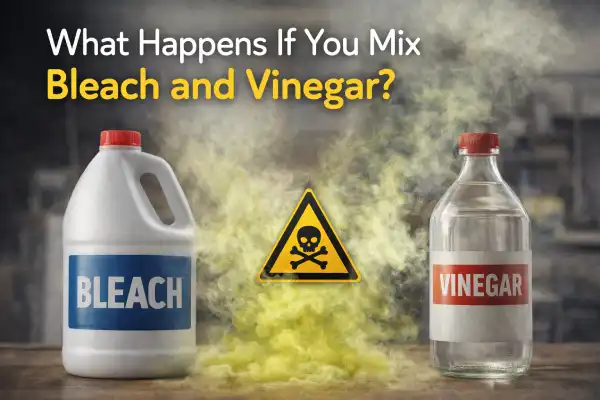
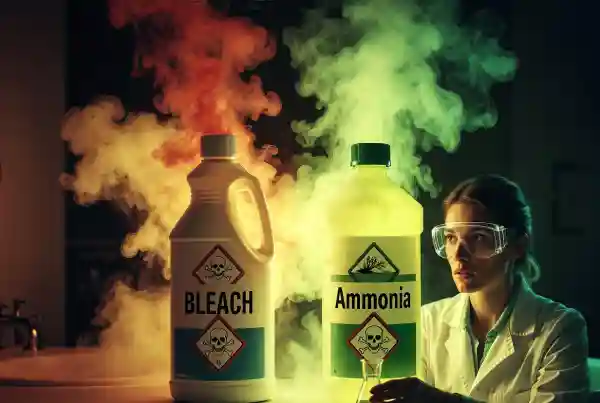
Why You Should Never Mix Alcohol with Bleach
Not all household chemicals should be mixed. Combining rubbing alcohol with bleach is very dangerous. It makes chloroform, a toxic gas that can harm your lungs and more.
“Never mix cleaning products unless you are certain of the chemical reaction. Safety must always be the priority in your home maintenance routine.”
We strongly advise against mixing chemicals. If you’ve mixed rubbing alcohol and bleach, get to fresh air fast. If you feel sick, see a doctor. Sticking to single-ingredient solutions is a best practice we recommend.
Tips for Using Rubbing Alcohol at Home
Using rubbing alcohol right is more than just spraying it around. By following best practices for using rubbing alcohol for cleaning, you can get top-notch results safely. These easy tips will help you keep your home clean and in great shape.
Using Microfiber Cloths for Optimal Results
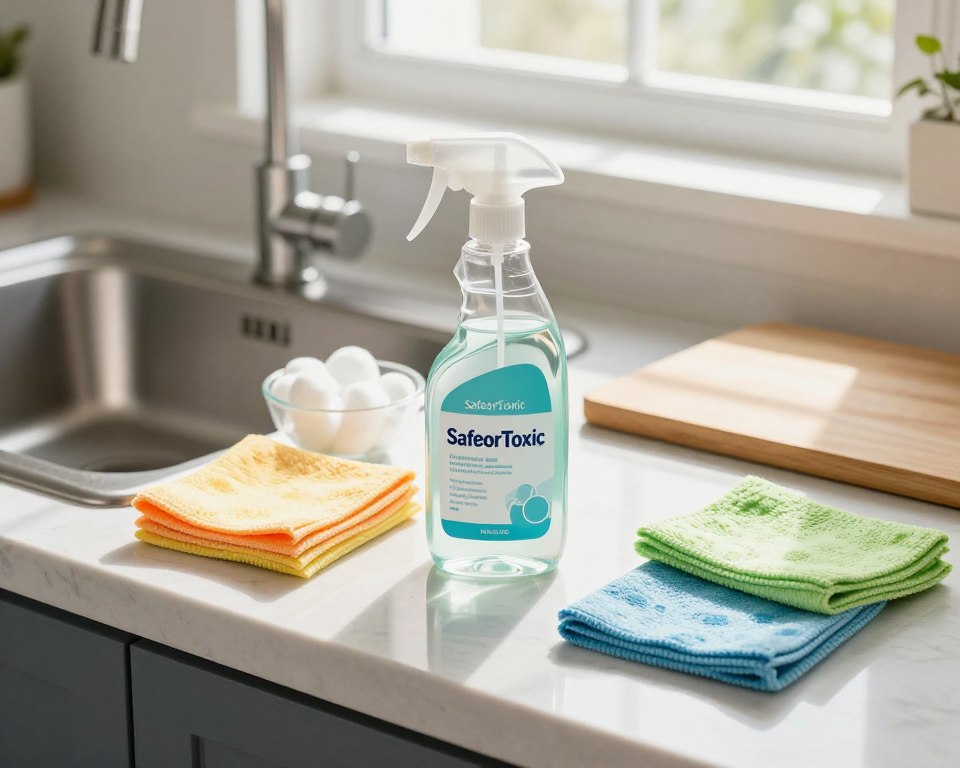
It’s best to use rubbing alcohol with high-quality microfiber cloths. These cloths are exceptionally absorbent and don’t leave lint or paper fibers on surfaces.
Using a microfiber cloth offers many benefits:
- Streak-free finish: The fine fibers pick up dirt and oils without smearing.
- Durability: You can wash and reuse them many times, which is good for the planet.
- Surface safety: The soft texture won’t scratch delicate finishes.
Testing in Inconspicuous Areas First
One key tip for using rubbing alcohol at home is to test it first. Even if a surface looks okay, different materials can react badly to chemicals.
To test safely, do this:
- Find a small, hidden spot, like the back of a cabinet or an underside corner.
- Put a tiny bit of your solution on a clean cloth.
- Wipe the area gently and wait for it to dry completely.
- Look for any color changes, dulling, or texture changes before using it more.
Spending a little extra time on this step helps protect your furniture and fixtures. Consistency is key to keeping your home looking great while using alcohol’s sanitizing power.
Comparing Rubbing Alcohol to Other Household Cleaners
When we’re in the cleaning aisle, we often wonder which product works best. Rubbing alcohol, vinegar, and hydrogen peroxide each have their own strengths. Knowing what each does helps keep our homes clean and healthy.
Rubbing Alcohol Versus Vinegar
Vinegar is great for removing mineral deposits and soap scum. Rubbing alcohol, on the other hand, is a strong solvent for oils, grease, and sticky stuff. Vinegar is good for many tasks, but alcohol is better for quick, streak-free glass cleaning.
It’s important not to mix vinegar and alcohol. They can make peracetic acid, which might irritate your skin. Decide between them based on your cleaning needs. Vinegar is best for descaling, while alcohol is great for sanitizing or degreasing.
Rubbing Alcohol Versus Hydrogen Peroxide
Hydrogen peroxide is a strong oxidizer that kills bacteria and bleaches stains. It takes longer to dry than rubbing alcohol, but it’s better for organic stains on fabrics or surfaces. Rubbing alcohol dries fast, making it safer for electronics and non-porous surfaces.
“Cleanliness is not just about the absence of dirt; it is about the presence of care and the right tools for the job.”
Rubbing alcohol is best for electronics and non-porous surfaces because it dries quickly. This reduces the risk of water damage to sensitive parts. Here’s a quick comparison of these common cleaners in different situations.
| Cleaner | Primary Strength | Best Use Case |
|---|---|---|
| Rubbing Alcohol | Rapid Evaporation | Electronics & Grease |
| Vinegar | Acidic Descaling | Hard Water & Grout |
| Hydrogen Peroxide | Oxidizing Power | Stain Removal & Bacteria |
Cleaning with Rubbing Alcohol Guidelines for Electronics
Keeping your gadgets in top shape is key. Using cleaning with rubbing alcohol guidelines helps keep them germ-free without harming them. A 70% isopropyl alcohol solution works best because it dries quickly.
Safe Practices for Keyboards and Mice
First, make sure your computer is turned off and any cables are unplugged. Never spray liquid on your keyboard. Moisture can damage the inside.
Instead, dampen a microfiber cloth with alcohol. Wipe the keys and mouse gently to clean them. For tough spots, use a cotton swab with a little alcohol.
Cleaning Smartphone Screens and Tablets
Modern screens have special coatings that can be damaged by harsh cleaners. Rubbing alcohol is usually safe, but use it carefully.
Use a soft, clean microfiber cloth to avoid scratches. Put a small amount of solution on the cloth, not the screen. Clean the screen with a circular motion and then dry it with a clean part of the cloth.
| Device Component | Cleaning Frequency | Recommended Tool | Safety Level |
|---|---|---|---|
| Keyboard Keys | Weekly | Microfiber Cloth | High |
| Mouse Surface | Weekly | Damp Cotton Swab | High |
| Touchscreen | Daily | Microfiber Cloth | Moderate |
| Charging Ports | Monthly | Dry Compressed Air | Low |
Managing Odors and Ventilation During Use
Using rubbing alcohol for household chores means keeping the air quality in check. This solvent is great at cleaning, but it can make the air thick in small spaces. Here are some tips for using rubbing alcohol at home to keep your space safe and comfy.
Importance of Airflow in Small Spaces
Cleaning tight spots like pantries or bathrooms needs extra care. Make sure air flows well before you start. Open a window or door to let vapors escape.
If you can’t open a window, use a portable fan. It pushes fresh air into the room. Proper ventilation is key to avoid breathing in too much of the fumes. Never clean in a tiny, sealed space without air flow.
Mitigating Strong Chemical Smells
The smell of isopropyl alcohol can be strong. But, you can handle it with a few tricks. Work in short bursts to avoid too much exposure. This lets the air clear between cleaning sessions.
Try diluting the rubbing alcohol with water if the smell is too much. A weaker solution works well for dusting and light cleaning. If the smell makes you dizzy or feels too strong, get out of the area to breathe fresh air.
Proper Storage and Handling of Cleaning Supplies
We think that keeping chemicals safe means storing them right. Knowing how to safely clean with rubbing alcohol is key. But, storing supplies correctly is just as important for your family’s safety. Follow these tips to keep your home safe for everyone.
Keeping Solutions Out of Reach of Children
The most critical rule for safety is to keep cleaning agents out of kids’ reach. Use high cabinets or locked cupboards to stop accidents. Never leave bottles where kids can get them.
Also, keep products in their original containers to see the labels. If you move a solution, label it clearly. These steps help you clean safely without accidents.
Temperature Control and Container Safety
Rubbing alcohol is very flammable, so keeping it cool is important. Store bottles in a cool, dry spot away from sunlight or heat. Keeping your supplies in a stable environment stops pressure buildup.
Always tighten caps after use to avoid spills. If a container is damaged or leaking, throw it away safely. By following these storage tips, you keep your home safe from fires.
Conclusion
Rubbing alcohol is a great tool for keeping your home clean. You now know how to use it for different cleaning tasks.
Knowing how to use rubbing alcohol for cleaning helps you deal with messes better. It’s a good way to make surfaces clean and safe.
Try these cleaning tips with rubbing alcohol next time you deep clean. Doing this regularly keeps your home safe and welcoming for your family.
Being careful and following safety rules helps your things last longer. Share your cleaning experiences with us on social media. Your feedback helps us improve our cleaning tips for others.
FAQ
Is rubbing alcohol safe for household cleaning on all types of surfaces?
Rubbing alcohol is great for many cleaning tasks, but not all. Don’t use it on finished wood, varnished surfaces, or natural stone like granite and marble. It can damage the protective coatings or dull the finish. Always test it on a small, hidden area first.
Which is better for killing germs, 70% or 90% isopropyl alcohol?
For killing germs, 70% isopropyl alcohol is best. Its higher water content helps it stay on surfaces longer. This makes it more effective at denaturing proteins in bacteria. On the other hand, 90% is better for dissolving adhesives or cleaning electronics where fast evaporation is needed.
How to safely clean with rubbing alcohol to avoid health risks?
To stay safe, ensure good ventilation and protect your skin. Open windows or use fans to avoid inhaling strong vapors. Wear gloves to prevent skin irritation. Remember, isopropyl alcohol is flammable, so keep it away from heat and flames.
Can we mix rubbing alcohol with other household chemicals like bleach?
No, never mix rubbing alcohol with bleach. Doing so creates chloroform, a dangerous substance that can harm your lungs and brain. Stick to a 1:1 water-to-alcohol solution for a safe cleaner.
What are the best practices for using rubbing alcohol for cleaning electronics?
When cleaning electronics, don’t spray alcohol directly on them. Instead, dampen a microfiber cloth and gently wipe the surfaces. This method prevents moisture from damaging internal parts while removing germs and oils.
How should we store and label our DIY alcohol cleaning solutions?
Label any custom mixtures clearly with the concentration and date. Store them in a cool, dry place. Keep them in their original containers or clearly marked ones, out of children’s and pets’ reach.
Why is rubbing alcohol often preferred over vinegar or Windex for mirrors?
Rubbing alcohol’s fast evaporation makes it great for streak-free glass and mirrors. It quickly removes grease and grime, leaving a shiny surface. Vinegar-based solutions might leave a film, but alcohol doesn’t.
Are there specific benefits of rubbing alcohol for cleaning compared to commercial disinfectants?
Rubbing alcohol is cost-effective and versatile. It’s often cheaper than products like Lysol or Clorox wipes, which can irritate some people. Its ability to disinfect and dissolve makes it a valuable tool in cleaning kits.