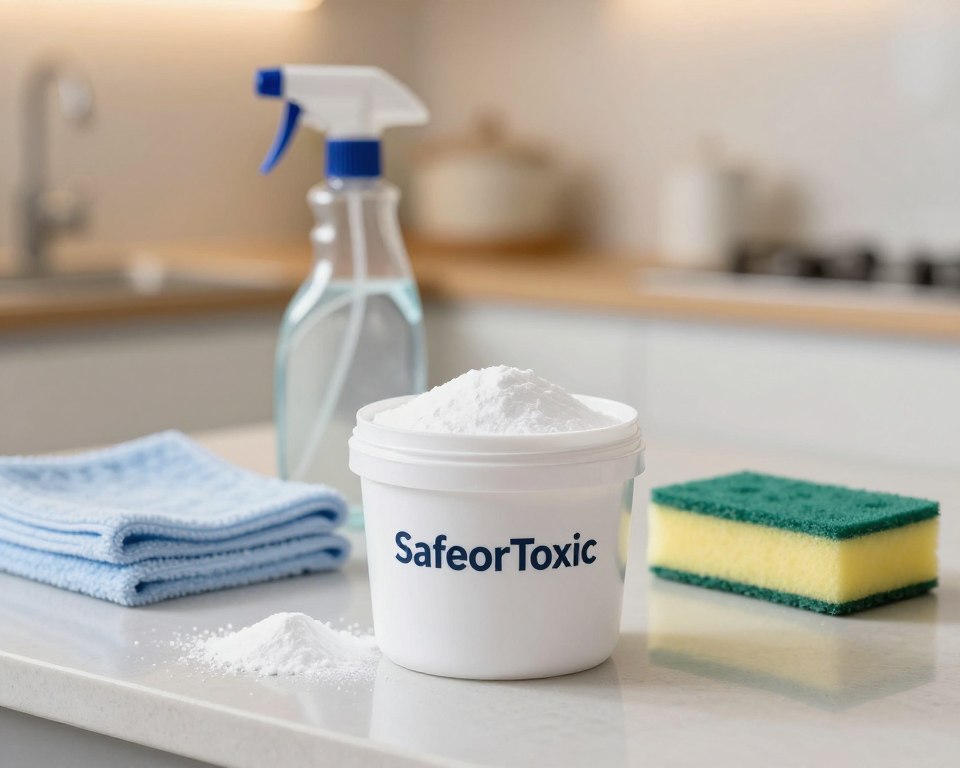
We all want our homes to be a safe haven for our families. We often turn to familiar white powders to clean. But is baking soda safe for cleaning a simple yes or no?
Pharmacists know the science behind these household items. We see baking soda as more than just a pantry item. It’s a compound that needs careful use. Your peace of mind matters to us, and we’re here to help.
By looking at baking soda’s properties, we can keep your home clean and safe. Let’s learn how to use it wisely and responsibly.
Key Takeaways
- Sodium bicarbonate is a mild, non-toxic abrasive suitable for many household surfaces.
- Proper ventilation is recommended when using any powdered substance to avoid respiratory irritation.
- Always test a small, inconspicuous area before applying to delicate materials like marble or aluminum.
- Avoid mixing this compound with strong acids to prevent unexpected chemical reactions.
- Our professional guidance ensures you balance effective hygiene with household wellness.
The Chemical Composition of Sodium Bicarbonate
Baking soda is a simple yet powerful compound called sodium bicarbonate. It has the formula NaHCO₃, made of sodium, hydrogen, carbon, and oxygen. Unlike baking powder, baking soda is just one stable compound.
Being a pure substance, baking soda is reliable for many tasks. Knowing its molecular structure shows why it’s a pantry and cleaning staple. Consistency is key for a good cleaning agent.
Understanding the pH Balance
Baking soda’s alkaline nature makes it effective. It has a pH of 8 or 9, making it basic. This basicness helps it balance acidic substances.
“Chemistry is the study of matter, but I prefer to see it as the study of change. Electrons, this way and that, make the world go ’round.”
It neutralizes acidic soils like grease or spills. This turns them into water-soluble compounds. It’s safe for many surfaces because of this balance.
How Baking Soda Reacts with Acids and Bases
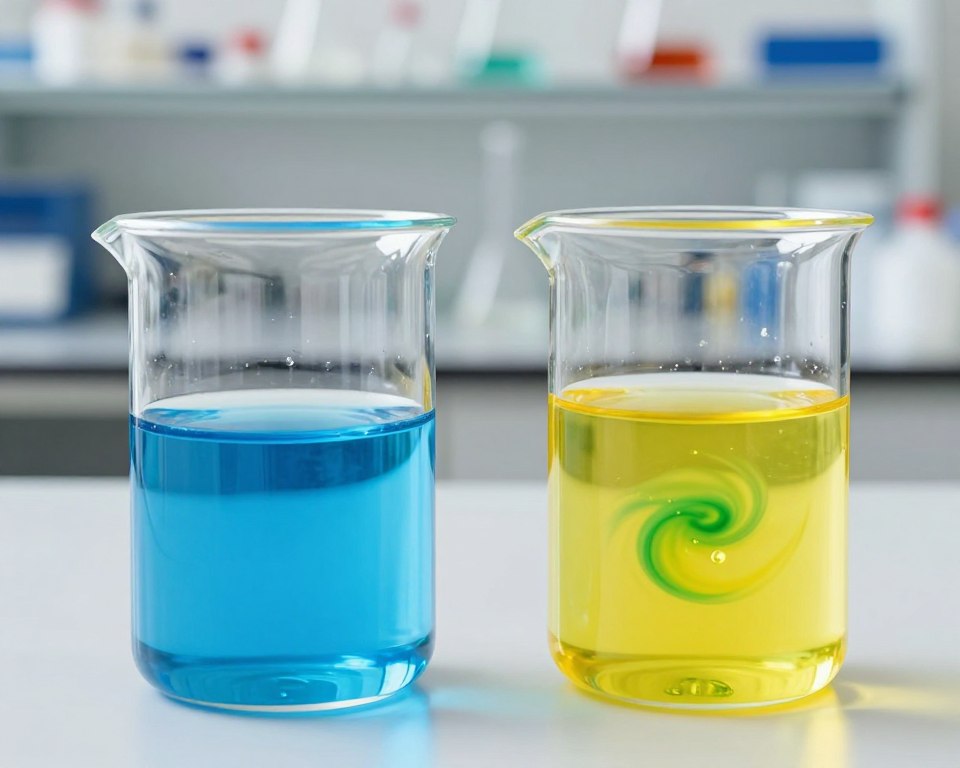
When baking soda meets an acid, like vinegar or lemon, a chemical reaction happens. This reaction releases carbon dioxide gas, causing fizz. This fizz helps lift dirt and debris.
We can predict how baking soda will act on different materials. It reacts well with acids but stays stable with bases. This makes it a trusted choice for cleaning and deodorizing at home.
Is Baking Soda Safe for Cleaning in a Household Environment
To see if baking soda is safe for cleaning, we look at its chemical makeup and how it’s used. The FDA says sodium bicarbonate is safe for food, making it a trusted household item. Switching to natural cleaners like baking soda can make your home air cleaner.
Assessing Toxicity and Inhalation Risks
Sodium bicarbonate is not toxic, but its powder form can be a concern. When you use a lot for deep cleaning, dust can get in the air. Inhaling these particles might bother people with sensitive lungs.
To keep your home healthy, clean in areas with good air flow. If you’re cleaning big areas, wear a dust mask. Also, mixing the powder with a bit of water can help reduce dust.
Skin Sensitivity and Protective Measures
Baking soda is generally mild but can be a weak base. It can dry out your skin if you use it too much. Always wear protective gloves when scrubbing surfaces for a long time.
For everyday cleaning, a quick touch is usually safe for most people. But, if you have skin issues, be extra careful. Here’s why many prefer baking soda over harsh chemicals.
| Feature | Baking Soda | Synthetic Cleaners |
|---|---|---|
| Toxicity Level | Very Low (Food Grade) | High (Chemical Irritants) |
| Respiratory Impact | Minimal (Dust only) | High (VOC Emissions) |
| Skin Contact | Mildly Drying | Potential Chemical Burns |
| Environmental Safety | Fully Biodegradable | Often Harmful to Waterways |
Ensuring baking soda is safe for cleaning is about handling it right and using common sense. By understanding its properties, you can keep your home clean without the dangers of harsh chemicals.
The Science Behind Baking Soda as a Natural Cleaning Agent
Many families pick baking soda for its power as a natural cleaning agent. It works through chemical reactions. This makes it a top choice for eco-friendly homes in the U.S. because it’s safe and works well.
Abrasive Properties Explained
Baking soda has fine, crystalline particles. These particles offer a gentle scrubbing action. They are soft, so they won’t scratch surfaces like stainless steel or glass.
Mixing the powder with water makes a paste. This paste is a non-abrasive cleaner. It’s great for getting rid of dried food spills or sticky stuff in the fridge. The mild abrasive texture keeps surfaces smooth and clean.
Deodorizing Mechanisms at the Molecular Level
Beyond its physical cleaning, baking soda fights odors at a molecular level. Many bad smells are acidic or basic.
Sodium bicarbonate acts as a chemical buffer. It neutralizes these compounds by making them neutral pH. This chemically transforms odors, not just covering them up. That’s why it’s a reliable natural cleaning agent for many uses.
Comparing Baking Soda to Commercial Chemical Cleaners
Choosing the right cleaning agent is key. It’s about getting good results without harming our homes. Many products use harsh chemicals that can make our air worse. But, using non-toxic cleaner like baking soda is safer and healthier.
Evaluating Volatile Organic Compounds
Many cleaners have chemicals that release harmful gases. These gases can stay in our homes for a long time. Inhaling these vapors can cause health problems.
Baking soda doesn’t release harmful gases. It’s a great choice for those who care about eco-friendly cleaning. Using it helps keep our air cleaner.
Environmental Impact and Biodegradability
Our cleaning habits also affect the planet. Many cleaners harm our water systems. They can mess up the balance in our oceans.
Baking soda is safe for our water and the planet. It’s a simple way to live more sustainably. Here’s a table showing how baking soda compares to commercial cleaners.
| Feature | Commercial Cleaners | Baking Soda |
|---|---|---|
| VOC Emissions | High | None |
| Biodegradability | Low | High |
| Safety Profile | Requires caution | Generally safe |
| Primary Use | Specific tasks | Versatile eco-friendly cleaning |
Safe Application Methods for Kitchen Surfaces
Keeping your kitchen clean doesn’t need expensive, harsh chemicals. Simple household cleaning tips can make your space spotless with pantry staples. Sodium bicarbonate is a gentle yet effective cleaner for many kitchen surfaces.
Cleaning Stainless Steel Appliances
Stainless steel appliances often get fingerprints and water spots. To remove these, use a soft microfiber cloth with a bit of baking soda. Buff in the metal grain direction to avoid scratches.
For a deeper clean, mix baking soda with water to make a slurry. Always remember to wipe clean with a damp cloth to avoid white residue. This keeps your kitchen looking professional and streak-free.
Removing Stains from Countertops and Sinks
Stubborn stains on countertops or sinks can be tackled with a paste. Mix three parts baking soda with one part water for a thick paste. Apply it to the stain, let it sit, then scrub gently with a soft sponge.
This ingredient is also great for cleaning cookware. Follow these household cleaning tips for better results:
- Soak pots and pans: Fill with hot water and lots of baking soda.
- Allow time: Let it sit for 15 to 30 minutes to remove burnt-on food.
- Rinse thoroughly: Clean with mild dish soap to remove all particles.
These methods are safe and sustainable for your home. By using these household cleaning tips, you protect your surfaces and keep your kitchen clean for food prep.
Using Baking Soda on Bathroom Fixtures
Keeping your bathroom fixtures clean doesn’t need harsh chemicals. Simple, natural ingredients often work better and are safer for your home. Adding these household cleaning tips to your routine keeps your space fresh without harsh chemicals.
Managing Soap Scum and Hard Water Deposits
Soap scum and hard water deposits build up on faucets and showerheads. Mix baking soda with a bit of water to make a paste. Apply it to the areas and let it sit for fifteen minutes to effectively break down the buildup.
Scrub the surface with a soft brush or cloth after. Rinse with warm water to get a shiny finish. These household cleaning tips keep your fixtures looking great without damaging them.
Sanitizing Porcelain and Ceramic Tiles
Porcelain and ceramic tiles can get dull and harbor bacteria in damp bathrooms. Baking soda is a mild abrasive that removes stains and odors. It also has natural antifungal properties, making it great for keeping areas moist clean.
For a deep clean, sprinkle baking soda on damp tiles and scrub with a damp sponge or mop. This method sanitizes the surface and brings back the tile’s shine. Using these household cleaning tips keeps your bathroom surfaces clean and shiny every day.
Fabric Care and Laundry Applications
Using natural solutions in your wash cycle is a top household cleaning tip for keeping your clothes in great shape. We often forget the power of simple pantry items for our laundry. Sodium bicarbonate can give you professional results without harsh chemicals.
Neutralizing Odors in Textiles
Many fabric softeners and detergents use strong artificial fragrances to hide smells. Baking soda, on the other hand, neutralizes odors at a molecular level. It’s perfect for gym clothes, towels, and bedding with stubborn smells.
Adding baking soda to your wash balances water pH levels. It breaks down organic compounds causing odors in your favorite clothes. Your fabrics will smell clean and fresh after every wash.
Boosting Detergent Efficiency
Baking soda is more than just a deodorizer; it’s a laundry booster. Adding 1/2 cup of baking soda to the rinse cycle makes your detergent work better. It softens water, letting your detergent reach fibers deeper and clean better.
Using these household cleaning tips regularly makes your clothes softer and brighter. It prevents mineral buildup, keeping your clothes from feeling stiff or dull. Here’s how baking soda compares to other laundry additives.
| Additive Type | Primary Function | Chemical Nature | Best Use Case |
|---|---|---|---|
| Baking Soda | Deodorizing & Softening | Natural Mineral | General Laundry |
| White Vinegar | Fabric Softening | Mild Acid | Removing Residue |
| Bleach | Whitening & Disinfecting | Strong Oxidizer | Heavy Stains |
| Commercial Softener | Fragrance & Coating | Synthetic Polymers | Scent Preference |
By using these methods, you make laundry easier while keeping your clothes clean. Try these natural alternatives to see the difference in your laundry care.
Surface Limitations and Materials to Avoid
Before you use baking soda, think about the material you’re cleaning. This pantry staple is great for many things, but not everything. Using it on the wrong surface can damage or dull it.
Risks to Natural Stone and Marble
Natural stones like marble and granite are very sensitive. Baking soda, being mildly alkaline, can harm these stones. It can cause etching, making the surface look dull or cloudy over time.
Stay away from abrasive cleaners on polished stone countertops. Use cleaners made for natural stone instead. This helps keep your stone looking good for longer.
“The beauty of natural stone lies in its unique mineral composition, which makes it susceptible to chemical reactions from even mild household cleaners.”
Potential Damage to Aluminum and Antique Finishes
Be careful with metals too. Aluminum can oxidize when exposed to baking soda. This can make it look discolored or tarnished.
Antique items need extra care. Baking soda can scratch or damage their finishes. Always test a small area first before cleaning an antique.
| Material Type | Compatibility | Risk Factor |
|---|---|---|
| Marble & Granite | Avoid | High (Etching) |
| Aluminum | Avoid | Medium (Oxidation) |
| Antique Wood | Avoid | High (Scratching) |
| Stainless Steel | Safe | Low |
Pharmacist Recommendations for Respiratory Health
As pharmacists, we stress the importance of being careful with natural products like baking soda. It’s a fine powder that can easily get airborne. We want to make sure your cleaning is safe and effective for your family.

Managing Dust Exposure During Cleaning
When you pour baking soda or scrub hard, tiny particles can fly into the air. If you have asthma or other breathing issues, these particles can irritate you. We suggest pouring slowly to reduce dust in the air.
Using a damp cloth or sponge to apply the paste is a good idea. This method cuts down on dust in the air. Keep your face away from the area while scrubbing to avoid breathing in dust.
Ventilation Best Practices
Good airflow helps keep your home free of airborne particles. We recommend opening windows or doors for deep cleaning. This helps dust and other compounds leave your home quickly.
In small spaces like bathrooms, turn on the exhaust fan before cleaning. If your home doesn’t have good ventilation, use a portable air purifier. Fresh air is key for keeping your lungs healthy.
| Cleaning Action | Risk Level | Safety Recommendation |
|---|---|---|
| Pouring dry powder | Moderate | Pour slowly and close to the surface |
| Scrubbing with paste | Low | Use a damp cloth to prevent dust |
| Cleaning in small rooms | High | Use exhaust fans and open windows |
| Wiping down surfaces | Minimal | Use a microfiber cloth to trap particles |
Combining Baking Soda with Other Green Cleaning Solutions
Looking at green cleaning solutions, baking soda and vinegar are a top pick for many. These common items are used together to fight tough dirt and bad smells. But, it’s key to know the science behind them to see if they work well.
The Chemistry of Baking Soda and Vinegar
The mix of sodium bicarbonate and acetic acid is a classic acid-base reaction. When they meet, they create carbon dioxide gas. This gas makes a lot of bubbles, which helps to remove dirt from surfaces.
The bubbling action is great for getting rid of dirt. But, it’s important to know that the reaction quickly uses up both ingredients. After the fizzing stops, you’re left with a solution of sodium acetate and water. This means the mix might not be stronger than the ingredients alone.
When to Avoid Mixing Household Ingredients
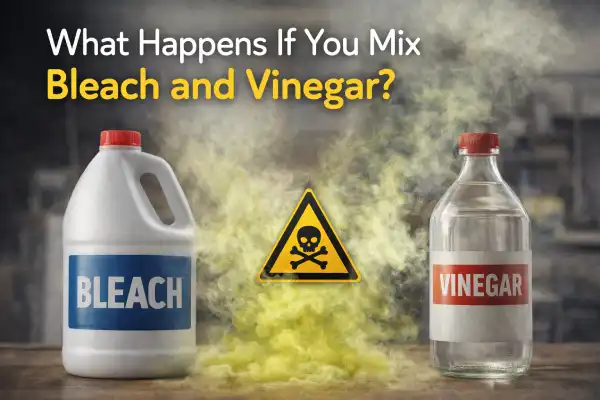
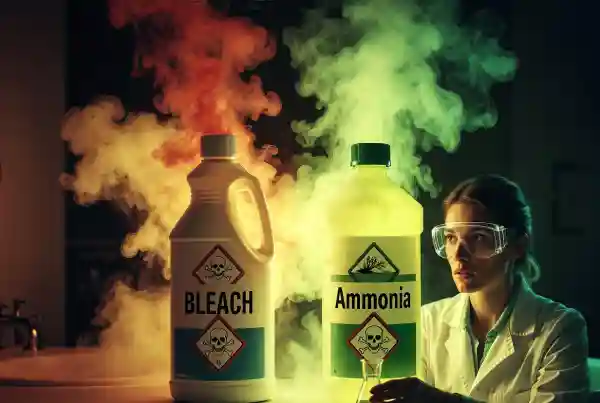
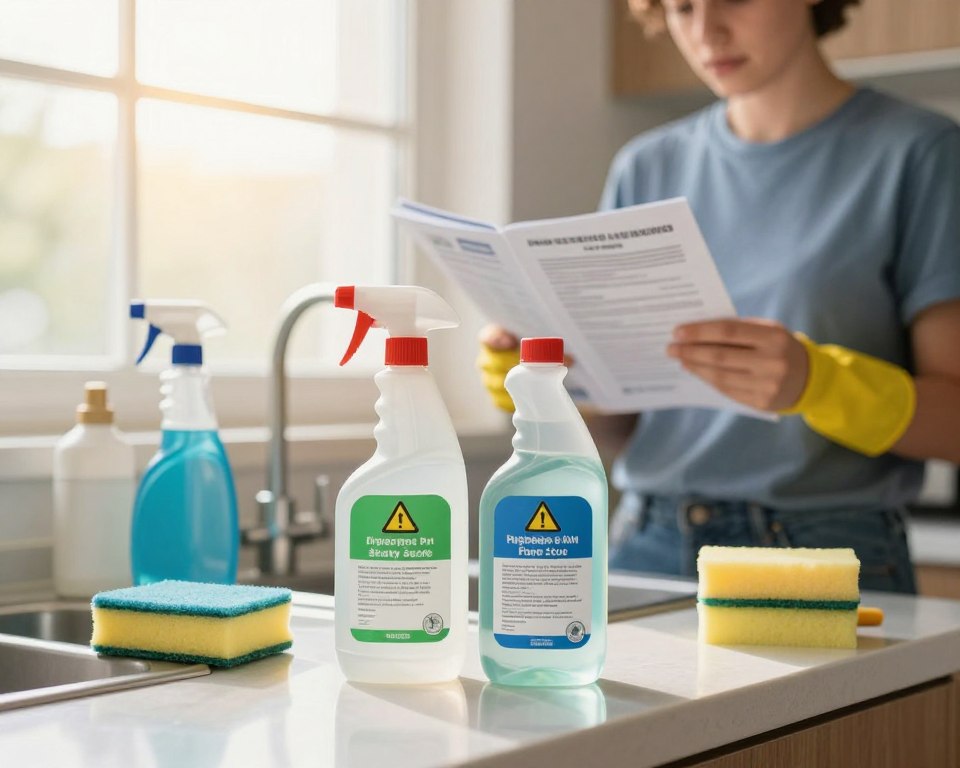
Not all green cleaning solutions should be mixed. We need to be careful to avoid making things worse or not working at all. For example, never mix bleach with vinegar or other acids, as it can release toxic chlorine gas.
Also, don’t mix baking soda with strong acidic cleaners in a closed container. The gas produced can build up too much pressure, possibly causing the container to burst. Always use these natural cleaners safely by applying them directly to the surface or in open containers. This way, we can keep our homes clean without risking our safety.
Storage and Shelf Life Considerations
Did you know that how you store baking soda affects its chemical reactivity? Sodium bicarbonate is stable, but it can lose its effectiveness over time. Simple habits can keep your baking soda ready for cleaning tasks.
Maintaining Potency for Cleaning Efficacy
To keep baking soda at its best, store it in a cool, dry place. Moisture causes clumping and weakens its cleaning power. This is because it absorbs humidity, losing its scrubbing quality.
Baking soda also absorbs ambient odors from the air. If it’s near strong smells, it will trap them. Always keep the lid closed to avoid unwanted smells.
Proper Container Selection
Choosing the right container is key. Use airtight containers made of glass or food-grade plastic. These keep moisture and contaminants out.
Don’t store baking soda in its cardboard box for long. Cardboard is porous and can’t protect the product. Move it to a sealed jar to keep it potent.
Baking Soda for Pet-Friendly Households
Keeping your home clean and safe for pets is a big deal. You want to get rid of smells and messes without using harsh chemicals. Luckily, sodium bicarbonate is a versatile and gentle alternative to many cleaning products.
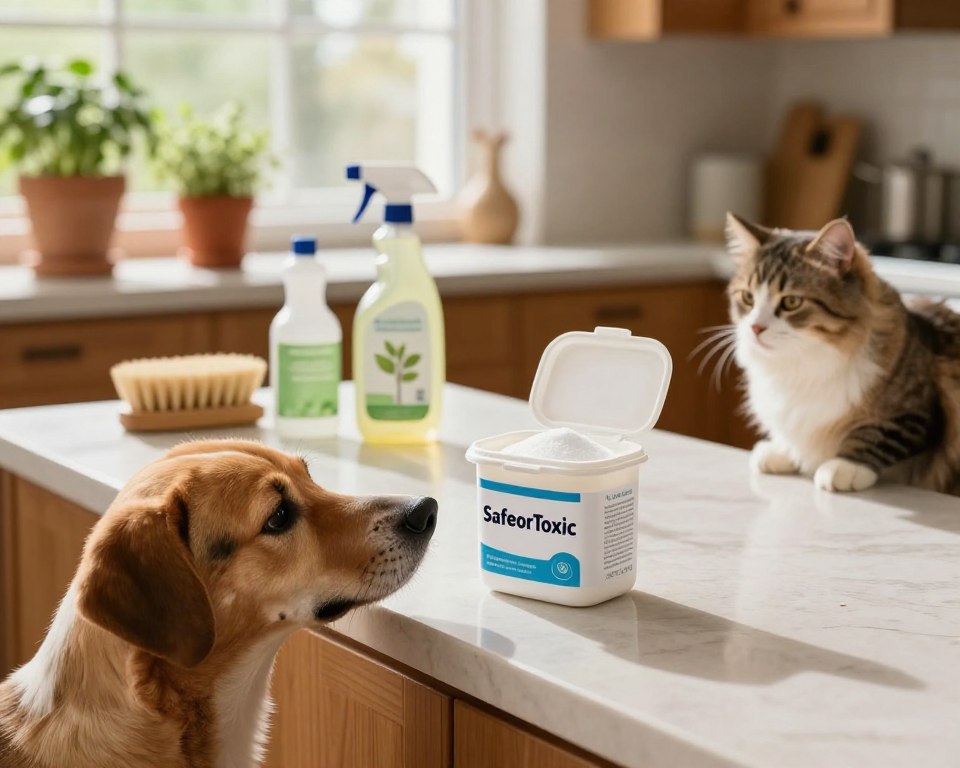
Safety Considerations for Cats and Dogs
Used right, baking soda is usually safe for pets. It doesn’t have the harmful chemicals found in many sprays. But, it’s key to remember not to let pets eat too much of it.
While a little bit is okay, you should keep it out of your pets’ reach. Store it in a place where pets can’t get to it. This way, you can keep your home smelling fresh without risking your pet’s health.
Cleaning Pet Bedding and Litter Areas
Pet bedding can hold onto smells that are hard to get rid of. Sprinkle some baking soda on it, let it sit for 15 minutes, then vacuum. This method neutralizes smells at the molecular level.
For litter boxes, put a thin layer of baking soda at the bottom before adding litter. This helps keep the area smelling good for longer. Here’s a table showing how to use baking soda for different pet cleaning tasks.
| Cleaning Task | Application Method | Benefit |
|---|---|---|
| Pet Bedding | Sprinkle, wait, and vacuum | Eliminates deep-set odors |
| Litter Box | Layer under fresh litter | Controls ammonia buildup |
| Soft Furniture | Light dusting and brushing | Refreshes fabric surfaces |
| Accident Spots | Paste and blot | Lifts stains and neutralizes |
Addressing Common Misconceptions About Natural Cleaners
Many think a non-toxic cleaner can fix all household problems. But, this isn’t true. Sustainable living is great, but we must know what these cleaners can do. Knowing their limits helps keep your home clean and safe.
Distinguishing Between Cleaning and Disinfecting
Cleaning and disinfecting are not the same. Cleaning means removing dirt and dust. It makes your space look good and gets rid of allergens. But, it doesn’t kill germs.
Disinfecting kills germs like bacteria and viruses. You need a special disinfectant for this. A natural cleaning agent is good for daily cleaning, but not for killing germs.
The Limits of Non-Toxic Solutions
What can a non-toxic cleaner do in a busy home? Baking soda is great for cleaning and smells good. But, it can’t kill germs like hospital cleaners can.
Use a natural cleaning agent for everyday cleaning. But, keep a strong disinfectant for germ-prone areas. This way, your home stays clean and safe.
Cost-Benefit Analysis of DIY Cleaning Solutions
Switching to DIY cleaning can save you money and help the environment. Using green cleaning solutions can cut down on monthly cleaning costs. It’s a smart way to save money while keeping your home clean.
Economic Advantages of Bulk Sodium Bicarbonate
Buying sodium bicarbonate in bulk is a great way to save money. It costs less per ounce than commercial sprays. This change lets you clean your home without spending extra on branded products.
Here’s a comparison of cleaning costs:
| Product Type | Average Cost per Use | Waste Level |
|---|---|---|
| Commercial Spray | $0.50 – $1.00 | High (Plastic) |
| Bulk Baking Soda | $0.05 – $0.10 | Low (Recyclable) |
| DIY Vinegar Mix | $0.02 – $0.05 | Minimal |
Time Investment Versus Commercial Convenience
Green cleaning solutions save money but take more time. Making your own cleaners takes a few minutes longer than using commercial products. But many find it rewarding and easy to do.
“The true value of a home is not just in its appearance, but in the intentionality of the products we choose to bring inside.”
To make your cleaning routine better, try these tips:
- Batch Preparation: Make big batches of your favorite cleaners to save time.
- Simplified Kits: Store your essential ingredients in reusable glass containers for easy access.
- Strategic Use: Use commercial cleaners for tough jobs and baking soda for everyday cleaning.
Choosing DIY cleaning depends on what you value most. If you want to save money and avoid harsh chemicals, the extra time is worth it. By doing this, you control your budget and help the environment.
Integrating Baking Soda into a Sustainable Lifestyle
Choosing a natural cleaning agent is a big step for our health and the planet. It means we control what we use in our homes. This makes us more connected to our daily products.
Reducing Plastic Waste Through Refillable Solutions
Using eco-friendly cleaning methods helps a lot. We can cut down on single-use plastic bottles. These bottles often end up in landfills, causing a lot of waste.
Buying sodium bicarbonate in bulk is a smart move. We can put it in durable glass or metal containers. This way, we don’t need to keep buying plastic. It’s a simple way to keep our homes clean and help the environment.
Long-Term Health Benefits of Reducing Chemical Exposure
Using a non-toxic cleaner like baking soda is very beneficial. It improves the air in our homes. Many store-bought cleaners have harmful chemicals that stay in our homes.
Choosing simple ingredients means less chemicals for our families. This helps our long-term respiratory health and makes our homes safer. By doing this, we can have a clean home without harming ourselves or the planet.
Conclusion
Using natural solutions changes how we clean our homes. Baking soda is a safe and effective cleaner for a healthier home.
Think of cleaning as part of your wellness routine. Opting for natural ingredients means avoiding harsh chemicals found in products like Clorox or Lysol.
You now know how to use baking soda safely and effectively. Knowing the science behind it makes baking soda a key item in your kitchen.
Making small changes can greatly improve the air in your home. We encourage you to try these methods and share your results. Start your journey to a greener lifestyle with these easy, science-backed steps.
FAQ
Is baking soda safe for cleaning all types of household surfaces?
Baking soda is safe for most homes, but not all. It can harm certain materials like natural stone and some metals. Always test a small area first, before using it on delicate surfaces.
How does sodium bicarbonate work as a natural cleaning agent?
Its molecular structure (NaHCO₃) helps in two ways. It’s mildly abrasive, so it can clean without scratching surfaces. It also neutralizes acidic smells and stains, turning them into odorless salts.
Can we use baking soda as a non-toxic cleaner in homes with pets?
Yes, it’s great for pet-friendly homes. It’s good for deodorizing litter boxes and pet bedding. But, make sure pets don’t eat it, as it’s not meant for them to consume.
What are the respiratory benefits of choosing eco-friendly cleaning over commercial chemicals?
Eco-friendly cleaning with baking soda cuts down on air pollution. It’s better for your lungs than many commercial cleaners. Just remember to ventilate well, to avoid dust problems, if you have asthma.
Are there specific household cleaning tips for using baking soda in the kitchen?
A top tip is to make a paste with baking soda and water. It’s great for stainless steel and porcelain. Arm & Hammer’s baking soda gives a streak-free shine.
Is it effective to mix baking soda and vinegar for green cleaning solutions?
Mixing them creates a powerful cleaner. The reaction lifts debris from tight spots. But, the liquid left is mostly water, so apply it quickly for best results.
How does baking soda compare to chemical detergents in the laundry?
Adding baking soda boosts detergent power. It balances water pH, making detergents work better. It also deodorizes fabrics, like athletic wear and towels.
Can we rely on baking soda to disinfect our bathroom fixtures?
Baking soda is great for cleaning but not for disinfecting. It’s not an EPA-registered disinfectant. Use it for daily cleaning, but for disinfecting, use special products.
What is the best way to store baking soda to maintain its potency?
Store it in an airtight container to keep it effective. Baking soda absorbs smells and moisture, which reduces its cleaning power. Keep it sealed to preserve its strength.
Is switching to baking soda a sustainable choice for our environment?
Yes, it’s a sustainable choice. It reduces plastic waste and protects water from harsh chemicals. Buying it in bulk from trusted sources helps too.