Many homeowners use a common white powder to clean tough grime. This mineral is known for its many uses in the home. It’s often used as a laundry booster or to make homemade scrubbers.
But, some families worry about borax safety. They might think it’s not safe for their loved ones or pets. Knowing the science behind these worries helps us make better choices for our homes.
We want to answer the question of whether is borax toxic in everyday use. By looking at the facts, we can keep our homes clean and safe. Let’s dive into the truth about this popular cleaning item.
Key Takeaways
- This mineral is a popular, versatile cleaning agent in many American households.
- There’s often debate about the health risks of regular exposure.
- It’s important to handle it properly for household safety.
- Scientific evidence helps us use it responsibly.
- We aim to balance cleaning power with safety precautions for a safer home.
Understanding the Chemical Composition of Borax
To truly understand the versatility of borax, we must first look at its chemical roots. This mineral salt is a staple in many homes. Yet, its scientific background is often overlooked when we consider various borax uses.
By examining its structure, we can better appreciate how it functions as a powerful cleaning agent. It is essential to recognize that this substance is not just a random powder. It is a specific chemical compound.
What is Sodium Tetraborate?
Chemically, borax is known as sodium tetraborate. It acts as an alkaline substance. This allows it to neutralize acidic stains and break down grime effectively.
This alkalinity is the secret behind many common borax uses in the laundry room and kitchen. Because it is a salt, it dissolves well in water. This makes it a reliable partner for your daily chores.
Natural Occurrence and Industrial Processing
Borax is a naturally occurring mineral found in evaporated lake beds. This is mainly in regions like the southwestern United States. Once extracted, it undergoes industrial processing to ensure it is pure enough for consumer applications.
Manufacturers refine the raw mineral into the white, powdery form we recognize today. This process ensures that the product remains stable and effective for a wide range of borax uses around the house.
| Property | Description | Function |
|---|---|---|
| Chemical Name | Sodium Tetraborate | Cleaning Agent |
| pH Level | Alkaline (approx. 9.5) | Stain Removal |
| Solubility | High in warm water | Versatile Application |
| Origin | Natural Mineral Deposits | Sustainable Sourcing |
Is Borax Toxic to Humans and Pets
It’s important to know about the borax health risks to keep our homes safe. Borax is seen as a natural cleaner, but it’s not completely safe. Knowing this helps us use it carefully.
Acute Toxicity and Ingestion Risks
When we talk about is borax toxic, we focus on the dangers of swallowing it. Eating a lot of borax can cause borax poisoning. Symptoms include nausea, vomiting, and stomach pain.
In serious cases, it can lead to skin rashes or kidney problems. We should keep cleaning supplies out of reach of food to avoid accidents.
Chronic Exposure and Long-Term Health Concerns
Long-term use of borax exposure can cause hidden problems. Studies show it might affect reproductive health and hormone balance.
While it’s okay to use it sometimes for cleaning, we should avoid breathing in dust or touching it too much. Keeping our bodies safe from borax is key to a healthy home.
Specific Risks for Children and Household Pets
Children and pets are more at risk because of their size and curiosity. They might touch or eat things they shouldn’t.
We need to be careful when using borax in homes with kids or pets. Make sure surfaces are clean and dry before letting them play.
| Exposure Type | Primary Risk | Severity Level |
|---|---|---|
| Accidental Ingestion | Gastrointestinal distress | High |
| Skin Contact | Irritation or dermatitis | Low to Moderate |
| Inhalation | Respiratory discomfort | Moderate |
| Chronic Exposure | Reproductive concerns | High (Long-term) |
Analyzing Borax Safety Guidelines for Home Use
We think knowing how to clean safely is key to a healthy home. By being careful with household items, we can keep our homes clean and safe. Learning about our cleaning products helps us take care of our homes better.
Interpreting the Borax Material Safety Data Sheet
Every cleaning product has a borax msds document. It tells us about the product’s dangers and how to stay safe. It’s like a guide for using borax safely at home.
The document has important sections on physical properties and how to handle spills. Knowing this helps us use the right amount and where. Having a copy of the borax msds ready is always a good idea.
Recommended Protective Gear During Cleaning
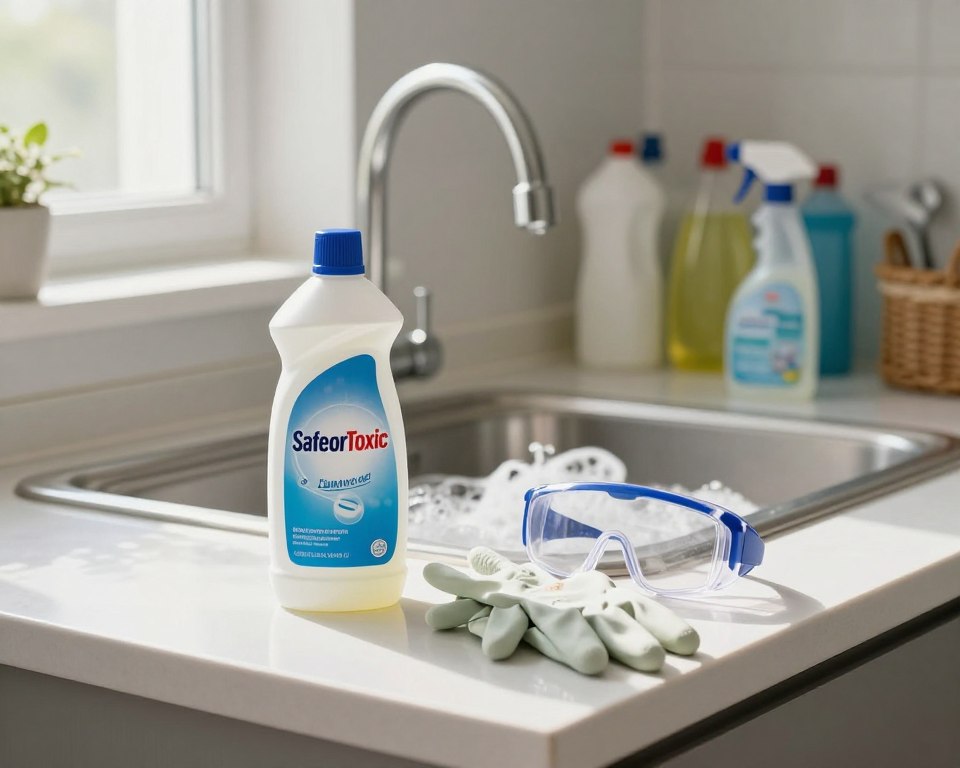
When using strong powders, we must protect ourselves. Simple gear can make cleaning safer. Here are some items to help avoid skin contact:
- Gloves: Rubber or nitrile gloves protect your skin.
- Goggles: Safety glasses keep dust out of your eyes.
- Masks: A dust mask is good for those sensitive to particles.
Proper Storage to Prevent Accidental Exposure
Storing cleaning supplies right is as important as using them safely. Keep them in a cool, dry place out of reach of kids and pets. This stops accidental ingestion and reduces borax exposure risks.
Always use the original packaging to keep safety labels on. If you need to move the powder, use a clear container and store it high up. These steps help keep our homes safe from borax dangers.
| Safety Measure | Action Required | Benefit |
|---|---|---|
| Protective Gear | Wear gloves and goggles | Prevents skin and eye irritation |
| Storage | Keep in high, locked cabinets | Prevents access by children/pets |
| Handling | Use in well-ventilated areas | Reduces inhalation of dust |
| Documentation | Review the MSDS | Increases product knowledge |
Common Borax Uses in Household Cleaning
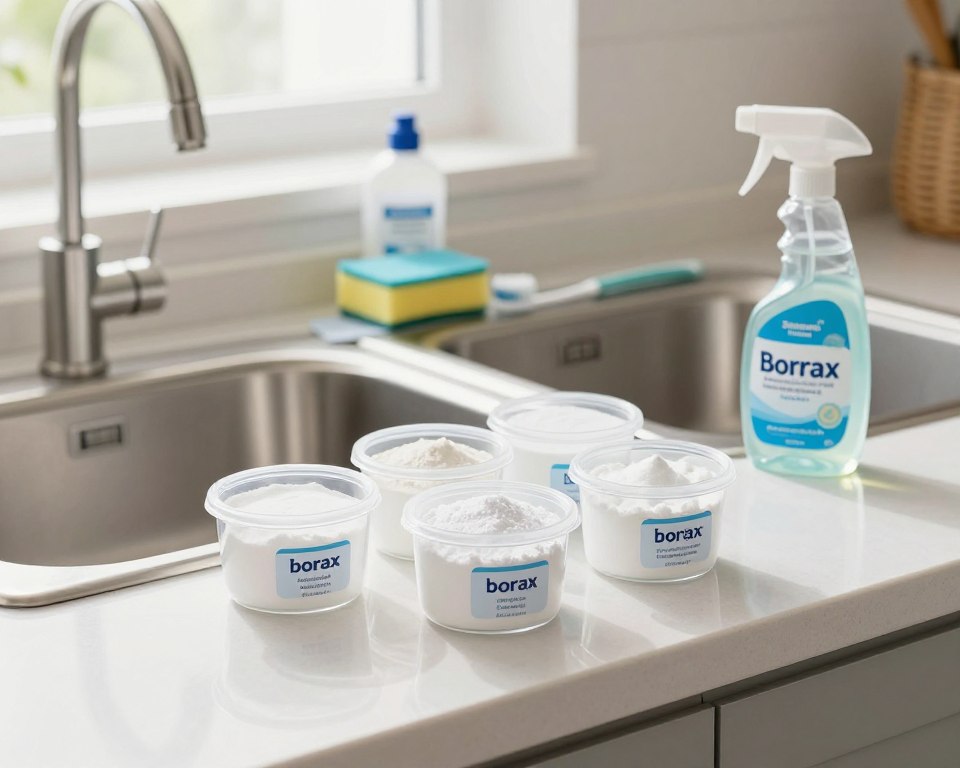
Borax is a simple, effective solution for many household tasks. It’s a popular choice for cleaning because it’s gentle and works well against dirt and grime. Knowing how to use it can make cleaning easier and safer.
Boosting Laundry Detergent Performance
One of the top uses for borax is in laundry. It softens water, making your detergent work better. This means your clothes can be cleaner and smell fresher.
- Add a half-cup to your wash to brighten whites and colors.
- Use it to neutralize stubborn odors trapped in synthetic fabrics.
- Help your clothes feel softer by balancing the pH levels of the water.
Removing Stubborn Stains from Fabrics
Borax is great for getting rid of tough stains. Mix it with water to make a paste. Apply it to the stain and let it sit for 15 minutes before washing.
This method works well on organic stains like grass or food spills. It helps remove them from your clothes.
Cleaning Kitchen Surfaces and Appliances
Borax is also good for the kitchen. It can clean greasy stovetops and stainless steel sinks. They’ll look new again.
But be careful using it on surfaces that touch food. Rinse them well with water after cleaning. This keeps your home clean and safe.
The Role of Borax in Bathroom Sanitation
Bathrooms can get dirty fast, needing a good cleaner. Many people don’t like harsh chemicals in cleaners. Using borax uses is a natural way to keep your bathroom clean without harsh chemicals.
Eliminating Soap Scum and Hard Water Deposits
Soap scum and mineral deposits can make your shower and faucets look dull. Borax is a natural water softener that helps remove these. Consistency is key for shiny bathroom fixtures.
To clean these areas, mix borax with a little water to make a paste. Put the paste on the dirty spots and wait a few minutes. Then, scrub with a soft sponge and rinse with clean water to remove all residue.
Refreshing Toilets and Grout Lines
Grout lines trap dirt and mildew, making your bathroom look dirty. A borax and water solution can brighten these areas. Use a stiff-bristled brush to scrub the grout lines and remove stains.
Toilets also benefit from borax uses. Sprinkle half a cup of borax in the bowl overnight to get rid of odors and mineral rings. In the morning, scrub and flush to see a clean toilet. Always rinse well to keep your home safe and comfortable.
Borax as a Natural Pest Control Solution
We often seek natural solutions to harsh chemicals for household pests. Many know borax for laundry, but it’s also a highly effective pesticide for many insects.
How Borax Affects Common Household Pests
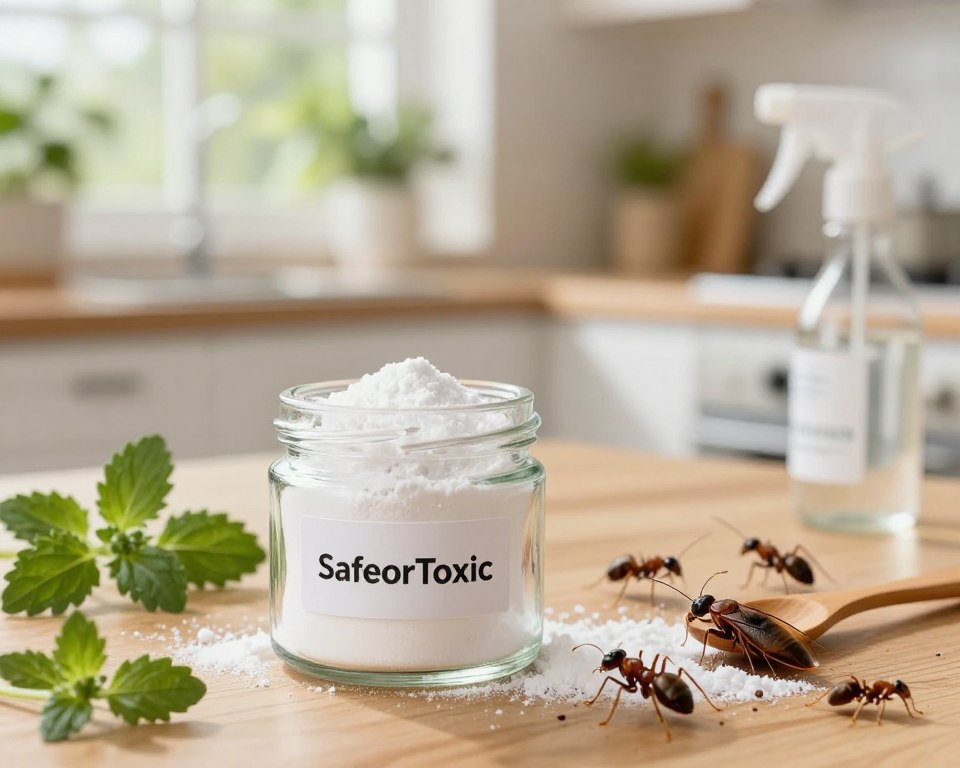
Insects that ingest or crawl through borax face disruption in their systems. It targets the metabolism and reproductive functions of pests, leading to their demise.
“Nature provides us with simple, effective tools to maintain a clean and pest-free home environment if we use them with wisdom and care.”
Strategic Application for Ant and Roach Control
To tackle infestations, apply the powder where pests are seen most. Focus on dark spots, behind appliances, and baseboards where ants and roaches roam.
A light dusting is more effective than a thick layer. Insects are more likely to walk through a thin layer, carrying the particles back to their nests. This strategic placement targets the source of the problem, not just the visible pests.
Safety Precautions When Using Borax for Pest Management
Using borax as a pesticide requires extreme caution to protect your home. Ensure the powder is out of reach of children and pets who might ingest it.
Keep the substance in areas blocked from living spaces. If you worry about accidental exposure, use bait stations to keep the powder contained. Your main goal is to manage pests safely, protecting your family.
Comparing Borax to Boric Acid
We often see these two terms used together, but it’s important to know the difference. Borax and boric acid are not the same, despite their similar roots. Misidentifying these products can lead to improper use and risks in your home.
Key Differences in Chemical Properties
Borax, also known as sodium tetraborate, is a naturally occurring mineral salt. It has a higher pH level, making it alkaline and good for cleaning. On the other hand, boric acid is a refined form that is more acidic.
These chemical differences affect how they interact with other substances. Borax is generally milder, while boric acid is more concentrated. Knowing these chemical properties helps you pick the right cleaner for your needs.
Why Confusion Between the Two Can Be Dangerous
The main danger is the significant difference in toxicity between the two. Boric acid is much more potent and can be harmful if ingested or if it comes into prolonged contact with the skin. Using boric acid when you meant to use borax can lead to poisoning or severe irritation.
We recommend keeping these products clearly labeled and stored separately for household safety. Never think they are interchangeable just because they are both boron-based. Always read the product label carefully before use to avoid health risks.
| Feature | Borax | Boric Acid |
|---|---|---|
| Chemical Name | Sodium Tetraborate | Hydrogen Borate |
| pH Level | Alkaline (approx. 9.5) | Acidic (approx. 5.0) |
| Primary Use | Cleaning and Laundry | Pest Control and Medical |
| Toxicity Level | Moderate | High |
Managing Borax Exposure and Possible Side Effects
We think safety comes from knowing about the products in your home. Many wonder is borax toxic. But, with the right handling, most issues are avoided. Knowing how to act quickly helps keep your home clean and worry-free.
Recognizing Symptoms of Borax Poisoning
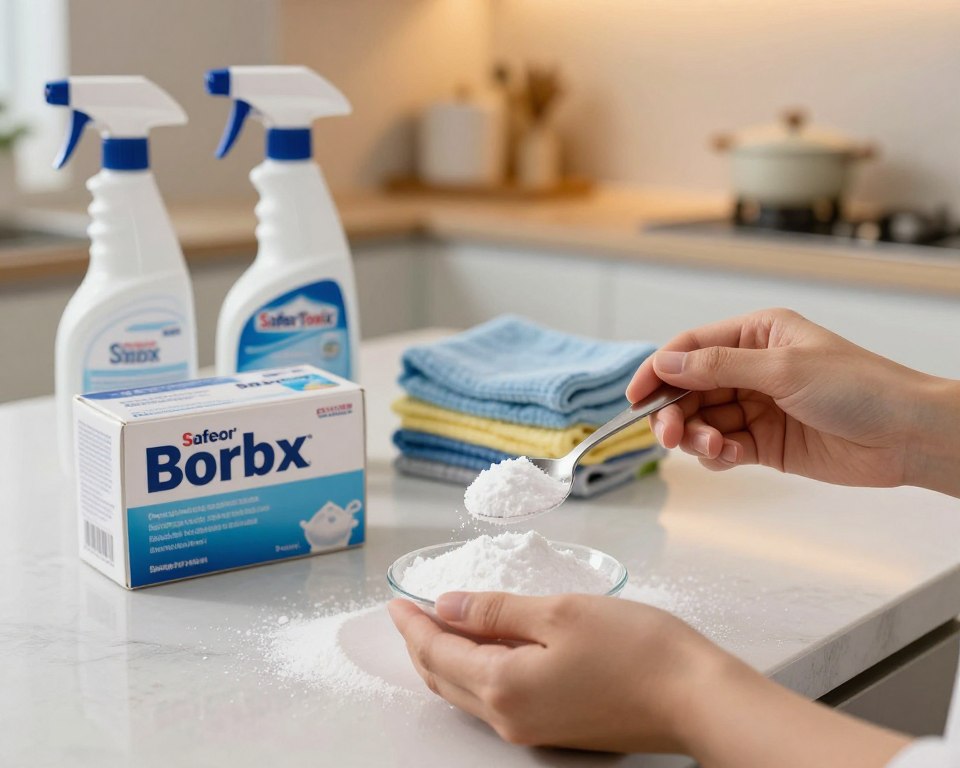
Being careful with cleaning powders is key. Borax poisoning is rare at home, but accidents can happen. Swallowing it might cause nausea, vomiting, or stomach pain.
Touching your skin to borax can lead to redness or irritation. Breathing it in might cause coughing or throat pain. Spotting these signs early helps protect your health.
Immediate First Aid Steps for Skin and Eye Contact
Accidental borax exposure needs quick action. For skin, wash the area with soap and water. Remove any dirty clothes to avoid more irritation.
Eye exposure? Flush with lukewarm water for 15 minutes. Keep your eyes open to clean all areas. Avoid rubbing your eyes to prevent more harm.
When to Seek Professional Medical Attention
Most small problems can be handled at home. But, serious cases need a doctor. Call a medical professional or poison control if someone swallows a lot or shows no improvement after first aid.
Keep the product packaging ready for medical help. It has important info. Being ready keeps your home safe for everyone.
| Exposure Type | Immediate Action | When to See a Doctor |
|---|---|---|
| Skin Contact | Wash with soap and water | If rash or pain persists |
| Eye Contact | Flush with water for 15 mins | If vision changes occur |
| Ingestion | Rinse mouth; drink water | If vomiting or pain starts |
Environmental Impact of Borax Disposal
When we think about our cleaning habits, we should consider how substances like borax affect our environment. Even though it’s a natural mineral, too much of it can harm our ecosystems. It’s important to know the borax health risks and how it affects the environment.
Is Borax Safe for Septic Systems
Many people worry about cleaning agents and their impact on septic tanks. Septic systems need a balance of bacteria to work right. High levels of borax can upset this balance because it fights off microbes.
Using borax in small amounts for cleaning is usually okay for a healthy septic system. But, don’t dump a lot of it down the drain. Using just what you need helps keep your system healthy and reduces borax health risks to the soil and water.
Responsible Disposal Practices for Household Chemicals
It’s key to dispose of household chemicals responsibly. Use only what you need for each cleaning task. This way, you avoid too much chemical waste from getting into our water systems.
If you have leftover cleaners, check your local rules for disposing of hazardous waste. Don’t pour strong chemicals into storm drains, as they go straight into our waterways. By following these steps, we can manage borax health risks and protect our water.
| Disposal Method | Environmental Impact | Recommended Action |
|---|---|---|
| Small Diluted Amounts | Minimal | Safe for standard drains |
| Large Concentrated Spills | High | Contact local waste facility |
| Storm Drain Disposal | Severe | Strictly prohibited |
Debunking Common Myths About Borax
Viral cleaning hacks often say borax is safe and natural. But, it’s not always safe for every use in your home. It’s key to separate marketing buzz from scientific reality to keep your home healthy.
Separating Fact from Internet Cleaning Trends
Social media is full of DIY cleaning recipes with borax. These recipes often ignore fundamental safety guidelines from experts. Just because a video shows a quick cleaning trick doesn’t mean it’s safe.
Be skeptical of viral trends. Relying on influencers for safety advice can be risky. Always check tips against trusted sources before using them at home.
Addressing Misconceptions About Natural Cleaning Products
Many think “natural” means “safe.” But, in chemistry, many natural substances are powerful and need careful handling. Borax is a good example of a mineral that’s effective for cleaning but can be toxic if not handled right.
We should not assume natural products are always safe. Knowing the chemical makeup of what we use at home is key to protecting our families. By adopting a critical mindset, we can clean effectively while avoiding health risks.
Best Practices for Handling Borax Cleaning Products
Using borax cleaning products in our daily cleaning needs is important. We must be careful to keep our homes safe. Borax is great at fighting dirt, but we need to use it wisely to avoid any risks.
Mixing Borax Safely with Other Household Cleaners
Never mix borax with other household chemicals. Mixing different cleaners can lead to unpredictable chemical reactions. These reactions might release harmful fumes or make the cleaning solution less effective.
To keep your home safe, follow these steps:
- Always use borax in its pure form or dissolved in water as directed.
- Avoid combining it with bleach, ammonia, or strong acidic cleaners.
- Store all cleaning agents in their original, clearly labeled containers.
- Rinse surfaces thoroughly after application to prevent residue buildup.
Ventilation Requirements for Indoor Cleaning
Good airflow is key when using powdered cleaning agents. When using borax cleaning products, dust can spread easily. This dust can irritate some people’s lungs.
Open windows or use exhaust fans to keep the air fresh. This way, you can clean well without risking your indoor air quality. It makes your home safer and more comfortable for everyone.
Alternatives to Borax for Sensitive Households
For homes with pets or young kids, finding safe cleaning alternatives is key. You want a clean home without risks. Luckily, there are many safe options for cleaning.
Using Baking Soda and Vinegar for Similar Results
Chances are, you have the best cleaning duo in your pantry. Baking soda and vinegar are great for cleaning without harsh chemicals. They work together to remove dirt and stains.
To clean drains or your kitchen sink, just sprinkle baking soda and add vinegar. This combo is highly effective at removing soap scum and mineral deposits. It leaves your home smelling fresh and clean.
Commercial Eco-Friendly Cleaning Substitutes
If you like pre-mixed solutions, many brands offer eco-friendly cleaning substitutes without boron. These are safe for families and the environment. You can find them at local stores or online.
When shopping, look for boron-free or plant-based labels. These cleaners use citric acid, enzymes, or essential oils. They offer strong cleaning without being harsh.
Regulatory Status and Safety Standards in the United States
Many of us think all borax cleaning products are strictly regulated. But, the truth is more complex. In the United States, there’s no single law that bans or heavily restricts borax in consumer goods. This means we must be careful ourselves.
Because of weak federal rules, we need to be extra careful. Knowing the borax health risks helps keep our homes safe. By staying informed, we can protect our families from accidents.
EPA and FDA Guidelines Regarding Borax
The Environmental Protection Agency (EPA) and the Food and Drug Administration (FDA) have different roles. The EPA watches over pesticides and some industrial chemicals. But, borax is treated differently based on its use. It’s key to remember these agencies don’t always say borax is safe for all uses.
Looking at the borax MSDS helps us understand risks. These documents are key for safe cleaning. Following these guidelines helps us choose better products for our homes.
Labeling Requirements for Consumer Cleaning Products
Product labels are our first defense. Manufacturers must list ingredients and warn about borax side effects. Always read these labels before using.
Ignoring warnings can be dangerous. It could even lead to borax poisoning if swallowed. Choosing products with clear safety labels is smart. Remember, using products wisely keeps your home safe and clean.
Conclusion
Understanding household cleaning products is key. We’ve looked into sodium tetraborate to see if it’s right for you.
Always check the borax msds for your family’s safety. This document is vital for a safe home.
Consider the power of borax against gentler options like vinegar or baking soda. These can clean well without the need for caution.
Your health should never be at risk for a clean home. By reading borax msds carefully, you control what’s in your home. We aim to help you clean safely and confidently.
How will you make your home safer today? Let us know or check out our eco-friendly living guides for more tips.
FAQ
Is borax toxic if it accidentally touches my skin?
A single touch might not be dangerous for everyone. But, borax can cause redness, itching, and irritation. Wash the area with soap and water right away to avoid borax side effects like dermatitis.
What should I do if I suspect borax poisoning in a pet?
If your pet eats borax, it’s a medical emergency. Look for symptoms like vomiting, drooling, and seizures. Call a vet or the ASPCA Animal Poison Control Center right away.
Where can I find more technical details on borax health risks?
Check the borax MSDS (Material Safety Data Sheet). It has detailed information on hazards, handling, and health risks from manufacturers like Dial Corporation.
Are borax cleaning products safe to use around my baby’s high chair?
No, don’t use borax on surfaces near food or where babies might mouth it. It’s too risky for areas around infants.
Is borax safety different from boric acid safety?
Yes, they are different. Boric acid is more concentrated and toxic than borax. Never mix them in cleaning recipes.
Can inhaling the dust lead to long-term borax side effects?
Yes, breathing in the dust can irritate your lungs. It might cause chronic cough or shortness of breath. Always ventilate well and pour the powder carefully to avoid dust.