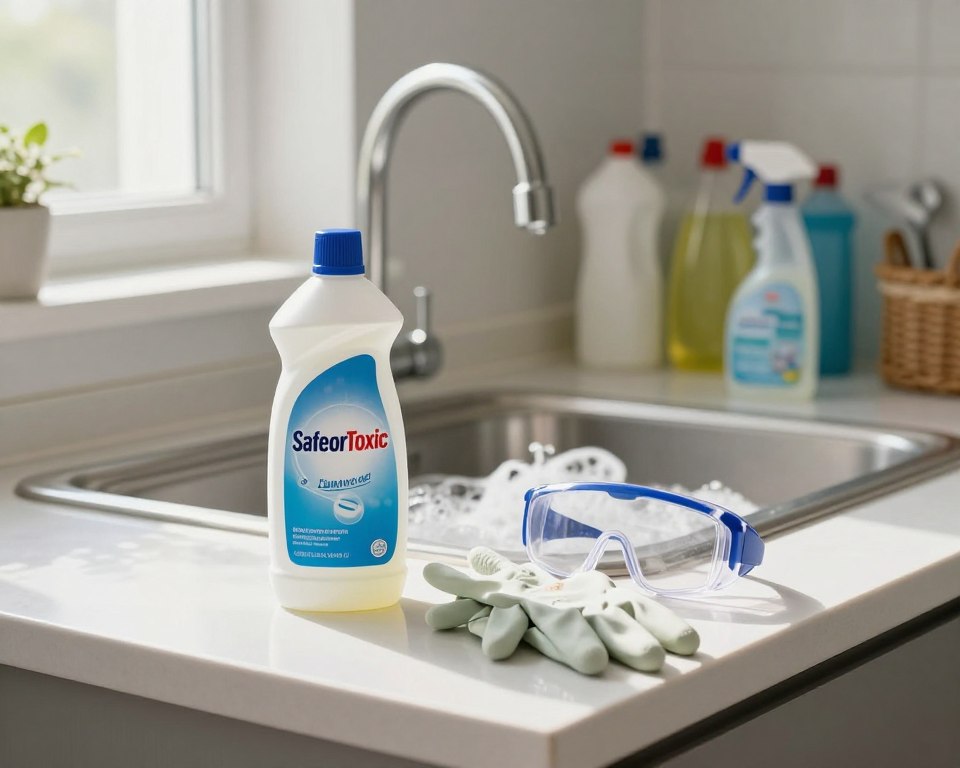
We all want a safe, healthy home for our families. Every night, we clean up after dinner at the kitchen sink. It’s a simple act of care. But have you ever thought about the ingredients in that blue bottle?
Many of us trust brands we’ve known for years. But the Environmental Working Group has raised some concerns. They say some cleaners have chemicals that worry parents. We believe you deserve total transparency about the products under your sink. Knowing if is Dawn dish soap toxic helps us choose better for our homes and health.
Key Takeaways
- Many common household cleaners face scrutiny for their chemical ingredients.
- The Environmental Working Group provides safety ratings for popular cleaning products.
- Transparency in labeling is essential for making informed family health decisions.
- Small changes in your cleaning routine can reduce exposure to synthetic substances.
- We aim to provide a balanced look at household safety and product efficacy.
Understanding the Composition of Dawn Dish Soap
Knowing what’s in our cleaning products is key to a healthy home. When we look at Dawn dish soap ingredients, we see a mix made for the best results. By understanding these parts, we can choose better for our daily needs.
Common Ingredients Found in Dawn
Dish detergents use synthetic chemicals for cleaning. They have surfactants, stabilizers, and pH adjusters. Here’s what you’ll often find:
- Surfactants: These molecules lift grease and food particles from surfaces.
- Preservatives: These keep the product stable and prevent bacteria.
- Fragrances: These add a nice smell during and after washing.
- Dyes: These enhance the look and brand recognition.
The Role of Surfactants in Cleaning
Surfactants are the true workhorses of dish soap. They make water spread better, helping it get into tight spots. This makes it easier to remove tough grease from dishes.
Surfactants grab onto grease, breaking it into small droplets. These droplets are then washed away, leaving your dishes clean. Without surfactants, cleaning up stuck-on food would be hard.
Preservatives and Fragrances Explained
Preservatives keep the soap from growing mold or bacteria. Some people like fragrance-free options, but scents hide the soap’s natural smell.
Looking at the ingredients helps us understand their roles. The table below shows how Dawn dish soap ingredients help in cleaning.
| Ingredient Category | Primary Function | Benefit to User |
|---|---|---|
| Surfactants | Grease removal | Efficient cleaning |
| Preservatives | Shelf stability | Prevents contamination |
| Fragrances | Scent enhancement | Pleasant experience |
| pH Adjusters | Formula balance | Skin compatibility |
Is Dawn Dish Soap Toxic to Humans?
Many of us wonder if Dawn dish soap is toxic. It’s a common cleaner in American kitchens. We want to know if it’s safe for us.
This product is made for safe use on dishes when used right. Though some worry about its toxicity of dawn dish soap, serious health problems are rare at home.
Analyzing Possible Health Risks
Most people worry about Dawn dish soap health risks from accidental exposure. Swallowing a bit might cause stomach upset. This could be nausea, vomiting, or diarrhea.
These issues are usually short-lived and mild. But, if you swallow a lot, call a doctor or poison control. Knowing the risks helps keep your home safe.
Skin Sensitivity and Skin Problems
Washing hands a lot can dry out your skin. This isn’t because the soap is toxic. It’s because it removes oils, drying your skin.
If your skin gets dry or itchy, try wearing rubber gloves. This can help prevent skin irritation while cleaning.
Inhalation Risks During Daily Use
Some are concerned about breathing in chemicals while washing dishes. In a well-ventilated kitchen, this risk is very low. The soap stays in liquid form, not in the air.
But, if strong smells bother you, choose unscented soap. Keeping your kitchen well-ventilated helps avoid any Dawn dish soap health risks. These precautions make cleaning safe and easy.
The Science Behind Dawn Dish Soap Ingredients
To understand the safety of household products, we need to look at the chemistry of Dawn dish soap ingredients. These cleaners are common in our kitchens, but the compounds that cut through grease raise questions about their long-term effects. By examining these components, we can make better choices for our homes.
Sodium Lauryl Sulfate and Sodium Laureth Sulfate
These two compounds are key surfactants that help lift grease from surfaces. Sodium Lauryl Sulfate (SLS) and Sodium Laureth Sulfate (SLES) create the rich lather we love for a deep clean. While effective, some worry about skin irritation from using them in high amounts.
It’s worth noting that these surfactants are used in many personal care products. They are generally safe for dishwashing when rinsed well. But, people with sensitive skin might experience dryness or irritation after long exposure.
Methylisothiazolinone and Safety Standards
Methylisothiazolinone is a preservative that prevents bacterial growth in the bottle. It’s important for keeping the product fresh, but it can cause skin irritation and harm aquatic life in high amounts. Regulatory bodies keep a close eye on these levels to ensure they’re safe for us.
“Understanding the chemical profile of our daily cleaners is essential for maintaining a healthy home environment and protecting our local water systems.”
Dyes and Their Regulatory Status
The bright colors of dish soap come from synthetic dyes. These additives are closely watched to ensure they don’t pose Dawn dish soap health risks to most people. Some groups worry about harmful chemicals in Dawn dish soap, but the dyes meet current safety standards.
| Ingredient Category | Primary Function | Safety Consideration |
|---|---|---|
| Surfactants | Grease removal | Potential skin irritation |
| Preservatives | Bacterial control | Aquatic toxicity concerns |
| Synthetic Dyes | Visual appeal | Regulatory compliance |
The goal for manufacturers is to balance cleaning power with safety. By knowing about these ingredients, we can manage our exposure and choose safer products.
Environmental Impact and Eco-Friendly Considerations
Protecting our waterways begins with our daily choices at home. We might wonder how our cleaning habits affect the environment. Many look for a Dawn dish soap eco-friendly option, but it’s key to know how these soaps impact the environment after we use them.
Biodegradability of Dawn Formulas
Biodegradability means a substance can naturally break down. Most dish soaps are made to degrade quickly in water treatment systems. This is important to prevent chemicals from building up in our water.
While dish soap surfactants are biodegradable, how fast they break down can vary. Manufacturers aim to meet environmental safety standards. This helps reduce the environmental impact of our daily cleaning.
Impact on Aquatic Life and Ecosystems
Some cleaning product ingredients are harmful to aquatic life. When these substances enter water bodies, they can harm underwater habitats. Protecting aquatic ecosystems means using less soap during each wash.
Even a little bit of concentrated chemicals can harm fish and other sea creatures. We should use only what we need. This helps keep our environment healthier for all.
Comparing Dawn to Plant-Based Alternatives
Looking for a Dawn dish soap eco-friendly option often leads to comparing it with plant-based soaps. These soaps use coconut or corn-based ingredients instead of petroleum. They are often seen as better for the environment.
But, Dawn and other conventional brands have also become more sustainable. The choice between brands depends on your cleaning needs and environmental values. Transparency in labeling helps us make better choices for our homes and the planet.
Dawn Dish Soap Benefits for Household Cleaning
Often, the best cleaning tools are right in our cabinets. Dawn dish soap is not just for washing dishes. It has many uses around the house.
Beyond Dishes: Versatile Uses Around the Home
This soap is great for more than just dishes. It’s a gentle cleaner for kitchen counters, appliances, and stovetops.
It’s also good for laundry. A small drop can remove oil stains from clothes before washing.
Effectiveness Against Grease and Grime
Dawn dish soap is known for its ability to tackle grease. Its special structure helps break down oil, making it easy to clean.
It’s perfect for tough messes like garage floors or greasy oven racks. It quickly makes surfaces clean again.
Why It Remains a Household Staple
Many Dawn dish soap reviews praise its reliability. People trust it because it works well without harsh chemicals.
It’s been a kitchen must-have for years. Its simplicity, effectiveness, and affordability make it a top choice for a clean home.
Evaluating Dawn Dish Soap Safety for Pets
Many people see Dawn used in wildlife rescue and wonder if it’s safe for pets at home. The Dawn dish soap benefits are clear in videos of birds and marine life being cleaned after oil spills. But, using it on your pets needs extra care and common sense.
Using Dawn for Wildlife Rescue Efforts
Wildlife groups often use Dawn because it’s great at removing heavy grease and oil. It cleans well without harming the skin or feathers of rescued animals. This unique ability makes it a favorite for emergency responders.
Precautions When Washing Pets at Home
When using Dawn on your dog or cat, remember they’re not wild animals covered in oil. Always dilute the soap with lots of water before applying it to their coat. Proper rinsing is key to avoid dryness or itching.
Potential Irritation for Sensitive Animals
Many owners use Dawn to remove odors or grease from pets’ fur. But, it’s not for regular baths. Animals with naturally sensitive skin might react to dish detergent surfactants. If your pet has allergies or skin issues, use a shampoo made for their pH balance.
Keep the soap away from your pet’s eyes, nose, and mouth during baths. If you see redness or discomfort, rinse with cool water right away. With caution, you can handle messy situations that need extra cleaning power.
Common Myths Regarding Toxicity
We often hear scary claims about everyday products that aren’t backed by science. In today’s world, false information spreads fast on social media. This can worry families across the U.S. When we talk about toxicity of dawn dish soap, we should trust facts over rumors.
Debunking Viral Social Media Claims
Viral videos claim household cleaners are dangerous, but rarely show real studies. Influencers say certain ingredients are bad, ignoring how much is in the product. Yet, Dawn dish soap reviews show most users love its cleaning and safety when used right.
Distinguishing Between Irritation and Toxicity
It’s key to know the difference between a mild skin reaction and true toxicity. A product might cause temporary skin issues, but that doesn’t mean it’s toxic. Is Dawn Dish Soap Toxic in a real way? No, as long as it’s used for cleaning dishes.
Understanding Chemical Exposure Levels
Safety depends on how much and how long you’re exposed to something. Even water can be harmful in huge amounts. Dish soap ingredients are made to be safe for what we eat from. The table below clears up common myths and the real science behind these products.
| Common Myth | Scientific Reality | Safety Status |
|---|---|---|
| Soap is highly toxic | Formulated for safe contact | Low risk |
| Causes long-term illness | No evidence of systemic harm | Safe for use |
| Skin irritation equals poisoning | Temporary surface reaction | Non-toxic |
| Ingredients are banned | Regulatory approved components | Compliant |
Looking at toxicity of dawn dish soap through science helps us overcome fear. Is Dawn Dish Soap Toxic when washing dishes? No, it’s a reliable tool for your home. We urge you to seek out true information to keep your cleaning safe and effective.
How to Use Dawn Dish Soap Safely
Keeping your home clean is easy when you focus on Dawn dish soap safety. This product is a must-have in many kitchens. But, using it right keeps your home clean and healthy. Follow these easy steps for the best results and safety.
Best Practices for Minimizing Exposure
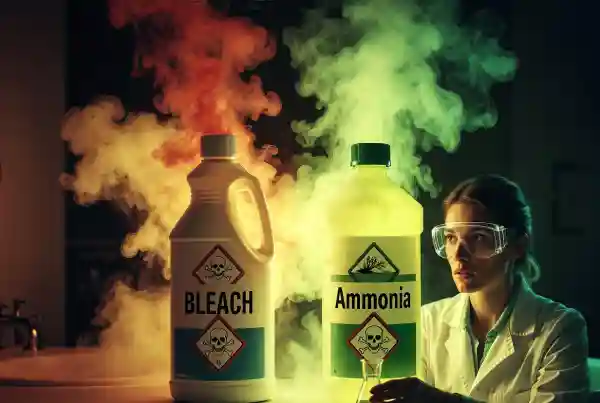
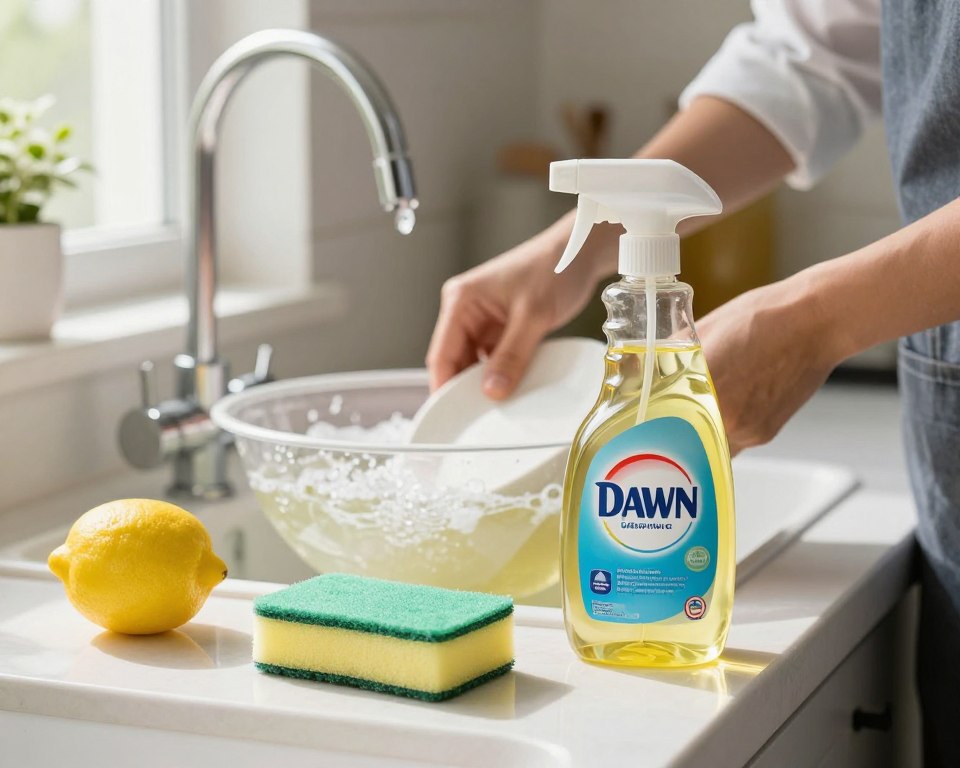
Always remember to never mix chemicals. Mixing dish soap with bleach or vinegar can release harmful chlorine gas. Always clean in well-ventilated areas to keep the air fresh.
Don’t use too much soap. A little goes a long way in fighting grease. Using too much just makes rinsing harder. This way, you keep your home safe for everyone.
Proper Rinsing Techniques for Kitchenware
Rinsing well is key to removing soap residue. Rinse each item under warm water until it’s clean and no bubbles remain. This keeps your food safe from soap.
For delicate items, use a soft sponge to rinse. Cleaning your sink after washing also keeps things hygienic. These steps help keep your home safe and clean.
When to Wear Protective Gloves
Dish soap is usually gentle, but it can dry out your skin. Wear rubber or silicone gloves if you have sensitive skin or are washing dishes for a long time. This protects your skin from dryness and irritation.
| Action | Safety Benefit | Recommendation |
|---|---|---|
| Mixing Products | Prevents toxic gas | Never mix with bleach |
| Rinsing | Removes residue | Use warm running water |
| Skin Care | Prevents irritation | Wear gloves if sensitive |
| Ventilation | Improves air quality | Keep windows open |
By following these tips, you can clean safely and effectively. Remember, consistency is key for a safe and happy home.
Navigating Labels and Ingredient Transparency
We think every family should know what they’re using in their kitchen. In the U.S., there’s no law that says all ingredients must be listed on cleaning product labels. This means families often don’t know if the cleaners they use are safe.
Many people are concerned about harmful chemicals in dawn dish soap. Even though the main ingredients are listed, some things like fragrances or preservatives might not be. It’s important to learn how to read these labels if you care about your health.
How to Read Dish Soap Labels
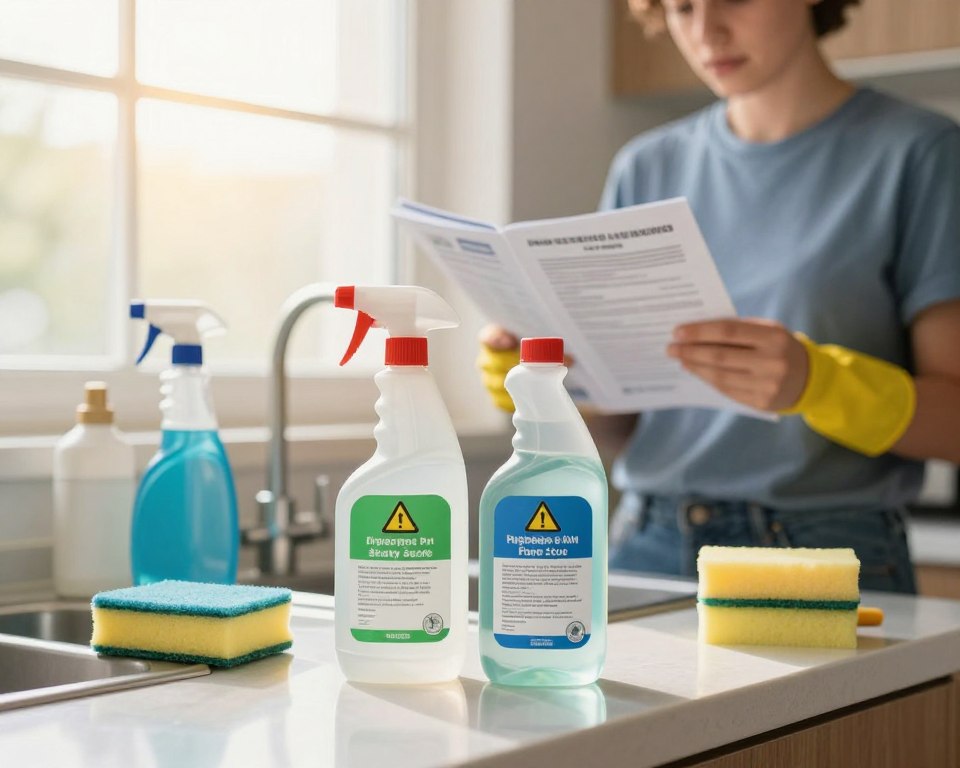
When you look at a bottle, find the ingredient disclosure statement. Some brands have a link or QR code on their labels that takes you to a detailed list on their website. If a label is unclear, it might mean the company isn’t being open about what’s in their product.
Watch out for terms like “fragrance” or “parfum.” These can hide many unknown substances. By being careful, you can decide if a product is safe for you.
Resources for Checking Chemical Safety
You don’t have to figure this out by yourself. There are groups that check cleaning products for you. The Environmental Working Group (EWG) has comprehensive guides that show if a product is safe.
These tools are great for checking if Dawn dish soap eco-friendly claims are true. They help you make choices based on facts, not just ads.
The Importance of Manufacturer Transparency
We urge you to ask for clearer labels from the brands you support. When people demand better, companies are more likely to be open about what’s in their products. Being transparent is not just a trend; it’s a basic right for every home.
Choosing brands that list all their ingredients helps make the whole industry better. Your money can really make a difference in making things change for the better.
| Label Feature | Standard Disclosure | Transparent Disclosure |
|---|---|---|
| Ingredient List | Partial/Surfactants only | Full list including additives |
| Fragrance Info | Generic “Fragrance” | Detailed scent components |
| Safety Data | Not provided | Third-party verified |
| Eco-Claims | Vague marketing | Certified biodegradable |
Conclusion
Finding the right household cleaning products is key. We’ve looked into dish soap safety, from its chemicals to its effects on the environment.
Dawn is a top choice for cleaning grease in kitchens. Knowing what’s in it helps us use it better.
Keep learning about the products you use at home. Making your home and the planet healthier starts with smart choices.
Be curious about what’s in your favorite cleaning products. Your efforts to stay safe and green help everyone.
FAQ
What is the overall toxicity of dawn dish soap according to safety experts?
Safety experts and the Environmental Working Group (EWG) say Dawn is generally safe for household use. While it can irritate skin or eyes, it’s not considered poisonous under normal conditions.
Are there any harmful chemicals in dawn dish soap that we should avoid?
Some people worry about chemicals like 1,4-Dioxane and Methylisothiazolinone in Dawn. While they’re regulated, those seeking cleaner options might prefer products without them.
What are the most commonly cited dawn dish soap health risks?
Common risks include skin irritation and respiratory issues for those with asthma. Accidental ingestion can cause minor stomach upset, but is rarely serious.
What do typical dawn dish soap reviews say about its safety and performance?
Most reviews praise Dawn for its grease-cutting power. Yet, some health-conscious buyers mention concerns about its EWG rating and synthetic dyes.
Is Dawn dish soap eco-friendly for those concerned about the environment?
While Dawn’s surfactants are biodegradable, it’s not the most eco-friendly option. Its petroleum-based formula and synthetic fragrances have a larger environmental impact than plant-based cleaners.
What are the main dawn dish soap benefits for non-kitchen cleaning?
Dawn is versatile for cleaning oil stains, delicate clothing, and pests on plants. Its strong degreasing power makes it useful around the home.