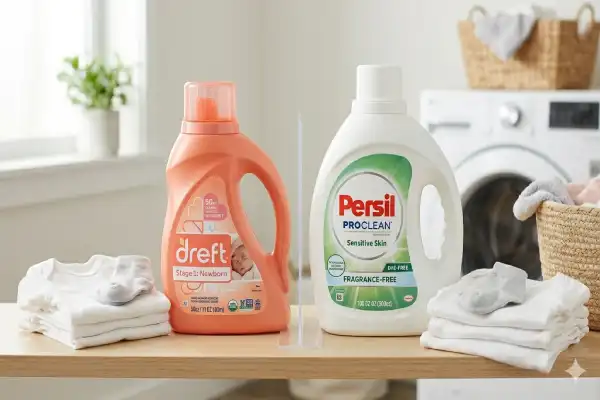
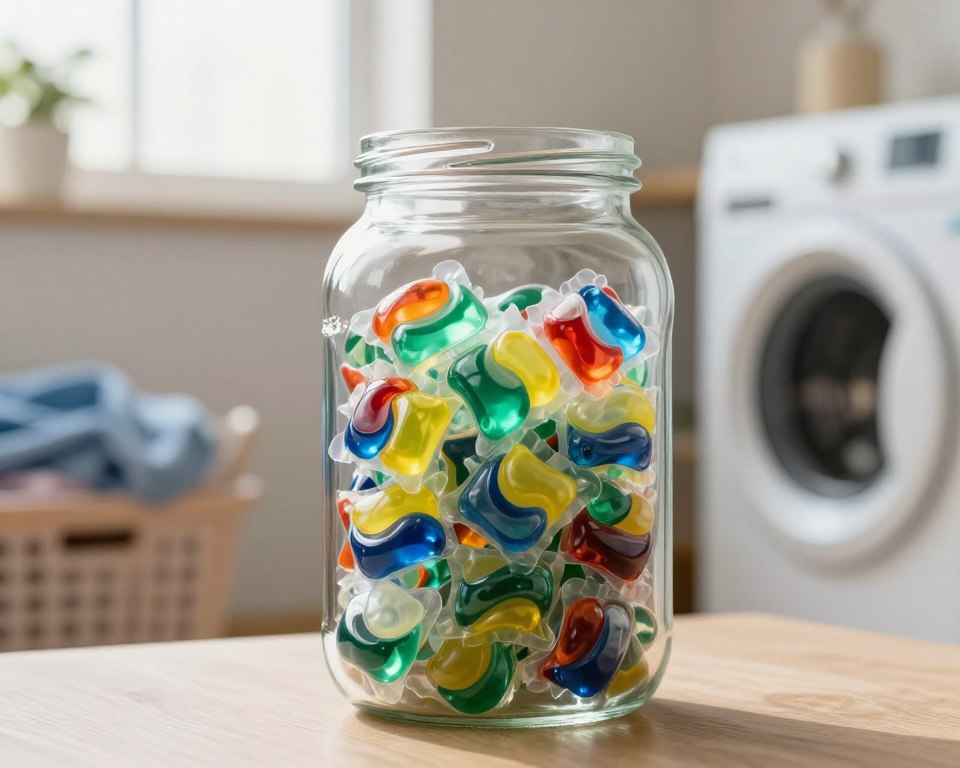
Did you know that over 30% of households in the United States use laundry detergent pods? These convenient little packets have transformed the way we clean our clothes. However, their popularity comes with questions about safety and proper storage.
These single-dose detergent pods, like Gain Flings, are encased in a thin polyvinyl film that dissolves when it meets moisture. This feature is a double-edged sword; while it simplifies measuring detergent, it also makes these products vulnerable to damage. If not stored correctly, they can lose their effectiveness.
This article delves into the safety implications of transferring laundry detergent from its original packaging into decorative containers. As this trend gains traction on platforms like Pinterest, understanding the risks becomes essential. Readers will learn how moisture exposure, child accessibility, and chemical stability play a role in choosing the right storage methods for these cleaning products.
Key Takeaways
- Storing laundry pods in a clear jar raises safety concerns due to moisture exposure.
- Pods are designed with a water-soluble film that dissolves quickly, affecting their integrity.
- Proper storage is crucial for maintaining the effectiveness of detergent pods.
- Understanding the chemical properties of these products helps in making informed storage choices.
- Manufacturer guidance and safety recommendations should be followed to ensure safe usage.
Understanding the Safety Concerns of Laundry Pod Storage
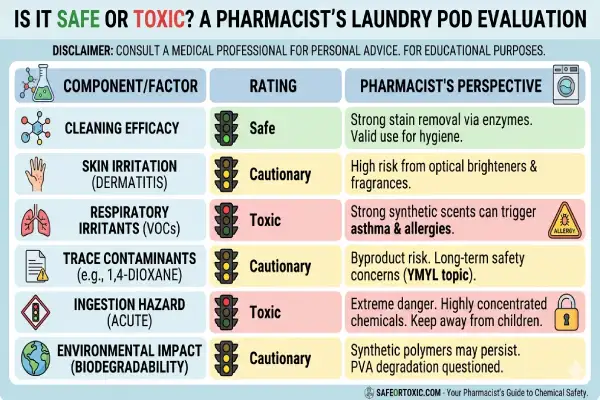
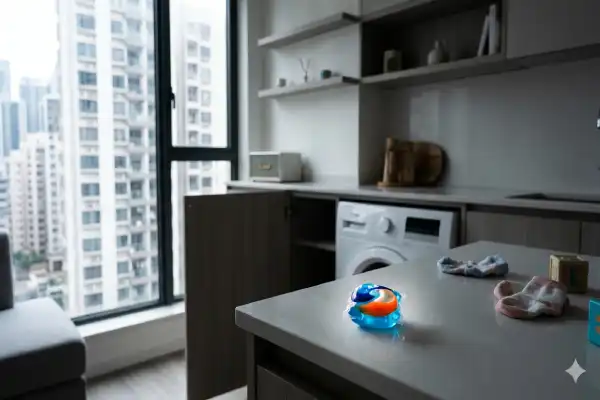
When it comes to handling laundry detergent pods, careful attention is essential. These products contain concentrated cleaning agents that can be hazardous if not managed properly. Their compact size and bright colors can easily mislead young children, who may mistake them for candy. This makes proper storage and handling critical for safety in any home.
The concentrated formulation of these cleaning products means they are much more potent than traditional liquid or powder detergents. A single pod can deliver a powerful dose of detergent, which is why it’s vital to ensure they are kept out of reach of children and pets. Accidental ingestion can lead to serious health issues, including chemical burns and poisoning.
Why Laundry Pods Require Careful Handling and Storage
These pods are designed for convenience, but that also makes them susceptible to moisture. The polyvinyl film encasing the pods dissolves upon contact with water. If they are stored in an environment with high humidity or accidental spills, the integrity of the pods can be compromised. This can lead to leakage of concentrated detergent, creating a hazardous situation.
Risks Posed to Children and Pets
Children are particularly at risk due to the appealing appearance of laundry pods. The bright colors and small size can trigger curiosity, leading to potential ingestion. If a child bites into a pod, the liquid can cause severe irritation and chemical burns in the mouth and throat. Moreover, aspiration into the lungs can result in life-threatening complications.
Pets are also vulnerable. Dogs, attracted by the scent of laundry products, may ingest pods if they are left within reach. This can lead to poisoning and serious health risks for our furry friends. Therefore, it is crucial to ensure that all cleaning products, including laundry detergent, are stored securely.
The Role of Moisture and Container Integrity
Moisture is a significant concern when it comes to storing laundry pods. Even minor humidity can lead to the pods sticking together or breaking down, resulting in chemical leakage. This not only poses a risk to health but also creates a mess that can be difficult to clean.
To maintain the integrity of the pods, it is recommended to use airtight containers that prevent moisture intrusion. These containers should be kept in a climate-controlled area, away from the laundry room’s humidity and steam. Proper storage solutions can help avoid the risks associated with improper handling.
| Risk | Description | Prevention |
|---|---|---|
| Ingestion by Children | Bright colors may attract children, leading to accidental ingestion. | Store pods in child-proof cabinets and out of reach. |
| Ingestion by Pets | Pets may be attracted to the scent, risking poisoning. | Keep pods on high shelves or locked away. |
| Moisture Damage | Exposure to humidity can cause pods to dissolve prematurely. | Use airtight containers and avoid damp areas. |
| Chemical Burns | Ingestion can lead to severe burns in the mouth and throat. | Follow safety instructions and keep out of reach. |
For more detailed safety information, visit Tide’s safety tips. Understanding these risks and implementing proper storage practices can significantly reduce the likelihood of accidents in your home.
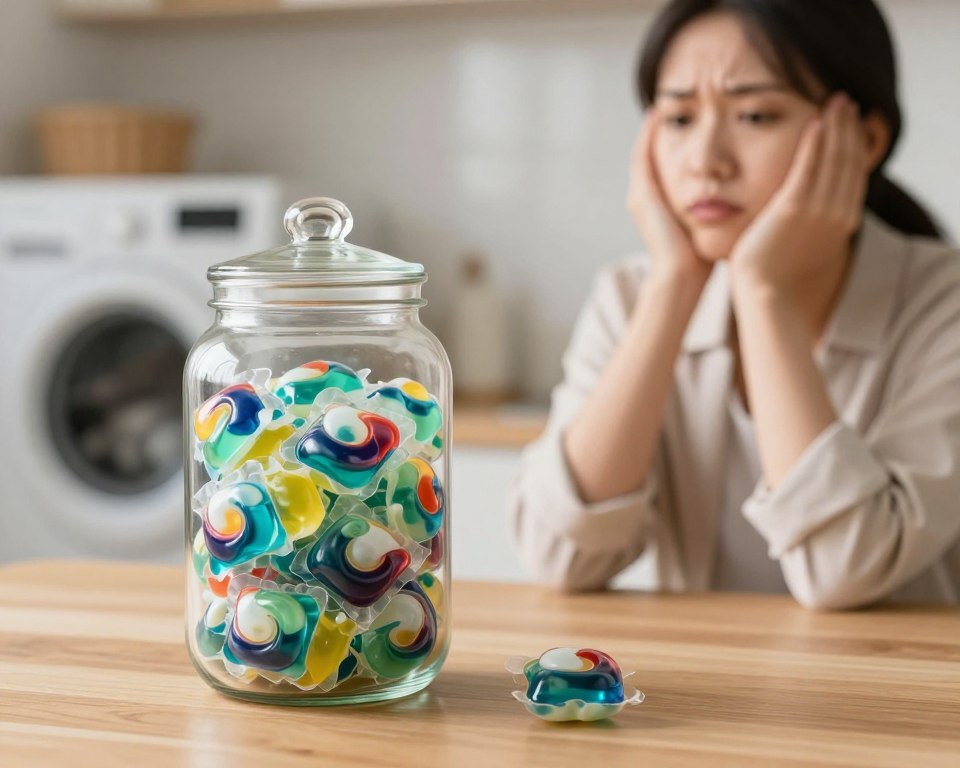
The Risks of Storing Laundry Pods in Clear Jars
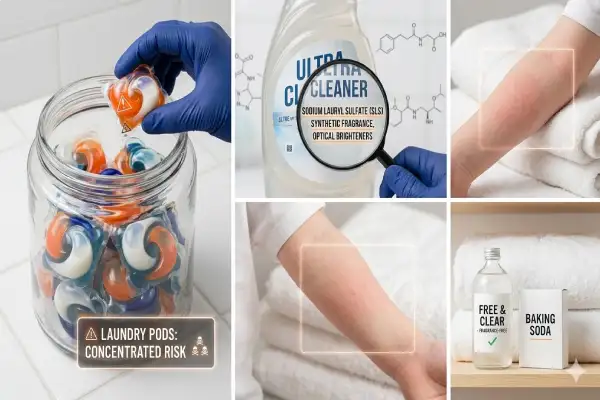
Storing laundry detergent in decorative containers may seem appealing, but it poses significant risks. Transferring these products into clear glass jars introduces a conflict between aesthetic preferences and the safety requirements of moisture-sensitive, toxic household chemicals.
Exposure to Moisture and Chemical Leakage
Glass jars, unless equipped with a gasketed airtight lid, allow ambient humidity to circulate inside. This moisture can gradually compromise the polyvinyl film surrounding the pods. As a result, pods may become tacky, fuse together, or partially dissolve.
When this occurs, chemical leakage pools at the bottom of the jar. This creates a reservoir of concentrated detergent that poses both dermal and ingestion hazards whenever the jar is handled.
Visibility and Accessibility Concerns for Children
The transparency of glass jars makes laundry pods highly visible to children. Brightly colored spheres can easily be mistaken for candy or toys, dramatically increasing the probability of unsupervised access attempts. Unlike original plastic containers, which are opaque and intentionally nondescript, clear jars effectively advertise their contents to curious toddlers and visiting children unfamiliar with household safety rules.
Original containers also incorporate child-resistant closure mechanisms tested to meet Consumer Product Safety Commission standards. In contrast, decorative jars typically feature simple lift-off or twist-off lids with no resistance features.
Comparing Clear Jars with Original Plastic Containers
Light exposure through clear glass can accelerate the degradation of detergent formulations. This reduces cleaning efficacy over time and may alter the chemical stability of the pod contents. Additionally, the structural integrity of glass jars introduces a breakage risk not present with plastic containers. A dropped jar can shatter, scattering pods and concentrated detergent across the floor, creating a hazardous spill scenario.
Comparing the two storage methods reveals that original containers outperform clear jars on every safety metric: moisture protection, child resistance, chemical stability, and impact durability. For households with pets, clear jars placed on open shelving provide no barrier to a determined dog or cat that may knock the container to the floor and access the contents.
| Risk | Description | Prevention |
|---|---|---|
| Moisture Damage | Exposure to humidity can cause pods to dissolve prematurely. | Use airtight containers and avoid damp areas. |
| Ingestion by Children | Bright colors may attract children, leading to accidental ingestion. | Store pods in child-proof cabinets and out of reach. |
| Ingestion by Pets | Pets may be attracted to the scent, risking poisoning. | Keep pods on high shelves or locked away. |
| Chemical Burns | Ingestion can lead to severe burns in the mouth and throat. | Follow safety instructions and keep out of reach. |
For more detailed safety information, visit Healthy Children’s safety tips. Understanding these risks and implementing proper storage practices can significantly reduce the likelihood of accidents in your home.
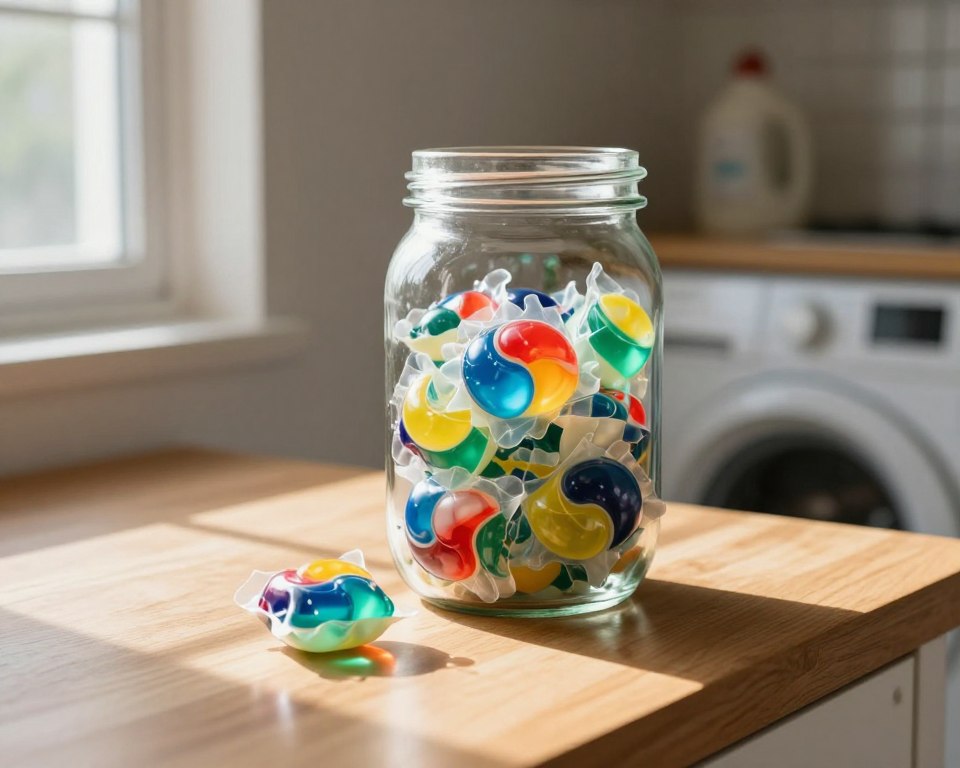
How to Safely Store Laundry Pods and Other Detergents
Proper storage of laundry products is essential for maintaining their effectiveness and ensuring safety. Understanding the best practices can help you avoid potential hazards. Here are some recommended ways to manage laundry pods and other cleaning supplies effectively.
Best Storage Practices for Laundry Pods
The safest approach to storing laundry pods is to keep them in their original container. Make sure the child-resistant lid is securely closed. This container should be placed in a locked upper cabinet within the laundry room. By doing this, you minimize the risk of accidental ingestion by children or pets.
An airtight storage environment is crucial for pods. The polyvinyl film begins to degrade with sustained exposure to humidity. This can lead to pods losing their effectiveness. Always ensure that the storage area is dry and free from moisture.
Storing Liquid, Powder, and Other Laundry Supplies Safely
Liquid laundry detergent should be stored in a cool, temperature-stable area. Extreme heat can accelerate the breakdown of its ingredients. Conversely, freezing temperatures can cause phase separation, clogging washer dispensers.
Powdered detergent is sensitive to moisture. It should be kept in a cool, dry area to prevent clumping. If you notice any hard clumps, it’s best to discard that product. Fabric softeners can remain effective for two to three years if stored properly and unopened.
Scent booster beads and dryer sheets also require careful storage. Both should be kept in a cool, dry, airtight container and used within six months of opening. This helps preserve their fragrance and functional additives.
Importance of Airtight, Labeled Containers and Locked Cabinets
All laundry chemicals should be stored out of reach of children and pets, preferably behind locked doors. Properly labeled containers are essential to prevent accidental mixing and hazardous chemical reactions. If you choose to transfer laundry products into secondary containers, ensure they are clearly labeled with the product name, date of transfer, and any relevant hazard warnings.
Locked cabinets provide a definitive barrier against child and pet access. This transforms the laundry room from a potential hazard zone into a controlled storage environment. Position the cabinet away from the washer and dryer to minimize exposure to vibration, heat, and humidity.
Implementing these practices across all laundry supplies creates a systematic safety protocol. This not only protects the chemical integrity of the products but also ensures the well-being of every household member.
| Product Type | Storage Recommendations | Notes |
|---|---|---|
| Laundry Pods | Keep in original container, locked cabinet | Airtight environment is essential |
| Liquid Detergent | Store in cool, stable temperature area | Avoid extreme heat and freezing |
| Powdered Detergent | Keep in a cool, dry place | Discard clumpy or hard powder |
| Fabric Softener | Store unopened in cool, dry conditions | Use within 2-3 years |
| Scent Booster Beads | Store in airtight container | Use within six months of opening |
| Dryer Sheets | Keep in cool, dry location | Use within six months of opening |
For more detailed safety information, visit this informative article. Understanding these risks and implementing proper storage practices can significantly reduce the likelihood of accidents in your home.
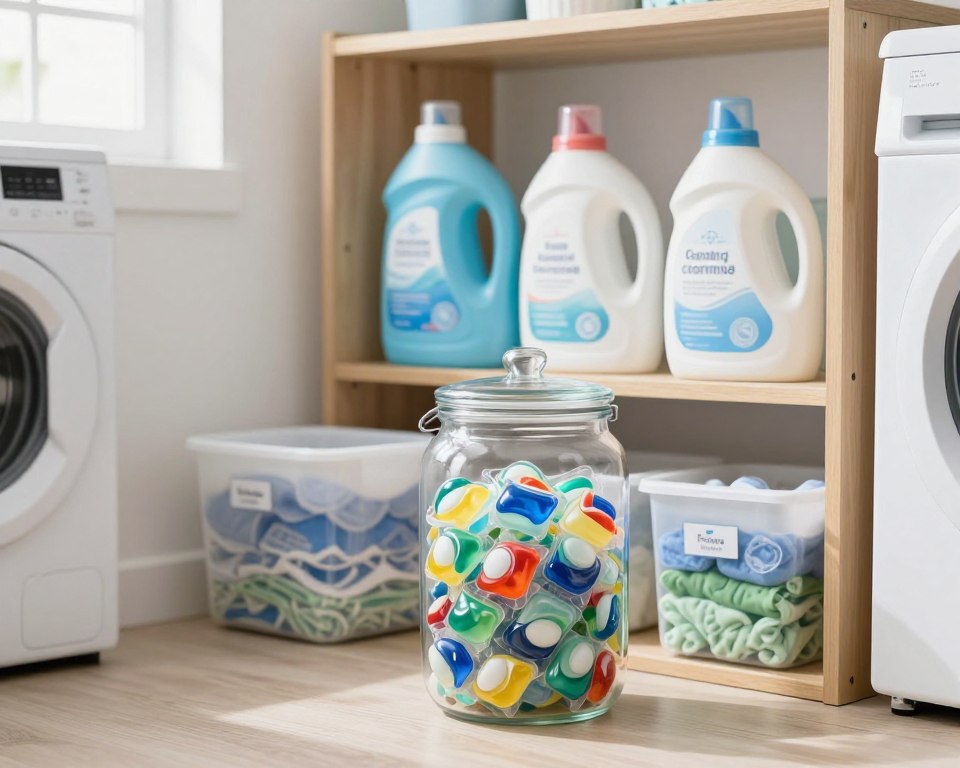
Creative and Safe Storage Solutions for Laundry Pods Including Clear Jars
Innovative storage solutions can make managing laundry pods both stylish and practical. For those committed to the aesthetic of glass storage, retrofitting jars with airtight lids is essential. This approach ensures that moisture-sensitive pods remain effective while enhancing the decor of your laundry area.
DIY Tips for Making Clear Glass Jars Safe and Airtight
To make glass jars suitable for pod storage, it’s crucial to ensure they are airtight. A rubber washer can be installed between the glass and the screw when securing a knob. This creates a reliable seal against moisture.
Another option is to use clear epoxy designed for bonding metal and glass. This method allows for attaching knobs without drilling, preserving the airtight integrity of the jar. However, if drilling is necessary, safety precautions are vital.
Using a diamond-tipped drill bit, you should start at a low speed and at an angle. This technique helps create a divot, preventing the bit from wandering. Keep the bit cool and wet during the process, and avoid applying excessive pressure to prevent breakage.
Using IKEA Glass Jars and Adding Customized Lids
The IKEA 112-ounce glass jar, priced at $9.99, is an excellent choice for laundry detergent storage. Its flat lid profile accommodates modifications, whether through adhesive or mechanical fastening methods.
When customizing lids, installing a rubber washer between the glass surface and the lid screw creates a compression seal. This effectively blocks ambient humidity, addressing the primary failure mode of decorative jar storage.
For a polished finish, a small brass or silver washer can hide any minor chipping around the drill hole. This ensures that your jars not only function well but also look appealing in your laundry room.
Considerations When Repurposing Jars for Laundry Storage
Repurposing jars from other household uses can be a great way to save money. However, thorough cleaning is essential to remove any residual food or chemical traces that could interact with detergent components.
Even with airtight modifications, these jars should be treated as secondary containment. Always place them inside a locked upper cabinet if children or pets are present. This ensures that your decorative storage remains both beautiful and functional.
Users have reported that modified IKEA jars have held up well for over two years as vintage laundry room decor. This durability confirms that with proper construction, glass storage can function reliably. However, it is essential to maintain the integrity of the airtight seal and adhere to a locked storage protocol.
For those seeking alternative options, wooden-lidded canisters available on Amazon provide a different aesthetic. These can also accept similar epoxy or drilling modifications while requiring the same safety considerations.
Conclusion
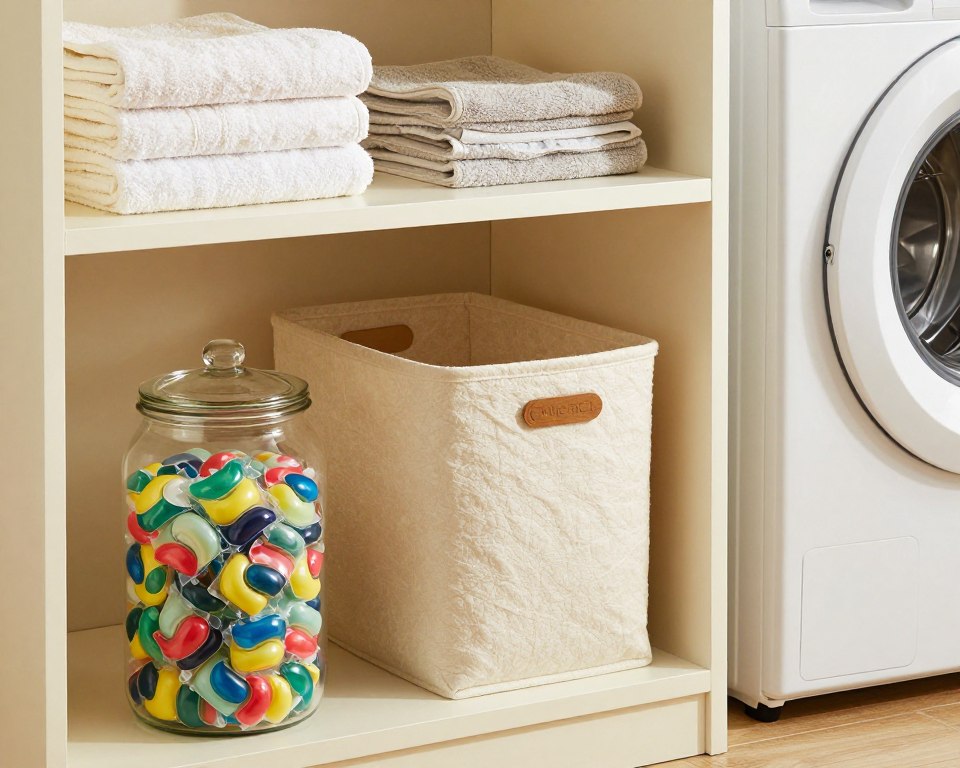
Effective management of cleaning products is crucial for both safety and efficiency in any household. The evidence reviewed throughout this guide converges on a clear conclusion: original containers kept in locked cabinets represent the best method for handling detergent products.
While decorative glass containers can be modified for better safety, they should never replace elevated storage when children or pets are present. The concentrated detergent inside these cleaning agents requires respect as a hazardous chemical, and safety should always take precedence over aesthetics.
Households that opt for decorative storage solutions must commit to regular inspections for moisture intrusion and seal integrity. The time invested in proper setup pays off by preventing emergencies from accidental ingestion by children or pets.
Labeling every container is essential, ensuring that all family members can identify contents and respond appropriately in case of spills. By aligning storage practices with safety protocols, the laundry room can be both organized and secure.
Readers are encouraged to audit their current storage setups and make necessary adjustments to close any identified safety gaps immediately.
FAQ
Is it safe to store laundry pods in a clear jar?
Storing laundry pods in a clear jar can pose risks, particularly concerning moisture exposure and accessibility for children and pets. It’s essential to prioritize safety by considering alternative storage options.
What are the risks associated with laundry pod storage?
Risks include chemical leakage due to moisture, visibility that may attract children, and the potential for pets to access the pods. Using the original packaging is often recommended for safety.
How can I safely store laundry pods?
Best practices include using airtight containers, labeling them clearly, and keeping them in locked cabinets out of reach of children and pets. This minimizes the risk of accidental ingestion or exposure.
Are there creative storage solutions for laundry pods?
Yes, creative solutions include DIY modifications to glass jars to make them airtight and using customized lids. Repurposing jars can be done safely with proper precautions in place.
What should I consider when repurposing jars for laundry storage?
Considerations include ensuring the jars are airtight, labeling them clearly, and keeping them out of reach of children and pets. Safety should always be the primary concern.