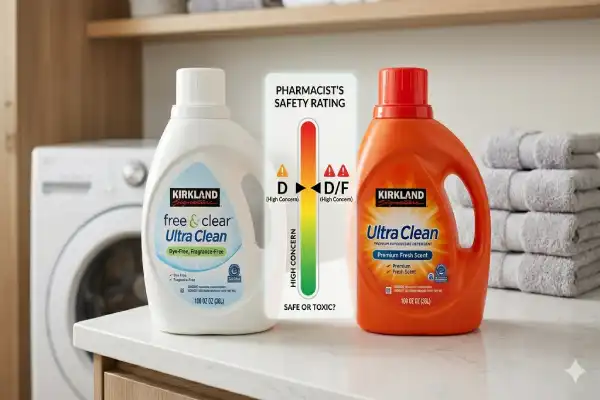
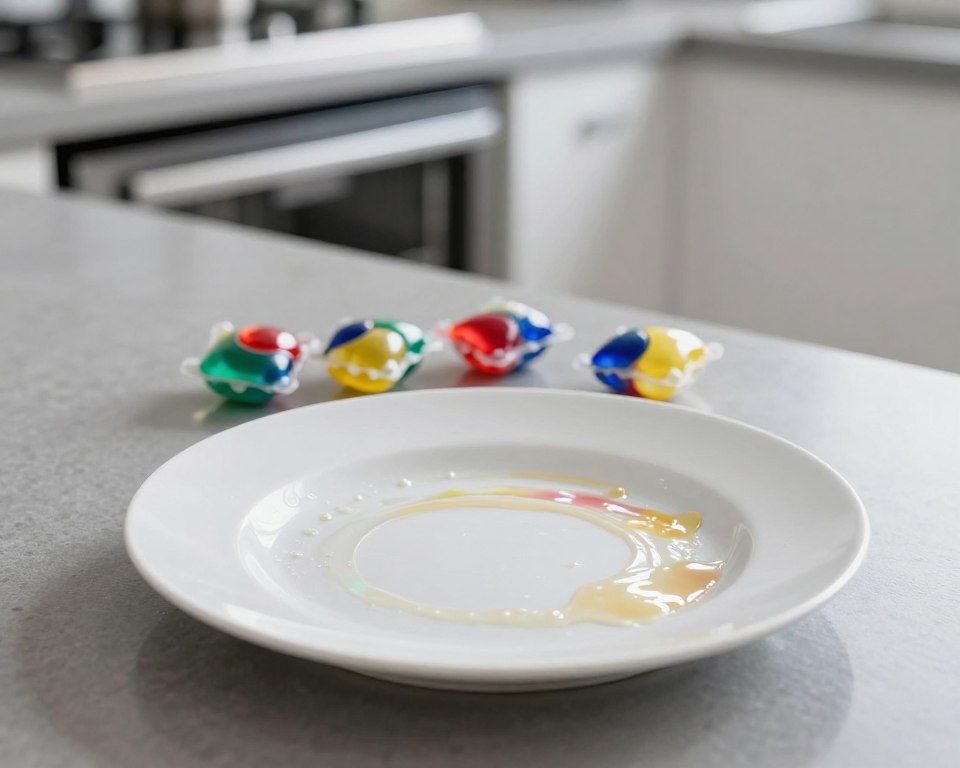
Did you know that over 80% of households in the United States use some form of automatic cleaning products in their kitchens? This widespread reliance raises critical questions about the safety of these everyday items. Among them, the concern regarding whether the remnants left on utensils after cleaning cycles could pose health risks has gained traction.
Every cleaning product, regardless of brand, can leave behind microscopic traces on plates and utensils. These residues can transfer to food, creating a pathway for chemicals to enter our bodies. Conventional cleaning agents often contain concentrated ingredients that may not wash away entirely, even during rinse cycles.
Understanding what remains on kitchen items is essential for making informed choices about cleaning products. This article aims to provide a clear, fact-based analysis of the potential health impacts of these residues. By examining the evidence, readers can empower themselves to select safer alternatives without unnecessary alarm.
Key Takeaways
- Health-conscious consumers are increasingly concerned about the safety of cleaning products.
- Microscopic residues can remain on utensils after cleaning cycles.
- These residues can potentially transfer to food, leading to chemical ingestion.
- Understanding the composition of these products is crucial for informed decisions.
- This article offers a pharmacist-verified analysis of residue toxicity.
Understanding Dishwasher Pod Residue and Potential Toxicity
Every household relies on cleaning products, but the implications of their use are often overlooked. One such concern is the presence of microscopic layers left behind after washing. This layer, commonly referred to as dishwasher pod residue, raises questions about its safety and potential health effects.
Understanding this residue is crucial for consumers. It consists of detergent ingredients, water minerals, and even food particles that may remain on plates and utensils after a wash and rinse cycle. The visibility of this residue can vary; it may appear as a cloudy film on glassware or a powdery texture on plates. Such signs indicate that cleaning agents have not been fully removed.
What Is Dishwasher Pod Residue?
Dishwasher pod residue refers to the remnants that linger on dish surfaces after a cleaning cycle. This residue can contain:
- Detergent ingredients
- Minerals from hard water
- Food particles
These components can interact with one another, leading to the formation of a film that may not be safe for consumption.
How Residues Form on Clean Dishes
Residues form primarily when rinse water fails to fully evacuate dissolved detergent components. This issue is exacerbated in hard water conditions, where minerals react with surfactants and polymers in the detergent. The concentrated nature of these cleaning agents means that even trace amounts can contain potent alkaline chemicals designed to break down food proteins and fats.
Several factors influence the amount of residue left on plates:
- Dishwasher design
- Water temperature
- Detergent dosage
- Use of rinse aids
By understanding these mechanisms, consumers can identify practical interventions to minimize chemical transfer to food.
Why Residue Toxicity Matters for Your Health and Kitchen Safety
The implications of this residue are significant. The film left on dishes is not inert; it contains active chemical agents that were never intended for human consumption. With each meal eaten from affected plates, these chemicals can enter the body.
Over time, repeated exposure through food contact creates a cumulative ingestion pattern that raises health concerns. It’s important to recognize that even dishes that appear clean may still harbor invisible chemical films. Kitchen safety protocols should reflect this reality, acknowledging that standard dishwashing does not fully eliminate synthetic ingredients from eating surfaces.
For more information on how these products can impact health, consider reading about the effects of dishwasher pods on gut health here.
Common Harmful Chemicals Found in Dishwasher Detergents
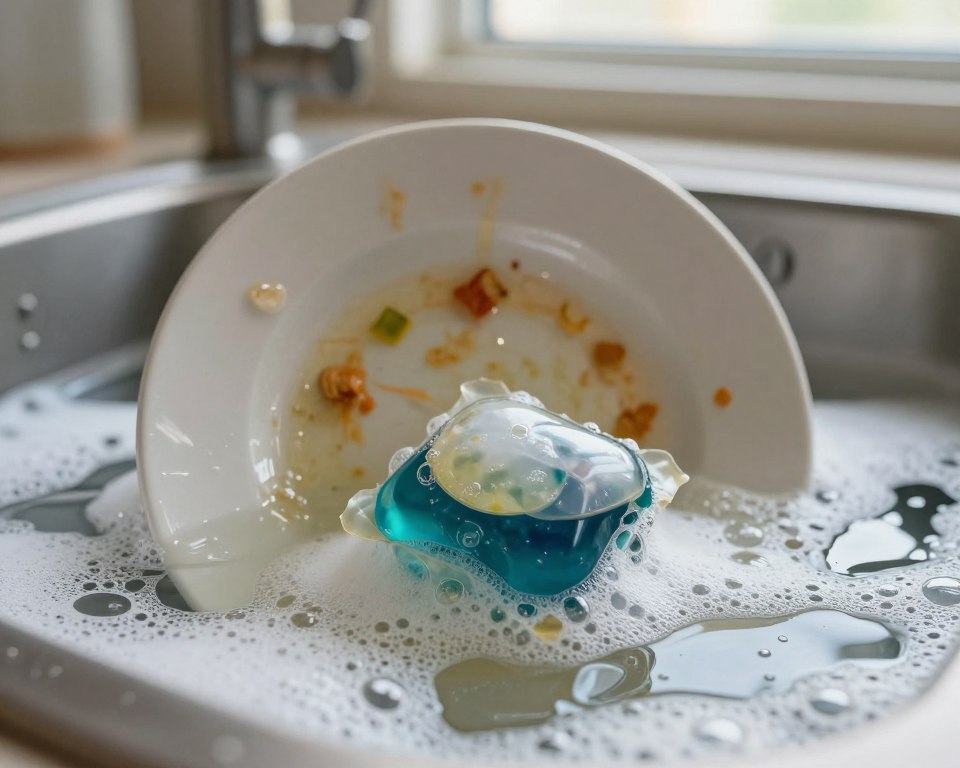
Cleaning products, while effective, often contain a range of harmful chemicals. Understanding these ingredients is essential for making informed choices about their use. Below, we explore the most common harmful chemicals found in conventional dishwasher detergents.
Ethoxylated Ingredients and Their Byproducts
Ethoxylated ingredients are prevalent in many cleaning products. They serve as cost-effective surfactants, helping to reduce surface tension during washing. However, the ethoxylation process can introduce contamination risks:
- Ethylene oxide: A known human carcinogen and endocrine disruptor.
- 1,4-dioxane: A strongly suspected carcinogen that may damage the nervous system.
Common ethoxylated compounds include:
- Laureth-7
- C12-14 Pareth-11
- Sodium Laureth Sulfate (SLES)
- Poloxamer 181
These ingredients carry medium-concern ratings due to their potential contamination.
Fragrances, Phthalates, and Dyes: Hidden Risks
Fragrance formulations in dishwasher detergents can contain up to 200 individual chemicals. Many of these are volatile organic compounds (VOCs) that can pose serious health risks:
- Asthmagens and neurotoxins
- Endocrine disruptors and obesogens
- Carcinogenic properties
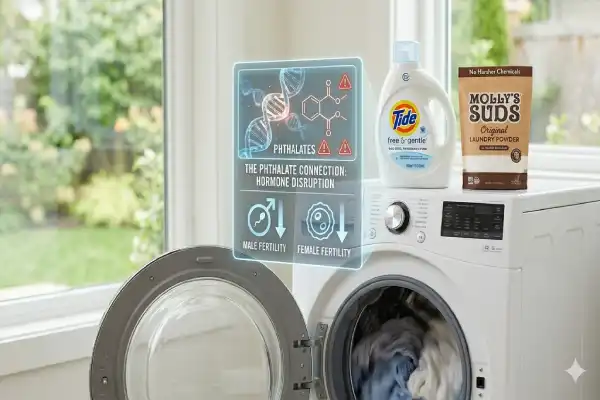
Phthalates, often included in fragrance delivery systems, are endocrine disruptors linked to DNA damage. Unfortunately, these are frequently not disclosed on product labels, making it difficult for consumers to avoid them.
Dyes, while visually appealing, do not aid in cleaning. They can increase the risk of accidental ingestion, especially among children.
Other Hazardous Chemicals: Surfactants, Sodium Metasilicate, and Antimicrobial Agents
In addition to the aforementioned ingredients, several other hazardous chemicals are commonly found in dishwasher detergents:
- Sodium metasilicate: Rated F by the EWG, this ingredient is extremely caustic and can cause severe skin burns and respiratory irritation.
- Polyacrylic acid: Used as an anti-spotting agent, it can be contaminated with acrylic acid, which is caustic, and acrylamide, a likely carcinogen.
- Antimicrobial agents: Chemicals like methylisothiazolinone and benzisothiazolinone are neurotoxic and linked to skin and eye irritation.
- Nonylphenol Ethoxylates (NPEs): These surfactants are banned in several countries but remain legal in the U.S., disrupting physical function and harming aquatic life.
- Phosphates: While less toxic to humans, they contribute to environmental issues like water pollution and algae blooms.
The combination of these chemicals creates a complex mixture whose long-term effects on health remain largely unstudied. For a deeper understanding of these ingredients and their potential risks, you can explore more here.
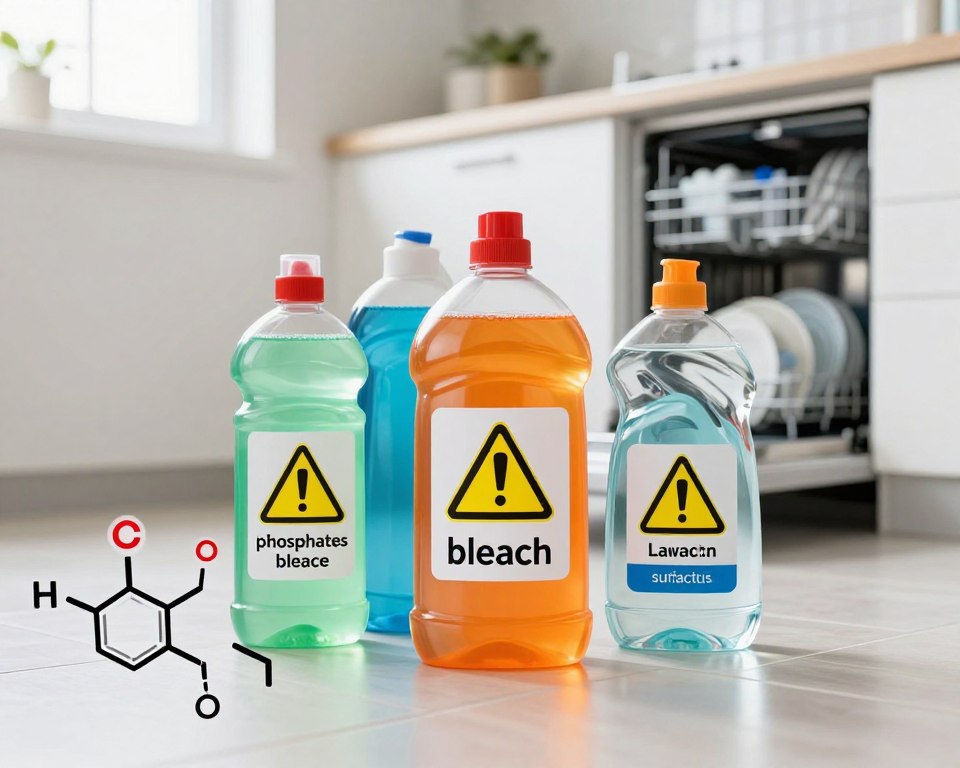
Assessing the Risk: How Dishwasher Pod Residue Affects Your Health and Environment
Understanding the impact of cleaning products on our health and the environment is crucial. The residues left behind can pose various risks, from skin irritation to environmental pollution. Awareness of these risks can help consumers make informed choices about the products they use.
Potential Health Impacts: Skin, Respiratory, and Ingestion Risks
Ingestion of cleaning product residues can occur in trace amounts with every meal. This chronic low-dose exposure can differ fundamentally from acute poisoning events but still warrants serious consideration. Even small amounts can lead to cumulative health effects over time.
Skin contact with residues often happens when unloading clean utensils. Plates may touch hands and lips during meals, potentially causing irritation, especially in individuals with sensitive skin. It’s essential to recognize that these residues are not harmless.
Additionally, respiratory exposure can occur when opening a dishwasher mid-cycle or right after completion. Fumes released from certain chemicals can irritate airways, particularly those containing chlorine-based bleaching agents or volatile fragrance compounds.
Environmental Concerns: Water Pollution and Toxicity to Wildlife
The discharge of cleaning products through household wastewater introduces harmful chemicals into our waterways. These chemicals can disrupt aquatic ecosystems and threaten marine life. Phosphates, for example, contribute to harmful algae blooms that deplete oxygen levels in water, creating dead zones detrimental to aquatic life.
It’s alarming that conventional cleaning products can have such a profound impact on the environment. The cumulative effects of these chemicals raise concerns about long-term ecological damage.
Child Safety and Poisoning Risks of Dishwasher Products
Dishwasher detergents are among the leading causes of childhood poisoning in the United States. Poison control centers receive thousands of calls each year regarding children ingesting these products. The concentrated alkaline nature of many detergents can cause severe tissue damage and chemical burns if swallowed.
Given these risks, it’s vital to assess the safety of cleaning products used in homes, especially those with children. The precautionary principle supports reducing exposure to known and suspected toxins. This is particularly important when effective alternatives are available.
For safer options, consider exploring plant-powered dishwasher detergents that promise to clean effectively without leaving harmful residues behind.
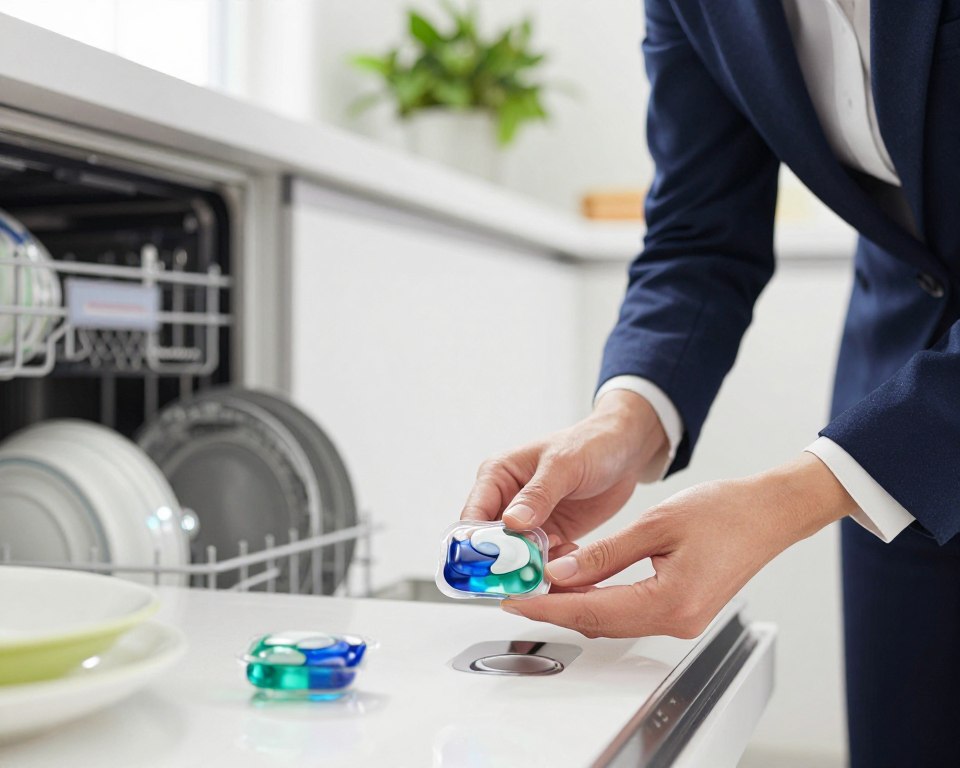
How to Choose Safe, Non-Toxic Dishwasher Pods to Minimize Dishwasher Pod Residue Toxic Dishes
Choosing the right cleaning products is essential for both health and environmental safety. With numerous options available, consumers must navigate through the complexities of product ingredients and safety ratings. This section provides guidance on selecting safe and effective dishwasher tablets.
Using EWG Ratings and Other Reliable Resources
The Environmental Working Group (EWG) offers a comprehensive database for consumers to evaluate the safety of dishwasher detergents. Users can search products by name and access ingredient-level safety ratings on an A through F scale. This resource is invaluable for making informed choices.
Only about 10% of dishwasher packs and powders achieve an A rating from the EWG. Moreover, products that hold EWG Verified status meet stricter health and environmental criteria. When researching, it’s crucial to examine individual ingredient ratings instead of relying solely on the overall product score. Small amounts of harmful ingredients can still impact safety ratings significantly.
Ingredients to Avoid and Why
Several ingredients in conventional cleaning products can pose health risks. Here are some to avoid:
- Ethoxylated compounds: These include alcohol ethoxylates and Sodium Laureth Sulfate (SLES), which may be contaminated with carcinogenic substances like ethylene oxide and 1,4-dioxane.
- Sodium metasilicate: Rated F by the EWG, this ingredient can cause severe skin burns and respiratory issues.
- Fragrance: Often listed as a non-specific ingredient, it can mask hundreds of undisclosed chemicals, including phthalates, which disrupt endocrine function.
- Non-specific ingredient declarations: Terms like enzymes and oxygen-based bleaching agents may indicate incomplete disclosure of harmful components.
Features of Safe and Eco-Friendly Dishwasher Detergents
When selecting a detergent, look for products with the following characteristics:
- Plant-based and mineral-derived ingredients
- Full ingredient transparency on labels
- Free from chlorine, phosphates, synthetic fragrances, and dyes
- PVA coating that dissolves in water and is non-toxic to humans and aquatic life
- Plastic-free packaging, such as recyclable HDPE pouches or cardboard boxes
Practical Tips to Reduce Residue and Protect Your Family
To minimize residue and enhance safety, consider these practical steps:
- Use the correct amount of detergent based on water hardness.
- Maintain dishwasher filters and spray arms for optimal performance.
- Select rinse aids that are free from toxic chemicals.
- Run an occasional empty cycle with vinegar to eliminate mineral buildup.
Brands like AspenClean, Branch Basics, and Kit and Kin offer safer alternatives that have been independently verified. Their formulations are designed to exclude harmful chemicals while providing effective cleaning. Reading ingredient labels is essential, as residues from these products can contact eating surfaces and enter the body.
Conclusion
The conversation around cleaning products and their effects on health and safety is increasingly relevant today. The evidence confirms that residues from cleaning agents can linger on utensils, raising legitimate health concerns. Chronic exposure to these substances may introduce risks that can be mitigated through informed choices.
Utilizing resources like the Environmental Working Group can help consumers assess product safety. Transitioning to non-toxic tablets that utilize plant-based ingredients can significantly reduce harmful chemical exposure. Additionally, maintaining your cleaning equipment is crucial to minimize residue accumulation.
Ultimately, prioritizing safer cleaning options protects not only individual health but also the environment. Investing time in research can lead to a healthier home and a cleaner planet.
FAQ
What is dishwasher pod residue?
Dishwasher pod residue refers to the leftover film or particles that may remain on plates and utensils after a washing cycle, even when they appear clean.
How does residue form on clean dishes?
Residue can form due to incomplete dissolution of the cleaning agents or due to hard water minerals reacting with the detergent, leaving behind a film.
Why is residue toxicity important for health and kitchen safety?
Understanding residue toxicity is crucial as it can lead to skin irritation, respiratory issues, or potential ingestion of harmful chemicals, impacting overall health.
What harmful chemicals are commonly found in dishwasher detergents?
Common harmful chemicals include ethoxylated ingredients, fragrances, phthalates, and surfactants, which can pose various health risks.
What are the potential health impacts of dishwasher pod residue?
Potential health impacts include skin irritation, respiratory problems, and risks associated with ingestion, particularly for children and sensitive individuals.
What environmental concerns are associated with dishwasher products?
Environmental concerns include water pollution and toxicity to wildlife, as chemicals can leach into water systems and disrupt ecosystems.
How can I ensure child safety regarding dishwasher products?
To ensure child safety, it’s essential to store dishwasher products out of reach and choose non-toxic options that minimize the risk of poisoning.
How can I choose safe, non-toxic dishwasher pods?
Look for products with Environmental Working Group (EWG) ratings, avoid harmful ingredients, and select eco-friendly detergents that prioritize safety.
What ingredients should I avoid in dishwasher detergents?
Avoid ingredients such as phosphates, fragrances, and certain surfactants, as they can contribute to health risks and environmental harm.
What practical tips can help reduce residue and protect my family?
To reduce residue, consider using the correct amount of detergent, running hot water before starting the cycle, and regularly cleaning the dishwasher.