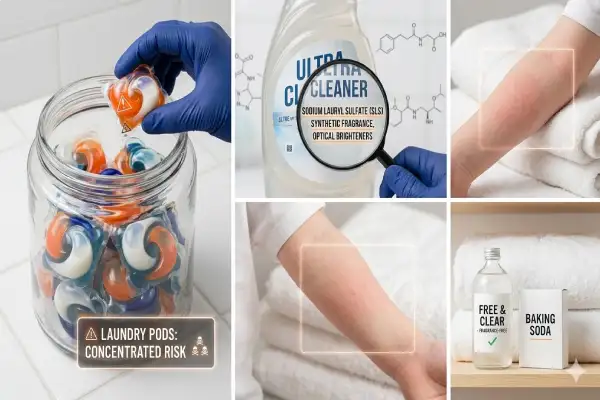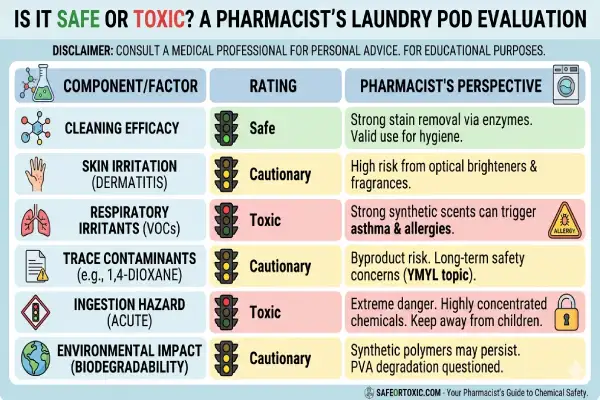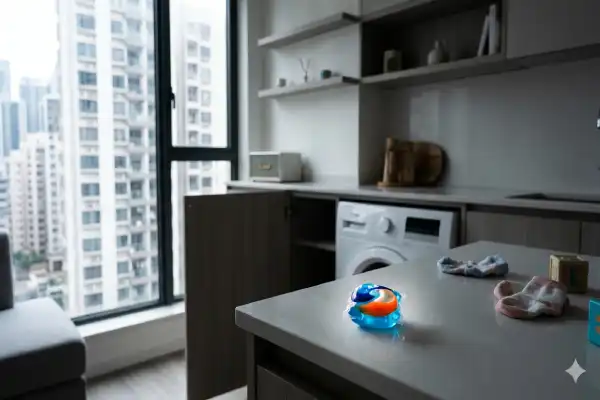
Did you know that household cleaning products are among the top five most common exposures for children aged five and younger? This alarming statistic highlights the need for awareness regarding the risks associated with concentrated cleaning products, particularly those that come in single-use packets. Since their introduction in North America in 2010, these small, colorful capsules have become a staple in many homes.
However, the question remains: is using too much of these cleaning products a potential risk for skin irritation or injury? The formulations of these products often contain various chemicals that can irritate the skin, especially for children whose skin is more sensitive. Understanding the implications of both direct contact and residual exposure is essential for safeguarding health.
This guide aims to provide an evidence-based examination of the risks associated with excessive use of these products. By synthesizing clinical research and expert insights, we hope to empower readers with the knowledge they need to make informed decisions.
Key Takeaways
- Household cleaning products rank among the top exposures for young children.
- Using too much cleaning product can lead to skin irritation and other health risks.
- Children are particularly vulnerable due to their thinner skin and the appearance of colorful pods.
- Understanding the differences between direct and residual exposure is crucial for safety.
- Evidence-based research helps clarify the risks associated with concentrated cleaning products.
Understanding Laundry Detergent Overdose: User Intent and Context
Household cleaning products can pose serious risks, especially to young children. The term “laundry detergent overdose” refers to various exposure scenarios. These include using too much product in a wash cycle, direct contact with concentrated formulas, and accidental ingestion or eye exposure.
Consumer search intent regarding the skin hazards of these products typically falls into two categories. First, individuals may seek answers for unexplained skin irritation. Second, parents or caregivers often research safety risks after a child has been exposed to cleaning products.
Capsules containing concentrated formulas are particularly concerning. The water-soluble polyvinyl alcohol membrane dissolves quickly when it comes into contact with moisture. This rapid dissolution can lead to adverse effects more frequently than traditional liquid formulations.
Studies have shown a higher rate of ingestion and severity of symptoms with these pods. For instance, a UK study revealed that 80% of cases involved children under five. An Italian study found that 76% of children who ingested these capsules exhibited symptoms, compared to only 27% for other types of cleaning products.
Many factors contribute to the risk of exposure in the home. Common storage locations, such as under-sink cabinets and low shelves, make these products easily accessible. Additionally, many parents do not store cleaning products safely; only 11% of parents reported using secure storage methods.
Health officials are increasingly concerned about trends in pediatric poisoning. In response, some manufacturers have altered packaging to reduce its appeal to children. Understanding the differences between pod poisoning and traditional detergent exposure is vital. Pod ingestion often results in more stomach irritation, breathing issues, and drowsiness.
Recognizing the context of detergent exposure is crucial. Household cleaning products rank among the top five common exposures for children aged five and younger. This highlights the need for effective safety measures in homes.
| Study | Participants | Ingestion Rate | Symptomatic Children |
|---|---|---|---|
| UK Study | 518 | 80% | 96% under 5 years |
| Italian Study | 578 | N/A | 76% with pod ingestion |
Types and Mechanisms of Laundry Detergent Exposure
The potential dangers of cleaning products, especially to children, cannot be overlooked. Understanding how these products can cause harm is crucial for parents and caregivers. The primary types of exposure include ingestion, ocular contact, and dermal exposure. Each of these pathways poses unique risks and mechanisms of injury.
Ingestion Exposure
Ingestion exposure represents the most common and clinically significant route of poisoning. Approximately 80% of reported cases involve children under five years of age. The water-soluble polyvinyl alcohol membrane of cleaning pods dissolves rapidly when it comes into contact with saliva. This release of concentrated product can lead to immediate irritation in the mouth and throat.
Common symptoms of ingestion include:
- Vomiting: Occurs in 24.1% of cases.
- Coughing: Reported in 4.1% of cases.
- Nausea: Affects 3.5% of children.
- Drowsiness: Noted in 1.7% of cases.
- Rash: Also seen in 1.7% of children.
In severe cases, ingestion can lead to burns in the throat and esophagus, with rare instances of airway compromise.
Ocular Exposure
Ocular exposure occurs when children handle pods with wet hands or when pods burst near their faces. This type of exposure is particularly concerning. In the UK, ocular exposure accounted for 9.4% of cases, while in Italy, it was 6.4%.
Common effects include:
- Conjunctivitis: Found in over 65% of ocular exposure cases.
- Eye pain: Reported in 9.8% of cases.
- Keratitis: Documented in 3.3% of cases.
Delayed irrigation can lead to long-term visual impairment, making prompt treatment essential.
Dermal Exposure and Skin Hazard Mechanisms
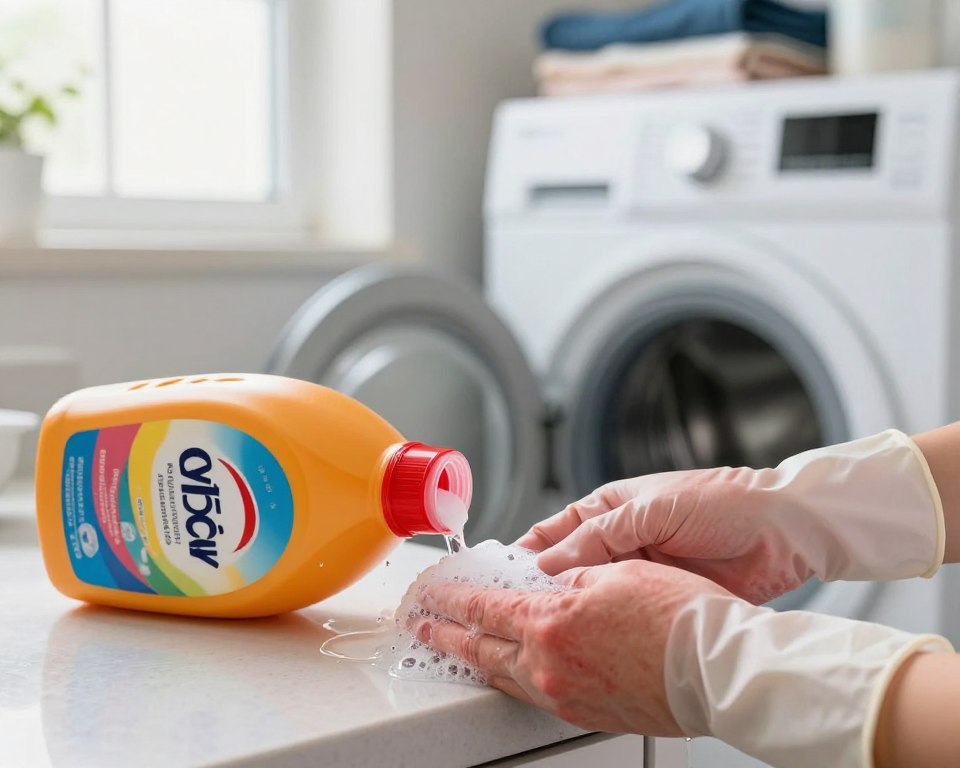
Dermal exposure can occur when concentrated products come into contact with the skin. This can lead to a range of issues, from mild irritation to severe chemical burns. The alkaline nature of some cleaning products activates protease enzymes that damage skin proteins.
Common effects of dermal exposure include:
- Rash: Occurs in 57.1% of cases.
- Skin irritation: Reported in 28.6% of cases.
- Chemical burns: Documented in 28.6% of cases.
- Paresthesia: Noted in 14.3% of cases.
Even residual product left on clothing can cause irritation in sensitive individuals. It is essential to understand these risks to prevent unnecessary exposure.
Symptoms of Laundry Detergent Overdose: Focus on Skin and Related Effects
Exposure to concentrated cleaning products can lead to a variety of symptoms, particularly concerning the skin. Understanding these symptoms is vital for parents and caregivers. Symptoms can arise from different types of exposure, including ingestion, ocular contact, and dermal contact.
When children accidentally ingest these products, they may experience gastrointestinal symptoms. Common symptoms include:
- Vomiting: This occurs in approximately 24.1% of cases.
- Coughing: Reported in about 4.1% of cases.
- Nausea: Affects around 3.5% of children.
- Drowsiness: Noted in 1.7% of cases.
- Rash: Also seen in 1.7% of cases.
Ocular exposure presents its own set of symptoms. When these products come into contact with the eyes, the following can occur:
- Conjunctivitis: Found in over 65% of ocular exposure cases.
- Eye pain: Reported in 9.8% of cases.
- Keratitis: Documented in 3.3% of cases.
Dermal exposure can lead to a range of skin issues. The symptoms from contact with concentrated products include:
- Rash: Occurs in 57.1% of cases.
- Skin irritation: Reported in 28.6% of cases.
- Chemical burns: Documented in 28.6% of cases.
- Paresthesia: Noted in 14.3% of cases.
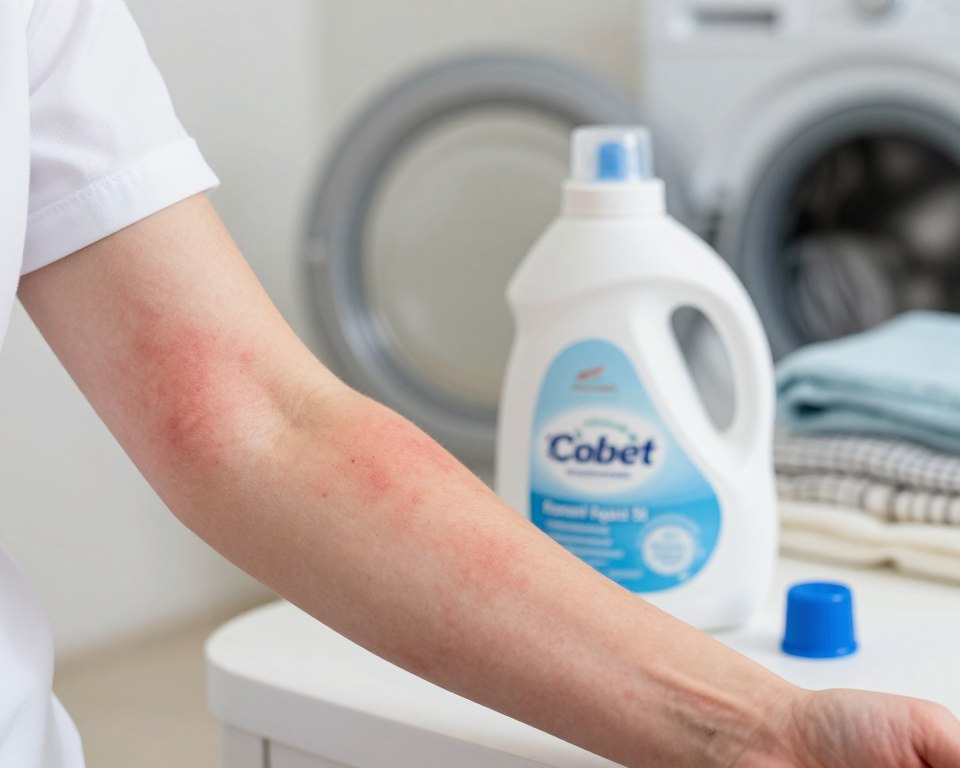
Allergic reactions to these products can manifest as a red, itchy rash, often found in sensitive areas like the armpits and groin. Such reactions may develop immediately or over time with repeated exposure. Over-the-counter hydrocortisone cream or oral antihistamines can typically manage these symptoms.
Moreover, gastrointestinal symptoms from ingestion can include:
- Mouth and throat irritation
- Vomiting, which occurs in approximately 24% of ingestion cases
- Nausea and abdominal pain
- In severe cases, hematemesis (vomiting blood) and blood in the stool can indicate mucosal injury.
Respiratory symptoms may arise from aspiration during ingestion or inhalation of fumes. Coughing, wheezing, and difficulty breathing can occur, especially in children with asthma.
For ocular exposure, symptoms may include intense burning pain, excessive tearing, and photophobia. Serious cases can lead to corneal abrasions and keratitis, which may take 7 to 10 days to resolve fully.
Neurological symptoms, such as drowsiness and lethargy, have been documented in pediatric cases of detergent poisoning, occurring in about 1.7% of exposures. These symptoms may indicate systemic toxicity.
In severe instances, detergent poisoning can lead to cardiovascular symptoms, including hypotension and tachycardia. In extreme cases, circulatory collapse and shock may occur due to fluid shifts and systemic inflammatory responses.
The symptom profile of concentrated product exposure is consistently more severe than traditional formulations. A study revealed that 76% of children exposed to pods exhibited symptoms, compared to only 27% for those exposed to other types of cleaning products.
Long-term complications from severe exposure can include:
- Esophageal strictures from scarring
- Chronic respiratory problems from airway burns
- Persistent skin sensitivity or scarring at sites of chemical burns
| Type of Exposure | Common Symptoms |
|---|---|
| Ingestion | Vomiting, nausea, drowsiness, rash |
| Ocular | Conjunctivitis, eye pain, keratitis |
| Dermal | Rash, skin irritation, chemical burns |
For more detailed information on managing exposure, visit MedlinePlus.
Laundry Detergent Overdose Skin Hazard: Risks and Severity
The emergence of concentrated cleaning products in households has raised significant health concerns, particularly for children. These products can pose severe risks, including potential poisoning and skin injuries. The severity of these hazards varies based on several factors, such as the concentration of the product, duration of contact, and the individual’s skin barrier integrity.
Concentrated capsules release a high dose of cleaning agents directly onto the skin, presenting a greater risk than traditional liquid or powder forms. Alkaline substances found in these products can activate enzymes in the skin, leading to tissue damage that may continue even after washing. Phosphates, present in some formulations, can cause chemical burns through cellular toxicity.
Children are especially vulnerable due to their thinner skin and behavioral tendencies that increase exposure risk. The skin hazard spectrum ranges from mild irritation to severe chemical burns, which can occur in 28.6% of dermal exposure cases, as documented in studies. Understanding these risks is crucial for parents and caregivers to prevent serious health issues.
- Severity Spectrum: The risk posed by concentrated cleaning products is influenced by product formulation, contact duration, and individual skin integrity.
- Increased Risk for Children: Children’s thinner skin and behavioral factors contribute to higher exposure likelihood.
- Documented Chemical Burns: Dermal exposure has been linked to chemical burns in 28.6% of cases, emphasizing the need for caution.
- Potential for Long-term Effects: While no persistent problems have been documented, further research is necessary to assess long-term impacts.
Here’s a summary of the documented risks associated with exposure:
| Type of Risk | Prevalence | Potential Outcomes |
|---|---|---|
| Chemical Burns | 28.6% | Severe skin damage requiring medical intervention |
| Skin Irritation | 28.6% | Redness, itching, and discomfort |
| Paresthesia | 14.3% | Tingling or burning sensations |
To mitigate these risks, it is essential to educate caregivers about safe storage practices and the importance of immediate action in case of exposure. If exposure occurs, remove contaminated clothing and rinse the affected area with water. For eye exposure, early irrigation is crucial to minimize adverse outcomes.
For more detailed information on managing exposure, visit MedlinePlus.
Treatment and Management of Laundry Detergent Overdose
Taking the right steps quickly can help mitigate the dangers posed by concentrated cleaning solutions. If a child is exposed to these products, the first action should be to contact poison control immediately. The national toll-free Poison Help hotline at 1-800-222-1222 offers free, confidential guidance 24 hours a day throughout the United States.
For dermal exposure, it is essential to remove any contaminated clothing right away. The affected skin should be irrigated with lukewarm water continuously for at least 15 to 20 minutes. This helps dilute and remove any detergent residue from the skin surface.
In cases of ocular exposure, immediate eye irrigation is crucial. Use lukewarm water or sterile saline, as delayed irrigation can lead to less favorable outcomes, including corneal burns and prolonged healing times.
Inducing vomiting is not recommended in cases of ingestion unless specifically instructed by a poison control specialist or emergency physician. This is because vomiting can cause additional injury to the esophagus from re-exposure to the alkaline detergent.
Activated charcoal is ineffective for treating ingestion of alkaline substances like these cleaning agents. It does not bind well to such substances and can obscure necessary evaluations of the esophagus and stomach.
After significant exposure, an emergency department evaluation is necessary. This includes assessing and stabilizing the airway, breathing, and circulation. Special attention should be given to signs of airway compromise, such as stridor, drooling, or hoarseness.
Diagnostic procedures may include:
- Chest x-ray to evaluate for aspiration pneumonitis
- Electrocardiogram to assess for electrolyte disturbances
- Endoscopy or bronchoscopy to visualize the extent of mucosal injury
Treatment interventions can range from conservative management with intravenous fluids to more intensive care measures. These may include intubation, mechanical ventilation, intravenous corticosteroids, and epinephrine for severe airway edema.
Skin burns from exposure should be managed similarly to other chemical burns. This involves irrigation, wound care, pain management, and in severe cases, surgical debridement of necrotic tissue followed by specialized wound dressings.
Most pediatric patients with exposure to concentrated cleaning products recover fully with appropriate medical care. Ocular injuries such as keratitis and conjunctivitis typically resolve within 7 to 10 days, with no persistent complications documented in case series to date.
Prevention Strategies and Safety Tips in the Home Environment
To ensure the safety of children, effective prevention strategies for cleaning product exposure are essential. The risk of accidental poisoning from concentrated cleaning products has led to increased awareness and proactive measures.
The American Association of Poison Control Centers recommends that all cleaning products, including pods, liquids, and powders, be stored in locked cabinets or containers. Unfortunately, research shows that only 11% of parents consistently follow these safety practices.
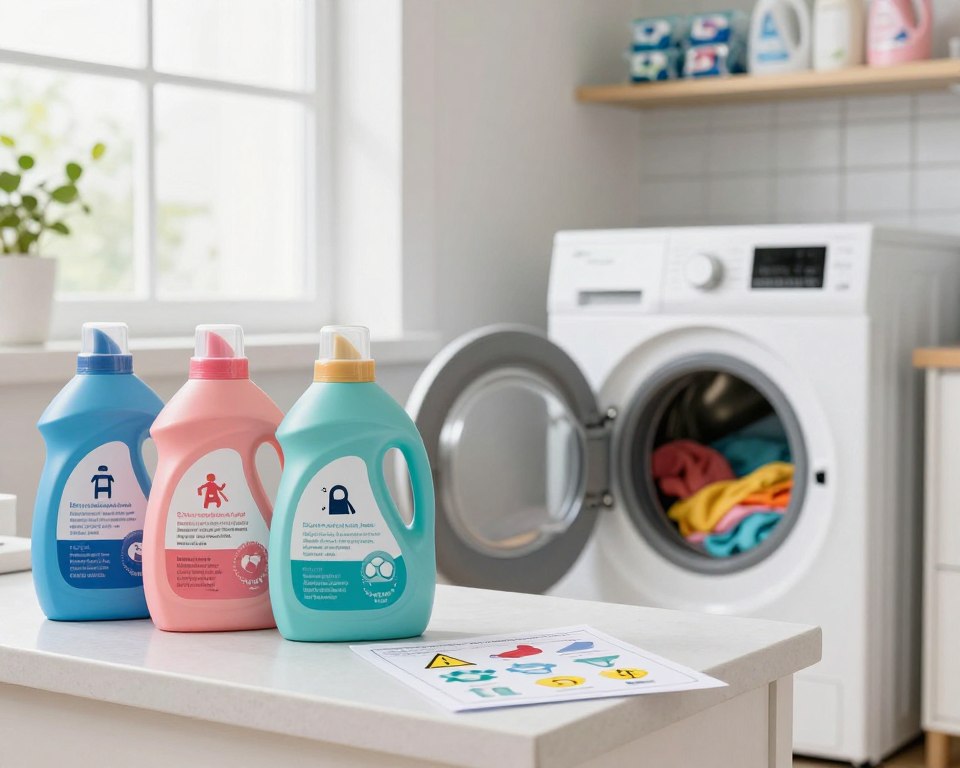
Manufacturers have responded to this issue by altering packaging. Many now use opaque containers that hide the brightly colored pods, which can attract young children. Child-resistant locking mechanisms and bitter-tasting coatings have also been introduced to deter ingestion.
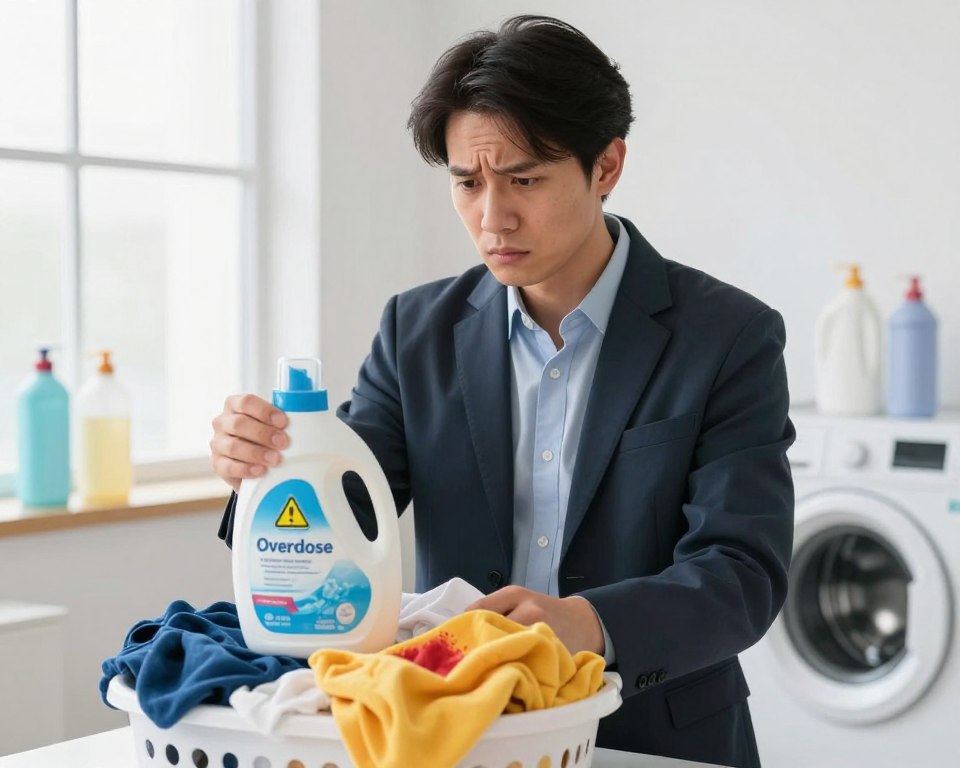
Proper usage of cleaning products is crucial. Always follow the manufacturer’s instructions regarding the recommended amount and ensure thorough rinse cycles. This practice minimizes the risk of residue remaining on clothing, reducing skin irritation and waste.
For households with children under five years of age, traditional liquid or powder formulations may be safer options. Epidemiological data indicates that these types of products are associated with lower rates and severity of poisoning compared to concentrated pods.
Additionally, biodegradable and fragrance-free options can provide a safer alternative for families with members who have known sensitivities or respiratory conditions.
It is vital for every household to have the Poison Help hotline number, 1-800-222-1222, readily available. This number should be stored in mobile phones and displayed in visible locations, such as the laundry room and kitchen.
Education on prevention should stress that cleaning product pods are not toys or candy. Their colorful appearance can mislead children, but the concentrated contents are chemically different from the diluted solutions used in washing machines.
Environmental prevention strategies include:
- Keeping cleaning products in their original containers with safety labels intact.
- Never transferring products to food containers or unmarked bottles.
- Cleaning up any spills or leaks immediately to prevent accidents.
By implementing these strategies, families can significantly reduce the risk of accidental exposure to harmful cleaning products.
| Prevention Strategy | Description |
|---|---|
| Secure Storage | Store all cleaning products in locked cabinets or containers out of reach of children. |
| Proper Usage | Follow manufacturer instructions for the amount and rinse cycles to reduce residue. |
| Educate Family | Teach children that cleaning products are not toys and should be handled with care. |
| Emergency Contacts | Keep the Poison Help hotline number visible and easily accessible. |
Conclusion
The conversation around the safety of cleaning products, especially for children, is more important than ever. Evidence confirms that excessive use of these products can lead to significant health issues, including skin irritation and poisoning. Immediate action is essential if exposure occurs. Removing contaminated clothing and rinsing the affected area with water can greatly improve outcomes.
Parents should prioritize safe storage and proper usage of these products to minimize risks. While no long-term complications from exposure have been documented in children, vigilance is crucial. If someone ingests a cleaning product, seek medical help immediately and avoid inducing vomiting unless directed by a professional.
For further guidance on managing exposure, visit MedlinePlus. By taking these precautions, we can create a safer home environment for everyone.
FAQ
What are the symptoms of exposure to excessive cleaning products?
Symptoms can include nausea, vomiting, irritation of the eyes, and skin reactions. In severe cases, breathing difficulties may occur.
How can I prevent my children from accidentally ingesting cleaning products?
Store all cleaning products out of reach of children, use child-proof locks, and ensure that products are in their original containers with labels intact.
What should I do if someone ingests a cleaning product?
Immediately contact poison control or seek emergency medical help. Do not induce vomiting unless instructed by a medical professional.
How can I treat skin irritation caused by cleaning products?
Rinse the affected area with plenty of water for at least 15 minutes. If irritation persists, seek medical advice.
Are there specific products that are safer for households with children?
Yes, look for non-toxic, biodegradable cleaning products that are specifically labeled as safe for children and pets.
What are the risks associated with using too much cleaning product?
Overuse can lead to chemical burns, respiratory issues, and increased toxicity, particularly in young children and pets.
How can I safely dispose of unused cleaning products?
Follow local regulations for hazardous waste disposal. Many communities have designated drop-off locations for toxic substances.