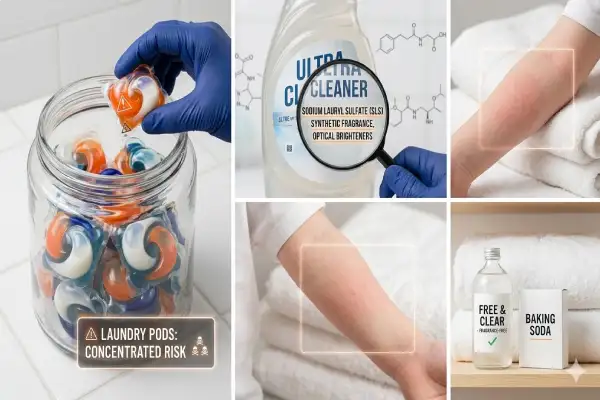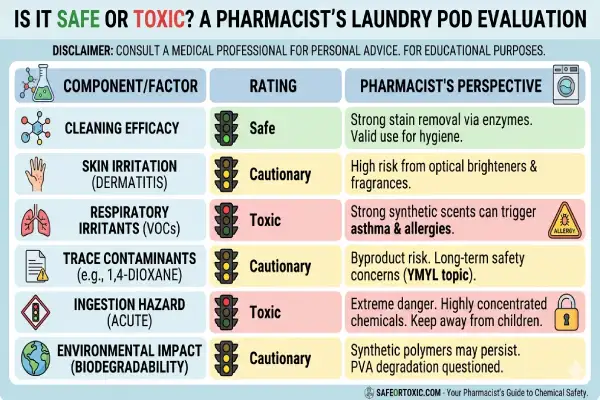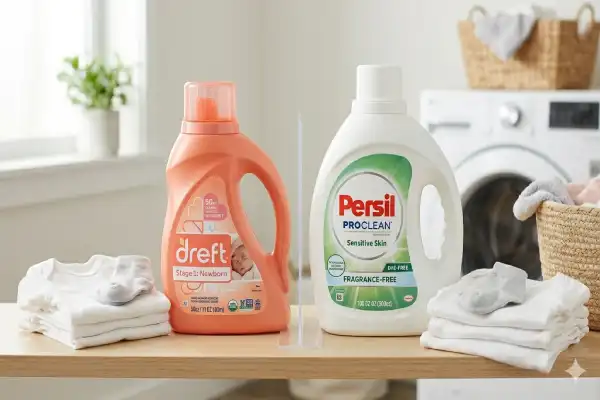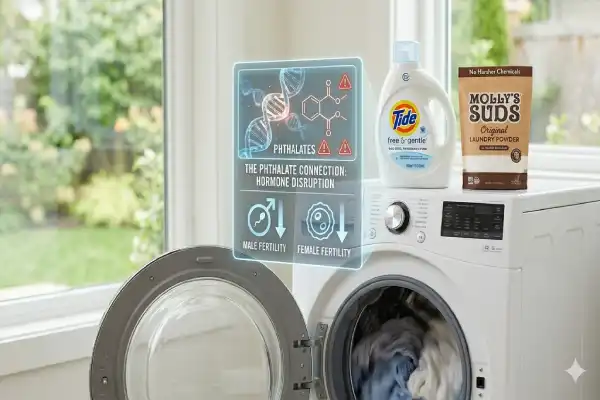
Did you know that nearly 40% of consumers report experiencing skin irritation from laundry products? This startling statistic highlights the importance of understanding what goes into the products we use every day. Many people are turning to laundry additives, such as scent boosters, to enhance their washing experience. However, the safety of these products, especially for those with delicate skin, is a growing concern.
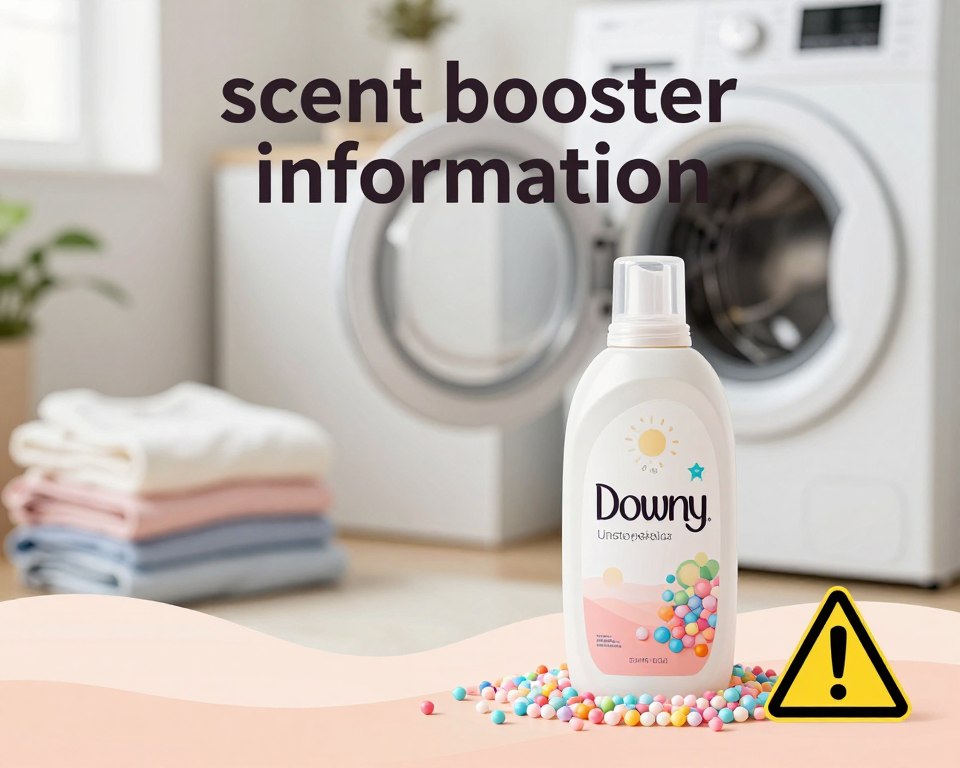
Downy Unstopables, a popular in-wash scent booster, has received an F rating from the Environmental Working Group (EWG). This rating raises significant health concerns, particularly for individuals with delicate skin. Conventional boosters often contain synthetic fragrances that can trigger irritation and allergic reactions.
This guide aims to explore the safety of laundry scent boosters, examining the chemical ingredients involved and their potential effects on sensitive skin. By providing evidence-based insights, we hope to empower readers to make informed choices about their laundry routines.
Key Takeaways
- The safety of scent boosters varies based on formulation and individual skin sensitivity.
- Conventional products may contain harmful synthetic fragrances and other irritants.
- Understanding ingredient interactions is crucial for those with delicate skin.
- Not all scent boosters pose the same risks; some have safer alternatives.
- This guide offers pharmacist-verified insights for health-conscious consumers.
Understanding What Laundry Scent Boosters Are
Laundry additives known as scent boosters are specifically designed to enhance the fragrance of your clothes. They work by depositing concentrated scents onto fabric fibers during the wash cycle. This results in a long-lasting aroma that can remain detectable even after drying and wearing.
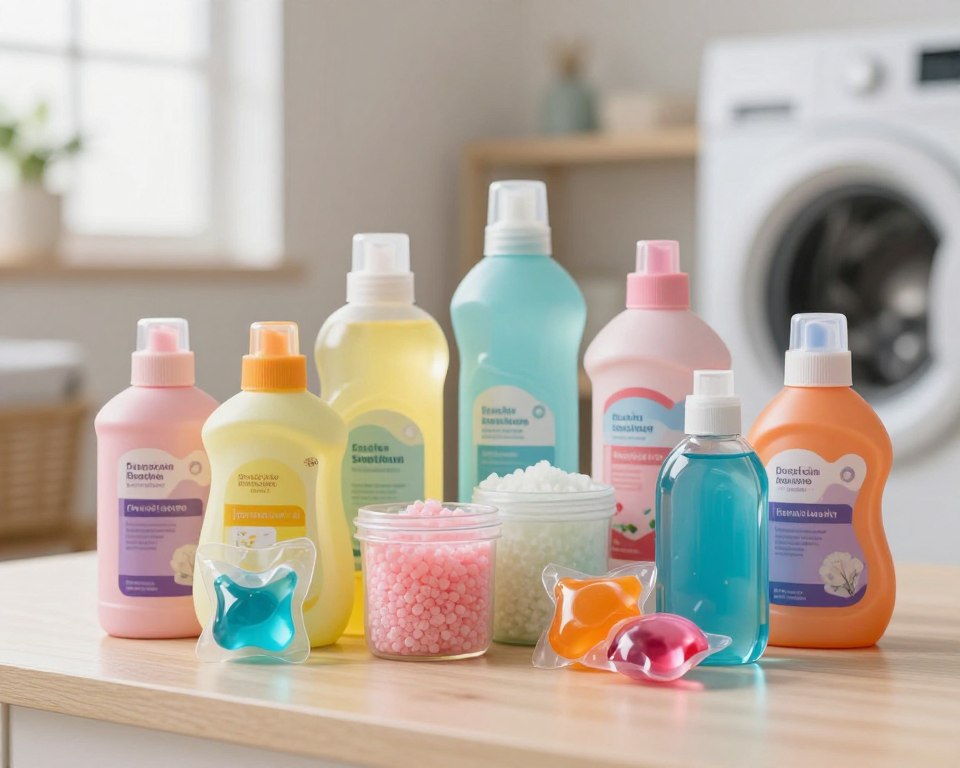
Typically, these products come in various forms, such as beads or crystals, which dissolve in water. As they dissolve, they release synthetic fragrance oils that adhere to your fabrics. A notable example is Snif, which offers a liquid format that is water-based. This version is intended to be poured into the fabric softener dispenser, representing a newer category of fine-fragrance laundry products.
What Are Scent Boosters and How Do They Work?
These specialized products are formulated to deliver concentrated fragrance directly to your laundry. Unlike traditional fabric softeners, which primarily soften fabrics and reduce static, scent boosters focus on enhancing the scent of your laundry. They utilize encapsulation technologies or high-concentration fragrance oils that bind to textiles, ensuring that the aroma lasts.
The mechanism of action varies by product type. Bead-based boosters gradually dissolve in wash water, releasing fragrance oils that cling to fabric surfaces. In contrast, liquid boosters like Snif’s use water-based fine fragrance formulations that integrate seamlessly into the wash cycle.
Common Types of Scent Boosters on the Market
On the market today, consumers can find three primary categories of laundry scent boosters:
- Conventional synthetic bead boosters: These include popular brands like Downy Unstopables and Gain Fireworks. They are characterized by their visible crystalline forms and strong synthetic scent profiles.
- Liquid fragrance boosters: Examples include Snif Liquid Scent Booster, which positions laundry fragrance within the fine fragrance category, using higher-quality scent compositions.
- Natural or non-toxic alternatives: Brands like Ecoegg Laundry Scent Boosters and Mrs. Meyers Clean Day offer options that may be less irritating for those with delicate skin.
Bead-based products are particularly appealing to consumers seeking maximum scent impact, often boasting multi-week fragrance longevity. However, the choice between product types is crucial for those with delicate skin. Bead boosters may contain additional binding agents, fillers, and preservatives that liquid formulations might avoid. Thus, examining ingredient lists is essential for making informed choices.
Understanding these fundamental differences can help consumers select the right product for their laundry needs. As you explore your options, consider how the chemical composition, fragrance concentration, and delivery mechanism may influence your experience.
For more insights on the differences between laundry scent boosters and fabric softeners, check out this informative article here.
Chemical Ingredients in Conventional Scent Boosters and Their Risks
The composition of laundry scent boosters often includes troubling synthetic chemicals. Many of these substances are linked to various health concerns, including skin irritation and respiratory issues. Understanding these ingredients is essential for making informed choices about laundry products.
Harmful Chemicals Often Found in Commercial Boosters
Conventional scent boosters typically contain synthetic fragrances, which are complex mixtures of undisclosed chemicals. These can lead to skin irritation, allergic contact dermatitis, and even more severe health issues. The Environmental Working Group (EWG) assigns an F rating to products like Downy Unstopables due to these concerns.
Common problematic ingredients include:
- Quaternary ammonium compounds: Known irritants that can trigger contact dermatitis.
- Artificial musks: Potential endocrine disruptors that raise long-term health concerns.
- Phthalates: Added as fragrance fixatives, these are linked to reproductive toxicity.
- Preservatives: Such as methylisothiazolinone, known to cause allergic reactions.
Potential Skin Irritants and Allergens
The ingredient lists of conventional scent boosters reveal a concerning pattern. Many of these synthetic compounds have been linked to adverse health effects in peer-reviewed studies. For instance, the residue from these products can remain on clothing, leading to prolonged skin contact and increasing the risk of irritation.
Individuals with pre-existing conditions, such as atopic dermatitis or psoriasis, may find that these chemical cocktails trigger significant reactions. Dermatologists often recommend eliminating these products from laundry routines for such individuals.

Are Scent Boosters Safe for Sensitive Skin? — An In-Depth Look
The effects of laundry products on skin health can vary widely, making safety a top priority. For individuals with delicate skin, understanding how these products interact with their unique physiology is crucial. Sensitive skin often has a compromised barrier, which can lead to increased irritation from chemicals found in many laundry additives.
Individuals with this condition may experience heightened reactions to fragrances and other irritants. A lower threshold for inflammation means that even small amounts of certain chemicals can cause redness, itching, or other uncomfortable symptoms. This physiological difference underscores the need for careful selection of laundry products.
Why Sensitive Skin Reacts Differently
Research indicates that sensitive skin can absorb irritants more readily. This absorption can lead to a greater likelihood of adverse reactions from residues left on clothing after washing. Many conventional laundry products contain synthetic fragrances and other additives that may not be suitable for those with delicate skin.
EWG Ratings and Safety Evaluations of Popular Products
The Environmental Working Group (EWG) provides a valuable resource for consumers. Their Cleaning Database offers ratings based on the known and suspected hazards of product ingredients. Ratings range from A (lowest concern) to F (highest concern), helping consumers make informed choices.
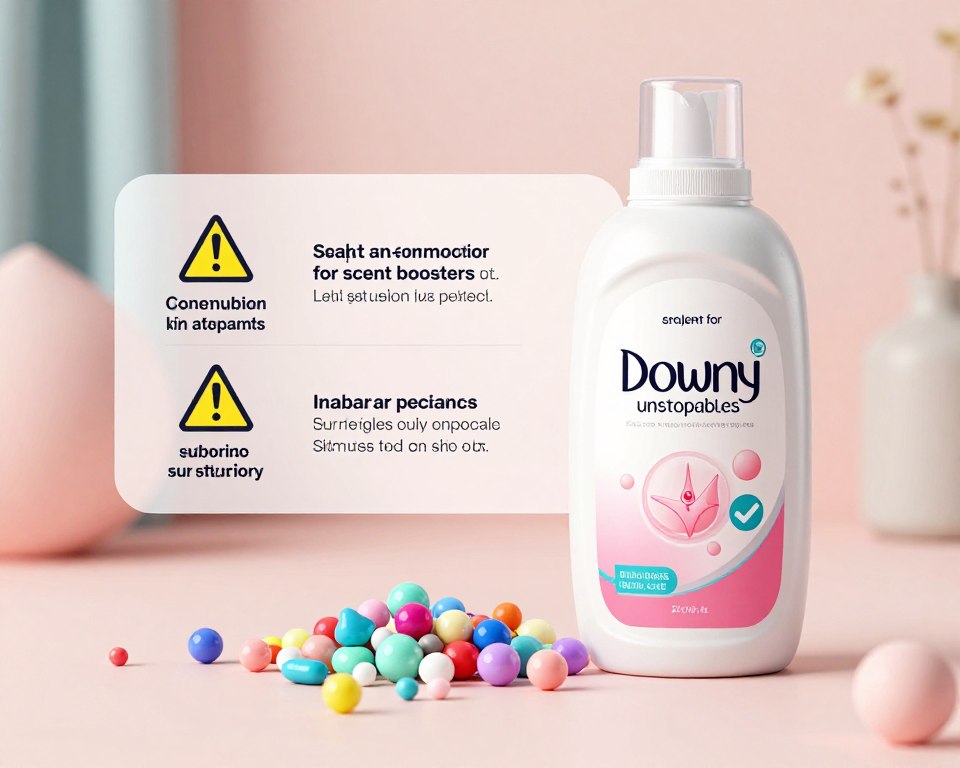
For instance, Downy Unstopables In-Wash Scent Booster has received an F rating, indicating significant health concerns. This rating reflects the presence of synthetic fragrance compounds and preservatives that can pose risks for skin irritation and respiratory issues.
Case Study: Downy Unstopables and Its Safety Profile
Downy Unstopables serves as a case study for the risks associated with conventional bead-based products. Its F rating highlights a systemic issue among many similar products that often contain harmful chemicals. In contrast, safer alternatives like Truly Free Softening Rinse and ATTITUDE Fabric Softener earn A ratings, showcasing that effective laundry enhancement can be achieved without the high-risk chemical burden.
For consumers with delicate skin, avoiding F-rated products is strongly advised. Opting for B-rated or better products may be tolerated, but patch testing on a small area of clothing is a prudent precaution.
Natural and Non-Toxic Alternatives to Conventional Scent Boosters
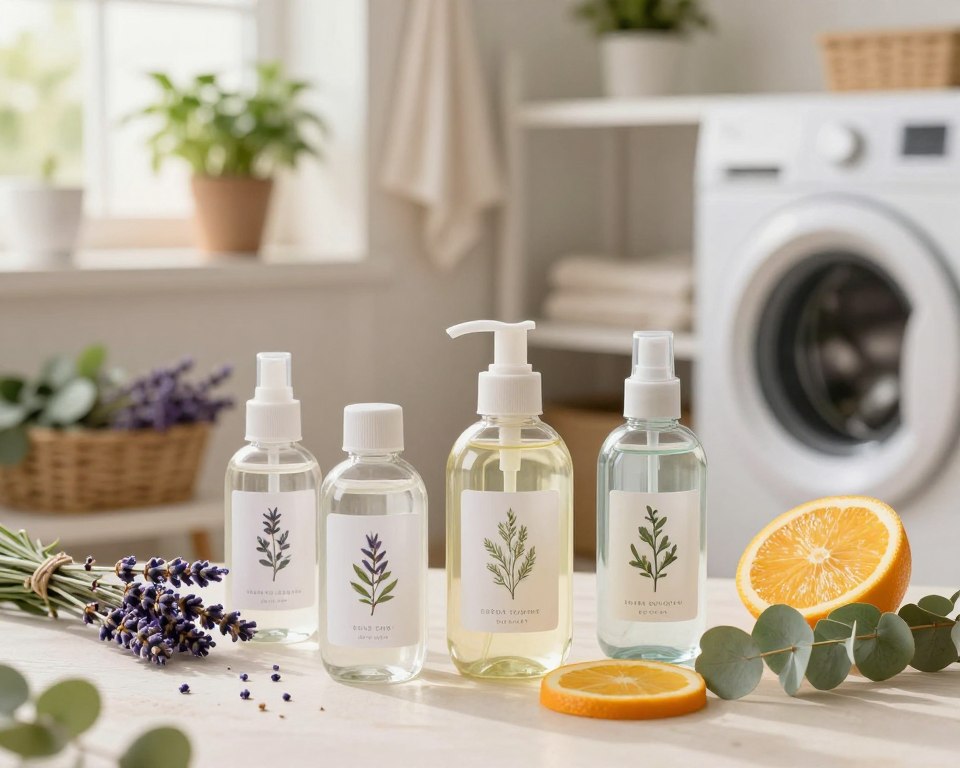
The landscape of laundry products is evolving, with an increasing number of consumers seeking non-toxic alternatives. These options prioritize ingredient safety and environmental responsibility while still delivering pleasant fragrances.
Many brands have emerged that focus on transparency and the use of natural ingredients. Here are some noteworthy products to consider:
Non-Toxic Brands and Products to Consider
- Truly Free Softening Rinse: This product boasts an EWG A rating for its unscented version and a B rating for its signature herbal scent. It provides a subtle freshness without the overpowering synthetic intensity typical of conventional boosters.
- Safely Laundry Boost scent beads: Available at Whole Foods Market, these beads list all ingredients, including potential allergens. The Bright scent features a delightful pink grapefruit and cassis profile derived from natural sources.
- ATTITUDE Fabric Softener: Rated A by EWG, this fabric softener comes in various scents like Pink Grapefruit and Wildflowers, proving that diverse fragrances can be achieved safely.
- Dropps Fabric Softener Pods: EWG rated B, these pods offer convenience and scents like Lavender Eucalyptus and Orange Blossom, using plant-derived ingredients and minimizing plastic waste.
- Mrs. Meyers Clean Day Laundry Scent Booster: Also rated B by EWG, this product provides lavender and honeysuckle options that are accessible through mainstream retail channels.
- Ecoegg Laundry Scent Boosters: These are 100% plastic-free, vegan, and cruelty-free. They exclude harmful chemicals and are fully biodegradable, making them a top choice for environmentally conscious consumers.
- Snif laundry products: Marketed as clean and non-irritating, these vegan options include a Liquid Scent Booster designed as a water-based fine fragrance for laundry.
Benefits of Vegan, Cruelty-Free, and Biodegradable Options
Choosing vegan and cruelty-free products not only supports ethical practices but also ensures that harmful animal testing is avoided. Biodegradable formulations address environmental concerns associated with conventional products, reducing the persistence of synthetic fragrances in ecosystems.
Price considerations for these non-toxic alternatives vary. While products like Mrs. Meyers and ATTITUDE are competitively priced, specialty options like Ecoegg may carry higher upfront costs. However, their concentrated formulations often require less product per load, making them cost-effective over time.
Transitioning your family’s laundry routine to these non-toxic scent boosters can be done gradually over several weeks or months. This allows everyone to adjust to more subtle, natural fragrance profiles while protecting against irritation from conventional products.
DIY Guide: How to Make Your Own Safe Laundry Scent Booster
Creating a personalized laundry scent booster is simpler than you might think. This DIY approach allows you to control every ingredient that comes into contact with your clothes, making it ideal for those concerned about potential irritants.
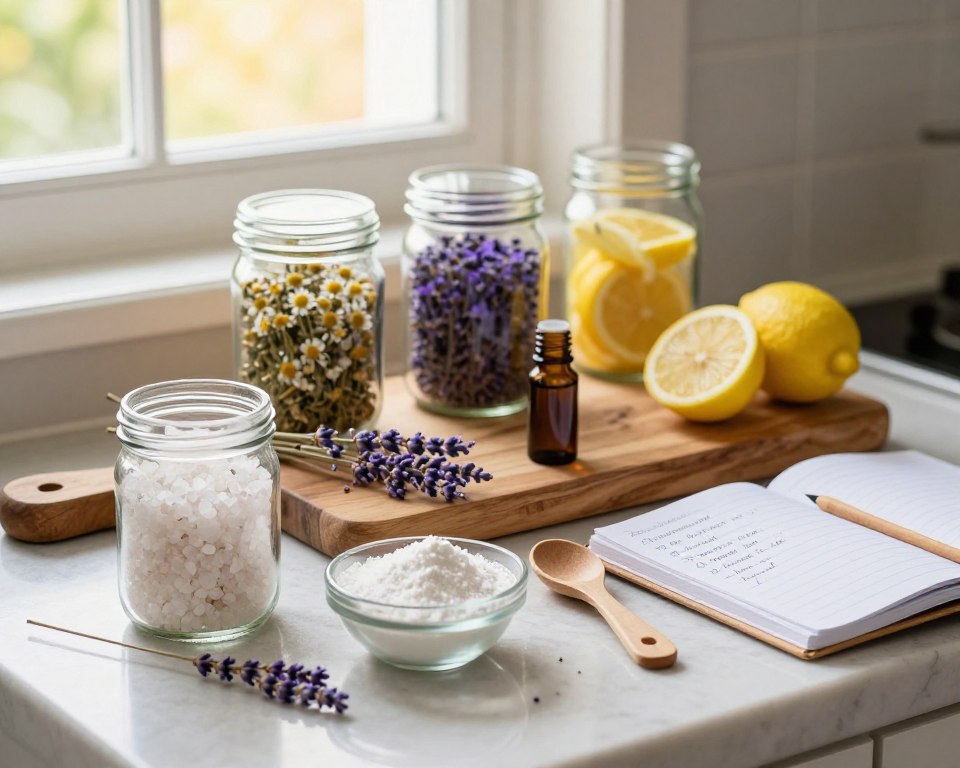
Ingredients Needed for Homemade Boosters
To craft your own laundry scent enhancer, you will need just three ingredients:
- 1.5 cups of kosher salt or Epsom salt: This acts as a natural odor neutralizer and fabric softener.
- 0.5 cup of baking soda: Provides additional deodorizing properties and softens fabrics.
- 30 drops of essential oils: Choose from lavender, eucalyptus, lemon, orange, or geranium for a pleasant fragrance.
Step-by-Step Instructions for Preparation and Use
Follow these steps to create your own laundry scent booster:
- In a mixing bowl, combine the essential oils with the salt. This prevents the baking soda from activating prematurely.
- Once well mixed, add the baking soda to the salt and oils mixture.
- Transfer the mixture to a covered airtight glass container, such as a mason jar.
- Allow the mixture to infuse for one to two days before use, ensuring a consistent fragrance.
- For each load of laundry, add 2 tablespoons to 0.25 cup of the mixture directly to the washing machine drum or the fabric softener dispenser.
Tips for Customizing Scents With Essential Oils
Essential oils offer a fantastic way to personalize your laundry fragrance. Here are some tips:
- Combine different oils: Mixing oils like lavender and eucalyptus can create a calming scent.
- Adjust the number of drops: Increase or decrease the number of drops based on your scent preference.
- Experiment: Try different combinations to find your signature scent for laundry.
This homemade laundry scent booster is compatible with all washing machine types, including top-load, front-load, and high-efficiency models. It serves as an effective alternative to conventional fabric softeners, providing softness without synthetic additives.
| Ingredient | Function | Recommended Amount |
|---|---|---|
| Kosher Salt or Epsom Salt | Odor neutralizer, fabric softener | 1.5 cups |
| Baking Soda | Deodorizer, fabric softener | 0.5 cup |
| Essential Oils | Fragrance | 30 drops |
Additional Tips for Enhancing Laundry Scent Without Irritating Sensitive Skin
Finding ways to make laundry smell delightful while avoiding irritation is essential for many households. Fortunately, there are effective methods to achieve this goal without relying on harsh chemicals. Below are some practical tips that can help you enjoy fresh-smelling laundry safely.
Using Wool Dryer Balls with Essential Oils
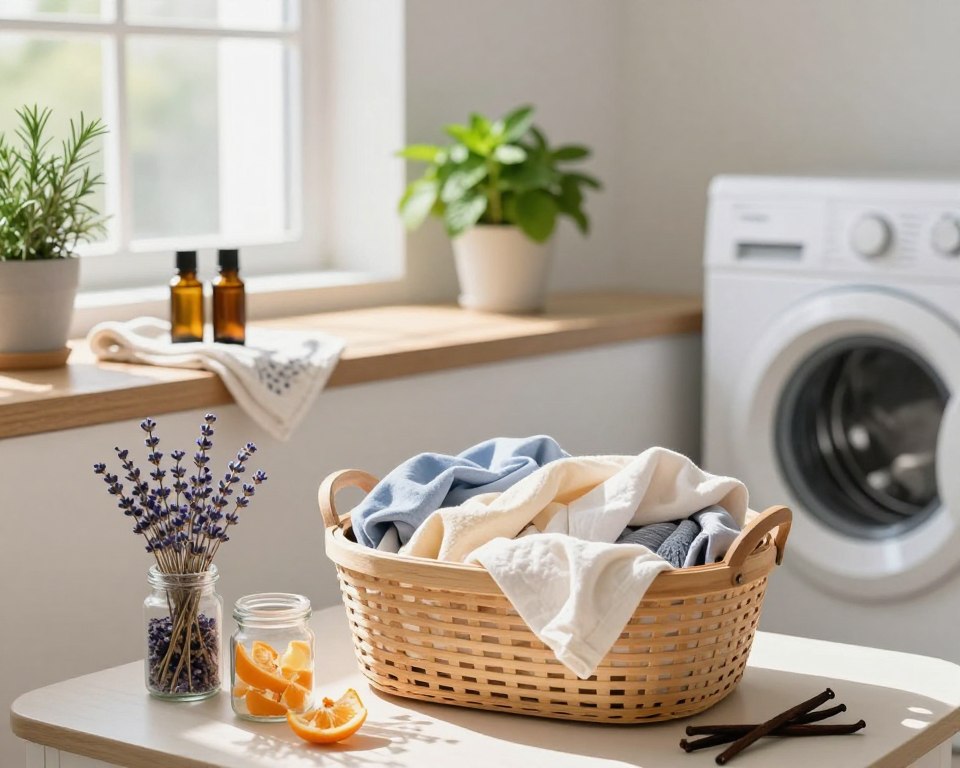
Wool dryer balls are a fantastic alternative to chemical-laden dryer sheets. They help reduce static and wrinkles while allowing for the addition of natural fragrance. By applying 2-3 drops of 100% pure essential oil to each ball, you can transfer a subtle scent to your laundry during the drying cycle.
It’s important to note that only pure essential oils should be used. Fragrance oils or those mixed with carrier oils can pose a flammability risk in the dryer. Typically, 3-5 dryer balls are used per load to achieve optimal results.
Natural Fabric Refresher Sprays as a Safe Alternative
For clothes that cannot be laundered immediately, natural fabric refresher sprays can provide a gentle scent boost. Commercial options like ECOS Fabric Odor Eliminator and Biokleen Fabric Refresher offer non-toxic formulations free from synthetic chemicals. Alternatively, you can create a homemade version using vodka, water, and essential oils. This mixture acts as an odor-neutralizing agent, evaporating completely without leaving any residue on fabrics.
Best Practices for Washing and Drying Sensitive Skin-Friendly Laundry
When washing clothes for those with delicate skin, best practices extend beyond product selection. Washing machine maintenance is crucial, as residues from previous loads can accumulate and redeposit onto laundry. Running an empty hot water cycle with white vinegar or a washing machine cleaner can help remove built-up chemical residues.
Additionally, optimizing the wash-dry sequence is vital. Use the appropriate water temperature for each fabric type, avoid overloading the washing machine, and select an extra rinse cycle when available. This ensures that any remaining detergent and scent residues are thoroughly rinsed away.
For families with varying degrees of skin sensitivity, consider designating separate laundry loads for the most sensitive individuals. This allows for customized product use without requiring the entire household to adopt the same routine.
Finally, the Ecoegg system’s structured five-step approach — Detox, Wash, Boost, Dry, Refill — provides a useful framework for building a complete sensitive skin-friendly laundry routine.
Conclusion
The safety of laundry products is a growing concern among health-conscious consumers. Evidence indicates that conventional products, particularly those with low EWG ratings, can pose risks for individuals with delicate needs. Eliminating these high-risk items from laundry routines is essential for promoting skin health.
Fortunately, there are numerous safer alternatives available. Options range from EWG A-rated commercial products to DIY formulations that provide effective fragrance enhancement without harmful chemicals. Families can gradually transition to these safer choices, allowing everyone to adjust to more natural fragrances over time.
Investing time in researching ingredients and selecting appropriate products pays off in reduced irritation and improved well-being. Ultimately, informed decisions about laundry products lead to a healthier home environment.
FAQ
Is it safe to use scent boosters for laundry if I have sensitive skin?
Many individuals with sensitive skin can experience irritation from certain laundry products. It is advisable to choose fragrance-free or hypoallergenic options and conduct a patch test before full use.
What ingredients should I avoid in laundry scent boosters?
Look out for harmful chemicals such as phthalates, synthetic fragrances, and certain preservatives, which may cause skin irritation or allergic reactions.
Are there natural alternatives to conventional scent boosters?
Yes, there are several non-toxic brands available that offer natural scent alternatives. These often include essential oils and biodegradable ingredients, which can be gentler on the skin.
How can I enhance my laundry scent without using commercial boosters?
Using wool dryer balls with a few drops of essential oil can add fragrance without irritating sensitive skin. Additionally, natural fabric refresher sprays can be a safe alternative.
What are some DIY options for making my own laundry scent booster?
You can create your own by combining baking soda, Epsom salt, and essential oils. This mixture can be added to your laundry for a fresh scent.
How do I know if a product is safe for my family?
Check for Environmental Working Group (EWG) ratings and safety evaluations of popular products. This can provide insight into the safety and potential irritants of the ingredients used.
How can I wash and dry clothes for sensitive skin effectively?
Use a gentle, fragrance-free detergent and wash on a delicate cycle. Ensure that the dryer is set to a low heat to prevent fabric damage and irritation.