Did you know that nearly 70% of people believe their clothes look clean but may still harbor harmful bacteria? This statistic highlights a growing concern about hygiene that standard washing methods often overlook. Many individuals trust that their regular detergent is enough, yet the reality is more complex.
Everyday habits can leave clothes visually appealing but fail to eliminate germs and bacteria embedded deep within fabric fibers. This guide will delve into the science behind these products, distinguishing between genuine benefits and mere marketing claims. Our goal is to help consumers make informed choices for their homes.
Readers will discover what a laundry sanitizer is, how it functions differently from regular detergent, and when its use becomes essential. We will provide actionable steps for integrating sanitizing practices into both machine and hand-washing routines without damaging fabrics.
Through a comparative analysis with bleach and natural alternatives, we aim to give a complete overview of available options. Special attention will be given to specific scenarios where sanitizing moves from optional to essential.
Key Takeaways
- Understanding the limitations of standard washing methods is crucial for effective hygiene.
- Many believe their clothes are clean, yet harmful bacteria can remain.
- This guide aims to clarify the benefits of sanitizing products versus marketing hype.
- Readers will learn practical steps for incorporating sanitizing methods into their routines.
- Specific scenarios, such as post-illness laundry, require careful consideration of sanitizing options.
What Is a Laundry Sanitizer Additive?
The significance of using a specialized cleaning solution to address hidden bacteria in fabrics cannot be overstated. A laundry sanitizer is a cleaning agent specifically formulated to target germs, bacteria, and allergens that regular detergent may leave behind. Unlike traditional detergents, which rely on surfactants and enzymes to lift dirt and stains, these sanitizers contain antibacterial agents designed to kill microorganisms at the cellular level.
Understanding how these products differ from regular detergents is crucial. Regular laundry detergent focuses on stain removal and soil lifting. In contrast, a laundry sanitizer emphasizes antimicrobial action, targeting the cellular integrity of microorganisms to render them inactive or destroy them outright. This distinction is vital, as consumers often assume that clean-looking clothes are also hygienically clean.
Common types of laundry sanitizers on the market include liquid additives designed for the rinse cycle. Brands like Lysol Laundry Sanitizer and Dettol Laundry Sanitizer lead this category. These products are generally safe for most washable fabrics when used according to label instructions.
Unlike bleach, many modern sanitizers are color-safe and can be used on colored clothes without the risk of fading or damage. This versatility makes them suitable for everyday use across mixed loads. Some products are fragrance-free for sensitive skin, while others offer a pleasant scent. Always check product labels to match preferences and dermatological considerations.
The rise in popularity of these cleaning agents reflects a broader cultural shift toward proactive hygiene. Sanitizers are now seen as complementary to regular detergents, enhancing overall cleaning routines. Understanding the right type of sanitizer for specific fabrics and washing conditions is essential. Using the wrong formulation can lead to residue buildup or reduced antimicrobial efficacy.
Before incorporating any sanitizer into your cleaning routine, always consult the manufacturer’s instructions for proper dosage, cycle selection, and fabric compatibility.
Why Is a Laundry Sanitizer Additive Necessary?
In today’s world, understanding the role of specialized cleaning solutions is vital. Regular cleaning products may not fully eliminate harmful microorganisms. This is especially true for bacteria and viruses that can linger on fabrics. The need for a laundry sanitizer becomes evident when we consider how long these pathogens can survive on clothing and linens.
Research shows that viruses can persist on laundry for hours to days after an infected person has recovered. Pathogenic bacteria and molds can survive for weeks, thriving in the right conditions within fabric fibers. Regular laundry detergent excels at removing visible soil but often leaves behind a microbial load that includes harmful pathogens like E. coli and rotavirus. This gap is where sanitizing products come into play.
Effectiveness against germs, bacteria, and allergens
Using a laundry sanitizer effectively targets these hidden threats. For example, a 2007 study in Applied and Environmental Microbiology found that while bleach can achieve a 99.9% success rate in removing viruses, detergent alone leaves residual viral particles. This highlights the importance of adding a sanitizer to your cleaning routine.
For people with sensitive skin conditions such as eczema, the bacteria and allergens trapped in inadequately sanitized laundry can trigger flare-ups. A laundry sanitizer reduces this microbial burden without the irritation that bleach or harsh chemicals might cause. It’s an essential tool for maintaining both cleanliness and skin health.
Benefits for sensitive skin and fabric care
Households have become increasingly aware of hygiene since the pandemic. Clothes, towels, and bedding items can act as fomites, transmitting infectious bacteria and viruses. The effectiveness of laundry sanitizers extends beyond illness prevention; they also neutralize odor-causing bacteria that regular detergent cannot fully eliminate. This is particularly beneficial for gym wear, undergarments, and towels that retain moisture.
Using a laundry sanitizer is especially advantageous for bedding essentials and towels. These items maintain prolonged skin contact and often remain damp between uses, creating ideal conditions for bacterial growth. Furthermore, sanitizers work across all water temperatures, making them suitable for households that wash clothes in cold water to conserve energy or protect delicate fabrics.
Health and hygiene importance post-pandemic
The health and hygiene importance of sanitizing practices extends to the entire home environment. Reducing the microbial load on textiles helps prevent cross-contamination to surfaces and other household members. For individuals with weakened immune systems, using a laundry sanitizer shifts from optional to essential. Routine sanitizing serves as a protective measure against opportunistic infections.
Combining laundry detergent for cleaning with a laundry sanitizer for antimicrobial action represents a comprehensive approach to laundry hygiene. This method effectively addresses both visible dirt and invisible contaminants. To learn more about how to effectively sanitize your laundry, visit this resource.
How to Use a Laundry Sanitizer Additive Effectively
Understanding the correct usage of specialized cleaning agents is key to maintaining hygiene. Proper application ensures that you maximize their effectiveness while protecting your fabrics. Below are essential guidelines for using these products in both washing machines and during hand washing.
Using laundry sanitizer in washing machines
To achieve the best results when using a laundry sanitizer in washing machines, follow these steps:
- Add during the rinse cycle: The most common mistake is adding the product at the beginning of the wash cycle. Instead, pour it into the fabric softener compartment or directly into the drum once the rinse cycle begins. This ensures the antimicrobial agents remain in contact with the clothes for the full duration.
- Use cold water: Many sanitizing formulations perform optimally at lower temperatures. Cold water not only enhances effectiveness but also saves energy and protects colored fabrics from bleeding.
- Avoid bleach: Never combine bleach with a laundry sanitizer in the same load. The chemical interaction can produce hazardous compounds and may damage your fabrics.
Hand washing with laundry sanitizer: step-by-step
For those who prefer hand washing, follow these steps:
- Pre-treat the fabric: Start by using a standard laundry detergent to remove surface dirt and oils.
- Prepare the soaking solution: Dilute the sanitizer in lukewarm water according to the product instructions.
- Soak the clothes: Submerge the garments completely and allow them to soak for at least 15 minutes. This contact time is essential for the antimicrobial agents to penetrate the fabric fibers.
- Do not rinse: After soaking, avoid rinsing the clothes. The sanitizer is designed to remain in the fabric, providing ongoing antimicrobial protection.
Key precautions: fabric compatibility and water temperature
Fabric compatibility is critical when using these products:
- Cotton and polyester generally respond well to sanitizers.
- Delicate materials like silk and wool may sustain damage, so always check the product label for specific instructions.
Tips for dosage and cycle selection
Precision in dosage is vital:
- Follow the product label for load size and concentration. Using more than recommended does not increase efficacy and may leave residues.
- If your washing machine has a dedicated sanitizing cycle or an extra rinse option, utilize it. Otherwise, manually pause the machine during the rinse cycle to add the sanitizer.
- For households that use fabric softener, note that many sanitizers can replace it, as they often include conditioning agents. If both are desired, add the sanitizer during the rinse cycle and the softener during a separate final rinse.
Establishing a consistent routine for using sanitizers on specific load types—such as towels, bed linens, and gym clothes—ensures that high-risk items receive proper treatment. For more detailed instructions on using these products effectively, visit this resource.
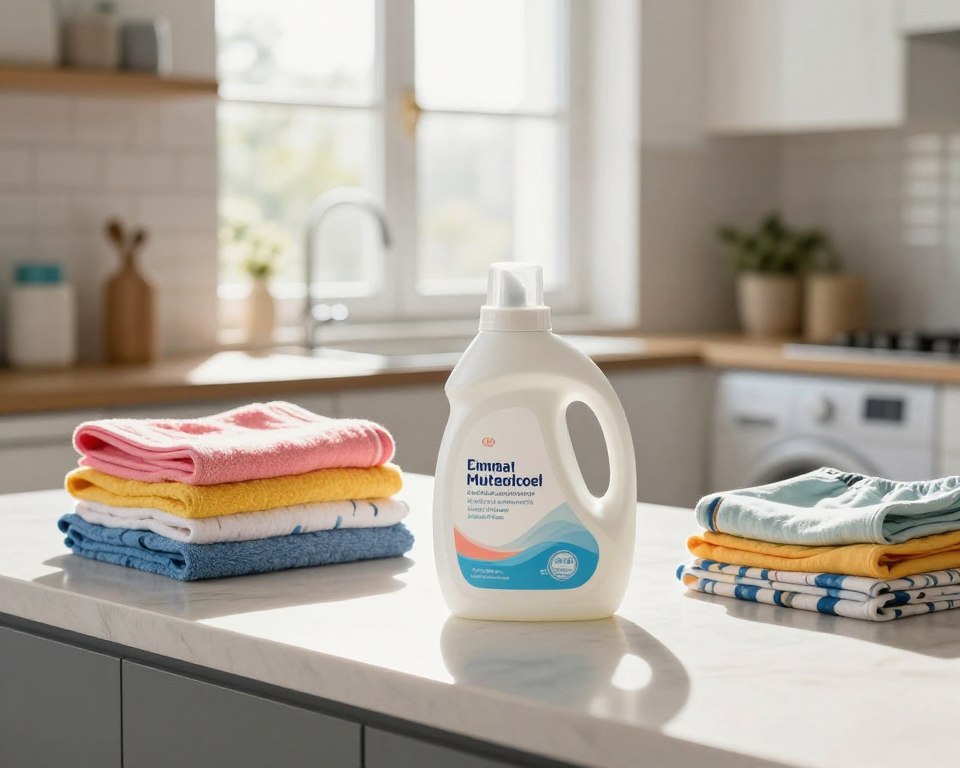
Laundry Sanitizer Additive Necessary: Comparing with Detergents and Disinfectants
In the realm of cleaning, understanding the distinctions between various products is crucial for effective hygiene. While both detergents and specialized sanitizers serve important roles, they operate on fundamentally different principles. Detergents focus on removing visible dirt and stains, whereas sanitizers target invisible bacteria and viruses.
How laundry sanitizers work compared to detergents
To grasp how these products differ, consider the following:
- Functionality: Detergents utilize surfactants and enzymes to lift and remove soil. In contrast, laundry sanitizers contain antimicrobial agents that actively kill bacteria and viruses.
- Misconceptions: Many believe that using detergent alone ensures cleanliness. However, detergent primarily dilutes and rinses away microorganisms rather than eliminating them.
Differences between laundry sanitizers and disinfectants
It’s essential to recognize the key differences between laundry sanitizers and household disinfectants:
- Fabric Safety: Laundry sanitizers are designed to be fabric-safe and compatible with washing machine rinse cycles. Disinfectants, however, often contain harsh chemicals that can damage fabrics.
- Application: While disinfectants are effective for surfaces, they are not intended for textile submersion. Laundry sanitizers, on the other hand, are specifically formulated for use in the rinse cycle of washing machines.
When each product type is most suitable
The choice between these products largely depends on the situation:
- Routine Laundry: For everyday loads, a laundry sanitizer added during the rinse cycle provides adequate protection against germs.
- Heavily Contaminated Items: In cases of serious illness, a bleach-based sanitizing protocol may be warranted if the fabrics can tolerate it. Bleach remains the gold standard for killing bacteria and viruses, achieving a 99.9% reduction in some cases.
Ultimately, the most suitable product type hinges on the specific scenario. Regular use of laundry sanitizers offers a balanced approach for antimicrobial action without compromising fabric integrity. In fact, using the right product not only protects your clothes but also extends the life of your washing machine.
For more information on how to effectively sanitize your laundry, visit this resource.
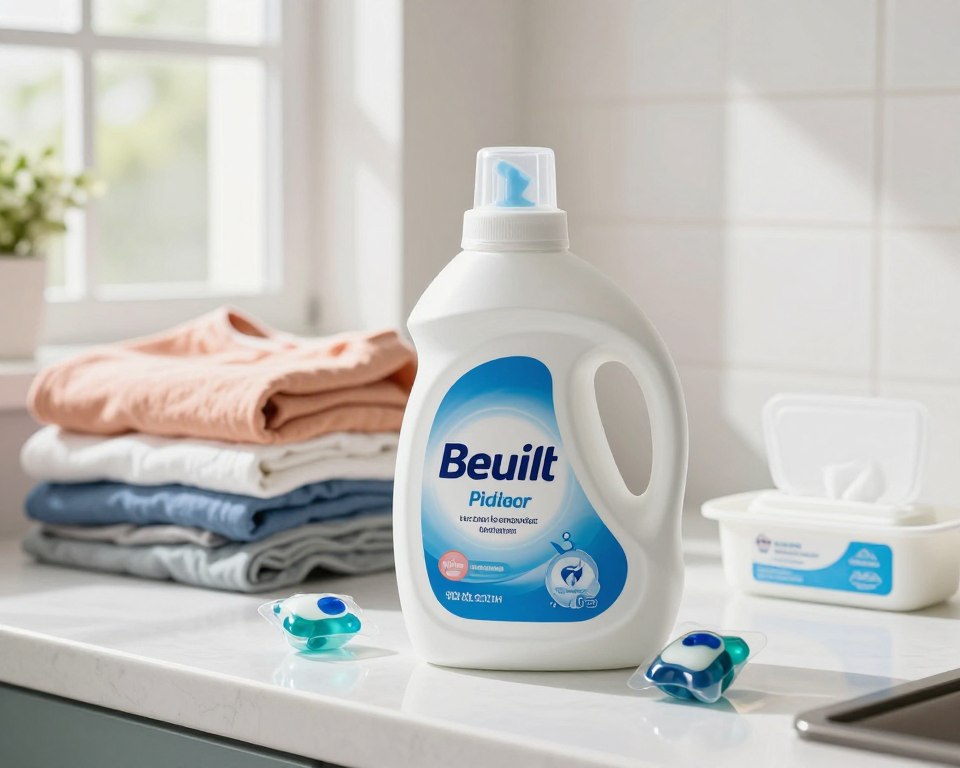
Alternatives to Bleach for Sanitizing Laundry
Exploring alternatives to bleach can provide effective solutions for sanitizing your fabrics. While bleach is a common choice for disinfection, several other products can achieve similar results without the harshness associated with chlorine. Understanding these options can help you maintain hygiene in your laundry routine.
Hydrogen peroxide: benefits and usage
Hydrogen peroxide at a 3% concentration serves as one of the most effective bleach alternatives for sanitizing laundry. It works by oxidizing and breaking down the cellular components of viruses, bacteria, and fungi. This method avoids the harsh fumes and toxicity concerns associated with chlorine bleach.
To effectively sanitize laundry with hydrogen peroxide, follow this two-step process:
- Wash with detergent: Start with a complete wash cycle using your standard laundry detergent to remove soil.
- Add hydrogen peroxide: Run a second cycle with hydrogen peroxide added, allowing a contact time of 30 to 90 minutes. Longer exposure correlates with greater germ kill rates.
This method is notably effective against clinically significant pathogens, including E. coli and streptococcus. However, a critical limitation is its bleaching effect. Like chlorine bleach, it can lighten or discolor non-colorfast fabrics, so its use should be restricted to white or color-safe clothes.
White vinegar as a mild sanitizing option
White vinegar offers a mild sanitizing option that is completely color-safe and environmentally friendly. Its acetic acid content can break down certain bacterial cell walls, making it suitable for routine freshening and low-level sanitizing of laundry.
However, vinegar’s antimicrobial capacity is limited. It can kill some bacteria on contact but does not prevent regrowth and is ineffective against viruses. Therefore, it should not be relied upon for sanitizing laundry after contagious illnesses or for immunocompromised household members.
To use white vinegar for laundry sanitizing, add concentrated white vinegar during a short rinse cycle after the main detergent wash. This addition also helps remove detergent residues and mineral buildup from fabrics.
Pine oil’s role and limitations as a disinfectant
Pine oil, derived from distilled pine tree resin, possesses natural disinfectant properties. You can use it by adding 1 cup to a laundry load after the detergent cycle. However, its efficacy is restricted to low-level germ reduction and it does not reliably kill human pathogens.
Both vinegar and pine oil are best categorized as maintenance sanitizing products rather than intervention-level disinfectants. They are appropriate for everyday laundry hygiene but insufficient for post-illness decontamination or high-risk scenarios.
Hot water remains one of the simplest and most accessible bleach alternatives for sanitizing laundry. Washing clothes at the highest temperature the fabrics can tolerate—ideally 140°F or above—combined with a full drying cycle on high heat, provides significant microbial reduction without any chemical additives.
| Product | Effectiveness | Usage | Limitations |
|---|---|---|---|
| Hydrogen Peroxide | Effective against E. coli, streptococcus | 2-step process with detergent | Bleaching effect on non-colorfast fabrics |
| White Vinegar | Mild antibacterial properties | Add during rinse cycle | Limited effectiveness against viruses |
| Pine Oil | Low-level germ reduction | Add after detergent cycle | Not effective against human pathogens |
| Hot Water | Significant microbial reduction | Wash at high temperatures | Fabric care labels must be followed |
The choice among bleach alternatives should be guided by the specific sanitizing goal. Use hydrogen peroxide for serious pathogen concerns on color-safe fabrics, hot water for general sanitizing when fabric care labels permit, and white vinegar or pine oil for routine maintenance of lightly soiled laundry.
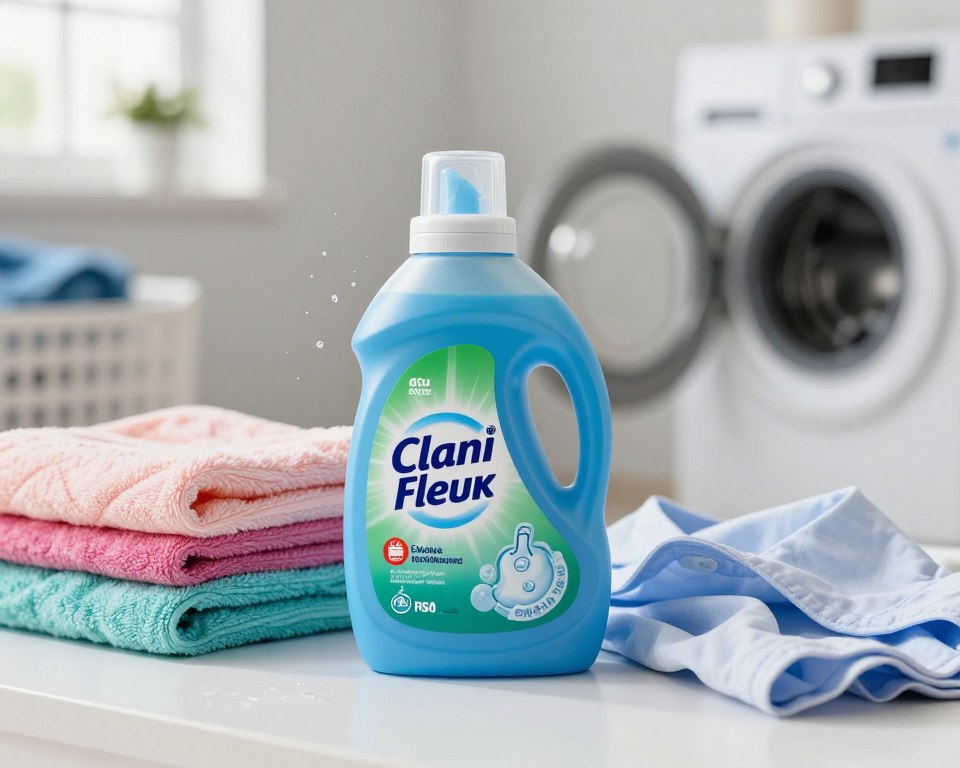
When to Use a Laundry Sanitizer Additive
Knowing when to incorporate a specialized cleaning solution into your washing routine is essential for maintaining hygiene. Certain situations warrant the use of a laundry sanitizer to effectively combat germs and bacteria that standard detergents may leave behind.
After illness and infectious exposures
After any household illness, particularly gastrointestinal infections like norovirus or respiratory illnesses such as influenza, it’s crucial to take extra precautions. All bedding, towels, and clothes used by the sick person should be washed separately. Adding a laundry sanitizer during the rinse cycle helps prevent cross-contamination to other family members.
The CDC advises that while it may not be strictly necessary to wash a sick person’s laundry separately if proper sanitizing protocols are followed, using a laundry sanitizer provides an additional layer of protection. This approach reduces the risk of germs and viruses transferring to other items in the same load.
For baby clothes, gym wear, and towels
Baby clothes require special attention due to infants’ developing immune systems. Their garments frequently contact bodily fluids, milk residue, and diaper-area bacteria. A fragrance-free laundry sanitizer formulated for sensitive skin can help maintain hygiene without causing irritation.
Gym wear and towels create a perfect environment for bacterial growth due to moisture and body heat. Regular detergent often fails to eliminate the odor-causing bacteria embedded in synthetic fabrics. Thus, a laundry sanitizer is particularly valuable for these items.
People with allergies or weakened immune systems
Individuals with allergies, asthma, or compromised immune systems benefit significantly from routine use of a laundry sanitizer. Reducing dust mite allergens, mold spores, and bacterial contaminants on bedding and clothes can decrease symptom triggers and infection risks.
Work uniforms and household hygiene considerations
Work uniforms for healthcare professionals, veterinary staff, and food service workers should be sanitized after each wear. These clothes can transport bacteria and viruses from the workplace into the home environment if not properly treated.
Establishing a routine where high-risk laundry loads—such as sick-room linens, cleaning cloths, and pet bedding—are always sanitized creates a systematic barrier against the spread of germs throughout the home. The time required for effective sanitizing varies by product and washing machine type, but a general rule is that the sanitizer must remain in contact with the fabrics for at least 10 to 15 minutes during the rinse cycle to achieve meaningful antimicrobial action.
For everyday clothes worn in low-exposure environments, standard detergent and proper drying may suffice. However, for the specific scenarios outlined here, the evidence supports making laundry sanitizers a consistent part of the washing routine. To learn more about effective sanitizing practices, visit this resource.
Conclusion
The journey to truly clean clothes goes beyond just visible stains. The evidence reviewed throughout this guide shows that a specialized cleaning solution addresses a genuine hygiene gap that standard products cannot close. This is especially important for households managing illness or high-risk items.
Specialized products provide a fabric-safe alternative to harsh chemicals, working effectively even in cold water. Proper application is key: add the product during the rinse cycle and allow sufficient contact time. Consumers should tailor their approach based on specific needs, such as using hydrogen peroxide for serious pathogens or commercial products for routine maintenance.
Ultimately, understanding when and why to use these products transforms them into valuable components of a comprehensive hygiene strategy. Assess your laundry habits and identify loads that would benefit most from sanitizing to achieve genuinely clean clothes.
FAQ
Is a laundry sanitizer additive really necessary?
While not mandatory, using a sanitizer can enhance the cleaning process by effectively eliminating germs and bacteria that regular detergents may not fully address.
What is the primary purpose of a laundry sanitizer?
Its main function is to disinfect fabrics, ensuring that harmful microorganisms are killed, thus promoting better hygiene.
How does a laundry sanitizer differ from regular detergents?
Unlike standard detergents that primarily focus on removing dirt and stains, sanitizers target and kill bacteria and viruses, providing an additional layer of cleanliness.
What types of laundry sanitizers are commonly available?
Common options include liquid sanitizers, powder forms, and those designed for specific washing machines, each tailored to enhance the sanitizing process.
Why is sanitizing laundry particularly important today?
The heightened awareness of hygiene, especially post-pandemic, has made sanitizing laundry essential for reducing the risk of infections and promoting overall health.
How can I effectively use a laundry sanitizer in my washing machine?
Follow the product instructions carefully, typically adding it during the rinse cycle to ensure optimal disinfection of fabrics.
What precautions should I take when using a laundry sanitizer?
Always check fabric compatibility and adhere to recommended water temperatures to avoid damaging sensitive materials.
Are there alternatives to bleach for sanitizing laundry?
Yes, options like hydrogen peroxide, white vinegar, and pine oil can serve as effective sanitizing agents without the harshness of bleach.
When should I consider using a laundry sanitizer?
It is advisable to use a sanitizer after illness, for items like baby clothes and gym wear, or for individuals with allergies and weakened immune systems.
Can laundry sanitizers be used with all types of fabrics?
Most sanitizers are safe for various fabrics, but always check labels to ensure compatibility, especially with delicate materials.