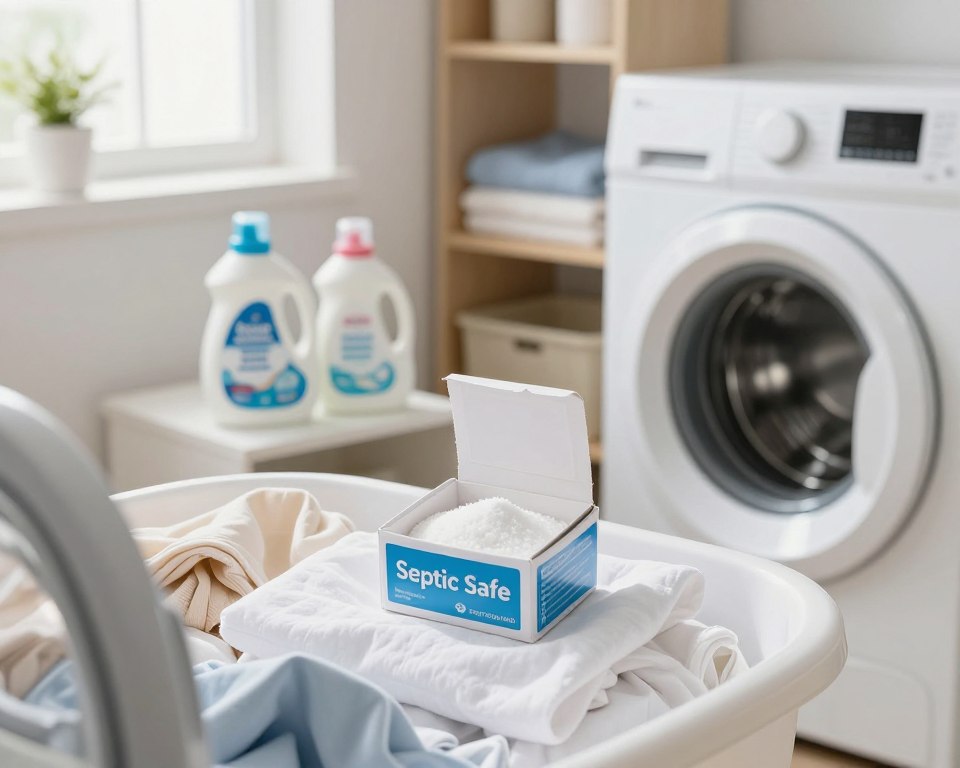
Did you know that nearly 20% of households in the United States rely on septic systems for waste management? This statistic highlights the importance of understanding how everyday products, like baking soda, can affect these systems. Homeowners often wonder if adding this common household item to their laundry routine is a good idea.
Baking soda is frequently touted as a natural alternative to commercial treatments for septic tanks. It is believed to help maintain a balanced pH level, supporting the growth of beneficial bacteria essential for breaking down waste. However, while it is generally safe in small amounts, it is not a substitute for regular maintenance and professional care.
This article will explore the core question: “Is baking soda added to laundry safe for septic systems?” By examining how sodium bicarbonate interacts with the biological processes within a septic tank, readers will gain a clearer understanding of its potential effects.
Key Takeaways
- Many homeowners question the impact of common products on septic systems.
- Baking soda can help maintain pH levels but should be used sparingly.
- Regular maintenance is crucial for septic system health.
- Harsh chemicals can disrupt beneficial bacteria in septic tanks.
- Understanding the role of baking soda can help in making informed decisions.
Understanding Septic Systems: How They Work and Why Maintenance Matters
A considerable portion of the American population relies on septic systems for effective waste disposal. These systems are essential for homes that lack access to centralized sewage piping. Understanding how they function is crucial for maintaining their efficiency.
At the heart of a septic system is the septic tank. This watertight container, typically made of concrete, fiberglass, or polyethylene, receives all household wastewater. The tank allows solids to settle at the bottom as sludge while oils and grease float to the top as scum.

Components of a Septic System
A septic system acts as a self-contained wastewater treatment plant. It processes water from sinks, showers, toilets, and laundry. The separation of solids from liquids occurs through gravity and bacterial action. This process is vital for the overall functionality of the system.
Role of Bacteria in Waste Breakdown
Beneficial bacteria within the septic tank are crucial for breaking down organic waste. They perform anaerobic digestion, which reduces the volume of solids over time. Without a healthy population of these bacteria, the system cannot effectively process waste, leading to potential clogs and backups.
Importance of Regular Septic Pumping and Inspections
Regular maintenance is key to a functioning septic system. It is recommended to pump and inspect the septic tank every one to two years. This practice removes accumulated sludge and scum that bacteria cannot digest. Failure to maintain the system can result in costly repairs and environmental issues.
| Maintenance Task | Frequency | Importance |
|---|---|---|
| Septic Tank Pumping | Every 1-2 years | Removes solids to prevent overflow |
| System Inspection | Every 1-2 years | Identifies potential issues early |
| Drain Field Maintenance | As needed | Ensures proper water filtration |
Many people underestimate how their daily habits impact their septic systems. What goes down the drains can directly affect the longevity of these systems. Understanding these components and processes is essential for evaluating whether additives, like baking soda, can support or undermine septic health.
The User Intent Behind “baking soda laundry safe septic”
Many residences in the U.S. rely on septic systems to handle their wastewater. This dependency leads homeowners to seek safe and effective cleaning solutions. One common query is whether baking soda is a viable option for laundry in homes with septic systems.
When homeowners search for “baking soda laundry safe septic,” they typically seek reassurance that a natural, affordable laundry additive will not compromise their septic system’s functionality or lead to costly damage. Common questions include:
- Does baking soda alter pH levels in the septic tank to a degree that harms beneficial bacteria?
- Can conventional laundry detergents with phosphates and synthetic fragrances disrupt the bacterial ecosystem over time?
- Is baking soda a safe solution that effectively cleans clothes without introducing toxic substances into the wastewater stream?
- Can it help regulate pH or control odors within the septic tank?
People are increasingly aware that harsh chemicals—including chlorine bleach, ammonia, and antibacterial agents—can kill microorganisms essential to septic health. This awareness prompts a shift toward natural alternatives.
Users are interested in understanding the distinction between natural cleaners like baking soda and synthetic chemicals. This knowledge is crucial for environmentally conscious homeowners who want to maintain a clean household while protecting the long-term viability of their septic system.
Is Baking Soda Safe for Septic Systems?
Septic systems are a common waste management solution for numerous American homes. Understanding how additives like baking soda interact with these systems is essential for homeowners. This natural substance is often suggested as a gentle alternative to harsh chemicals.
Baking soda, or sodium bicarbonate, has a mild alkaline pH of approximately 8.1. This level is close enough to neutral that it does not shock or kill the beneficial bacteria that septic environments depend on for waste digestion. When introduced into a septic tank through laundry water, it can help buffer against acidic conditions that sometimes develop from the breakdown of organic matter. This supports a stable environment for microbial activity.
How Baking Soda Supports Bacterial Balance
Using baking soda in modest amounts can actually enhance the performance of a septic system. The recommended quantity for laundry use is about one-quarter cup per load. This concentration becomes significantly diluted in the 1,000 or more gallons of water a typical septic tank holds.
Using baking soda in this way does not harm septic system components. It also does not interfere with the natural settling and separation processes that occur within the tank. Homeowners can feel confident using this additive, provided they adhere to recommended quantities.
Recommended Quantities and Frequency of Use
To ensure optimal performance, it is best to use baking soda sparingly. A quarter cup per load is effective and safe. This practice allows the bacteria in the septic tank to thrive while avoiding potential issues associated with overuse.
Comparing Baking Soda to Harmful Chemicals
In contrast, harsh chemicals like chlorine bleach and ammonia-based cleaners are known to kill bacteria on contact. Just two gallons of bleach can wipe out the functioning bacterial population in a 1,000-gallon septic tank, leading to system failure. Safe septic systems practices involve choosing additives that either support or do not suppress the bacteria responsible for decomposition.
Ultimately, baking soda occupies a favorable position among laundry additives. It is demonstrably safer than synthetic chemicals while offering modest cleaning and odor-control benefits without disrupting the septic tank ecosystem.
| Additive | Effect on Bacteria | Recommended Use |
|---|---|---|
| Baking Soda | Supports bacterial balance | 1/4 cup per load |
| Chlorine Bleach | Kills bacteria | Avoid |
| Ammonia | Kills bacteria | Avoid |
“Homeowners who use baking soda in laundry can do so with confidence, provided they adhere to recommended quantities.”
Benefits of Using Baking Soda in Laundry for Septic Systems
In many American households, maintaining a healthy septic system is essential for proper waste management. One way to support this is by using natural additives in laundry routines. Baking soda offers numerous benefits when used in laundry, particularly for those relying on septic systems.
This versatile ingredient acts as a gentle abrasive and natural deodorizer. It neutralizes acidic odors from sweat, mildew, and organic residues without leaving behind synthetic fragrances. These fragrances can accumulate in septic tank sludge, potentially causing issues over time.
Natural Cleaning and Odor Control
Using baking soda helps soften wash water, improving the effectiveness of soap-based detergents. This enhancement can reduce the amount of cleaning product needed per load, thereby decreasing the overall chemical load entering the septic system.
Environmental Advantages Over Synthetic Detergents
From an environmental standpoint, baking soda breaks down into harmless sodium and bicarbonate ions. Unlike many commercial laundry detergents, which contain surfactants and phosphates, baking soda does not persist in soil or groundwater. This characteristic makes it a more eco-friendly option.
Protecting the Septic Tank’s Bacteria Ecosystem
Perhaps the most significant benefit of using baking soda is its role in protecting the bacteria ecosystem within the septic tank. By choosing baking soda over bleach or antibacterial cleaners, homeowners can preserve the microbial colonies that digest waste. This preservation prevents solids from building up too rapidly, which can lead to clogs and backups.
Regular use of baking soda in laundry contributes to a more stable pH environment within the tank. This stability supports both acid-forming and methane-producing bacteria, which work together to decompose organic matter effectively.
The absence of toxic chemicals in baking soda means that the effluent leaving the septic tank and entering the drain field is cleaner. This cleanliness reduces the risk of contaminating surrounding soil or nearby wells.
Maintaining safe septic systems is not just about avoiding harm; it involves actively choosing products that align with the biological needs of the system. Baking soda fits this criterion effectively.
Over time, households that replace harsh cleaners with baking soda for laundry and other cleaning tasks often report fewer septic system emergencies, reduced odors, and longer intervals between required pump-outs.
| Benefit | Description |
|---|---|
| Natural Deodorizer | Neutralizes odors without synthetic fragrances. |
| Environmental Safety | Breaks down into harmless ions, minimizing pollution. |
| Bacteria Preservation | Supports microbial health essential for waste breakdown. |
| pH Stability | Maintains a balanced environment for effective decomposition. |
| Reduced Chemical Load | Less detergent needed, lowering overall chemical input. |
DIY Natural Laundry Soap and Cleaners Safe for Septic Systems
Many households in the U.S. are turning to DIY solutions for their laundry needs, especially those with unique waste management systems. Creating your own laundry products allows you to control every ingredient that enters your wastewater. This practice helps eliminate synthetic surfactants, phosphates, and optical brighteners that can accumulate in the tank.
Recipes Using Baking Soda and Other Safe Ingredients
One foundational recipe combines one grated 4- to 5-ounce bar of pure castile or Ivory soap with 14 ounces of Borax and 14 ounces of washing soda. This mixture yields approximately 32 ounces of powdered laundry soap suitable for 32 to 64 loads. For small loads, use two tablespoons, and for larger loads, use three tablespoons.
Making Washing Soda from Baking Soda
To create washing soda at home, preheat your oven to 400° Fahrenheit. Spread a box of baking soda evenly on a cookie sheet or in a large rectangular roasting pan. Bake it for 30 minutes to one hour. After baking, remove it from the oven and let it cool. The texture will change from glittery and clumpy to flat and grainy, indicating that it is now washing soda.
Natural Fabric Softeners and Stain Removers
For a natural fabric softener, add 1/2 cup of white vinegar to each load during the rinse cycle. This addition helps dissolve residual soap and washing soda from fabrics while restoring a skin-friendly pH balance.
For an effective DIY stain remover, mix 1/2 cup of 3% hydrogen peroxide, four tablespoons of castile soap, and 40 drops of lemon essential oil. This combination provides spot treatment without introducing chlorine or synthetic solvents into the wastewater.
These homemade alternatives demonstrate that effective laundry cleaning does not require harsh chemicals. The ingredients—baking soda, washing soda, Borax, castile soap, and vinegar—are all compatible with maintaining a healthy septic tank ecosystem.
| Recipe | Ingredients | Instructions |
|---|---|---|
| DIY Laundry Soap | 1 bar soap, 14 oz Borax, 14 oz washing soda | Grate soap, mix all ingredients, and store. |
| Washing Soda | Baking soda | Spread on a baking sheet, bake at 400°F for 30-60 mins. |
| Natural Fabric Softener | White vinegar | Add 1/2 cup to rinse cycle. |
| Stain Remover | 1/2 cup hydrogen peroxide, 4 tbsp castile soap, 40 drops lemon oil | Mix and apply to stains. |
Products and Habits to Avoid for Septic Health
Understanding the impact of household products on septic systems is vital for many American families. Maintaining a healthy septic tank requires awareness of what substances can disrupt the delicate balance of bacteria essential for waste breakdown. Certain products can cause significant harm, leading to costly repairs and system failures.
Harsh Chemicals That Kill Beneficial Bacteria
Chlorine bleach is one of the most destructive substances for septic systems. Just two gallons can sterilize a 1,000-gallon septic tank by killing the beneficial bacteria that break down solid waste. Other harsh chemicals, such as ammonia and certain drain cleaners, can also be detrimental.
Chemical drain cleaners containing sodium hydroxide or sulfuric acid not only kill bacteria but can corrode pipes and damage the tank’s structural integrity. It is crucial to avoid pouring these substances down your drains.
Household Items That Can Damage Your Septic Tank
Many common household items should never enter your drains. Cooking grease solidifies and clogs pipes, while bath oils coat waste and hinder bacterial breakdown. Clay-based kitty litter adds non-biodegradable sediment to the tank, which can disrupt its function.
Water softeners that discharge brine into the septic system can increase salinity levels, shocking bacteria and causing sludge to disperse into the drain field prematurely. This leads to soil clogging and system failure.
Proper Use of Detergents and Cleaning Agents
Even seemingly benign products like excessive amounts of laundry detergent can create problems. Too much detergent generates excess suds that carry solids into the drain field, leaving residue that impedes bacterial access to organic waste.
Proper septic-safe practices involve reading product labels carefully. Choose biodegradable and phosphate-free detergents, and limit the use of any cleaning agent with antimicrobial claims unless absolutely necessary for infection control in the home.
| Product Type | Impact on Septic System |
|---|---|
| Chlorine Bleach | Kills beneficial bacteria |
| Chemical Drain Cleaners | Corrodes pipes and damages tank |
| Cooking Grease | Solidifies and clogs pipes |
| Water Softeners | Increases salinity, shocks bacteria |
| Excessive Detergent | Generates suds, impedes waste breakdown |
Incorporating “baking soda laundry safe septic” in Your Household Routine
Understanding how to effectively integrate natural cleaning agents into your household routine is essential for maintaining a healthy waste management system. Using baking soda in your laundry can be both effective and safe for septic systems when done correctly. Here are some best practices to ensure you reap the benefits without compromising your system’s health.
Best Practices for Using Baking Soda in Laundry Loads
The most effective way to use baking soda in laundry for septic safety is to add one-quarter cup directly to the wash drum along with clothes before starting the cycle. This method allows it to dissolve and distribute evenly through the water.
For heavily soiled loads or those with persistent odors, you can increase the amount to one-third cup. This quantity remains well within the safe range for a septic tank, as the dilution factor in a full wash cycle renders the concentration harmless to bacteria.
Combining Baking Soda with Vinegar and Lemon for Optimal Results
Combining baking soda with one-half cup of white vinegar in the rinse cycle enhances odor removal and fabric softening without introducing synthetic chemicals. However, it’s important to avoid using them simultaneously in the same compartment, as they neutralize each other on contact.
You can also create a natural all-purpose cleaner for the laundry room and bathroom by mixing one-quarter cup of baking soda with one-half cup of vinegar and two tablespoons of lemon juice. The fizzing action helps lift dirt and grime from surfaces before being rinsed down drains safely.
Monitoring Septic Health While Using Natural Cleaners
Monitoring the health of your septic system while using natural cleaners is crucial. Watch for warning signs such as:
- Slow drains
- Gurgling sounds from plumbing
- Foul odors around the tank or drain field
- Overly lush vegetation over the leach field, which may indicate effluent surfacing
Keeping a simple log of when you use baking soda and other natural cleaners, along with annual septic inspections, helps correlate your cleaning habits with system performance. This practice can help catch potential issues before they escalate into emergencies.
For toilet bowl maintenance, pour half a small box of baking soda into the bowl and let it sit overnight before scrubbing. This method provides effective cleaning without introducing bleach or hydrochloric acid into the septic system. Additionally, using white vinegar alone as a toilet cleaner—by pouring one cup into the bowl and letting it sit overnight—breaks down hard water stains while remaining fully compatible with the bacteria in the septic tank.
Conclusion
In the U.S., a substantial portion of families uses localized systems for managing wastewater. This reliance highlights the importance of using safe cleaning methods that do not harm these systems. Evidence shows that baking soda is not only safe for septic systems when used in laundry but also promotes the health of beneficial bacteria.
Homeowners who switch from harsh chemical detergents to baking soda-based routines help protect the vital microorganisms that prevent clogs and backups. Regular septic pumping every one to two years is still essential, as it ensures the tank remains functional.
By incorporating natural cleaning methods, such as those outlined in this guide, families can extend the life of their systems while maintaining a healthy environment. Ultimately, the answer to whether baking soda is a suitable addition to laundry for septic systems is a resounding yes, as long as it is used wisely.
For more information on septic-safe cleaning products, visit this guide.
FAQ
Is it safe to use baking soda in laundry if I have a septic system?
Yes, using baking soda in laundry is generally safe for septic systems. It helps maintain a healthy bacterial balance essential for breaking down waste.
How does baking soda affect the bacteria in my septic tank?
Baking soda can support the growth of beneficial bacteria in your septic tank, which is crucial for effective waste decomposition.
What is the recommended amount of baking soda to use in laundry?
Typically, 1/2 to 1 cup of baking soda per load is sufficient. It’s important to avoid excessive use to maintain the right balance in your septic system.
Are there any chemicals I should avoid when using a septic system?
Yes, avoid harsh chemicals like bleach and certain detergents that can kill beneficial bacteria and disrupt the septic system’s function.
Can I combine baking soda with other natural ingredients for laundry?
Absolutely! Combining baking soda with vinegar or lemon can enhance cleaning power while remaining safe for your septic system.
How often should I pump my septic tank if I use baking soda regularly?
Regular pumping is recommended every 3 to 5 years, depending on usage. Using baking soda may help maintain a healthier tank, but regular inspections are still essential.
What are some DIY laundry soap recipes that are safe for septic systems?
A simple recipe includes mixing 1 cup of baking soda, 1 cup of washing soda, and 1 bar of grated soap. This combination is effective and septic-safe.
How can I monitor the health of my septic system?
Regular inspections, observing any slow drains, and monitoring odors can help you assess your septic system’s health. Using safe products can contribute to its longevity.