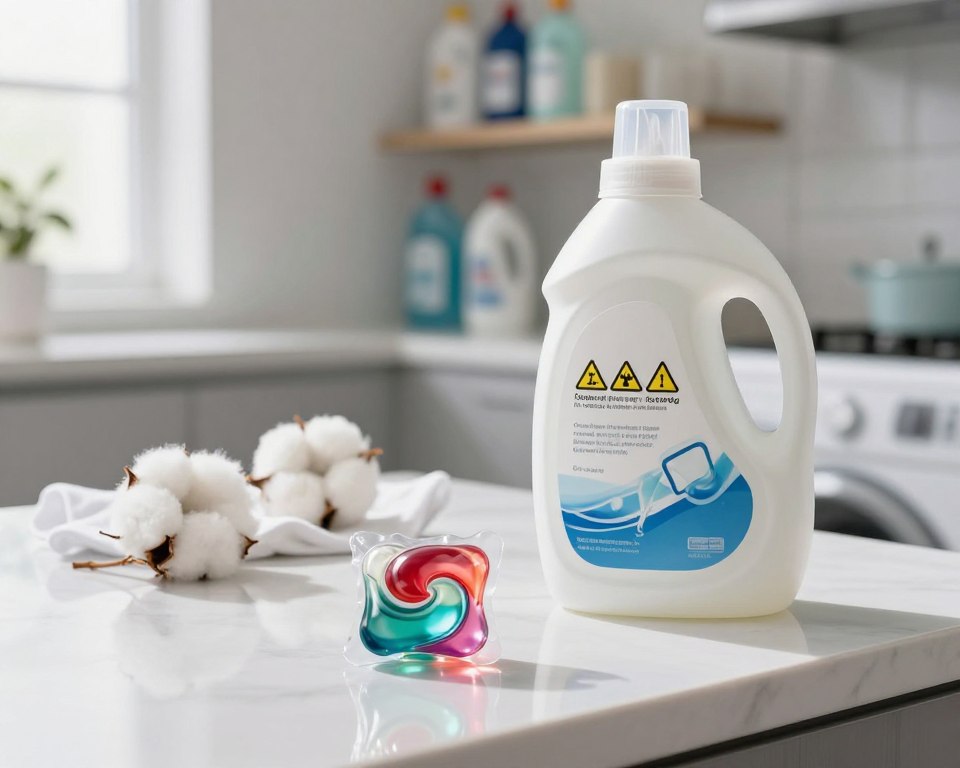
Did you know that in 2012, nearly half of all reported laundry detergent exposures involved the pod variety? This alarming statistic highlights a significant concern for parents and caregivers. Laundry detergent pods are small, colorful capsules designed for convenience, but they come with risks that may not be immediately apparent.
These pods contain a highly concentrated formulation of detergent, which dissolves upon contact with moisture. Unfortunately, their attractive appearance can entice young children, leading to accidental exposures. Research indicates that exposure to these pods often results in more severe symptoms compared to traditional liquid detergent.
This article aims to explore the critical differences between these two forms of detergent. By examining clinical data and reports from poison centers, we will uncover whether the concentrated laundry pod truly poses a greater risk. Readers will gain essential insights into the potential dangers associated with these products and how to mitigate them effectively.
Key Takeaways
- The evidence suggests that laundry pods can lead to more severe health effects than traditional liquid detergent.
- Ingestion of pods is particularly hazardous for young children, with a high rate of symptomatic reactions.
- Understanding the differences in formulation can help in making safer choices for household cleaning products.
- Awareness of the risks associated with colorful packaging can prevent accidental exposures.
- Safety measures can be implemented to reduce the risk of exposure to concentrated detergents.
Understanding Laundry Detergents: Liquid vs Concentrated Laundry Pods
The formulation of laundry detergents varies significantly between liquids and pods. Understanding these differences is crucial for making informed choices about cleaning products.
Composition and Ingredients of Liquid Detergents
Liquid laundry detergents are complex synthetic formulations engineered for effective fabric cleaning. They typically combine surfactants and enzymes that break down dirt and stains. Additionally, emulsifiers ensure uniformity, while borates enhance cleaning action. Often, bleaches or optical brighteners are included to improve fabric appearance.
Fragrances, preservatives, and dyes are common additives in these products. However, these components can trigger allergic reactions or respiratory symptoms in sensitive individuals. Thus, awareness of these ingredients is essential for safe usage.
What Are Laundry Pods? Packaging and Formulation
Laundry pods represent a fundamentally different product design. They are single-load capsules containing concentrated detergent, which may be liquid, powder, or a combination sealed within a water-soluble polyvinyl alcohol membrane. This design is intended for convenience, allowing users to toss a pod directly into the washing machine.
However, the same rapid dissolution in water can be dangerous. When exposed to moisture, the pod membrane dissolves quickly, releasing a concentrated detergent that can pose serious risks if ingested, especially by children.
Differences in Concentration and Chemical Properties
Concentration is a critical differentiator between these two forms of detergent. Laundry pods contain a significantly higher percentage of surfactants and ethoxylated alcohols than standard liquid detergent. This results in greater hydrotropic power and viscosity.
When water interacts with the contents of a pod, the alkalinity shifts, intensifying its corrosive potential. This chemical property explains the more severe gastrointestinal, respiratory, and ocular injuries observed in cases of exposure. Furthermore, some pods contain powder formulations, which introduce additional risks, such as mechanical irritation alongside chemical burns.
Understanding these compositional and chemical property differences is essential for appreciating why pod exposure produces a distinct and more dangerous toxicity profile compared to traditional liquid detergent.
Analyzing Whether Concentrated Laundry Pod More Toxic Than Liquid Detergent
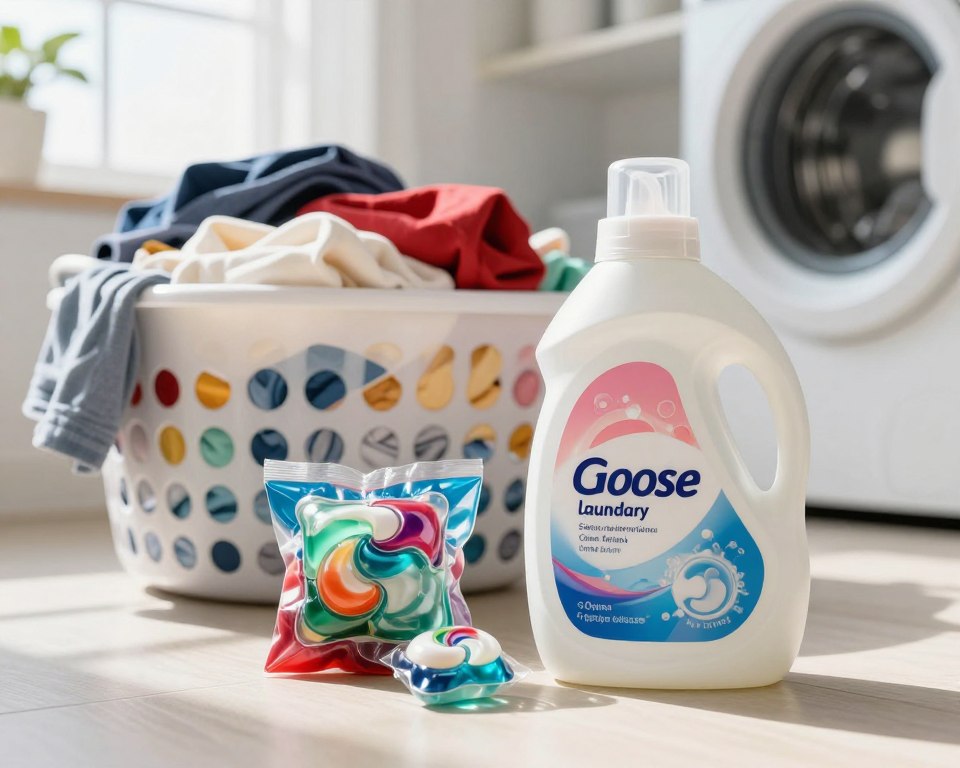
The question of whether concentrated laundry pods are more harmful than traditional liquid detergents is supported by extensive data. Various studies and reports from poison control centers provide critical insights into the potential risks associated with these products.
One notable retrospective study examined 89 children who had been exposed to laundry detergents. It revealed that a staggering 96% of those exposed to laundry pods exhibited symptoms, compared to only 51% of those who encountered classic liquid detergent. This significant difference (P
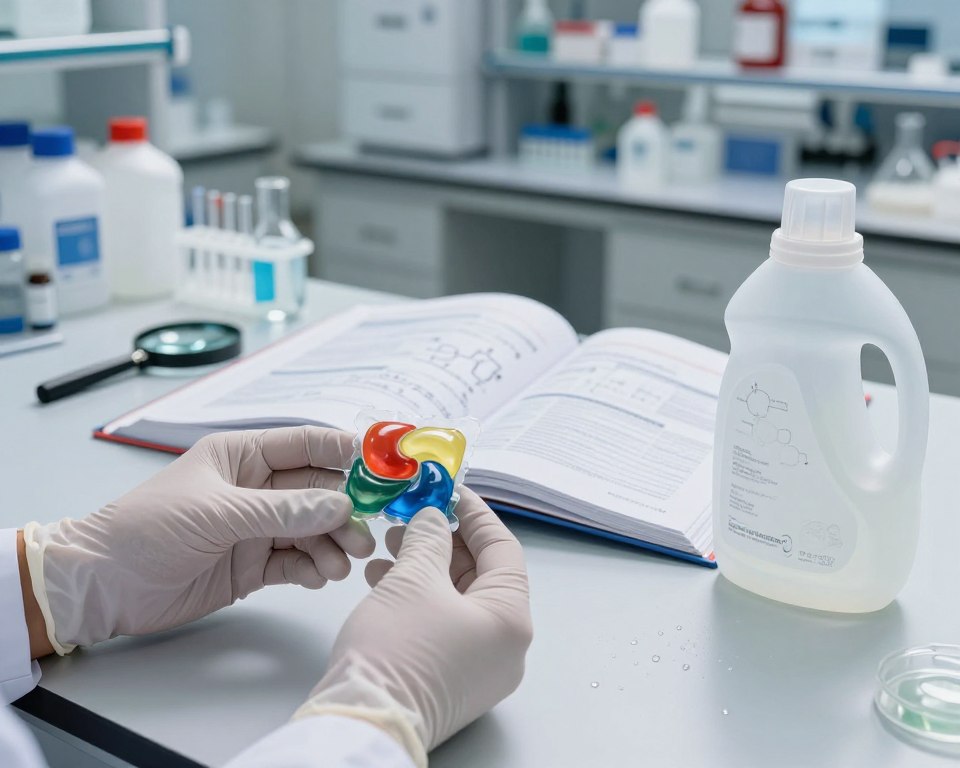
Evidence from Poison Control Centers and Studies
Data from the CDC’s 2012 report indicated that laundry detergent pods accounted for nearly 48% of all detergent-related exposures reported to poison centers. This statistic is alarming, especially considering that many of these incidents involved young children under five years old.
Inappropriate storage was a significant factor, contributing to 22% of pod exposure cases. This emphasizes the need for better awareness among caregivers regarding the potential dangers associated with these products.
Chemical Concentrations and Toxic Potential
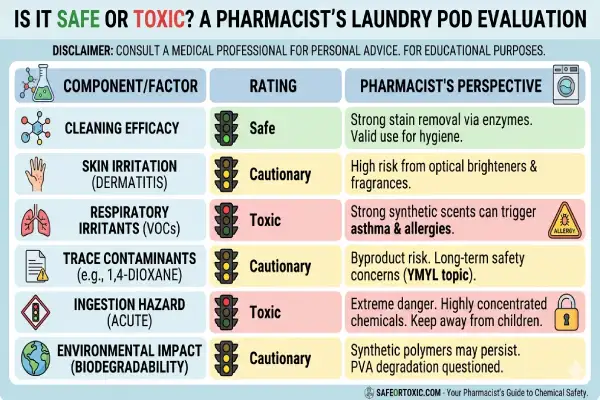
The chemical composition of laundry pods contributes to their heightened toxicity. Pods contain a higher concentration of surfactants and ethoxylated alcohols than traditional detergents. This combination increases their irritant potential and can lead to severe tissue damage upon contact.
When these concentrated formulations interact with water, they exhibit a greater hydrotropic power. This means they can cause more significant damage to mucosal surfaces, leading to symptoms such as gastrointestinal distress and respiratory issues.
Incidence and Severity of Adverse Effects
Adverse effects from laundry pod exposure are notably severe. Poisoning severity scores revealed that 92% of pod exposures resulted in grade 2 severity, compared to 59% for traditional detergents (P
Moreover, ocular lesions occurred more often with pod exposure (P=0.04), as the alkaline nature of the concentrated detergent can cause corneal injuries upon contact. The evidence clearly establishes that concentrated laundry pods pose a greater risk than their liquid counterparts.
In conclusion, the data strongly supports the notion that concentrated laundry pods are indeed more dangerous than traditional liquid detergents. Understanding these risks is crucial for making informed decisions about household cleaning products.
Routes of Exposure and Typical Symptoms
Understanding how individuals come into contact with cleaning products is vital for preventing accidents. There are four primary routes of exposure to laundry detergents: ingestion, eye contact, skin contact, and inhalation. Among these, ingestion is the most common, especially in young children, accounting for approximately 90% of all cases related to laundry detergent pods.
Ingestion Symptoms and Risks in Children
When a child bites into a laundry pod, the water-soluble membrane breaks open. This releases a concentrated detergent that can cause immediate irritation in the mouth and throat. Symptoms often include:
- Coughing and choking
- Nausea and vomiting
- Drowsiness or central nervous system (CNS) depression
CNS depression is particularly concerning, occurring in about 1-8% of cases. The exact cause is unclear, but it may relate to the concentrated surfactants entering the bloodstream.
Eye and Skin Irritation from Detergent Contact
Eye exposure happens in around 17% of pod-related incidents. This can lead to alkaline chemical injuries, resulting in:
- Corneal abrasions
- Conjunctivitis
- Significant pain
Immediate and thorough irrigation with isotonic saline is essential to neutralize the high pH of the detergent. Skin contact, which occurs in about 11% of cases, can also be severe. Approximately 2% of these exposures result in second- and third-degree burns, necessitating careful removal of contaminated clothing and rinsing with water.
Inhalation Effects and Respiratory Concerns
Inhalation exposure, while rare (1% of cases), can lead to respiratory symptoms. Individuals may experience:
- Coughing
- Wheezing
- Bronchospasm
This is particularly concerning for those with pre-existing asthma or chemical sensitivities. Overall, the symptom profile for pod exposure is consistently more severe than that for traditional liquid detergents. Higher rates of vomiting, choking, and drowsiness are commonly reported.
Recognizing these specific symptoms is crucial for prompt emergency response. The rapid onset of tissue damage from the concentrated alkaline formulation necessitates immediate action. For further information on the risks associated with laundry detergent pods, you can visit this resource.

Health Risks Associated with Laundry Detergent Pods in Children
Childhood poisoning remains a critical public health issue in the United States. Each day, over 300 children require treatment for poisoning, with more than half of all emergency department visits related to poisoning involving children under four years of age. This alarming trend underscores the need for awareness and preventive measures.
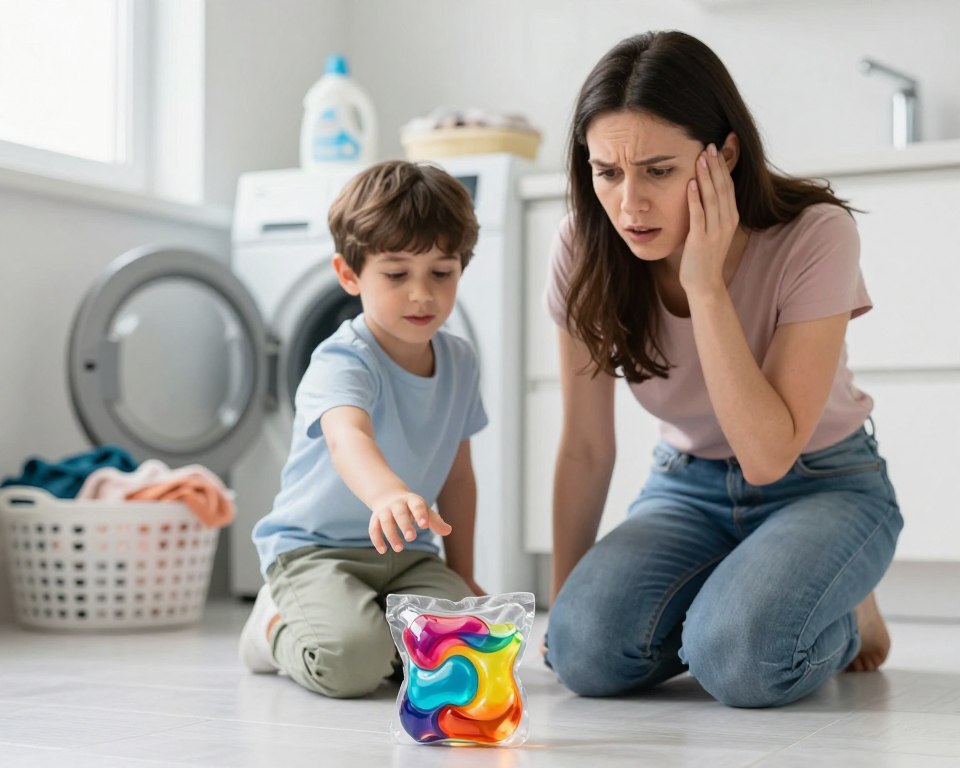
Most of these poisonings are unintentional, occurring primarily in the home. The bright colors and candy-like appearance of laundry detergent pods make them particularly attractive to young children. This demographic, especially those aged five years and younger, is at the highest risk for unintentional poisoning due to their natural curiosity and exploratory behaviors.
Statistics on Childhood Poisonings in the United States
Recent data indicates that pod exposure disproportionately affects young children. Approximately 96% of children exposed to laundry detergent pods exhibit symptoms, compared to only 51% of those exposed to traditional liquid detergent. The severity of symptoms is consistently higher in pod cases, with many children experiencing gastrointestinal distress, respiratory issues, and even altered mental status.
Unique Toxicity Profiles of Pods in Pediatric Patients
The toxicity profile of laundry detergent pods is distinct and concerning. Gastrointestinal symptoms, such as vomiting and diarrhea, are common. However, the more alarming findings include respiratory distress and bronchospasm, which can lead to severe complications requiring intubation in critical cases. Ocular injuries from the alkaline nature of pod contents can cause corneal abrasions, posing risks for long-term visual complications if not treated promptly.
Long-Term Complications and Emergency Department Data
Emergency department data from multiple studies confirm that visits related to pod exposure involve more severe clinical presentations than those for traditional detergents. These visits often require longer observation periods and have higher rates of hospital admission. Long-term complications from severe pod ingestions are still being studied, but documented issues include:
| Complication | Description |
|---|---|
| Esophageal Strictures | Corrosive injuries can lead to narrowing of the esophagus. |
| Chronic Respiratory Issues | Aspiration can result in ongoing respiratory problems. |
| Persistent Ocular Surface Disease | Long-term damage to the eyes may occur from chemical burns. |
These statistics and clinical patterns highlight the urgent need for prevention strategies. The combination of high toxicity, young victim age, and home-based exposure creates a perfect storm for pediatric poisoning. For further information on the risks associated with laundry detergent pods, you can visit this resource.
Safe Use and Storage Recommendations to Prevent Poisoning
To ensure safety, proper use and storage of cleaning products are essential. Accidental exposures can lead to serious health risks, especially for young children. Therefore, adopting effective strategies is crucial in preventing these incidents.
Manufacturers have made strides in improving safety features. Packaging innovations, such as opaque containers and child-resistant locking mechanisms, are now standard. These changes aim to reduce the attractiveness of products to curious children. However, no packaging is entirely child-proof.
Packaging Innovations and Child-Resistant Features
Recent advancements in packaging design have focused on enhancing safety. Opaque containers obscure the colorful appearance of pods, making them less appealing to children. Locking mechanisms also help prevent accidental openings. Yet, it’s important to remember that vigilance is still necessary.
Best Practices for Parents and Caregivers
Preventing laundry pod poisoning begins with safe storage. Here are some best practices:
- Always keep pods in their original child-resistant containers.
- Store them in locked cabinets, completely out of sight and reach of children.
- Never leave pods on countertops or laundry room floors.
- Treat laundry pods with the same caution as medications and household chemicals.
Statistics show that inappropriate storage practices account for 22% of pod exposures. By following these guidelines, parents can significantly reduce the risk of accidental poisoning.
Environmental Considerations and Biodegradable Alternatives
Biodegradable laundry detergents offer a safer alternative for households concerned about environmental impact. These products typically exclude harsh chemicals that can trigger skin and respiratory reactions. They may be particularly beneficial for individuals with sensitivities.
It’s noteworthy that it took seven years after the first warnings from French poison centers for safety recommendations to be adopted by manufacturers. Ongoing vigilance from consumers, healthcare providers, and regulatory agencies is essential to drive further improvements in product design and packaging standards.
In conclusion, understanding safe use and storage practices can protect children from the dangers associated with cleaning products. By prioritizing safety, we can help ensure a healthier environment for our families.
Emergency Response and Treatment for Detergent Pod Exposure
Responding quickly and correctly to detergent exposure is essential for health and safety. Immediate action can significantly influence clinical outcomes. Every caregiver should know the basic first aid steps for each exposure route before an incident occurs.
In cases of eye exposure, the priority is to rinse the affected eye(s) with lukewarm water. This should be done continuously until the pH normalizes. Eye exposure to pod contents can cause alkaline injuries, requiring thorough irrigation. The webPOISONCONTROL online tool is available for guidance, or you can call the poison center at 1-800-222-1222 for expert advice.
Immediate First Aid Steps for Skin and Eye Exposure
For skin contact with concentrated detergent, it is vital to remove contaminated clothing immediately. Rinse the affected area thoroughly with water to prevent chemical burns, which can develop from prolonged exposure. In cases of eye irritation, copious irrigation is crucial to minimize damage.
What to Do if Laundry Detergent Is Ingested
If someone swallows laundry detergent, seek medical help right away. Do not induce vomiting unless instructed by a poison specialist or healthcare provider, as this can worsen esophageal injury. Symptoms of ingestion may include coughing, choking, and drowsiness, which indicate potential airway compromise.
When and How to Contact Poison Control or Seek Medical Help
In any symptomatic case of pod ingestion, emergency department evaluation is warranted. Symptoms such as vomiting, coughing, choking, or any sign of respiratory distress require immediate attention. The national poison center hotline at 1-800-222-1222 connects callers directly to toxicology professionals for real-time treatment recommendations.
Time is a critical factor in these situations. The concentrated alkaline formulation begins causing tissue damage immediately upon contact. Delays in irrigation for eye and skin exposures or in seeking medical care for ingestions can worsen the severity of injury.
Healthcare providers in emergency settings should specifically ask whether the exposure involved a laundry pod rather than liquid detergent. The toxicity profile and treatment implications differ substantially between these product types.

Preventing Laundry Detergent Pod Toxicity: Education and Awareness
A proactive approach to safety can significantly reduce the risks associated with cleaning products. Prevention of laundry detergent pod toxicity requires a multi-layered strategy that encompasses community education, healthcare provider training, and manufacturer accountability.
Pediatricians, family physicians, and emergency personnel serve as frontline educators. They can counsel parents during routine visits about the specific dangers of laundry pods. It’s crucial to emphasize the importance of safe storage practices. Community awareness campaigns should highlight that laundry pods are not merely convenient cleaning products but concentrated chemical hazards. They can cause severe injury to children within seconds of exposure.
Healthcare settings can integrate pod toxicity prevention into anticipatory guidance for families with young children. This should be alongside other home safety topics, such as medication storage and poisoning prevention. Manufacturer responsibility is also a central pillar of prevention. Companies must continue improving product formulations to reduce toxicity and design genuinely child-resistant packaging. Additionally, marketing should avoid making pods appear candy-like or appealing to children.
The seven-year gap between initial poison center warnings in France and the adoption of manufacturer safety recommendations illustrates the need for sustained advocacy. Regulatory pressure is essential to accelerate product safety improvements. Resources such as the webPOISONCONTROL online tool, the national poison center hotline (1-800-222-1222), and the National Consumer Product Safety Commission provide accessible channels for reporting adverse effects and obtaining expert guidance.
Published articles in pediatric emergency care and medical toxicology journals continue to build the evidence base. This informs both clinical practice and policy decisions regarding laundry detergent pod safety. Parents should be empowered to report any pod-related adverse effects to consumer product safety authorities. Post-market surveillance data drives regulatory action and manufacturer reformulation efforts.
The ultimate goal of education and awareness initiatives is to shift the cultural perception of laundry pods. They should be recognized as hazardous products requiring the same caution as other potent chemicals stored in the home.

Conclusion
Understanding the dangers posed by various cleaning products is essential for safeguarding our households. The evidence reviewed throughout this guide leads to a clear conclusion: concentrated laundry pods are significantly more harmful than liquid detergent. This difference is clinically important.
The higher concentration of surfactants and ethoxylated alcohols in pods creates a toxicity profile that results in more frequent and severe symptoms. Pediatric populations, especially children under five, are at the greatest risk, with 96% experiencing symptoms after pod exposure.
All routes of exposure are more hazardous with pods, necessitating immediate action in cases of contact. Prevention remains the most effective strategy, emphasizing secure storage and ongoing education for caregivers. Continued advocacy for safer product formulations is crucial to protect children from preventable harm.
FAQ
Are laundry pods more dangerous for children compared to liquid detergent?
Yes, laundry pods can pose a higher risk for children due to their appealing appearance and concentrated formula, which may lead to accidental ingestion.
What should I do if a child ingests a laundry pod?
If a child ingests a laundry pod, seek immediate medical attention or contact poison control for guidance on the next steps.
How can I prevent my child from accessing laundry detergent pods?
Store laundry pods in a locked cabinet or high shelf, and use child-resistant packaging to minimize the risk of accidental exposure.
What are the symptoms of laundry detergent exposure?
Symptoms may include nausea, vomiting, eye irritation, skin rashes, or respiratory issues depending on the route of exposure.
Are there safer alternatives to laundry pods?
Yes, consider using liquid or powder detergents that are less concentrated and come in less appealing packaging for children.
How often do laundry detergent poisoning incidents occur?
According to reports, thousands of poisoning cases related to laundry products occur each year, particularly involving young children.
What are the first aid steps for skin exposure to laundry detergent?
Rinse the affected area with plenty of water for at least 15 minutes and seek medical attention if irritation persists.
Can laundry detergent pods cause long-term health issues?
While most exposures result in mild symptoms, severe cases can lead to complications that may require ongoing medical care.
What role do manufacturers play in ensuring product safety?
Manufacturers are responsible for creating safer products, implementing child-resistant packaging, and providing clear safety information to consumers.