Did you know that up to 90% of greenhouse gas emissions linked to laundry detergents come from heating the water? This surprising statistic from Procter & Gamble’s sustainability division highlights the significant impact of our washing habits. The average U.S. household washes about 300 loads of laundry each year, making water temperature a crucial factor in energy consumption.
The debate over whether cold water detergent is less effective at sanitizing has persisted for decades. Many people still believe that hot water is essential for achieving truly clean laundry. However, this article aims to separate fact from outdated assumptions and marketing claims.
Modern formulations of laundry products have evolved, with major brands investing in cold water optimized enzymes and surfactants. This guide will explore the scientific evidence behind detergent performance across various water temperatures, offering evidence-based insights for consumers.
Key Takeaways
- Cold water washing can significantly reduce energy consumption.
- Modern detergents are designed to perform well in cold temperatures.
- Understanding surfactant chemistry is key to effective cleaning.
- Most household laundry does not require hospital-grade sanitization.
- Cold water can help protect fabrics from damage and fading.
Understanding the Question: Is Cold Water Detergent Less Effective?
The effectiveness of cold water in laundry continues to spark debate among consumers. Many individuals question whether switching to a lower temperature will compromise the cleanliness of their clothes. This guide aims to clarify these concerns by addressing various factors that influence washing outcomes.
When consumers search for information about the effectiveness of cold water washing, they typically want to know if it will save them money or time without sacrificing cleanliness. This guide will cover a wide range of user concerns, including:
- Cleaning performance of cold water versus hot water.
- Energy savings associated with lower temperatures.
- Care for fabrics during the washing process.
- Stain removal capabilities across different temperatures.
- Specific temperature thresholds for optimal detergent performance.
Common perceptions about washing in cold versus hot water are deeply ingrained. Many people follow the traditional guideline of using hot water for whites and cold water for colors. However, this approach often overlooks the underlying chemistry of modern detergents.
Despite significant advancements in detergent formulation, the belief that hot water is inherently superior for cleaning persists. A 2023 presentation revealed that consumers in the U.S. and Canada wash about 30 billion loads of laundry annually. Interestingly, research shows that people are often more motivated by cost savings than environmental concerns. For instance, Procter & Gamble reports that the average U.S. household could save $150 each year by switching to cold water.
The pandemic created a unique opportunity for habit change. As routines shifted, many consumers tried new washing practices. Yet, lingering doubts about cold water washing’s effectiveness remain, often based on outdated experiences with older formulations.
Understanding user intent is essential. Different consumers have varying priorities: some need sanitization for health reasons, while others aim to preserve delicate fabrics. Many simply want clean clothes at the lowest cost. This guide provides a comprehensive examination of the cold water detergent question, moving beyond marketing claims to deliver scientifically grounded, practical information for informed decision-making.
| Factor | Cold Water Washing | Hot Water Washing |
|---|---|---|
| Cleaning Performance | Modern detergents perform well | Traditionally seen as superior |
| Energy Consumption | Significantly lower | Higher due to heating |
| Fabric Care | Protects colors and fibers | Can cause fading and wear |
| Stain Removal | Effective with proper formulation | Generally more effective for certain stains |
The Science Behind Detergent Performance and Water Temperature
The relationship between washing temperatures and detergent performance is crucial for achieving clean results. Understanding the mechanisms at play can help consumers make informed choices about their laundry practices.
How Surfactants Work in Different Temperatures
Surfactants are the backbone of any laundry product. They function through a hydrophobic end that attaches to dirt and oil, while a hydrophilic group pulls these contaminants into the wash water. As Stuart Holt from Nouryon notes, “Shortening surfactant chain length to 10 carbon atoms and narrowing the ethoxylate range to three to five units boosts cold water performance.”
In conventional formulations, primary surfactants often use anionic molecules with 12 to 14 carbon atom chains. However, for lower temperatures, cold water optimized versions employ shorter chains, enhancing their cleaning ability.
The Role of Enzymes in Cold Water Washing
Enzymes play an increasingly critical role in cold water washing. Their activity decreases more slowly with temperature than surfactants, making them essential for breaking down protein, starch, and fat-based stains. For instance, Novozymes developed a cold-tolerant amylase called Amplify Prime, which is effective at temperatures as low as 15°C (59°F).
According to Lourdes Alonso of Stepan, water colder than 21°C (70°F) can freeze some oils into fats, embedding them in fabric. This scenario necessitates the use of secondary nonionic surfactants as penetrating agents.
Temperature Thresholds for Detergent Effectiveness
Temperature thresholds for detergent effectiveness are not absolute. Most surfactants struggle to perform well below 55°F (13°C), while enzymes can still function down to approximately 15-16°C (59-61°F), depending on the specific formulation.
The concept of Sinner’s circle illustrates why cold water washing can still yield effective results. When temperatures drop, compensating with superior chemistry, longer wash times, or increased mechanical action can maintain overall cleaning performance.

Detergent Formulations and Their Temperature Ranges
When it comes to laundry, the type of detergent you choose can significantly impact your washing results. Understanding how different formulations work at various temperatures is essential for achieving optimal cleanliness.
Powder vs. Liquid Detergents in Cold Water
Powder detergents often face challenges when used in lower temperatures. In fact, many consumers have reported issues with powders failing to dissolve properly. For example, one user from Canberra shared,
“I accidentally did a true cold wash once during autumn and the powder just went into a solid mass, it did not dissolve at all.”
This is a common problem, especially in cold climates where water temperatures drop below 15°C (59°F).
On the other hand, liquid laundry detergents generally perform better in cold water. They disperse more easily, allowing for effective cleaning even at lower temperatures. However, it is crucial to select a liquid detergent specifically designed for cold water performance to ensure optimal results.
Modern Detergent Brands Designed for Cold Water
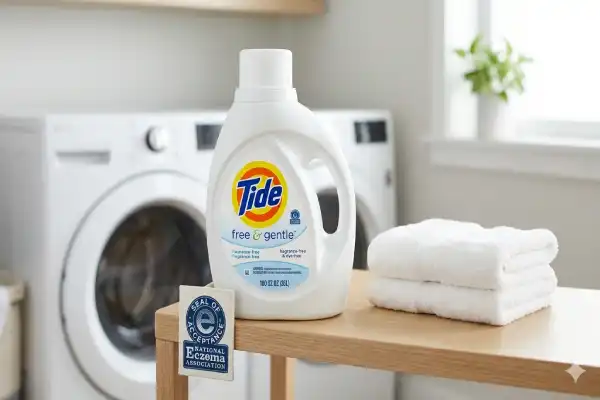
Many leading brands have reformulated their products to work effectively in cold water. Tide, for instance, has developed cold water formulations as part of Procter & Gamble’s sustainability initiatives. Similarly, Charlie’s Soap is designed to be effective across a wide temperature range, from 55°F (13°C) to 120°F (49°C).
It’s important to note that not all products labeled for cold water use the same chemistry. The distinction between “detergent” and “laundry detergents” can significantly affect performance. Thus, consumers should carefully evaluate product labels and specifications.
Enzyme Enhancements and Surfactant Innovations
Modern formulations are increasingly utilizing enzyme enhancements and surfactant innovations to improve cold water performance. Enzymes like cold-tolerant amylases, lipases, and proteases are now optimized for effectiveness at lower temperatures. These advancements ensure that detergents can tackle a variety of stains, including protein, starch, and fat-based residues.
Additionally, surfactant innovations have led to the development of shorter-chain anionic molecules and narrow-range ethoxylates. These new compounds pack more cleaning power into smaller molecular spaces, enabling effective micelle formation even in cooler conditions.
Antiredeposition agents, such as BASF’s Bverde GP 790 L, represent the next generation of ingredients that help keep soil particles suspended during the wash cycle. This ensures that dirt does not redeposit onto clean clothes, enhancing overall cleaning efficacy.
| Factor | Powder Detergents | Liquid Detergents |
|---|---|---|
| Dissolution in Cold Water | Often forms solid masses below 15°C | Dissolves readily in low temperatures |
| Formulation Design | May lack cold-water compatibility | Specifically designed for cold water performance |
| Enzyme Activity | Limited effectiveness in cold | Enhanced with cold-tolerant enzymes |
| Overall Cleaning Power | Varies significantly | Generally more reliable in cold washes |

Evidence from Industry and Real-World Usage
Real-world applications and industry standards provide compelling insights into the effectiveness of cold water washing. One notable example is the NFL Cold Water Uniform Washing Campaign. During the 2022 Super Bowl, both the Cincinnati Bengals and the Los Angeles Rams washed their white uniforms in cold water. This initiative was part of a Procter & Gamble campaign aimed at promoting sustainable laundry practices.
Todd Cline, head of sustainability for P&G’s fabric care division in North America, stated,
“It’s good enough for the NFL, and they have a pretty high standard for what shows up on TV for the uniforms every week. And we didn’t have any issues.”
This endorsement from a high-profile industry demonstrates that even rigorous standards can be met with cold water washing.
In addition to professional sports, consumer experiences in cold climate regions highlight the practical challenges and successes of washing in cooler temperatures. For instance, in Canberra, Australia, winter water temperatures often drop below 10°C (50°F). Residents have reported that powder detergents sometimes fail to dissolve completely, leading to slimy residues that necessitate rewashing.
The AS/NZS standard for testing washing machines defines cold water as 20°C (68°F), a temperature established over 30 years ago. However, this standard does not reflect the actual cold water temperatures many consumers face. In contrast, the IEC international standard uses 15°C (59°F) for cold wash testing, which the Australian government is considering adopting.
Washing machines like those from Fisher & Paykel include a “Controlled Cold” feature. This allows users to set a minimum cold water temperature, automatically blending in hot water if the cold supply drops below that threshold. Such innovations help consumers maintain effective washing practices even in colder climates.
Overall, the results from both professional sports applications and consumer experiences confirm that washing in cooler temperatures can yield satisfactory results. However, success relies on selecting the right formulation and ensuring that water temperatures remain above the detergent’s activation threshold.
Environmental and Economic Benefits of Washing with Cold Water
Switching to a lower temperature for laundry has significant benefits for both the environment and household budgets. As consumers become more aware of their washing habits, understanding these advantages is essential for making informed choices.
Energy Savings and Carbon Footprint Reduction
One of the most compelling reasons to wash with cold water is the substantial energy savings. Transitioning from hot to cold water can reduce energy consumption by approximately 90% per load. This is crucial since heating water accounts for the majority of energy used by washing machines.
If 75% of laundry in the U.S. and Canada were washed in cold water, it could prevent around 27 million metric tons of CO2 emissions over a decade. This reduction is equivalent to powering both San Francisco and New York for an entire year. Cold washing represents a straightforward way for households to contribute to climate action.
Cost Savings for Households
Cost savings are another major advantage of using cold water for laundry. Procter & Gamble estimates that the average U.S. household could save about $150 annually by switching most laundry loads to cold water. This figure resonates with consumers, especially during times of rising living costs.
Furthermore, energy savings from washing in cooler temperatures can add up quickly. For example, households could avoid approximately 1,600 pounds of CO2 emissions each year, which translates to meaningful savings on energy bills.
Fabric Care and Longevity
Cold water washing also benefits fabric care. Hot water can damage elastic fibers, cause shrinkage in natural materials, and lead to color fading. In contrast, washing in cooler temperatures helps maintain the integrity of delicate fabrics like wool and silk, which often require cold water to preserve their structure and appearance.
Moreover, many garments, especially low-quality fast-fashion items, may not survive a single season of hot water washing. Michael Mattingly from GE Appliances noted that about 95% of laundry loads do not have enough soil to require the washing intensity they currently receive. Thus, cold water is often sufficient for maintaining cleanliness without compromising fabric quality.
In Europe, the average wash temperature has decreased by 1-2°C in just the past year, reflecting a shift towards colder washing practices. This trend demonstrates that consumer behavior can change when effective products are available, further highlighting the environmental impact of adopting cold water washing.

Challenges and Limitations of Cold Water Detergents
Understanding the challenges of washing clothes in lower temperatures is vital for effective laundry. While cold water washing has many benefits, it also presents some significant limitations that consumers should be aware of.
Stain Removal Difficulties
Stain removal difficulties in cold water are real and documented. Certain oils and fats can solidify at temperatures below 21°C (70°F). When this happens, they embed themselves into fabric fibers. Cold water surfactants struggle to penetrate and emulsify these stubborn stains effectively.
For example, grease, sweat, and tomato-based stains typically respond better to hot water washing. The thermal energy helps liquefy the staining compounds and accelerates the chemical reactions between surfactants and soil particles. Thus, when tackling these tough stains, hot water may be necessary.
Issues with Detergent Dissolution in Low Temperatures
Detergent dissolution issues in low temperatures represent a significant practical limitation. Powder formulations, in particular, can form solid masses in water below 15°C (59°F). This leads to undissolved residue that requires rewashing and can accumulate inside the washing machine over time.
Appliance service professionals have documented long-term buildup on the outside surface of washing bowls and inside outer tubs of machines used exclusively for cold water washing. This suggests that periodic hot water cycles may be necessary for machine maintenance.
When Hot Water Washing Is Necessary
Hot water washing remains necessary for specific situations. Heavily soiled work clothes, items contaminated with bodily fluids, and laundry from households with immunocompromised individuals require sanitization beyond what cold water detergents can provide.
The challenge of balancing cleaning efficacy with energy conservation means that consumers should adopt a nuanced approach. Use cold water for lightly soiled everyday loads while reserving hot water for the approximately 5% of loads that genuinely require higher temperatures.
Liquid detergents can mitigate many dissolution problems associated with cold water washing. However, they may not match the stain-fighting power of properly dissolved powder detergents in warm or hot water conditions.
Understanding these limitations allows consumers to make informed decisions rather than abandoning cold water washing entirely. The key is matching the water temperature and detergent type to the specific cleaning challenge presented by each load.

Practical Guide: Choosing the Right Detergent and Temperature for Your Laundry
Choosing the right laundry detergent and temperature is essential for achieving optimal cleaning results. Understanding how to assess your wash load and fabrics can help you make informed decisions about your laundry practices.
Assessing Your Wash Load and Fabrics
Start by evaluating your wash load. Everyday clothes with light soiling are ideal candidates for washing in cooler temperatures. Heavily soiled items, such as oily work clothes or bedding from illness situations, may require warmer water to ensure thorough cleaning.
Different fabrics respond uniquely to water temperatures. Cotton and synthetic blends typically tolerate cooler temperatures well. However, heavily soiled cotton items might benefit from occasional warm washes to prevent gradual graying from residual soil buildup.
Selecting Detergents That Work Well in Cold Water
When selecting laundry detergents, look beyond marketing claims. Choose products that contain cold-optimized enzymes, narrow-range surfactants, and effective antiredeposition agents. Liquid laundry detergents are generally the safest choice for consistent cold water washing, as they disperse readily even in temperatures as low as 12-13°C.
For those who prefer powder laundry detergents, a practical workaround involves dissolving the powder in a small amount of hot water before adding it to the cold wash. This technique has been successfully used for decades in colder regions.
Tips for Effective Cold Water Washing
To enhance your cold water washing experience, consider these tips:
- Pretreat visible stains before washing to improve cleaning effectiveness.
- Avoid overloading the machine to ensure adequate mechanical action.
- Use the appropriate amount of detergent based on your water hardness.
- Periodically run an empty hot water cycle to prevent residue buildup in the washing machine.
- Choose longer wash cycles or pre-soak options to compensate for reduced chemical activity at lower temperatures.
Consumers in consistently cold climates should verify their actual tap water temperature during winter months. Additionally, consider washing machines with controlled cold features that maintain minimum wash temperatures above detergent activation thresholds.
Common Stains and Optimal Water Temperatures for Removal
Understanding how different stains react to various temperatures is crucial for effective laundry. The type of stain can dictate whether you should wash with cooler or warmer water. Here’s a breakdown of which stains respond best to each temperature.
Best Stains to Wash with Cold Water
Some stains actually require cold water for effective removal. These include:
- Blood
- Wine
- Beer
- Urine
- Coffee
- Feces
These protein-based and tannin-based stains can set permanently when exposed to hot water. Using cold water helps prevent proteins from denaturing and binding irreversibly to fabric fibers.
Best Stains to Wash with Hot Water
Conversely, certain stains respond better to hot water. These include:
- Dirt
- Grass
- Tomato-based stains
- Grease
- Sweat
Hot water provides the thermal energy needed to liquefy oily compounds and enhances the chemical interaction between surfactants and soil particles, making it easier to lift these stains from clothes.
Balancing Water Temperature and Detergent Choice for Tough Stains
For tough combination stains, a strategic approach is essential. Here are some tips:
- Pretreat stains with an enzyme-based product before washing in cold water.
- Select the water temperature based on the primary stain type.
- Choose a detergent formulated for the appropriate temperature range.
When dealing with mixed stains, prioritize based on the most difficult stain. Use cold water if protein stains are present, and opt for warm or hot water for predominantly oily or greasy soiling.
The wash cold water approach works best when combined with effective pretreatment. Applying a small amount of liquid laundry detergent directly to stains before washing can significantly improve cold water cleaning results.
By understanding which stains respond to which temperatures, you can transform laundry from a guessing game into a science-based process. This knowledge allows you to achieve optimal cleaning results while maximizing energy savings through appropriate use of laundry cold water cycles.
Conclusion
As consumers navigate the complexities of laundry practices, the conversation around washing temperatures remains pertinent. Scientific evidence shows that modern formulations are not inherently less effective when used within their designed temperature ranges. The key is ensuring that water temperatures stay above the activation threshold for optimal results.
Moreover, the environmental benefits of washing in cooler temperatures are substantial. Energy savings can reach up to 90% compared to traditional methods, translating into significant reductions in household carbon footprints. For many, this can mean savings of around $150 annually.
In cold climates, it is crucial to verify that your washing machine can maintain adequate temperatures. As the industry evolves, cold water washing is becoming the standard, supported by innovations in enzyme technology and surfactant chemistry. By adopting a balanced approach, consumers can enjoy clean clothes while also being environmentally conscious.
FAQ
Is it true that washing clothes in cold water is less effective than using hot water?
While some believe that hot water is more effective for cleaning, many modern detergents are formulated to work efficiently in cooler temperatures. Factors such as the type of stains and fabrics can influence the effectiveness of each method.
What types of detergents are best for cold water washing?
Look for detergents specifically labeled for cold water use. These products often contain enhanced enzymes and surfactants that are optimized to perform well in lower temperatures.
Can cold water washing really save energy and reduce my carbon footprint?
Yes, washing in cooler temperatures generally consumes less energy, leading to a smaller carbon footprint. This is particularly beneficial for households looking to reduce their environmental impact.
Are there any stains that are particularly difficult to remove in cold water?
Certain stains, such as grease or oil, may be more challenging to remove in cooler temperatures. For these types of stains, using hot water may yield better results.
How do enzymes in detergents work at lower temperatures?
Enzymes are biological catalysts that help break down stains. Many modern formulations are designed with enzymes that remain active and effective even in cooler washing conditions.
What should I consider when choosing a detergent for cold water washing?
Assess the types of fabrics you wash, the nature of the stains, and the specific product recommendations. Opt for brands that highlight their effectiveness in cooler temperatures.
Is there a difference between powder and liquid detergents for cold water use?
Yes, powder detergents may not dissolve as effectively in cooler temperatures compared to liquid detergents. It’s advisable to check product labels for optimal usage conditions.
What practical tips can improve my cold water washing results?
Pre-treat stains, avoid overloading the washing machine, and select the right detergent. Following these steps can enhance cleaning performance even in cooler conditions.