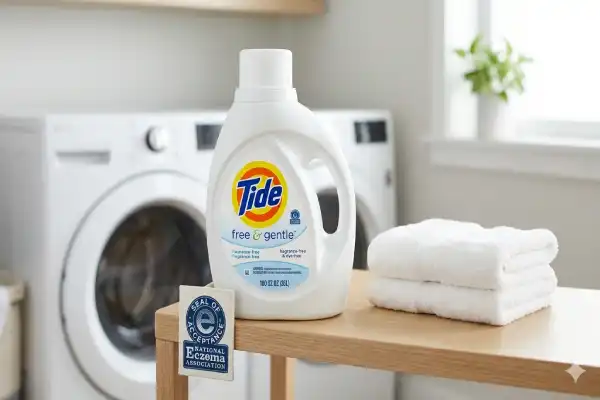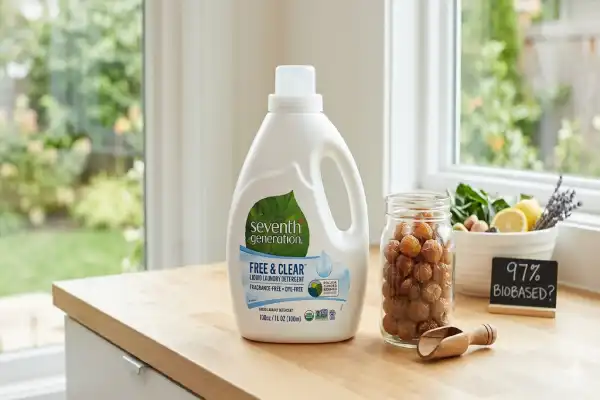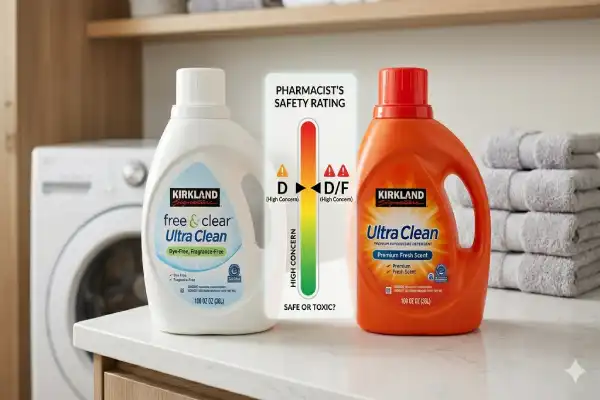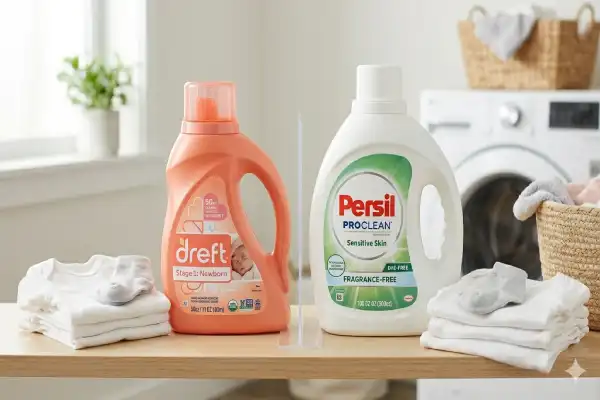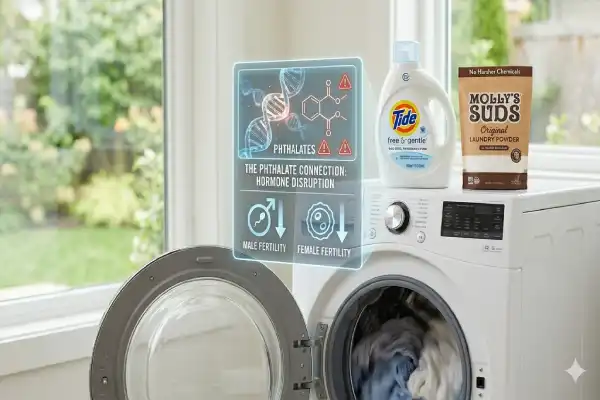
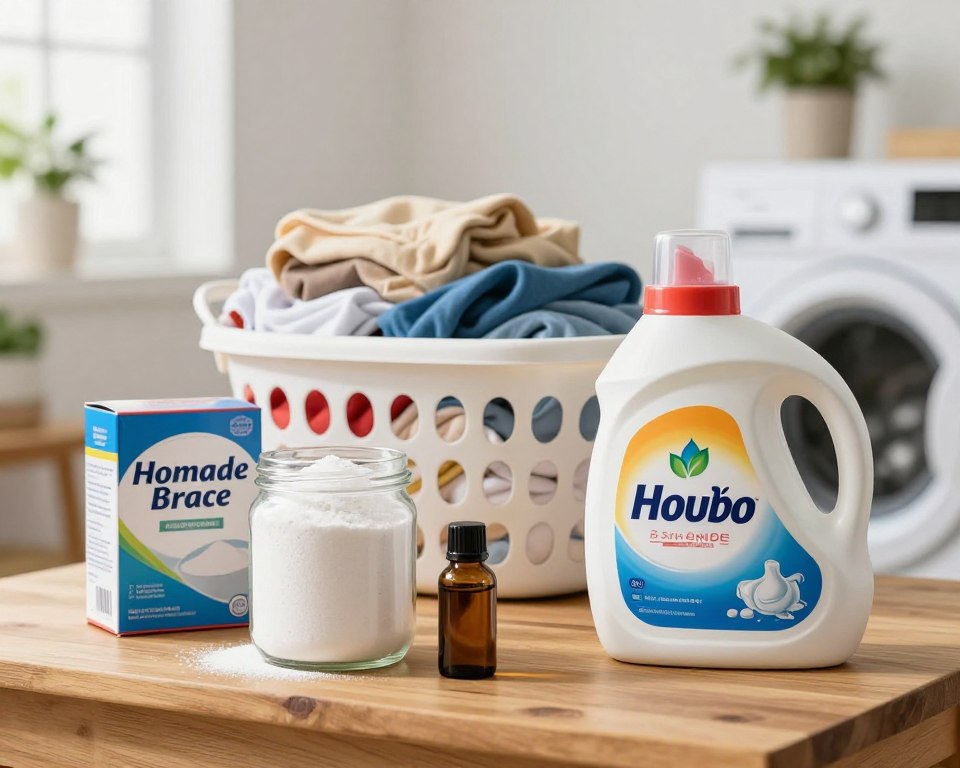
Did you know that approximately 700 million plastic jugs of laundry products are consumed and discarded annually in the United States? This staggering figure highlights the environmental impact of these products, alongside their potential health risks. Many commercial options contain chemicals linked to hormone disruption and respiratory issues, prompting consumers to seek alternatives.
The question arises: is making your own cleaning solution a better choice? To answer this, we must examine the ingredient profiles of both homemade and store-bought options. It’s essential to rely on evidence rather than anecdotal preferences when assessing safety.
Commercial brands often include compounds that raise concerns about health effects. In contrast, DIY formulations typically consist of simple ingredients, such as washing soda and pure soap, known for their safety. This article aims to provide a comprehensive, evidence-based comparison of these two approaches, exploring not only health implications but also environmental consequences.
Key Takeaways
- Comparing safety requires a thorough examination of ingredient profiles and documented health effects.
- Commercial products may contain harmful compounds linked to health issues.
- DIY options often use fewer, safer ingredients with well-known safety profiles.
- Cost analysis shows that making your own can be more economical.
- Environmental benefits include reducing plastic waste significantly.
Understanding the Safety Concerns with Store-Bought Laundry Detergents
Many consumers are increasingly wary of the safety profiles of store-bought cleaning solutions, especially laundry detergents. This concern arises from the potential health risks associated with certain chemicals found in these products. Understanding these risks is crucial for making informed choices.
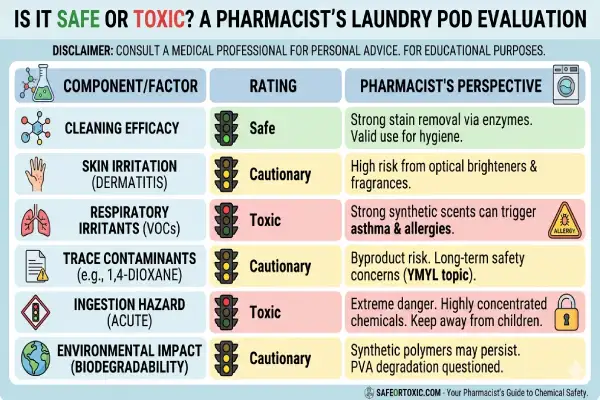
Commercial laundry detergents routinely contain harmful ingredients. For instance, sodium tripolyphosphate is classified as a moderate human health hazard. Additionally, synthetic fragrances are known to disrupt endocrine function, impacting hormonal signaling pathways.
The Environmental Working Group (EWG) provides valuable insights through its interactive database. For example, Borax receives a D rating due to its potential for developmental and reproductive toxicity. Similarly, Fels-Naptha soap has a C rating, primarily due to terpene hydrocarbons, which can irritate skin and may even be carcinogenic.
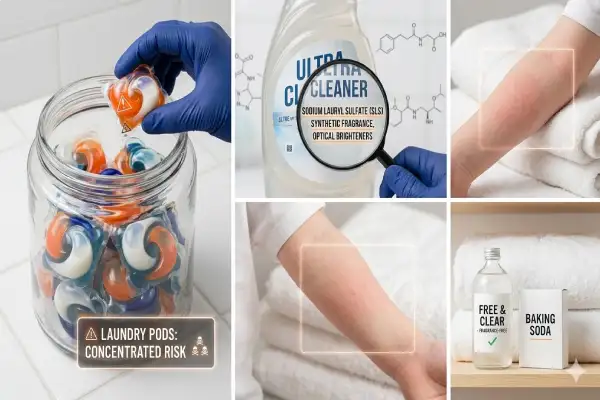
Many store-bought products also include optical brighteners. These chemicals remain on clothing post-wash and can lead to contact dermatitis or allergic reactions, particularly in sensitive individuals like infants.
Moreover, respiratory risks are associated with volatile organic compounds released during washing and drying. These compounds can exacerbate asthma and other respiratory conditions, particularly in vulnerable populations.
Ingestion hazards are another significant concern. Brightly colored, sweetly scented laundry pods have been linked to thousands of emergency department visits each year due to accidental exposure in children.
The environmental impact of plastic waste from the laundry detergent industry is substantial. Approximately 700 million high-density polyethylene jugs enter the waste stream annually in the United States, with only about 30% being recycled.
Lastly, the aquatic toxicity of certain detergent ingredients persists through wastewater treatment processes. Surfactants, phosphates, and synthetic fragrances can harm freshwater and marine ecosystems downstream of treatment facilities.
Why Choose Homemade Laundry Detergent: Benefits Beyond Safety
The decision to make your own cleaning products presents various practical advantages that go beyond health considerations. These benefits encompass cost savings, environmental impact, and ingredient control, all of which contribute to a more sustainable lifestyle.
Cost Savings Over Time
Financially, the advantage of creating your own cleaning solutions is significant. On average, each load of laundry using DIY soap costs about $0.08. In contrast, the least expensive store options cost around $0.14 per load, while single-dose pods can exceed $0.31. Over time, these savings can add up considerably.
Reducing Plastic Waste and Environmental Footprint
Making your own cleaning products also helps to minimize plastic waste. A single five-gallon batch stored in a reusable container can replace approximately 10 to 15 commercial detergent jugs for a family of four over six months. This reduction contributes to less plastic entering landfills and oceans, addressing a pressing environmental issue.
Control Over Ingredients and Fragrance
Another compelling reason to opt for DIY solutions is the transparency of ingredients. When crafting your own cleaning products, you have complete control over what touches your clothes and skin. This control is particularly beneficial for those with sensitivities to synthetic fragrances or chemicals.
Additionally, using natural scents from essential oils allows for customization that store-bought options often lack. You can select fragrances that suit your preferences without the risk of irritation.
In summary, the advantages of creating your own cleaning products extend beyond safety. They encompass financial savings, reduced environmental impact, and control over what goes into your cleaning routine.
| Type of Product | Cost per Load | Plastic Waste Reduction |
|---|---|---|
| DIY Laundry Soap | $0.08 | Replaces 10-15 jugs |
| Store-Bought Detergent | $0.14 | 1 jug per purchase |
| Single-Dose Pods | $0.31+ | 1 jug per purchase |
Key Ingredients for Making Homemade Laundry Detergent
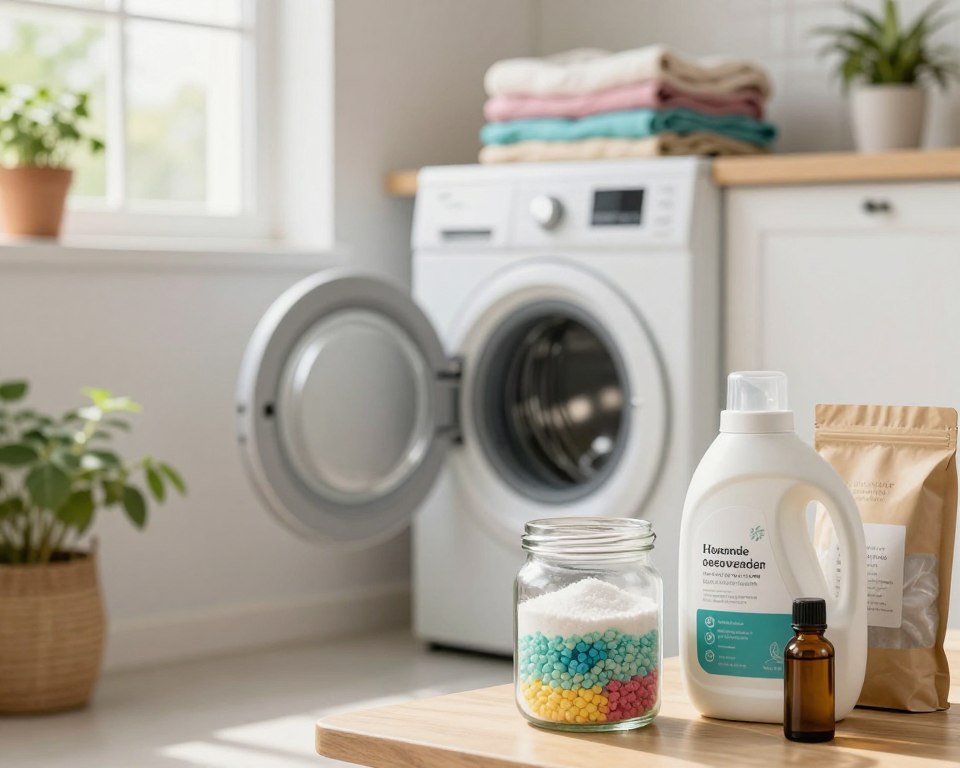
Identifying the right components for your cleaning solutions can significantly impact their effectiveness and safety. Understanding the roles of each ingredient helps in crafting a product that meets both cleaning and safety standards. Below, we explore some essential ingredients used in these formulations.
Baking Soda, Washing Soda, and Borax Explained
Super washing soda, or sodium carbonate, is a powerful alkaline cleaning agent with a pH of 11. It functions as a water softener, making it easier for other cleaning agents to work effectively. This ingredient has earned an A rating from the Environmental Working Group (EWG) for its favorable safety profile and low toxicity.
Baking soda, known chemically as sodium bicarbonate, serves as a natural deodorizer and mild abrasive. It also receives an A rating from the EWG. This ingredient helps to buffer pH levels, enhancing cleaning performance across various water conditions.
In contrast, Borax (sodium tetraborate) has a D rating from the EWG due to concerns regarding developmental and reproductive toxicity. Some formulators choose to replace Borax with Epsom salt or sea salt, both of which carry an A rating for safety.
The Role of Castile Soap and Alternatives
Castile soap bars, traditionally made from olive oil, are now available in formulations that include organic virgin coconut oil. These soaps provide the necessary surfactant action for soil removal. Brands like Dr. Bronner’s offer a variety of scents, including lavender and citrus, as well as unscented options.
Homestead Laundry Bars are specifically designed for laundry applications. They feature a low superfat content after saponification, which helps prevent oil residue buildup in washing machines over time.
Essential Oils: Natural Scents and Cleaning Boosters
Essential oils serve dual purposes in cleaning solutions: they act as natural fragrance agents and antimicrobial boosters. For instance, lemon oil is particularly effective for brightening and stain removal. Other oils, such as eucalyptus, peppermint, and lavender, provide complementary cleaning properties.
The safety distinction between Fels-Naptha soap, which has a C rating due to synthetic fragrances and other additives, and pure Castile soap highlights the importance of ingredient sourcing in DIY cleaning solutions.
Interestingly, washing soda can be made at home by heating baking soda in an oven. This process drives off carbon dioxide and water, transforming sodium bicarbonate into sodium carbonate. However, purchasing super washing soda commercially ensures consistent alkalinity and cleaning performance.
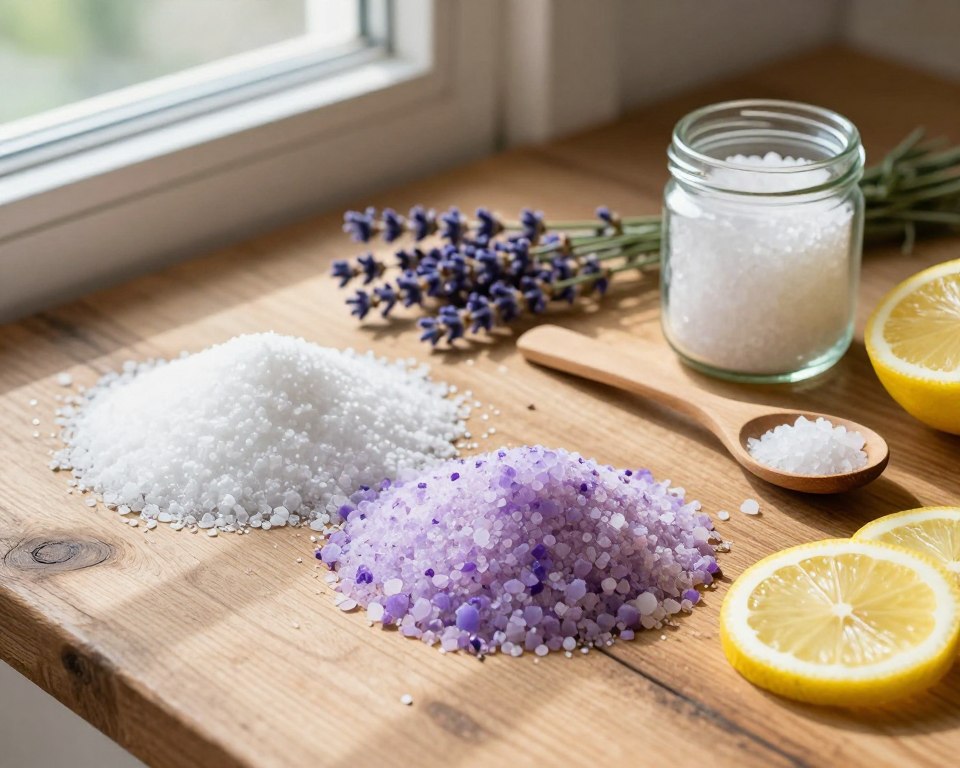
How to Make Powdered Homemade Laundry Detergent
Crafting your own cleaning products can be a rewarding and practical endeavor. This section provides a detailed laundry detergent recipe that emphasizes simplicity and effectiveness. Below, you’ll find step-by-step instructions to create your own powdered cleaning solution.
Step-by-Step Grating and Mixing Instructions
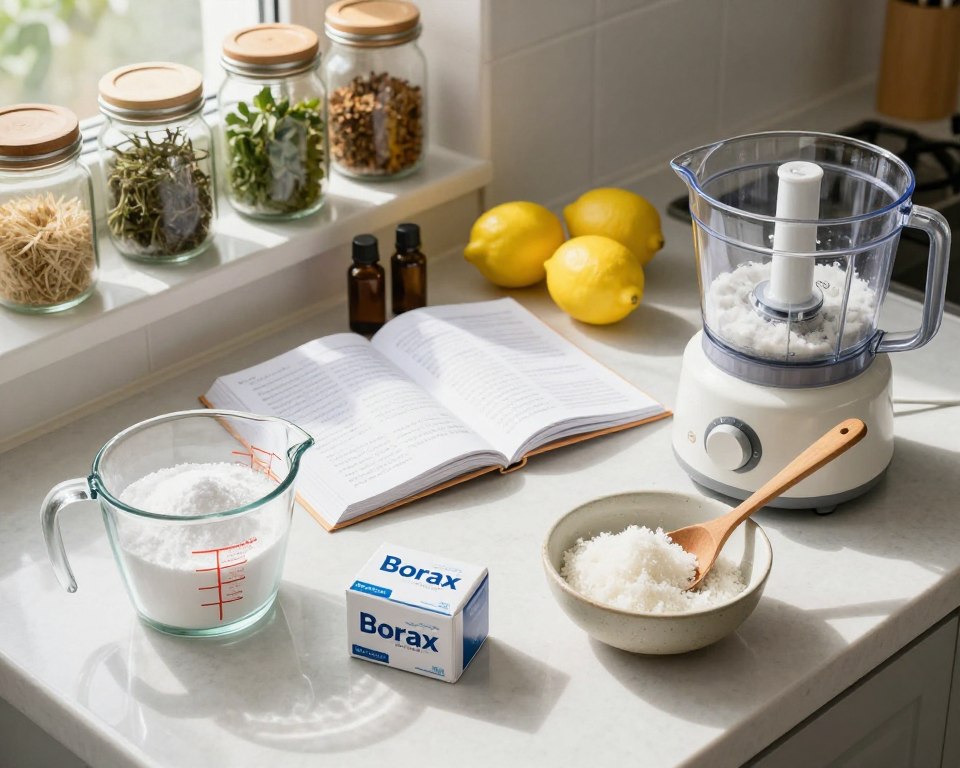
Start by grating two bars of Castile soap. You can use a box grater for manual processing or a food processor for quicker results. The goal is to achieve a fine consistency that dissolves easily in wash water.
Next, measure out three cups each of Arm & Hammer Baking Soda, borax, and Arm & Hammer Super Washing Soda. Combine these ingredients with the grated soap in a large mixing bowl. This balanced blend provides water softening, deodorizing, and surfactant properties.
To add a pleasant scent, incorporate 30 to 40 drops of essential oil into the mixture. For larger batches, increase the essential oil to 80 to 90 drops. Mix thoroughly to ensure even distribution, preventing any pooling of oils that could stain clothing.
Storage Tips and Batch Size Recommendations
When it comes to storage, the type of container you choose can affect the longevity of your product. A five-gallon bucket with a screw-top lid is ideal for moisture-resistant storage. Alternatively, one-gallon glass jars with airtight seals are convenient for daily use.
Label your containers using reusable chalk labels and a chalk pen. This practice helps you identify contents and batch dates, ensuring you use older inventory first.
For large batches, consider scaling the recipe to six bars of grated Castile soap, three boxes each of borax and super washing soda, and a 13.5-pound bag of baking soda. This will yield enough detergent for about six months for a family of four doing one to two loads of laundry daily.
To mix large batches effectively, secure the bucket lid and roll the container on the floor. This technique distributes the ingredients evenly. However, ensure that only screw-top lids are used to prevent spills.
Finally, transferring a manageable portion of the powdered detergent into a smaller jar can create a convenient dispensing system while protecting the main supply from humidity and contamination.
Creating Liquid Homemade Laundry Detergent: A Practical Variation
Crafting liquid cleaning solutions can be an effective alternative to traditional methods. This variation offers a straightforward approach to achieving a powerful and safe cleaning product. Below, we will outline the steps to create your own liquid cleaning solution, focusing on the gelation process and practical usage.
Melting Soap and Combining Ingredients
The liquid variation begins by dissolving one cup of borax and one-half cup of super washing soda in approximately one-half gallon of hot water within a clean five-gallon bucket. This step establishes the alkaline cleaning base essential for effective cleaning.
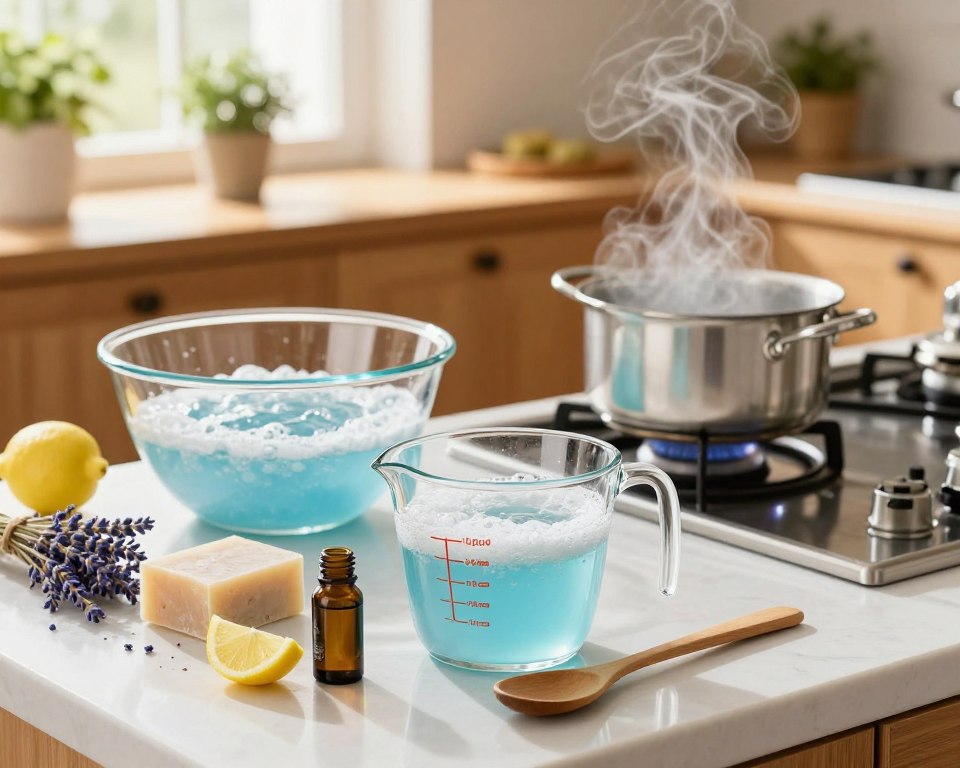
Next, shred one bar of Castile soap using a cheese grater. Melt the soap shreds over medium heat in approximately one cup of water, stirring constantly. This ensures a uniform liquid that incorporates smoothly into the bucket mixture without forming insoluble clumps.
After the soap has melted, add 30 to 50 drops of essential oil to the mixture. This addition allows the fragrance to disperse throughout the solution before filling the bucket with the remaining water.
Letting the Detergent Gel and Preparing for Use
Once all ingredients are combined, fill the bucket the rest of the way with water. Stir thoroughly and let the mixture sit undisturbed for 24 to 48 hours. During this time, the solution thickens and develops a gel-like consistency through soap hydration and polymer formation.
After the gelation process, the concentrated detergent requires a 1:1 dilution with water in a separate container or glass jar. This creates a ready-to-use liquid that pours easily and disperses rapidly in the washing machine drum.
The recommended usage rate for liquid homemade laundry detergent is one-half cup per load, measured from the diluted ready-to-use container. This ensures consistent dosing and effective cleaning.
Separation is a normal characteristic of liquid cleaning solutions due to the absence of synthetic emulsifiers and stabilizers found in commercial products. Therefore, a thorough shake or stir is necessary before each dispensing session.
For optimal storage, keep the concentrated bucket in the laundry room with a secure cover. Periodically refill a smaller diluted container for daily use. This system minimizes handling of the large batch while maintaining product quality over months of use.
How to Use Homemade Laundry Detergent Safely and Effectively
Using your own cleaning products can be straightforward and rewarding. Proper usage ensures that your clothes come out clean without any residue. Below are evidence-based guidelines to maximize cleaning efficacy while preventing buildup.
Recommended Amounts per Load Size
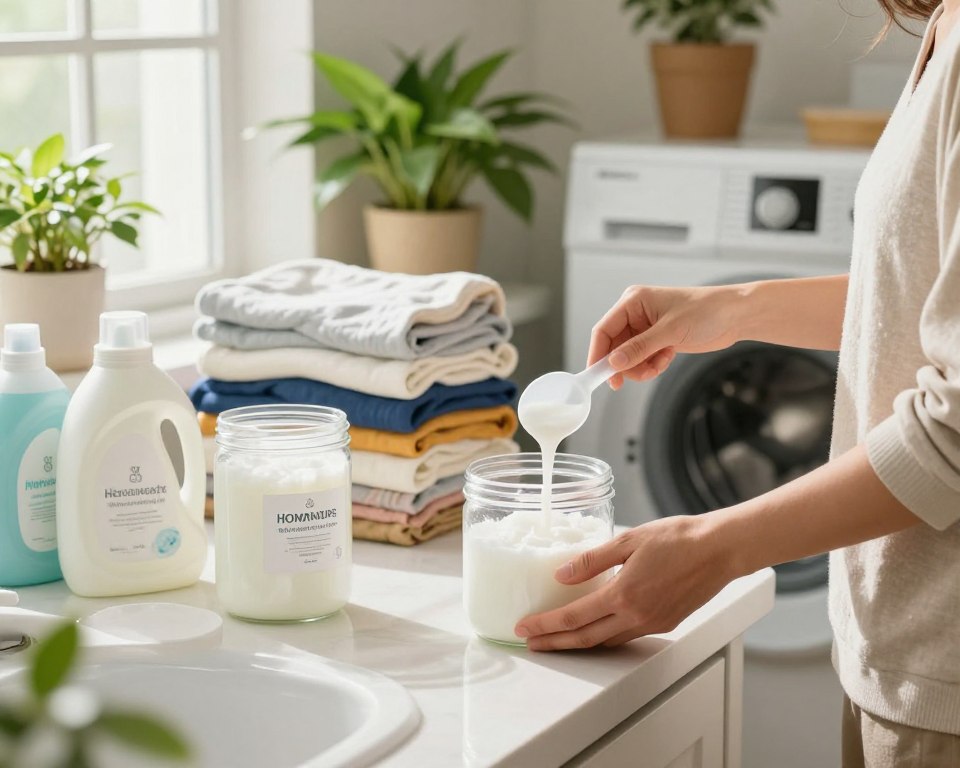
When using powdered laundry soap, the recommended dosing is simple:
- For small loads, use 1/4 cup.
- For large or heavily soiled loads, use 1/2 cup.
For the liquid version, after diluting, you should use 1/2 cup per load. It’s crucial to shake the container before each use to ensure even distribution of ingredients.
Additional Tips: Fabric Softening with Vinegar and Wool Dryer Balls
Enhancing your laundry routine can be achieved with a few additional items:
- Adding 1/2 to 1 cup of distilled white vinegar to each load acts as an effective fabric softener. It neutralizes alkaline residues and helps soften clothes.
- Vinegar also eliminates odors, making it especially useful for athletic wear and kitchen textiles.
- Using 2-3 wool dryer balls in the dryer can reduce drying time and soften fabrics naturally. You can add 1-2 drops of essential oil to each ball for a pleasant scent.
Water hardness can affect how well your soap works. If you have hard water, consider adding an extra tablespoon of washing soda directly to the wash drum. This boosts cleaning power and helps prevent mineral deposits on your clothes.
In summary, these practices will help you achieve cleaner clothes while maintaining the integrity of your fabrics. A consistent routine will enhance the effectiveness of your cleaning products.
Comparing Homemade Laundry Detergent Safer Options to Store Brands
A thorough comparison of cleaning products reveals significant differences in safety and effectiveness. Understanding these differences is crucial for consumers seeking safe and effective options for their laundry needs.
The Environmental Working Group (EWG) provides valuable insights into ingredient safety ratings. Their safety rating system offers an objective framework for comparing ingredients found in both homemade and commercial products.
Ingredient Safety Ratings and Environmental Working Group Insights
Several common ingredients stand out in this comparison:
- Baking soda: Rated A by the EWG, this ingredient is known for its safety and effectiveness.
- Washing soda: Also rated A, it serves as a powerful cleaning agent.
- Epsom salt: This ingredient is another A-rated option, recognized for its safety.
- Borax: Despite being a naturally occurring mineral, it carries a D rating due to concerns about developmental and reproductive toxicity.
- Fels-Naptha soap: Historically recommended for DIY formulations, it has a C rating due to synthetic fragrances and other additives that may irritate the skin.
Cost analysis further emphasizes the differences. Homemade options typically cost around $0.08 per load, while even the least expensive store-bought options average $0.14. Laundry pods can exceed $0.31 per load, making them significantly more expensive than DIY alternatives.
Effectiveness and Washing Machine Compatibility
The type of washing machine used can greatly influence cleaning outcomes. For instance, top-loading machines with agitator bars tend to provide superior mechanical action, enhancing the effectiveness of powdered cleaning solutions. In contrast, high-efficiency front-loading machines, which use less water, may yield different results even with the same DIY formula.
While some may notice that white fabrics washed with commercial products appear brighter due to optical brighteners, this aesthetic difference does not necessarily indicate superior cleanliness. The absence of these additives in homemade solutions does not compromise soil removal effectiveness.
Ultimately, ingredient transparency stands out as a key advantage of DIY cleaning products. Commercial manufacturers are not always required to disclose all components, particularly in fragrance mixtures. This lack of transparency can lead to concerns about potential allergens and irritants.
Long-term compatibility with washing machines is also essential. Using well-formulated soaps with low superfat content, such as purpose-made laundry bars or Castile soap, can prevent oil residue buildup in machine components and plumbing.
Environmental and Health Advantages of Making Your Own Laundry Detergent
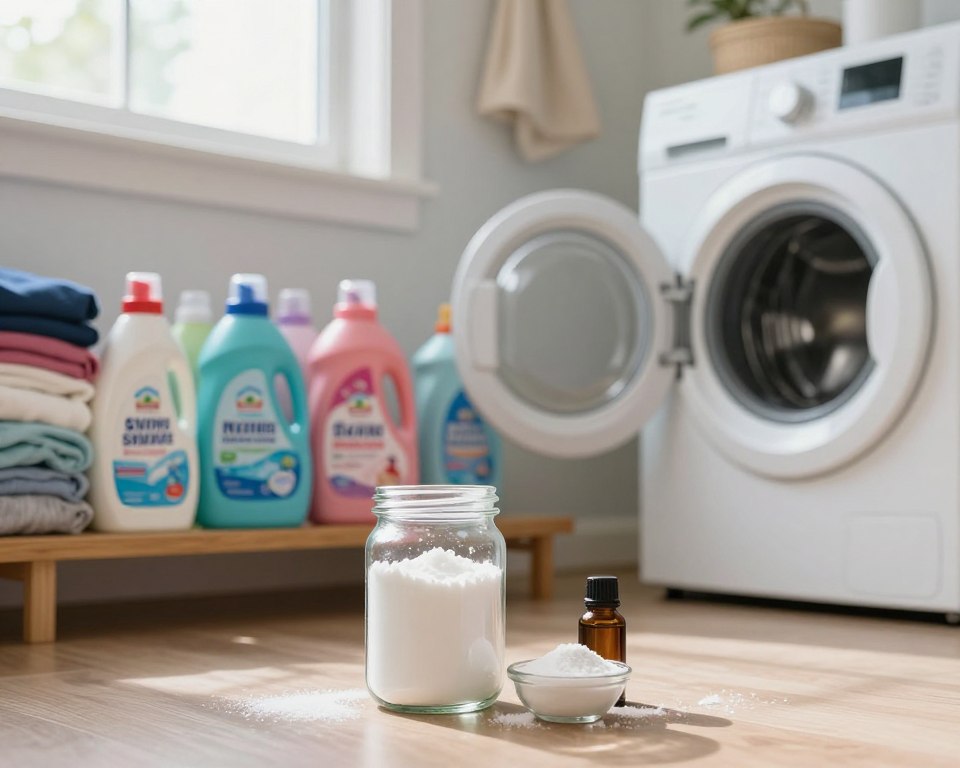
The choice to create your own cleaning solutions offers significant benefits for both personal health and the planet. One of the primary advantages is the reduction of toxic chemicals in your home. Many commercial products contain synthetic fragrances and other harmful substances that can compromise indoor air quality.
By opting for DIY cleaning products, you can eliminate these synthetic fragrance compounds. This change reduces indoor airborne volatile organic compound concentrations, which is particularly beneficial for households with asthmatic individuals or those sensitive to fragrances.
Moreover, using homemade cleaning products minimizes dermal exposure to detergent residues on clothing. These residues can lead to chronic, low-level chemical contact, but DIY formulations use ingredients with established safety profiles that rinse away completely.
Minimizing Plastic Waste and Landfill Impact
Another significant advantage of making your own cleaning products is the substantial reduction in plastic waste. A single household that switches to bulk ingredients stored in reusable containers can prevent approximately 20 to 30 high-density polyethylene jugs from entering the waste stream annually.
In the United States, around 700 million plastic laundry detergent jugs are discarded each year. Approximately 490 million of these end up in landfills, where high-density polyethylene can take up to 400 years to photodegrade, releasing microplastic particles during the process.
Additionally, bulk purchasing of ingredients like washing soda, baking soda, and Castile soap bars typically involves minimal packaging compared to the multi-layer plastic used in commercial products. This shift not only reduces landfill contributions but also lessens the overall environmental footprint.
Importantly, the absence of phosphates and nonylphenol ethoxylates in DIY formulations protects aquatic ecosystems. These compounds can disrupt endocrine functions in fish and amphibians downstream of wastewater treatment facilities.
Improving indoor air quality is another key benefit. Volatile compounds from commercial products can off-gas from stored clothing, affecting air quality throughout the home. By switching to DIY solutions, households can enhance their overall environment.
Lastly, the health advantages extend to pet households. Animals that come into closer contact with flooring and textiles experience reduced exposure to detergent residues, promoting a healthier living space for everyone.
Cost Efficiency and Time Savings of Homemade Laundry Detergent
Choosing to create your own cleaning products can lead to significant financial and time benefits. This approach not only saves money but also streamlines your laundry routine.
Long-Term Financial Benefits
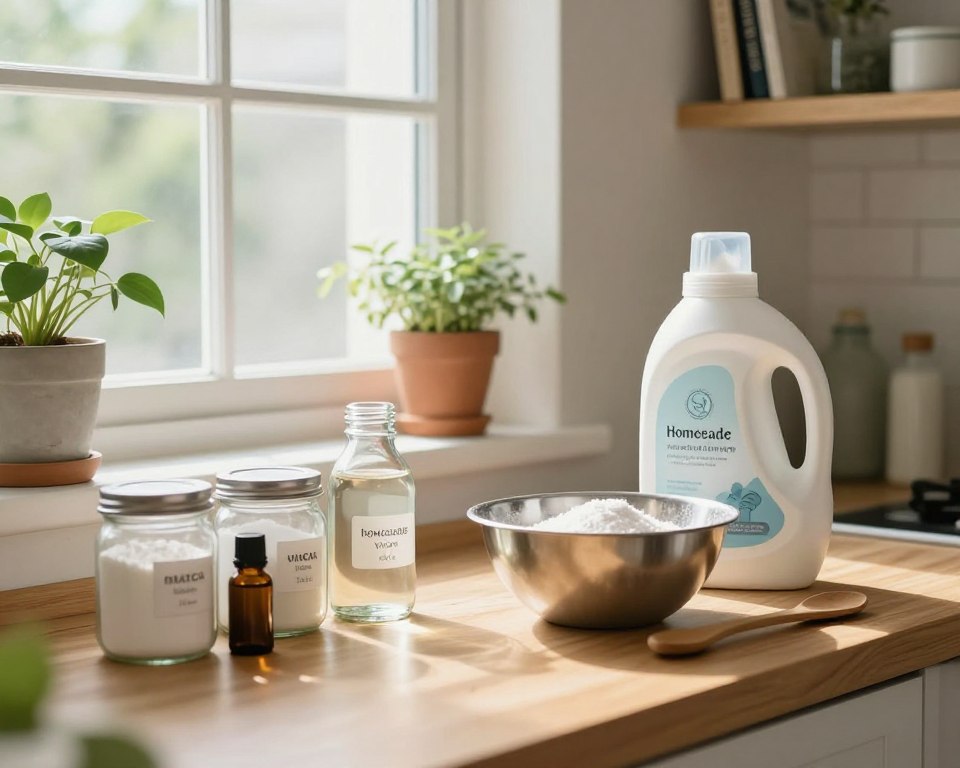
The cost of making your own cleaning solution is remarkably low. On average, homemade laundry soap costs about $0.08 per load. In comparison, the least expensive store-bought options are around $0.14 per load, while single-dose pods can exceed $0.31 per load.
A family of four doing one to two loads of laundry daily will wash approximately 360 to 720 loads annually. This translates to annual savings of:
- $22 to $43 compared to budget commercial detergent.
- $83 to $166 compared to pod-based products.
Batch Preparation and Storage That Saves Time
Creating your own laundry soap takes about 20 minutes per batch. A single five-gallon bucket of this product can last about six months, effectively requiring only 40 minutes per year for complete laundry soap self-sufficiency.
Buying ingredients in bulk can further enhance savings. For example, purchasing a 13.5-pound bag of baking soda, three boxes each of borax and super washing soda, and six Castile soap bars at once can reduce costs through volume pricing.
Additionally, preparing large batches eliminates the need for frequent shopping trips, reducing transportation costs and the mental load of tracking household supplies. The shelf stability of dry ingredients like washing soda, baking soda, and borax allows for long-term storage without concerns about product degradation.
Using reusable containers for storage not only cuts down on waste but also eliminates the hidden costs associated with packaging found in commercial products. This financial model becomes increasingly advantageous for larger families or those with frequent laundry needs, such as cloth diaper users or those washing uniforms.
Conclusion
The impact of cleaning products on health and the environment is an increasingly important topic for consumers. Evidence suggests that properly formulated laundry solutions made with safe ingredients offer notable advantages over many commercial options. The elimination of synthetic fragrances and transparency in ingredient selection are key benefits.
Choosing A-rated components like washing soda and baking soda enhances safety, while avoiding those with lower ratings, such as borax, is advisable. Additionally, the environmental benefits of reducing plastic waste cannot be overlooked, as millions of jugs are discarded annually.
Ultimately, the decision to switch to homemade options should consider individual factors like water hardness and washing machine type. For those seeking a balance of safety, effectiveness, and sustainability, DIY solutions represent a compelling choice. For more insights on crafting effective cleaning products, check out this resource.
FAQ
Is homemade detergent effective for cleaning clothes?
Yes, many people find that using a homemade option effectively cleans clothes, often achieving results comparable to commercial products.
What are the main ingredients in a DIY laundry soap?
Common ingredients include washing soda, baking soda, and a bar soap like Castile. Essential oils can be added for fragrance.
How much homemade detergent should I use per load?
Generally, 1/2 cup of the mixture is recommended for a standard load, but this can vary based on load size and soil level.
Are there any safety concerns with homemade laundry soap?
While many find it safer, it’s essential to ensure all ingredients are non-toxic and suitable for your washing machine.
Can I customize the scent of my laundry soap?
Yes, you can add essential oils to create a personalized scent while also benefiting from their natural properties.
How should I store my homemade detergent?
Store it in a sealed glass jar or container to keep it dry and protected from moisture.
Is it cost-effective to make my own detergent?
Yes, many users report significant savings over time compared to purchasing commercial options.
Can I use homemade detergent in high-efficiency washing machines?
Yes, as long as you use the appropriate amount and ensure the ingredients are compatible with your machine.
What are the environmental benefits of making my own detergent?
It reduces plastic waste and minimizes exposure to harmful chemicals, contributing to a healthier environment.
How do I know if my homemade detergent is working?
Check for clean, fresh-smelling clothes without residue. If issues arise, adjust the amount used or ingredients as needed.