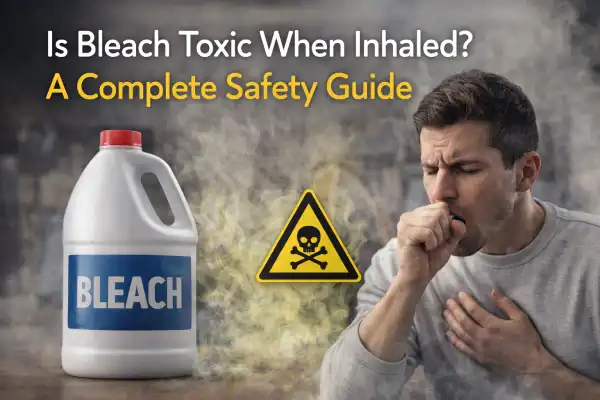
Is Bleach Toxic When Inhaled? – Yes, inhaling bleach fumes can be toxic. Bleach releases chlorine-containing gases that can irritate the lungs, eyes, and airways, and in higher concentrations may cause serious respiratory distress. The risk increases in poorly ventilated areas or when bleach is mixed with other cleaning agents.
What Happens When You Inhale Bleach?
Bleach, commonly containing sodium hypochlorite, can release chlorine gas and chlorinated vapors into the air—especially during cleaning.
When inhaled, these fumes react with moisture in your respiratory tract, forming irritating compounds that can damage tissues in:
- The nose
- The throat
- The lungs
This is why exposure often causes immediate discomfort.
👉 If you accidentally mix products, you should also read:
What Happens If You Mix Bleach and Vinegar?
Is Bleach Toxic When Inhaled? A Complete Safety Guide
Why Are Bleach Fumes Dangerous?
Bleach fumes are dangerous because they act as respiratory irritants.
When inhaled:
- They inflame airway linings
- Disrupt normal breathing
- Trigger protective reflexes like coughing
From a toxicological perspective, chlorine exposure can lead to:
- Oxidative stress in lung tissue
- Cellular irritation
- Temporary or prolonged airway sensitivity
👉 Similar airborne risks exist with fragranced products. See:
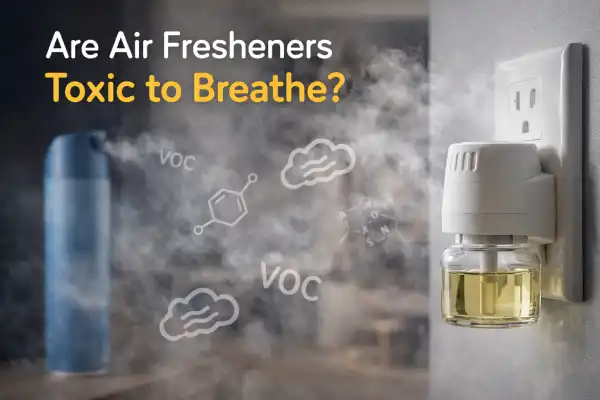
Are Air Fresheners Toxic to Breathe?
Symptoms of Bleach Inhalation
Is Bleach Toxic When Inhaled? A Complete Safety Guide
Mild exposure:
- Eye irritation
- Runny nose
- Coughing
- Throat irritation
Moderate exposure:
- Chest tightness
- Wheezing
- Shortness of breath
Severe exposure:
- Difficulty breathing
- Lung inflammation
- Persistent coughing
In rare cases, prolonged or intense exposure can lead to more serious respiratory complications.
Who Is Most at Risk?
Certain groups are more sensitive to bleach fumes:
- 👶 Babies and children
- 🤧 People with asthma or allergies
- 👩 Pregnant women
- 🐶 Pets
These groups may react more strongly even to low concentrations.
👉 For more on chemical exposure in daily life, read:
Are Household Cleaning Products Safe or Toxic? The Ultimate Guide
Is It Safe to Use Bleach in Small Amounts?
Bleach can be used safely when handled properly, but inhalation risk still exists.
Safer use includes:
- Diluting bleach properly
- Using it in well-ventilated areas
- Avoiding prolonged exposure
Even small amounts can produce noticeable fumes in enclosed spaces like bathrooms.
Common Situations Where Exposure Happens
Bleach inhalation commonly occurs during:
- Bathroom cleaning
- Mold removal
- Disinfecting surfaces
- Using bleach in closed spaces
The risk increases when:
- windows are closed
- airflow is poor
- large amounts are used
What Should You Do If You Inhale Bleach Fumes?
If you inhale bleach fumes:
- Move to fresh air immediately
- Avoid further exposure
- Rinse eyes or skin if irritated
- Seek medical help if symptoms persist
👉 In case of mixing chemicals, also read:
What Happens If You Mix Bleach and Vinegar?
Can Bleach Cause Long-Term Damage?
Occasional exposure is unlikely to cause permanent harm in healthy individuals.
However, repeated exposure may:
- increase airway sensitivity
- worsen asthma
- contribute to chronic irritation
From a clinical perspective, minimizing repeated inhalation is key to preventing long-term issues.
Safer Alternatives to Bleach
If you want to reduce exposure:
- Use hydrogen peroxide-based cleaners
- Use vinegar (separately, never mixed with bleach)
- Use baking soda for mild cleaning
- Improve ventilation during cleaning
These alternatives can reduce chemical exposure while maintaining cleanliness.
Final Verdict
Bleach fumes can be harmful when inhaled, especially in enclosed or poorly ventilated environments. While bleach remains an effective disinfectant, improper use can pose risks to respiratory health.
Using bleach safely—and minimizing inhalation—is essential for protecting your health and indoor air quality.Is Bleach Toxic When Inhaled?
FAQ – Is Bleach Toxic When Inhaled?
Can bleach fumes damage your lungs?
Yes, they can irritate lung tissue and cause breathing problems, especially with repeated exposure.
How long do bleach fumes stay in the air?
They can linger for minutes to hours depending on ventilation.
Is it safe to smell bleach while cleaning?
Occasional mild exposure is common, but strong fumes should be avoided.
Can bleach trigger asthma?
Yes, bleach fumes are known to worsen asthma symptoms.
Medical Disclaimer
This article is for informational purposes only and does not replace professional medical advice. If you experience breathing difficulties, chest pain, or severe irritation after exposure to bleach fumes, seek medical attention immediately.Is Bleach Toxic When Inhaled?
Evidence-Based Note
This article is based on established toxicology and public health data regarding chlorine exposure, indoor air quality, and household chemical safety.
Sources & Scientific References
- Centers for Disease Control and Prevention – Chlorine exposure and respiratory effects
- United States Environmental Protection Agency – Indoor air quality and chemical exposure
- American Lung Association – Respiratory effects of cleaning chemicals
- Agency for Toxic Substances and Disease Registry – Health effects of chlorine gas
All images are created with AI – Is Bleach Toxic When Inhaled