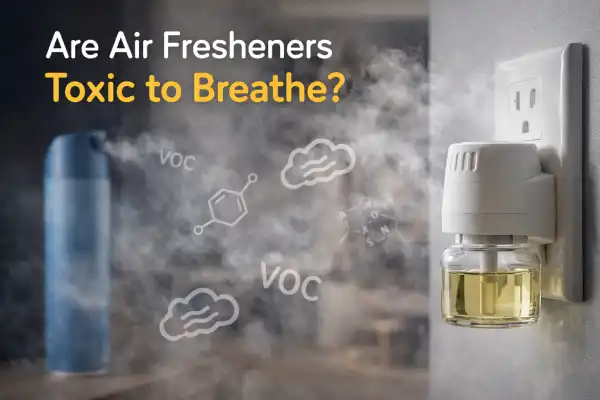
Are Air Fresheners Toxic to Breathe? – Air fresheners can release volatile organic compounds (VOCs), synthetic fragrances, and other airborne chemicals that may irritate the lungs, trigger headaches, and worsen asthma symptoms—especially with frequent use in enclosed spaces.
What Are Air Fresheners Made Of?
Air fresheners may contain a mixture of:
- Volatile organic compounds (VOCs)
- Synthetic fragrance chemicals
- Phthalates (used to prolong scent)
- Aerosol propellants (in sprays)
These compounds are designed to disperse into the air, which makes inhalation the primary route of exposure.
👉 If you use scented laundry products, you should also read:
Are Dryer Sheets Toxic to Breathe?
Are Air Fresheners Toxic to Breathe?
Are Air Fresheners Harmful to Your Lungs?
Yes, especially with repeated or prolonged exposure.
Short-term effects:
- Eye, nose, and throat irritation
- Headaches
- Dizziness
- Coughing
Long-term exposure:
- Worsening asthma
- Increased respiratory sensitivity
- Potential long-term irritation from VOCs
👉 Similar effects may occur with other household chemicals. Learn more here:
Are Household Cleaning Products Safe or Toxic? The Ultimate Guide
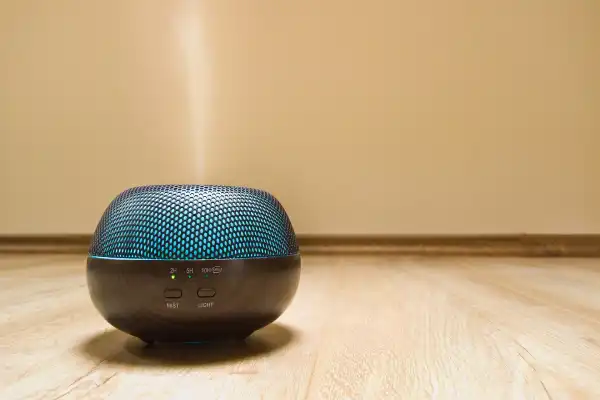
The VOC Problem (Pharmacist Insight)
Volatile organic compounds (VOCs) are chemicals that easily evaporate into the air and are inhaled.
When you use air fresheners:
- VOCs accumulate in indoor air
- Poor ventilation increases exposure
- Continuous-release products (plug-ins) increase long-term exposure
From a pharmaceutical perspective, repeated VOC exposure may contribute to:
- airway inflammation
- oxidative stress
- sensitivity in individuals with asthma or allergies
Are Plug-In Air Fresheners Worse?
Yes, in many cases.
Plug-in air fresheners:
- release chemicals continuously
- increase long-term exposure
- often go unnoticed
This can lead to a constant background level of indoor air pollution.
Who Is Most at Risk?
- 👶 Babies and young children
- 🐶 Pets
- 🤧 People with asthma or allergies
- 👩 Pregnant women
Are “Natural” Air Fresheners Safer?
Not always.
Even natural or essential oil-based products:
- can release airborne compounds
- may irritate lungs
- can be toxic to pets (especially cats)
Safer Alternatives
To reduce exposure:
- Open windows for ventilation
- Use baking soda as an odor absorber
- Use activated charcoal
- Improve airflow with fans or air purifiers
These methods help reduce indoor air pollution without adding chemicals.
Final Verdict
Air fresheners are not completely harmless. While occasional use may be acceptable, regular exposure—especially in small or poorly ventilated spaces—can negatively affect respiratory health.
Reducing or replacing them with safer alternatives is a smart long-term choice.
FAQ -Are Air Fresheners Toxic to Breathe?
Are air fresheners toxic for pets?
Yes, they can irritate pets’ respiratory systems and may cause sensitivity or reactions.
Can air fresheners trigger asthma?
Yes, especially fragranced products and aerosol sprays.
Are plug-ins worse than sprays?
Often yes, because they release chemicals continuously.
Do air fresheners contain VOCs?
Yes, many contain VOCs that contribute to indoor air pollution.
Medical Disclaimer
This content is for informational purposes only and does not replace professional medical advice. If you experience respiratory symptoms, allergic reactions, or discomfort after exposure to air fresheners, consult a qualified healthcare provider.
Evidence-Based Note
This article is based on publicly available research on indoor air quality, volatile organic compounds (VOCs), and exposure to fragranced household products.
Sources & Scientific References
- United States Environmental Protection Agency – Volatile organic compounds (VOCs) and indoor air quality
- American Lung Association – Indoor air pollutants and respiratory health
- Anne Steinemann – Research on fragranced products and air pollution
- Journal of Environmental Health – VOC exposure from household products
All images are created with AI – Are Air Fresheners Toxic to Breathe?