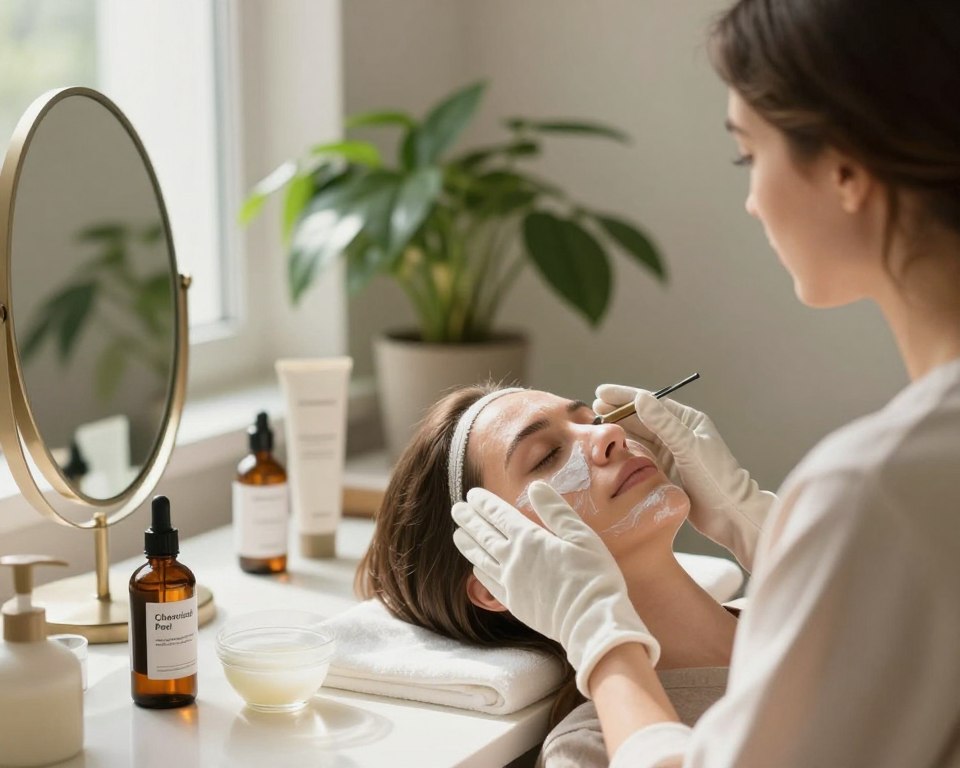

Surprising fact: nearly 40% of expectant women change skincare routines after learning about potential risks to a developing baby.
Many expectant mothers ask this exact question as they balance personal care and fetal health. The concern centers on topical retinoids versus cosmetic products, and how each may affect outcomes around birth.
Clinical data from the Motherisk program at the Hospital for Sick Children in Toronto informs current guidance. That evidence helps women understand differences between over-the-counter formulations and prescription-strength treatments.
This short guide evaluates available studies and offers clear, pharmacist-reviewed advice. It aims to translate complex research into practical steps for daily skincare and overall health while planning for a safe birth.
Key Takeaways
- Many women reassess products once pregnancy begins; informed choices matter.
- Topical retinoids differ from cosmetic formulas—know which you use.
- Motherisk data provides foundational guidance for clinicians and parents.
- Practical, evidence-based steps can reduce risk and simplify care routines.
- Consult a clinician or pharmacist for personalized recommendations.
Understanding Retinoids and Vitamin A Derivatives
Understanding the chemistry and role of these compounds helps readers evaluate product choices for common skin concerns. This overview defines key terms and highlights clinical cautions about oral vitamin intake.
What are Retinoids
Retinoids are compounds derived from vitamin A that speed cell turnover and lower inflammation in the skin.
- They are used in several treatment options for acne and signs of photoaging.
- Cosmetic retinol is a milder form commonly found in over-the-counter creams.
- Prescription retinoid products act more strongly and have different absorption and effects.
The Role of Vitamin A
Vitamin A is fat-soluble, so the body stores excess amounts rather than excreting them quickly.
Taking oral supplements in very doses can cause toxicity. In infants, signs may include a bulging fontanelle, irritability, and vomiting, as reported in recent studies.
“Understanding how these compounds influence cell behavior is the first step in choosing the right product.”
Is Retinol Safe During Pregnancy

Expectant people often re-evaluate topical treatments to reduce any potential risk. Concerns focus on whether small amounts of active compounds absorb through the skin and reach the bloodstream.
Research notes: Topical retinoids help improve skin texture and reduce signs of aging. However, clinical reviews advise caution because some vitamin A derivatives have known effects when taken orally.
Motherisk data suggests most common skincare products are considered safe, yet specific derivatives warrant extra caution. That guidance calls for avoiding high-potency acid treatments unless a clinician approves them.
“Prioritize products not linked to developmental effects and consult a healthcare provider before adding new treatments.”
- Choose low-risk formulations for routine care.
- Limit use of strong retinol and similar actives unless advised.
- Discuss any new product with a clinician to balance benefits and safety.
The Science Behind Topical Retinoid Absorption
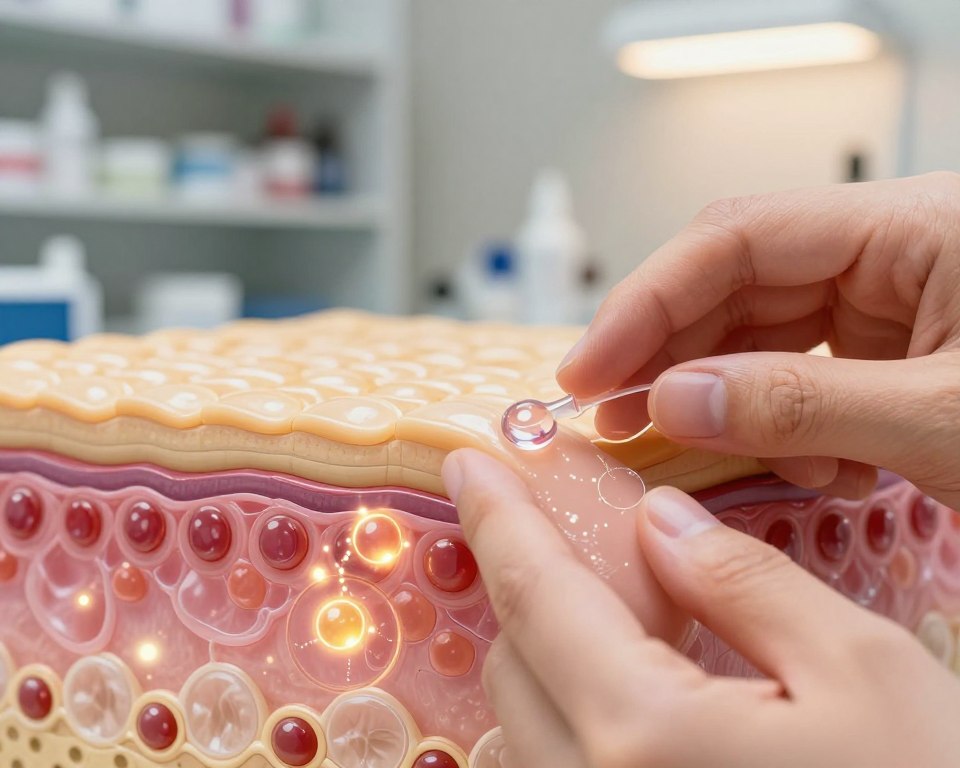
Quantifying how much active acid crosses the skin barrier informs guidance for reproductive-age women.
Systemic Absorption Rates
Large Nordic data: a cohort of 3,869,586 infants supports analysis of exposure and birth outcomes.
Studies show systemic absorption of topical retinoids is generally very low. Blood levels of retinol and retinoic acids rarely change with repeated topical application.
Still, oral isotretinoin has a known teratogenic effect—so clinicians advise caution even when topical exposure seems minimal.
- Researchers compared exposed infants to unexposed groups and those exposed to azelaic acid.
- A Nordic study recorded a 3.3-fold rise in topical retinoid use among women of reproductive age from 2006–2024.
| Measure | Finding | Implication | Source Size |
|---|---|---|---|
| Systemic absorption | Low with topical products | Most products are low-risk | 3,869,586 infants |
| Blood retinoid levels | No consistent increase | Supports limited systemic effect | Multiple cohort analyses |
| Oral isotretinoin | Teratogenic | Strict avoidance advised | Clinical safety data |
“Understanding absorption helps clarify why some topical products are viewed as low risk while higher-potency therapies require avoidance.”
Risks Associated with Oral Retinoid Medications
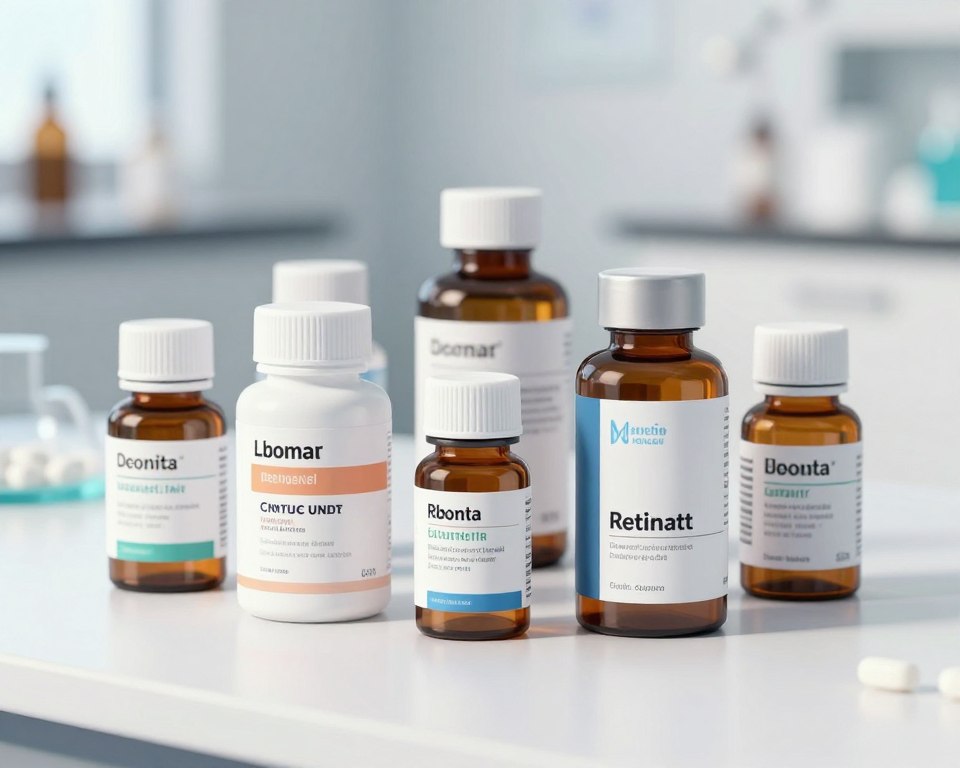
Oral forms of vitamin A derivatives pose clear, documented risks for fetal development. Prescription oral retinoids such as isotretinoin carry a high chance of major birth defects and must not be used in anyone planning conception.
These drugs are fat‑soluble, so they spread into tissues and remain for long periods. That persistence raises the risk of prolonged maternal blood levels and fetal exposure.
Oral medications also change systemic vitamin A dynamics and can lower the nutrient amounts available to a developing baby. Clinical groups—the American Academy of Dermatology and the National Psoriasis Foundation—advise against oral retinoids in people who are pregnant.
- Oral use is linked to birth defects and long‑term tissue retention.
- Because the drug is present in blood, transfer into breast milk is likely.
- Always tell a clinician about prior acne treatments; past courses can affect current levels.
“Strict contraception and medical supervision are standard requirements when prescribing systemic retinoid therapy.”
Distinguishing Between Cosmetic and Prescription Products
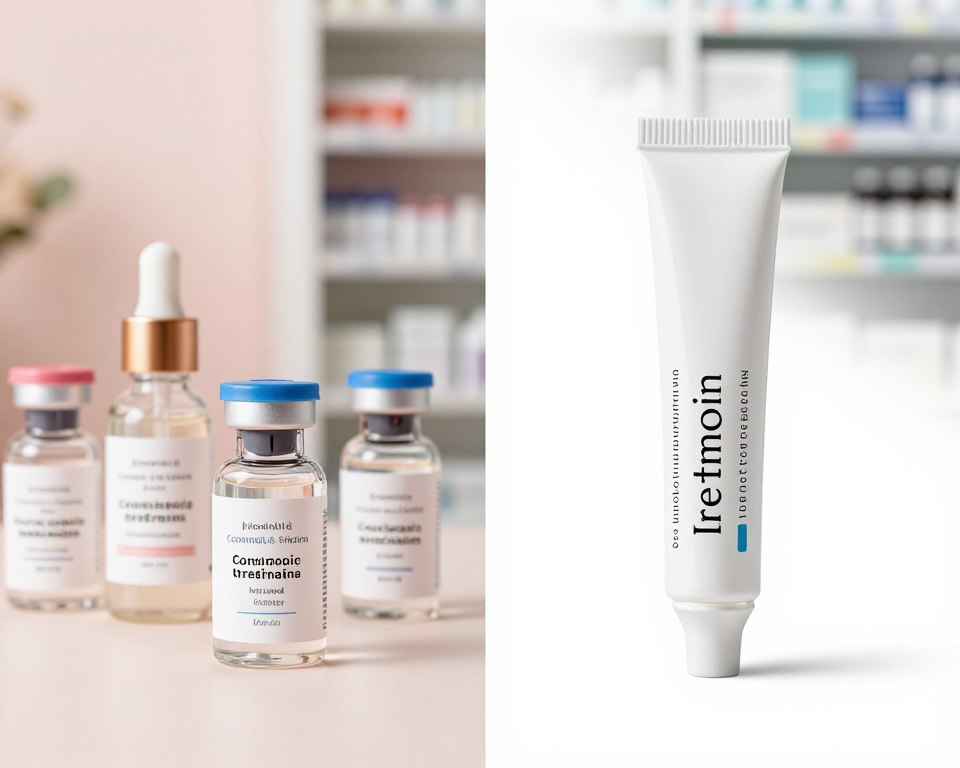
Consumers often face a confusing aisle—cosmetic jars sit next to prescription tubes—but the oversight and formulation strength differ. Clear labeling and knowledge of the active ingredient guide safer choices for routine skincare.
Cosmetic Retinols
Cosmetic retinols are sold as beauty products rather than drugs. They often contain lower concentrations of a vitamin-A derivative and aim to improve skin texture with milder irritation.
These items do not require the same premarket approval that prescription treatments do. Over‑the‑counter adapalene 0.1% gel is an exception; it is FDA‑approved for acne and has a more stable retinoid form.
Prescription Tretinoin
Prescription creams like tretinoin and tazarotene have higher potency and are used for persistent conditions under clinician supervision. Higher concentration increases systemic absorption risk compared with most cosmetic forms.
| Product Type | Typical Strength | Regulatory Status | Common Use |
|---|---|---|---|
| Cosmetic retinol | Low | Cosmetic labeling | Anti‑aging, mild texture |
| OTC adapalene 0.1% | Moderate | FDA drug monograph | Acne treatment |
| Prescription tretinoin | High | Prescription drug | Medical acne, photoaging |
“Look for a ‘Drug Facts’ label to tell a true medicinal product from a cosmetic cream.”
Evaluating Potential Effects on Fetal Development

Clinical reports and cohort analyses guide evaluation of fetal outcomes after topical exposures.
Prospective data from small studies (96 and 106 women) found no clear rise in major malformations or retinoid embryopathy with first-trimester topical use.
Despite those findings, isolated case reports produce debate. Researchers compare outcomes with women using azelaic acid or clindamycin to control for skin disease and treatment patterns.
In a large Nordic cohort, 3.3% of infants with topical exposure had a major congenital malformation versus 3.0% in the unexposed group. Studies of 0.05% tretinoin show endogenous vitamin A levels remain unchanged after repeated application.
“Protecting fetal development is primary; many experts advise avoiding all formulations until larger cohorts clarify effects.”
| Measure | Finding | Interpretation |
|---|---|---|
| Prospective cohorts | No increased major malformations | Limited sample size; reassuring but not definitive |
| Nordic cohort | 3.3% exposed vs 3.0% unexposed | Small absolute difference; requires further study |
| 0.05% tretinoin absorption | No change in endogenous vitamin A | Supports low systemic absorption with topical acid |
- Practical point: Clinicians weigh existing studies and err on the side of caution for development.
Common Skin Concerns During Pregnancy

Hormone-driven changes often alter complexion and texture. Many people notice increased oiliness, new breakouts, or darker patches on the face.
Hormonal Changes and Skin
Increased androgens can trigger acne vulgaris; flare-ups are common in the first and second trimesters.
Many women seek targeted skincare to manage these benign conditions. Over-the-counter options often include salicylic acid for localized action.
- Benzoyl peroxide is commonly recommended; studies show it does not appear in serum and may be a lower‑risk choice for acne management.
- Hydroquinone is used for melasma but has higher systemic absorption and should be limited.
- Choose products that minimize systemic uptake to protect overall health and fetal development.
Expert note: prioritize gentle cleansers, sun protection, and clinician guidance before adding new actives to a routine.
Safer Alternatives for Acne and Anti-Aging
Safe, evidence-based substitutes exist that address common skin concerns while minimizing systemic exposure.
Topical salicylic acid and benzoyl peroxide perform well for acne control and have low serum uptake when used as directed.
Glycolic acid — an alpha hydroxy acid — offers mild exfoliation with minimal systemic absorption. Many over-the-counter skincare products deliver anti‑aging benefits without prescription-level risk.
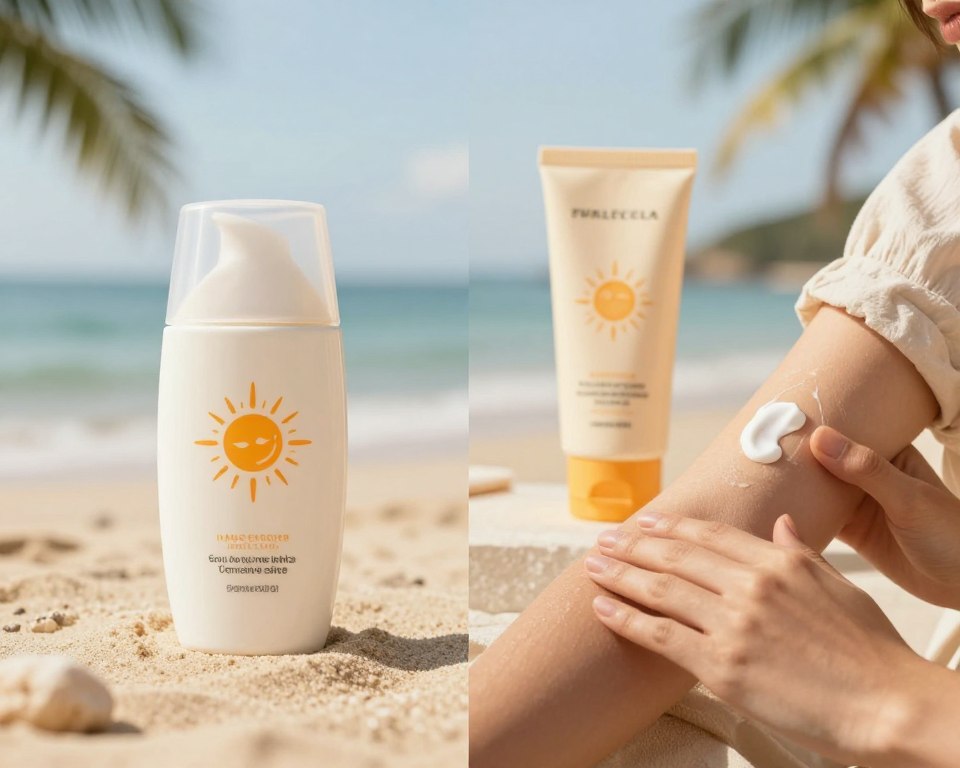
- Sunscreen: Prevents melasma flare-ups; dermal absorption remains very limited.
- Self-tanners (DHA): Systemic availability sits near 0.5% after topical use — a low exposure option for pigment concerns.
- Avoid oral retinoids: These remain contraindicated; discuss alternatives with a clinician.
| Option | Use | Systemic uptake | Consideration |
|---|---|---|---|
| Salicylic acid | Acne spot/peel | Low | Use low concentrations; follow label |
| Benzoyl peroxide | Acne control | Negligible | Well tolerated topically |
| Glycolic acid | Exfoliation, anti‑aging | Minimal | Choose low percent formulas |
| Sunscreen / DHA | Pigment prevention / cosmetic tan | Very low | Daily SPF recommended; DHA for short-term color |
Consult a dermatologist to build a tailored routine. For further reading on alternatives, see pregnancy-safe retinol alternative.
Guidelines for Skincare During Breastfeeding
Postnatal skincare choices balance effective treatment with minimizing infant exposure to active compounds.
Topical retinoids are generally considered low risk because absorption into maternal blood tends to be very small. Studies report no meaningful rise in blood retinyl ester or retinoic acid levels after repeated topical application.
Avoid applying any topical products to the chest—especially the nipple and areola—to prevent direct exposure of the baby. Wiping the breast before nursing adds another layer of caution.
Oral retinoids carry a higher hazard and should not be taken while nursing; these drugs can appear in milk and affect the infant. For acne care, adapalene 0.1% offers an over‑the‑counter option with low systemic absorption and good tolerance.
Tazarotene requires extra caution. Experts often advise limiting its use to small body surface areas and avoiding broad application of stronger acid formulations.
- Discuss any product change with a clinician.
- Prefer low‑absorption products and targeted application.
- See detailed guidance on retinoid skincare and nursing.
Practical point: prioritize minimal transfer to milk and choose treatments that control acne or aging with the least systemic uptake.
Navigating Cosmetic Ingredient Labels
Ingredient panels reveal the chemical form and the likely amounts that reach the body. Clear reading helps pick products for acne and general skin care without guessing exposure.
Hydroquinone has a much higher systemic uptake—about 35%–45%—than typical topical actives. That figure guides clinicians when weighing pigment treatments versus lower‑uptake options.
Look for salicylic acid on labels when choosing acne creams. Over‑the‑counter items with a “Drug Facts” panel indicate regulation and consistent concentrations.
| Ingredient | Common form | Typical absorption | Practical note |
|---|---|---|---|
| Hydroquinone | Lightening cream | 35%–45% | Avoid widespread use; consult clinician |
| Salicylic / salicylic acid | Beta hydroxy acid | Low | Good for spot treatment of acne |
| Cosmetic retinol | Vitamin A derivative (low %) | Minimal | Concentration varies by brand |
| OTC regulated creams | Drug monograph form | Consistent | Look for “Drug Facts” label |
Tip: read the active ingredient, check the form, and favor regulated products when possible.
Image Disclosure and Medical Disclaimer
Visuals on this site aim to support learning and can include AI-assisted or digitally edited images to improve clarity. Visitors should treat these aids as explanatory tools, not as clinical evidence.
Key points:
- Some images on safeortoxic.com may be AI-generated or digitally enhanced for educational and illustrative purposes.
- These visuals are for learning only and are not intended for self-diagnosis or to replace professional evaluation.
- safeortoxic.com provides scientifically grounded content meant to supplement—not substitute—advice from a clinician.
- Consult a qualified healthcare provider before making major changes to medical or skincare routines.
“Images clarify concepts; clinical decisions belong to licensed professionals.”
| Image Type | Source | Intended Use | User Guidance |
|---|---|---|---|
| Clinical photograph | Photographed patient images | Document real presentation | Inform clinicians; not diagnostic by itself |
| Stock photo | Licensed photography | General illustration | Useful for context; may not reflect exact cases |
| AI-generated image | Algorithm-produced visual | Educational example | Use as concept aid; verify clinically |
| Digitally enhanced | Edited real image | Highlight features | Helpful for teaching; consult expert for care |
Conclusion
Summing the evidence clarifies when to pause certain ingredients and when low‑absorption options are reasonable.
Topical retinoids have potent effects on the skin, but their use requires careful thought because of possible effects on fetal development. Most everyday products do not show a clear rise in birth defects and let women maintain health and appearance.
Prioritize items with minimal systemic uptake—choose low‑absorption formulations, avoid high‑potency acid treatments unless a clinician approves, and review labels for active ingredients.
For formal guidance on prevention programs and risk management, see the EMA’s pregnancy prevention measures.
Consult a healthcare provider for personalized care. With clear information, readers can make balanced choices that protect maternal health and the baby over time.
FAQ
Is retinol safe to use while pregnant?
Most clinicians advise avoiding topical vitamin A derivatives and prescription oral retinoids when pregnant. High-dose systemic retinoids such as isotretinoin are proven teratogens and must not be used. Topical products deliver much lower systemic exposure, but many experts recommend stopping them as a precaution until after delivery or after discussing risks with an obstetrician.
What are retinoids and how do they differ from vitamin A?
Retinoids are a class of compounds that include prescription drugs (tretinoin, isotretinoin) and over-the-counter forms (retinol, retinaldehyde). They act on skin cell turnover and collagen. Vitamin A (retinol and its metabolites) is the parent nutrient; some retinoids are synthetic analogs with stronger activity and different safety profiles.
How much of a topical product is absorbed systemically?
Systemic absorption from creams and serums is low for most topical formulations. Studies show minimal blood levels for common cosmetic retinoids, but absorption varies with concentration, vehicle, damaged skin, and co‑applied products. Low measured serum levels do not eliminate theoretical risk, which is why clinicians often take a conservative approach.
Are prescription tretinoin creams risky for fetal development?
Evidence linking topical tretinoin to birth defects is limited and inconsistent. Unlike oral retinoids, topical tretinoin achieves much lower systemic concentrations. However, because oral isotretinoin causes serious birth defects, many providers recommend avoiding prescription tretinoin during pregnancy as a precautionary measure.
Why are oral retinoid medications more dangerous?
Oral isotretinoin and similar systemic retinoids reach high blood levels and are clearly teratogenic—causing craniofacial, cardiac, and central nervous system malformations when exposure occurs in early pregnancy. Strict pregnancy-prevention programs exist for these drugs for that reason.
What’s the difference between cosmetic retinols and prescription retinoids?
Cosmetic retinols (over‑the‑counter) are weaker, require conversion in the skin, and have lower systemic exposure. Prescription retinoids like tretinoin or oral isotretinoin are pharmacologically active at lower doses and produce greater biological effects — and higher potential risks.
Can using topical retinoids affect fetal development if used before pregnancy?
Short-term use before conception poses far less risk than use during organogenesis (first trimester). Clinicians commonly advise discontinuing stronger retinoids well before attempting conception—especially oral retinoids, which require a washout period due to long biological effects.
Which skin conditions commonly change in pregnancy?
Pregnancy causes hormonal shifts that can worsen acne, trigger melasma (hyperpigmentation), cause increased sensitivity, and change oil production. These changes influence treatment choices and favor gentler, pregnancy‑compatible options.
What safer alternatives exist for acne and anti‑aging while pregnant?
Safer options include azelaic acid, topical clindamycin, glycolic acid peels supervised by a clinician, and physical sun protection. Salicylic acid in low concentrations is often considered acceptable for limited topical use, but high-dose oral or extensive peel use should be avoided. Discuss choices with an obstetrician or dermatologist.
Are topical retinoids allowed while breastfeeding?
Many experts consider limited topical application compatible with breastfeeding because systemic transfer is minimal. Apply sparingly, avoid the nipple and areola area, and wash the breast before nursing. For higher concentrations or extensive use, consult a clinician.
How can consumers check product safety from ingredient labels?
Look for ingredients: retinol, retinaldehyde, tretinoin, isotretinoin, and etretinate. Cosmetic labels may list “retinol” or “retinyl palmitate.” If a product lists tretinoin or isotretinoin, treat it as prescription‑level and avoid during pregnancy. When in doubt, contact a pharmacist or dermatologist.
What should be included in a medical disclaimer about this topic?
A clear statement that information is educational, not a substitute for professional medical advice. Recommend consulting an obstetrician, dermatologist, or pharmacist for personalized guidance, and note that prescription medications require clinician supervision and pregnancy testing protocols where applicable.