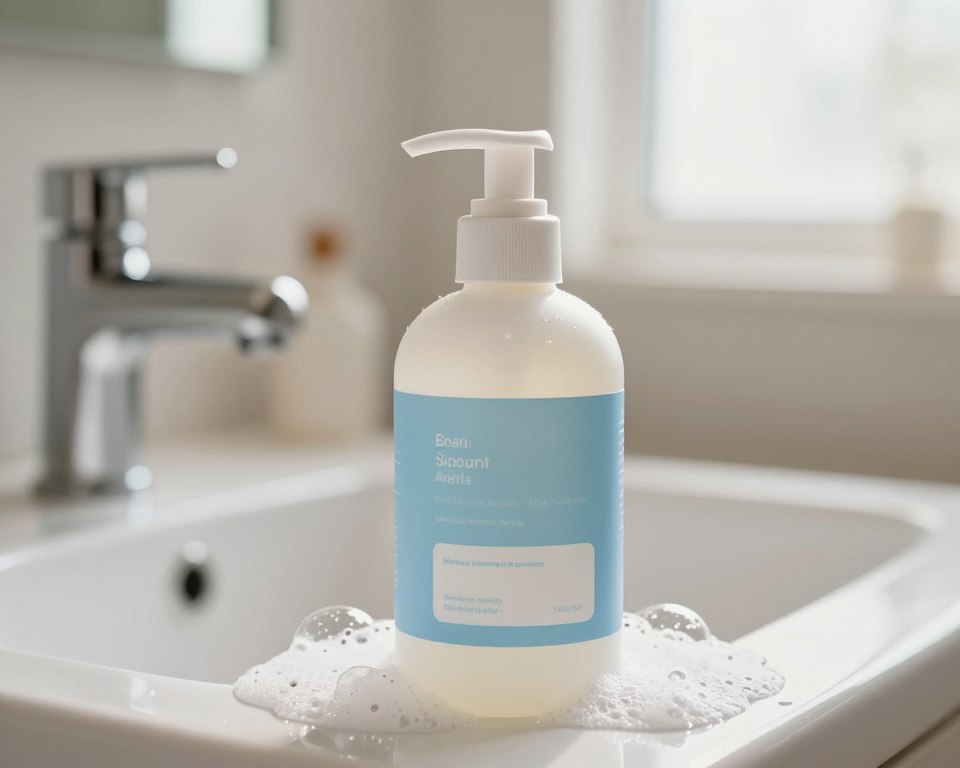
Surprising fact: the U.S. Food and Drug Administration found no clear evidence that antibacterial soaps cut illness more than plain soap and water.
That finding matters at home. Many families buy specialty soaps hoping to stop germs or bacteria. But research and public health guidance point to proper handwashing as the main driver of reduced illness.
Clear technique—wetting hands, lathering for at least 20 seconds with soap water, rinsing, and drying—beats product claims. Choosing between antimicrobial soaps and plain soap often reflects preference, not clinical need.
Practical focus: understanding how cleansers work helps people make choices that protect health without extra cost or confusion.
Key Takeaways
- The FDA found no definitive benefit of antibacterial soaps over plain soap water for preventing illness.
- Effective handwashing—technique and time—reduces the spread of germs and bacteria.
- Product choice often comes down to preference rather than clear health advantage.
- Families can rely on good handwashing at home to lower infection risk.
- Simple, consistent habits matter more than specialty claims.
Understanding the Differences Between Soap Types
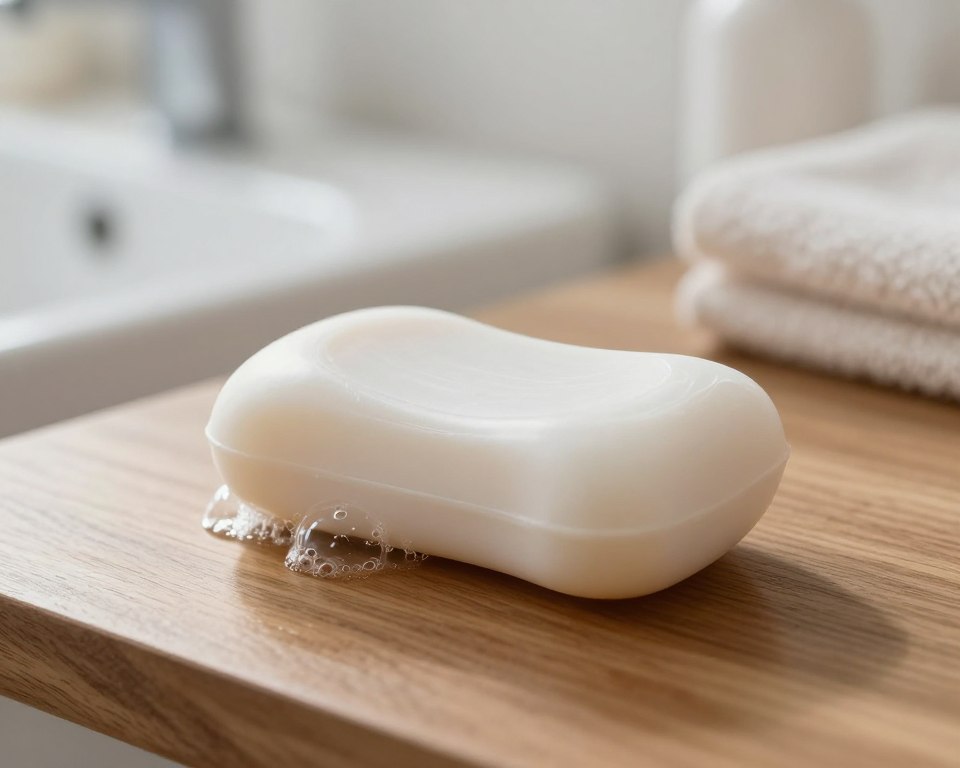
Not all cleansing products act the same on skin or microbes. This section defines plain cleansing bars and contrasts them with products that carry targeted killing claims.
Defining Plain Soap
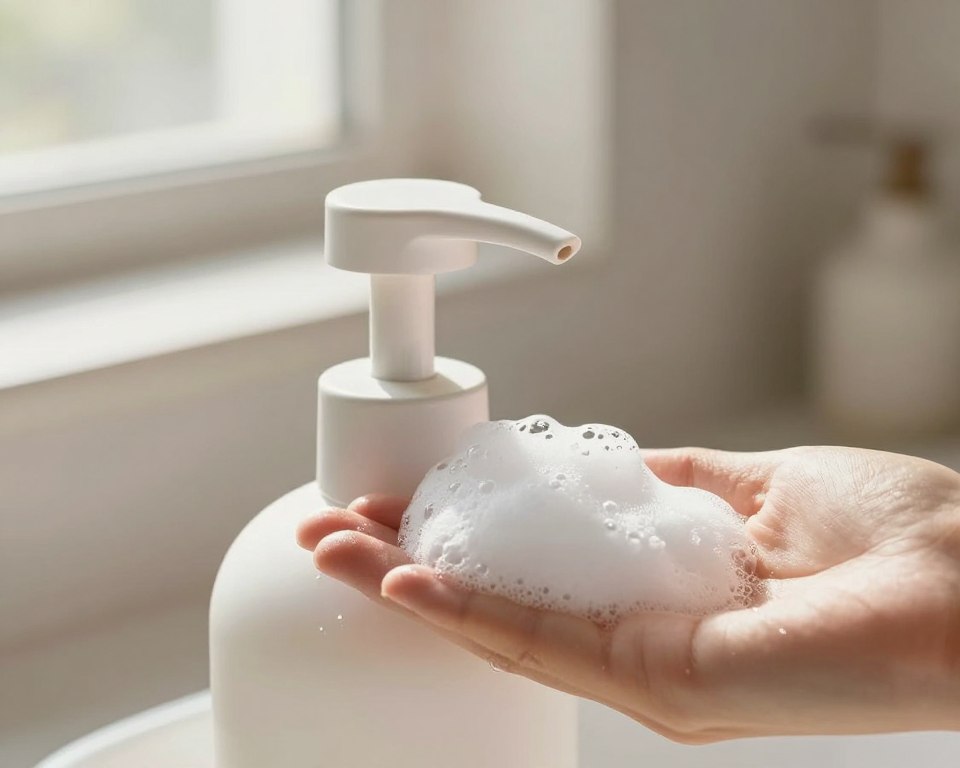
Plain soap works by reducing water’s surface tension so oils, dirt, and microbes lift from the skin and rinse away. Dr. Eric Haugen notes that this mechanical action is the core reason washing with water and a cleanser removes pathogens.
Identifying Antibacterial Products
Products labeled to kill bacteria contain added active compounds such as triclosan or triclocarban. These ingredients are not part of standard bars.
“Regular cleansing decreases water’s surface tension to lift dirt and oils off the skin.”
- Check the Drug Facts panel to spot active antibacterial ingredients like benzalkonium chloride.
- Pros: marketed to kill bacteria on contact.
- Cons: can strip natural oils or add persistent chemicals to the body or household.
Understanding these different ways of working is a key fact for health-conscious people choosing products for everyday hand and body care.
Is Antibacterial Soap Safer Regular Soap?
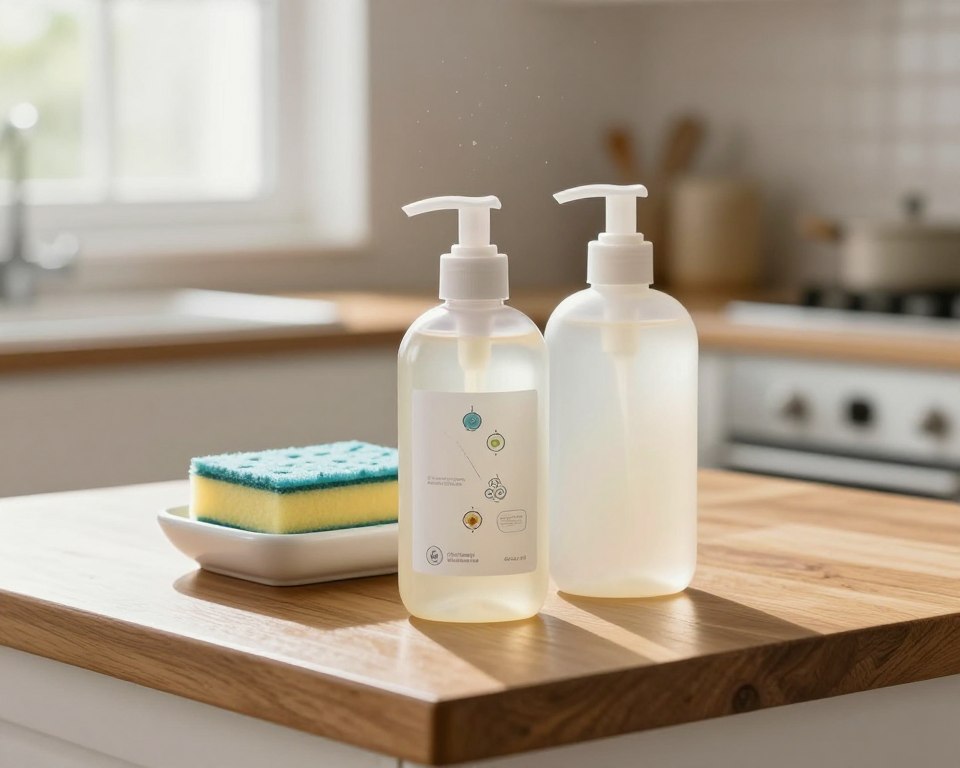
A common question: do marketed killing claims translate to fewer infections in everyday life?
Short answer: federal review found no clear evidence that antibacterial cleansers reduce illness more than plain soap water.
For most people at home, washing hands with plain soap and water works well to lower the chance of getting sick. Proper technique—wetting, lathering for 20 seconds, rinsing, drying—remains the key to removing germs and bacteria from hands.
“No study shows added protection for household use beyond good handwashing.”
- Antibacterial products are marketed to kill germs, but they do not show extra illness prevention in daily life.
- Healthcare settings may need targeted agents; the home does not, unless a clinician advises otherwise.
| Setting | Plain soap water | Products with active agents | Recommendation |
|---|---|---|---|
| Home | Effective for routine hand care | Marketed for killing bacteria | Use plain soap water |
| Clinical | Good for basic hygiene | May be required in some procedures | Follow medical guidance |
| Illness prevention | Reduces spread of germs | No added benefit shown | Focus on technique |
The Role of Ingredients and Regulatory Standards
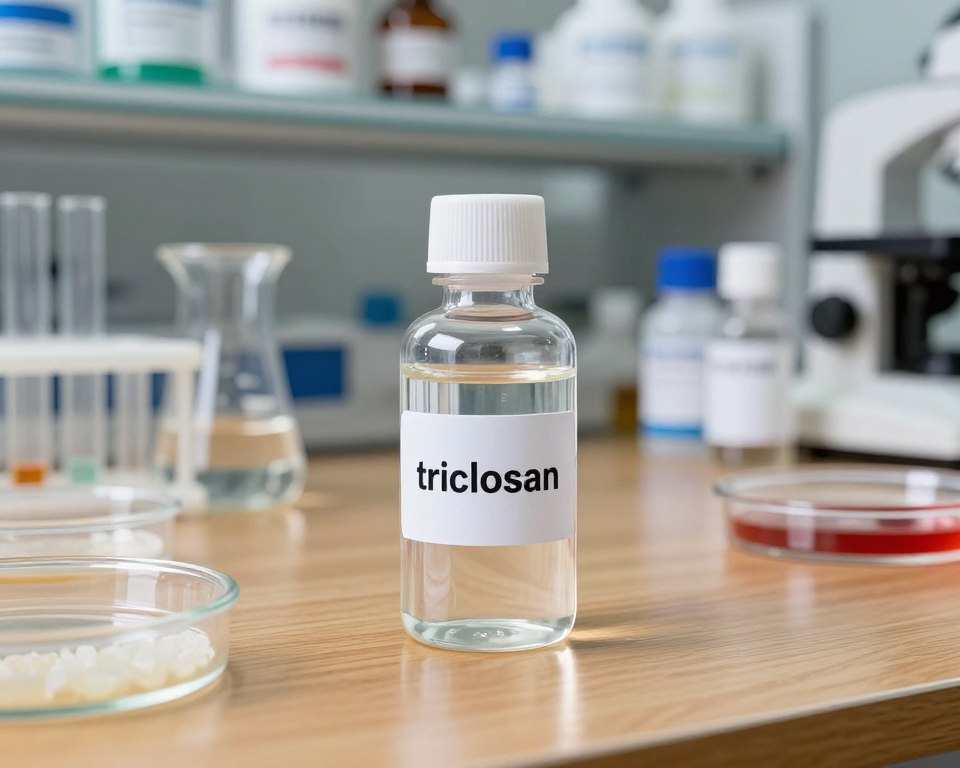
Federal review of active compounds changed what household products can contain. In 2016 the FDA issued a final rule removing 19 active ingredients—most notably triclosan and triclocarban—from consumer antiseptic washes.
The agency concluded manufacturers failed to show those ingredients reduce infections more than plain soap water. Theresa M. Michele, M.D., of the FDA emphasized the lack of data proving extra protection for consumer use.
The impact on consumers and products
The 2016 rule covers liquid, foam, gel, and bar soap products used in the household. Some chemicals—such as benzalkonium chloride—remain under review while the FDA monitors safety and effectiveness.
- Key fact: lab tests that show killing bacteria do not always translate to fewer infections in real life.
- Reading ingredient lists helps consumers avoid unnecessary chemicals and choose plain soap or bar soap for routine hand care.
- Regulation shifted the focus back to proper handwashing technique and sensible product use for health maintenance.
“Manufacturers did not provide data showing these drugs are safer or more effective than plain soap.”
Potential Risks of Overusing Antibacterial Products
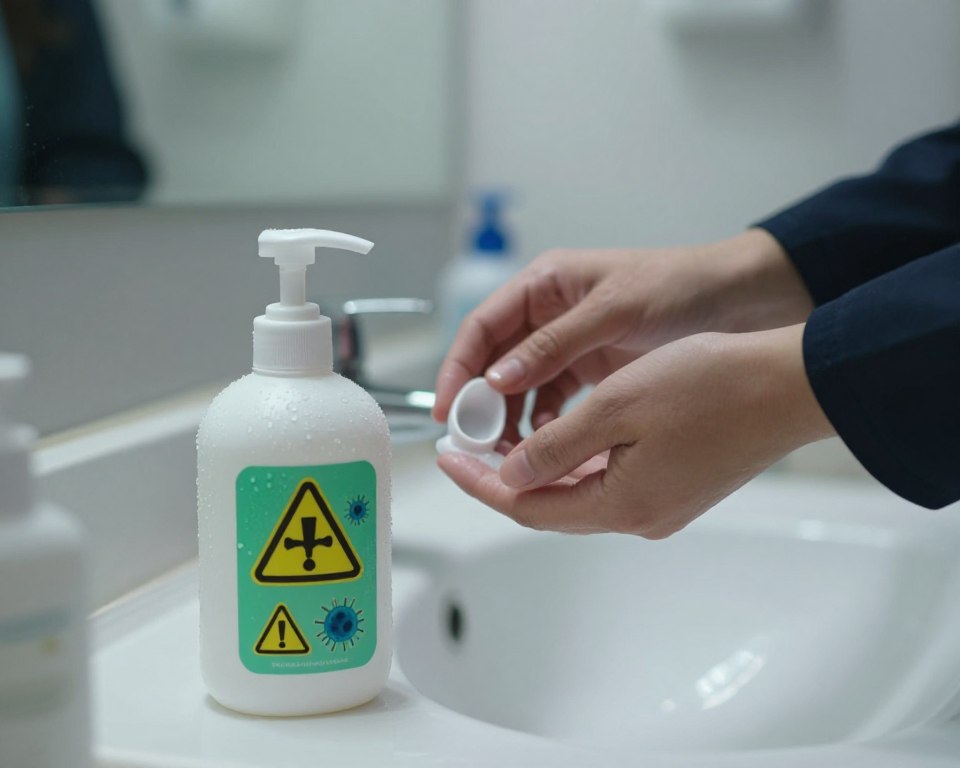
Frequent use of antibacterial products brings risks that many people overlook. Small, repeated exposures to active chemicals can change how microbes respond to medicines and affect skin health.
Antibiotic Resistance Concerns
Laboratory studies link triclosan to the development of bacterial resistance. Over time, resistant strains make infections harder to treat and raise public health stakes.
“Research suggests certain chemicals may promote resistance to antibiotics.”
Skin Health and Natural Oils
Overuse can strip natural oils and reduce beneficial skin bacteria. This may cause dryness, irritation, and tiny cracks that let pathogens enter.
- Research shows triclosan may contribute to resistance.
- Cons: loss of healthy skin flora and increased dryness.
- Pros: killing germs is possible, but benefits for everyday home use are unclear.
- Use a skip antibacterial soap approach for routine hand care; reserve sanitizers for when water isn’t available.
Mastering Effective Handwashing Techniques
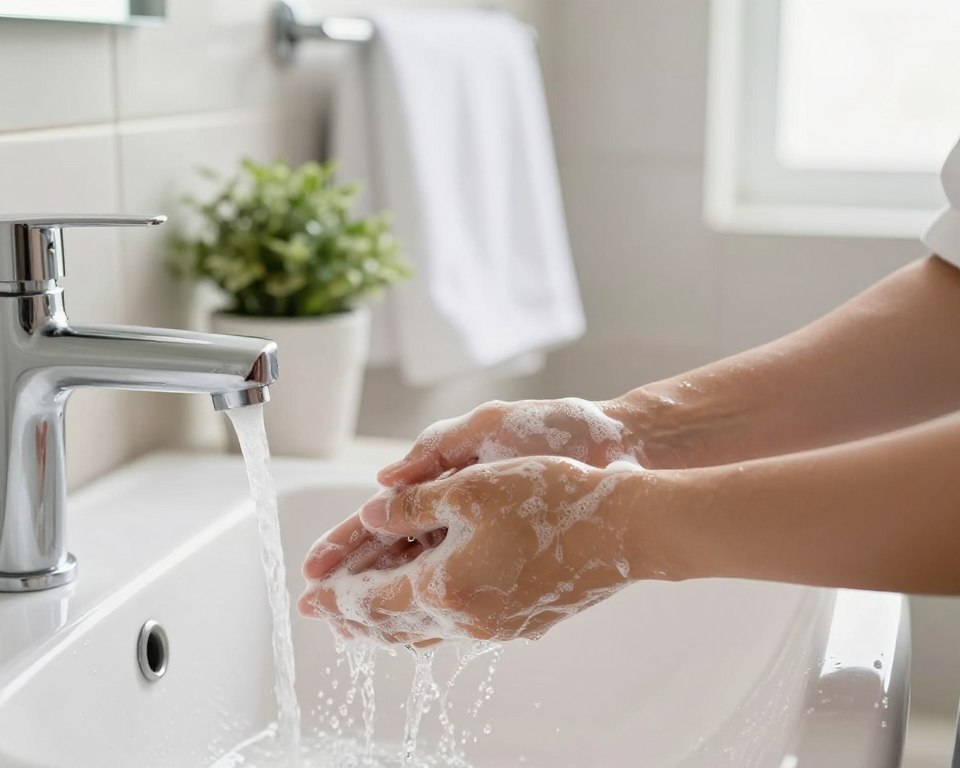
Mastering a few specific motions cuts germs more reliably than product labels do.
Most people wash hands incorrectly — the CDC estimates about 95% make common mistakes. To be effective, scrub for at least 20 seconds. Cover palms, backs, between fingers, and under nails.
Use water and a small amount of soap or a bar soap and lather well. Rinse thoroughly and dry with a clean towel to reduce transfer of microbes.
- When to use hand sanitizer: if water is unavailable, choose a sanitizer with 60% alcohol and apply enough to coat all surfaces.
- Rub for 20 seconds: continue until hands feel dry — this ensures the sanitizer works.
- Simple care tip: avoid overuse of harsh chemicals that irritate skin; damaged skin traps germs.
Practice these ways and teach children the steps. For a clear demo and timing tips see proper handwashing. Good technique protects health more than product claims.
Conclusion
For everyday hygiene, evidence supports method over marketing claims. Plain soap and water, when used correctly, remain the most effective way to reduce germs on hands. Focus on rubbing for at least 20 seconds, rinsing well, and drying.
Consumers should prioritize thorough handwashing technique rather than relying on products that add unnecessary chemicals. The FDA continues to review ingredients and offers guidance — see its consumer update on plain soap and.
Research on skin community changes after use appears in a skin microbiome study, underscoring the need for measured product use.
Image Disclosure: Some images on safeortoxic.com may be AI-generated or digitally enhanced for education and should not replace professional evaluation.
FAQ
Is antibacterial soap actually safer than regular soap?
Most evidence shows plain cleansing products with water remove germs as effectively as antimicrobial formulations for routine handwashing. Antimicrobial agents—like triclosan—may reduce some bacteria on skin, but they have not consistently lowered illness rates in community settings. For everyday use at home, washing for at least 20 seconds with a non‑medicated product and running water is the recommended approach.
What is plain soap?
Plain cleansers are products formulated to lift oils, dirt, and microbes from skin so they rinse away with water. They rely on surfactants—molecules that break surface tension—rather than added biocides. Bar and liquid variants perform similarly when used correctly; the key is friction and adequate rinsing.
How do products labeled antibacterial differ from plain cleansing products?
Antimicrobial products contain chemicals intended to kill or inhibit microbes, such as triclosan or benzalkonium chloride. These ingredients add a germ‑killing claim beyond the mechanical removal provided by surfactants and water. Regulatory oversight varies depending on formulation and intended claims.
Do regulatory agencies control antimicrobial ingredients?
Yes. In the U.S., the Food and Drug Administration (FDA) has evaluated active ingredients used in consumer wash products. After review, several agents were restricted or required additional safety data. Manufacturers must comply with labeling and safety rules when making therapeutic claims.
Can using antimicrobial products contribute to antibiotic resistance?
There is concern that widespread use of certain biocides can select for resistant organisms or cross‑resistance to antibiotics in some settings. Evidence in everyday household use is limited, but experts advise reserving medicated formulations for clinical needs rather than routine home cleaning to limit potential risks.
Do antimicrobial washes harm skin or natural oils?
Repeated or harsh use of products with strong biocides or detergents can disrupt skin barrier lipids, causing dryness, irritation, or dermatitis in sensitive individuals. Using mild surfactants, moisturizing after washing, and choosing fragrance‑free options reduces skin stress while maintaining cleanliness.
How should people wash hands to minimize illness risk?
Wet hands, apply a sufficient amount of cleanser, lather for at least 20 seconds covering all surfaces, rinse thoroughly, and dry with a clean towel. If soap and water are unavailable, use an alcohol‑based hand rub with at least 60% ethanol or isopropanol.
Are hand sanitizers a good substitute for washing hands?
Alcohol‑based sanitizers are effective for many germs and are convenient when water is not available. They are less effective on visibly soiled or greasy hands and do not remove certain chemicals. Soap and water remain the preferred method when hands are dirty.
When are antimicrobial washes appropriate?
Antimicrobial products are appropriate in healthcare settings, for certain wound care, or when a clinician recommends them. For routine household hygiene, evidence favors standard cleansing with proper technique over daily use of medicated products.
How can consumers evaluate product safety and claims?
Check ingredient lists for known active agents (for example, triclosan), look for regulatory approvals or guidance, and prefer brands that provide transparent safety data. If in doubt, consult a pharmacist or healthcare provider—especially for use with children or on broken skin.