
Surprising fact: up to 60% of new mothers report noticeable changes to their skin during pregnancy and the postpartum period, and many wonder which products to keep using.
The question of topical salicylic acid during breastfeeding prompts practical concern. Carly Jennings, MD, OB-GYN, and Matthew Stephany, MD, dermatologist, offer clinical guidance for managing postpartum skin changes.
Most over-the-counter skincare products remain appropriate for nursing women, but evaluating ingredients matters. This guide reviews the evidence-based way to assess products for acne, general skin care, and body treatments while protecting maternal and baby health.
Readers will learn how experts weigh risks, when to pause a product, and simple steps to reduce exposure while keeping a routine that supports skin recovery after pregnancy.
Key Takeaways
- Pregnancy and postpartum cause common, reversible skin changes.
- Clinicians agree many OTC products are acceptable for nursing mothers.
- Check ingredient lists and limit high‑strength treatments when possible.
- Discuss persistent acne or reactions with an OB‑GYN or dermatologist.
- Prioritize low‑risk skincare steps that support both mother and baby health.
Understanding Skin Changes During the Postpartum Period

The weeks after pregnancy bring a cascade of hormonal changes that affect skin health.
Progesterone and estrogen rise during pregnancy and their production shifts again after delivery. These changes can prolong conditions like melasma or trigger increased oiliness and breakouts.
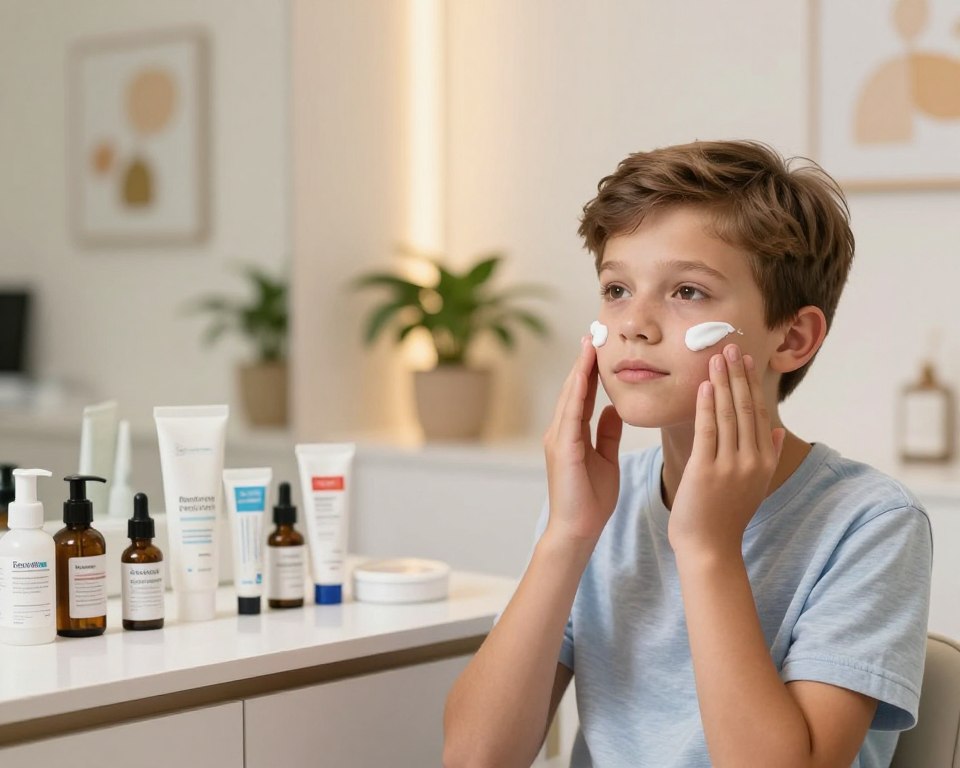
Many women notice more acne or unexpected dryness in the postpartum period. The skin may need different products and gentler routines while hormone levels stabilize.
Practical adjustments—simpler routines, nonirritating cleansers, and targeted moisturizers—help manage symptoms without aggressive treatments.
These changes are common and usually temporary. If a condition persists or worsens, consult a clinician to balance effective skincare with the health of both mother and baby.
Is Salicylic Acid Safe Breastfeeding?

Practical guidance on topical treatments during nursing centers on concentration, placement, and frequency of use.
Low-Dose Topical Application
Low-strength products (about 2% or less) are generally recommended for treating postpartum breakouts on the face. The American College of Obstetricians and Gynecologists indicates that low-dose topical use is acceptable for nursing patients.
Avoid applying product to the breast or areola. Keep contact areas away from where an infant may latch to reduce any chance of transfer into milk or onto the baby’s skin.
Risks of Systemic Absorption
Systemic absorption from topical application is minimal, which lowers overall risk compared with oral treatments. A 2013 study notes that high doses can be problematic, so awareness of concentrations matters.
- Use low concentrations and limited frequency.
- Wipe any excess from the chest before nursing.
- Ask a clinician if you have questions about a specific product or ongoing treatment.
Guidelines for Topical Acne Treatments

Simple, evidence-based steps reduce transfer risk when using topical treatments while nursing.
Use low concentrations for face serums and spot treatments. Low-dose salicylic use (under two percent) is typically acceptable, but avoid high concentrations and long-contact peels.
Topical antibiotics such as clindamycin often pair with other agents for best results. Benzoyl peroxide and azelaic acid are commonly recommended and are acceptable when kept off the chest.
“Avoid applying acne products to the breast or areola and wipe the chest before nursing.”
Practical steps:
- Avoid product contact with the baby’s skin or mouth.
- Wipe any residue from the chest before feeding.
- Consult a provider for persistent acne or melasma while pregnant or nursing.
| Product type | Typical concentration | Notes for use |
|---|---|---|
| Benzoyl peroxide | 2.5%–5% | Keep off breast; spot treat face only |
| Azelaic acid | 10%–20% | Well tolerated; good for melasma and acne |
| Topical clindamycin | 1% (common) | Often combined with other treatments |
Ingredients to Avoid While Nursing

Some common dermatology treatments pose higher risks for nursing mothers and merit avoidance. Review product labels and prioritize low‑transfer options to protect milk and infant contact.
Retinoids and isotretinoin
Retinoids and isotretinoin are linked to significant fetal and infant risks. These vitamin A–based drugs should not be used during pregnancy or while nursing.
Hydroquinone concerns
Hydroquinone shows high dermal absorption—about 35% to 45%—so exposure should be limited in pregnancy and lactation.
Avoid products with hydroquinone or consult a clinician before use, especially for large‑area or body applications.
Oral medications and topical cautions
Oral acne drugs such as spironolactone need medical review before use because of possible effects on the nursing baby.
Benzoyl peroxide is acceptable for face spot treatment, but keep it off the breast to prevent contact with milk or infant skin.
- Check ingredient lists for retinol, hydroquinone, and systemic acne agents.
- Limit body or chest application to reduce transfer risk to milk.
- When in doubt, seek advice from an OB‑GYN or dermatologist about product choice.
Safe Skincare Alternatives for New Mothers
Choosing low‑transfer, gentle options helps protect skin while reducing contact with an infant. Focus on products that limit systemic absorption and are easy to remove from the chest before feeding.
Mineral-Based Sunscreens
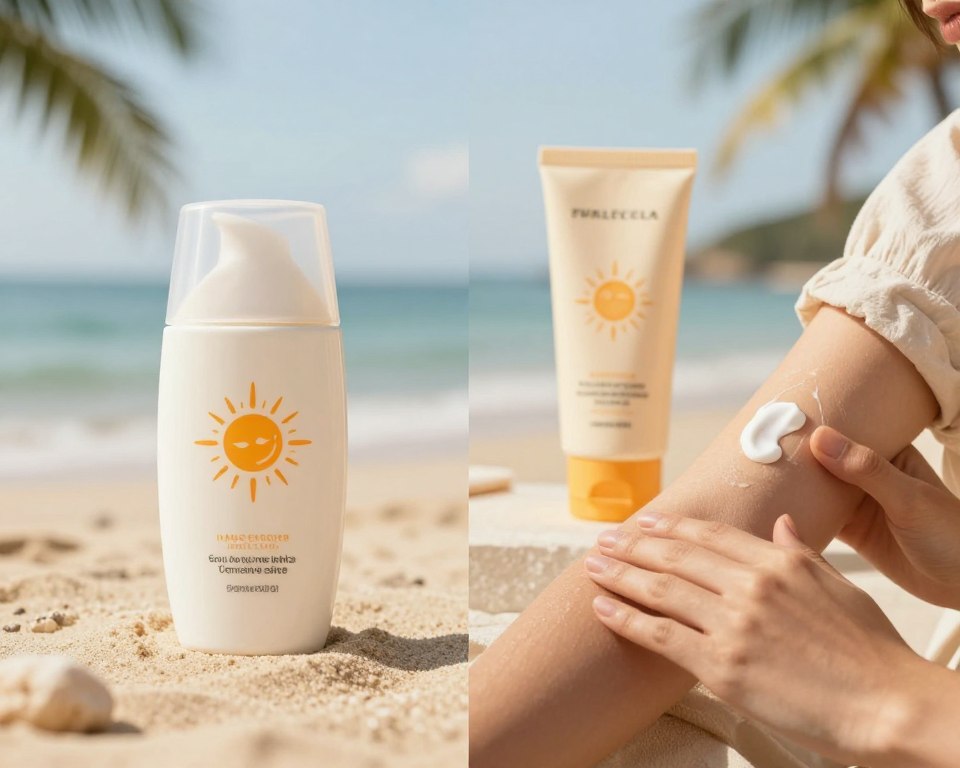
Zinc oxide and titanium dioxide offer broad UV protection and are recognized by the FDA as effective. These mineral filters sit on the skin surface rather than penetrating, lowering the chance of transfer to milk or baby.
For acne or melasma, clinicians often suggest azelaic acid and low‑level vitamin A formulations as alternatives to stronger treatments. Use these products on the face only and avoid direct contact with the breast.
Limit potent serums and body treatments in areas where an infant may touch. Wipe any product residue from the chest before nursing and consult a clinician before adding aspirin or prescription regimens.
Practical tip:Choose nonirritating, fragrance‑free skincare and apply at times that reduce baby contact—such as after a feeding or before a longer awake period.
Image Disclosure and Medical Disclaimer
Some images on safeortoxic.com may be AI-generated or digitally enhanced to clarify clinical points and improve understanding.
These visuals are for education only. They support patient learning and illustrate typical findings, not to replace clinical judgment.
Do not use images for self-diagnosis. Visual aids cannot substitute for an in-person exam or lab testing.
“Images are intended to support patient understanding and should not be used as a substitute for professional medical evaluation.”
- Images may include digital edits or generative elements to highlight features.
- They are intended for educational use and should not guide treatment decisions alone.
- For specific medical concerns, schedule an appointment or call 800.922.0000 to speak with a qualified provider.
- The information on safeortoxic.com offers general guidance and does not replace personalized clinician advice.
- Always consult a medical professional before changing your skincare or treatment routine, especially during pregnancy or nursing.
Best Practices for Your Daily Skincare Routine
Small timing and product choices can keep skincare effective without increasing infant exposure.
Establish a consistent routine that fits your schedule. Apply cleansers and moisturizers at predictable times to reduce missed steps and irritation.
Use gentle, low‑transfer ingredients. Consider azelaic acid or low‑level vitamin A formulations for acne and collagen support. Keep treatments off the chest and body areas where a baby may touch.
Always apply active serums or spot treatments after nursing. Wipe any residue from the breast before the next feed to limit contact with milk and baby skin.
Monitor concentrations to avoid irritation. Start with lower strengths and increase only if tolerated and recommended by a clinician.
If you take aspirin or other medications, confirm they fit a plan approved by your health provider.
“A predictable, simple routine reduces irritation and protects both mother and infant.”
Practical advice: choose fragrance‑free products, set application times away from feeds, and consult a clinician for any treatment choice. For general guidance on product selection during pregnancy and nursing, review these skin care dos and don’ts.
Conclusion
Good postpartum skincare treats common concerns while limiting transfer to milk and infant contact. Mothers can manage acne and other skin issues by choosing low‑transfer products and timing applications away from feeds.
Low‑dose salicylic acid is generally acceptable for facial use, but avoid high‑strength treatments and any product applied to the chest or areola. Wipe the area before feeding to reduce residue.
When uncertain about ingredients—especially retinol or stronger topical options—consult a clinician. For practical tips and community guidance, see this safe skincare guidance.
Stay informed and cautious. Thoughtful product choice and provider advice let mothers support their own skin while protecting the baby.
FAQ
Is salicylic acid safe to use while breastfeeding?
Topical use in low concentrations—such as daily face cleansers or spot treatments under 2%—is commonly considered low risk because very little reaches the bloodstream. Apply to small areas, avoid broken skin, and wipe hands after use. If using higher concentrations or leave-on treatments over large body areas, consult a clinician first.
What skin changes are common during the postpartum period?
Hormonal shifts after delivery can cause acne flares, increased oiliness, dryness, pigmentation changes like melasma, and sensitivity. These usually improve over time, but some conditions persist and benefit from tailored care with a dermatologist or pharmacist.
How does low-dose topical application affect nursing safety?
Low-dose, short-contact products have minimal systemic absorption. When used on the face in small amounts, transfer into breast milk is unlikely. To be cautious, avoid applying active treatments to the chest or areola and remove any residue before nursing.
What are the risks of systemic absorption from topical treatments?
The main risk arises when strong formulations, occlusion, large surface areas, or damaged skin increase absorption. That can raise blood levels and theoretical transfer to milk. Such scenarios are uncommon with typical over-the-counter skincare but warrant professional advice if they apply.
Which topical acne treatments are recommended for nursing mothers?
Gentle cleansers, benzoyl peroxide in limited use, azelaic acid, and topical antibiotics prescribed by a provider are generally preferred. Use products on the smallest effective area and follow label directions. Sunscreen—preferably mineral-based with zinc oxide or titanium dioxide—is encouraged daily.
Which ingredients should nursing mothers avoid?
Avoid oral isotretinoin entirely due to severe risks. Topical and oral retinoids are typically discouraged because of insufficient safety data. High-dose hydroquinone has limited data and is often avoided. Consult a dermatologist before using potent actives.
Are oral acne medications safe during breastfeeding?
Many oral options require specialist oversight. Doxycycline and minocycline may be used selectively, but isotretinoin is contraindicated. Antibiotic choice and duration should be guided by a prescriber experienced in lactation considerations.
What sunscreen options are safe for nursing parents?
Mineral sunscreens containing zinc oxide or titanium dioxide are preferred because they sit on the skin surface and have negligible systemic absorption. Chemical filters can be used on the face if desired, but avoid applying any sunscreen to the nipple area prior to feeding.
Are there practical steps to reduce transfer of topical actives to an infant?
Yes. Apply products to clean, dry skin away from the chest. Use small amounts, allow full drying, wash hands after application, and cover treated areas with clothing if possible. If using larger-area treatments, time applications for periods away from feeding and talk with your provider.
What should be disclosed about images and medical information on skincare resources?
Images are illustrative and not a substitute for clinical assessment. Medical content should include a disclaimer clarifying that guidance is informational, not individualized medical advice, and that a licensed clinician should be consulted for personal recommendations.
What are best practices for a daily skincare routine while nursing?
Keep routines simple: gentle cleanser, noncomedogenic moisturizer, mineral sunscreen, and targeted treatments used sparingly. Track skin changes, prioritize hydration and sun protection, and seek professional input before starting potent actives like high-dose hydroquinone or prescription retinoids.