Nearly 1 in 3 Americans report at least one painful sunburn each year — a surprising number that shows how common post‑sun care questions are.
Many readers ask whether a popular plant extract product with added scent or alcohol will soothe or irritate damaged skin. Dermatologists and pharmacists advise checking ingredients in your sunscreen and after‑sun care to avoid compounds that can sting.
Stephanie Papanikolas stresses ingredient literacy: understanding labels helps prevent further irritation. This brief guide looks at how a topical plant extract product and its additives interact with injured skin after time in the sun.
Expect evidence-based tips on when to use a cooling gel, which additives to avoid, and how to choose a vera gel product that matches your skin needs. The goal is clear: reduce pain, limit inflammation, and support recovery without causing more harm.
Key Takeaways
- Check labels — additives like alcohol or fragrance can irritate tender skin.
- Use a product that focuses on gentle, minimal ingredients after sun exposure.
- Sunscreen choice matters for prevention; aftercare matters for healing.
- Consult a clinician if blisters, severe pain, or fever appear after a burn.
- Choose a vera gel product matched to your skin type and sensitivity.
Understanding the Role of Aloe Vera in Skin Care
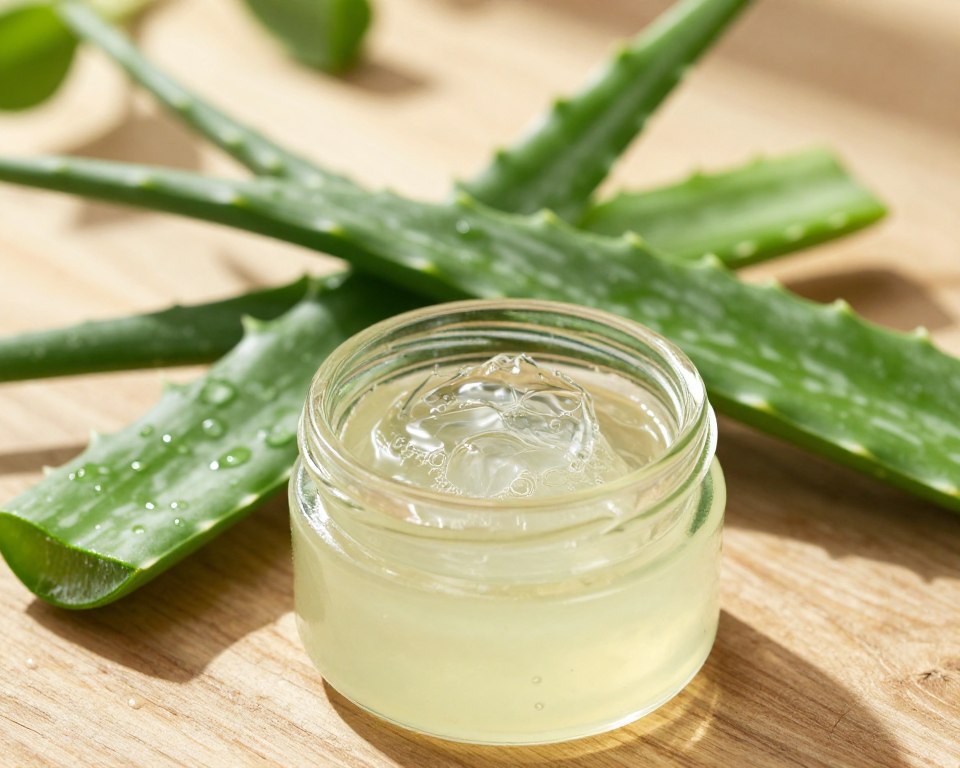
Understanding what a topical plant extract contains helps prevent irritation and guides better aftercare.
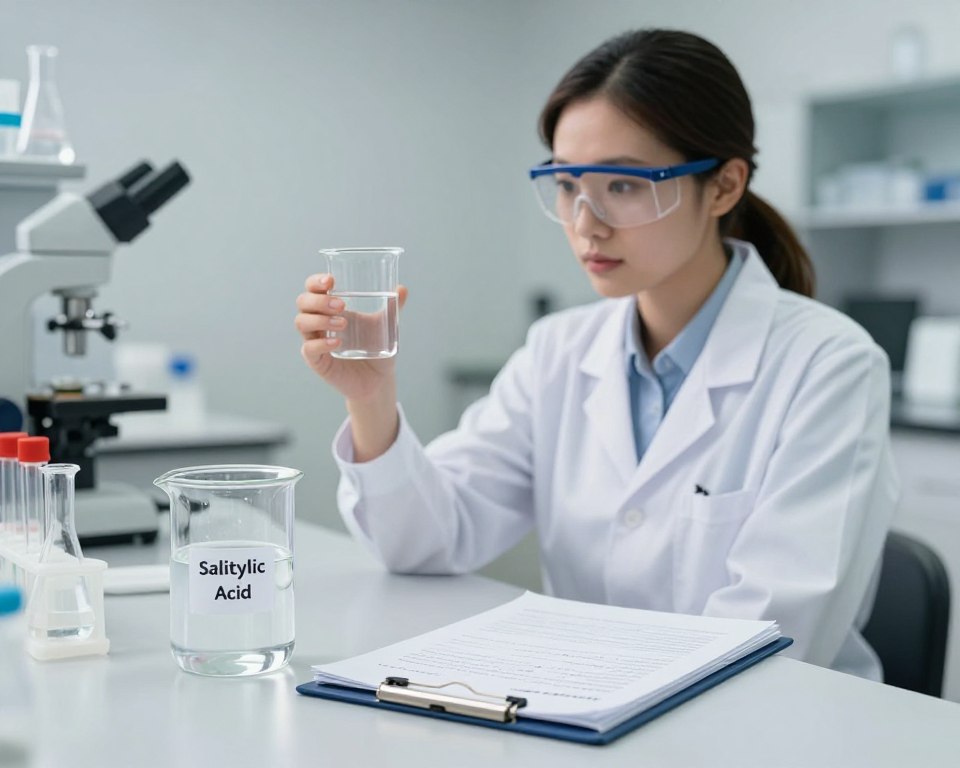
The aloe vera plant—listed on labels as aloe barbadensis leaf juice—has a long history in skin care. It contains salicylic acid, which may help treat breakouts and reduce inflammation.
Using aloe for minor irritations leverages natural antiseptic agents found in the succulent leaf. Experts note the vera plant shows activity against certain bacteria, fungi, and viruses, which supports its role in routine skin care.
Regular use can promote relief from small irritations and help maintain healthy skin. Still, product formulation matters: additives change effects on tender skin.
Benefits of the Extract
- Anti‑inflammatory compounds that calm redness.
- Salicylic acid content that may help acne control.
- Natural antiseptic and moisturizing elements.
Natural Properties at a Glance
| Property | Mechanism | Practical Effect |
|---|---|---|
| Salicylic acid | Exfoliates pores | May reduce breakouts |
| Antiseptic compounds | Inhibit microbes | Lower infection risk in minor cuts |
| Hydrating polysaccharides | Attract moisture | Support skin barrier |
Is Aloe Vera Gel Fragrance Safe Sunburn Relief
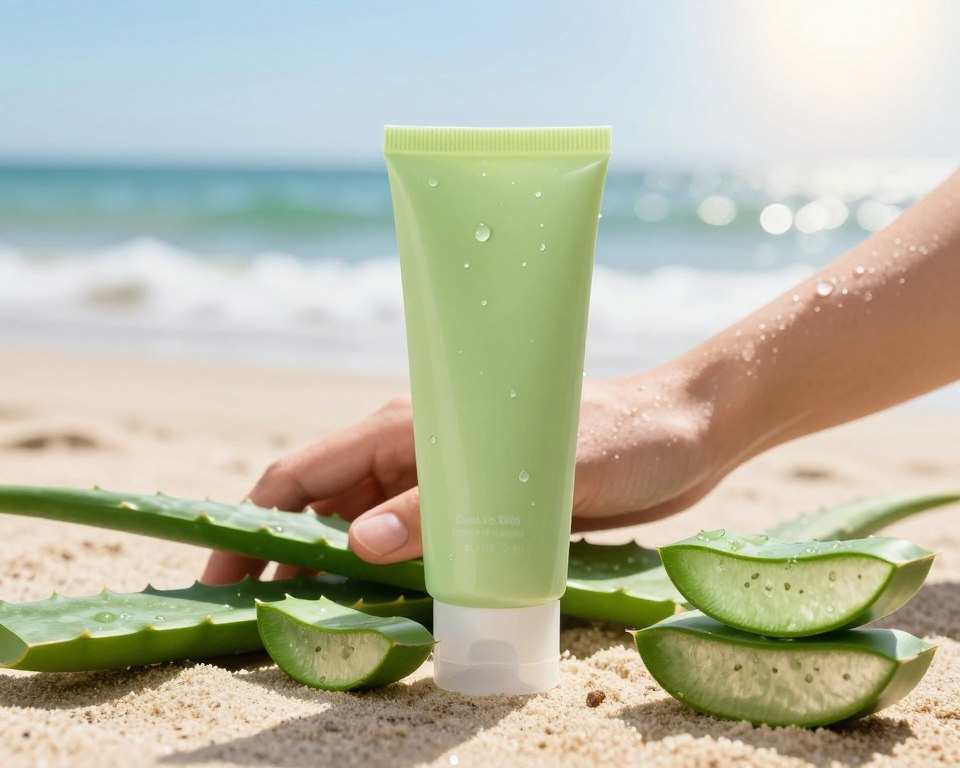
Not all cooling after‑sun preparations are equal — ingredients decide whether relief or irritation follows.
Clinical evidence for plant extract products in healing sunburn is limited. That means consumers should favor caution when choosing an over‑the‑counter gel.
Check labels for alcohol and added scent. Alcohol can sting and worsen pain on damaged skin. Fragrances may trigger an allergic reaction or irritation.
Before applying to a broad area, perform a patch test on a small, hidden spot. Wait 24 hours to watch for redness, itching, or swelling.
- Prioritize fragrance‑free, alcohol‑free formulas for post‑sun care.
- Pure extract preparations often provide a cooling feel without extra irritants.
- Seek medical advice if blisters, fever, or severe pain develop.
| Factor | Why it matters | Practical choice |
|---|---|---|
| Alcohol | Dries and can increase stinging on injured skin | Avoid if skin is red or blistered |
| Added scent | Can provoke allergic reaction or irritation | Pick fragrance‑free products |
| Pure extract content | Offers cooling and moisture without extras | Use high‑purity formulations and patch test |
Why Fragrance and Alcohol Can Aggravate Sunburns
Many over-the-counter after‑sun products use additives that create a cooling feel but can worsen injured skin.
The Cooling Sensation Trap
Alcohol often causes a quick tingle that users mistake for relief. That sting comes from volatile solvents that cool by evaporating. The same action strips natural oils and moisture from fragile tissue.
Stephanie Papanikolas notes,
“Childhood memories of ‘cooling’ lotions often include a sharp sting — that is commonly due to alcohol, not healing.”
- Alcohol can intensify pain and delay repair.
- Drying increases risk of peeling and prolonged redness.
- High‑alcohol formulas may cause immediate sharp pain on broken or blistered areas.
| Ingredient | Typical effect | Practical advice |
|---|---|---|
| Alcohol | Temporary cool, long‑term drying | Avoid on open or tender areas |
| Added scent | May irritate or trigger allergy | Choose low‑additive products |
| High purity extract | Cooling without solvents | Patch test first and monitor effects |
Identifying Irritating Ingredients in Common Lotions
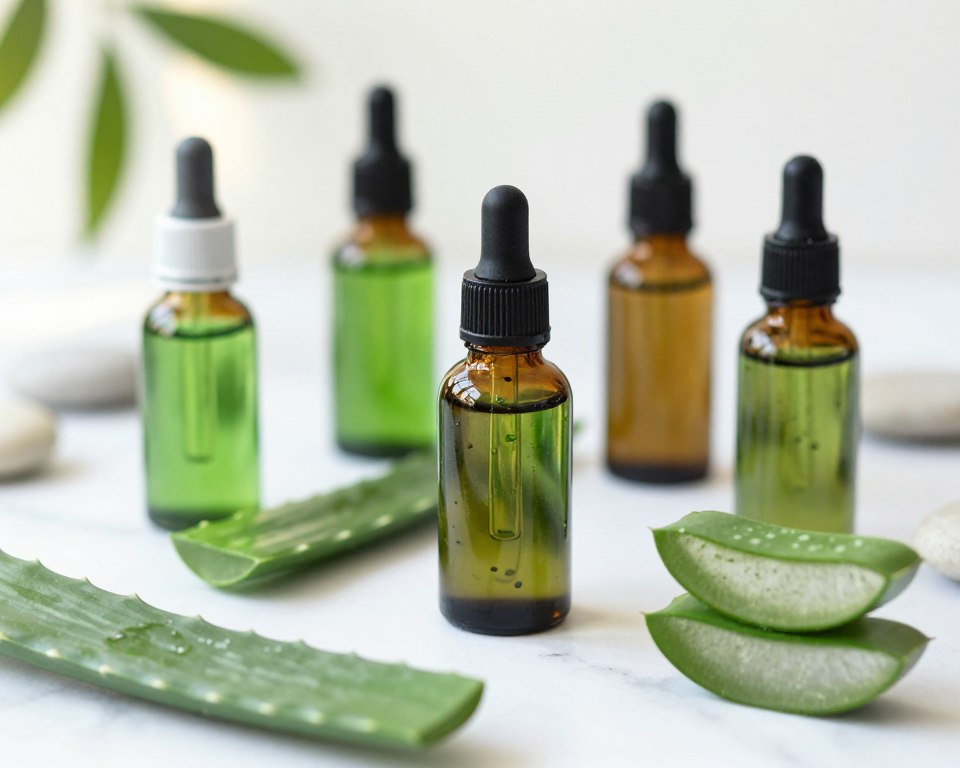
Careful label reading helps shoppers spot additives that may worsen tender skin.
Look for potential irritants: alcohols, synthetic dyes, and added scent agents often appear near the top of ingredient lists. These can sting, dry, or provoke allergic reactions when applied to recently damaged areas.
Choose hydrating formulas that emphasize simple moisturizers and humectants instead of masking smells. A quality lotion supports the skin barrier and soothes without extra chemicals.
- Prioritize products that list short, familiar ingredients.
- Avoid lotions with multiple colorants or long perfume ingredients.
- Select gels or lotions labeled for sensitive skin and check for alcohol‑free wording.
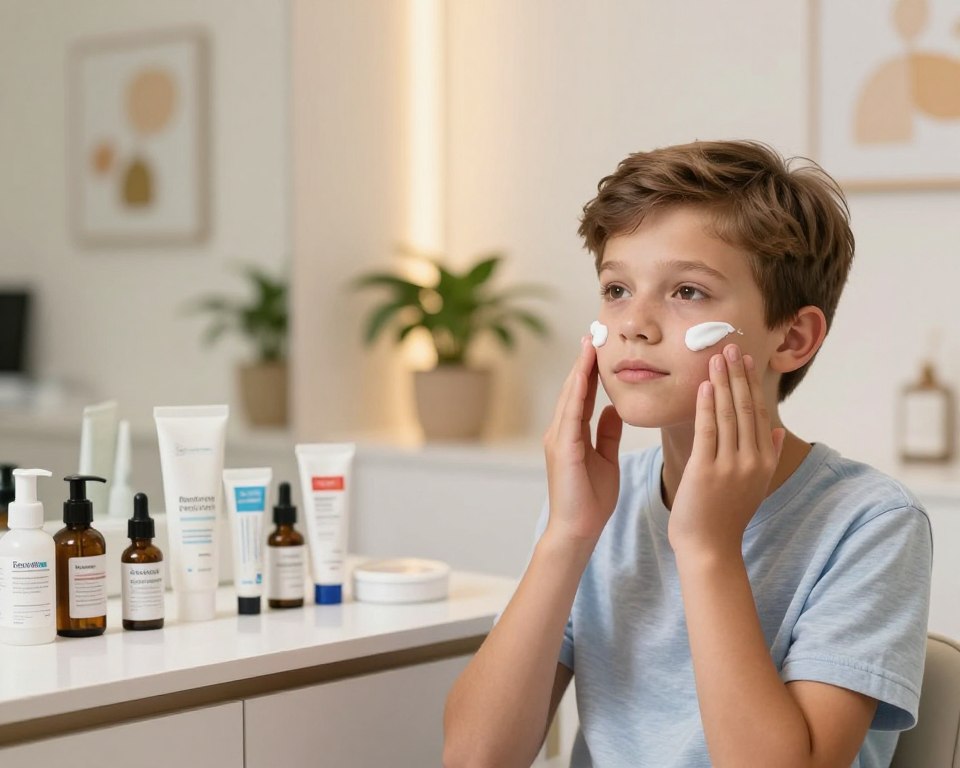
Final check: always patch test a new product on a small area and read labels carefully. Doing so helps pick aloe vera lotions and vera lotions that support recovery without causing added inflammation.
How to Properly Apply Raw Aloe Vera
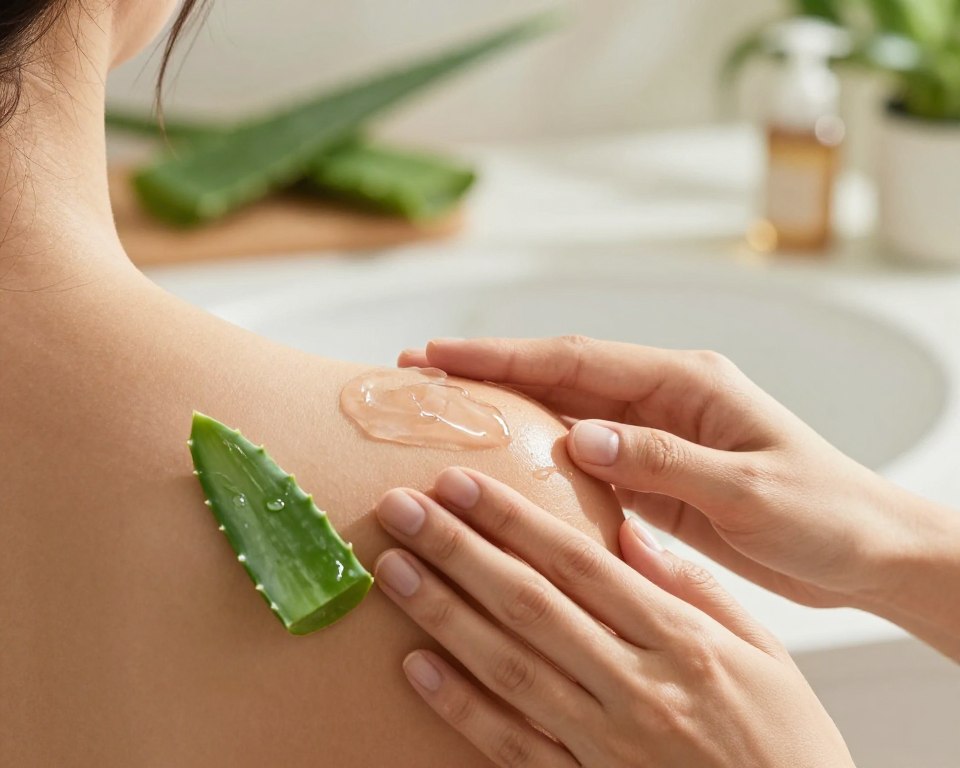
Working with raw plant flesh calls for hygiene and gentle technique to maximize cooling and reduce risk.
Harvesting Fresh Leaves
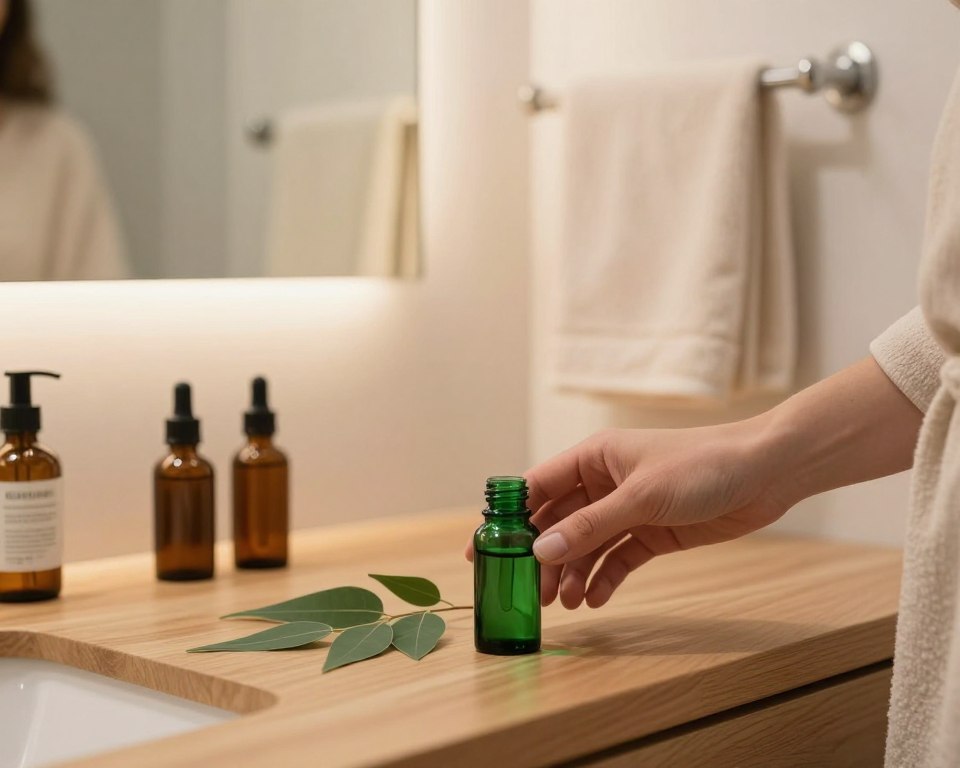
Cut a mature leaf from the outer edge of the vera plant. Rinse the leaf to remove dirt.
Slice the tip and drain yellow sap. Use a sharp knife to split the leaf and expose the clear pulp.
Application Techniques
Apply the pulp carefully. You can touch the cool side of the leaf directly to skin for a quick, pure contact method.
Or use a spoon or knife to lift raw gel and spread it gently on the affected area. Avoid rubbing hard.
“Harvesting raw aloe from a fresh leaf allows you to apply the gel directly to your skin for maximum purity and effectiveness.”
- Harvested pulp avoids additives in commercial vera gel products.
- If no home plant exists, fresh leaves often appear at the grocery store for purchase.
- Patch test a small area before covering large regions of skin.
| Step | Why it matters | Tip |
|---|---|---|
| Clean cut | Reduces contamination | Rinse leaf, discard sap |
| Direct contact | Immediate cooling effect | Press leaf pulp gently on skin |
| Transfer method | Controls amount applied | Use utensil to spread pulp |
Immediate Steps for Managing Sunburn Pain
A prompt cool water rinse is the simplest step to ease pain and limit tissue damage.
Take a cool shower or bath for about 20 minutes. That lowers skin temperature and reduces inflammation. Short, steady cool water works better than a brief splash.
Avoid ice packs or direct ice. Ice can damage sensitive tissue and cause an even more severe reaction.
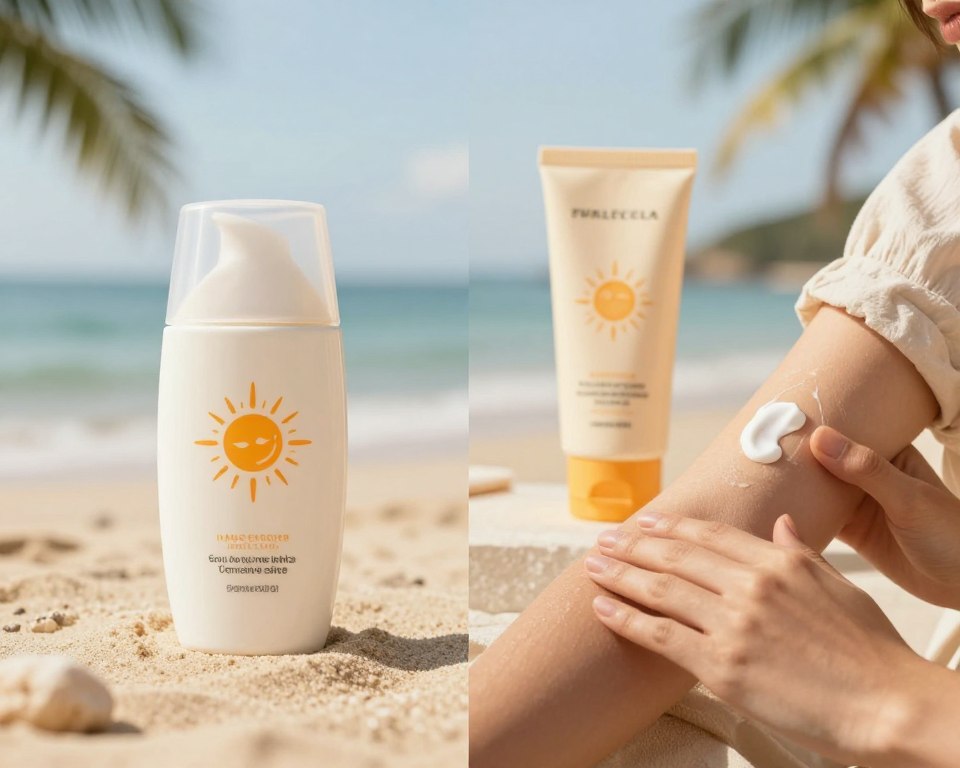
If still outdoors, reapply sunscreen and move to shade to prevent further damage. Sunscreen helps protect nearby skin while injured areas recover.
Many people find temporary relief from over‑the‑counter NSAIDs, such as aspirin or ibuprofen. These ease pain and reduce swelling but do not heal sunburn.
Watch the area for signs of an allergic reaction or severe blistering. Seek medical care if fever, spreading redness, or large blisters develop.
For additional at‑home options and gentle topical choices, consult resources that explain how to treat sunburn and choose the right post‑sun product, such as how to treat sunburn.
| Action | Why it helps | When to seek care |
|---|---|---|
| Cool shower (20 min) | Reduces heat and pain | If pain persists after 48 hours |
| Avoid ice | Prevents frost injury | If numbness or worsening occurs |
| NSAIDs | Temporarily lowers pain/inflammation | When fever or infection signs appear |
Selecting the Right Moisturizer for Damaged Skin
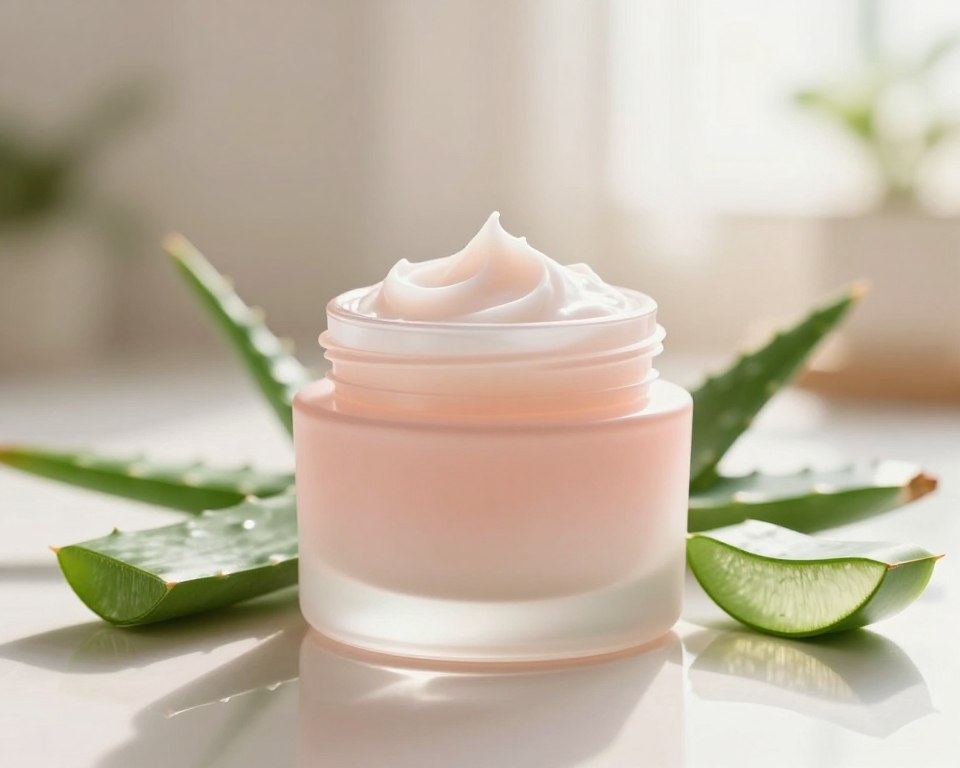
Choose a moisturizer that supports barrier repair rather than masking discomfort with heavy scents or drying solvents. Look for formulas that combine humectants and oils to restore moisture and reduce peeling.
Alcohol-Free Formulas
Avoid alcohol-based lotions after heat injury; they can sting and dry the surface. Instead, pick alcohol-free products labeled for sensitive skin to promote gentle recovery.
Soothing Botanical Extracts
Botanical extracts such as chamomile or witch hazel leaf may calm redness and add relief. Check ingredient lists and favor short, familiar names to lower the risk of irritation.
Oil-Based Hydration
Oils like jojoba and avocado help rebuild the skin’s natural moisture barrier. Pair oil-based hydration with glycerin for humectant action—this draws water into tissue after a cool shower.
- Prefer gels and lotions sold at a pharmacy or department store that state “alcohol-free” and “for sensitive skin.”
- When choices are limited, select a high-purity aloe vera gel or vera gel product and patch test first.
- A good moisturizer keeps your routine simple and supports repair without extra ingredients that may cause harm.
The Importance of Patch Testing New Products
Testing a small area first helps reveal sensitivity to unfamiliar ingredients. A quick patch test can prevent a much larger reaction when a product is applied to broad areas.
How to patch test:
- Apply a pea‑size amount to a discreet spot of skin, such as the inner forearm.
- Wait 24 hours and check for redness, itching, or swelling.
- If no reaction appears, try a second 24‑hour check after light washing.
This step is essential when using aloe or vera extracts and other topical items. Individual sensitivity varies, and even common skin care products can cause irritation.
“A short patch test is the simplest, most effective way to protect skin from unexpected reactions.”
Prioritize safety: always read labels for active ingredients and perform a test before full‑body use. For detailed methodology and timing, consult this patch test guidance.
Avoiding Dangerous Ingredients Like Benzocaine
Hidden numbing ingredients in after‑sun products may be hazardous when applied to damaged tissue. Benzocaine and other ‘-caine’ compounds can trigger a sudden, severe allergic reaction in some people.
Even natural plant remedies can be altered by added chemicals. A product that lists aloe or vera on its label might still contain numbing agents or other active drugs.
Reading labels matters. Check both sunscreen and after‑care items for any ‘-caine’ name on the ingredient list before applying to tender skin.
- Do not use creams that list benzocaine, lidocaine, or related anesthetics on sun‑injured areas.
- Remember that commercial formulations can add problematic agents to a simple gel.
- If unsure, stop use and contact a healthcare provider to confirm product safety for your skin.
| Risk | Why it matters | Action |
|---|---|---|
| Benzocaine / ‘-caine’ agents | Can cause life‑threatening allergic reaction | Avoid products listing these names |
| Added active numbing drugs | May worsen damaged tissue response | Choose simple, minimal‑ingredient formulations |
| Label uncertainty | Hidden compounds possible in commercial mixes | Consult pharmacist or clinician before use |
Image Disclosure and Educational Limitations
Some images on safeortoxic.com may be AI-generated or digitally enhanced to improve clarity and support learning. This editing process helps highlight features but does not replace clinical assessment.
Use visuals for orientation only. They are intended to assist patient understanding and teaching. Do not use them to self-diagnose or to make treatment decisions.
- Some images may be AI-created or digitally adjusted for illustration and clarity.
- Visual aids support the learning process but are not clinical evidence.
- Information on safeortoxic.com empowers users but does not replace a clinician’s judgment.
- Seek medical evaluation for rashes, severe reactions, or uncertain symptoms.
- Contact a qualified healthcare provider if you suspect an adverse response to a product.
| Disclosure Point | Why It Matters | Recommended Action |
|---|---|---|
| Image editing | May alter appearance of lesions or textures | Rely on clinical exam, not image alone |
| AI generation | Can simplify or exaggerate details | Use as illustrative guide only |
| Educational intent | Designed to teach, not diagnose | Consult a clinician for medical decisions |
Conclusion
Best outcomes come from simple, tested steps that protect healing skin and reduce pain.
Prioritize alcohol‑free and fragrance‑free options—choose a high‑purity aloe product or a minimal‑ingredient vera preparation that delivers hydrating relief without added irritants.
When applying, perform a patch test and favor a gentle moisturizer rather than strong solvents. Consider raw use or a 99% pure gel if available; this approach may help heal sunburn while limiting stinging.
Follow the process slowly: cool the area, use light hydration, and stop if irritation appears. For ongoing concerns about your skin or persistent sunburn, consult a healthcare provider.
Learn more about pure after‑sun options at pure after‑sun options.
FAQ
Is aloe vera gel with added fragrance safe for sunburn?
Products that combine plant-derived gel with added scent can irritate damaged skin. Fragrances—especially synthetic ones—are common contact allergens and may increase pain, redness, and peeling on dermis injured by UV. Choose unscented, alcohol-free preparations or pure leaf extract when treating inflamed skin, and stop use if burning or itching worsens.
What are the main benefits of using aloe in skin care?
The clear leaf extract provides hydration, mild anti‑inflammatory effects, and a cooling feel that can soothe heat‑damaged skin. It supplies water and small amounts of polysaccharides that help maintain moisture and support epidermal comfort while the barrier repairs.
What natural properties make plant leaf extract useful after UV exposure?
The extract contains humectant molecules and compounds with weak anti‑inflammatory activity. These properties reduce tightness and help skin retain moisture—important for comfort and healing after overexposure to sunlight. However, it is not a substitute for medical care for severe burns.
Can fragranced formulations be used for sunburn relief?
Fragranced formulations are not recommended for acute UV injury. Added scent ingredients raise the risk of allergic contact dermatitis and stinging. Opt for fragrance‑free products labeled for sensitive or burned skin and inspect the ingredient list for alcohols and essential oils that can be drying or irritating.
Why do some products feel cool but still aggravate a burn?
Many topical preparations include evaporative alcohols or menthol that give a false cooling sensation. Evaporation can temporarily numb nerves, but it also removes surface moisture and delays barrier recovery, which can worsen pain and prolong healing.
How can I identify irritating ingredients in common lotions?
Look for fragrance, denatured alcohol, high concentrations of essential oils, alpha hydroxy acids, and topical anesthetics like benzocaine. These appear on labels as “fragrance,” “perfume,” SD alcohol, ethanol, menthol, or specific botanical oils. When treating damaged skin, favor short ingredient lists with proven moisturizers.
How do I harvest fresh leaves from an indoor plant for topical use?
Use a mature, healthy leaf near the base. Cut cleanly with sanitized scissors, allow brown resin to drain briefly, then slice open and scoop the clear inner substance. Rinse before use. Discard yellowed or slimy tissue. Prepare only what you will use within a few hours to limit microbial growth.
What are safe application techniques for raw leaf extract on burned skin?
Apply a thin layer to cool, dry skin—do not rub vigorously. Use a sterile spoon or gloved hand to avoid contamination. Reapply every few hours as needed. If blisters form, seek medical care before applying any topical home remedies to open skin.
What immediate steps reduce sunburn pain at home?
Move out of the sun, cool the area with lukewarm water or compresses, hydrate orally, and use paracetamol or ibuprofen for pain and inflammation per label directions. Avoid ice packs and harsh soaps. If you experience fever, widespread blistering, or systemic symptoms, contact a healthcare professional.
How do I choose a moisturizer for damaged skin?
Select alcohol‑free, fragrance‑free lotions with simple humectants (glycerin), emollients (squalane, ceramides), and occlusives (petrolatum) to lock in moisture. Avoid products with exfoliating acids or strong botanicals. For severe cases, follow a clinician’s recommendation.
Why prefer alcohol‑free formulas for sun‑damaged skin?
Alcohols can dry and strip the epidermal lipids that are essential to barrier repair. On inflamed skin, they increase stinging and transepidermal water loss. Alcohol‑free options support rehydration and reduce the risk of secondary irritation.
Which soothing botanical extracts are safe for sensitive, heat‑injured skin?
Look for clinically supported, low‑risk extracts such as bisabolol or colloidal oatmeal and nonirritating botanical forms that are labeled for sensitive skin. Even gentle botanicals can cause reactions—patch test before full application.
Is oil‑based hydration beneficial after sun exposure?
Oil‑based products can provide a protective layer that reduces water loss and soothes tight skin. Mineral oil and petrolatum are inert and low‑risk choices. Lighter plant oils may be acceptable if they are cold‑pressed and free of fragrance, but they can still cause reactions in some people.
How important is patch testing new products on injured skin?
Very important. Apply a small amount to an unaffected area and observe for 24 hours. For recently injured skin, wait until the epidermis is intact and less reactive before testing. Patch testing reduces the chance of provoking additional dermatitis on compromised tissue.
What makes benzocaine and similar anesthetics risky on burns?
Topical anesthetics like benzocaine can cause allergic reactions and, rarely, serious blood disorders such as methemoglobinemia—especially in children. They also mask pain that signals worsening injury. Avoid these agents on moderate to severe burns unless directed by a clinician.
Are there image or educational limitations when using plant images for guidance?
Yes. Photographs and diagrams can illustrate general technique but cannot replace professional assessment. Images may not show internal contamination or subtle tissue damage. Use visuals only as a supplement and seek medical advice for severe or uncertain injuries.