Did you know not washing your face properly can make you look older by up to 10 years? Many people use cleansing cloths after a long day. But, these cloths often don’t clean your face well enough.
They leave a thin layer of chemicals and pigments on your skin. This can clog your pores and mess with your skin’s natural repair process.
Your skin needs to be clean to repair itself while you sleep. Using quick fixes instead of a proper wash can harm your skin. Experts say washing your face well is key to keeping your skin healthy.
Key Takeaways
- Cleansing cloths often leave behind debris that can irritate sensitive skin.
- Leaving product film on the face overnight actively blocks your pores.
- Natural skin renewal cycles function best on a completely clean surface.
- Convenience should not replace a comprehensive evening cleansing routine.
- Dermatologists recommend a water-based wash to remove all lingering impurities.
The Chemistry Behind Makeup Remover Wipes
Makeup remover wipes are more than just wet cloths. They are made with special chemicals that help clean your skin. These chemicals work together to remove dirt and makeup from your face.
Surfactants and Solubilizers in Cleansing Tissues
Surfactants are key to these wipes’ cleaning power. They can mix with both water and oil. This helps them break down makeup, oil, and dirt on your skin.
Solubilizers help dissolve heavy makeup and waterproof formulas. Without them, the wipe would just spread makeup around. They make sure makeup comes off completely.
The Role of Preservatives and Stabilizers
These wipes stay moist, which can lead to bacterial growth. To stop this, preservatives like parabens are used. They keep the wipes safe and fresh.
Stabilizers help keep the wipe’s pH level and texture right. They’re important for the wipe’s shelf life. But, they can leave residue on your skin, which might not be good.
Is Makeup Remover Wipe Residue Safe to Leave on Your Skin?
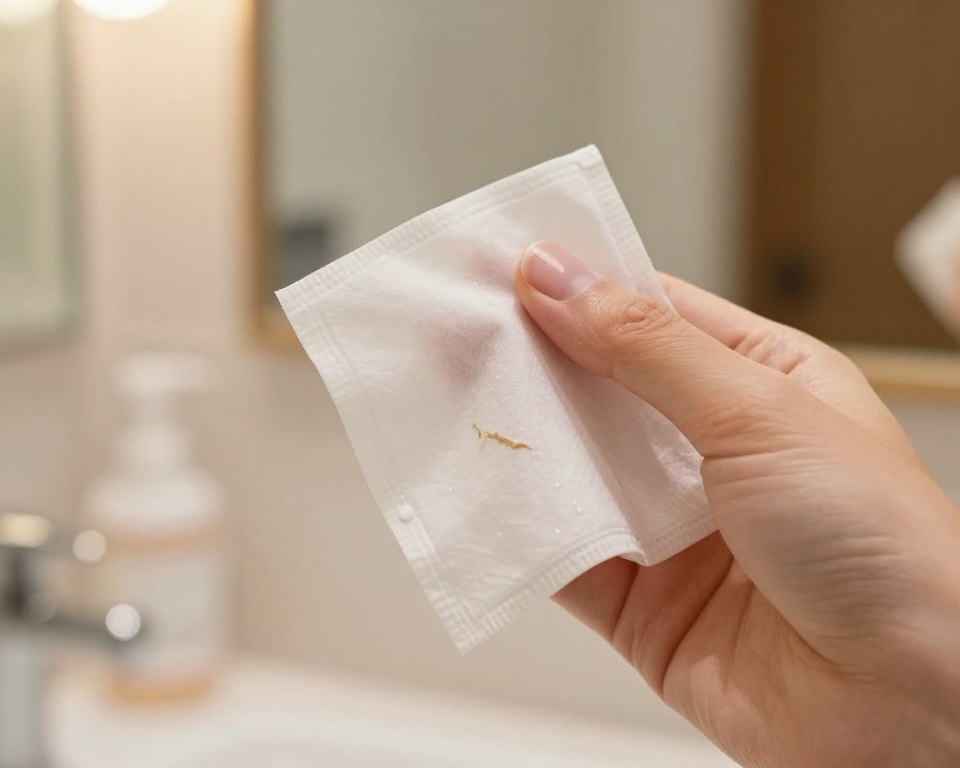
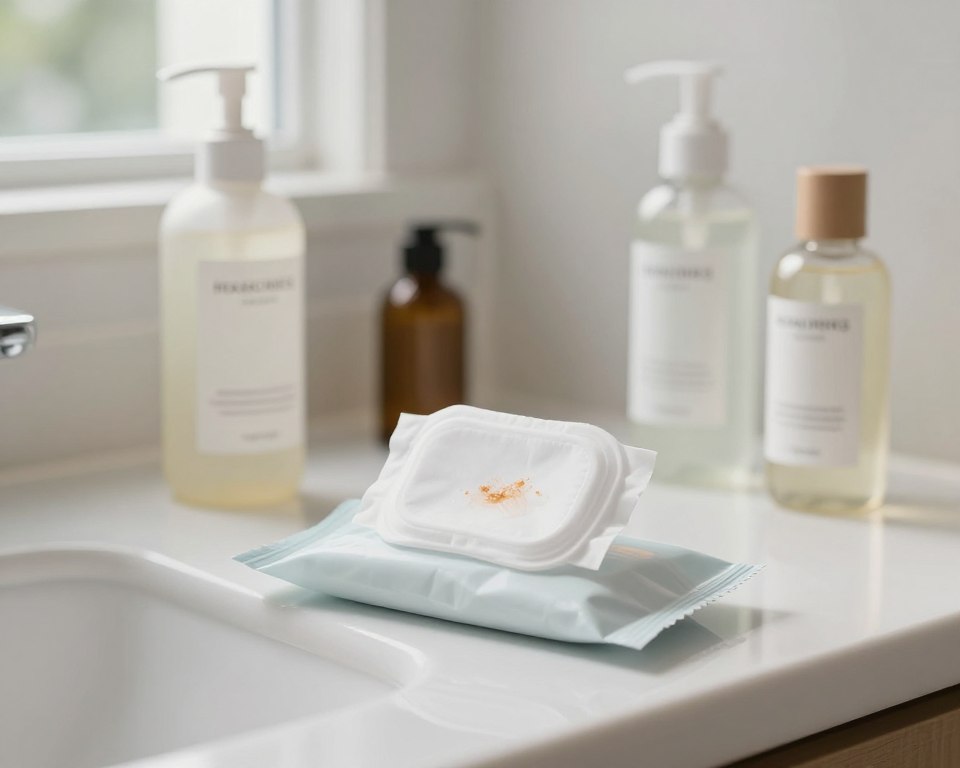
Many people wonder if makeup remover wipe residue is safe to leave on their skin at night. These wipes are made for quick cleaning, but they might not be good for long-term skin health. It’s important to know how these residues interact with your skin.
The Potential for Occlusion and Pore Clogging
Leaving a film of cleansing agents on your face can block your skin. This barrier traps bad stuff like pollution, extra oil, and dead skin. This stops your skin from breathing and renewing itself naturally.
Eventually, this buildup can clog pores and cause acne. Just like checking if Mr. Clean is toxic, we should also check personal care products. Regularly clogged pores are hard to fix with just morning washing.
Why Residual Ingredients Can Disrupt the Acid Mantle
The acid mantle is a thin, slightly acidic layer on your skin. It keeps bad stuff out and helps retain moisture. But, many wipes have surfactants and preservatives meant to be washed off. Leaving these on can upset your skin’s pH, causing irritation or dryness.
“The skin’s barrier is a complex ecosystem; disrupting its pH balance with improper cleansing habits can lead to chronic sensitivity and compromised integrity.”
Keeping your skin’s pH in balance is key to its health. If your skin feels tight or reacts after using wipes, it might be the residue’s fault. Cleansing is not just about removing makeup. It’s also about removing harsh chemicals that harm your skin’s natural defenses.
The Dermatological Perspective on Overnight Residue

Cleansing your skin at night is more than just keeping it clean. It’s a key step to keep your skin healthy. If you use makeup remover wipes wrong, they can leave a layer on your skin. This layer can cause problems all night long.
Understanding Skin Barrier Integrity
Your skin acts as a shield against bad stuff and keeps moisture in. Aggressive mechanical friction from makeup removal can hurt this layer. This can cause redness and irritation right away.
People with rosacea or eczema are even more at risk. When the skin barrier is broken, it can’t keep moisture in or out. This makes it hard for the skin to heal at night.
Long-term Effects of Improper Cleansing Habits
Not removing makeup and cleansers well can cause long-term problems. It can lead to inflammation that makes your skin age faster. Your skin stays stressed instead of healing.
It’s important to have a gentle, regular skincare routine. Avoid rough scrubbing and make sure no chemicals stay on your face. Here’s how different habits affect your skin over time.
| Cleansing Habit | Immediate Impact | Long-term Consequence |
|---|---|---|
| Aggressive Scrubbing | Redness and stinging | Chronic barrier damage |
| Leaving Wipe Residue | Mild occlusion | Pore congestion and dullness |
| Gentle Double Cleansing | Clean, balanced skin | Improved skin resilience |
| Inconsistent Routine | Fluctuating hydration | Accelerated aging signs |
Common Ingredients That May Cause Irritation
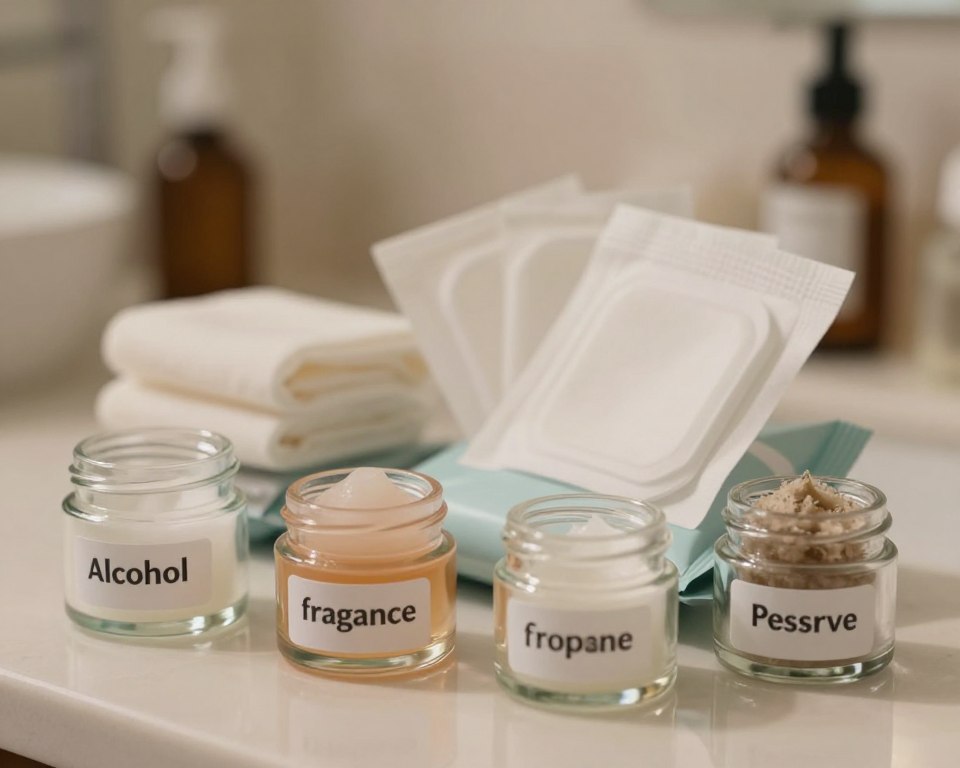
Finding out which ingredients might irritate your skin is key to a gentle skincare routine at night. Many think all cleansers are soft, but some have harsh chemicals. These can stay on your skin and cause problems.
When you leave cleanser residue on your face, it stays there for hours. This can lead to contact dermatitis or skin sensitivity. Knowing which ingredients to watch out for helps you choose better for your skin.
Fragrance and Essential Oils in Cleansing Wipes
Fragrances are a big reason for skin reactions in beauty products. Companies add scents or essential oils to make products better, but they can irritate. Even natural oils like lavender or citrus can upset sensitive skin.
These ingredients are often just called “parfum” or “fragrance” on labels. This hides the exact chemicals used. Because they’re designed to evaporate, they can easily get into your skin. If you get red or itchy after using a wipe, it’s likely because of these scents.
Alcohol-Based Solvents and Their Drying Effects
Cleansing wipes often use alcohol to get rid of makeup and oils fast. But, they also take away your skin’s natural moisture. This can make your face feel dry, tight, and open to damage.
Also, harsh surfactants like Sodium Lauryl Sulfate (SLS) are used for foam. SLS can harm your skin’s barrier when left on overnight. To keep your skin safe, avoid products with these common irritants:
- Denatured Alcohol: Known as Alcohol Denat or SD Alcohol, it can severely dry out your skin.
- Sodium Lauryl Sulfate (SLS): A strong surfactant that can cause inflammation.
- Synthetic Fragrances: These chemical mixes often lead to allergic reactions.
- Essential Oils: Natural but can still irritate like synthetic scents.
Choosing products without these ingredients can help avoid irritation. Look for ones that keep your skin’s moisture, not those that use harsh chemicals.
Identifying the Best Non-Irritating Makeup Remover Wipes
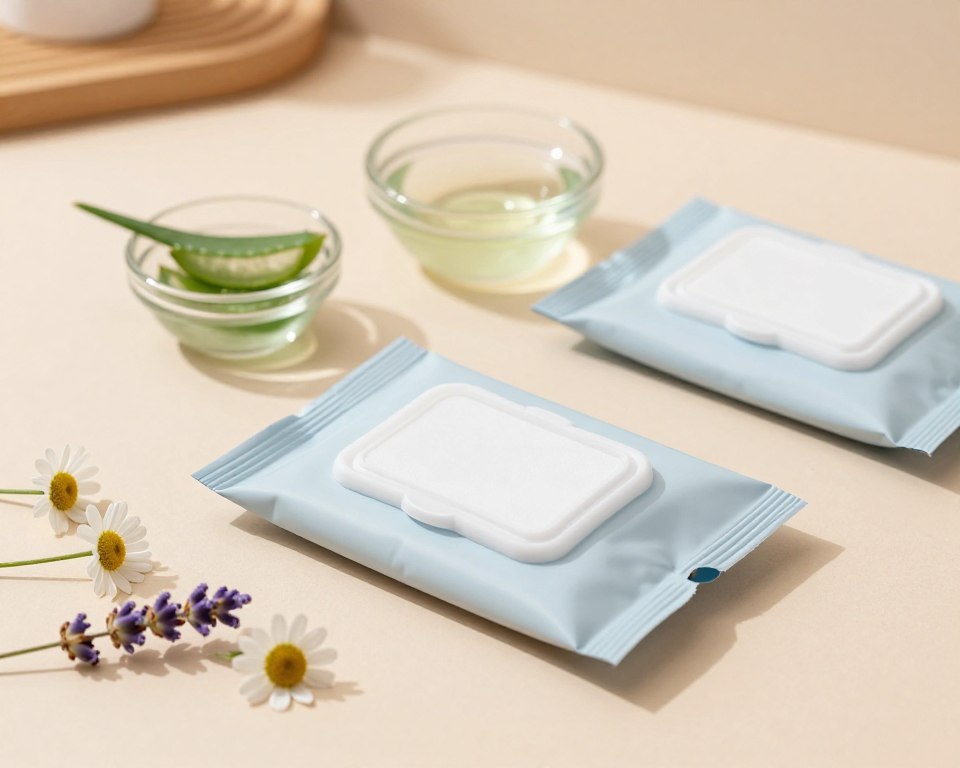
Not all facial wipes are the same when it comes to skin care. Choosing gentle makeup remover wipes is key to a good night routine. It helps remove dirt without harming your skin.
What to Look for in Hypoallergenic Formulations
When looking for non-irritating makeup remover wipes, check the ingredients. Hypoallergenic products are less likely to cause allergic reactions. They avoid things like synthetic fragrances and harsh chemicals.
Here are some important things to look for:
- Fragrance-free labels: Steer clear of “unscented” products, as they might still have fragrances.
- Minimal ingredient lists: Fewer ingredients mean less chance of a bad reaction.
- Soft, non-abrasive fibers: The wipe should be gentle to avoid damaging your skin.
The Importance of pH-Balanced Cleansing Solutions
The skin has a natural acid mantle that protects it. Many wipes can disrupt this balance. Look for dermatologist-approved makeup remover wipes that are pH-balanced.
Using hypoallergenic makeup remover wipes that match your skin’s pH is crucial. It ensures your skin stays healthy and balanced. Always choose products that are gentle and effective.
The Case for Double Cleansing After Using Wipes
Cleansing wipes are great for a quick clean but not enough on their own. Many think one wipe can remove all makeup and dirt. But, it often leaves a thin layer that can harm your skin.
Why Wipes Are Often Insufficient as a Standalone Cleanser
Wipes mainly work by physically removing dirt, not dissolving it. This can push makeup and bacteria deeper into your skin. This can clog pores and cause irritation if not cleaned off.
Wipes also don’t deeply clean pores. They’re good for quick makeup removal but not for waterproof or long-lasting makeup. Double cleansing helps ensure your skin is clean and ready for repair at night.
Integrating Gentle Cleansing Wipes into a Multi-Step Routine
Start with gentle cleansing wipes to remove surface makeup and dirt. Then, use a water-based cleanser or a mild face wash to get rid of any leftover residue.
This method keeps your skin’s barrier strong while deeply cleaning it. Using gentle cleansing wipes in a multi-step routine helps your skin stay healthy and allows your products to work better.
| Cleansing Method | Effectiveness | Skin Impact |
|---|---|---|
| Single Wipe Only | Low (Surface debris remains) | Potential for clogged pores |
| Double Cleansing | High (Deep pore purification) | Supports skin barrier health |
| Gentle Cleansing Wipes + Wash | Optimal (Balanced removal) | Maintains hydration and clarity |
Sensitive Skin Considerations and Reactive Responses
People with reactive skin often face issues with regular cleansers. Even small touches or chemicals can cause big problems. It’s key to pick sensitive skin makeup remover wipes with gentle ingredients.
Some might use baby wipes when they’re out of face cleansers. But, baby wipes don’t remove makeup well and can leave a residue. They also might have harsh preservatives not good for your face.
Recognizing Signs of Contact Dermatitis
Contact dermatitis is an allergic reaction to certain skincare ingredients. Look out for redness, swelling, or heat. If your skin stings or itches after using a wipe, it’s reacting badly.
Long-term use of irritants can harm your skin’s natural protection. If symptoms don’t go away, stop using the product right away. Looking for makeup removers for sensitive skin can help.
When to Switch to Fragrance-Free Makeup Remover Wipes
Fragrances are a big cause of skin problems. Even “natural” products can have oils that cause allergies. Switching to fragrance-free makeup remover wipes can help avoid inflammation.
If you’re sensitive, look for hypoallergenic makeup remover wipes that are tested well. These products aim to avoid common allergens. Choosing a simple, fragrance-free option helps keep your skin healthy.
Visual Aids and Clinical Limitations

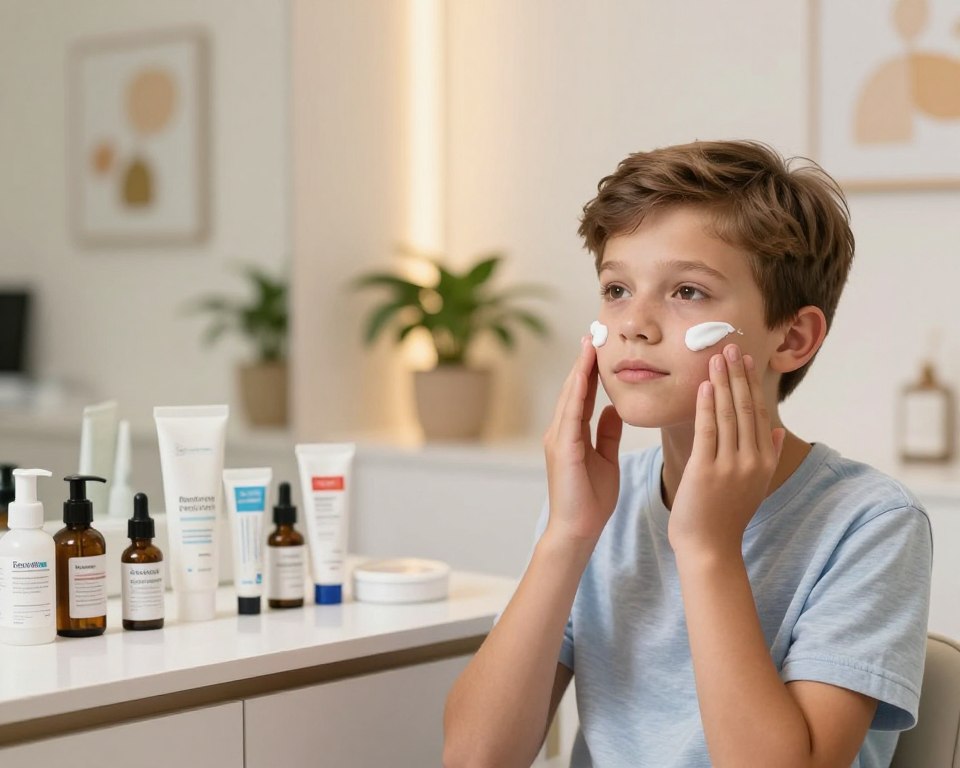
Some pictures on this site are made or improved with digital tools. We use these tools to make hard ideas clear and help your learning. Visual aids connect technical info with your own understanding of skin health.
Understanding the Role of AI-Generated Illustrations
These digital pictures aim to help you understand skin issues and how products work with them. They show important details through graphics, making hard info easier to get. These images are for learning only, to help teach patients and raise awareness.
We think good pictures can make skincare science clearer. But, they’re not real photos of every case. They’re like guides to help you learn.
Why Digital Enhancements Do Not Replace Clinical Assessment
Digital tools can’t replace a doctor’s check-up. While pictures offer context, they’re not for diagnosing. Don’t use these images to guess your skin problems or decide on treatments.
Seeing a doctor is key for a real check-up. They can look at your skin and medical history. If you have ongoing skin issues, see a doctor. Using digital pictures for health advice can lead to wrong conclusions about your health.
The Importance of Professional Medical Evaluation
Educational resources are helpful, but they can’t replace a doctor’s expertise. Skincare tips guide your daily routine, but they don’t consider your unique health needs. Professional assessment is key for diagnosing serious skin problems.
When to Seek Help for Persistent Rashes or Reactions
Skin reactions can be tricky to spot, but they need attention. If redness, swelling, or itching lasts after stopping a product, see a specialist. Chronic inflammation can harm your skin over time, making it harder to heal.
Switching to sensitive skin makeup remover wipes might help, but they’re not a fix for active dermatitis. If a rash gets worse or hurts, stop new products right away. A doctor can tell if it’s an allergy or irritation.
Navigating Uncertain Symptoms with Qualified Healthcare Providers
It’s normal to wonder about safe products for your skin. If unsure, talk to a board-certified dermatologist. They can suggest dermatologist-approved makeup remover wipes that are right for you.
If you think a skincare item is causing a problem, don’t wait to call a healthcare provider. Early intervention can prevent bigger issues. Relying on doctors ensures your routine supports your health, not harms it.
Debunking Myths About Residue-Free Makeup Remover Wipes
Marketing often hides the truth about what’s left on your skin after using wipes. Many think residue-free makeup remover wipes completely disappear, leaving skin clean. But, the real story is often different from what’s on the packaging.
Marketing Claims Versus Dermatological Reality
Brands focus on convenience, saying no extra cleaning is needed. This common belief can harm your skin in the long run. Even non-irritating makeup remover wipes can cause sensitivity because of surfactants.
Dermatologists say “residue-free” doesn’t always mean no chemicals are left. Even if wipes remove makeup well, they leave behind chemicals. These can dry out or irritate your skin over time.
The Truth About Rinse-Free Formulas
“Rinse-free” formulas seem gentle, but it’s a marketing trick. They contain surfactants, like detergents, to break down makeup. Leaving these on your face is like having soap suds on your skin, not good for your skin health.
If you have sensitive skin, you might look for fragrance-free makeup remover wipes. But, removing fragrance doesn’t fix the problem of surfactants left on your skin. Always follow up with a rinse or gentle cleanser to remove all chemicals.
Best Practices for Nighttime Skincare Routines
Getting a clean face is more than just a quick clean before bed. Your evening skincare routine is key to how well your skin heals at night. By following a structured routine, you protect your skin from pollution and makeup residue.
Prioritizing Thorough Cleansing for Skin Health
Cleaning your face well is the most important part of your evening skincare. Using gentle cleansing wipes is convenient but not always enough. For a deeper clean, learn about proper makeup removal to avoid mistakes.
A good clean lets your skin breathe and soak up nighttime treatments. Here are some key habits for a better routine:
- Always use a water-based cleanser to remove any leftover dirt.
- Don’t scrub too hard, as it can hurt your skin’s delicate balance.
- Make sure your hands are clean before touching your face to avoid germs.
The Role of Toners in Removing Residual Wipe Film
Even with top-notch products, some residue might stay on your skin. Toners help remove this residual film left by wipes. This is crucial for those who use residue-free makeup remover wipes but want a clean face.
Using a toner with a soft cotton pad balances your skin’s pH after cleaning. This step helps your serums and moisturizers work better. Adding this simple step to your routine helps your skin heal overnight.
Educational Limitations and Image Disclosure
We want you to make smart choices about your skin. Our resources help you understand how products work on your skin. But, it’s key to know what these tools can and can’t do. We aim to give you scientifically accurate guidance to help you care for your skin every day.
How Visual Aids Support Patient Understanding
Visual aids like diagrams and images help explain tough skin topics. They make complex info easier to understand. But, remember, these tools are for educational purposes only, not as proof.
Keep in mind, digital tools might change how skin looks. They make things clearer but don’t show real skin perfectly. For more on skin care, check out whether makeup wipes really clean your face well.
Relying on Clinical Exams Over Digital Representations
No digital image can beat a doctor’s real-time check. If you have ongoing skin issues, see a healthcare expert for help. A doctor can see your skin in person, catching things screens can’t.
Use our content as a starting point for your knowledge. But, always put professional medical evaluation first for health worries. Getting expert advice ensures your skin care is based on real, personal data. Your skin’s health is too important to ignore.
Conclusion
Good skincare means sticking to habits that keep your skin healthy. Makeup remover wipes are handy for quick cleanups, but they don’t give your skin the deep clean it needs. This can harm your skin’s health in the long run.
Using wipes alone can leave behind harsh chemicals. These can mess with your skin’s natural balance. The best way to clean your skin is with water and a gentle cleanser that matches your skin’s pH.
Think about using wipes as a first step in a two-step cleaning routine. This way, you remove all makeup, oils, and dirt before applying your night treatments. This helps your skin stay clear and healthy.
Watch for signs like irritation or redness on your skin. If these problems keep coming back, see a dermatologist. They can help you choose the right products for your skin. This keeps your skin barrier strong and healthy for a long time.
FAQ
Is it actually safe to leave makeup remover wipe residue on my face overnight?
Generally, no. Most dermatologists advise against leaving the surfactants and preservatives found in wipes on the skin. They can cause irritation, disrupt the acid mantle, and lead to pore clogging. For optimal health, the skin should be rinsed after use.
Are residue-free makeup remover wipes better for my skin?
While residue-free makeup remover wipes are formulated to feel lighter and less sticky, they still leave behind active cleansing agents. These chemicals can still interact with your skin barrier overnight. So, rinsing is still the preferred clinical practice.
Should I only use dermatologist-approved makeup remover wipes?
Choosing dermatologist-approved makeup remover wipes ensures that the product has undergone rigorous testing for safety and efficacy. These products are less likely to contain known irritants. Making them a safer choice for daily use compared to generic alternatives.
What are the benefits of using sensitive skin makeup remover wipes?
Sensitive skin makeup remover wipes are typically formulated without harsh alcohols, synthetic dyes, or heavy fragrances. This reduces the risk of triggering redness or contact dermatitis in individuals with reactive skin types.
Are fragrance-free makeup remover wipes the same as unscented ones?
No. Fragrance-free makeup remover wipes contain no fragrance chemicals at all. “Unscented” products may contain masking fragrances to hide the smell of other ingredients. For those with allergies, fragrance-free is the safer clinical choice.
How can I tell if I am using non-irritating makeup remover wipes?
Look for labels that mention “pH-balanced” and “hypoallergenic.” Non-irritating makeup remover wipes will not cause stinging or immediate redness upon application. If you feel a “tingle,” the product may be too harsh for your barrier.
Can I use hypoallergenic makeup remover wipes to replace my face wash?
Hypoallergenic makeup remover wipes are excellent for removing surface debris. But they are rarely a complete substitute for a water-based cleanser. They are best used as the first step in a double-cleansing routine to ensure all pollutants are removed.
Why should I avoid using baby wipes instead of gentle cleansing wipes on my face?
Baby wipes are designed for different skin thicknesses and pH levels. They often contain oils and detergents that can clog facial pores or cause breakouts. Unlike gentle cleansing wipes, which are specially formulated for facial anatomy.