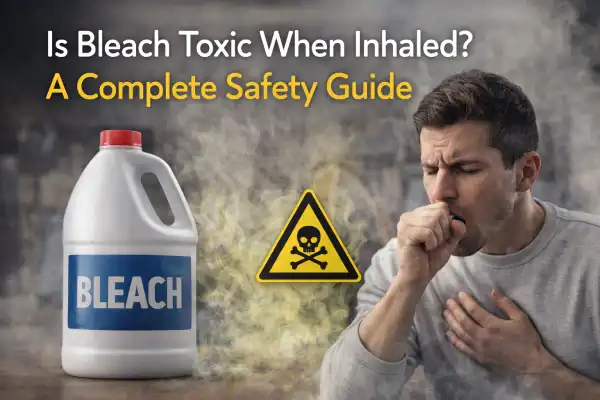
Did you know that nearly 90% of household chemical exposures happen in small, poorly ventilated rooms? As a pharmacist, I often talk to people worried about the long-term effects of beauty products. Many think quick grooming tasks are safe, but the truth about chemical inhalation is more serious.
Using products with volatile organic compounds in a closed space can quickly increase vapor concentration. This can cause dizziness, headaches, or irritation in your respiratory system. Knowing how these reactions work helps you make safer choices for your home health. Prioritizing airflow is not just a suggestion; it is a fundamental practice for maintaining your well-being.
This guide offers evidence-based insights into how these substances affect your body. We’ll look at how to manage your beauty routine safely and reduce unnecessary exposure. Remember, this info is for education only and doesn’t replace medical advice.
Key Takeaways
- Proper airflow significantly reduces the concentration of inhaled chemical vapors.
- High levels of exposure can trigger immediate symptoms like headaches or nausea.
- Small, enclosed spaces increase the risk of adverse physiological reactions.
- Simple habits, such as opening a window, drastically improve your safety profile.
- Consult a healthcare professional if you experience persistent respiratory discomfort after product use.
Understanding the Chemical Nature of Acetone
To understand the safety of nail polish remover, we need to look at acetone’s chemical properties. Known as propan-2-one, it’s a colorless liquid with a fruity smell. It’s a strong solvent, used in beauty and industry.
The Volatility of Acetone in Household Products
Acetone is very volatile. It turns from liquid to gas quickly at room temperature. This makes it spread in indoor air, more so in poorly ventilated spaces.
Its quick evaporation means vapors can build up fast. This can happen quickly in small areas. It’s important to control this buildup for safety.
How Inhalation Affects the Respiratory System
Inhaling acetone vapors affects the respiratory system first. It irritates the nose and throat. Long-term or strong exposure can cause coughing or dryness.
Knowing how our bodies react to these vapors helps us stay safe. We can take steps to reduce exposure. Below is a table comparing common household solvents.
| Solvent Type | Volatility Level | Primary Use | Safety Focus |
|---|---|---|---|
| Acetone | High | Nail Polish Removal | Ventilation |
| Ethyl Acetate | Moderate | Polish Remover | Airflow |
| Isopropyl Alcohol | Moderate | Disinfectant | Skin Contact |
| Water | Low | Universal Solvent | None |
Is Nail Polish Remover Acetone Safe Without Proper Airflow?
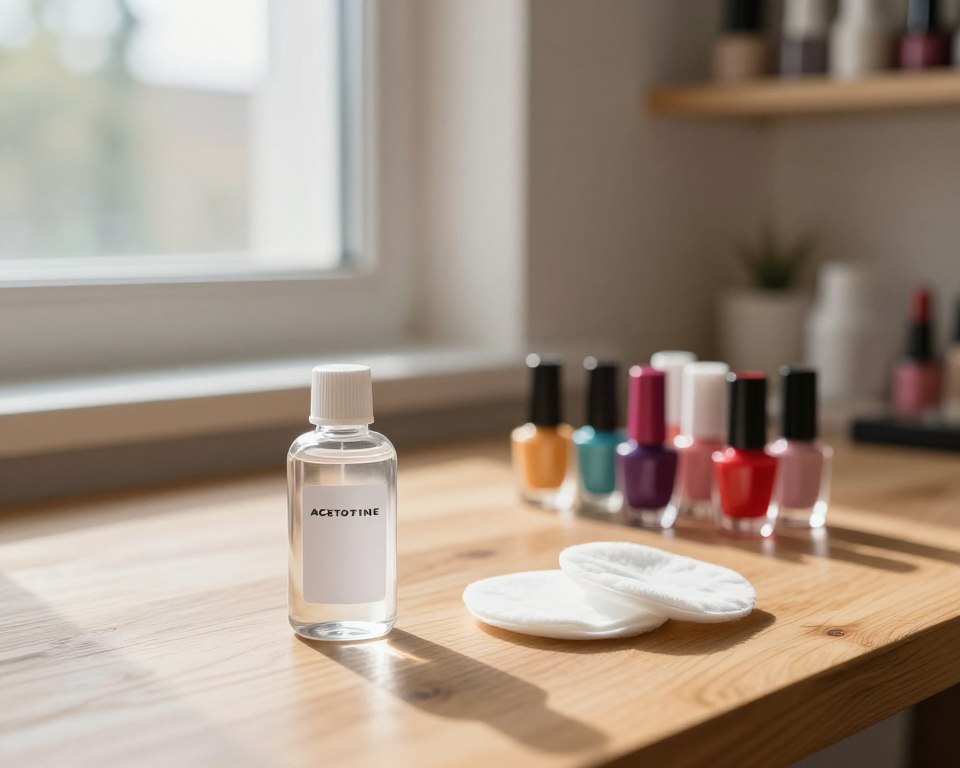
Whether nail polish remover acetone is safe depends on your workspace. These solvents are great for removing polish but release harmful vapors. Knowing how these vapors affect your space is key to staying healthy.
Immediate Physiological Responses to Acetone Vapors
Using acetone in a small space can quickly increase vapor levels. When you breathe in these fumes, you might feel throat irritation or chest tightness. Your body is trying to clean the air.
These signs mean the chemical levels are too high. If you feel this way, get to a well-ventilated area fast. Not listening can cause more harm and breathing problems.
The Cumulative Impact of Repeated Exposure
Occasional use in a well-ventilated area is usually okay. But, long-term, frequent use is a different story. Without good airflow, your body gets used to the chemicals, making you more sensitive over time.
To keep your beauty routine safe, think about these factors:
- Duration: The longer you’re in a small space, the more vapors you breathe in.
- Airflow: Good airflow or fans help lower the amount of chemicals in the air.
- Frequency: Using it every day means you need to follow safety rules more closely.
- Volume: Using a lot of solvent at once means more vapors fill the room faster.
Safety depends on how much, how long, and where you’re exposed. With the right airflow, you can use your favorite products safely and avoid irritation or breathing problems.
The Role of Ventilation in Mitigating Chemical Risks

Ventilation is key to fighting off harmful chemicals like acetone in our homes. When we use nail polish remover, it quickly turns into vapors. Keeping consistent airflow is a simple way to keep our lungs safe during nail care.
Why Enclosed Spaces Amplify Exposure Levels
Small, closed areas like bathrooms without windows raise the risk of chemical exposure. Without air movement, chemical vapors build up fast. This can hurt our mucous membranes and breathing more than in open spaces.
In small rooms, the vapor stays dense longer. This means we keep breathing in the chemical for a longer time. It’s safer to do nail care in a bigger, more open area.
Natural Versus Mechanical Ventilation Strategies
We can improve indoor air quality naturally or mechanically. Natural ventilation means opening windows to let in fresh air. This is easy for homeowners when the weather is nice.
Mechanical ventilation, like using fans or air purifiers, is more controlled. It’s great for rooms without windows. Using both natural and mechanical methods is usually the best way to keep our environment safe.
| Ventilation Method | Primary Benefit | Best Use Case |
|---|---|---|
| Natural (Windows) | High volume of fresh air | Mild weather conditions |
| Mechanical (Fans) | Consistent extraction | Small, windowless rooms |
| Cross-Ventilation | Rapid air exchange | Large, multi-room layouts |
Common Symptoms of Overexposure to Acetone
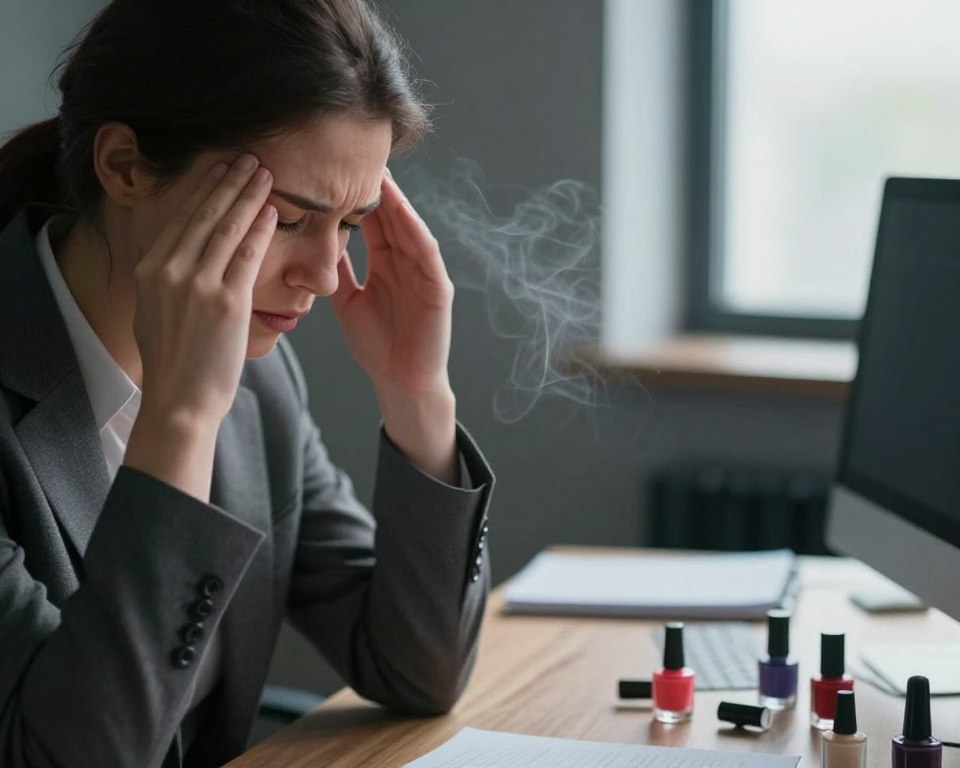
Working with chemicals can make your body send out warning signs. These signs tell you when the vapors are too strong. Paying attention to how you feel helps keep your home safe.
Identifying Respiratory and Mucous Membrane Irritation
Acetone can quickly affect your nose and throat. You might feel a sharp pain or a burning sensation. Persistent coughing or feeling tight in the chest means the air is not good.
Your body tries to protect itself by coughing or making your eyes water. If your throat feels dry, it’s time to get some fresh air. Going to a place with clean air helps fix these problems fast.
Your body is like a warning system. When it hurts, listen and change your environment right away.
Neurological Signs of High-Concentration Inhalation
Ignoring early signs can lead to bigger problems. High levels of acetone can cause headaches, dizziness, and feeling off-balance. In serious cases, you might slur your words or have trouble moving.
These signs mean the chemical has reached your blood. If you feel confused or very tired, get help fast. Here’s a table to help you keep track of your safety.
| Symptom Category | Mild Indicators | Severe Indicators |
|---|---|---|
| Respiratory | Throat dryness | Chest tightness |
| Neurological | Mild headache | Slurred speech |
| Sensory | Watery eyes | Dizziness |
Comparing Acetone-Based Removers to Alternatives
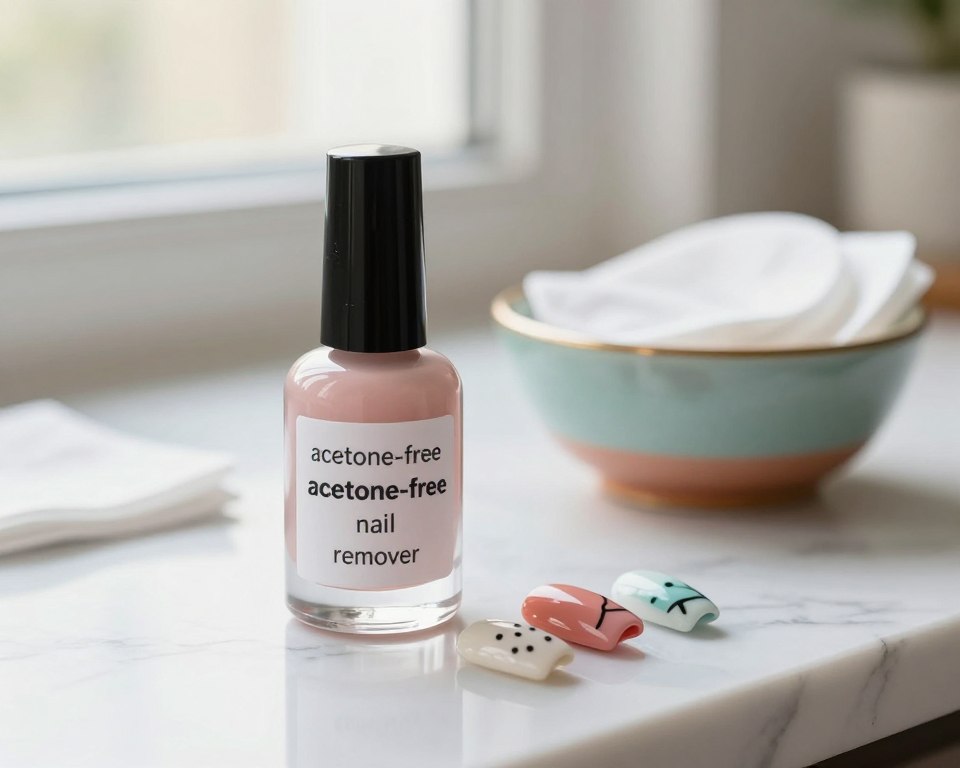
Many people want to use less toxic beauty products. Acetone is good at dissolving polish but can be harmful if you breathe in too much of it. It’s important to know about the safety of cleaning products to keep your home safe.
Evaluating Acetone-Free Nail Polish Remover Options
An acetone-free nail polish remover uses different solvents like ethyl acetate or methyl ethyl ketone. These have lower vapor pressure, which means less smell. But, they might need more effort or time to remove thick polish.
These removers are gentler on the nail plate but might not work as well on glitter or gel polish. Always make sure there’s good air flow to avoid chemical vapors.
The Efficacy of Natural and Organic Nail Polish Remover
The demand for natural nail polish remover and organic nail polish remover has grown. They use plant-based solvents like soy or corn esters. These are seen as safer but still need good air flow for safety.
Not all natural products work the same, with some struggling with dark or thick polishes. When picking an organic remover, check the ingredients to meet your health standards. Finding the right balance between effectiveness and comfort is key.
| Remover Type | Primary Solvent | Volatility | Efficacy |
|---|---|---|---|
| Acetone-Based | Acetone | High | Excellent |
| Acetone-Free | Ethyl Acetate | Moderate | Good |
| Natural/Organic | Plant Esters | Low | Moderate |
The Search for the Best Acetone Nail Polish Remover
Finding the best acetone nail polish remover is more than just looking at price or brand. You need to see how it works with your nails and the environment. Solvents that work well need careful use to keep you safe.
Balancing Performance with User Safety
Acetone is key for removing tough polish fast. But, the best acetone nail polish remover also needs to be kind to your nails and skin. Look for products with glycerin, vitamin E, or essential oils to help keep your nails and skin moist.
Even the best products can’t avoid all risks from chemical vapors. So, always use it in a well-ventilated area. This helps prevent breathing in harmful fumes.
Formulation Differences in Professional-Grade Products
Professional products are made differently than regular ones. They have special chemicals and agents to work better and safer. These help remove polish fast without harming your nails.
When looking for the best acetone nail polish remover, pros look for reliable products. Always check the label for safety info. Reading the fine print helps keep your beauty routine safe at home.
Identifying Gentle and Hypoallergenic Nail Polish Remover
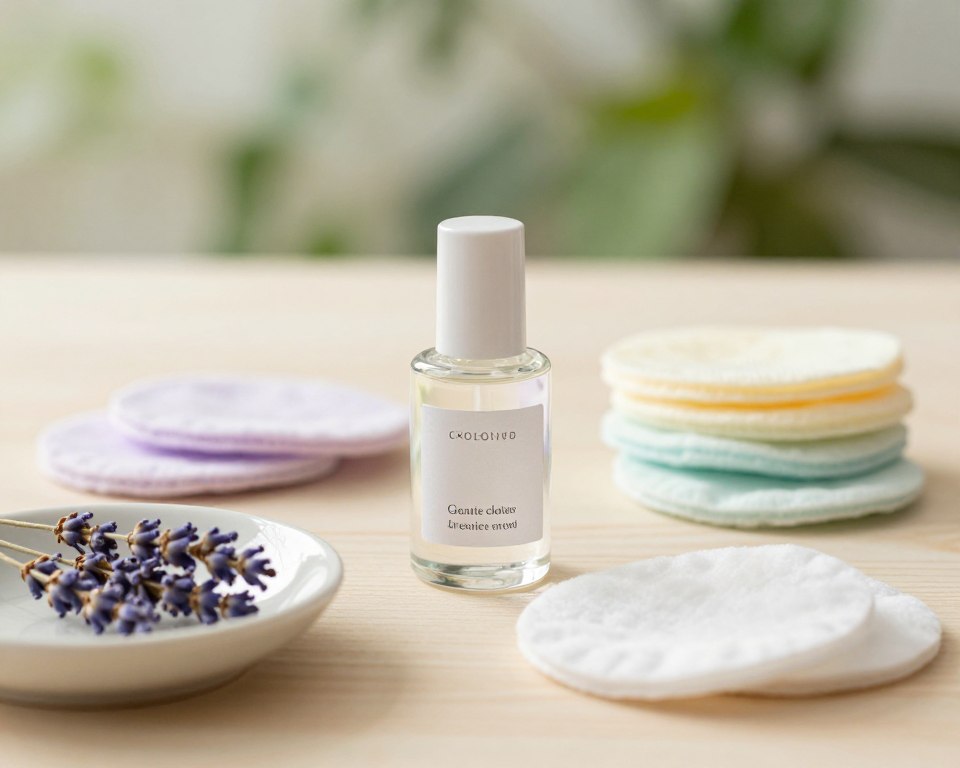
For those with sensitive skin, finding a gentle nail polish remover is key. Regular removers can dry out the nails and cause irritation. It’s important to choose a remover that’s good for your skin and nails.
Ingredients That Soothe the Nail Bed
Good removers have ingredients that help keep the nails moist. Things like vitamin E and essential oils are added to care for the nail bed. They help keep the skin from drying out and cracking.
When you read labels, look for products that moisturize as they remove polish. Using removers with natural ingredients can protect your nails. This way, your nail care routine won’t harm your skin.
Why Hypoallergenic Formulas Matter for Sensitive Skin
A hypoallergenic nail polish remover is made for people with sensitive skin. It avoids common allergens and harsh chemicals. This makes it safer for those who easily react to beauty products.
Using a hypoallergenic nail polish remover helps keep your skin safe. These products are designed to be gentle yet effective. They help you take care of your nails without worrying about irritation.
The Importance of Clinical Assessment Over Visual Aids
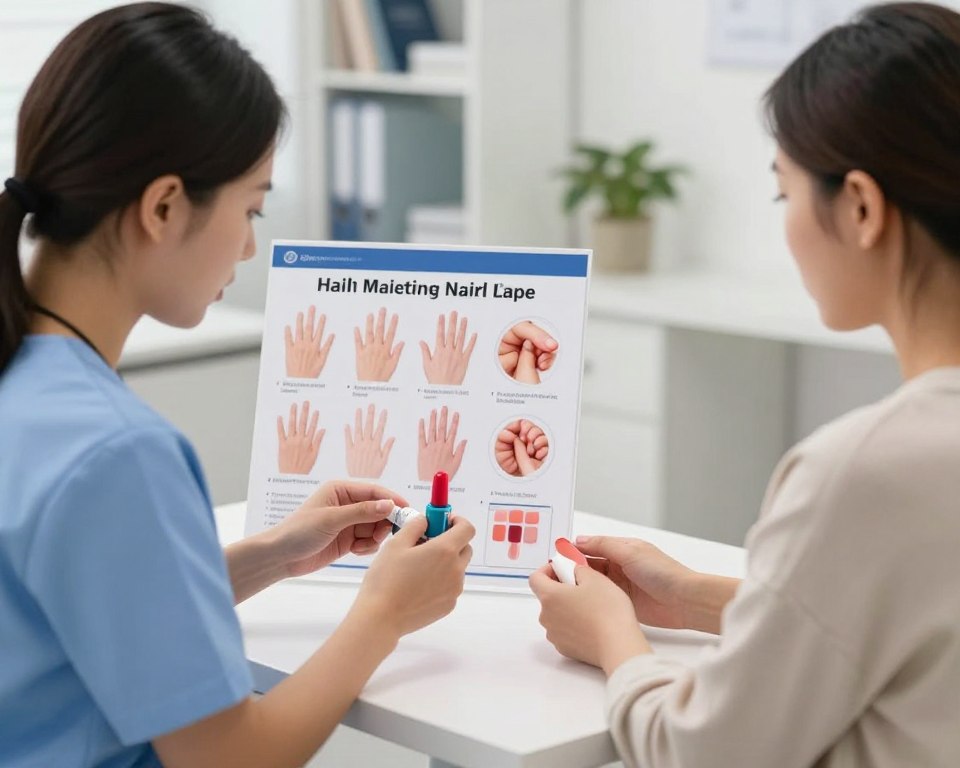
When it comes to health, it’s key to know the difference between learning tools and real medical advice. Visual aids can make hard topics easier to understand. But, they can’t replace a real clinical assessment. Trying to figure out your health by looking at pictures can lead to wrong conclusions.
Understanding the Limitations of Digital Illustrations
Digital pictures are made to show certain things clearly for learning. But, they might change how things look, like textures or colors. This means they should never be the main way to self-diagnose.
Getting a doctor’s opinion is more than just looking at you. They look at your health history, symptoms, and what you’ve been exposed to. Pictures can’t give the full picture needed for a detailed medical evaluation.
Why AI-Generated Images Are for Orientation Only
Nowadays, AI pictures are used to make learning easier. They’re meant for orientation purposes to help grasp basic ideas. But, they’re not proof of anything and can’t be used to diagnose.
If you think you’ve had a chemical reaction or skin problem, see a doctor. Looking at pictures to guess your condition is very risky and might slow down getting the right treatment. Always trust a doctor’s advice for your health.
Educational Limitations and Medical Responsibility

Understanding chemical safety is complex. It’s important to know when general info stops and medical advice starts. Digital resources are helpful but can’t replace a doctor’s expertise. Prioritizing your health means knowing data is a guide, not a replacement for a doctor’s opinion.
The Boundary Between Information and Diagnosis
Our platform offers accurate info to help you make smart choices. We focus on the risks of substances like those in nail polish removers. But, there’s a big difference between general health tips and a personal medical diagnosis.
General info is for everyone, but it can’t know your personal health history or current health. It’s key to read our medical disclaimer to know what we cover. Always remember, we inform, but your doctor diagnoses and treats.
When to Seek Professional Medical Evaluation
If you think a nail care product caused a bad reaction, see a doctor right away. Signs like a lasting rash, severe skin issues, or breathing problems mean you need a doctor. Don’t try to figure it out yourself when your health is at risk.
Getting expert advice is crucial for the right care for you. A doctor can check if a chemical is causing your symptoms. Taking proactive steps to see a doctor when unsure is the best way to keep your health safe.
Recognizing Adverse Reactions to Nail Care Products
Keeping your beauty routine safe means watching how your skin reacts to products. Even though most nail products are safe, some people might have unexpected reactions. Knowing these signs helps you tell if it’s just a minor issue or something serious.
Differentiating Between Minor Irritation and Severe Rashes
It’s normal to feel a bit dry or see some redness after using strong nail products. This usually happens because the products remove your skin’s natural oils. But, allergic contact dermatitis is different and needs more attention.
Minor irritation usually goes away after you wash off the product and moisturize. But, a real chemical sensitivity can cause lasting itching, swelling, or a rash that spreads. You can find out more about these adverse effects of nail cosmetics and how to avoid them by looking at skin health guidelines.
Steps to Take When You Suspect a Chemical Sensitivity
If you think you’re having a reaction, act fast to protect your skin. Don’t wait for the symptoms to go away if you think it’s an allergic reaction.
Here’s what to do right away:
- Remove contaminated items: Take off any clothes or jewelry that touched the product.
- Flush the area: Clean the affected skin with lukewarm water and mild soap for 10 to 15 minutes.
- Monitor progress: Watch the skin for any signs of getting worse, like blisters or intense pain.
- Seek professional advice: Call a doctor or dermatologist if the irritation doesn’t get better or if you’re not sure how serious it is.
Putting your health first is key. If you’re unsure, getting a professional check-up is the best way to keep your skin safe and healthy.
Best Practices for Safe Nail Polish Removal
Creating a safe space is key to using nail polish removers safely. By controlling your area, you can reduce harmful chemicals in the air. This makes your beauty routine safe and sustainable for you.
Setting Up a Well-Ventilated Workspace
To avoid risks from solvents, make sure air keeps flowing. Always do your nail care in a room with a window open. This lets fresh air in. If you’re indoors without windows, use an exhaust fan to remove vapors.
Don’t do nail care in small, closed places like bathrooms without good air flow. Consistent ventilation stops harmful chemicals from building up. This keeps the air clean and safe to breathe.
Protective Measures for Frequent Users
If you often change your nail polish, you need extra care. Wear nitrile or chemical-resistant gloves to protect your skin and nails. This stops solvents from drying out your skin and harming your nails.
Also, think about how long you’re doing your nail care. Shorter sessions mean less chemical exposure. These steps help you look good while keeping your skin and nails healthy. Here’s a table with important safety tips.
| Safety Strategy | Primary Benefit | Implementation Level |
|---|---|---|
| Open Window | Reduces vapor concentration | Essential |
| Exhaust Fan | Directs air away from user | Recommended |
| Protective Gloves | Prevents skin dehydration | Highly Recommended |
| Shortened Sessions | Limits total exposure time | Recommended |
The Impact of Chemical Exposure on Long-Term Nail Health
Using chemical solvents often changes your nails over time. These products are great at removing polish but also take away natural oils. These oils help keep your nails flexible and strong.
Changing your nail color often can lead to damage. Without the natural oils, your nails start to show signs of wear. This damage can last if not treated.
Dehydration and Brittleness Caused by Solvents
Solvents like acetone are strong degreasers. They quickly evaporate, taking moisture and oils with them. This dehydration makes nails brittle.
A dehydrated nail can’t bend easily. Instead, it becomes stiff and may split, peel, or crack at the edge. This makes it weak against stress and damage.
Restorative Care After Using Harsh Removers
After using solvents, it’s important to care for your nails. Use cuticle oils or hydrating creams to replace lost moisture.
Keeping your nails healthy is key, even with chemical removers. Hydration helps keep your nails flexible and strong. Simple, daily habits can protect your nails from harsh beauty solvents.
Regulatory Perspectives on Household Chemical Safety
When you see a bottle of nail polish remover, you see the result of strict rules to keep us safe. Government agencies set these rules to make sure chemicals are safe for home use. These rules help connect the chemicals made in factories to the products we use at home.
Standards for Consumer Product Labeling
Companies must follow strict rules for labeling chemical products. These labels are key for keeping us safe, telling us about dangers and how to avoid them. They help us know how to use products like acetone safely.
Rules say labels must tell us how to ventilate and store products. By following these tips, we can lower the chance of accidents. It’s very important to read these labels carefully before using a product, as they give specific advice for each chemical.
The Role of Safety Data Sheets in Home Use
Safety Data Sheets (SDS) give detailed info on chemicals, how to handle them, and what to do in emergencies. Even though they’re mainly for work places, they’re very useful for home users too. They help us understand the safety of the things we have at home.
Studies show that acetone isn’t linked to cancer. But, knowing about these chemicals is still key for a healthy home. For more info on chemical safety in work places, check out the official report on nail salon chemicals.
Using these resources helps us go beyond just what products say. We can make choices based on real safety data. By focusing on clear information and education, we can handle the risks of common household chemicals better.
Expert Recommendations for Safer Beauty Routines
As a pharmacist, I often tell patients to think about their nail care solvents if they get irritation or breathing problems. Switching to a non-toxic nail polish remover is a smart move for your health. These safer options use plant-based ingredients that are easier on your skin and lungs.
Transitioning to Non-Toxic Nail Polish Remover
When you choose to avoid acetone, look for products with clear ingredient lists. Many now use soy or corn-based solvents. These work well without the strong smells of old removers. Consistency is key in seeing how your body reacts to these gentler options.
To make the switch smoothly, follow these steps for nail care at home:
- Always check the ingredient label for potential allergens or irritants.
- Start by testing the product on a single nail to monitor for sensitivity.
- Maintain a well-ventilated space even when using safer alternatives to ensure optimal air quality.
- Store all beauty products in a cool, dry place away from direct sunlight.
Prioritizing Health Without Sacrificing Results
Choosing health doesn’t mean you have to settle for less. Many non-toxic nail polish remover brands work just as well as old ones. You can get a clean, professional manicure while cutting down on chemicals.
By picking safer products, you make your beauty routine better for the planet and your body. Remember, your health is the most important part of any beauty plan. Always listen to your body and find a non-toxic nail polish remover that meets your safety needs.
Conclusion
Good nail care is about looking good and staying healthy. Acetone is great for removing polish, but it’s important to use it safely. Make sure you have good airflow to avoid breathing in too much of its vapors.
Choosing the right nail polish is key. Look for brands like Zoya or Ella+Mila that might be gentler on your nails. This way, you can enjoy nice nails without harming your health.
Watch your body for any signs of trouble while doing your nails. If you have breathing problems or skin issues, see a doctor right away. Your health is more important than looking good. Always choose safe options and keep your space well-ventilated.
FAQ
Is nail polish remover acetone safe to use in a small room without windows?
No, it’s not safe to use acetone in small, closed spaces. Acetone is a fast-evaporating solvent. It can quickly build up in small areas, causing irritation or headaches. Always use it in well-ventilated areas to avoid these problems.
What are the benefits of switching to an acetone-free nail polish remover?
Acetone-free removers use gentler solvents like ethyl acetate. They might take longer to remove polish but are kinder to your nails. They’re also better for people who are sensitive to strong smells or have breathing issues.
How can I identify the best acetone nail polish remover for professional results?
Look for removers that mix strong solvents with moisturizers like glycerin. Products like Zoya Remove Plus or OPI Expert Touch are good examples. They remove polish well without drying out your nails too much.
Is a non-toxic nail polish remover actually effective?
Yes, many non-toxic removers work well for regular lacquer polish. Brands like Ella + Mila use soy or water-based formulas. They’re safer for your health but might not work as fast on gel polishes.
What ingredients should I look for in a natural nail polish remover or organic nail polish remover?
Natural removers often use soy or corn-based solvents. These are safe, don’t burn easily, and don’t give off harmful fumes. They’re great for those who care about their health and the environment.
Can using a hypoallergenic nail polish remover prevent skin rashes?
Yes, hypoallergenic removers like Mineral Fusion can help. They’re made without harsh chemicals that can cause skin problems. This makes them a good choice for people with sensitive skin.
What are the early neurological signs of acetone overexposure?
Signs include slurred speech, confusion, or feeling drunk. These show your brain is being affected by the fumes. If you notice these, get out of the area and see a doctor if they don’t go away.
How do Safety Data Sheets (SDS) help consumers understand product safety?
SDSs give detailed info on a chemical’s dangers. They show things like how flammable it is and what to do if you get it on your skin. Reading them helps you know what’s really in your products.
What is the correct first aid procedure for a skin reaction to nail solvents?
If your skin reacts, take off any jewelry or clothes that got on your skin. Wash the area with warm water and mild soap for 10 to 15 minutes. Don’t put more chemicals on it and see a doctor if it gets worse.