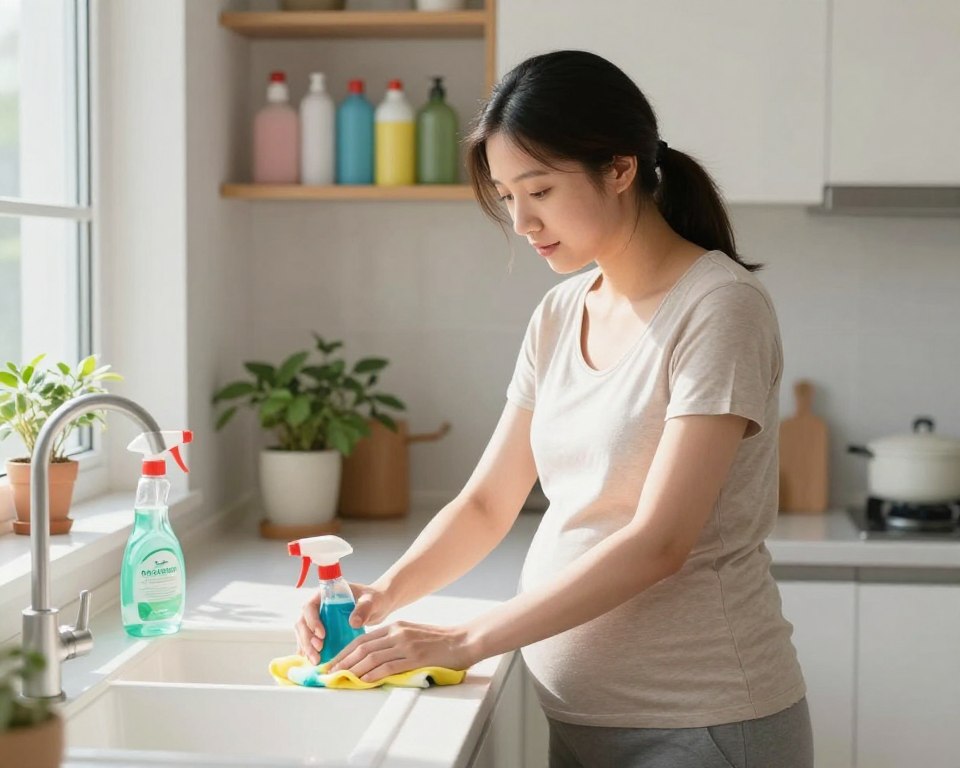
Many expectant mothers experience a powerful nesting instinct as they prepare for their new arrival. You likely want your home to feel fresh, organized, and welcoming for your little one. However, it is natural to wonder about the impact of household maintenance on your health.
Navigating the world of household chemicals can feel overwhelming when you are focused on wellness. Being mindful of what you use to scrub floors or wipe counters is a proactive step toward a healthy environment. You do not have to sacrifice a tidy space to protect your developing baby. By making informed choices, you can maintain a beautiful home while minimizing unnecessary chemical exposure.
Key Takeaways
- The nesting instinct often drives the desire for a spotless home.
- Prioritizing health does not mean you must stop all household chores.
- Awareness of ingredients helps reduce potential risks for you and your baby.
- Simple, natural alternatives often work just as well as harsh chemicals.
- Creating a healthy living space is a positive way to prepare for motherhood.
Understanding Chemical Exposure During Pregnancy
Protecting your growing baby starts with understanding the hidden risks in your cleaning cabinet. Many common household items contain ingredients that may not be ideal for your changing body. By choosing chemical-free cleaning products for expectant mothers, you can create a safer sanctuary for your family.
How Chemicals Enter the Body
Household cleaners often release volatile organic compounds (VOCs) into the air. When you breathe these in, they travel directly into your bloodstream. Inhalation is one of the most common ways these substances enter your system while you are cleaning.
Your skin also acts as a gateway for environmental toxins. When you scrub surfaces without protection, chemicals can be absorbed through your pores. This dermal absorption is why wearing gloves is a simple yet effective way to limit your exposure.
The Developing Fetus and Chemical Sensitivity
During pregnancy, your baby is in a critical stage of development known as organogenesis. Because their organs are forming rapidly, they are highly sensitive to external environmental factors. Even small amounts of synthetic chemicals can potentially disrupt these delicate biological processes.
It is important to recognize that your body is working hard to filter out toxins, but it cannot catch everything. Switching to chemical-free cleaning products for expectant mothers helps reduce the overall toxic load on your system. This proactive approach supports your baby’s healthy growth during these vital months.
| Exposure Route | Primary Risk | Prevention Strategy |
|---|---|---|
| Inhalation | Respiratory irritation | Ensure proper ventilation |
| Dermal Contact | Skin absorption | Wear protective gloves |
| Ingestion | Systemic toxicity | Use natural, safe cleaners |
Are Cleaning Products Safe During Pregnancy?
Keeping a clean home is important, but choosing the right supplies is vital during pregnancy. Many expectant mothers often ask, are cleaning products safe during pregnancy, especially when dealing with strong odors or harsh chemicals. While most standard cleaners are meant for occasional use, your body undergoes significant changes that may increase your sensitivity to certain substances.
Common Household Cleaners and Their Risks
Many conventional cleaners contain ingredients that can irritate the respiratory system or skin. When you use these products in enclosed spaces, you might inhale fumes that cause dizziness or nausea. It is essential to evaluate your current inventory to ensure you are using pregnancy safe cleaning products that do not compromise your well-being.
Distinguishing Between Safe and Hazardous Products
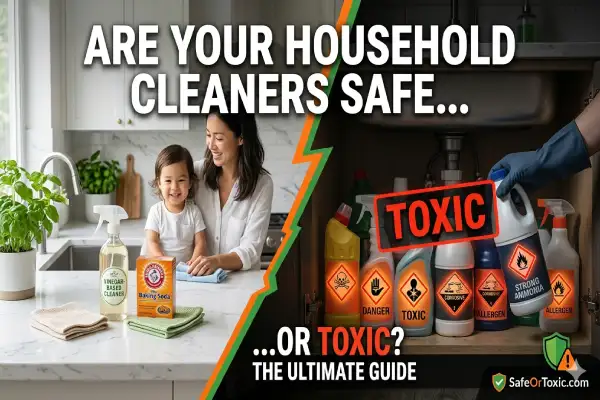
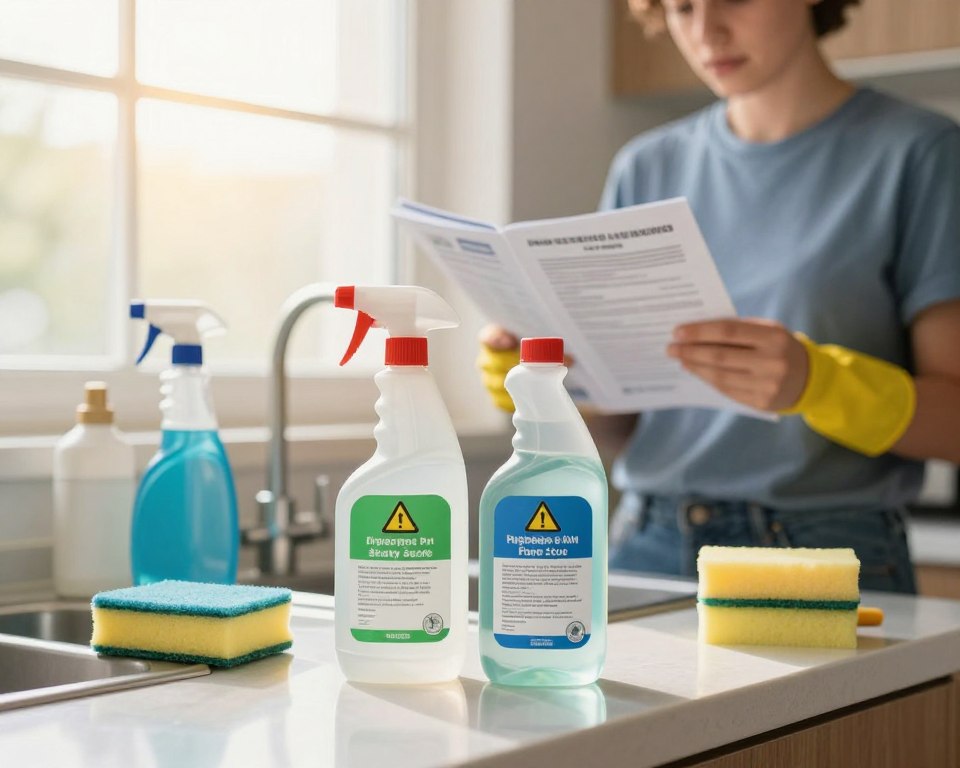
Learning to read labels is your best defense against hidden toxins. Hazardous products often feature warning labels regarding ventilation or skin protection. In contrast, safer alternatives typically rely on plant-based ingredients and avoid harsh synthetic additives.
Identifying Volatile Organic Compounds (VOCs)
Volatile Organic Compounds, or VOCs, are chemicals that turn into gas at room temperature. These compounds are frequently found in aerosol sprays, glass cleaners, and heavy-duty disinfectants. Exposure to high levels of VOCs can affect indoor air quality, which is why choosing low-VOC options is a smart strategy.
The Impact of Fragrances and Phthalates
Many cleaning agents use synthetic fragrances to mask chemical smells. Unfortunately, these fragrances often contain phthalates, which are chemicals used to help scents linger. Research suggests that minimizing exposure to these additives is a proactive way to maintain a healthy home environment.
| Ingredient Type | Common Risk | Safer Alternative |
|---|---|---|
| Synthetic Fragrances | Potential endocrine disruption | Essential oils or unscented |
| Ammonia | Respiratory irritation | White vinegar |
| Chlorine Bleach | Toxic fumes | Hydrogen peroxide |
| Phthalates | Chemical sensitivity | Plant-based surfactants |
By swapping out harsh chemicals for gentler options, you can find the best cleaning products for pregnancy that keep your living space sparkling without the worry. Always prioritize ventilation and personal comfort when tackling your chores.
Ingredients to Avoid in Household Cleaners
Identifying hazardous chemicals in your home is a vital step toward protecting your health and your baby. While many products promise a sparkling finish, they often hide ingredients that could be harmful. Choosing safe household cleaners for pregnant women is a simple way to reduce your daily chemical burden.
Ammonia and Bleach Dangers
Ammonia and bleach are common in many households, but they can be extremely irritating to your respiratory system. When used in enclosed spaces, these chemicals release harsh fumes that may cause coughing or shortness of breath. It is best to avoid these substances entirely to keep your indoor air quality high.
Phthalates and Synthetic Musks
Many conventional cleaners use synthetic fragrances to mask odors, often containing phthalates. These chemicals are known as endocrine disruptors and can interfere with your body’s natural hormone balance. Seeking out chemical-free cleaning products for expectant mothers helps you avoid these hidden additives.
Glycol Ethers and Their Reproductive Risks
Glycol ethers are solvents frequently found in glass and carpet cleaners. Research suggests that high exposure to these specific solvents may carry reproductive risks that are particularly concerning during pregnancy. Always check the label for ingredients like 2-butoxyethanol and opt for safer, plant-based alternatives instead.
Triclosan and Antibacterial Agents
Triclosan is an antibacterial agent often added to soaps and surface sprays. While it aims to kill germs, it may also disrupt thyroid function and contribute to antibiotic resistance. Many chemical-free cleaning products for expectant mothers rely on natural ingredients like vinegar or essential oils to sanitize surfaces effectively. By being mindful of these ingredients, you can confidently select safe household cleaners for pregnant women that support a healthy home environment.
Benefits of Switching to Natural Cleaning Products
You might be surprised by how much your daily well-being improves when you choose non-toxic cleaning products for pregnancy. Making the switch to greener alternatives is a simple yet powerful way to protect your health. By removing harsh synthetic chemicals from your home, you create a sanctuary that supports your body during this delicate time.
Reducing Indoor Air Pollution
Many conventional cleaners release volatile organic compounds (VOCs) that linger in the air long after you finish scrubbing. These invisible pollutants can irritate your lungs and cause unnecessary strain on your respiratory system. Choosing pregnancy safe cleaning products helps maintain better air quality, ensuring that every breath you take is clean and fresh.
Lowering the Risk of Allergic Reactions
Harsh chemicals often act as triggers for skin irritation and respiratory distress. When you opt for natural ingredients, you significantly lower the risk of allergic reactions for yourself and your family. This transition is especially important as your immune system undergoes changes, making you more sensitive to strong synthetic fragrances and dyes.
Creating a Healthier Environment for the Newborn
Preparing your home with non-toxic cleaning products for pregnancy sets the stage for a safe arrival. Infants are particularly vulnerable to chemical residues left on floors and surfaces where they crawl or play. By establishing these habits now, you ensure a healthier environment for your newborn to grow and thrive in from day one.
Best Practices for Safe Cleaning at Home
You can keep your living space sparkling clean without compromising your health or your baby’s well-being. While finding the best cleaning products for pregnancy is a great first step, your technique matters just as much as the items you choose. Adopting a few simple habits will help you maintain a tidy home while keeping your environment safe.
Ensuring Proper Ventilation
Fresh air is your best friend when you are cleaning. Always open windows and doors to create a cross-breeze that carries away harsh fumes. If the weather does not permit open windows, turn on exhaust fans in your kitchen and bathrooms to actively circulate the air.
Reading Labels for Safety Warnings
Before you start scrubbing, take a moment to read the back of your bottles. Manufacturers often include specific instructions on how to use their formulas safely. Look for warnings about skin contact or the need for protective gear, as these are vital for choosing pregnancy-friendly cleaning supplies.
Storing Chemicals Out of Reach
Safety extends beyond the act of cleaning itself. Ensure that all household agents are stored in their original containers and kept in a cool, dry place. It is crucial to keep these items locked away or on high shelves to prevent accidental spills or exposure.
Avoiding Mixing Different Cleaning Agents
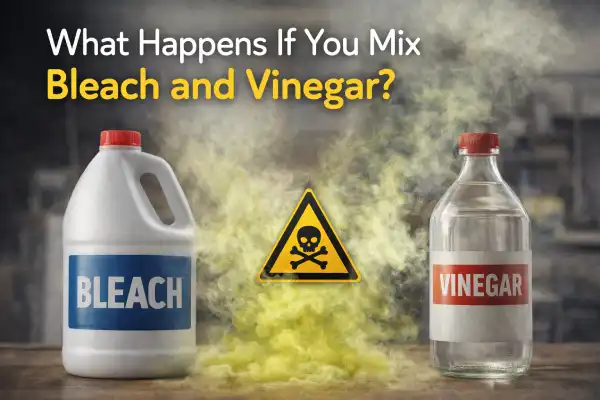
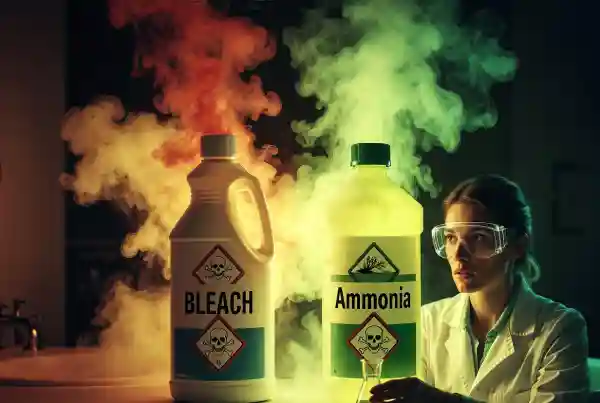
Never combine different cleaning products, even if they seem mild on their own. Mixing substances like bleach and ammonia can create toxic gases that are dangerous for anyone to inhale. Stick to one product at a time and rinse surfaces thoroughly with water to ensure no residue remains.
- Always keep your workspace well-ventilated.
- Read every label for specific safety instructions.
- Store all chemicals in a secure, elevated location.
- Never combine cleaning agents to avoid harmful reactions.
Essential Protective Gear for Expectant Mothers
When you are expecting, your approach to household chores should prioritize physical comfort and chemical safety. While you may be using pregnancy-friendly cleaning supplies, it is still wise to create a physical barrier between your body and the products you use. Taking these extra precautions helps you maintain a tidy home without unnecessary risks.
Using Gloves to Prevent Skin Absorption
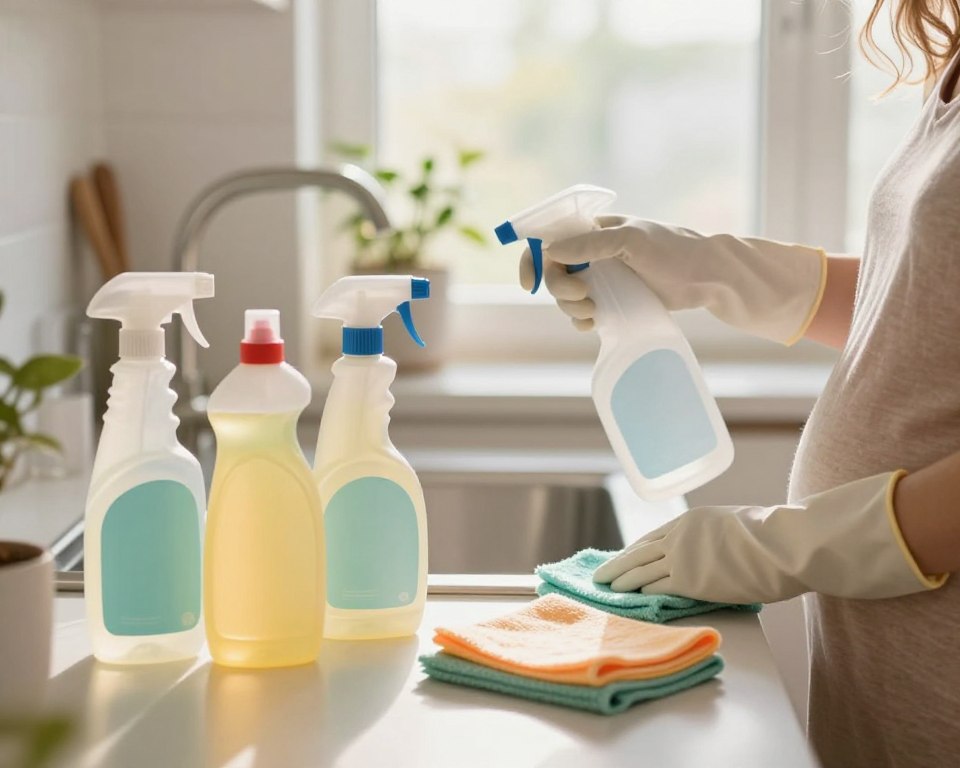
Your skin is your body’s largest organ, and it can absorb chemicals found in many household cleaners. Wearing durable, high-quality gloves is a simple way to protect yourself from potential irritation or absorption. Always choose nitrile or heavy-duty rubber gloves to ensure that no liquids seep through to your skin while you scrub.
Considering Masks for Strong Fumes
Even when you opt for pregnancy-friendly cleaning supplies, some products may still release strong odors that can trigger nausea or headaches. If you must use a product with a noticeable scent, consider wearing a mask to filter out those harsh fumes. Proper ventilation combined with a mask provides an extra layer of defense for your respiratory health.
Choosing Ergonomic Tools to Reduce Physical Strain
As your pregnancy progresses, your center of gravity shifts, making standard cleaning tasks more physically demanding. Using ergonomic tools with long handles can help you reach high or low surfaces without excessive bending or stretching. These tools are designed to reduce strain on your back and joints, allowing you to clean with much greater ease.
| Gear Type | Primary Benefit | Best Use Case |
|---|---|---|
| Nitrile Gloves | Prevents chemical absorption | Handling liquid cleaners |
| N95 Mask | Filters strong odors | Cleaning with potent sprays |
| Long-Handled Mop | Reduces back strain | Floor and wall cleaning |
| Knee Pads | Protects joints | Low-level scrubbing tasks |
DIY Non-Toxic Cleaning Solutions
Creating your own cleaning supplies is a wonderful way to ensure a safe home environment during pregnancy. By choosing non-toxic cleaning products for pregnancy, you significantly reduce your exposure to volatile organic compounds and synthetic irritants. These simple, homemade alternatives are often just as effective as commercial brands while being much gentler on your developing baby.
The Power of White Vinegar and Baking Soda
White vinegar and baking soda are the ultimate duo for a clean home. Vinegar acts as a natural disinfectant due to its acidic nature, making it perfect for cutting through grease and mineral deposits. When paired with baking soda, it creates a gentle abrasive paste that scrubs away grime without scratching surfaces.
This combination is incredibly versatile and safe for most household tasks. You can use it to refresh your kitchen counters, clean bathroom fixtures, or even deodorize carpets. Because these items are food-grade, you never have to worry about leaving behind toxic residues that could harm your health.
Using Lemon and Essential Oils Safely
Many people miss the fresh scent of commercial cleaners when they switch to natural options. You can easily achieve that clean, citrusy aroma by adding fresh lemon juice or high-quality essential oils to your mixtures. Lemon juice provides extra cleaning power and a bright, uplifting fragrance that is completely safe to inhale.
When using essential oils, it is important to choose varieties that are considered safe during pregnancy, such as lavender or lemon. Always use them in moderation and ensure your space is well-ventilated. Natural cleaning products for pregnancy should always prioritize your comfort and respiratory health above all else.
Simple Recipes for Surface Cleaners
You do not need a chemistry degree to mix effective cleaning solutions. A basic all-purpose spray can be made by mixing equal parts water and white vinegar in a glass spray bottle. For a deeper clean, sprinkle baking soda on a surface and spray it with your vinegar solution to create a bubbling, effective scrub.
| Cleaning Task | DIY Ingredient | Benefit |
|---|---|---|
| Glass & Mirrors | Vinegar & Water | Streak-free shine |
| Kitchen Sinks | Baking Soda | Gentle scrubbing |
| Countertops | Lemon & Water | Fresh scent |
| Floor Spills | Vinegar & Essential Oil | Sanitizing action |
When to Delegate Cleaning Tasks
As your pregnancy progresses, your body will naturally signal when it is time to delegate cleaning tasks. While you may want to keep your home spotless, your primary focus should remain on your health and the well-being of your baby. Choosing safe household cleaners for pregnant women is a great start, but sometimes the best choice is to let someone else handle the scrubbing entirely.
Recognizing Physical Limitations in Later Trimesters
During the third trimester, your center of gravity shifts significantly, which can affect your balance. You might also experience increased fatigue, making even simple chores feel like a marathon. It is perfectly normal to feel less energetic than you did in your first few months.
Listen to your body when it tells you to rest. Pushing through exhaustion can lead to unnecessary stress or physical strain. Prioritizing your comfort is not a sign of weakness; it is a necessary step for a healthy pregnancy.
Avoiding Heavy Lifting and Climbing
Tasks that require climbing on chairs or ladders pose a significant risk of falls. Your changing balance makes these activities much more dangerous than usual. It is best to avoid any chore that requires you to leave the ground.
Similarly, heavy lifting can put undue pressure on your back and abdominal muscles. Avoid moving heavy furniture or carrying large laundry baskets. If a task feels too heavy, always wait for assistance to ensure you stay safe.
Communicating Needs to Family Members
Open communication is the foundation of a stress-free home environment. Talk to your partner or family members about which chores you can no longer manage comfortably. They are likely eager to help if they know exactly what you need.
Creating a plan together ensures that your home stays clean without compromising your health. You can even work together to select safe household cleaners for pregnant women that your family can use while you take a well-deserved break. Remember, teamwork makes the process easier for everyone involved.
Conclusion
Your home should be a sanctuary during this special time. Making small, informed changes to your daily routine helps protect your health and the well-being of your baby.
Choosing natural cleaning products for pregnancy is a simple step toward a safer living space. These alternatives minimize exposure to harsh chemicals that often linger in the air or on surfaces.
Prioritizing your physical comfort remains just as important as the ingredients you use. Do not hesitate to ask for help with heavy chores or tasks that require climbing. Sharing your needs with family members creates a supportive environment for everyone involved.
Brands like Seventh Generation or Mrs. Meyer’s offer effective options that align with a non-toxic lifestyle. Integrating these natural cleaning products for pregnancy allows you to maintain a tidy home without unnecessary worry.
Focus on your health and enjoy this journey with peace of mind. A clean, safe home provides the perfect foundation for your new arrival.
FAQ
Are cleaning products safe during pregnancy?
While many standard household cleaners are generally considered safe, some contain harsh chemicals that can be irritating or potentially harmful. The key is to be mindful of ingredients and prioritize pregnancy safe cleaning products that minimize exposure to strong fumes and synthetic toxins. Brands like Seventh Generation offer great alternatives that are formulated with plant-based ingredients.
What are the best cleaning products for pregnancy to use at home?
Some of the best cleaning products for pregnancy include those that are fragrance-free and plant-derived. Look for trusted names like Dr. Bronner’s Pure-Castile Soap, Branch Basics, or Mrs. Meyer’s Clean Day (specifically their scent-free or essential oil-based lines). These products help maintain a clean home without the heavy chemical load found in industrial-strength cleaners.
How do chemicals in cleaners enter my body and affect the baby?
Chemicals can enter the maternal bloodstream through inhalation of fumes or dermal absorption through the skin. Because the developing fetus is particularly sensitive during critical windows of organogenesis, using non-toxic cleaning products for pregnancy is a proactive way to reduce the risk of environmental toxins reaching the baby.
Which specific ingredients should expectant mothers avoid?
It is best to avoid products containing Ammonia, Bleach, Phthalates, and Glycol Ethers. These substances can cause respiratory distress or are linked to reproductive risks. Additionally, steer clear of Triclosan found in some antibacterial soaps. Opting for chemical-free cleaning products for expectant mothers ensures a safer environment for both you and your newborn.
Are there pregnancy-friendly cleaning supplies I can make myself?
Absolutely! You can create effective pregnancy-friendly cleaning supplies using simple pantry staples. A mixture of Heinz White Vinegar and water is excellent for windows, while Arm & Hammer Baking Soda works as a gentle scrub for sinks and tubs. Adding a few drops of Aura Cacia lemon essential oil can provide a fresh scent without the risks associated with synthetic fragrances.
What are the benefits of switching to natural cleaning products for pregnancy?
Transitioning to natural cleaning products for pregnancy helps significantly reduce indoor air pollution. This creates a healthier atmosphere that lowers the risk of allergic reactions and respiratory issues, which is beneficial for the mother’s comfort and provides a safer “nest” for the baby once they arrive.
What safety precautions should I take while cleaning?
If you must use conventional cleaners, ensure proper ventilation by opening windows and using exhaust fans. Always wear protective gear, such as Mr. Clean reusable gloves, to prevent skin contact. Most importantly, never mix different cleaning agents, especially bleach and ammonia, as this can create dangerous, toxic vapors.
When should I stop doing certain household chores?
As you move into the later trimesters, it is important to recognize your physical limitations. Avoid heavy lifting, climbing ladders, or tasks that require intense physical strain. This is the perfect time to delegate more rigorous cleaning tasks to a partner or family member to prioritize your health and safety.
Where can I find safe household cleaners for pregnant women?
You can find safe household cleaners for pregnant women at most major retailers like Target or Whole Foods. Look for the “EPA Safer Choice” label or the “EWG Verified” seal to ensure the products meet strict safety standards for human health and the environment.