Maintaining a tidy home should never come at the cost of your ability to breathe easily. Many common household supplies contain harsh chemicals that can trigger respiratory distress and irritate sensitive airways. Finding the safest cleaning products for asthma sufferers is a vital step toward protecting your lung health and overall well-being.
By choosing natural, non-toxic alternatives, you can effectively remove dust and grime without introducing harmful pollutants into your living space. Creating a sanctuary that supports your respiratory system is entirely possible with the right knowledge and simple ingredient swaps.
This guide explores how to identify irritants in your current supplies and offers practical, evidence-based recommendations. Our goal is to help you transform your home into a truly healthy environment where you can feel comfortable and secure every single day.
Key Takeaways
- Identify common household chemicals that act as respiratory triggers.
- Prioritize fragrance-free and plant-based ingredients to improve indoor air quality.
- Learn how to spot hidden toxins in everyday household supplies.
- Discover natural alternatives that provide effective results without lung irritation.
- Create a healthier home sanctuary by reducing exposure to volatile organic compounds.
Understanding the Link Between Household Chemicals and Asthma
The hidden dangers lurking in your cleaning cabinet are more significant than you might think. While we strive to keep our living spaces spotless, the products we choose often contain harsh ingredients that irritate the airways. Switching to asthma-friendly cleaners is a proactive step toward protecting your respiratory health.
Research suggests that the regular use of conventional cleaning products can be as harmful to your lungs as smoking several cigarettes a day. This startling reality highlights why ingredient transparency matters for every household. Your lungs deserve a break from toxic fumes.
Common Volatile Organic Compounds in Conventional Cleaners
Many standard household cleaners release Volatile Organic Compounds, or VOCs, into the air during use. These chemicals evaporate at room temperature and can linger in your home long after you finish scrubbing. Common sources include:
- Synthetic fragrances and perfumes
- Solvents found in glass cleaners
- Degreasers and heavy-duty disinfectants
These compounds often act as potent irritants for those with sensitive lungs. By choosing asthma-friendly cleaners, you significantly reduce your exposure to these invisible airborne threats.
How Aerosols and Sprays Affect Lung Function
Aerosol sprays are particularly problematic because they disperse fine particles directly into the breathing zone. These microscopic droplets penetrate deep into the lungs, often triggering immediate wheezing or coughing. The physical act of spraying creates a mist that is difficult to avoid while cleaning.
“The inhalation of fine particulate matter from household sprays can cause rapid inflammation in the bronchial tubes, leading to acute respiratory distress.”
To minimize this risk, consider using liquid solutions that you apply directly to a cloth. This simple change prevents the aerosolization of chemicals and keeps your indoor environment safer.
The Importance of Indoor Air Quality for Respiratory Health
Indoor air quality is a cornerstone of effective asthma management. When we trap chemicals inside our homes, we create a cycle of irritation that makes breathing more difficult. Improving your home environment requires a shift in both habits and product selection.
Prioritizing asthma-friendly cleaners helps maintain a neutral, non-toxic atmosphere. When you reduce the chemical load in your home, you allow your airways to recover and function with greater ease. Clean air is essential for a healthy life.
Key Ingredients to Avoid in Cleaning Supplies
If you struggle with asthma, identifying harmful chemicals in your home is a vital step toward wellness. Many conventional products contain harsh substances that linger in the air long after you finish scrubbing. By choosing non-toxic cleaning supplies, you can significantly reduce the risk of respiratory irritation in your living space.
Dangers of Ammonia and Chlorine Bleach
Ammonia and chlorine bleach are two of the most common culprits behind sudden asthma attacks. These chemicals release volatile gases that irritate the delicate lining of your airways. Even small amounts can cause coughing, wheezing, and shortness of breath in sensitive individuals.
It is best to avoid these substances entirely to maintain a safe environment. If you must use them, ensure the area is well-ventilated and never mix them with other products, as this can create toxic fumes.
Phthalates and Synthetic Fragrances Explained
Many people enjoy the smell of a “fresh” home, but synthetic fragrances are often hidden sources of indoor air pollution. These scents frequently contain phthalates, which are chemicals used to help the fragrance last longer. Unfortunately, these compounds are known respiratory irritants that can trigger asthma symptoms.
When shopping for chemical-free cleaners for asthma sufferers, look for products labeled “fragrance-free” rather than “unscented.” Unscented products may still contain masking fragrances that can bother your lungs. Opting for natural alternatives helps keep your indoor air quality clean and breathable.
Why Quaternary Ammonium Compounds Are Problematic
Quaternary ammonium compounds, often called “quats,” are common disinfectants found in many household sprays. While they are effective at killing germs, they are also linked to the development of occupational asthma. Frequent exposure to these chemicals can lead to long-term respiratory sensitivity.
To protect your health, consider these alternatives when building your cleaning kit:
- Prioritize non-toxic cleaning supplies that rely on plant-based surfactants.
- Seek out chemical-free cleaners for asthma sufferers that are third-party certified.
- Avoid products that list “quats” or “benzalkonium chloride” on the label.
Making these small changes in your routine can make a massive difference in how you feel every day. Your home should be a sanctuary, not a source of respiratory stress.
The Safest Cleaning Products for Asthma Sufferers
Your home should be a sanctuary, not a source of respiratory irritation. When you manage asthma, the items you use to keep your living space tidy can inadvertently trigger unwanted symptoms. Finding the safest cleaning products for asthma sufferers is a vital step toward reclaiming your comfort and peace of mind.
Criteria for Selecting Asthma-Friendly Cleaners
The delivery method of your cleaning agent matters just as much as the ingredients inside. Many conventional cleaners rely on aerosolized sprays that disperse fine particles into the air, which are easily inhaled and can irritate sensitive airways. To minimize this risk, prioritize asthma-friendly cleaners that come in liquid or gel formats.
By choosing these textures, you significantly reduce the amount of chemical mist that lingers in your breathing zone. Always look for products that do not require vigorous scrubbing or produce strong, lingering odors. Simple, effective formulas often perform better without the need for harsh delivery systems.
Reading Labels for Non-Toxic Certifications
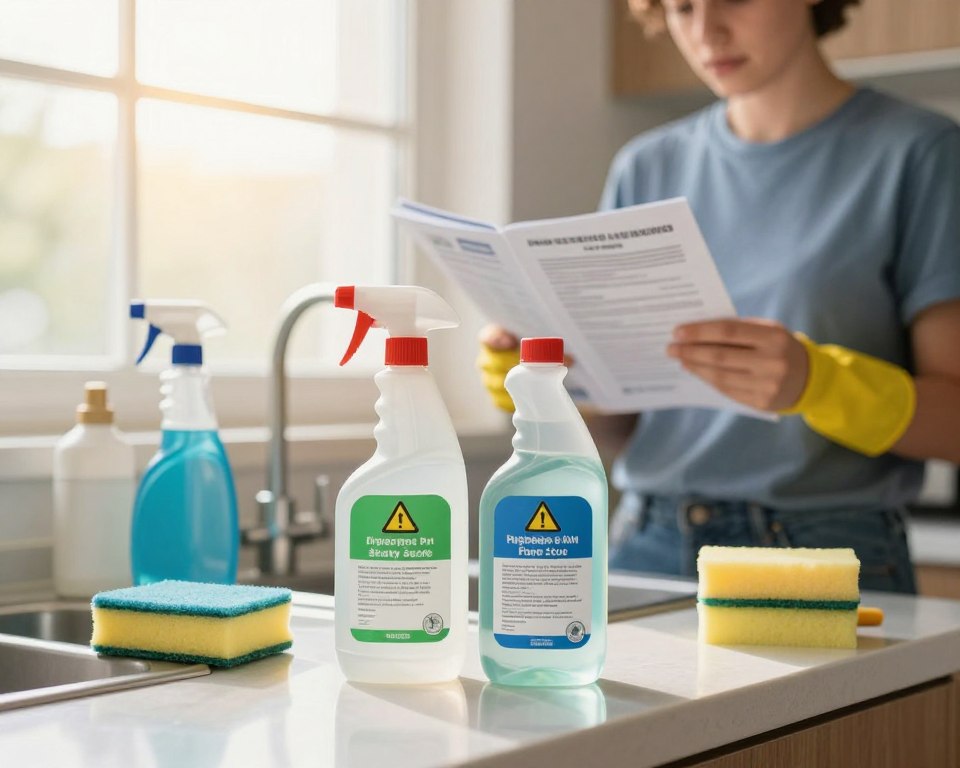
Navigating the grocery store aisles can be confusing due to vague marketing claims. To ensure you are purchasing truly non-toxic cleaning supplies, look for reputable third-party certifications on the packaging. Labels like the EPA Safer Choice or Green Seal indicate that the product has undergone rigorous testing for human health and environmental safety.
Do not rely solely on words like “green” or “eco-friendly” printed on the front of the bottle. These terms are often unregulated and may not guarantee that the product is safe for your lungs. Instead, flip the bottle over and carefully review the ingredient list for any known respiratory irritants.
The Difference Between Natural and Chemical-Free Products
It is important to understand that “natural” does not always mean “safe” for someone with asthma. Even plant-derived ingredients can release volatile organic compounds that trigger reactions in sensitive individuals. Furthermore, the term “chemical-free” is technically a misnomer, as everything in our world is composed of chemical substances.
Focus your search on products that are fragrance-free and hypoallergenic rather than just natural. A product might be derived from plants but still contain essential oils that cause airway inflammation. Prioritizing transparency and ingredient simplicity will always be your best strategy for maintaining a healthy home environment.
Benefits of Switching to Hypoallergenic Cleaning Products
Many families find that swapping out harsh chemicals for gentler alternatives changes their daily lives. By choosing hypoallergenic cleaning products, you create a living space that supports respiratory wellness rather than challenging it. These thoughtful changes make a noticeable difference in how your home feels and functions every single day.
Reducing Inflammation in the Airways
Conventional cleaners often release volatile organic compounds, or VOCs, into the air during use. These invisible gases can trigger significant inflammation in the airways of those with sensitive lungs. When you prioritize hypoallergenic cleaning products, you effectively lower the concentration of these irritants in your home environment.
This reduction is essential for maintaining better asthma control. By limiting exposure to harsh chemical vapors, you allow your respiratory system to recover and function more naturally. It is a proactive step toward breathing easier in your own home.
Minimizing Skin and Eye Irritation
Aggressive surfactants found in standard household supplies often leave behind residues that irritate the skin and eyes. Many people suffer from contact dermatitis or stinging sensations without realizing their cleaning routine is the culprit. Switching to milder, plant-based formulas helps eliminate these common physical reactions.
These safer alternatives are designed to be gentle on surfaces and even gentler on your body. You will likely notice that your hands feel less dry and your eyes remain clear after tidying up. Protecting your physical comfort is just as important as protecting your lungs.
Long-Term Health Advantages for Families
Investing in hypoallergenic cleaning products provides lasting benefits for every member of your household. Chronic exposure to toxic substances can lead to cumulative health issues over time, especially for children and those with pre-existing conditions. By removing these hazards, you build a foundation for a healthier, more vibrant home life.
Choosing safer ingredients is an act of care that pays off for years to come. It fosters a space where everyone can thrive without the constant worry of chemical triggers. Consistency in your choices leads to a safer and more sustainable environment for your entire family.
Evaluating Seventh Generation Free and Clear Multi-Surface Cleaner
Finding the right products for your home is essential when you prioritize your lung health. If you are looking for respiratory-friendly cleaning supplies, the Seventh Generation Free and Clear line is a top contender in the United States market. This brand has built a strong reputation for creating formulas that avoid harsh synthetic chemicals.
Overview of Plant-Based Ingredients
The core of this cleaner relies on plant-derived surfactants rather than petroleum-based alternatives. By utilizing ingredients sourced from nature, the formula effectively lifts dirt and grime from common household surfaces. It is designed to be gentle on the environment while remaining effective for daily maintenance tasks.
Pros of Using This Fragrance-Free Formula
One of the biggest advantages of this product is its commitment to being completely fragrance-free. Many conventional cleaners use synthetic scents that can irritate the airways, but this option eliminates those risks entirely. It is a reliable choice for those who need respiratory-friendly cleaning supplies that do not compromise on safety.
Cons and Limitations for Heavy-Duty Stains
While this cleaner excels at light dusting and everyday spills, it may struggle with heavy-duty grease or deep-set stains. You might find that it requires a bit more scrubbing power compared to industrial-strength chemical cleaners. Despite these limitations, it remains a highly recommended option for maintaining a clean home without the worry of harsh fumes.
Why Branch Basics Concentrate is a Top Choice for Sensitive Lungs
If you are searching for asthma-safe home cleaning solutions, the Branch Basics system is worth a closer look. Many conventional cleaners rely on harsh chemicals that can linger in the air and irritate your airways. This brand provides a unique, plant-based alternative designed to keep your indoor environment clean without the risk of respiratory distress.
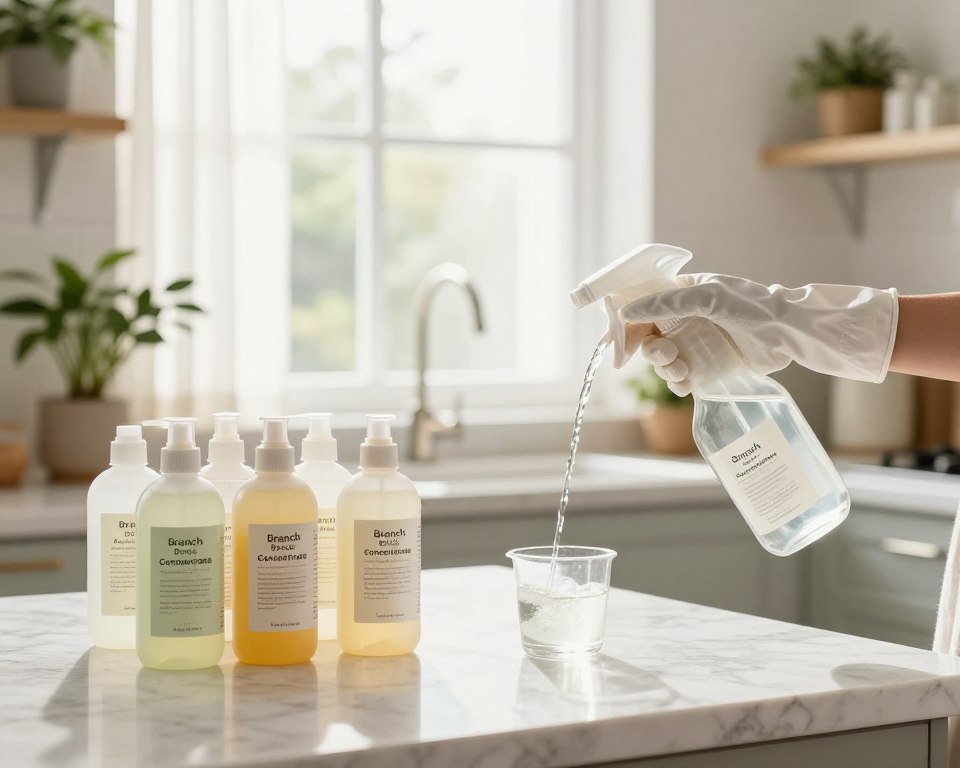
Overview of the Multi-Purpose Concentrate System
The core of this system is a single, versatile concentrate that you dilute with water. By using one base for various tasks, you significantly reduce the number of bottles under your sink. This approach effectively avoids the hidden synthetic fragrances that often trigger asthma attacks in sensitive individuals.
“Transparency in labeling is not just a trend; it is a fundamental requirement for those living with respiratory sensitivities.”
Pros of a Single-Ingredient Philosophy
The biggest advantage of this system is its commitment to a non-toxic, plant-based formula. Because the ingredients are simple and transparent, you do not have to worry about mysterious chemical compounds. This makes it one of the most reliable asthma-safe home cleaning solutions available on the market today.
Using a single concentrate also simplifies your shopping routine. You can trust that every surface in your home is being cleaned with the same high-quality, gentle ingredients. This consistency is vital for maintaining a healthy, low-irritant living space.
Cons of the Mixing Process
While the safety benefits are clear, the system does require a bit of extra effort. You must manually mix the concentrate with water in specific spray bottles to achieve the desired strength. For some, this added step might feel like a minor inconvenience compared to ready-to-use products.
| Feature | Branch Basics | Standard Cleaners |
|---|---|---|
| Fragrance Type | None | Synthetic |
| Ingredient List | Transparent | Often Hidden |
| Preparation | Requires Mixing | Ready-to-Use |
| Safety Level | High | Variable |
Ultimately, the time spent mixing is a small price to pay for improved indoor air quality. By choosing these asthma-safe home cleaning solutions, you are taking a proactive step toward protecting your lungs from unnecessary chemical exposure.
Using Dr. Bronner’s Sal Suds for Asthma-Safe Deep Cleaning
Deep cleaning your home does not have to mean exposing your lungs to harsh, synthetic chemicals. Many families are now turning to asthma-safe home cleaning solutions that provide a powerful scrub without the risk of respiratory irritation. One standout product in this category is Dr. Bronner’s Sal Suds, a versatile cleaner that handles everything from floors to laundry.
Overview of Concentrated Surfactants
Unlike traditional soaps, Sal Suds is a highly concentrated surfactant. This means it is specifically designed to lift dirt and grease from surfaces with minimal effort. Because it is so potent, a very small amount goes a long way, which helps keep your home environment free from excessive chemical residue.
Pros of Biodegradable and Non-Toxic Cleaning
The primary advantage of this cleaner is its commitment to safety. It is fully biodegradable and non-toxic, making it an excellent choice for those who prioritize indoor air quality. By choosing these asthma-safe home cleaning solutions, you reduce the risk of inhaling volatile compounds that often trigger wheezing or coughing.
Furthermore, the plant-based formula ensures that you are not introducing synthetic dyes or phthalates into your living space. It is a reliable, effective way to maintain a clean home while protecting your family’s respiratory health.
Cons of Scent Profiles for Highly Sensitive Individuals
While the product is free from synthetic fragrances, it does contain natural spruce and fir essential oils. For most people, this provides a clean, refreshing scent that is far superior to artificial perfumes. However, individuals with extreme chemical sensitivities may still find the natural aroma noticeable.
If you are highly sensitive to any scent, we recommend testing the product in a small, well-ventilated area first. You can also dilute the concentrate further with water to minimize the intensity of the fragrance. Even with these considerations, it remains one of the most effective asthma-safe home cleaning solutions available for deep cleaning tasks.
The Role of Vinegar and Baking Soda in Natural Home Maintenance
Vinegar and baking soda offer a powerful, natural alternative to the harsh chemicals found in many store-bought cleaners. These two humble pantry staples are highly effective natural cleaning products for asthma sufferers who need to minimize exposure to volatile organic compounds. By mixing these ingredients, you can tackle most household messes without relying on synthetic fragrances or toxic additives.
Overview of DIY Cleaning Solutions
Creating your own cleaning supplies is surprisingly simple and requires very little equipment. A basic solution of white distilled vinegar and water works wonders on glass, mirrors, and hard surfaces. When you need a bit more scrubbing power, a paste made from baking soda and water acts as a gentle yet effective abrasive for sinks and tubs.
Pros of Cost-Effective and Chemical-Free Cleaning
One of the greatest advantages of these ingredients is their affordability. You can maintain a pristine home for a fraction of the cost of premium eco-friendly brands. Furthermore, these chemical-free cleaners for asthma sufferers eliminate the risk of inhaling irritating fumes during your weekly chores. This approach provides peace of mind for families who prioritize respiratory health above all else.
Cons of Odor and Surface Compatibility
While these ingredients are powerful, they do come with a few limitations. The sharp, acidic scent of vinegar can be off-putting to some, though it typically dissipates quickly once the surface dries. Additionally, you must be careful with porous surfaces like natural stone, as the acidity in vinegar can cause etching over time.
| Feature | DIY Solutions | Commercial Cleaners |
|---|---|---|
| Cost | Very Low | High |
| Respiratory Safety | Excellent | Variable |
| Fragrance | None (Natural) | Often Synthetic |
| Surface Versatility | Limited | High |
Assessing Puracy Natural All-Purpose Cleaner for Respiratory Health
If you are looking for effective hypoallergenic cleaning products, Puracy might be your next favorite find. Many households struggle to find cleaners that are both powerful and gentle on the lungs. This brand focuses on creating solutions that prioritize your well-being while keeping your living space spotless.
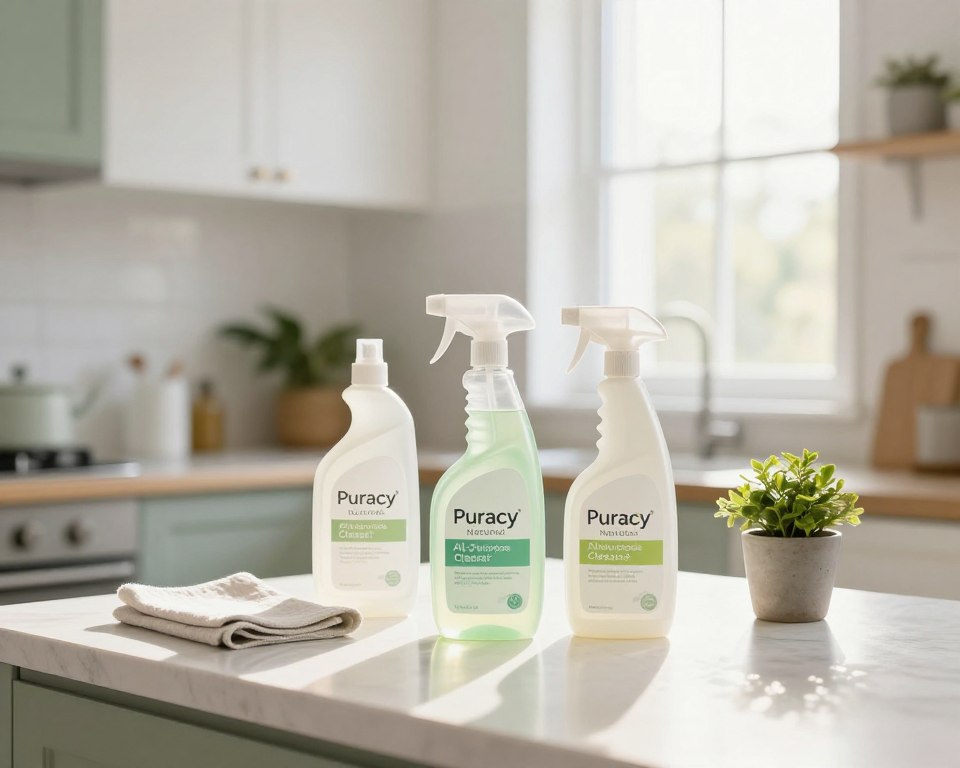
Overview of Enzyme-Based Cleaning Technology
Puracy utilizes advanced enzyme-based technology to break down dirt and grime at a molecular level. Unlike traditional cleaners that rely on harsh chemicals to strip surfaces, these enzymes act as biological catalysts. They target specific stains, such as proteins or starches, making them highly effective without the need for volatile additives.
“True cleanliness should never come at the cost of your ability to breathe freely in your own home.”
Pros of Hypoallergenic and Plant-Derived Ingredients
The primary advantage of this cleaner is its commitment to safety. By using plant-derived ingredients, the formula avoids the common triggers that often lead to respiratory distress. These hypoallergenic cleaning products are designed to be safe for families, including those with sensitive lungs or skin conditions.
The absence of synthetic fragrances and harsh sulfates makes a significant difference in indoor air quality. You can clean your kitchen or bathroom without worrying about lingering fumes. This peace of mind is a major benefit for anyone managing asthma symptoms daily.
Cons of Availability and Price Point
While the benefits are clear, there are some practical considerations to keep in mind. Puracy is often found in specialty stores or online, which may be less convenient than picking up a generic brand at a local supermarket. Additionally, the cost per ounce is typically higher than conventional cleaners.
| Feature | Puracy Cleaner | Conventional Cleaner |
|---|---|---|
| Ingredients | Plant-Derived | Synthetic Chemicals |
| Respiratory Impact | Low/Safe | High/Irritating |
| Price Range | Premium | Budget-Friendly |
Investing in your health often requires a higher budget, but many users find the trade-off worthwhile. When you choose hypoallergenic cleaning products, you are investing in a safer environment for your entire family. Balancing your budget with your respiratory needs is the key to a sustainable cleaning routine.
Benefits of Using Better Life Natural Streak-Free Glass Cleaner
Finding the right products for your home can be a challenge when you have sensitive lungs. Better Life Natural Streak-Free Glass Cleaner offers a refreshing change for those seeking respiratory-friendly cleaning supplies. This formula is designed to provide a crystal-clear finish without the harsh chemical fumes that often trigger discomfort.
Overview of Alcohol-Free Cleaning Agents
Many conventional window cleaners rely heavily on isopropyl alcohol or ammonia to achieve a streak-free shine. While these ingredients evaporate quickly, they often release volatile organic compounds that can irritate the airways. Better Life chooses to omit these harsh alcohols entirely, opting for plant-derived surfactants instead.
By removing these volatile agents, the product significantly reduces the risk of inhalation-related irritation. This makes it a much safer choice for individuals who are particularly sensitive to strong chemical odors during their daily chores.
Pros of Safe Ingredients for Asthma Sufferers
The primary advantage of this cleaner is its commitment to a non-toxic ingredient profile. Because it avoids synthetic fragrances and harsh solvents, it serves as one of the most effective respiratory-friendly cleaning supplies available on the market today.
- Plant-based surfactants that lift dirt without toxic fumes.
- Fragrance-free composition to prevent allergic reactions.
- Biodegradable ingredients that are safer for your indoor environment.
Cons of Application on Specific Surfaces
While the formula is excellent for standard glass and mirrors, users should exercise caution with certain specialized surfaces. Because it lacks the aggressive solvent power of traditional cleaners, it may not be suitable for windows with specific anti-glare or delicate factory-applied coatings.
Always test a small, inconspicuous area before applying the product to the entire surface. This simple step ensures that your cleaning routine remains both effective and safe for your home materials.
| Feature | Traditional Cleaners | Better Life Cleaner |
|---|---|---|
| Alcohol Content | High | None |
| Respiratory Impact | High Irritation | Low/Safe |
| Cleaning Power | Aggressive | Gentle/Effective |
| Best Use | General Glass | Respiratory-friendly cleaning supplies |
How to Properly Ventilate Your Home While Cleaning
Proper airflow is a fundamental, yet often overlooked, aspect of maintaining an asthma-friendly living space. When you clean, you may inadvertently stir up dust or release volatile compounds into the air. Maximizing ventilation helps these irritants escape your home rather than settling into your lungs.
Importance of Airflow During Cleaning Tasks
Always open windows and doors whenever the weather permits to create a cross-breeze. This simple action helps dilute any airborne particles that become dislodged during your chores. Fresh air is your best ally when trying to keep your indoor environment clear of triggers.
Don’t forget to utilize mechanical ventilation systems already installed in your home. For instance, run an exhaust fan in your bathroom for 15 to 20 minutes after showering to reduce mold growth. This prevents moisture buildup, which is a common culprit for respiratory irritation.
Using HEPA Air Purifiers to Capture Airborne Particles
Sometimes, opening a window is not enough, especially if you are deep cleaning or dusting. A high-quality HEPA air purifier acts as a secondary defense by capturing microscopic particles that remain suspended in the air. These devices are highly effective at trapping dust mites, pet dander, and pollen.
Place your purifier in the room where you are currently working to ensure the best results. By running the unit on a high setting during your cleaning session, you can significantly lower the concentration of irritants. Consistent use of these filters provides a much safer breathing environment for everyone in the household.
Best Practices for Cleaning During Low-Pollen Days
Timing your cleaning schedule can make a world of difference for your respiratory health. It is wise to check your local weather report for pollen counts before opening your windows wide. Cleaning on low-pollen days ensures that you are not inviting outdoor allergens into your home while trying to remove indoor ones.
If you live in an area with high seasonal pollen, try to perform your heavy cleaning tasks during the early morning or late evening. These times often feature lower pollen activity compared to the middle of the day. Staying mindful of these patterns helps you maintain a clean home without compromising your comfort.
Identifying Fragrance-Free Labels and Certifications
If you suffer from asthma, learning to decode product labels is a vital step toward a healthier home environment. Many shoppers struggle to distinguish between safe, eco-friendly options and products that merely use clever marketing. By understanding specific certifications, you can confidently select the best eco-friendly cleaning products for allergies.
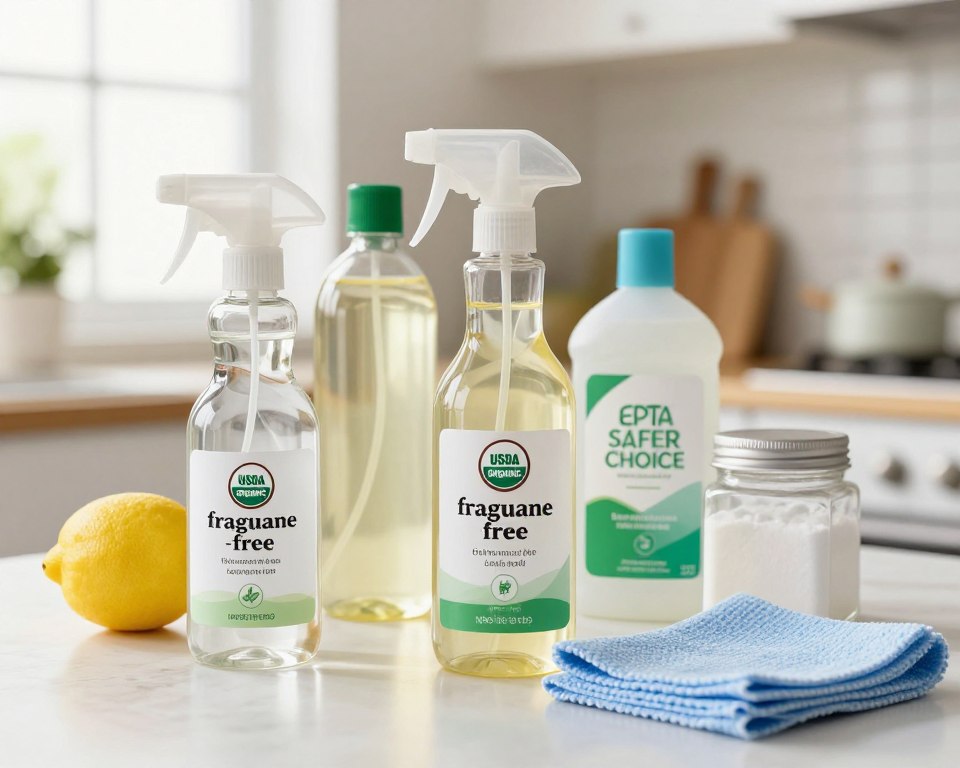
Understanding EPA Safer Choice Labels
The Environmental Protection Agency (EPA) provides the Safer Choice label to help consumers identify products that are better for both human health and the environment. When you see this logo on a bottle, it means the product has been reviewed by scientists to ensure it contains only the safest possible chemical ingredients. This certification is a gold standard for those looking for the best eco-friendly cleaning products for allergies.
Decoding Marketing Terms Like Unscented vs Fragrance-Free
It is common to confuse the terms “unscented” and “fragrance-free,” but they mean very different things. A product labeled as unscented may still contain masking fragrances to neutralize the smell of chemicals. In contrast, fragrance-free products contain no added scents or masking agents, making them much safer for sensitive lungs.
Third-Party Certifications to Trust
Beyond the EPA, several independent organizations provide rigorous testing for household supplies. Look for seals from groups like Green Seal or EcoLogo, which verify that a product meets strict environmental and health standards. Relying on these third-party experts helps you avoid hidden triggers and find the best eco-friendly cleaning products for allergies.
| Label Term | What It Means | Asthma Safety |
|---|---|---|
| Fragrance-Free | No added scents or masking agents | High |
| Unscented | May contain chemicals to hide odors | Low |
| EPA Safer Choice | Scientifically vetted for safety | High |
| Natural | Marketing term, not regulated | Variable |
Creating a Routine for Asthma-Friendly Home Maintenance
A consistent cleaning schedule can transform your living space into a true sanctuary for your lungs. By organizing your chores, you minimize the time spent in contact with potential irritants. Utilizing the best eco-friendly cleaning products for allergies helps ensure that your routine supports your respiratory health rather than hindering it.
Scheduling Cleaning Tasks to Avoid Overexposure
It is helpful to break down large cleaning projects into smaller, manageable segments throughout the week. This approach prevents you from becoming overwhelmed and reduces the duration of your exposure to dust or chemical vapors. Pacing yourself is a simple yet effective strategy for maintaining a healthy home environment.
Try to clean during times when you feel most energetic and when the home is well-ventilated. If you notice that certain tasks trigger your symptoms, consider tackling them in short bursts. Taking frequent breaks allows your airways to remain calm and clear.
Delegating Tasks to Reduce Personal Exposure
You do not have to manage every cleaning task on your own. If specific activities, such as scrubbing bathrooms or dusting high shelves, trigger your asthma, ask a family member or a professional to assist you. Delegation is a smart health strategy that keeps you away from concentrated dust and cleaning agents.
When you must perform these tasks, wear a mask to filter out particles. Open windows to encourage fresh air circulation while the work is being completed. By sharing the workload, you protect your lungs and maintain a cleaner home with less personal effort.
Maintaining a Dust-Free Environment Safely
Consistency is the foundation of a dust-free home. You should vacuum at least weekly using a machine equipped with a certified HEPA filter to capture airborne particles effectively. Using damp cloths for dusting instead of feather dusters prevents allergens from becoming airborne and settling back onto your surfaces.
Pairing these habits with the best eco-friendly cleaning products for allergies ensures that your surfaces remain clean without introducing harsh chemicals into your indoor air. Below is a recommended schedule to help you stay on track.
| Task | Frequency | Recommended Tool |
|---|---|---|
| HEPA Vacuuming | Weekly | HEPA-Certified Vacuum |
| Damp Dusting | Bi-Weekly | Microfiber Cloth |
| Surface Wiping | As Needed | Eco-Friendly Cleaner |
| Air Purifier Check | Monthly | HEPA Filter |
Maintaining this routine will significantly improve your indoor air quality. Remember that the goal is to create a safe space where you can breathe easily every single day.
Common Cleaning Habits That Trigger Asthma Attacks
Your daily cleaning routine might be doing more harm than good for your respiratory health. While the goal is to create a sanitary environment, some standard practices can inadvertently release irritants into the air. Small changes in your approach can make a world of difference for your lungs.
Dangers of Mixing Cleaning Chemicals
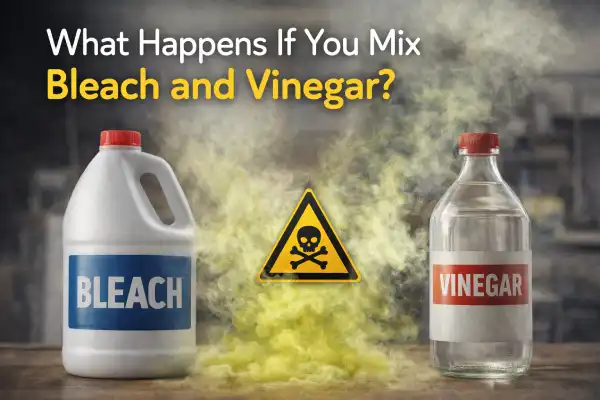
One of the most critical safety rules in any home is to never mix household cleaning products. Combining certain chemicals can lead to dangerous chemical reactions that produce toxic fumes. These fumes are potent triggers for severe asthma attacks and can cause immediate respiratory distress.
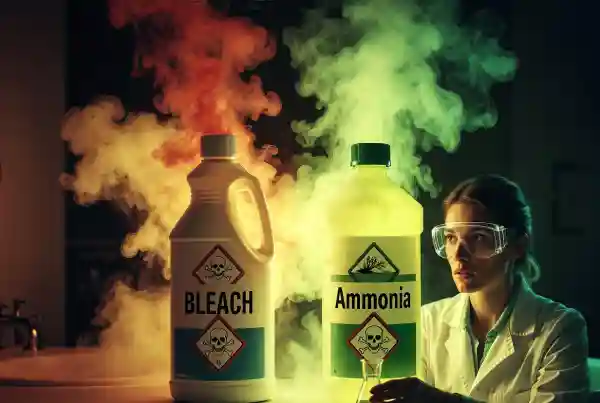
For example, you should never mix bleach with ammonia or acidic cleaners. This combination creates chloramine gas, which is highly irritating to the airways. Always read product labels carefully and stick to using one cleaner at a time to ensure your home remains a safe haven.
Why Dusting Should Be Done with Damp Cloths
Many people rely on feather dusters or dry cloths to remove surface debris. Unfortunately, these methods often just stir up dust mites, pet dander, and pollen, sending them back into the air you breathe. This process can quickly lead to unnecessary coughing or wheezing for those with sensitive lungs.
Instead, opt for a damp microfiber cloth to trap particles effectively. By wiping surfaces with moisture, you ensure that dust is collected rather than dispersed. This simple switch is a highly effective way to maintain a cleaner, more breathable environment.
Avoiding Over-Cleaning and Excessive Product Use
It is easy to assume that using more cleaning solution will result in a cleaner home. However, excessive product use often leaves behind a heavy chemical residue that can linger in the air for hours. Over-cleaning can turn a safe space into a source of constant respiratory irritation.
Try to use the minimum amount of product necessary to get the job done. If you find yourself needing to use large quantities of spray, it may be time to reconsider the type of cleaner you are using. Focus on quality over quantity to keep your indoor air fresh and clear.
| Cleaning Habit | Impact on Asthma | Recommended Action |
|---|---|---|
| Mixing Chemicals | High Risk | Never combine products |
| Dry Dusting | Moderate Risk | Use damp cloths |
| Excessive Spraying | Moderate Risk | Use minimal amounts |
| Poor Ventilation | High Risk | Open windows while cleaning |
Conclusion
Your journey toward better respiratory wellness starts with the choices you make in the cleaning aisle. Selecting natural cleaning products for asthma helps you reclaim your living space from harsh irritants. These simple swaps protect your lungs while keeping your home sparkling clean.
Small habits create lasting impacts on your daily comfort. You gain control over your indoor air quality by reading labels and avoiding synthetic fragrances. Every bottle of Seventh Generation or Branch Basics you choose represents a commitment to your family’s long-term health.
Stay proactive by monitoring how your body reacts to different supplies. You deserve a sanctuary that supports your breathing rather than hindering it. Integrating natural cleaning products for asthma into your routine empowers you to live without the constant worry of chemical triggers.
Share your favorite non-toxic cleaning tips with friends or family members who struggle with similar sensitivities. Building a community of awareness helps everyone breathe a little easier. Your dedication to a safer home environment makes a world of difference for your well-being.
FAQ
What are the safest cleaning products for asthma sufferers to use daily?
The safest cleaning products for asthma sufferers are those that are fragrance-free and formulated without harsh irritants like ammonia or bleach. Brands like Seventh Generation Free and Clear and Branch Basics are excellent options because they prioritize plant-based ingredients and avoid volatile organic compounds (VOCs) that can trigger respiratory distress.
Why should I switch to non-toxic cleaning supplies if I have sensitive lungs?
Switching to non-toxic cleaning supplies is crucial because many conventional cleaners contain chemicals that can be as damaging to your lungs as smoking cigarettes. By using asthma-friendly cleaners, you reduce the inhalation of fine particles and toxic fumes, which helps maintain better indoor air quality and long-term respiratory health.
Are hypoallergenic cleaning products actually effective at removing deep grime?
Yes! Many hypoallergenic cleaning products, such as Dr. Bronner’s Sal Suds, are powerful surfactants that can tackle heavy-duty cleaning tasks without the need for aggressive synthetic chemicals. While some plant-based formulas may require a little more “elbow grease” for set-in stains, they are highly effective for maintaining a clean and healthy home.
How can I identify genuine asthma-safe home cleaning solutions?
To find authentic asthma-safe home cleaning solutions, look for third-party certifications like the EPA Safer Choice label. It is also important to choose liquid or gel formulas over aerosols, as sprays disperse fine particles that easily penetrate the airways. Always check the label for the absence of phthalates and synthetic fragrances.
What is the benefit of using respiratory-friendly cleaning supplies over traditional ones?
The primary benefit of respiratory-friendly cleaning supplies is the reduction of chronic inflammation in the airways. These products minimize the risk of immediate asthma attacks and protect your family from skin and eye irritation caused by the harsh surfactants found in standard household agents.
Can I make my own natural cleaning products for asthma at home?
Absolutely! Some of the most effective natural cleaning products for asthma can be made using simple household staples like vinegar and baking soda. These DIY solutions are cost-effective and completely chemical-free, though you should always be mindful of surface compatibility and ensure proper ventilation to manage the temporary scent of vinegar.
Are chemical-free cleaners for asthma sufferers more expensive than regular brands?
While some specialized brands like Puracy or Branch Basics may have a higher upfront cost or different availability, they are often highly concentrated, making them cost-effective in the long run. Investing in chemical-free cleaners for asthma sufferers can also save money on healthcare costs by reducing the frequency of asthma triggers and symptoms.
What are the best eco-friendly cleaning products for allergies and asthma?
The best eco-friendly cleaning products for allergies are those that combine sustainable manufacturing with non-irritating ingredients. Better Life Natural Streak-Free Glass Cleaner is a top choice because it is alcohol-free, while Puracy uses enzyme-based technology to break down allergens without using harsh synthetic solvents.
Is there a difference between “unscented” and “fragrance-free” products?
Yes, and the difference is vital for lung health. “Unscented” products may still contain masking fragrances to hide the smell of chemicals, which can still trigger an attack. For the highest safety, always look for fragrance-free labels to ensure no scent-masking chemicals have been added to the formula.
What cleaning habits should I avoid to prevent an asthma attack?
You should strictly avoid mixing cleaning chemicals, especially bleach and ammonia, as this creates highly toxic fumes. Additionally, avoid dry dusting, which stirs up allergens; instead, use damp cloths to capture dust. Always ensure your home is well-ventilated or use a HEPA air purifier to maintain clean air while you work.