Imagine pulling a warm, cozy sweater from the dryer. It feels incredibly soft against your skin, but have you ever wondered what chemicals linger in those fibers? We all want our homes to feel like a sanctuary, yet the products we use daily might be working against us.
Many families rely on common laundry additives for that signature fresh scent. However, growing research suggests we should pause and ask: is liquid fabric softener toxic? It is a question that many concerned parents and pet owners are starting to take seriously.
We want the best for our loved ones, yet hidden ingredients often compromise our indoor air quality. It is time to uncover if your favorite bottle is truly safe for your family. Let’s explore the science behind these household products and find healthier ways to keep your clothes feeling great.
Key Takeaways
- Growing concerns exist regarding the chemical composition of standard laundry additives.
- Understanding the potential health risks helps you make better household decisions.
- Many common ingredients may negatively impact indoor air quality.
- Reading labels is the first step toward a safer laundry routine.
- Natural alternatives provide softness without the hidden dangers.
The Science Behind Fabric Softeners
The secret to that fluffy towel feeling often lies in a complex chemical process hidden right in your laundry room. While many assume softness is a natural result of cleaning, it is actually the outcome of a deliberate chemical coating process. Manufacturers design these products to alter the physical texture of your garments through microscopic layers.
How Cationic Surfactants Work
At the heart of most liquid softeners are cationic surfactants. These molecules carry a positive electrical charge, which allows them to bond effectively to the negatively charged surface of fabric fibers. Once they attach, they create a thin, waxy film that lubricates the fibers.
This lubrication reduces friction between the threads of your clothing. By smoothing out the microscopic surface of the fabric, these surfactants prevent fibers from tangling and matting. This is exactly how the product minimizes static cling and makes your laundry feel significantly softer to the touch.
The Role of Fragrance and Coating Agents
Beyond simple softening, these products are engineered to provide a long-lasting sensory experience. Fragrance molecules are often encapsulated in tiny shells that break open slowly over time. This ensures that your clothes maintain a fresh scent long after the wash cycle is complete.
Coating agents work in tandem with these fragrances to lock the scent into the fabric. Because these chemicals are designed to resist rinsing, they leave behind a persistent residue. This residue is what you feel when you touch a garment that has been treated with conventional softeners.
| Feature | Natural Fiber | Coated Fiber |
|---|---|---|
| Surface Texture | Rough/Natural | Smooth/Waxy |
| Static Potential | High | Low |
| Residue Level | None | Significant |
| Scent Retention | Short-term | Long-term |
Is Liquid Fabric Softener Toxic?
Many households rely on laundry additives to keep clothes feeling soft and smelling fresh. However, a growing number of health-conscious individuals are asking: is liquid fabric softener toxic? While these products are designed for convenience, they often leave behind a thin layer of chemical residue on your garments that stays in contact with your skin all day long.
Understanding Chemical Exposure Through Skin
Your skin is the largest organ in your body and acts as a semi-permeable barrier. When you wear clothes treated with synthetic softeners, your skin may absorb the chemical residues left behind in the fabric fibers. Prolonged contact can lead to systemic exposure, meaning these substances potentially enter your bloodstream over time.
Many people do not realize that the softening agents are designed to remain on the fabric rather than rinsing away completely. This persistent contact is why some experts suggest that using liquid fabric softener toxic concerns should be taken seriously by those with sensitive skin or chemical sensitivities.
The Volatile Organic Compound Connection
Beyond skin contact, the scent of your laundry often signals the presence of volatile organic compounds (VOCs). These chemicals are frequently used to create long-lasting synthetic fragrances that linger on your clothes. When you open your dryer or store your laundry, these VOCs are released into your indoor air, which you then inhale.
High concentrations of these compounds can degrade your indoor air quality significantly. If you find yourself wondering if your liquid fabric softener toxic profile is affecting your home environment, consider the following breakdown of how these chemicals interact with your daily life.
| Exposure Route | Primary Concern | Potential Impact |
|---|---|---|
| Dermal Absorption | Chemical Residue | Skin irritation and rashes |
| Inhalation | VOC Release | Respiratory discomfort |
| Systemic | Long-term buildup | Endocrine disruption |
By identifying these hidden risks, you can make more informed choices about the products you bring into your home. Reducing your reliance on synthetic additives is a simple way to improve your overall well-being and create a safer living space for your family.
Common Harmful Chemicals Found in Conventional Softeners
If you look closely at the back of your favorite softener bottle, you might find some concerning chemicals. Many consumers are unaware of the dangers of conventional fabric softeners, which often contain a complex mix of synthetic additives. These substances are designed to coat fibers, but they can also reduce the flame resistance of children’s sleepwear, creating an unexpected safety hazard in your home.
Phthalates and Synthetic Musks
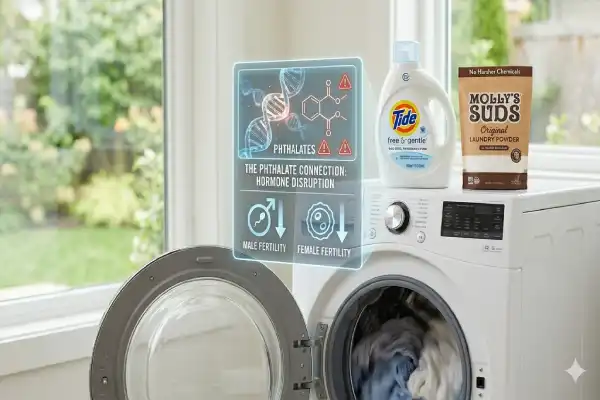
Manufacturers frequently use phthalates to help fragrances cling to your clothes for days. These chemicals are often hidden under the generic term “fragrance” on labels. Synthetic musks are also common, as they provide a long-lasting scent that many people associate with cleanliness.
Unfortunately, these compounds are linked to various fabric softener harmful effects. They can act as endocrine disruptors, potentially interfering with the body’s natural hormonal balance over time.
Quaternary Ammonium Compounds
Often referred to as “quats,” these chemicals are the primary softening agents in most liquid products. They work by depositing a thin, waxy layer onto fabric fibers to make them feel softer to the touch. While effective at reducing static, they are also known to be significant skin irritants.
For individuals with sensitive skin, these compounds can trigger allergic reactions or contact dermatitis. Understanding the dangers of conventional fabric softeners is essential for those who suffer from chronic skin irritation or unexplained rashes.
Preservatives and Formaldehyde Releasers
To ensure a long shelf life, many brands include harsh preservatives in their formulas. Some of these ingredients are classified as formaldehyde releasers, which slowly emit small amounts of formaldehyde into the air. This process can contribute to poor indoor air quality and respiratory discomfort.
Being mindful of these ingredients is a vital step in avoiding fabric softener harmful effects. By reading labels carefully, you can make informed choices that prioritize the health and safety of your entire household.
Impact of Fabric Softener on Human Health
Understanding the fabric softener harmful effects is essential for maintaining a healthy home environment. Many families prioritize comfort, yet the synthetic chemicals used to achieve that softness often linger on fabrics and inside washing machines.
Over time, these chemical residues create a sticky film that traps moisture. This environment becomes a perfect breeding ground for mildew and mold. When you wash your clothes, these spores can transfer onto your garments, significantly degrading your indoor air quality.
Respiratory Issues and Indoor Air Quality
The chemicals released by synthetic softeners often include volatile organic compounds (VOCs). When these substances evaporate, they can irritate the delicate lining of your airways. For individuals with asthma or allergies, this exposure often triggers uncomfortable respiratory symptoms.
Beyond the chemicals themselves, the mold growth fostered by softener buildup poses a serious risk. Breathing in mold spores daily can lead to chronic congestion and persistent coughing. Keeping your laundry area clean is a vital step in protecting your family’s lung health.
Endocrine Disruption Concerns
Many conventional softeners contain ingredients that act as endocrine disruptors. These substances can interfere with your body’s natural hormonal balance. Scientific studies suggest that even low-level exposure to these chemicals may impact how your body regulates essential functions.
Because these products are designed to stay on your clothes, they remain in constant contact with your skin. This prolonged exposure increases the likelihood of systemic absorption. It is wise to consider how these hidden ingredients might affect your long-term wellness.
Long-term Exposure Risks
The cumulative nature of these fabric softener harmful effects is a growing concern for health experts. While a single wash may seem harmless, years of daily exposure can lead to a buildup of synthetic toxins in the body. Choosing safer alternatives is a proactive way to reduce your chemical load and support a healthier lifestyle.
Environmental Consequences of Synthetic Softeners
The convenience of soft, static-free clothing often comes at a hidden cost to our rivers and lakes. While we focus on the feel of our fabrics, the chemicals we wash away travel far beyond our laundry rooms. Every rinse cycle sends a cocktail of synthetic substances directly into our municipal water systems.
Waterway Pollution and Aquatic Toxicity
Most conventional fabric softeners rely on a petroleum base to achieve that signature softness. When these products enter our waterways, they do not simply vanish. Instead, they can become toxic to fish and other aquatic organisms that rely on clean water to survive.
These chemicals often disrupt the delicate balance of local ecosystems. By coating surfaces in our water supply, they may interfere with the natural processes that keep aquatic life healthy. It is a sobering reality that our daily chores can have such a profound impact on the environment.
Biodegradability Challenges
A major issue with synthetic softeners is their lack of true biodegradability. Many of the ingredients designed to cling to your clothes are also designed to resist breaking down in nature. This persistence means that these substances can accumulate in the environment over time.
Because they are not easily broken down by bacteria or sunlight, these chemicals remain in the water cycle for extended periods. Choosing products that prioritize environmental safety is a simple way to reduce your personal footprint. Transitioning to sustainable alternatives helps protect our shared natural resources for future generations.
| Feature | Conventional Softeners | Eco-Friendly Alternatives |
|---|---|---|
| Base Ingredients | Petroleum-derived | Plant-based |
| Biodegradability | Very Low | High |
| Aquatic Impact | Potentially Toxic | Minimal Risk |
| Persistence | Long-term | Short-term |
Why Your Skin Reacts to Fabric Softeners
Sensitive skin often acts as a warning system against the harsh synthetic ingredients found in common laundry additives. When you use liquid softeners, a thin layer of chemical residue remains on your clothing fibers long after the wash cycle ends. This persistent coating is designed to make fabrics feel smooth, but it can wreak havoc on your body’s largest organ.
Contact Dermatitis and Skin Irritation
Many individuals experience contact dermatitis without realizing that their laundry routine is the primary cause. This condition occurs when the skin reacts to substances that disrupt its natural protective barrier. Because clothing is in constant contact with your body, these chemical residues have ample time to penetrate the skin surface.
You might notice symptoms such as persistent redness, itching, or small, painful bumps appearing shortly after wearing treated garments. It is incredibly frustrating to deal with unexplained irritation that seems to follow you throughout the day. By identifying these early signs, you can take proactive steps to protect your skin from further exposure.
The Link Between Fragrance and Eczema
For those who suffer from eczema, the stakes are even higher. Fragrances are among the most common triggers for flare-ups, as they contain complex chemical mixtures that the immune system often identifies as threats. When these scents are embedded into your clothes, they create a continuous source of irritation that can make managing chronic skin conditions nearly impossible.
Removing synthetic fragrances from your laundry routine is often the most effective way to calm reactive skin. Many dermatologists recommend switching to fragrance-free alternatives to reduce the risk of inflammation. Prioritizing skin health means choosing products that do not leave behind volatile compounds, allowing your skin to heal and maintain its natural balance.
Hidden Dangers for Babies and Sensitive Individuals
When it comes to laundry, the smallest members of your household often face the biggest risks. While many people enjoy the scent of fresh linens, the dangers of conventional fabric softeners are often overlooked by busy parents. These products frequently contain synthetic chemicals that can linger on fabrics long after the wash cycle ends.
Why Infants Are More Vulnerable
Infants possess much thinner skin than adults, making them highly susceptible to chemical absorption. Their developing immune systems are still learning to process environmental stressors, which can lead to unexpected reactions when they come into contact with harsh residues. Because babies spend so much time wrapped in blankets or wearing soft clothing, they are in constant contact with these chemical coatings.
Furthermore, infants often have a habit of putting fabric items in their mouths. This behavior increases the risk of ingesting trace amounts of chemicals left behind by standard laundry products. Protecting their delicate health requires a proactive approach to choosing what touches their skin.
Managing Chemical Sensitivities in the Home
Creating a non-toxic nursery is a top priority for many families today. To minimize exposure, start by auditing your laundry room and removing products that contain heavy fragrances or synthetic dyes. Transitioning to a safe fabric softener for babies or skipping the softener entirely can significantly improve indoor air quality.
If you or a family member struggles with skin sensitivities, consider these practical steps:
- Switch to fragrance-free, hypoallergenic detergents.
- Use natural alternatives like white vinegar to soften fibers.
- Opt for wool dryer balls to reduce static without chemical additives.
- Always double-rinse clothing to ensure no residue remains on the fabric.
By making these simple changes, you can effectively reduce the dangers of conventional fabric softeners in your living space. Prioritizing natural, gentle ingredients ensures that your home remains a truly safe sanctuary for everyone, especially your little ones.
How to Identify Toxic Ingredients on Labels
Learning to read your laundry product labels is the most effective way to protect your family from hidden chemical exposure. Many manufacturers use clever marketing to hide the true nature of their formulas, making it difficult for the average consumer to know what they are bringing into their homes. By taking a few extra moments to inspect the fine print, you can make informed decisions that prioritize your health.
Decoding Industry Jargon
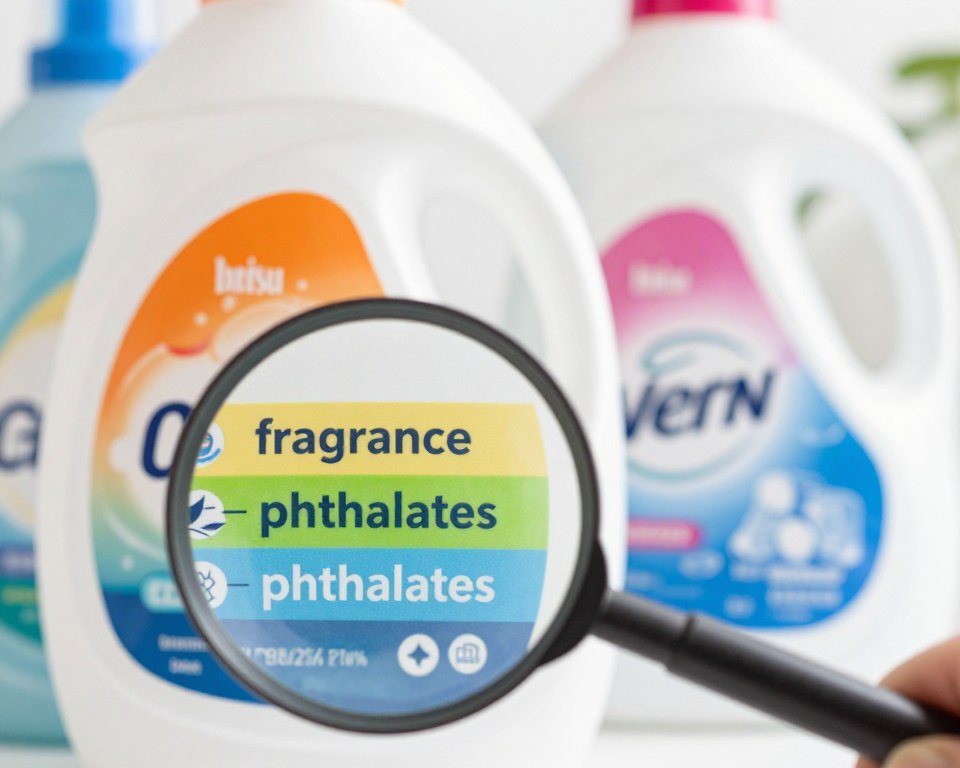
The laundry industry often relies on vague terminology to keep proprietary formulas secret. For example, the word “fragrance” is a catch-all term that can legally hide hundreds of different synthetic chemicals, including phthalates. These substances are often used to make scents last longer on your clothes, but they can trigger allergies or respiratory issues.
Another common term you might encounter is “cationic surfactants.” While these are responsible for the softening effect, they are often derived from petroleum-based processes. Understanding that these complex names usually mask synthetic additives is the first step toward safer laundry habits.
Ingredients to Avoid at All Costs
When you scan the back of a bottle, certain ingredients should serve as an immediate red flag. If you see these listed, it is best to put the product back on the shelf and look for a cleaner alternative:
- Phthalates: Often hidden under the “fragrance” label, these are known endocrine disruptors.
- Quaternary Ammonium Compounds (Quats): These are linked to skin irritation and potential respiratory distress.
- Formaldehyde Releasers: Chemicals like DMDM hydantoin are used as preservatives but are known carcinogens.
- Synthetic Musks: These substances can accumulate in the body and are frequently associated with hormonal imbalances.
By avoiding these specific chemicals, you significantly reduce the risk of unnecessary exposure for everyone in your household. Mastering these label-reading techniques allows you to navigate the grocery aisle with confidence. You no longer have to rely on deceptive marketing when you have the knowledge to protect your family.
Best Natural Fabric Softener Alternatives
Many households are now discovering that nature provides everything needed for effective fabric care. You can easily achieve soft, fresh-smelling clothes without relying on harsh synthetic chemicals. Finding the best natural fabric softener is a simple way to protect your skin and the environment while maintaining the quality of your favorite garments.
Plant-Based Softening Agents
Modern green chemistry has introduced effective non-toxic fabric softener options that rely on plant-derived ingredients. These agents work by coating fibers with natural oils or plant-based surfactants, which reduce friction and static cling during the drying process. Unlike synthetic counterparts, these ingredients are biodegradable and gentle on sensitive skin.
Common plant-based ingredients include citric acid, vegetable-derived glycerin, and plant-based esters. These components effectively condition fabrics, leaving them soft to the touch without leaving behind a waxy, chemical residue. By choosing these alternatives, you ensure that your laundry remains clean and free from hidden irritants.
Essential Oils for Natural Scenting
Many people miss the pleasant aroma of conventional products when they first switch to cleaner laundry habits. Fortunately, you can use essential oils to achieve a natural, refreshing scent that lasts. These natural alternatives to toxic fabric softeners allow you to customize your laundry experience with scents like lavender, eucalyptus, or lemon.
To use them safely, add a few drops of high-quality essential oil to a wool dryer ball or a damp cloth before tossing it into the dryer. This method ensures the scent disperses evenly without the need for synthetic fragrances or phthalates. Natural scenting provides a therapeutic boost to your laundry routine while keeping your indoor air quality safe and breathable.
Benefits of Switching to Chemical-Free Laundry Care
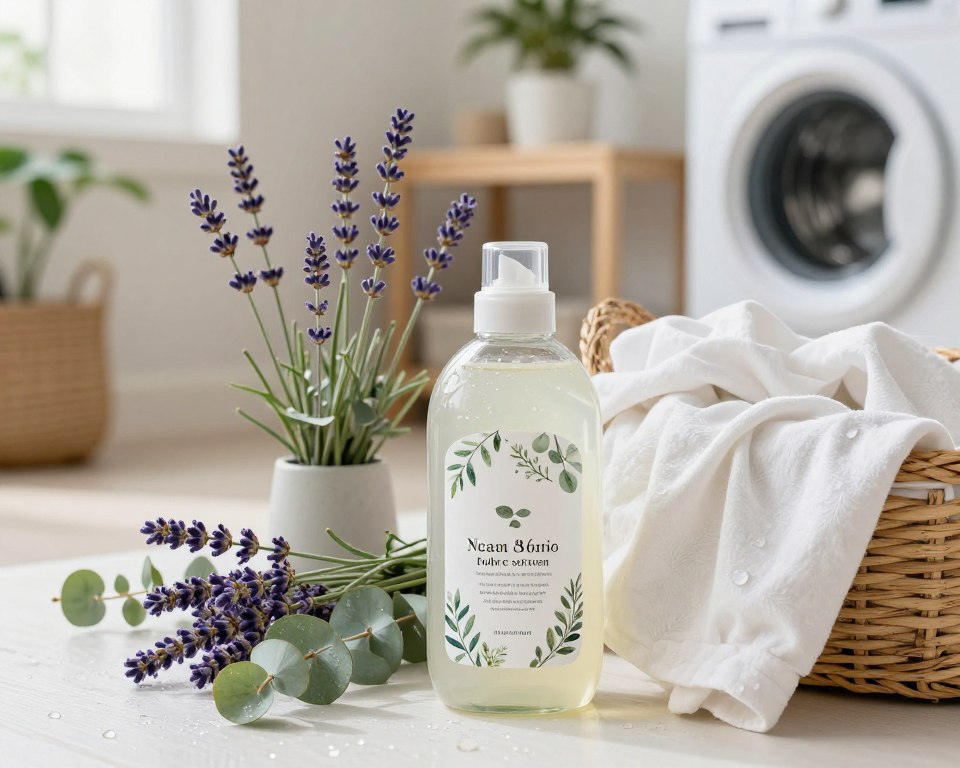
Transitioning away from synthetic additives is a simple way to upgrade your household health and protect your wardrobe. By choosing a chemical-free fabric softener, you remove unnecessary toxins from your daily routine. This shift creates a safer environment for your family while ensuring your clothes remain in top condition for years to come.
Improving Indoor Air Quality
Conventional laundry products often rely on synthetic fragrances that release volatile organic compounds (VOCs) into your living space. These chemicals linger in the air long after your laundry is dry, potentially irritating your respiratory system. When you switch to a chemical-free fabric softener, you effectively eliminate this source of indoor air pollution.
Cleaner air contributes to a more comfortable home environment, especially for those with sensitivities. You will likely notice that your laundry room—and your entire home—feels fresher without the heavy, artificial scents masking the air. Prioritizing air quality is a vital step toward a healthier lifestyle.
“The air inside our homes is often more polluted than the air outside, largely due to the products we choose to use every day. Simplifying your laundry routine is a powerful way to reclaim your indoor environment.”
Extending the Lifespan of Your Fabrics
Many people do not realize that standard softeners work by leaving a waxy, chemical film on fibers. While this might feel soft initially, it actually prevents fabrics from breathing and absorbing moisture properly. Over time, this buildup can trap dirt and oils, causing your clothes to look dull and wear out faster.
By opting for a chemical-free fabric softener or natural alternative, you allow your textiles to maintain their natural integrity. Your towels will become more absorbent, and your clothing will retain its original texture without the interference of synthetic coatings. This simple change is a smart investment in the longevity of your favorite garments.
| Feature | Synthetic Softener | Natural Alternative |
|---|---|---|
| Residue | Waxy buildup | None |
| Fabric Breathability | Reduced | Maintained |
| Air Quality Impact | VOC off-gassing | Neutral |
| Chemical-free fabric softener | No | Yes |
DIY Solutions for Softening Clothes Naturally
Transforming your laundry routine is simple when you embrace natural alternatives to toxic fabric softeners. Many conventional products rely on synthetic chemicals that linger on your skin and impact indoor air quality. By switching to simple household staples, you can achieve excellent results while keeping your home environment safe and healthy.
Using White Vinegar for Softness
Distilled white vinegar is a highly effective, budget-friendly fabric softener. It works by breaking down mineral deposits and removing soap residue that often makes fabrics feel stiff after drying. Simply add a half-cup to your machine’s rinse cycle to enjoy naturally softer linens and towels.
However, you should exercise caution if you have a high-efficiency machine. Frequent use of acidic vinegar can potentially damage rubber hoses and seals over time. To stay safe, consider diluting the vinegar with water or using it sparingly to protect your appliance’s longevity.
Baking Soda for Odor Neutralization
Baking soda is a powerhouse for refreshing your laundry. It helps regulate the pH levels in your wash water, which prevents odors from clinging to your clothes. This simple ingredient is particularly useful for gym wear or towels that tend to hold onto musty smells.
Adding a half-cup of baking soda directly into the drum with your detergent provides a deep clean. It acts as a natural deodorizer that leaves your fabrics smelling crisp and clean without the need for synthetic fragrances. This method is safe for most fabric types and helps maintain the integrity of your garments.
Wool Dryer Balls as a Mechanical Alternative
If you prefer a mechanical approach, wool dryer balls are an excellent choice. These balls bounce around in the dryer, separating your clothes to improve airflow and reduce drying time. This process naturally softens fabrics by fluffing the fibers as they tumble.
Unlike chemical sheets, wool dryer balls are reusable and free from harmful additives. They are a sustainable way to keep your laundry soft and static-free for hundreds of loads. You can even add a few drops of essential oil to the balls for a light, natural scent.
| Method | Primary Benefit | Best Use Case |
|---|---|---|
| White Vinegar | Softening & Residue Removal | Towels and heavy cottons |
| Baking Soda | Odor Neutralization | Activewear and linens |
| Wool Dryer Balls | Mechanical Softening | General laundry loads |
Incorporating these natural alternatives to toxic fabric softeners into your weekly chores is a smart move for your health. These methods are not only cost-effective but also provide peace of mind for your entire family.
Evaluating Eco-Friendly Fabric Softener Brands
If you prefer the convenience of store-bought products, you need to know how to spot the best options. Navigating the laundry aisle can be overwhelming, but finding a reliable eco-friendly fabric softener is entirely possible with the right knowledge. By focusing on transparency and safety, you can easily identify products that protect both your family and the planet.
What to Look for in Third-Party Certifications
Labels can often be misleading, which is why third-party certifications are your best friend. Look for seals like the EPA’s Safer Choice, which verifies that a product meets strict human health and environmental criteria. These independent organizations conduct rigorous testing to ensure that the ingredients are truly safe for daily use.
Another gold standard is the Leaping Bunny certification, which guarantees that no animal testing occurred during the production process. When you see these logos on non-toxic fabric softener options, you can feel confident that the brand prioritizes ethical standards. Always check the back of the bottle for these official stamps of approval before making your purchase.
Comparing Organic Fabric Softener Reviews
Customer feedback is a powerful tool, but you must learn how to read it critically. When browsing organic fabric softener reviews, look for comments that mention specific skin reactions or scent sensitivities. Genuine users often provide helpful insights into how a product performs on different fabric types over time.
Be wary of reviews that seem overly generic or lack detail, as these may not reflect a real experience. Instead, prioritize feedback that discusses the ingredient list or the company’s commitment to sustainability. By carefully analyzing these non-toxic fabric softener options, you can make an informed decision that aligns with your values. Choosing a high-quality eco-friendly fabric softener is a simple yet impactful step toward a healthier home environment.
Conclusion
Moving away from conventional liquid fabric softeners represents a simple yet impactful step toward a healthier home environment. You hold the power to protect your family and the planet by choosing safer alternatives for your daily chores.
Small changes lead to significant results over time. You might start by swapping synthetic products for white vinegar or wool dryer balls. These easy adjustments keep your clothes soft without relying on harsh chemicals.
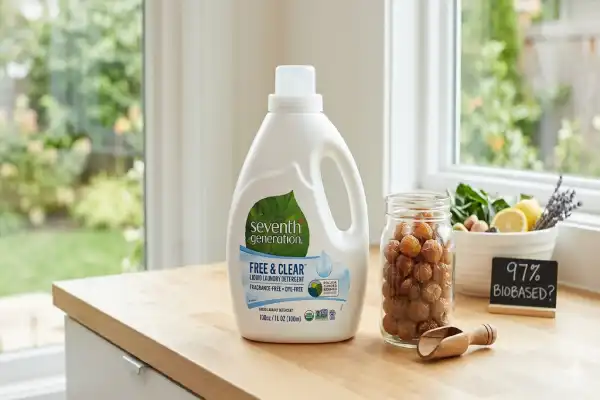
Brands like Seventh Generation or Ecover offer reliable options if you prefer store-bought solutions. Look for third-party certifications to ensure the products meet high safety standards. Your washing machine and your skin will appreciate the shift toward cleaner ingredients.
Take a moment to check your laundry room today. Replacing one toxic item at a time creates a safer space for everyone in your household. Your commitment to better habits makes a lasting difference for your long-term well-being.
Is liquid fabric softener toxic for everyday use?
Many conventional liquid fabric softeners contain chemicals like quaternary ammonium compounds and phthalates, which are linked to respiratory issues and skin irritation. Over time, these substances can accumulate in your home and on your clothes, making them a source of toxic exposure for many families.
What are the primary fabric softener harmful effects I should watch for?
The most common harmful effects include skin reactions like contact dermatitis, respiratory irritation (especially for those with asthma), and potential endocrine disruption due to synthetic fragrances and musks.
How can I find a truly eco-friendly fabric softener?
Look for brands like Seventh Generation or Molly’s Suds that use plant-based ingredients and avoid synthetic dyes and fragrances. Check for third-party certifications like the EPA Safer Choice label to ensure the product is environmentally responsible.
What is the best natural fabric softener that actually works?
Many users find that wool dryer balls are the best mechanical alternative because they soften clothes and reduce static without any chemicals. For a liquid option, a small amount of plant-based softener from a brand like Ecover works wonders.
Are there non-toxic fabric softener options for people with sensitive skin?
Yes, fragrance-free, plant-derived softeners are excellent non-toxic options. Additionally, using baking soda in the wash cycle is a safe way to soften clothes without introducing irritants.
What are the biggest dangers of conventional fabric softeners for children?
Children and infants have thinner skin and developing lungs, making them more susceptible to the formaldehyde releasers and VOCs found in common brands like Downy. These chemicals can trigger early-onset allergies or eczema.
Should I switch to a chemical-free fabric softener to save my towels?
Absolutely. Conventional softeners coat towel fibers in a waxy film that significantly reduces their absorbency over time. Switching to a chemical-free alternative like vinegar or wool balls keeps your towels fluffy and functional.
Where can I read reliable organic fabric softener reviews?
The Environmental Working Group (EWG) provides comprehensive ratings for laundry products, helping you see which “organic” or “natural” brands actually live up to their claims.
How do I choose a safe fabric softener for babies?
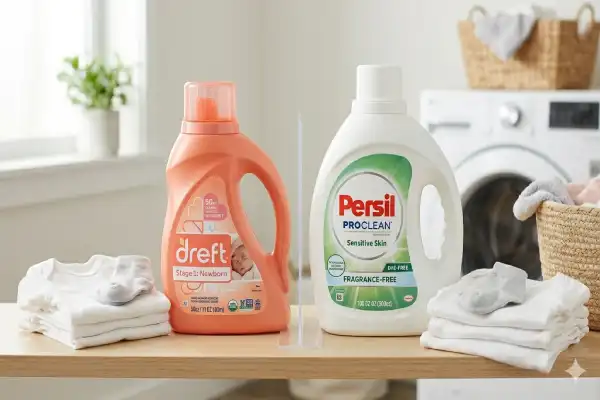
Choose products that are labeled “Free and Clear” and are specifically tested by dermatologists. Avoid any product with “fragrance” or “parfum” on the label to ensure it is safe for a baby’s delicate skin.
What are the most effective natural alternatives to toxic fabric softeners?
The most effective alternatives are wool dryer balls, baking soda, and distilled white vinegar. These options provide softness and static reduction without the environmental or health risks associated with petroleum-based chemicals.