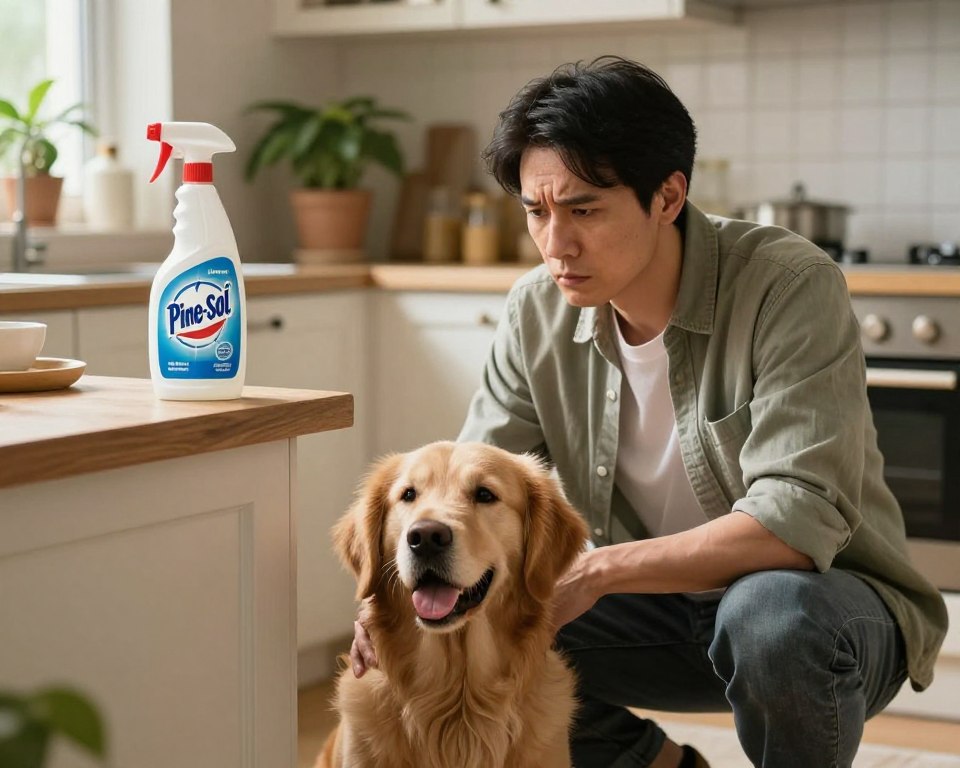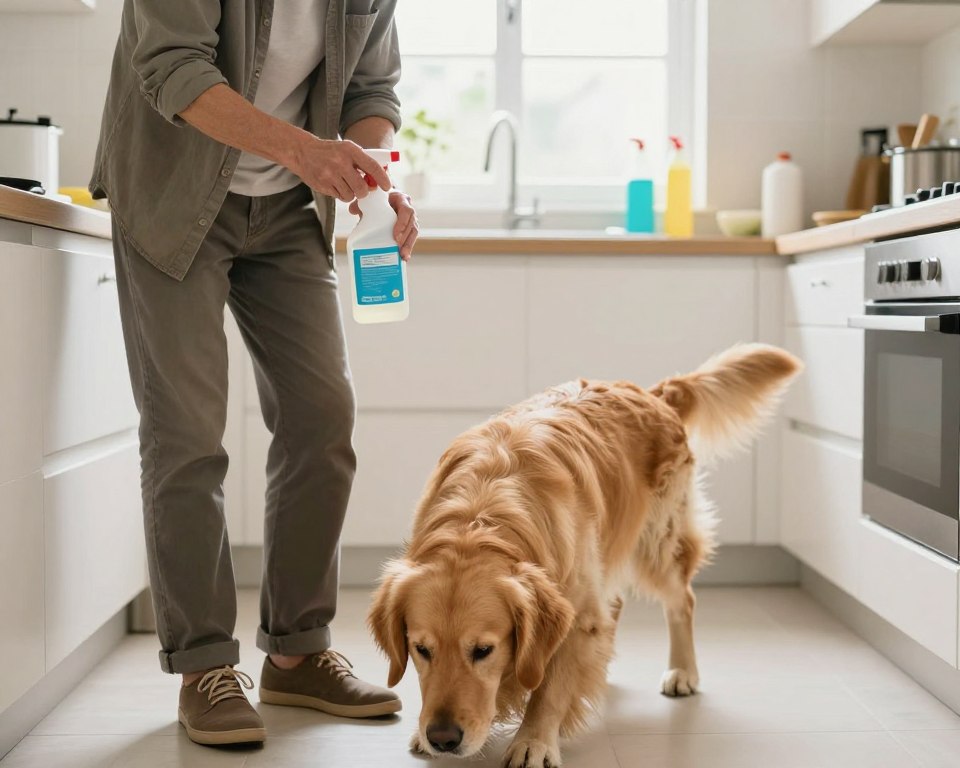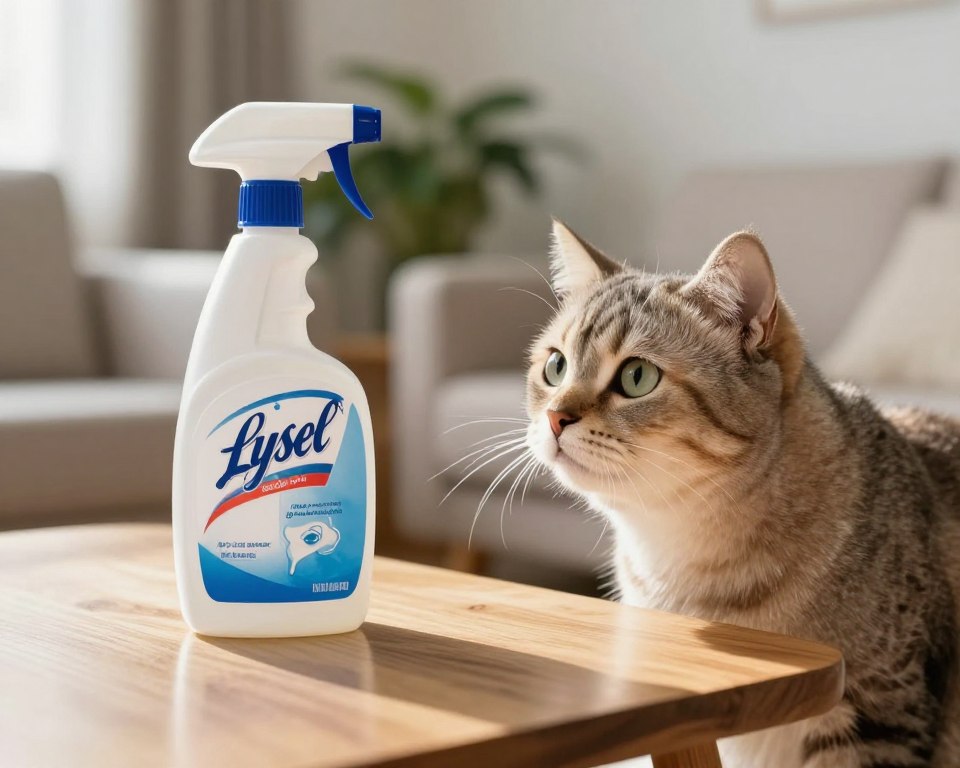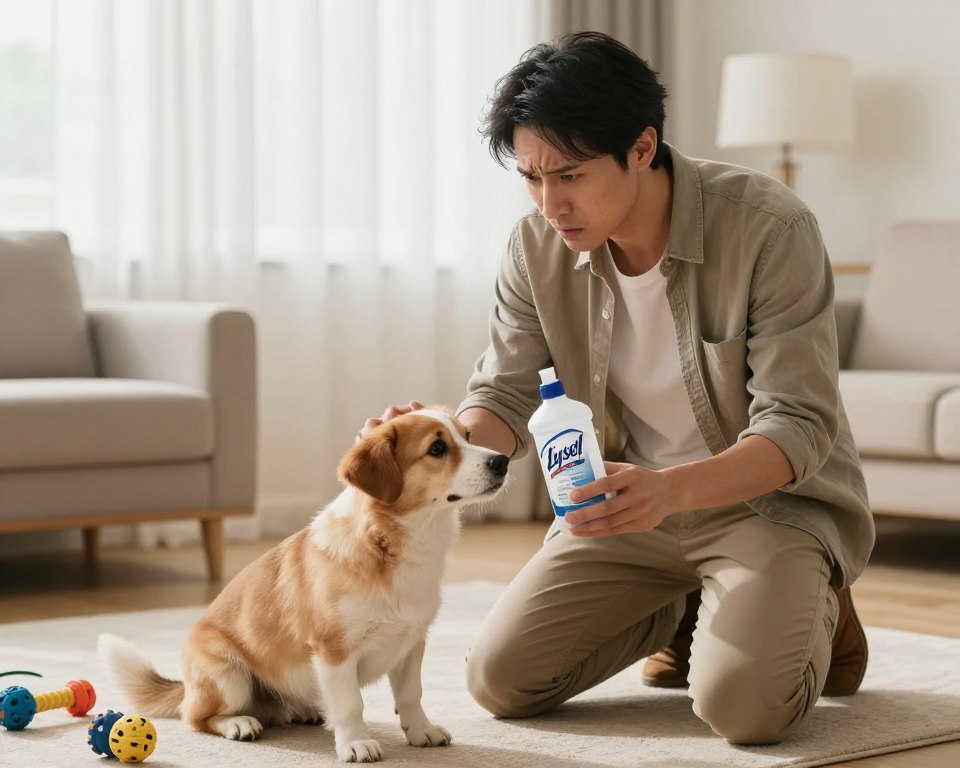
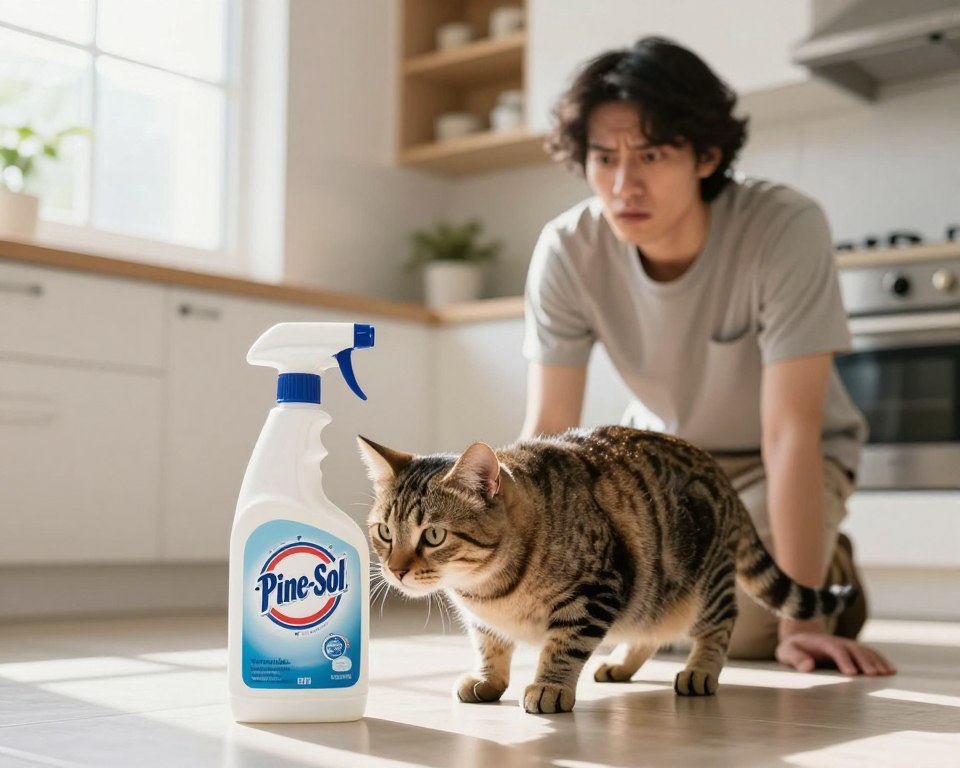
We all want a home that sparkles, but our furry friends often pay the price for our cleaning habits. Have you ever watched your pet lounge on the freshly mopped floor and wondered if the chemicals are safe? It is a common worry for many of us who share our lives with curious companions.
Because our pets spend so much time close to the ground, they are uniquely exposed to residues left behind by household supplies. Understanding whether Pine-Sol Toxic to Cats is a reality helps you create a safer environment for your beloved pet. Making informed choices allows you to maintain a clean house without compromising the health of your feline family member.
Key Takeaways
- Cats are highly sensitive to common household cleaning chemicals.
- Floor-level living increases the risk of accidental ingestion or skin contact.
- Always check product labels for ingredients that may harm pets.
- Proper ventilation is essential when using any strong cleaning solution.
- Consult your veterinarian if you suspect your pet has been exposed to cleaners.
Understanding the Chemical Composition of Pine-Sol
Understanding the chemical makeup of Pine-Sol is the first step toward creating a safer environment for your cat. Many pet owners assume that because a product is common, it is inherently safe for all household members. However, the relationship between cats and pine-sol requires a closer look at what actually goes into the bottle.
Active Ingredients and Their Functions
Modern cleaning formulas have evolved significantly over the years. Today, most versions of this cleaner rely on surfactants and glycolic acid to break down grease and grime effectively. These ingredients are designed to lift dirt from surfaces, making them highly efficient for human cleaning needs.
While these components are effective for floors and countertops, they are not necessarily formulated with animal physiology in mind. It is vital to remember that even if a product is effective at cleaning, it may still contain chemicals that are harsh on sensitive paws and respiratory systems.
Why Pine Oil Can Be Problematic for Felines
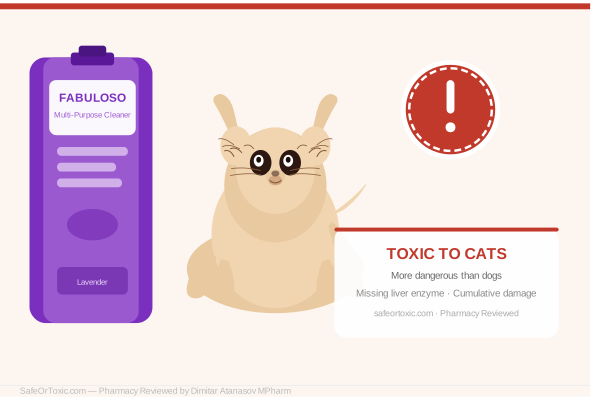
Historically, many cleaners relied heavily on pine oil, which contains compounds known as phenols and terpenes. These substances are notoriously difficult for feline livers to process. Because cats lack specific enzymes required to break down these compounds, they are at a much higher risk of toxicity compared to other pets.
Even as manufacturers update their formulas, the legacy of these ingredients highlights the potential pine-sol hazards for felines. Exposure to concentrated residues can lead to irritation or more severe systemic issues. Always exercise caution when using any product that features a strong, pine-based scent, as the chemical profile may still pose a risk to your cat’s health.
Is Pine-Sol Toxic to Cats: The Core Risks
When you clean your home, it is important to consider how your cat might interact with the surfaces you just treated. Because cats are naturally curious and spend much of their time close to the floor, they are uniquely vulnerable to chemical residues. Understanding the risks of pine-sol for cats is the first step in creating a safer living environment for your pet.
Dermal Exposure and Skin Irritation
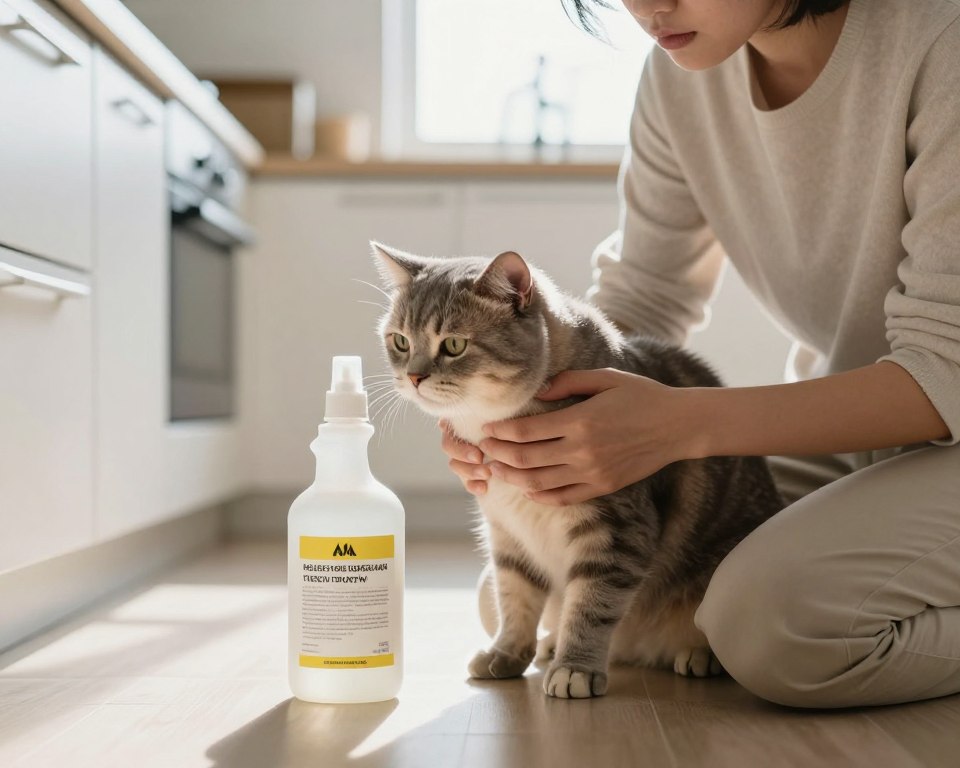
Cats often walk across freshly mopped floors, which allows cleaning agents to come into direct contact with their paw pads. This dermal exposure can lead to significant irritation, redness, or even chemical burns if the product is not properly diluted. Because a cat’s skin is sensitive, even minor contact can cause discomfort that may go unnoticed until the animal begins to show signs of distress.
Inhalation Risks in Enclosed Spaces
Cleaning a small room with strong-smelling products can create a concentrated environment of airborne particles. When you ask if Pine-Sol Toxic to Cats, you must consider the respiratory impact of these fumes. Cats have delicate lungs, and breathing in concentrated vapors in an enclosed space can lead to coughing, sneezing, or more severe respiratory irritation.
The Dangers of Ingestion
The most common way cats encounter these chemicals is through grooming. After walking on a wet surface, a cat will instinctively lick its paws to clean them, effectively ingesting any residue left behind. This behavior turns a simple cleaning task into a potential health hazard. Even small amounts of residue can lead to gastrointestinal upset, making it essential to keep pets away from treated areas until they are completely dry.
How Pine-Sol Affects Cats Physiologically
When considering pine-sol safety for cats, it is vital to examine how their internal organs process toxins. Feline physiology is remarkably unique, often making them more vulnerable to household chemicals than humans or dogs. Understanding how pine-sol affects cats helps owners make better decisions for a healthy home environment.
Metabolic Challenges in Feline Livers
The primary reason cats struggle with chemical exposure lies in their liver function. Felines lack a specific enzyme pathway known as glucuronidation, which is essential for breaking down certain compounds found in fragrances and essential oils. Because their livers cannot efficiently process these substances, toxins can build up rapidly in their bloodstream.
This metabolic limitation means that even small amounts of chemical residue can lead to systemic stress. Over time, this inability to detoxify effectively can cause significant strain on their internal organs. Protecting your cat requires minimizing their contact with these complex chemical structures.
Impact on the Respiratory System
Cats possess highly sensitive respiratory tracts that react quickly to airborne particles. When cleaning products are used in enclosed spaces, the volatile organic compounds can irritate the delicate lining of their lungs and nasal passages. This often leads to sneezing, coughing, or more severe breathing difficulties.
Because cats spend much of their time close to the floor, they are more likely to inhale concentrated vapors. Persistent exposure to these fumes can lead to chronic inflammation of the airways. Ensuring proper ventilation is a simple but effective way to reduce these respiratory risks.
Gastrointestinal Distress and Damage
Accidental pine-sol ingestion in cats often occurs when they walk through wet surfaces and then groom their paws. Once the chemical enters the digestive tract, it can cause immediate irritation to the mouth, esophagus, and stomach lining. This can lead to drooling, vomiting, or a complete loss of appetite.
The following table outlines the primary physiological impacts of chemical exposure on felines:
| System Affected | Primary Risk | Common Symptom |
|---|---|---|
| Hepatic (Liver) | Inability to process toxins | Lethargy and weakness |
| Respiratory | Airway inflammation | Sneezing and coughing |
| Gastrointestinal | Mucosal irritation | Vomiting and drooling |
Recognizing Symptoms of Pine-Sol Poisoning
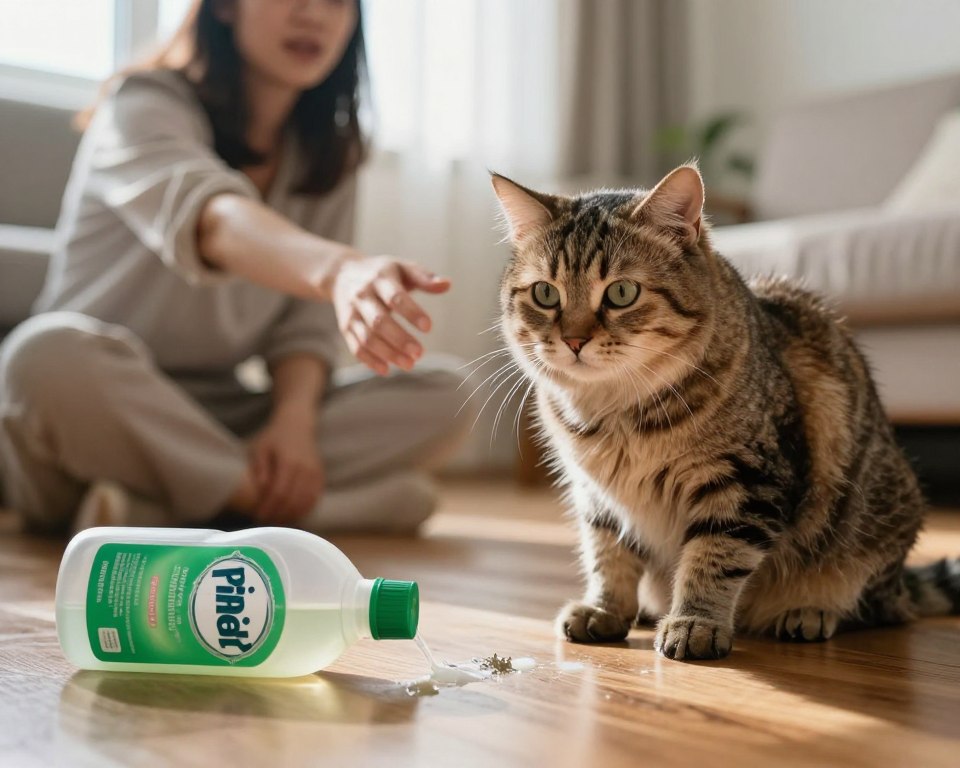
Recognizing the subtle and overt symptoms of chemical exposure can save your pet’s life. When you use household cleaners, it is important to observe your cat for any unusual reactions. Early detection of cat poisoning from pine-sol often leads to a much better outcome for your feline friend.
Early Warning Signs to Watch For
The first signs of irritation often appear shortly after contact. You might notice your cat sneezing, coughing, or rubbing their face against the floor. These actions are common responses to the strong fumes or residue left on surfaces.
Check your cat’s paws and mouth for signs of redness or inflammation. If they have walked through a wet floor, they may attempt to groom the substance off their fur. This grooming behavior is a primary cause of pine-sol ingestion in cats, which can lead to internal irritation.
Behavioral Changes Indicating Discomfort
Cats are masters at hiding pain, but behavioral shifts often reveal their distress. A sudden onset of lethargy or a refusal to eat can indicate that your cat is feeling unwell. You may also notice them hiding in quiet, dark corners of the house to avoid stimulation.
Pay close attention if your cat becomes unusually clingy or, conversely, aggressive when touched. These changes in personality are often a sign that they are experiencing physical discomfort. Monitoring these shifts is a key part of responsible pet ownership.
Severe Clinical Symptoms Requiring Emergency Care
If the exposure is significant, symptoms can escalate rapidly into a medical emergency. You should seek immediate veterinary help if you observe vomiting, drooling, or difficulty breathing. In extreme cases, tremors or seizures may occur, which require urgent intervention.
| Symptom Category | Mild Indicators | Severe Indicators |
|---|---|---|
| Respiratory | Sneezing or coughing | Labored breathing |
| Gastrointestinal | Drooling | Persistent vomiting |
| Neurological | Mild lethargy | Seizures or tremors |
| Dermal | Redness on paws | Chemical burns or sores |
Always trust your instincts when it comes to your pet’s health. If your cat displays any of the severe symptoms listed above, do not wait for them to improve on their own. Contact your veterinarian or an emergency animal clinic immediately to ensure your cat receives the necessary care.
Immediate Steps to Take After Exposure
When a household accident involving chemicals occurs, your quick and calm response is the most important factor in your cat’s safety. It is easy to panic, but staying focused allows you to mitigate the risks of cat poisoning from pine-sol effectively. Your primary goal is to stop the absorption of the chemical before it causes systemic harm.
Assessing the Level of Contact
The first step is to determine how much of the product your cat encountered. Look for visible signs such as wet fur, chemical residue on the paws, or a strong scent of pine lingering on their coat. Observe your cat closely for any immediate signs of distress, such as excessive grooming or drooling.
Check the area where the spill occurred to estimate the volume of the substance involved. If the cat walked through a puddle, the exposure is likely limited to the paws. However, if they rolled in the product, the risk of dermal absorption is significantly higher.
Safe Decontamination Procedures for Fur and Paws
If you find residue on your cat, you must act quickly to remove it. Use a damp cloth or paper towel to gently wipe away as much of the cleaner as possible. Never use other harsh cleaning agents or soaps to wash your cat, as these can cause further irritation or chemical reactions.
- Rinse the affected areas with lukewarm water for at least 10 to 15 minutes.
- Ensure the water is not too hot or too cold to avoid shocking your pet.
- Use a mild, fragrance-free dish soap only if the residue is oily and water alone is not working.
- Dry your cat thoroughly with a clean towel to prevent them from becoming chilled.
When to Contact Your Veterinarian Immediately
Time is of the essence when dealing with potential toxicity. You should reach out to your veterinarian or an emergency animal poison control center if you notice any concerning changes in your cat’s behavior. Do not wait for symptoms to worsen if you suspect cat poisoning from pine-sol has occurred.
Seek professional help immediately if you observe the following:
- Persistent vomiting or diarrhea.
- Difficulty breathing or wheezing.
- Lethargy or sudden collapse.
- Seizures or tremors.
Always have the product label handy when you call the clinic. Providing the veterinarian with the exact ingredients can help them determine the best course of treatment for your pet. Your prompt action can make a life-saving difference during these critical moments.
The Role of Household Ventilation
When you clean with strong chemicals, your cat is often the first to suffer the consequences. Many owners assume that if a scent is tolerable to them, it is safe for their pets. However, feline respiratory systems are significantly more delicate than our own.
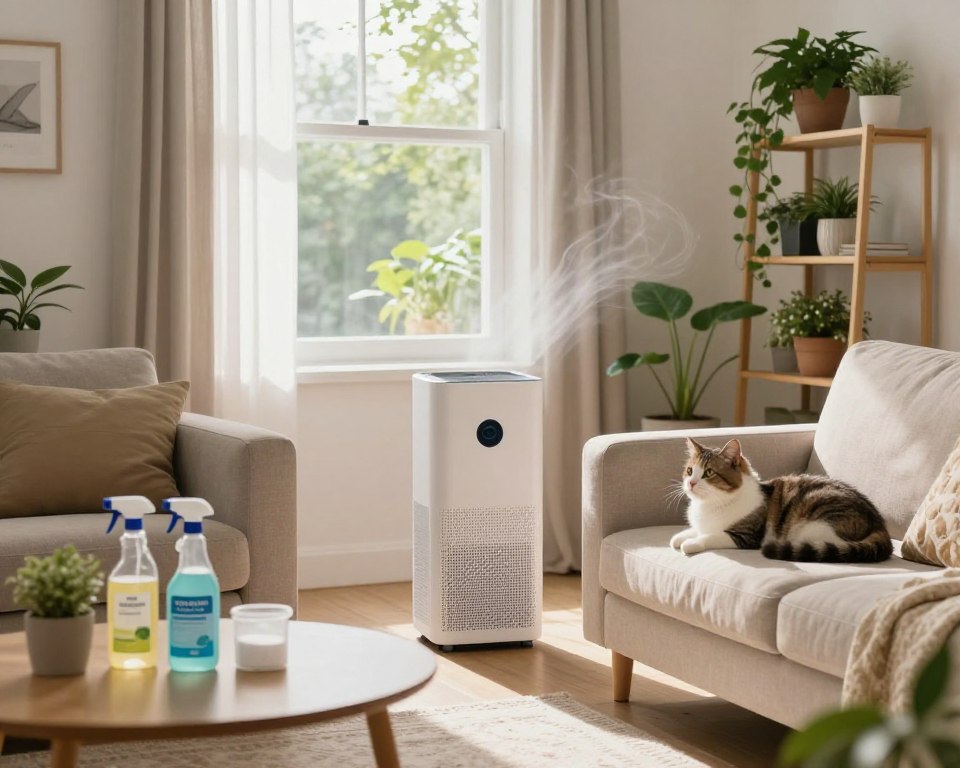
Proper household ventilation is a simple yet highly effective way to reduce the concentration of airborne chemicals in your living space. By moving air through your home, you prevent the buildup of toxic vapors that can irritate your cat’s lungs and nasal passages.
Why Airflow Matters During Cleaning
Chemical fumes can linger in stagnant air long after you have finished mopping or wiping surfaces. Because cats spend much of their time close to the floor, they are exposed to higher concentrations of these lingering particles. Pet respiratory health depends on your ability to clear these toxins quickly.
“The best way to protect your pet from household toxins is to ensure that the air they breathe is as fresh as possible, especially during and after cleaning sessions.”
If you can smell a cleaning product, your cat is likely experiencing a much more intense version of that scent. This sensory overload can lead to sneezing, coughing, or even more severe respiratory distress. Always prioritize airflow to keep your home environment comfortable for your feline companion.
Creating a Cat-Safe Cleaning Environment
Establishing a cat-safe cleaning routine requires more than just choosing the right products. You must actively manage the air quality in your home while you work. Opening windows and using fans are essential steps to disperse fumes effectively.
The following table outlines how different ventilation strategies can help maintain a safer space for your pets:
| Method | Effectiveness | Best Practice |
|---|---|---|
| Open Windows | High | Create a cross-breeze for maximum flow. |
| Box Fans | Medium | Point fans toward an open window. |
| Ceiling Fans | Low | Use in combination with open windows. |
| Pet Isolation | Highest | Keep cats in a separate, ventilated room. |
By keeping your cat in a separate, well-ventilated room until the floors are completely dry, you eliminate the risk of direct contact. Consistent ventilation ensures that your home remains a sanctuary rather than a source of chemical irritation.
Safe Cleaning Alternatives for Cat Owners
Keeping your floors clean does not have to involve the risks often associated with cats and Pine-Sol. Many pet owners are discovering that simple, household staples can be just as effective at removing grime while keeping their furry companions safe from harmful chemical exposure.
Natural Ingredients That Are Pet-Friendly
Nature provides several powerful cleaning agents that are non-toxic to felines. Ingredients like white vinegar, baking soda, and even castile soap offer excellent disinfecting properties without the harsh fumes found in traditional cleaners.
These substances are gentle on paws and safe if your cat happens to walk across a freshly cleaned surface. By choosing these natural options, you eliminate the worry of chemical residue lingering on your floors.
Commercial Cleaners Labeled Safe for Pets
If you prefer the convenience of store-bought solutions, look for products specifically formulated for households with animals. Always check the label for certifications or clear indicators that the product is non-toxic to pets.
“The best way to ensure a healthy home environment is to prioritize ingredients that are transparently labeled and free from volatile organic compounds.”
Many brands now offer pet-safe lines that avoid phenols and pine oils entirely. Reading the fine print on the back of the bottle is the most reliable way to avoid the dangers linked to cats and Pine-Sol.
DIY Solutions Using Vinegar and Baking Soda
Creating your own cleaning supplies is both cost-effective and incredibly safe. A basic mixture of water and white vinegar works wonders on hard surfaces, while baking soda acts as a natural abrasive for scrubbing tough spots.
- All-Purpose Spray: Mix equal parts water and white vinegar in a spray bottle.
- Floor Cleaner: Add a half-cup of vinegar to a gallon of warm water for a streak-free shine.
- Deodorizing Scrub: Sprinkle baking soda on carpets or surfaces, let it sit, and vacuum it up to neutralize odors safely.
These simple DIY methods provide peace of mind for every pet parent. By moving away from products that cause issues for cats and Pine-Sol, you create a sanctuary where your pet can roam freely without health risks.
Preventing Pine-Sol Toxicity in Cats
Proactive measures are the best way to ensure your feline friend stays safe from household chemicals. By taking control of your environment, you can focus on preventing pine-sol toxicity in cats before any accidents occur. A little bit of planning goes a long way in keeping your home a sanctuary for your pet.
Proper Storage of Household Chemicals
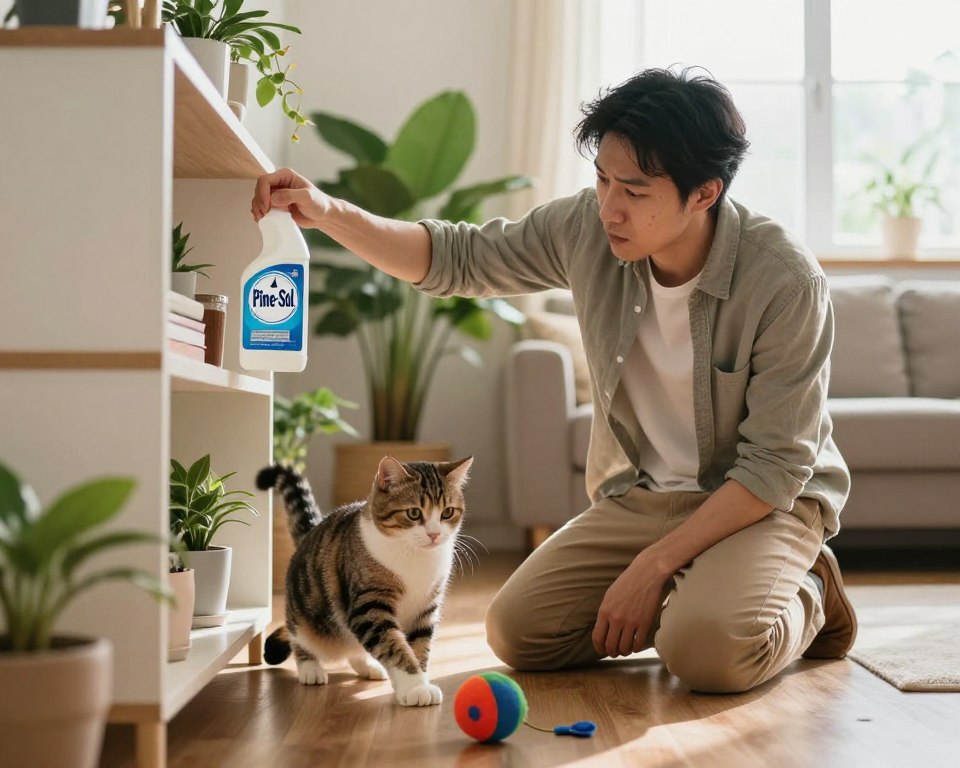
The first line of defense is keeping all cleaning agents securely locked away. Cats are naturally curious, and they can easily knock over bottles or investigate spills if they are left on low shelves. Always store your cleaners in high cabinets or behind child-proof locks to ensure they remain out of reach.
It is also wise to keep these products in their original containers. This ensures that you always have access to the safety instructions and ingredient lists if an emergency arises. Never store chemicals near your cat’s food, water bowls, or favorite sleeping spots.
Establishing Cleaning Routines That Protect Pets
When you clean your floors, your cat is often right there to supervise. To assist in preventing pine-sol toxicity in cats, keep your pet in a separate room until the floors are completely dry. Paws are highly absorbent, and walking on a wet surface can lead to direct skin contact or ingestion during grooming.
Consider using a fan to speed up the drying process after mopping. Once the area is fully dry, it is much safer for your cat to roam freely again. Consistency in these routines helps your pet stay away from potential hazards during your weekly chores.
Educating Household Members on Chemical Safety
Safety is a team effort, especially in a busy home. Make sure everyone in your family understands the risks associated with common household cleaners. When every member of the household is aware of the dangers, it becomes much easier to maintain a safe environment.
Encourage your family to double-check that bottles are tightly capped after every use. If someone else in the house uses a cleaner, remind them to keep the cat away from the area until the job is finished. Clear communication is a powerful tool for keeping your feline companion healthy and happy.
Common Misconceptions About Pine-Based Cleaners
It is a common misconception that products labeled as natural or pine-based are inherently harmless to pets. Many owners assume that because a product smells like a forest, it must be safe for their furry friends. Unfortunately, this belief often leads to pine-sol hazards for felines that could have been easily avoided with better information.
Debunking Myths Regarding Natural Pine Oil
The term “natural” is frequently misunderstood in the context of household chemicals. While pine oil is derived from trees, it contains concentrated phenols that are highly toxic to cats. Your cat’s liver lacks the specific enzymes required to break down these compounds effectively.
Even if a cleaner is marketed as plant-based, the chemical structure remains dangerous upon contact or ingestion. Relying on the “natural” label can create a false sense of security that puts your pet in danger. Always prioritize the chemical safety profile over marketing buzzwords.
Why Dilution Does Not Always Equal Safety
Many people believe that mixing a cleaner with water makes it perfectly safe for their home. While dilution reduces the intensity of the scent, it does not remove the underlying pine-sol hazards for felines. Residual chemicals can still linger on floors and surfaces where your cat walks or grooms.
Cats are meticulous groomers, meaning they will ingest even trace amounts of residue left behind after cleaning. Because they are smaller than humans, they require much lower doses of toxins to experience adverse health effects. Understanding these risks is vital for maintaining a truly safe environment.
| Common Myth | Scientific Reality | Risk Level |
|---|---|---|
| Natural pine oil is safe | Contains toxic phenols | High |
| Dilution removes all risk | Residue remains active | Moderate |
| Scented cleaners are mild | Fragrances mask irritants | Moderate |
| Floor cleaning is harmless | Paws absorb chemicals | High |
The Importance of Reading Product Labels
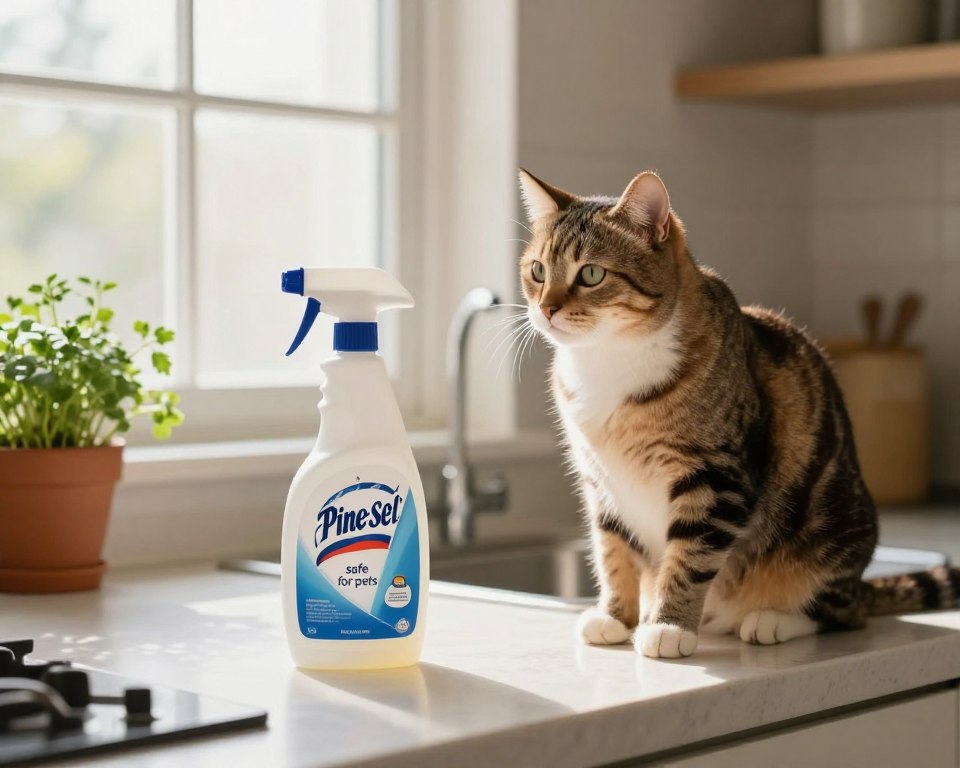
Taking a moment to read product labels can be the difference between a healthy home and a veterinary emergency. Many owners focus solely on the brand name, but the fine print holds the key to pine-sol safety for cats. By scanning the ingredient list, you can identify potential hazards before they ever touch your floors.
Identifying Toxic Ingredients Beyond Pine Oil
While pine oil is a well-known concern, many commercial cleaners contain other harsh chemicals that pose risks to felines. Ingredients like phenols, ammonia, and bleach are common in household products but can cause severe respiratory or skin irritation. Always look for warning labels that indicate the product is not suitable for homes with pets.
It is helpful to compare the ingredients of your current cleaners against known toxins. The following table outlines common substances found in household cleaners and their potential impact on your cat.
| Ingredient | Primary Risk | Severity |
|---|---|---|
| Phenols | Liver Damage | High |
| Ammonia | Respiratory Distress | Moderate |
| Bleach | Chemical Burns | High |
| Phthalates | Hormonal Disruption | Low/Moderate |
Understanding Safety Data Sheets for Household Products
If a label seems vague, you should search for the product’s Safety Data Sheet (SDS) online. These documents provide a deep dive into the chemical makeup and safety protocols for specific substances. They are essential for maintaining pine-sol safety for cats and other household cleaners.
“The most effective way to protect your pet is to treat every cleaning product as a potential hazard until proven otherwise by the manufacturer’s safety documentation.”
Understanding these sheets allows you to make informed decisions about the products you bring into your living space. When you prioritize transparency, you create a much safer environment for your feline companions. Remember that knowledge is your best defense against accidental chemical exposure.
Veterinary Perspectives on Household Chemical Exposure
Professional veterinary insights reveal the hidden dangers lurking in common household cleaning supplies. Experts in animal medicine often see the real-world consequences when curious pets come into contact with toxic substances. Understanding how pine-sol affects cats is essential for any owner who wants to maintain a safe living environment.
Common Trends in Feline Poisoning Cases
Veterinarians observe specific patterns when treating cats for chemical exposure. Most incidents occur shortly after a deep cleaning session when floors are still damp or residue remains on surfaces. Cats often walk through these areas and then groom their paws, leading to accidental ingestion.
Common trends observed in clinics include:
- Dermal irritation caused by walking on wet, treated floors.
- Respiratory distress from inhaling concentrated fumes in small rooms.
- Gastrointestinal upset following the ingestion of chemical residues.
Diagnostic Procedures Used by Veterinarians
When a cat arrives at the clinic, the primary goal is to identify the source of the toxicity quickly. Veterinarians perform a thorough physical examination to check for signs of chemical burns or respiratory inflammation. They often ask owners about recent cleaning habits to determine exactly what substances were used in the home.
To understand how pine-sol affects cats in a specific case, doctors may utilize several diagnostic tools:
- Blood chemistry panels to assess liver and kidney function.
- Physical exams to inspect paw pads and oral mucosa for chemical irritation.
- Observation of neurological responses to rule out systemic poisoning.
By combining clinical history with these tests, veterinarians can provide the best possible care. Early intervention remains the most critical factor in ensuring a positive recovery for your feline companion.
Long-Term Health Implications of Chemical Exposure
Many pet owners focus on immediate reactions, yet the hidden risks of pine-sol for cats often manifest over time through repeated, low-level contact. While a single incident might seem minor, consistent exposure to harsh cleaning agents can create a cumulative burden on your pet’s internal systems.
Potential Chronic Issues from Repeated Contact
Repeated exposure to pine-based cleaners can lead to long-term physiological stress. The liver and kidneys, which work to filter toxins from the body, may become overworked when processing chemical residues found on floors or surfaces.
Over time, this can result in several chronic health concerns:
- Respiratory sensitivity: Persistent irritation of the airways leading to chronic coughing or wheezing.
- Dermal degradation: Dry, itchy, or inflamed skin patches caused by lingering chemical residue on paws.
- Organ strain: Potential long-term damage to liver enzymes due to the constant need to metabolize toxic compounds.
“The health of our pets is often a reflection of the environment we create; vigilance is the best medicine for preventing long-term chemical damage.”
Monitoring Your Cat After a Poisoning Incident
Even after a cat has recovered from an acute exposure event, owners must remain observant. The risks of pine-sol for cats do not always vanish the moment the symptoms subside. You should maintain a detailed log of your cat’s behavior and physical condition for several weeks following any incident.
Watch closely for subtle changes that might indicate lingering issues. If you notice your cat grooming excessively, showing a sudden lack of appetite, or displaying lethargy, consult your veterinarian immediately. Early detection of these subtle signs is essential to prevent minor issues from developing into permanent health complications.
Creating a Cat-Proof Home Environment
Keeping your feline friend safe requires more than just love; it demands a proactive approach to home organization. By establishing physical barriers, you play a vital role in preventing pine-sol toxicity in cats and other chemical-related accidents. A well-organized home is the first line of defense against curious paws.
Securing Cabinets and Storage Areas
Many cats are surprisingly skilled at opening cabinet doors to explore hidden spaces. To keep your pet safe, install child-proof locks on any cupboard that stores household cleaners or chemicals. These simple devices are highly effective at keeping curious noses away from potentially harmful substances.
Consider moving all cleaning agents to high shelves that are completely inaccessible to your pet. If you must store items in lower cabinets, ensure they are kept in sturdy, airtight containers that a cat cannot easily knock over or chew through. This extra layer of security is essential for preventing pine-sol toxicity in cats who might otherwise investigate a spill.
Managing Cleaning Supplies During Spring Cleaning
Spring cleaning often involves using larger quantities of chemicals, which increases the risk of accidental exposure. During these deep-cleaning sessions, it is best to keep your cat in a separate, well-ventilated room until the floors are completely dry. This simple habit ensures your pet does not walk through wet residue or inhale concentrated fumes.
Always double-check that all bottles are tightly sealed before you leave a room to take a break. By staying vigilant during these intensive cleaning periods, you are actively preventing pine-sol toxicity in cats and ensuring your home remains a safe sanctuary for your companion. Remember, a little extra caution goes a long way in protecting your pet’s health.
Emergency Preparedness for Pet Owners
When your cat faces a sudden health crisis, every second counts toward a positive outcome. Being prepared for an emergency can save precious time when your pet is in distress. Proactive planning is the best way to ensure you remain calm and effective during a stressful situation.
Keeping Essential Contacts Handy
You should maintain a list of critical phone numbers in a location that is easy for everyone in your household to find. This list must include your primary veterinarian, the nearest 24-hour emergency animal hospital, and a national animal poison control center.
Keep these numbers saved in your smartphone and post a physical copy on your refrigerator. Quick access to professional guidance prevents panic and helps you make informed decisions immediately. If you are away from home, ensure that pet sitters or family members also have these contacts readily available.
Assembling a Pet First Aid Kit
A well-stocked first aid kit is a vital tool for any cat owner. You can purchase a pre-made kit or assemble your own using basic supplies found at most pharmacies. Organization is key to ensuring you can find what you need without delay.
Your kit should include the following essential items:
- Sterile gauze pads and non-stick bandages for minor wounds.
- A pair of blunt-nosed scissors for trimming fur around an injury.
- Saline solution for flushing eyes or cleaning paws.
- A digital thermometer designed for pets.
- A clean towel or blanket to keep your cat warm and secure.
Check your kit every few months to ensure that no items have expired or gone missing. Keeping your supplies updated ensures that you are always ready to provide initial care before reaching the veterinarian. Remember, these tools are meant for stabilization, not as a replacement for professional medical treatment.
Conclusion
Protecting your cat from household chemical exposure requires a blend of awareness, prevention, and smart cleaning habits. You hold the power to shape a secure living space where your pet can thrive without the risk of toxic reactions.
Steering clear of products like Pine-Sol remains a vital step in feline care. Opting for pet-friendly alternatives ensures that your floors and surfaces stay clean without endangering your companion. Many natural options provide effective results while keeping your home environment free from harsh synthetic chemicals.
Your cat’s health is worth the extra effort of choosing safer cleaning solutions. Maintaining a vigilant home protects your pet from hidden dangers lurking in common supplies. Share these insights with other pet owners to help build a community focused on feline wellness and safety.
Take a moment today to audit your cleaning cabinet. Replacing risky items with safer choices creates peace of mind for you and a healthier life for your cat. Your commitment to a non-toxic home makes a world of difference for your furry friend.
FAQ
Is Pine-Sol toxic to cats even if I dilute it?
Yes, Pine-Sol can still be hazardous even when diluted. Cats are extremely sensitive to the phenols and aromatic compounds in the formula. Even a small amount of residue left on a “clean” floor can be picked up by a cat’s paws and ingested during their grooming routine.
What should I do if my cat walks on a floor wet with Pine-Sol?
You should immediately wash your cat’s paws with lukewarm water and a mild, pet-safe soap like Dawn. This prevents the chemicals from causing dermal irritation and ensures they do not ingest the cleaner when they lick their paws later.
Are there specific symptoms of cat poisoning from Pine-Sol I should look for?
Look for signs such as excessive drooling, staggering (ataxia), vomiting, or difficulty breathing. These symptoms of Pine-Sol poisoning indicate that the cat’s liver is struggling to process the chemicals and requires immediate veterinary attention.
Can the smell of Pine-Sol hurt my cat?
High concentrations of the scent can cause respiratory irritation. Because how Pine-Sol affects cats involves their sensitive airways, strong fumes in an unventilated room can lead to coughing or watery eyes. Always ensure proper ventilation when cleaning.
What are the safest alternatives to avoid pine-sol hazards for felines?
Consider using natural cleaners like diluted white vinegar, baking soda, or commercial products from brands like Seventh Generation and Method, which are often formulated without the harsh phenols found in traditional pine cleaners.
Why is pine oil specifically dangerous for a cat’s liver?
Cats lack the specific liver enzyme needed to break down phenols found in pine oil. This biological limitation makes them much more susceptible to toxin buildup compared to humans or dogs, leading to potential organ damage.
Is there a “pet-safe” version of Pine-Sol?
While The Clorox Company produces many cleaners, standard Pine-Sol is not labeled as a pet-safe product. If you must use it, keep cats out of the area until the surface is completely dry and the room has been thoroughly aired out.
How can I practice better preventing pine-sol toxicity in cats during spring cleaning?
The best strategy is prevention: store all chemicals in locked cabinets, keep your cat in a separate room while mopping, and rinse all surfaces with plain water afterward to remove any lingering chemical residue.