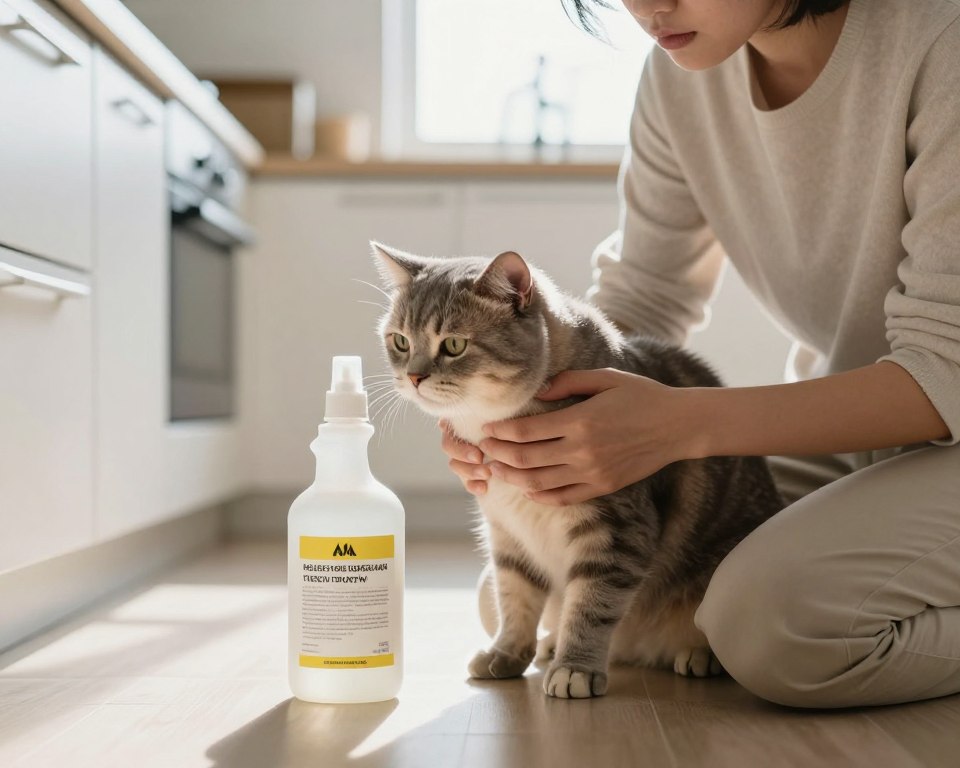
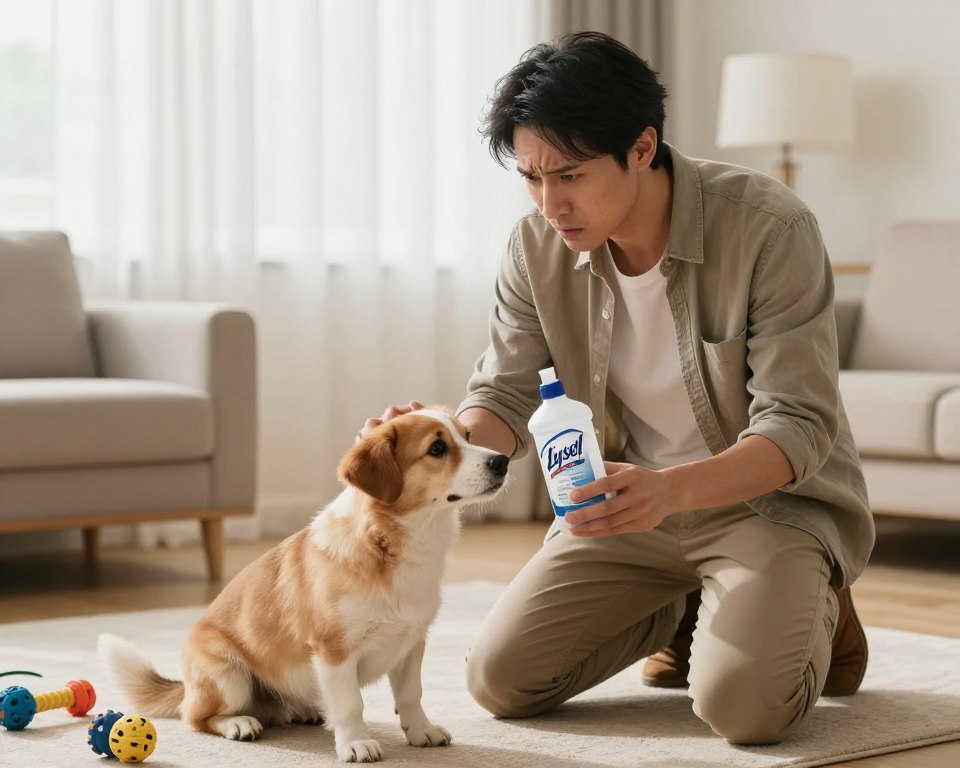
Maintaining a pristine living space often involves using powerful cleaning agents. Many homeowners rely on popular disinfectants for their daily chores. However, pet parents frequently wonder if these common supplies might harm their furry companions.
It is vital to prioritize safety when sanitizing your floors or surfaces. Curious animals often explore areas immediately after you finish scrubbing. Understanding the chemical composition of your household products helps you create a healthier environment for your four-legged friends.
Balancing cleanliness with animal wellness does not have to be difficult. By learning how these substances interact with sensitive paws and noses, you can protect your household effectively. Let us explore how you can keep your residence sparkling while ensuring your companion stays happy and healthy.
Key Takeaways
- Household disinfectants require careful handling around pets.
- Always allow surfaces to dry completely before letting animals walk on them.
- Proper ventilation reduces the risk of respiratory irritation for your pet.
- Store all cleaning supplies in secure cabinets out of reach.
- Consult your veterinarian if you suspect accidental ingestion or exposure.
Understanding the Chemical Composition of Lysol
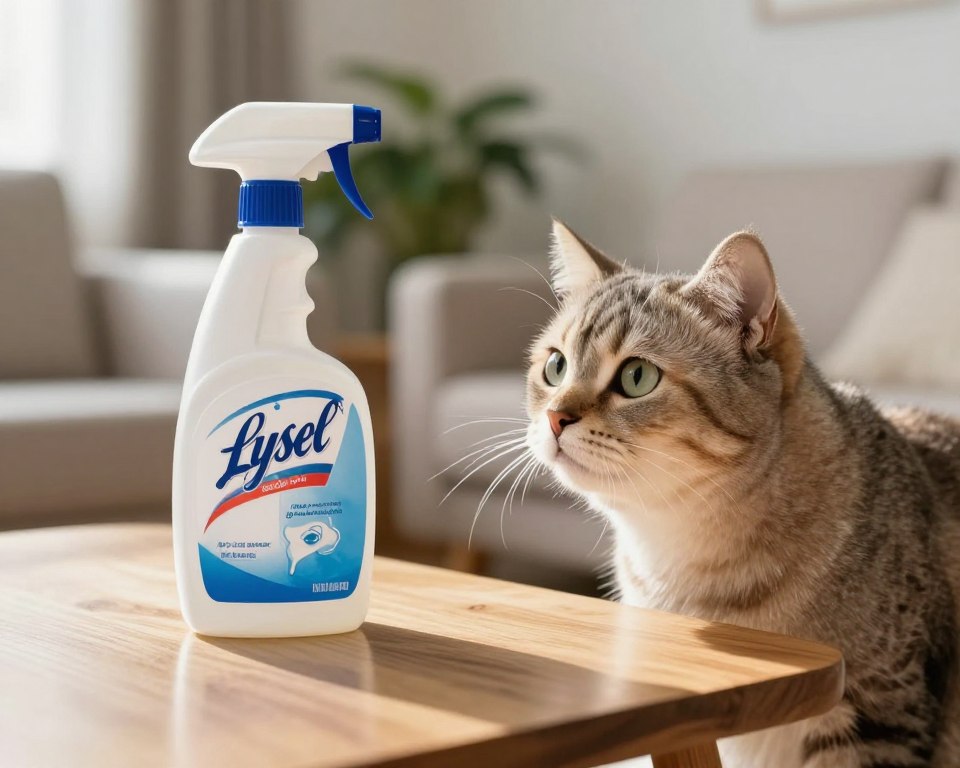
Exploring the ingredients in Lysol helps clarify why some products require extra caution when used in a home with pets. Many owners are surprised to learn that common household cleaners are formulated for human environments, which may not always account for the unique sensitivities of our canine companions. Understanding these components is the first step in determining if specific products are lysol harmful to animals.
Active Ingredients in Common Lysol Products
Most standard Lysol disinfectants rely on a class of chemicals known as quaternary ammonium compounds. These substances are highly effective at killing bacteria and viruses on hard surfaces. However, they are designed to be potent, which is why they can be harsh on a dog’s biological system.
“The dose makes the poison; even common household substances can pose risks if not handled with the proper care and attention to safety guidelines.”
In addition to these compounds, many aerosol sprays contain ethanol or other alcohols to help the solution evaporate quickly. While these ingredients are standard for sanitization, they can be lysol harmful to animals if the pet is exposed to high concentrations or direct contact. It is essential to recognize that these chemicals are meant to alter the environment of microorganisms, which can inadvertently affect larger mammals.
How Disinfectants Interact with Canine Biology
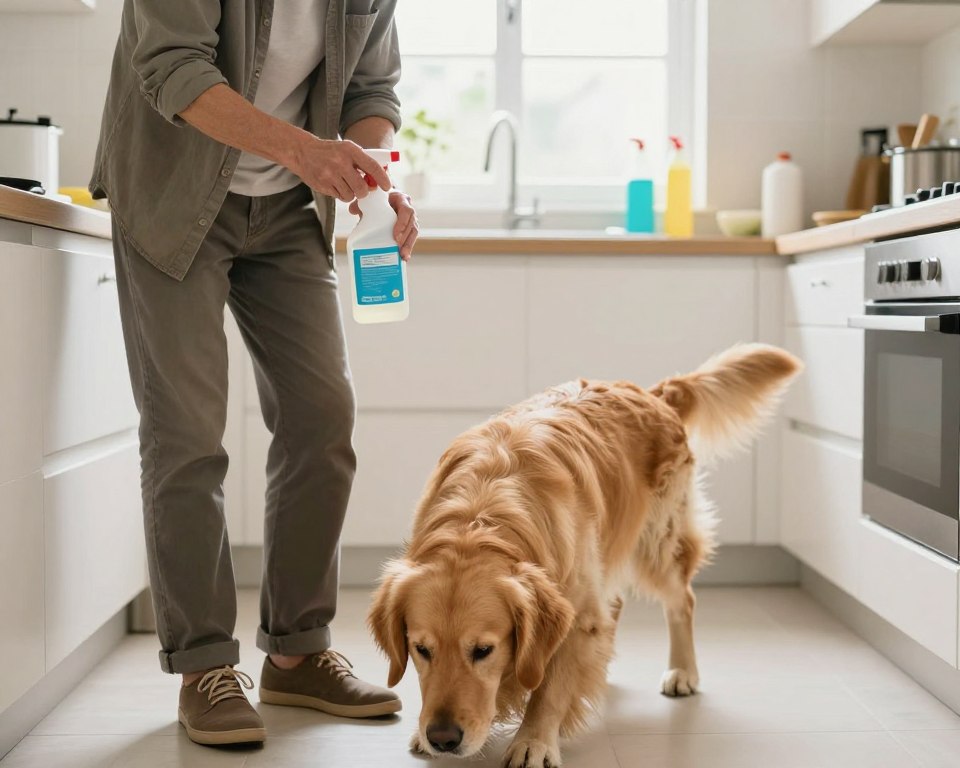
Dogs interact with their environment primarily through their paws and noses, making them more vulnerable to chemical residues. When a surface is treated with a disinfectant, the chemical film remains until it is wiped away or dries completely. If a dog walks across this surface, the chemicals can easily transfer to their paw pads.
Once the residue is on their paws, dogs often groom themselves, leading to accidental ingestion. This is a primary reason why some owners worry about whether lysol harmful to animals is a valid concern in their daily routine. The chemical interaction can lead to irritation of the mouth, throat, and digestive tract, depending on the concentration of the product used.
- Quaternary ammonium compounds can cause skin irritation upon contact.
- Alcohol-based vapors may irritate sensitive respiratory tissues in dogs.
- Ingestion of residue often leads to gastrointestinal discomfort or vomiting.
Is Lysol Toxic to Dogs and Why It Matters
When you clean your home, you might ask yourself: is Lysol toxic to dogs? This is a valid concern for any pet parent who wants to keep their living space both clean and safe. Understanding how these chemicals interact with your pet is the first step toward creating a healthy environment.
The Difference Between Surface Residue and Direct Ingestion
It is important to distinguish between walking on a treated floor and consuming the product directly. Surface residue refers to the thin layer left behind after a cleaner dries, which is generally less concentrated than the liquid itself. While this residue can still cause mild irritation, it is significantly less dangerous than direct ingestion.
Direct ingestion occurs when a dog licks a wet surface or drinks from a cleaning bucket. This scenario is far more dangerous because it introduces a high concentration of chemicals into the dog’s system. Always ensure that surfaces are completely dry before allowing your pet to roam freely in a freshly cleaned room.
Why Dogs Are More Susceptible to Chemical Irritants
Dogs are naturally curious creatures that explore the world through their noses and mouths. Because they spend so much time close to the floor, they are more likely to come into contact with chemical residues than humans. Their habit of grooming their paws also means they can easily ingest whatever substances they have walked through.
Furthermore, a dog’s smaller body size means that even a small amount of a toxic substance can have a significant impact on their health. Their internal organs may struggle to process chemicals that a human would find harmless. Being aware of these biological vulnerabilities helps you make better choices for your pet’s long-term well-being.
Common Routes of Lysol Exposure for Pets
Identifying the common pathways of chemical exposure is the first step toward a safer living environment for your dog. While we often focus on the benefits of a sanitized home, the risks of lysol exposure to dogs can be significant if we overlook how these products interact with our pets.
Inhalation Risks from Aerosol Sprays
Aerosol sprays release fine chemical particles into the air that can easily travel throughout your home. When you spray surfaces, these droplets remain suspended, allowing your dog to inhale them directly. This can lead to respiratory irritation, causing your pet to cough, sneeze, or experience difficulty breathing.
Dermal Contact Through Paw Pads and Fur
Dogs often walk across freshly cleaned floors, which puts their sensitive paw pads in direct contact with chemical residues. Because a dog’s skin is permeable, they may absorb these substances through their pads or fur. This type of contact is a primary factor when considering the risks of lysol exposure to dogs in a typical household.
“Chemical residues on household surfaces are often overlooked by pet owners, yet they represent a frequent point of contact for curious animals exploring their environment.”
Accidental Ingestion of Treated Surfaces
After walking on treated floors, dogs frequently groom themselves by licking their paws. This behavior leads to the accidental ingestion of cleaning agents, which can cause internal distress. Understanding these pathways helps you mitigate the risks of lysol exposure to dogs effectively.
| Exposure Route | Primary Impact Area | Common Symptom |
|---|---|---|
| Inhalation | Lungs and Throat | Coughing |
| Dermal | Paw Pads and Skin | Redness or Itching |
| Ingestion | Digestive System | Upset Stomach |
By staying vigilant, you can ensure that your cleaning routine does not compromise your pet’s health. Always prioritize proper ventilation and drying times to minimize these potential hazards.
Recognizing the Symptoms of Lysol Poisoning in Dogs
If you are worried about your home environment, you might wonder: can dogs be affected by lysol? While these products are effective for sanitizing, they can cause unexpected reactions in our pets if they come into contact with residue or fumes.
Being able to spot the early warning signs is crucial for your dog’s health. By staying observant, you can act quickly if something seems wrong after you finish your cleaning routine.
Gastrointestinal Distress and Vomiting
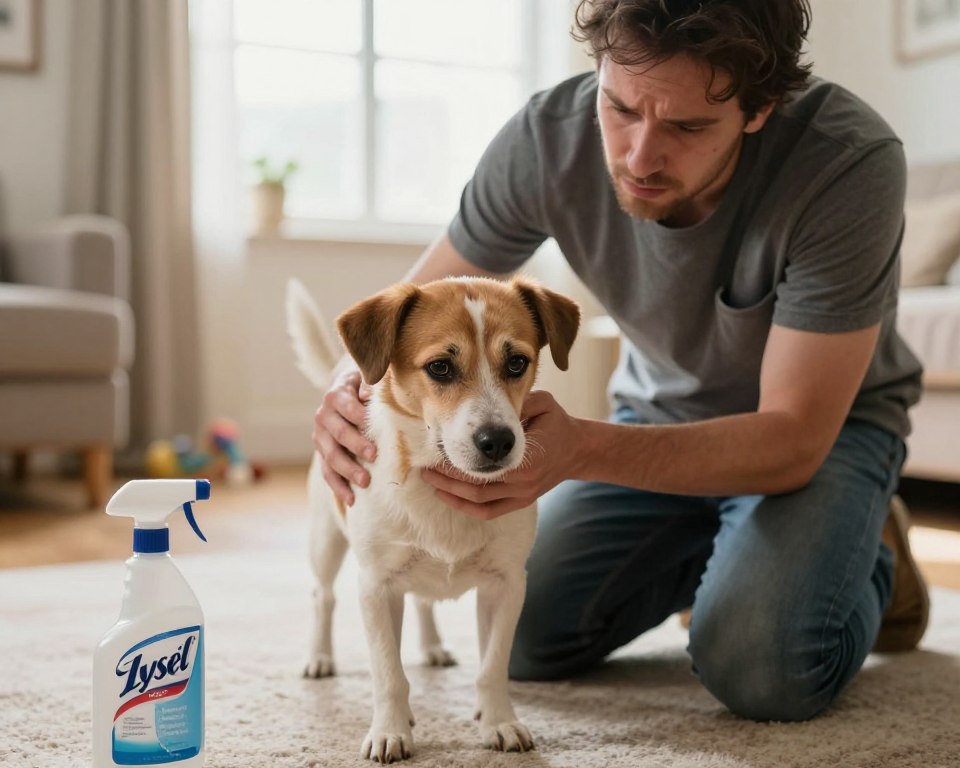
The most common reaction to chemical ingestion involves the digestive system. You may notice your dog drooling excessively or acting as if they have an upset stomach.
Vomiting is a frequent sign that your pet has ingested a harmful substance. If you see your dog struggling to keep food down or acting nauseous, take it as a serious warning sign that requires immediate attention.
Respiratory Signs and Coughing
Inhalation of aerosolized particles can irritate the delicate lining of a dog’s airways. If your pet starts coughing, wheezing, or sneezing shortly after you use a spray, they may be reacting to the chemicals in the air.
Watch for signs of labored breathing or persistent nasal discharge. These symptoms often indicate that the lungs are irritated and need fresh air immediately.
Neurological Changes and Lethargy
Sometimes, chemical exposure affects the nervous system, leading to noticeable changes in behavior. You might observe your dog acting unusually lethargic or struggling to maintain their balance while walking.
In more severe cases, a dog may appear disoriented or show signs of weakness. Always monitor your pet for any sudden shifts in their energy levels or coordination, as these can be frightening indicators of toxicity.
| Symptom Category | Common Signs | Severity Level |
|---|---|---|
| Gastrointestinal | Vomiting, Drooling | Moderate |
| Respiratory | Coughing, Wheezing | High |
| Neurological | Lethargy, Weakness | Critical |
Understanding these signs helps you determine if your pet is safe. Remember, knowing the answer to “can dogs be affected by lysol” is the first step toward keeping your home a healthy sanctuary for your best friend.
Immediate Steps to Take After Potential Exposure
If you suspect your dog has encountered a household cleaner, staying calm is the most important first step. Panic can often make the situation more stressful for your pet, which may hinder your ability to act effectively. Understanding the risks associated with lysol toxicity in dogs allows you to make informed decisions quickly.
Assessing the Severity of the Situation
The first thing you should do is identify exactly what your dog touched and how much exposure occurred. Check the product label for specific warnings and active ingredients. Observing your dog’s behavior is crucial during these initial moments.
Look for immediate signs of distress, such as excessive drooling, pawing at the mouth, or sudden lethargy. If the dog appears to be breathing normally and acting like their usual self, you may have more time to act. However, any sign of physical discomfort requires immediate attention.
Safe Decontamination Procedures for Fur and Paws
If the chemical is on your dog’s fur or paws, you must remove it before they attempt to lick it off. Preventing ingestion is the primary goal of decontamination. Follow these steps to clean your pet safely:
- Use a damp cloth or paper towel to gently wipe away any visible residue from the coat.
- Wash the affected paws with lukewarm water and a mild, pet-safe soap to ensure all traces are removed.
- Avoid using harsh chemicals or alcohol-based wipes, as these can further irritate the skin.
- Dry your dog thoroughly with a clean towel to prevent them from becoming chilled.
When to Contact Your Veterinarian or Poison Control
Do not wait for symptoms to worsen if you are unsure about the level of exposure. Professional guidance is always the safest route when dealing with potential lysol toxicity in dogs. Contact your local veterinarian or a pet poison control center immediately if you notice any of the following:
- Persistent vomiting or diarrhea.
- Difficulty breathing or wheezing.
- Seizures or unusual neurological behavior.
- Signs of skin irritation or chemical burns.
When you call, have the product container nearby so you can provide the exact ingredients to the professional. Your quick action can significantly improve the outcome for your furry friend.
Lysol Pet Safety and Proper Usage Guidelines
Achieving optimal lysol pet safety in your living space is easier than you might think with the right habits. While keeping your home free of germs is important, your primary goal should always be the well-being of your animal companions. By adjusting how you clean, you can enjoy a sanitized home without causing unnecessary stress or health risks to your pets.
Ventilation Strategies During Cleaning
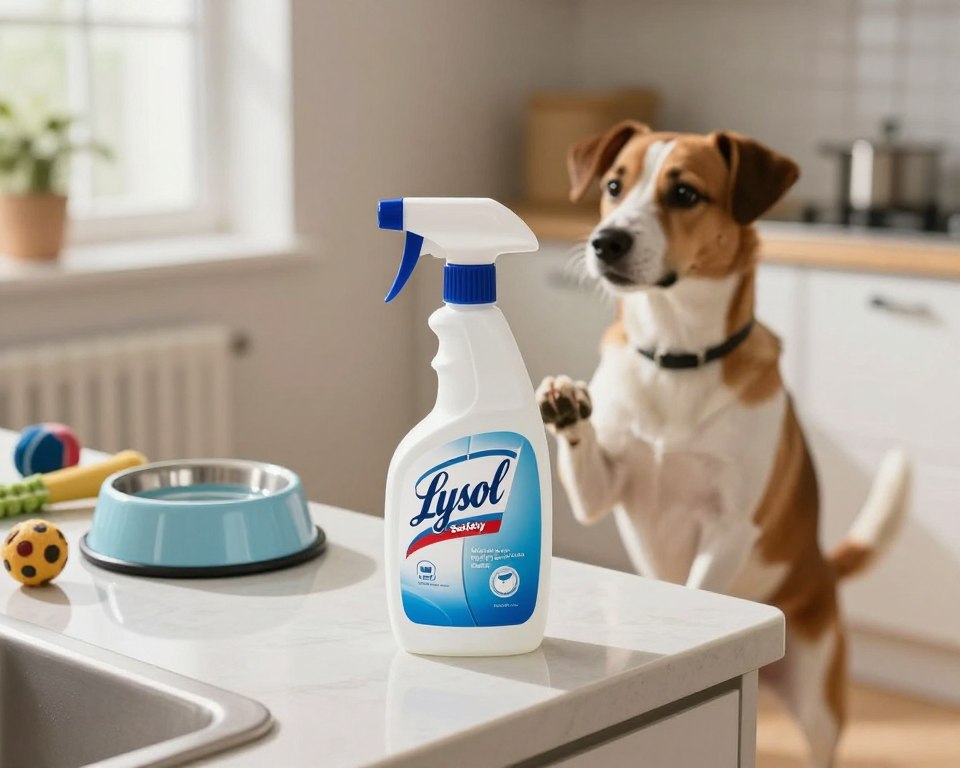
Proper airflow is essential when using any chemical disinfectant in your home. When you spray surfaces, microscopic particles can linger in the air, which may irritate your pet’s sensitive respiratory system. Always open windows or turn on exhaust fans to ensure fresh air circulates throughout the room while you work.
If you are cleaning a small or enclosed space, consider keeping your pets in a different room until the air has cleared. This simple step significantly reduces the risk of inhalation and helps maintain a healthy environment for everyone. Good ventilation is a cornerstone of effective household management.
Allowing Surfaces to Dry Completely Before Pet Access
Many pet owners mistakenly believe that a surface is safe as soon as the wiping is finished. However, chemical residues often remain active until the liquid has fully evaporated. You must ensure that treated areas are completely dry before allowing your dog to walk on or lick those surfaces.
If your pet has a habit of exploring or resting on floors, consider using a fan to speed up the drying process. This prevents the chemical from transferring to their paws or fur, which is a common way for toxins to enter their system. Patience is key when it comes to protecting your pet from accidental ingestion.
Storing Cleaning Supplies Out of Reach
Accidental exposure often happens when curious pets get into cabinets or knock over bottles. To ensure lysol pet safety, all cleaning agents should be stored in high cabinets or behind child-proof locks. Never leave spray bottles or wipes sitting on low counters where a pet might reach them.
| Safety Practice | Why It Matters | Frequency |
|---|---|---|
| Ventilation | Reduces inhalation risks | Every cleaning session |
| Surface Drying | Prevents paw contact | Until fully dry |
| Secure Storage | Prevents ingestion | Always |
By following these guidelines, you create a secure environment that supports both cleanliness and animal health. Consistent habits will make these precautions feel like second nature, ensuring your home remains a safe haven for your pets.
The Impact of Lysol Disinfectant Effects on Dogs
The cumulative effect of chemical residues in your home can influence your dog’s health in subtle ways over time. While a single exposure might cause minor irritation, chronic exposure to household cleaners requires more careful attention. Understanding the lysol disinfectant effects on dogs is a key part of maintaining a safe living environment for your pet.
Long-term Health Implications of Chronic Exposure
Repeated contact with chemical residues can place unnecessary stress on a dog’s internal systems. Over months or years, the liver and kidneys may work harder to process trace amounts of toxins absorbed through the skin or paws. This prolonged exposure can potentially lead to respiratory sensitivities or skin conditions that seem to appear without a clear cause.
It is important to observe your pet for any changes in behavior or physical health. If you notice persistent scratching, lethargy, or unexplained coughing, consider how often you use cleaning agents in areas where your dog spends most of its time. Reducing the frequency of harsh chemical use can help mitigate these long-term risks.
Sensitivity Levels Based on Breed and Age
Not every dog reacts to chemicals in the same way. Younger puppies and senior dogs often have more vulnerable immune systems, making them more susceptible to the lysol disinfectant effects on dogs. Furthermore, certain breeds with shorter snouts or thinner coats may experience higher levels of absorption or irritation compared to others.
The following table outlines how different factors contribute to a dog’s overall sensitivity to household cleaning products:
| Factor | High Sensitivity | Low Sensitivity |
|---|---|---|
| Age | Puppies and Seniors | Adult Dogs |
| Size | Toy and Small Breeds | Large and Giant Breeds |
| Coat Type | Hairless or Thin Fur | Double-coated Breeds |
| Health Status | Pre-existing Conditions | Healthy/Robust |
By recognizing these individual differences, you can tailor your cleaning habits to better protect your specific pet. Always prioritize ventilation and drying time to ensure that the lysol disinfectant effects on dogs remain minimal in your household.
Comparing Lysol Cleaning Products and Pets
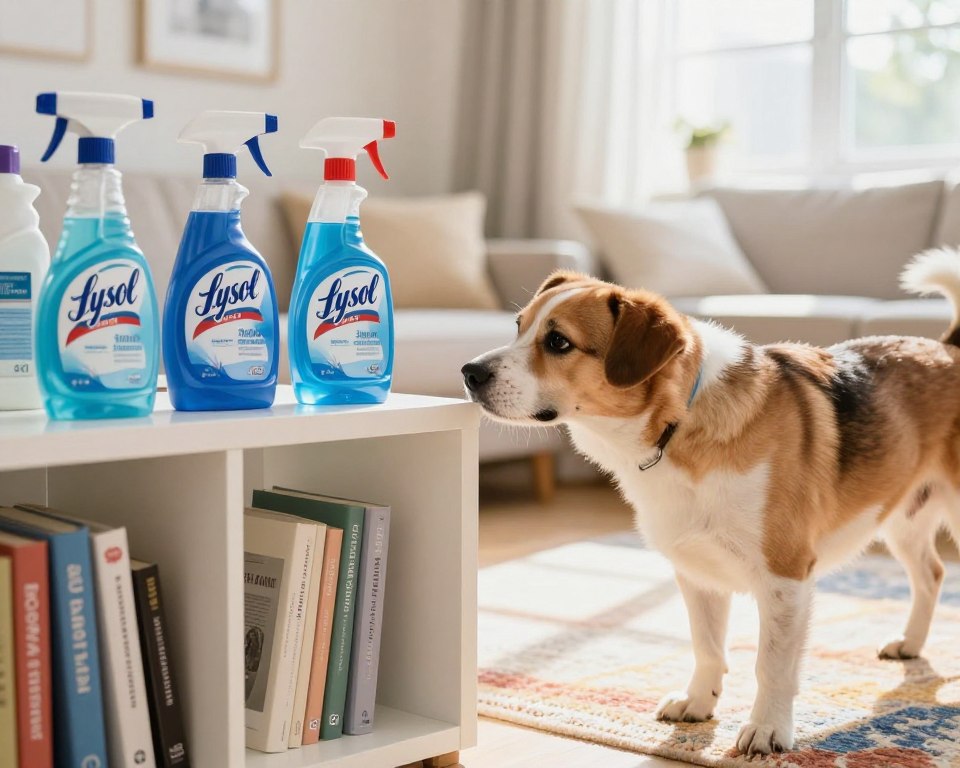
Choosing the right cleaning supplies is a vital part of keeping your canine companion safe and healthy. When evaluating lysol cleaning products and pets, it is important to recognize that different delivery methods pose unique challenges. Understanding these differences helps you maintain a sanitary home without compromising your dog’s well-being.
Aerosol Sprays Versus Liquid Concentrates
Aerosol sprays are often the most concerning format because they disperse fine chemical particles into the air. These particles can easily settle on your dog’s fur or be inhaled, leading to respiratory irritation. Always ensure proper ventilation if you must use these sprays in your living space.
Liquid concentrates, on the other hand, require dilution before use. While they are generally more controlled than aerosols, they present a risk if they pool on floors or surfaces. If a dog walks through a wet area, they may lick their paws later, leading to accidental ingestion of concentrated chemicals.
“The safety of our pets depends on our vigilance in choosing products that minimize toxic exposure in the home environment.”
Wipes and Their Specific Risks
Disinfectant wipes are convenient, but they often leave behind a chemical residue that can be harmful to sensitive paws. Many owners mistakenly believe that because a surface looks dry, it is safe for their pets to walk on immediately. In reality, the chemical film can remain active for several minutes after application.
To keep your home safe, consider these tips when using wipes:
- Keep your dog in another room until the surface is completely dry.
- Wipe down surfaces with a damp cloth after the disinfectant has done its job.
- Store all lysol cleaning products and pets supplies in a secure cabinet.
By being mindful of how you apply these products, you can effectively manage the risks associated with lysol cleaning products and pets. Small changes in your cleaning routine go a long way in protecting your furry friend from unnecessary chemical contact.
Safe Alternatives for Cleaning Around Dogs
You can maintain a spotless living space while effectively avoiding the dangers associated with dogs and lysol poisoning. Many pet owners are now choosing to swap out harsh chemical sprays for gentler, non-toxic options that keep floors and surfaces safe for curious paws.
Natural Ingredients That Are Pet-Friendly
Nature provides several powerful cleaning agents that are both effective and safe for your canine companions. These ingredients allow you to sanitize your home without worrying about the toxic residues often found in industrial-strength cleaners.
- White Vinegar: A natural acid that cuts through grease and kills many household bacteria.
- Baking Soda: Excellent for scrubbing surfaces and neutralizing stubborn pet odors.
- Lemon Juice: Provides a fresh scent and acts as a mild bleaching agent for stains.
- Essential Oils (Pet-Safe): Small amounts of lavender or chamomile can add a pleasant aroma.
Benefits of Vinegar and Baking Soda Solutions
Using a simple mixture of vinegar and water is a game-changer for busy pet households. These solutions are inexpensive, readily available, and completely harmless if your dog happens to lick a freshly cleaned floor.
“Choosing natural cleaning agents is one of the simplest ways to ensure your pet’s environment remains free from unnecessary chemical risks.”
Beyond safety, these mixtures are environmentally friendly and reduce your overall carbon footprint. They effectively lift dirt and grime without leaving behind the sticky film that often irritates a dog’s sensitive skin.
Commercial Pet-Safe Disinfectant Options
If you prefer the convenience of store-bought products, look for labels that explicitly state they are pet-safe or non-toxic. Many modern brands now formulate cleaners specifically designed to prevent the risks of dogs and lysol poisoning by omitting harsh phenols and ammonia.
Always check the ingredient list for hydrogen peroxide-based cleaners, which are generally considered safer alternatives. When in doubt, consult your veterinarian about specific brands that align with your home’s safety standards.
Risks of Lysol Exposure to Dogs in Multi-Pet Households
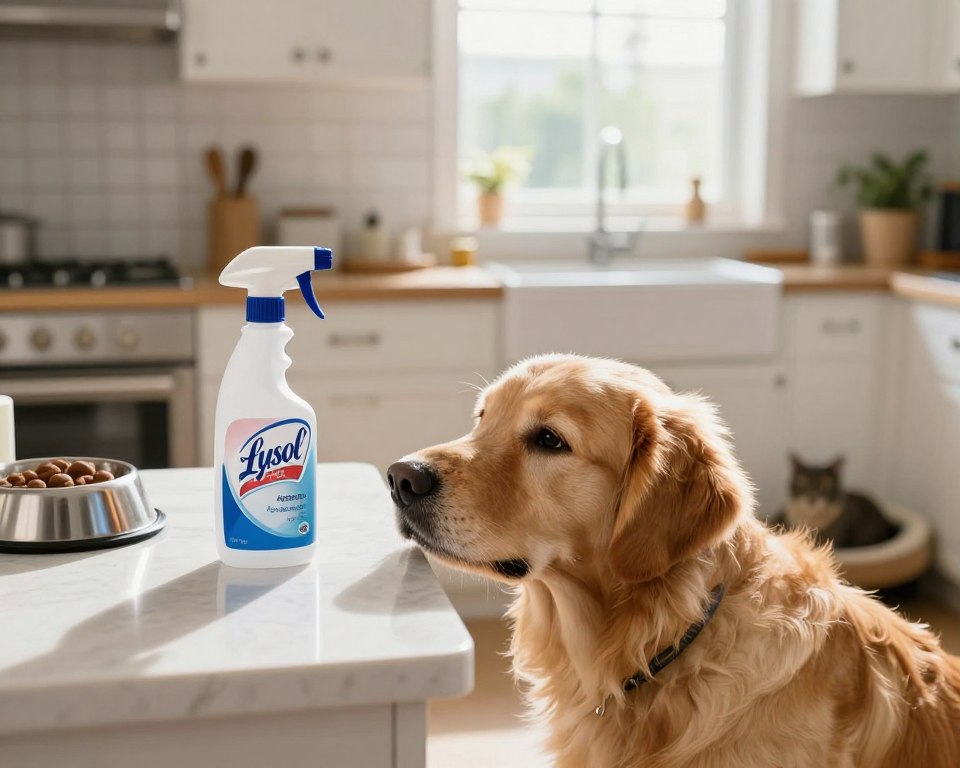
Living with several animals means the risks of lysol exposure to dogs can multiply quickly if you aren’t careful. When you have multiple pets, the chance of one animal tracking a cleaning agent into a sleeping area or another pet licking a damp surface increases significantly. Maintaining a safe environment requires a more structured approach than in a single-pet home.
Managing Cleaning Schedules with Multiple Animals
The best way to keep your pets safe is to implement a staggered cleaning schedule. By cleaning one room at a time, you can keep your dogs in a separate, secure area until the floors are completely dry. This simple step prevents accidental contact with wet residue.
Consider using a crate or a designated “safe room” for your pets during your cleaning routine. Consistency is key to ensuring that no animal wanders onto a freshly treated surface. Always double-check that the area is fully ventilated before allowing your pets to return to their shared spaces.
Preventing Cross-Contamination in Shared Spaces
Cross-contamination often occurs when cleaning supplies are moved between rooms or when pets share bedding. You must ensure that cleaning cloths and mops are thoroughly rinsed or replaced between different areas of the house. If one pet carries a chemical residue on their paws, they can easily transfer it to a shared rug or toy.
To minimize these risks, keep all cleaning supplies stored in a locked cabinet that is inaccessible to all animals. Regularly wash shared blankets and beds to remove any potential buildup of household chemicals. The following table outlines effective strategies for maintaining safety in a busy, multi-pet home.
| Strategy | Primary Benefit | Implementation Level |
|---|---|---|
| Staggered Cleaning | Prevents accidental contact | High |
| Room Isolation | Limits chemical spread | High |
| Surface Rinsing | Removes toxic residue | Medium |
| Secure Storage | Prevents ingestion risks | Maximum |
Is Lysol Safe for Pets During Deep Cleaning
Deep cleaning your home often requires stronger chemicals, which raises the question: is Lysol safe for pets during these intensive sessions? While these products are effective at killing germs, the high concentration of active ingredients used during a deep scrub can pose significant risks to your dog. Taking proactive steps is essential to ensure your home remains a healthy environment for everyone.
Protecting Pets During Professional Cleaning Services
When you hire professional cleaners, you must communicate your concerns about chemical exposure clearly. Many services use industrial-strength disinfectants that are much stronger than standard household sprays. Always ask the service provider about the specific products they plan to use in your home.
“The best way to ensure pet safety is to remove the animal from the environment entirely while heavy-duty cleaning is in progress.”
If possible, schedule the cleaning for a time when your dog can stay at a friend’s house or a trusted boarding facility. If you cannot leave the home, keep your pet in a separate, well-ventilated room that is not being treated. This simple step helps determine if is lysol safe for pets in your specific situation by removing the risk of direct contact.
Creating a Safe Zone During Household Sanitization
If you are performing the deep clean yourself, you need to establish a designated “safe zone” for your dog. This area should be completely off-limits until all surfaces have dried thoroughly. Proper ventilation is the most critical factor here, so open windows and use fans to circulate fresh air throughout the house.
- Keep pets in a room with a closed door while you work.
- Wait until surfaces are completely dry before allowing your dog back into the area.
- Use baby gates to block off freshly sanitized hallways or rooms.
Remember that even if you wonder if is lysol safe for pets, the safest approach is always to minimize exposure time. By keeping your dog away from wet surfaces, you prevent them from tracking chemicals onto their paws or ingesting residue through grooming. Consistency in these habits will protect your pet during every deep cleaning cycle.
Addressing Common Myths About Dogs and Lysol Poisoning
When you ask, “is lysol toxic to dogs,” you might encounter conflicting advice online that can lead to confusion. Many well-meaning pet owners rely on outdated information or anecdotal evidence that downplays the risks of household chemicals. It is vital to look past these myths to ensure your home remains a safe haven for your canine companion.
Debunking Misconceptions About Pet Immunity
A persistent myth suggests that dogs possess a natural immunity to common household cleaners because they have lived alongside humans for centuries. In reality, dogs are biologically distinct from humans and often lack the metabolic pathways to process synthetic chemicals safely. Their smaller body mass and unique grooming habits make them significantly more vulnerable to toxic exposure.
Consider these common misconceptions that often lead to accidental poisoning:
- Myth: If a product is safe for human skin, it is safe for a dog’s paws.
- Myth: Dogs will naturally avoid areas that are dangerous to their health.
- Myth: A quick wipe-down is enough to neutralize all chemical residue.
Believing that your pet can “sense” danger is a dangerous gamble. While some dogs may avoid strong odors, others are curious and may lick surfaces that still contain active chemical agents. Understanding that is lysol toxic to dogs is a question of chemistry, not pet intuition, is the best way to protect your animal.
Clarifying the Difference Between Sanitizing and Cleaning
Many owners use the terms “cleaning” and “sanitizing” interchangeably, but they represent very different processes. Cleaning typically involves removing physical dirt and debris, often using soap and water. Sanitizing, however, involves the use of potent chemicals designed to kill bacteria and viruses on a microscopic level.
Because sanitizers are formulated to destroy biological organisms, they are inherently more aggressive than standard soaps. When you use these products, you are applying substances that can irritate a dog’s respiratory system or skin upon contact. Recognizing this distinction helps you realize why extra caution is necessary when using disinfectants in areas where your dog eats, sleeps, or plays.
Ultimately, being proactive about your cleaning routine is the best defense. Always read the labels on your supplies to determine if they are safe for use around pets. If you remain unsure if is lysol toxic to dogs in your specific living situation, it is always safer to choose a pet-friendly alternative.
Veterinary Perspectives on Household Chemical Safety
Veterinarians often emphasize that a clean home should never come at the cost of your dog’s health. Achieving high standards of lysol pet safety requires a thoughtful approach to how you manage your cleaning routine. By understanding the risks, you can create a living environment that is both hygienic and secure for your furry friend.
Professional Advice on Maintaining a Clean and Safe Home
Experts suggest that the most effective way to protect your pet is to minimize the concentration of chemicals on surfaces they touch. When using disinfectants, always follow the manufacturer’s instructions regarding dilution ratios. Diluting products correctly significantly reduces the risk of skin irritation or accidental ingestion.
Furthermore, professionals recommend rinsing surfaces with plain water after using strong cleaning agents. This simple step removes chemical residue that might otherwise stick to your dog’s paws. Ensuring that floors are completely dry before allowing your pet back into the room is a critical component of maintaining lysol pet safety.
Preventative Measures Recommended by Experts
Preventative care starts with how you store your cleaning supplies. Always keep bottles in high cabinets or locked cupboards where curious noses cannot reach them. If you use aerosol sprays, ensure the area is well-ventilated to prevent your dog from inhaling harmful particles.
Veterinarians also suggest observing your pet for any unusual behavior after you finish cleaning. If you notice excessive licking of paws or sudden lethargy, contact your local clinic immediately. Implementing these proactive habits helps ensure your home remains a safe haven for your pets.
| Cleaning Habit | Risk Level | Safety Impact |
|---|---|---|
| Direct Spraying | High | Increases inhalation risk |
| Diluted Mopping | Low | Reduces chemical residue |
| Surface Rinsing | Minimal | Ensures maximum safety |
| Proper Storage | None | Prevents accidental ingestion |
Conclusion
Maintaining a clean living space remains a top priority for every pet owner. Lysol serves as a powerful tool for eliminating household germs, yet its chemical nature demands careful attention to keep your dog safe.
You hold the power to create a healthy balance between hygiene and pet wellness. Small adjustments to your cleaning routine make a significant difference in your dog’s daily life.
Always prioritize proper ventilation when using sprays or wipes. Keep your furry companion away from treated areas until every surface feels completely dry to the touch.
Consider switching to natural, pet-friendly alternatives for routine maintenance. These options provide peace of mind while keeping your floors and counters free of harsh residues.
Your proactive approach prevents accidental exposure and supports long-term health. Consistent safety habits ensure your home stays fresh and your dog remains happy for many years.
Share your favorite pet-safe cleaning tips with other dog owners in your community. Building a network of informed pet parents helps everyone keep their four-legged friends thriving in a safe environment.
FAQ
Is Lysol toxic to dogs if they sniff it?
Yes, is lysol toxic to dogs when inhaled. The aerosolized particles can irritate a dog’s respiratory tract, leading to coughing or sneezing. It is best to keep pets in a different room until the scent has dissipated.
What are the primary lysol disinfectant effects on dogs?
The effects can range from mild skin irritation and redness to severe internal issues like lysol toxicity in dogs. Phenols and chemicals in the spray can cause chemical burns in the mouth or esophagus if ingested.
Are there specific risks of lysol exposure to dogs when using wipes?
While wipes don’t create a mist, they leave a chemical residue. The risks of lysol exposure to dogs from wipes occur if a dog licks a surface that hasn’t dried or if they chew on a discarded wipe, which can cause an intestinal blockage or poisoning.
Can dogs be affected by lysol fumes in a small room?
Absolutely. Can dogs be affected by lysol fumes more severely in confined spaces? Yes, because the concentration of chemicals in the air is higher. Always ensure proper ventilation by opening windows when cleaning small areas like bathrooms.
Is Lysol safe for pets if I use it on their bedding?
Generally, is lysol safe for pets for bedding? No, it is not recommended. It is better to wash pet bedding in a washing machine with pet-safe detergent. If you must use a spray, ensure the bedding is thoroughly dry and aired out for several hours before the dog uses it.
What should I do if I suspect dogs and lysol poisoning in my home?
If you suspect dogs and lysol poisoning, immediately move your pet to fresh air and wash any skin that touched the product. Contact your veterinarian or the ASPCA Poison Control right away for professional guidance.
Which lysol cleaning products and pets are the most dangerous combination?
Lysol cleaning products and pets are most dangerous when liquid concentrates are involved. Because these are highly potent, even a small amount of undiluted cleaner can cause severe damage compared to the diluted versions or pre-moistened wipes.
Is Lysol harmful to animals other than dogs?
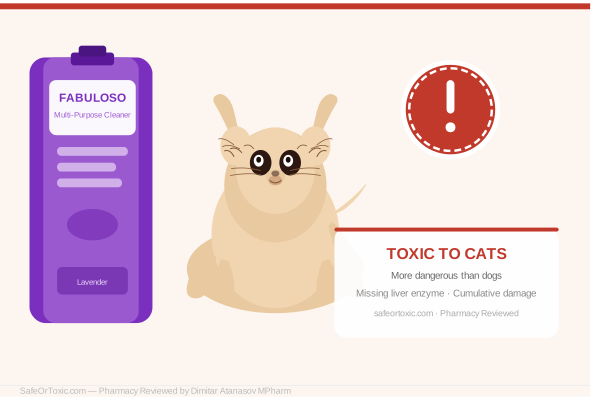
Yes, lysol harmful to animals is a broad concern. Cats are even more sensitive to phenols than dogs because their livers are less efficient at processing these specific chemicals, but it is a significant risk for all household pets.
How can I practice better lysol pet safety?
Practice lysol pet safety by keeping your dog out of the room during the cleaning process, allowing all surfaces to dry completely, and storing all bottles in a secure, locked cabinet.