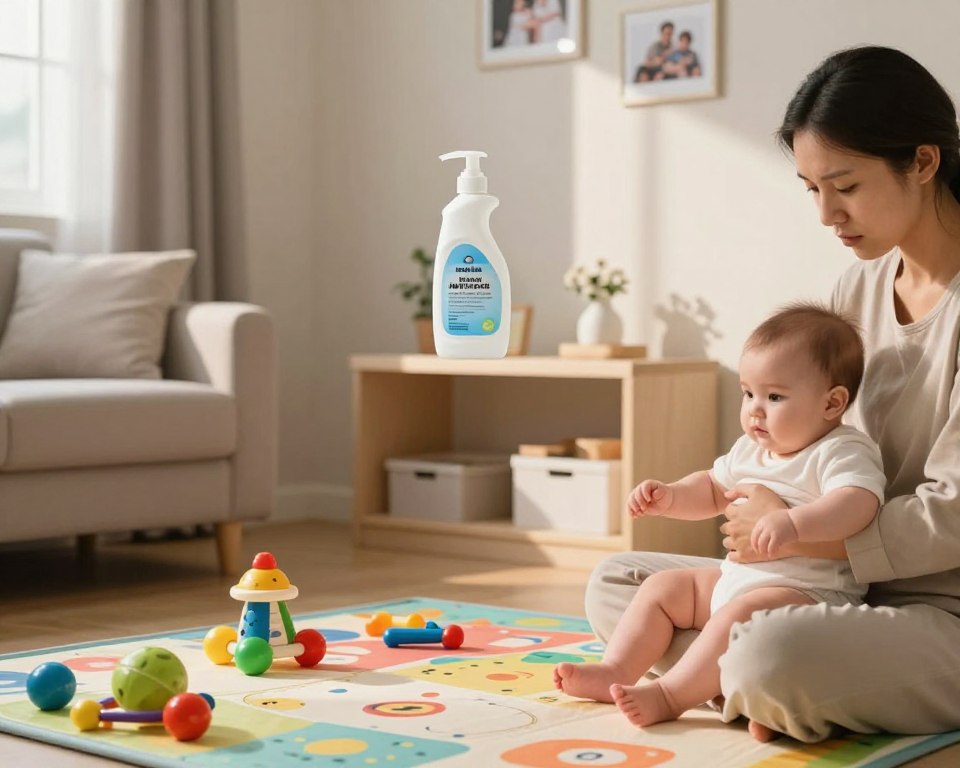
Bringing your little one home for the first time is a magical experience that changes your world forever. Suddenly, you find yourself looking at every corner of your house with a new sense of responsibility. You want to create a sanctuary that is perfectly pristine for your growing family.
It is natural to wonder if the items you use to scrub your floors or wipe down counters could pose a risk. Many parents ask themselves: are cleaning products safe around newborns? This concern is valid because infants have much faster breathing rates than adults. Their frequent hand-to-mouth behavior also means they absorb environmental toxins more easily.
Because their immune systems are still developing, being mindful of what touches their environment is a proactive step toward better health. By choosing smarter alternatives, you can maintain a tidy home without compromising your baby’s well-being. Let’s explore how to keep your living space healthy and worry-free.
Key Takeaways
- Infants have higher absorption rates for household chemicals due to their rapid breathing.
- Hand-to-mouth habits increase the risk of accidental ingestion of residue.
- Developing immune systems require a more cautious approach to home maintenance.
- Choosing non-toxic alternatives helps create a healthier nursery environment.
- Proactive awareness allows parents to balance hygiene with safety effectively.
Understanding the Vulnerability of Newborns to Chemicals
Newborns are uniquely sensitive to the world around them, especially when it comes to the air they breathe and the surfaces they touch. As parents, we naturally want to create a pristine environment for our little ones. However, it is important to recognize that their developing bodies interact with household products in ways that are quite different from adults.
Why Newborns Are More Susceptible to Toxins
Infants have much faster breathing rates than adults, which means they inhale a higher volume of air relative to their small body weight. Because their respiratory systems are still in the early stages of development, this increased intake can lead to a higher absorption of airborne pollutants. This physiological reality makes them more vulnerable to the chemicals often found in standard household cleaners.
Furthermore, babies frequently engage in hand-to-mouth behavior as they begin to explore their surroundings. When they crawl or touch surfaces treated with conventional cleaning agents, they may inadvertently ingest chemical residues. This constant contact creates a unique pathway for chemical exposure that requires extra vigilance from caregivers.
The Role of Indoor Air Quality in Infant Health
The quality of the air inside your home plays a critical role in long-term infant health. Many common cleaning products release volatile organic compounds (VOCs) that linger in the air long after the floors or counters appear clean. For a newborn, these invisible particles can irritate delicate lungs and potentially contribute to respiratory issues.
Maintaining high indoor air quality is not just about removing dust or pet dander; it is about minimizing the chemical load in the nursery and common living areas. By choosing safer alternatives and ensuring proper airflow, you can create a healthier sanctuary for your baby to grow and thrive. Small changes in your routine can make a significant difference in protecting your child from unnecessary environmental stressors.
Are Cleaning Products Safe Around Newborns
The safety of your baby often starts with the very products you use to sanitize your living space. Many parents frequently ask, are cleaning products safe around newborns, especially when they notice strong odors lingering after a deep clean. It is important to realize that your home environment plays a massive role in your infant’s early development.
Choosing safe household cleaners for newborns is a proactive step toward protecting their delicate respiratory systems. By being mindful of what you spray or wipe on surfaces, you create a healthier sanctuary for your little one to grow and explore.
Common Household Chemicals to Avoid
Certain ingredients found in standard cleaning supplies can pose unnecessary risks to infants. You should be particularly cautious of ammonia, phthalates, and chlorine bleach. These substances are often too harsh for a baby’s developing lungs and sensitive skin.
Ammonia is frequently found in glass cleaners and can cause significant irritation if inhaled. Phthalates are often hidden in synthetic fragrances, which are common in many household sprays. Chlorine bleach, while effective at killing germs, releases fumes that can trigger respiratory distress in small children.
Identifying Hidden Dangers in Conventional Cleaners
Many conventional products contain volatile organic compounds, also known as VOCs. These chemicals evaporate into the air at room temperature, potentially lowering your indoor air quality. Synthetic fragrances are another major concern, as they often mask a cocktail of undisclosed chemicals that can irritate a baby’s skin.
You should also watch out for harsh surfactants found in many general-purpose cleaners. These ingredients are designed to cut through grease but can leave behind residues that are harmful if a baby touches them and then puts their hands in their mouth. Always check the label for warnings or ingredient lists that seem overly vague or complex.
The Importance of Reading Labels and Ingredient Lists
Navigating the fine print on cleaning products can feel like learning a new language. When you are a new parent, the sheer volume of information on the back of a bottle is often overwhelming. However, taking the time to examine cleaning product labels is one of the most effective ways to ensure a healthy home environment.
Many conventional brands hide harsh chemicals behind vague terms like “fragrance” or “surfactants.” By learning to look past the marketing claims on the front of the package, you gain control over what enters your living space. This simple habit helps you filter out products that might irritate your baby’s sensitive skin or respiratory system.
Decoding Complex Chemical Names
It is easy to get lost in a sea of scientific jargon, but you do not need a chemistry degree to shop safely. Look for certifications that do the heavy lifting for you. Labels like EPA Safer Choice and EWG Verified are gold standards for ingredient transparency.
“The best way to protect your family is to know exactly what is in the products you bring into your home.”
These third-party organizations conduct rigorous testing to ensure that products meet strict safety criteria. When you see these logos, you can trust that the manufacturer has disclosed their ingredients and avoided the most dangerous substances. Relying on these benchmarks simplifies your shopping trip significantly.
Recognizing Harmful Ingredients Like Phthalates and Ammonia
Some ingredients are notorious for their negative impact on indoor air quality and infant health. Phthalates, often found in synthetic fragrances, are known endocrine disruptors that you should actively avoid. Similarly, ammonia is a common but harsh cleaner that can cause severe respiratory irritation in newborns.
To keep your nursery safe, try to prioritize non-toxic cleaners that list their ingredients clearly. If a label does not disclose what is inside, it is usually best to leave it on the shelf. Being proactive about these specific chemicals helps you create a sanctuary where your baby can thrive without unnecessary exposure to toxins.
Natural Cleaning Products for Newborns
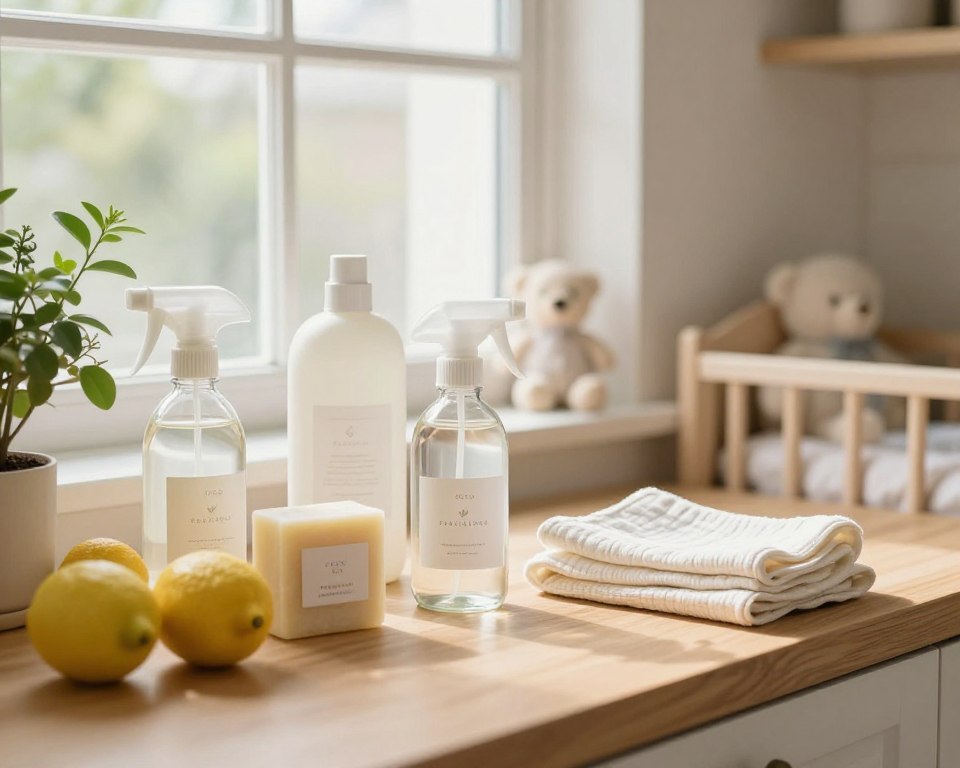
Transitioning to a greener home starts with selecting the right natural cleaning products for newborns. Many parents today are moving away from harsh synthetic chemicals to protect their little ones from unnecessary exposure. By choosing safer alternatives, you can maintain a tidy home while supporting your baby’s delicate health.
Benefits of Plant-Based Cleaning Solutions
Plant-based cleaners are often derived from renewable sources like coconut, corn, or essential oils. These products typically avoid the volatile organic compounds (VOCs) found in traditional cleaners, which can irritate a baby’s sensitive respiratory system. Choosing these options creates a much gentler indoor atmosphere.
Furthermore, these solutions are often biodegradable and free from synthetic fragrances. Many newborn-friendly cleaners prioritize transparency, listing every ingredient clearly on the label. This allows you to avoid hidden toxins that might otherwise linger on surfaces your baby touches.
“The goal of a healthy home is to minimize chemical load while maintaining a clean, safe environment for development.”
Effective DIY Cleaning Recipes Using Vinegar and Baking Soda
If you prefer a hands-on approach, simple pantry staples can be highly effective for daily maintenance. A mixture of white vinegar and water works wonders on glass and hard surfaces, while baking soda acts as a gentle, non-toxic abrasive for scrubbing sinks or tubs. It is important to remember that while these are excellent for cleaning, they do not function as hospital-grade disinfectants.
To ensure your newborn-friendly cleaners remain effective, always prepare them in small, fresh batches. This prevents the degradation of ingredients and ensures you are using the most potent version of your homemade solution. When you need to sanitize high-touch areas, consider pairing these methods with steam cleaning or choosing a certified non-toxic disinfectant.
| Feature | Plant-Based Cleaners | DIY Solutions | Synthetic Cleaners |
|---|---|---|---|
| Safety Level | High | Very High | Low |
| Fragrance | Natural/None | None | Artificial |
| Disinfection | Varies | Limited | Strong |
| Cost | Moderate | Low | Low |
Ultimately, using natural cleaning products for newborns is about finding a balance that works for your family. By combining the safety of plant-based ingredients with smart cleaning habits, you can create a sanctuary that is both clean and nurturing for your growing child.
Safe Cleaning Products for Infants
Selecting non-toxic cleaning products for babies is one of the most impactful choices you can make as a new parent. Your home should be a sanctuary, and the supplies you use to maintain it play a major role in your infant’s daily health. By making informed decisions, you can effectively clean your living space without introducing harsh chemicals into your baby’s environment.
Top Recommended Brands for Baby-Safe Environments
Many parents find comfort in choosing established brands that prioritize transparency and safety. These companies often undergo rigorous testing to ensure their formulas are gentle enough for homes with newborns.
- Seventh Generation: Known for their plant-based formulas that avoid synthetic fragrances and dyes.
- Babyganics: Specifically designed with infants in mind, focusing on plant-derived ingredients for high-touch surfaces.
- Puracy: Offers a range of biodegradable, non-toxic cleaners that are highly effective yet gentle on sensitive skin.
- Dr. Bronner’s: A classic choice for those seeking simple, organic, and multi-purpose soap solutions.
What to Look for When Shopping for Non-Toxic Cleaners
When you are browsing the aisles, it is easy to get confused by marketing claims. To find truly safe cleaning products for infants, you must look beyond the front label and examine the ingredient list closely.
One of the most important distinctions to make is between “fragrance-free” and “unscented.” While they sound similar, they are quite different in practice:
- Fragrance-Free: These products contain no added scents or masking agents, making them the safest choice for your baby.
- Unscented: These items may still contain chemicals used to mask the natural odor of the ingredients, which can trigger sensitivities.
Always prioritize products that are transparent about their ingredients. Avoid items that list vague terms like “parfum” or “fragrance,” as these can hide a variety of undisclosed chemicals. By sticking to simple, plant-based ingredients, you can maintain a clean home while keeping your little one safe and healthy.
Managing Indoor Air Quality During Cleaning
Protecting your baby’s delicate lungs starts with managing the quality of the air they breathe every day. While we often focus on scrubbing surfaces, the air inside our homes can become filled with invisible pollutants during routine chores. Maintaining clean air is just as important as keeping surfaces clean for your newborn’s respiratory health.
The Importance of Proper Ventilation
Cleaning activities can often release volatile organic compounds, or VOCs, and dust into the air. These particles can negatively impact the indoor air quality of your home if they remain trapped in a closed space. To protect your infant, you must prioritize airflow during and after your cleaning routine.
The simplest way to improve air quality is to open windows to create a cross-breeze. If you are cleaning a bathroom or kitchen, always turn on the exhaust fans to pull pollutants directly outside. This ventilation helps dilute any chemical fumes or dust kicked up during your work, ensuring your baby breathes easier.
Using Air Purifiers to Remove Airborne Particles
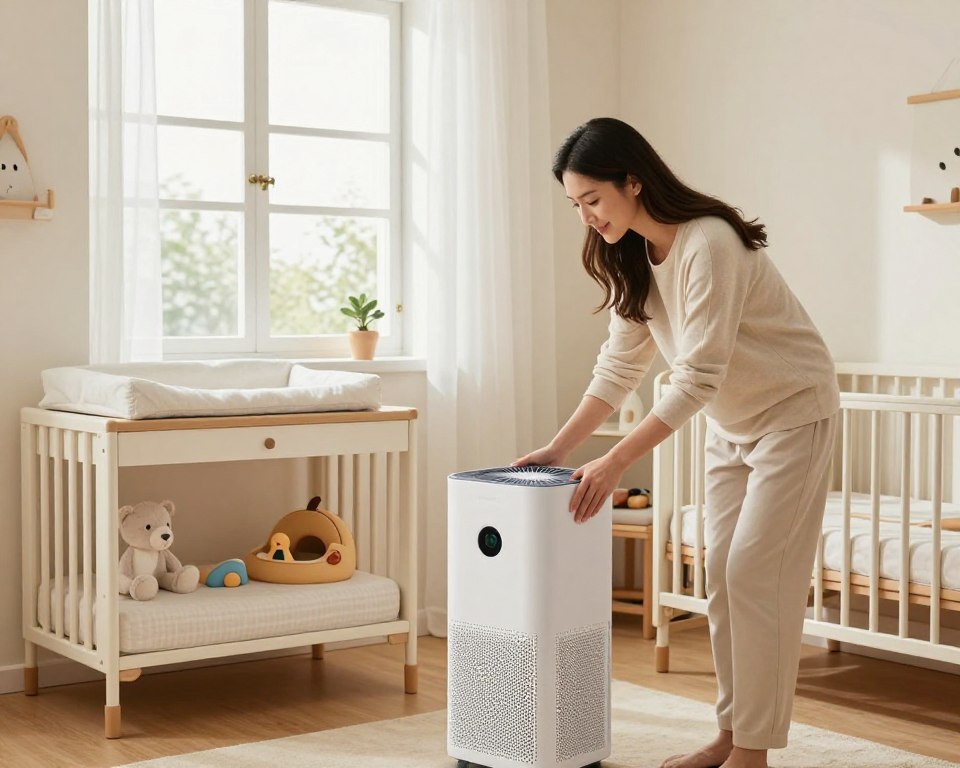
Sometimes, opening a window is not enough, especially on days with high pollen or outdoor pollution. Investing in a high-quality air purifier can provide an extra layer of protection for your nursery. Look for units equipped with HEPA filters, which are designed to trap both fine particulate matter and lingering chemical odors.
These devices work continuously to scrub the air, capturing dust and allergens that might otherwise be inhaled by your infant. By running an air purifier, you create a safer, more breathable environment for your growing baby. It is a simple, effective way to ensure your home remains a sanctuary.
| Method | Primary Benefit | Best Used For |
|---|---|---|
| Natural Ventilation | Dilutes VOC concentrations | Daily cleaning sessions |
| Exhaust Fans | Removes moisture and fumes | Bathroom and kitchen tasks |
| HEPA Air Purifiers | Traps fine dust and allergens | Continuous air maintenance |
Cleaning Nursery Surfaces Safely
Your baby’s nursery is their primary sanctuary, requiring careful attention to cleanliness. Because infants spend the majority of their time in this room, maintaining a healthy environment is a top priority for every parent. Consistency is the key to keeping surfaces free from dust, allergens, and unwanted germs.
Best Practices for Cleaning Cribs and Changing Tables
It is important to distinguish between cleaning and sanitizing. Cleaning involves removing visible dirt and debris with soap and water, which is sufficient for most surfaces like crib rails and changing table pads. However, sanitizing is necessary for items your baby might put in their mouth, such as teething toys or specific crib attachments.
When wiping down cribs, use a soft cloth dampened with a mild, fragrance-free soap. Always ensure you rinse the surface thoroughly to remove any soapy residue. Regular maintenance prevents the buildup of dust that can irritate a newborn’s sensitive respiratory system.
Choosing Non-Toxic Disinfectants for High-Touch Areas
Selecting the right supplies is essential when you want to maintain a safe space. Many parents prefer using non-toxic cleaning products for babies to avoid harsh chemicals that linger on surfaces. Look for ingredients like citric acid or hydrogen peroxide, which provide effective cleaning power without the risks associated with synthetic fragrances or ammonia.
“The goal of a healthy nursery is to minimize chemical exposure while maintaining a hygienic space that supports your child’s developing immune system.”
When shopping for supplies, always verify that the labels explicitly state they are safe for use around infants. Utilizing non-toxic cleaning products for babies ensures that even if your little one touches a surface and then puts their hands in their mouth, they are not ingesting harmful residues. Below is a guide to help you choose the right approach for different nursery items.
| Surface Type | Cleaning Method | Frequency |
|---|---|---|
| Crib Rails | Mild Soap & Water | Weekly |
| Changing Pad | Non-Toxic Spray | Daily |
| Hard Toys | Sanitizing Rinse | As Needed |
| Nursery Shelves | Damp Microfiber | Bi-Weekly |
By integrating these habits into your routine, you create a protective barrier against environmental toxins. Remember that simplicity often works best; water and gentle, plant-based cleaners are usually all you need to keep the nursery pristine. Prioritizing these non-toxic cleaning products for babies will give you peace of mind as your child grows.
Laundry Care for Newborns
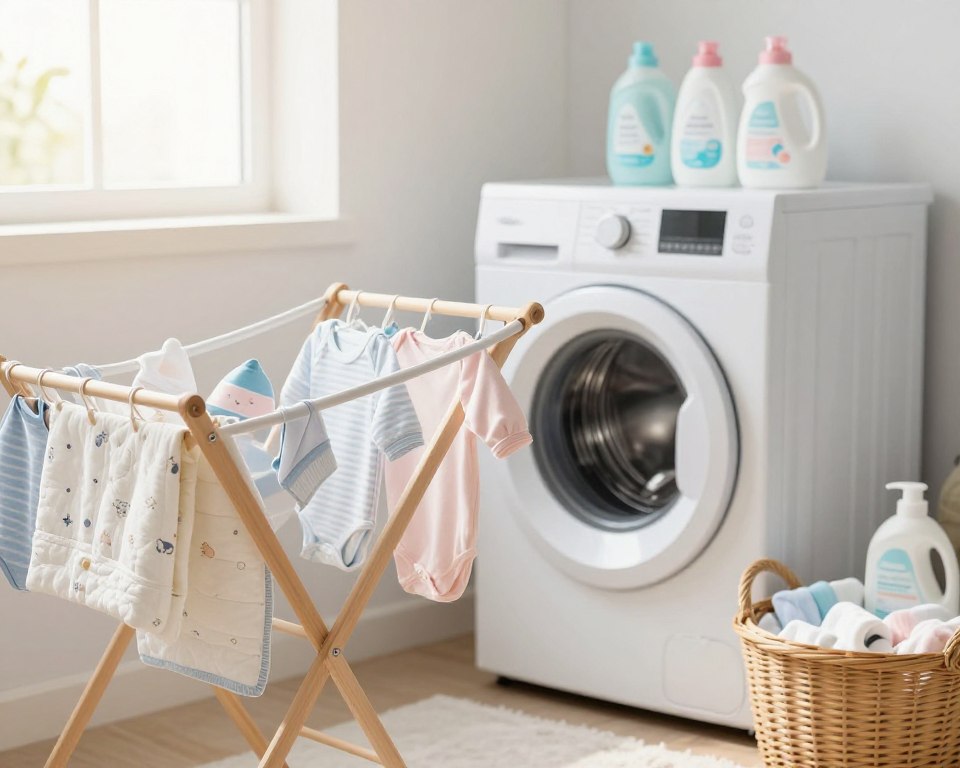
Laundry day takes on a whole new meaning when you are responsible for the delicate garments of a newborn. Because a baby’s skin is incredibly thin and sensitive, it can easily react to the chemical residues left behind by standard cleaning products. Choosing the right supplies is a simple yet vital step in keeping your little one comfortable and happy.
Selecting Hypoallergenic Detergents
When shopping for supplies, look for products specifically labeled as hypoallergenic. These formulas are designed to minimize the risk of allergic reactions by excluding common irritants. Using a high-quality hypoallergenic detergent ensures that your baby’s onesies, swaddles, and burp cloths remain soft and safe against their skin.
It is often best to wash all new baby clothes before the first use to remove any dust or manufacturing chemicals. Always follow the manufacturer’s instructions on the garment tags to maintain fabric integrity. By sticking to gentle, plant-based, or dermatologist-tested options, you provide a protective barrier for your infant.
Avoiding Fabric Softeners and Harsh Fragrances
While the scent of fresh laundry is pleasant for adults, it can be overwhelming and irritating for a newborn. Many conventional fabric softeners and detergents contain synthetic fragrances that linger on fibers long after the drying cycle ends. These chemicals are frequent culprits behind contact dermatitis and other skin sensitivities in infants.
Instead of using traditional softeners, consider using a half-cup of white vinegar in the rinse cycle to naturally soften fabrics. This effective alternative helps remove soap buildup without leaving behind any harsh residues or artificial perfumes. Prioritizing fragrance-free products is the most reliable way to ensure your baby’s environment remains free from unnecessary chemical exposure.
Floor Cleaning and Crawling Safety
Once your little one starts to crawl, the floor becomes their primary playground and a major focus for home safety. Because infants spend so much time in direct contact with surfaces, it is essential to use safe household cleaners for newborns that do not leave behind toxic residues. Maintaining a clean environment helps your baby explore comfortably while supporting their physical development.
Safe Methods for Sanitizing Hardwood and Carpet
Hardwood floors are relatively easy to maintain, but they require gentle care to avoid harsh chemical buildup. You can effectively clean these surfaces using a simple mixture of warm water and a few drops of mild, plant-based soap. Always avoid heavy-duty industrial cleaners that contain ammonia or synthetic fragrances, as these can irritate a baby’s sensitive skin.
Carpets often trap dust, allergens, and microscopic debris that can be harmful to a crawling infant. To keep these areas pristine, vacuuming with a HEPA filter at least twice weekly is highly recommended. This process removes fine particles that standard vacuums might miss, ensuring a healthier atmosphere for your child.
Minimizing Chemical Residue on Play Mats
Play mats are designed for comfort, but they can easily harbor bacteria if not cleaned properly. To keep them safe, wipe them down daily with a damp cloth and a diluted vinegar solution. This natural approach is one of the most effective safe household cleaners for newborns because it disinfects without leaving dangerous chemicals behind.
If your play mat is machine washable, check the manufacturer’s instructions for the best results. Using a hypoallergenic detergent ensures that no harsh residues remain on the surface where your baby plays. Regularly rotating and airing out these mats also prevents moisture buildup and keeps the material fresh.
| Cleaning Method | Best For | Frequency | Safety Level |
|---|---|---|---|
| HEPA Vacuuming | Carpets | Twice Weekly | High |
| Vinegar & Water | Hardwood/Mats | Daily | Excellent |
| Steam Cleaning | Deep Carpets | Monthly | Moderate |
Bathroom and Kitchen Hygiene with a Newborn
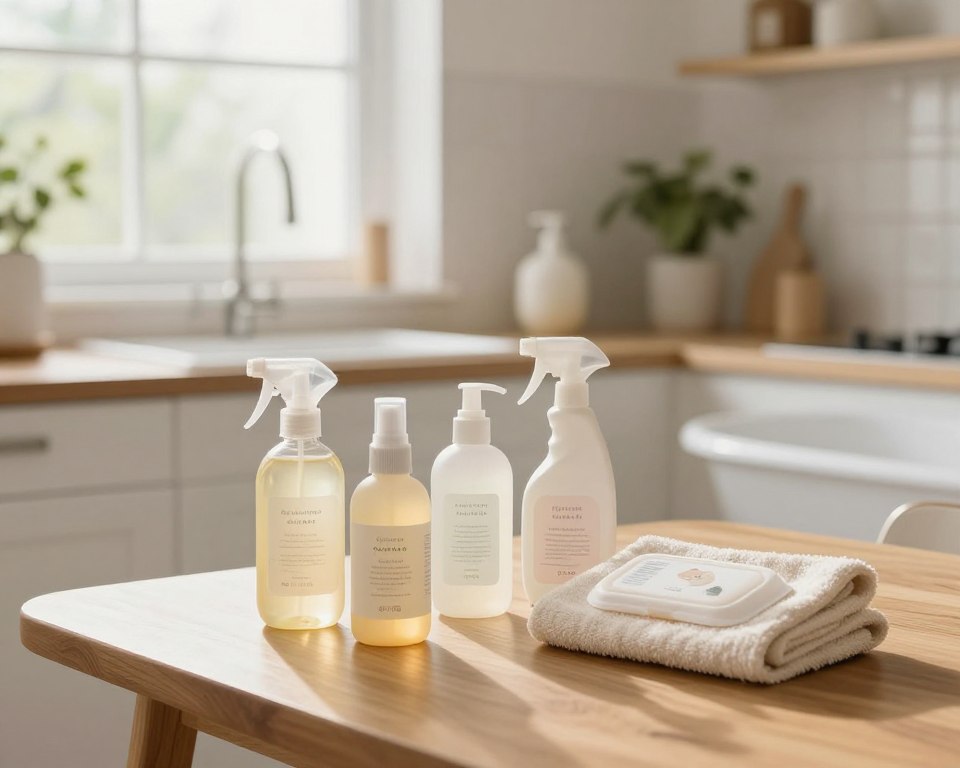
Managing household hygiene in high-traffic areas requires a delicate balance between cleanliness and safety. When you bring a baby home, your kitchen and bathroom become focal points for both daily chores and health concerns. Using newborn-friendly cleaners helps you maintain a sanitary environment without introducing unnecessary toxins into your living space.
Safe Cleaning Strategies for Shared Spaces
The kitchen and bathroom are often the most used rooms in the house. To keep these areas safe, focus on plant-based or fragrance-free solutions that effectively cut through grease and grime. Many conventional products contain volatile organic compounds that can linger in the air, so opting for natural alternatives is a smart move for your infant’s developing respiratory system.
When cleaning countertops or sinks, ensure you rinse surfaces thoroughly with water after applying any solution. This simple step minimizes chemical residue, providing extra peace of mind. You can rely on newborn-friendly cleaners to handle tough messes while keeping the air quality in your home fresh and breathable.
Preventing Cross-Contamination in the Home
Cross-contamination often occurs when cleaning tools or food prep surfaces come into contact with baby items. It is essential to keep your kitchen sponges and bathroom cloths separate from those used to clean high chairs or changing tables. Using color-coded cleaning cloths can help you stay organized and prevent the spread of bacteria between different zones of your home.
Always sanitize food preparation areas with natural disinfectants like diluted vinegar or hydrogen peroxide. These options are highly effective at killing germs without leaving behind harmful residues that could affect your baby. By maintaining strict boundaries, you create a safer home environment for your growing family.
| Cleaning Area | Recommended Agent | Safety Level |
|---|---|---|
| Kitchen Countertops | Vinegar and Water | High |
| Bathroom Sinks | Baking Soda Paste | High |
| High-Touch Faucets | Fragrance-Free Soap | High |
| Floor Surfaces | Steam Cleaning | Very High |
The Truth About Antibacterial Products
While cleanliness is important, there is a surprising downside to over-sanitizing your living space. Many parents feel pressured to eliminate every germ, but constant disinfection can actually disrupt the natural balance of your home. Using harsh chemicals instead of natural cleaning products for newborns may do more harm than good in the long run.
Why Over-Sanitizing Can Be Counterproductive
When you use heavy-duty antibacterial sprays on every surface, you remove both harmful and beneficial bacteria. This creates a sterile environment that prevents your baby from encountering the everyday microbes necessary for immune system training. Over-sanitizing often leaves behind chemical residues that can irritate sensitive skin or respiratory systems.
“The goal of a healthy home is not to create a sterile laboratory, but to maintain a space that supports the natural development of the human immune system.”
Instead of aggressive disinfectants, consider using natural cleaning products for newborns that clean effectively without stripping away the healthy microbial diversity of your home. The following table highlights the difference between standard sanitizing and healthy cleaning habits.
| Feature | Antibacterial Sanitizing | Natural Cleaning |
|---|---|---|
| Chemical Impact | High residue | Low to zero residue |
| Microbial Effect | Kills all bacteria | Removes dirt/pathogens |
| Safety Level | Potential irritants | Generally safer |
The Microbiome and Early Childhood Development
Your baby’s microbiome begins to form shortly after birth, and it relies on exposure to a variety of environmental microbes to mature properly. When a home is kept too clean, the immune system may lack the “practice” it needs to distinguish between harmless and dangerous substances. This lack of exposure is often linked to an increased risk of allergies and sensitivities later in life.
Focusing on gentle hygiene allows your child to build a robust internal defense system. By choosing mild, plant-based solutions, you provide a safe environment that respects the biological needs of your growing infant. Remember that a healthy home is one where your baby can safely explore and interact with their surroundings.
Child-Safe Cleaning Supplies Storage
As your little one begins to crawl and explore, your storage habits for cleaning products must evolve to ensure total safety. Even the most effective baby-safe cleaning supplies can pose a significant risk if they are not stored in the right location. Taking proactive steps now will help you create a secure environment where your child can grow without unnecessary hazards.
Securing Cabinets and Preventing Accidental Ingestion
The most common mistake parents make is keeping household cleaners under the kitchen or bathroom sink. These areas are often easily accessible to curious toddlers who are just learning to open doors. Instead, you should move all chemical products to high cabinets that are completely out of reach.
If you must store items in lower cabinets, it is essential to install heavy-duty childproof locks. These devices prevent little hands from accessing potentially toxic substances. Always double-check that the locks are engaged after every use to maintain a truly secure home.
Proper Labeling and Storage Protocols
Maintaining the integrity of your cleaning products is just as important as where you hide them. You should always keep your child-safe cleaning supplies in their original containers. This ensures that you have access to the full ingredient list and emergency instructions if an accident ever occurs.
Never transfer chemicals into unmarked bottles or food containers, as this can lead to dangerous confusion. If a label becomes worn or unreadable, replace the container or clearly mark it with a permanent marker. By following these simple storage protocols, you provide an extra layer of protection for your family while keeping your home clean and organized.
Handling Spills and Accidents Safely
Life with a newborn is unpredictable, and spills are bound to happen when you least expect them. Whether it is a knocked-over bottle or a diaper mishap, staying calm is the first step toward maintaining a healthy home. Being prepared allows you to act quickly while keeping your little one away from the mess.
Immediate Steps for Cleaning Up Messes
When an accident occurs, your priority should be to move your baby to a safe, separate area. Once the baby is secure, address the spill immediately to prevent it from soaking into carpets or porous surfaces. Speed is essential to minimize the time that chemical residues or bacteria have to settle.
Use absorbent paper towels or a clean cloth to soak up as much liquid as possible before applying any solution. Avoid using harsh chemicals that leave behind strong fumes, as these can irritate a newborn’s sensitive respiratory system. Always ensure the area is well-ventilated by opening a nearby window while you work.
Choosing Non-Toxic Emergency Cleaners
It is wise to keep a dedicated stash of safe cleaning products for infants in an accessible location. Having these supplies ready means you do not have to scramble through cabinets during a stressful moment. Look for plant-based formulas that are free from synthetic fragrances and harsh solvents.
When stocking your emergency kit, prioritize child-safe cleaning supplies that are clearly labeled as non-toxic. Keeping these items in a secure, high cabinet ensures they remain out of reach of curious toddlers as your baby grows. Preparation is the best defense against accidental exposure to harmful substances in your home.
Creating a Sustainable and Safe Cleaning Routine
Establishing a predictable cleaning rhythm is the secret to keeping your living space healthy and stress-free. When you have a newborn, the goal is to maintain a tidy environment without feeling overwhelmed by constant chores. By using baby-safe cleaning supplies, you can ensure that your home remains a sanctuary for your little one to grow and thrive.
Establishing a Weekly Cleaning Schedule
Consistency is the key to preventing the buildup of dust, germs, and allergens. Breaking your chores into manageable daily, weekly, and monthly goals makes the process feel much less daunting. You might choose to focus on high-traffic areas like the nursery or kitchen during your daily routine, while saving deeper cleaning tasks for the weekend.
A structured plan allows you to rotate tasks so that no single day becomes too heavy. Planning ahead helps you keep track of when you last sanitized specific surfaces, ensuring that your baby-safe cleaning supplies are used effectively and efficiently. This approach keeps your home consistently clean without requiring hours of labor at once.
Involving Other Family Members in Safety Protocols
Maintaining a healthy home is a team effort that requires everyone to be on the same page. When all family members understand the importance of using non-toxic products, it becomes much easier to uphold your safety standards. Open communication ensures that everyone knows which areas require extra care and which products are approved for use around the baby.
You can assign specific tasks to different family members to lighten the load. For example, one person might handle the laundry using hypoallergenic detergents, while another focuses on wiping down hard surfaces. This shared responsibility not only makes the work faster but also reinforces the commitment to a baby-safe cleaning supplies protocol throughout the entire household.
| Cleaning Task | Frequency | Primary Goal |
|---|---|---|
| Dusting Nursery Surfaces | Weekly | Reduce Allergens |
| Sanitizing Play Mats | Daily | Prevent Germ Spread |
| Washing Baby Bedding | Weekly | Maintain Hygiene |
| Deep Cleaning Floors | Monthly | Remove Residue |
Conclusion
Creating a baby-safe home is a continuous process that balances cleanliness with the need to minimize chemical exposure. You hold the power to shape a living space that supports your child’s growth and well-being.
By choosing non-toxic products from trusted companies like Seventh Generation or Babyganics, you protect your infant from harsh residues. Practicing safe storage and maintaining a consistent cleaning routine ensures that your home remains a peaceful retreat.
Small, intentional changes in your daily habits have a significant positive impact on your child’s long-term health. Every choice you make contributes to a safer environment for your family to thrive.
This guide provides the tools you need to feel confident as you navigate the journey of parenthood. Embrace these practices to foster a nurturing atmosphere where your newborn can explore and grow with ease.
FAQ
Are cleaning products safe around newborns if they are labeled “natural”?
Not always. Even natural cleaning products for newborns can contain allergens like limonene or essential oils that might irritate a baby’s respiratory system. It is vital to check for “fragrance-free” labels and third-party certifications like EWG Verified to ensure they are truly safe cleaning products for infants.
What are the most important baby-safe cleaning supplies to have on hand?
A well-rounded kit should include a plant-based multi-surface cleaner (like Seventh Generation), a hypoallergenic laundry detergent (like Molly’s Suds), and simple staples like white vinegar and baking soda. These baby-safe cleaning supplies cover almost every household mess without the need for harsh chemicals.
How can I tell if a brand offers truly newborn-friendly cleaners?
Look beyond the marketing on the front of the bottle. Truly newborn-friendly cleaners will list all ingredients and often carry certifications like the EPA Safer Choice seal. Avoid products with “fragrance,” “parabens,” or “methylisothiazolinone” in the ingredient list.
Are non-toxic cleaning products for babies effective against heavy germs?
Yes, many non-toxic cleaning products for babies use ingredients like citric acid or thymol which are highly effective at killing germs. For daily messes, soap and water or vinegar are sufficient, but for sanitizing high-traffic areas, look for plant-based disinfectants that are EPA-registered.
Why should I choose safe household cleaners for newborns instead of regular bleach?
Bleach is a powerful lung irritant and can cause chemical burns. Using safe household cleaners for newborns reduces the risk of respiratory distress and skin irritation, as infants breathe more rapidly and have much more sensitive skin than adults.
Where is the best place to find child-safe cleaning supplies?
You can find child-safe cleaning supplies at most major retailers like Target or Whole Foods, and through online specialty stores. Look for the “Baby” or “Free & Clear” sections, but always verify the ingredient list yourself for maximum safety.