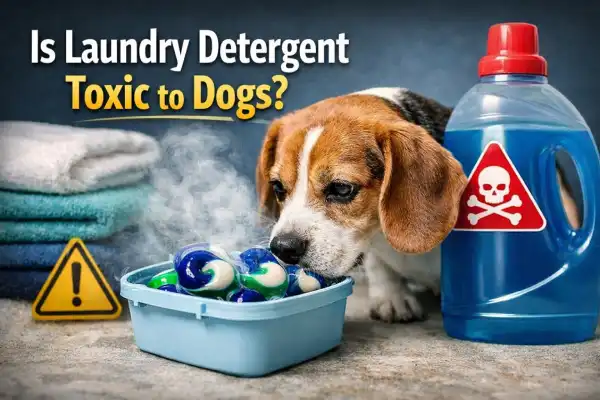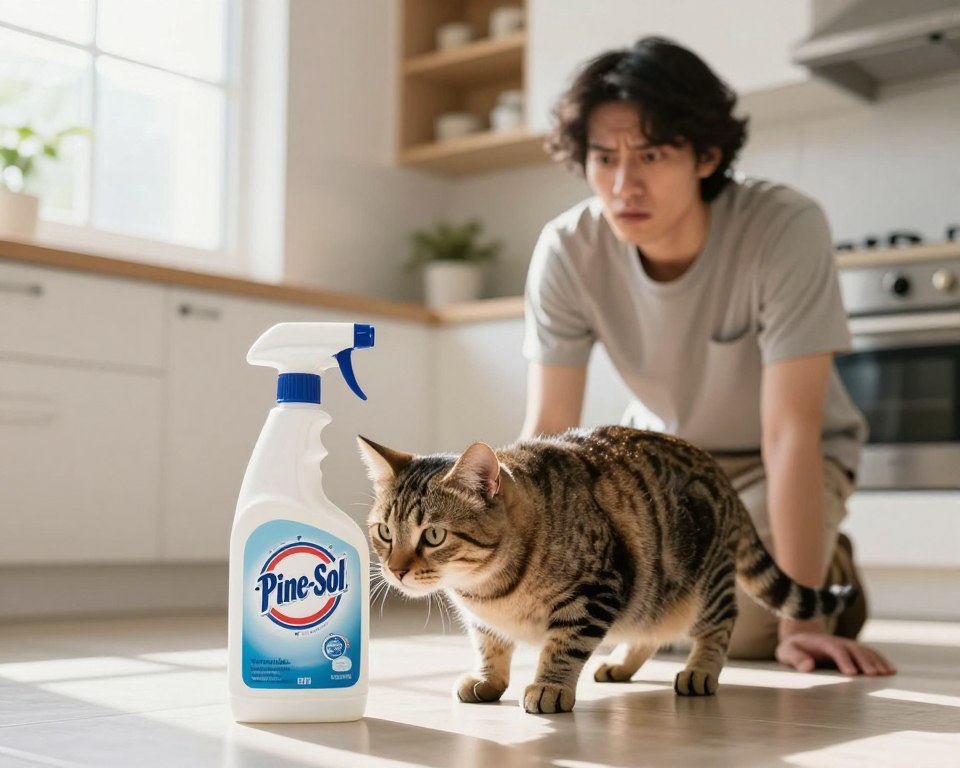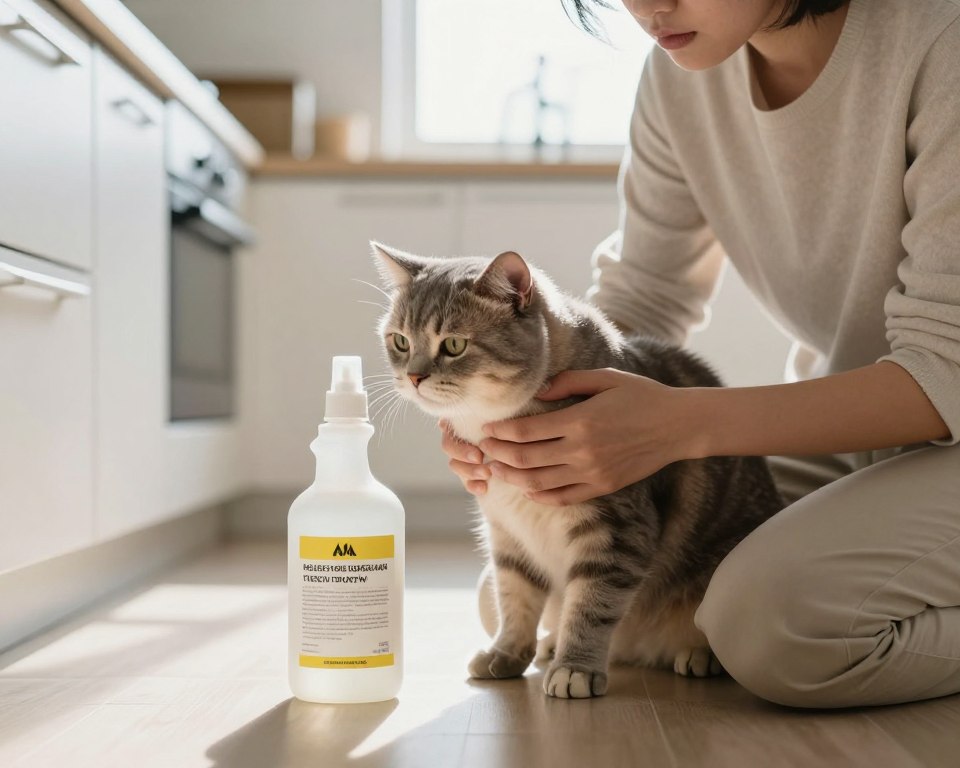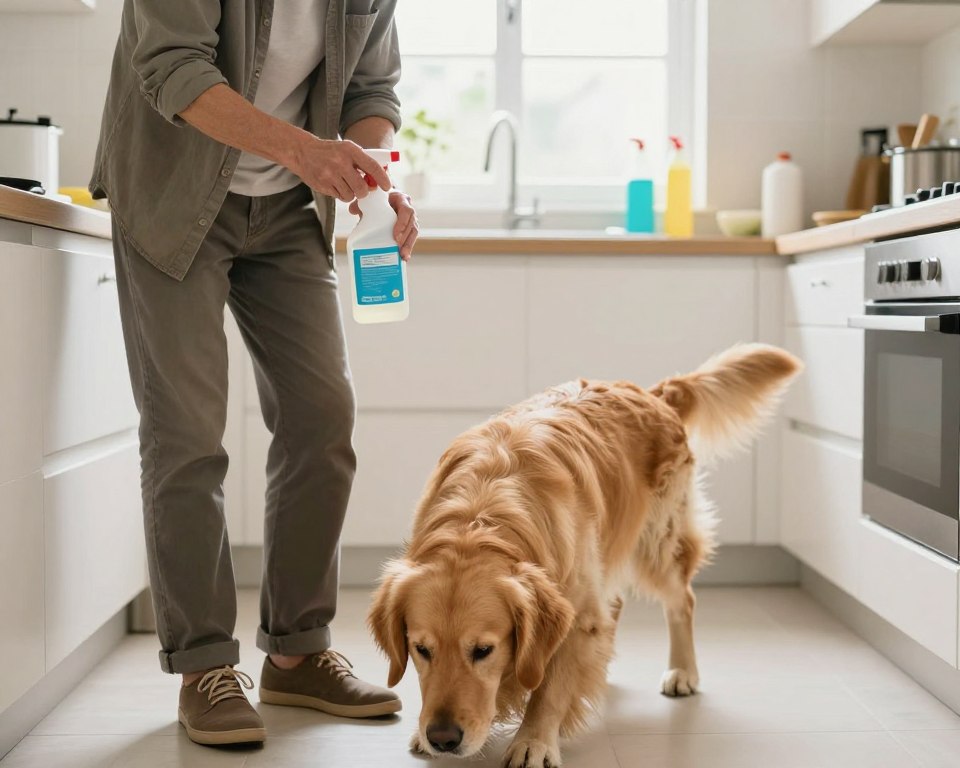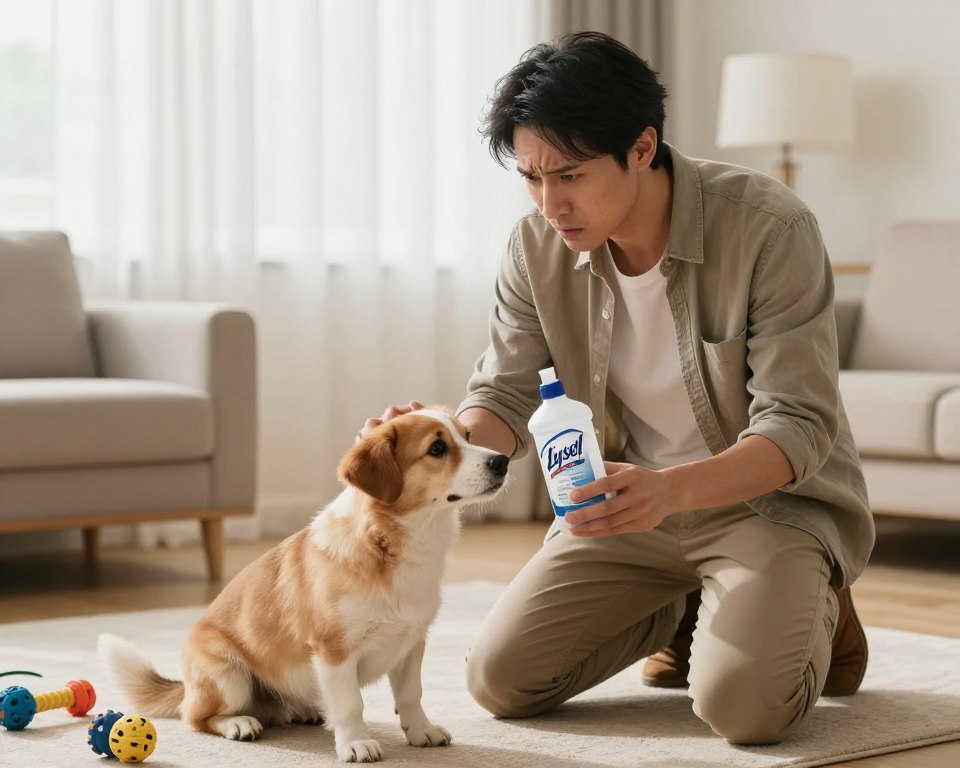
Did you know that 8.3% of emergency calls regarding animal poisoning involve common household cleaning supplies? This startling statistic highlights a hidden danger lurking in many American homes. Keeping your living space clean remains a priority, but protecting your furry friends requires extra vigilance.
Many owners wonder if popular disinfectants like Lysol pose a risk. Certain chemical ingredients found in these sprays can be harmful if ingested or absorbed through paws. Understanding these hazards helps you maintain a healthy environment while keeping your companions safe.
We will explore how these products interact with feline biology. By learning which substances are dangerous, you can make informed choices for your household. Let’s examine how you can sanitize effectively without compromising the well-being of your beloved pets.
Key Takeaways
- Household cleaners account for over 8% of pet poison control inquiries.
- Certain chemical agents in disinfectants can cause severe irritation or illness.
- Always allow surfaces to dry completely before letting pets walk on them.
- Store all cleaning supplies in secure cabinets away from curious paws.
- Consult your veterinarian immediately if you suspect accidental exposure.
Understanding the Chemical Composition of Lysol
When considering lysol cat safety, the first step is looking closely at the chemical makeup of the products you use. Many common household cleaners contain ingredients that can be hazardous to our feline companions if they are not handled with extreme care.
The Role of Quaternary Ammonium Compounds
Most modern disinfectants rely on a class of chemicals known as quaternary ammonium compounds, or “quats.” These substances are highly effective at killing bacteria and viruses on hard surfaces. However, they can be irritating to the delicate tissues of a cat’s paws and respiratory system.
- They act as surfactants to break down cell walls of pathogens.
- Residue left on floors can be picked up by a cat’s grooming habits.
- Prolonged contact often leads to chemical burns or skin inflammation.
Understanding Phenols and Their Impact on Feline Biology
Lysol is a well-known derivative of the phenol group, which is a specific type of chemical compound used for its potent disinfecting properties. While these chemicals are safe for many human applications, they interact with feline biology in ways that are significantly more dangerous.
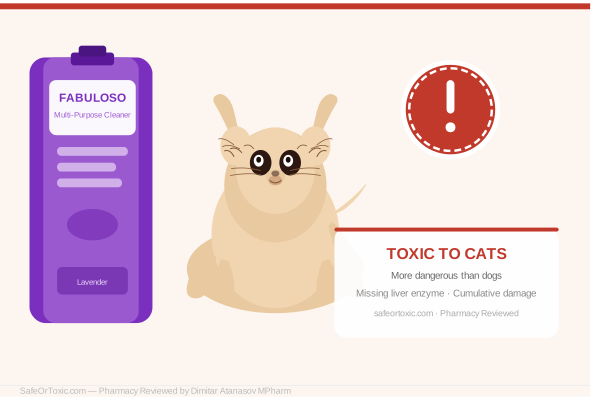
Cats lack a specific liver enzyme called glucuronyl transferase, which is necessary to break down and eliminate phenols from their bodies. Because of this, these chemicals can build up to toxic levels very quickly. This biological limitation makes lysol cat safety a critical concern for any household with pets.
Why Cats Are More Sensitive to Chemicals Than Humans
Cats are much more sensitive to chemicals than humans for several distinct reasons. Their keen sense of smell makes them highly reactive to the strong fragrances and volatile organic compounds found in aerosol sprays.
Furthermore, their small body size means that even a tiny amount of residue can have a massive impact on their internal systems. By prioritizing lysol cat safety, you ensure that your cleaning routine does not accidentally harm your beloved pet. Always remember that what seems like a mild scent to us can be an overwhelming and potentially harmful experience for a cat.
Is Lysol Toxic to Cats and Why
It is a common concern for pet parents to ask: is Lysol toxic to cats? While these products are effective at killing germs, they contain chemicals that can be dangerous to our feline friends. In fact, data shows that approximately 8.3% of all pet poison calls involve household cleaning products, highlighting the need for caution.
The Mechanism of Toxicity in Feline Systems
The primary reason for lysol toxicity in felines lies in their unique liver metabolism. Cats lack specific enzymes, known as glucuronyl transferases, which are necessary to break down certain chemical compounds found in disinfectants.
When a cat is exposed to these substances, their body cannot process the toxins efficiently. This leads to a buildup of chemicals in their system, which can cause severe damage to their organs. Early detection is vital to prevent long-term health complications.
Acute Versus Chronic Exposure Risks
Understanding the difference between exposure types helps owners manage their home environment better. Acute exposure happens suddenly, while chronic exposure occurs over a longer period.
- Acute Exposure: Occurs when a cat walks through a wet puddle of cleaner or ingests a large amount of residue. This often leads to immediate, visible distress.
- Chronic Exposure: Results from repeated, low-level contact with residues on floors or furniture. This can lead to subtle, long-term health issues that are harder to diagnose.
The Danger of Inhalation and Skin Absorption
Many owners focus on ingestion, but lysol harmful effects on cats can also occur through the air and skin. Cats have sensitive respiratory tracts that can become irritated by aerosolized particles.
| Exposure Route | Primary Risk | Severity |
|---|---|---|
| Inhalation | Respiratory distress | High |
| Skin Contact | Dermal irritation | Moderate |
| Ingestion | Systemic poisoning | Critical |
When you spray disinfectants, tiny droplets remain suspended in the air. These particles settle on your cat’s fur, where they are later ingested during grooming. Protecting your cat requires minimizing their presence in areas where these chemicals are actively being used.
Common Lysol Products and Their Potential Risks
Not all cleaning supplies are safe for your cat, and understanding the specific risks of Lysol is essential for every pet owner. While these products are effective at killing germs, they often contain harsh chemicals that can lead to lysol pet exposure risks if not handled with extreme caution.
Lysol Disinfectant Sprays and Aerosol Hazards
Aerosol sprays are a staple in many homes, but they pose a unique threat to cats. Many of these sprays, including specific bathroom cleaners, contain ammonia or other volatile compounds that are highly toxic to feline respiratory systems.
When you spray these products, fine particles linger in the air. Your cat may inhale these chemicals, which can cause immediate irritation or long-term damage to their sensitive lungs.
Lysol Multi-Surface Cleaners and Floor Residue
Using lysol cleaning products and pets in the same space requires careful planning regarding floor surfaces. When you mop with these cleaners, they often leave behind a chemical film that does not evaporate immediately.
Cats frequently walk across these damp surfaces and then groom their paws. This behavior leads to the direct ingestion of concentrated cleaning agents, which can cause severe gastrointestinal distress.
Lysol Wipes and the Risk of Ingestion
Disinfecting wipes are convenient, but they are also a common source of accidental poisoning. If a wipe is left on a counter or dropped on the floor, a curious cat might chew on it or lick the residue left behind.
The chemicals soaked into these wipes are designed to be potent. Even a small amount can be harmful to a cat’s delicate system, making it vital to keep these items securely stored away from curious paws.
| Product Type | Primary Risk | Severity |
|---|---|---|
| Aerosol Sprays | Inhalation of toxins | High |
| Multi-Surface Cleaners | Paw/Fur residue ingestion | Moderate |
| Disinfecting Wipes | Direct oral ingestion | High |
Recognizing Symptoms of Lysol Poisoning in Felines
Recognizing the early indicators of toxicity can be the difference between a quick recovery and a medical emergency. Because cats are naturally curious, they may inadvertently encounter cleaning residues. Understanding the specific lysol cat poisoning symptoms allows you to act swiftly if your pet appears unwell.
Early Warning Signs of Respiratory Distress
The respiratory system is often the first to react when a cat inhales airborne particles or fumes. You might notice your cat struggling to breathe or exhibiting unusual sounds. Watch for these specific signs:
- Persistent coughing or wheezing.
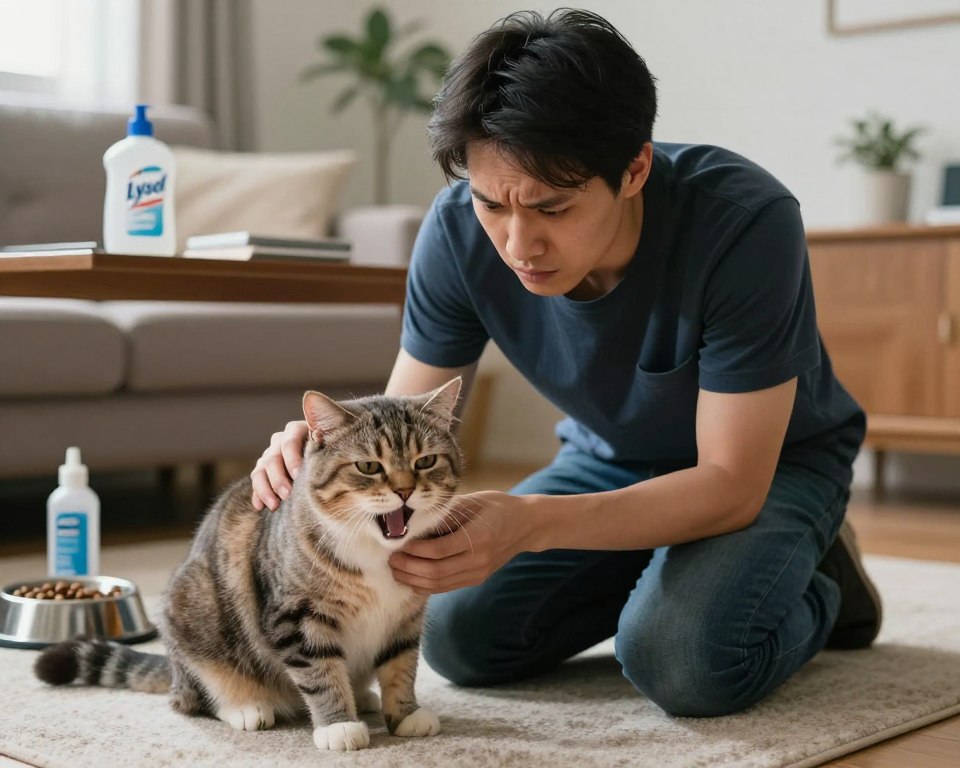
- Open-mouth breathing, which is a major red flag in felines.
- Rapid or shallow breaths that seem labored.
Gastrointestinal Symptoms Following Ingestion
Ingestion often occurs when a cat grooms its paws after walking on a treated surface. The lysol harmful effects on cats frequently manifest as immediate irritation to the digestive tract. If you notice your cat acting strangely after cleaning, keep an eye out for these gastrointestinal issues:
- Excessive drooling or foaming at the mouth.
- Frequent vomiting or attempts to retch.
- Sudden onset of diarrhea or loss of appetite.
Dermal Irritation and Behavioral Changes
Direct contact with wet surfaces can lead to significant skin issues. Chemical burns or redness on the paw pads are common indicators that your cat has walked through a cleaning solution. Beyond physical marks, you should also monitor for shifts in personality or energy levels.
Lethargy is a common sign that your cat is suffering from systemic distress. In more severe cases of lysol cat poisoning symptoms, you may observe neurological signs such as tremors or even seizures. If your cat displays any of these behaviors, seek veterinary care immediately to ensure their safety and well-being.
How Cats Are Exposed to Disinfectant Residues
Your cat’s daily routine might inadvertently expose them to harmful disinfectant residues. While you aim to keep your home sanitary, these cleaning agents can pose significant lysol pet exposure risks if not managed correctly. Understanding these pathways is the first step toward creating a safer environment for your pet.
Grooming Habits and Paw Contamination
Cats are naturally fastidious animals that spend a large portion of their day grooming. If they walk across a surface treated with cleaning products, chemical residue often clings to their paw pads and fur. Inevitably, the cat will lick these areas to clean themselves, leading to direct ingestion of the chemicals.
This behavior is a primary concern for owners using strong disinfectants. Even small amounts of residue can accumulate over time, potentially causing health issues. Always ensure surfaces are completely dry before allowing your cat to walk on them.
Walking on Wet Surfaces
Many household cleaners require a specific dwell time to be effective, which often leaves floors damp for several minutes. During this time, your cat may wander into the room and step directly into the wet solution. Because their paws are sensitive, they may absorb the chemicals through their skin or track the substance to other areas of the house.
To mitigate these lysol pet exposure risks, keep your cat in a separate room until the floor is entirely dry. Using a fan can help speed up the evaporation process, reducing the window of time your pet is at risk.
Inhaling Airborne Particles During Spraying
When you use aerosol sprays, tiny droplets remain suspended in the air for a period. Cats have a much smaller respiratory system than humans, making them more susceptible to the effects of these airborne particles. Inhaling these chemicals can cause immediate irritation to their nasal passages and lungs.
It is best to spray cleaners directly onto a cloth rather than into the air. This simple change significantly lowers the chance of your cat breathing in harmful substances during your cleaning routine.
| Exposure Pathway | Primary Risk | Prevention Strategy |
|---|---|---|
| Paw Contact | Ingestion via grooming | Rinse surfaces thoroughly |
| Wet Floors | Dermal absorption | Isolate pets until dry |
| Aerosol Spray | Respiratory irritation | Spray onto cloth first |
Immediate Steps to Take if You Suspect Exposure
If you suspect your feline companion has encountered a toxic substance, your immediate reaction is the most critical factor in their safety. Staying calm allows you to think clearly and act efficiently to minimize the harm caused by chemical residues. Every second counts when dealing with potential poisoning, so prioritize your cat’s well-being above all else.
Removing the Cat from the Contaminated Area
The first priority is to stop further contact with the cleaning agent. Gently but firmly move your cat to a well-ventilated room or an outdoor area with fresh air. This prevents your pet from inhaling more fumes or walking through additional wet residue.
Ensure the area where the accident occurred is blocked off so no other pets or family members can enter. Once your cat is in a safe, neutral space, keep them calm and quiet to reduce their heart rate and prevent the spread of any ingested or absorbed chemicals.
Safe Decontamination of Fur and Paws
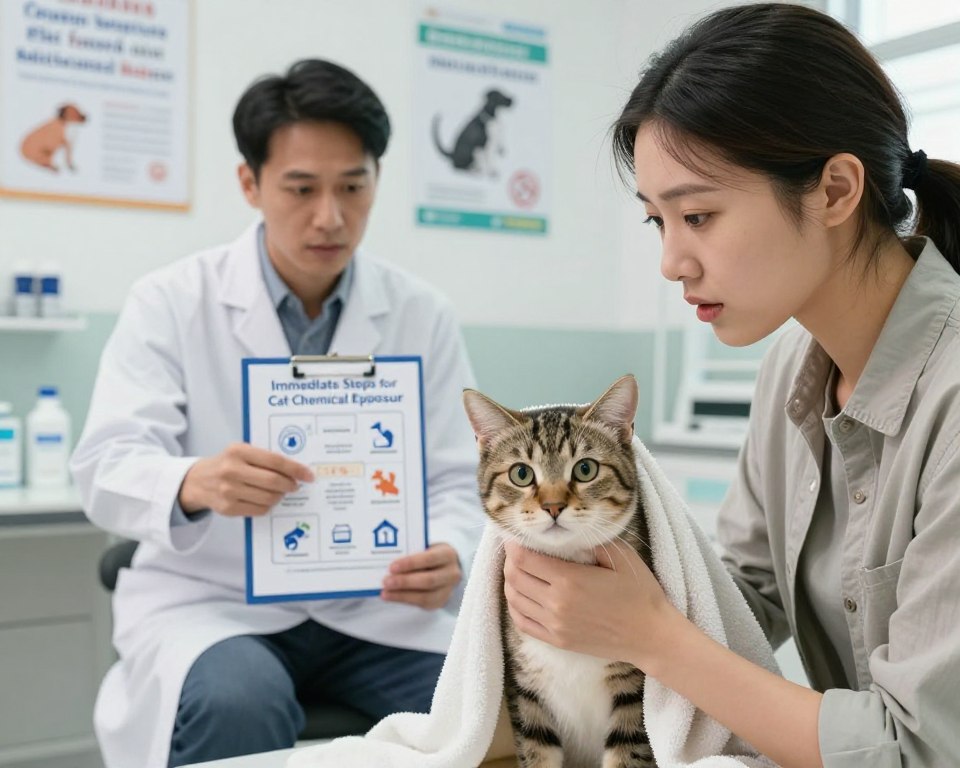
If you know your cat has walked through a cleaning solution, you must act to prevent them from grooming the substance off their fur. Use a damp, warm cloth to gently wipe their paws and any affected areas of their coat. Do not use harsh soaps or chemicals for this process, as they may react poorly with the residue already on the skin.
If the chemical is oily or sticky, you might need to use a mild, fragrance-free dish soap, but only if you are certain it is safe for cats. Always rinse the area thoroughly with clean water and pat the fur dry with a towel. If your cat shows signs of distress or tries to bite, stop immediately to avoid injury to yourself.
When to Contact Your Veterinarian or Poison Control
Do not wait for symptoms to appear if you suspect exposure to a toxic cleaner. Contact your veterinarian immediately or call the Pet Poison Helpline at 855-764-7661 for professional guidance. These experts can provide specific instructions based on the exact product involved.
When you call, have the product label or the original container nearby. This allows the professionals to identify the specific ingredients and determine the level of risk. Providing accurate information helps the medical team decide if your cat needs urgent clinical care or if home monitoring is sufficient.
| Action Step | Priority Level | Goal |
|---|---|---|
| Relocate to fresh air | High | Stop inhalation |
| Wipe paws/fur | Medium | Prevent ingestion |
| Call Poison Control | High | Get expert advice |
| Monitor breathing | High | Detect distress |
Veterinary Diagnosis and Treatment Protocols
When a cat shows signs of chemical exposure, immediate professional intervention is vital. Because lysol toxicity in felines can range from mild irritation to life-threatening emergencies, a veterinarian must assess the situation quickly. They will determine the best course of action based on the specific symptoms your pet displays.
Diagnostic Tests Used by Veterinarians
Upon arrival, the vet will perform a thorough physical examination to check for signs of distress. They often start by reviewing the cat’s medical history and asking about potential exposure to cleaning products. This helps the team identify if lysol toxicity in felines is the likely cause of the symptoms.
Diagnostic tests may include blood work to evaluate organ function, particularly the liver and kidneys. In some cases, veterinarians might use imaging or specialized tests to rule out other underlying conditions. These steps ensure that the treatment plan is tailored to your cat’s specific needs.
Supportive Care and Fluid Therapy
Treatment for chemical exposure focuses on stabilizing the patient and removing the toxin from the body. Fluid therapy is a cornerstone of this process, as it helps flush chemicals through the kidneys and prevents dehydration. This supportive care is essential for managing the systemic effects of lysol toxicity in felines.
If the cat is struggling to breathe, the medical team may provide oxygen therapy or nebulization. They might also perform a gentle bath to remove any remaining residue from the fur. These measures are designed to keep the cat comfortable while their body processes the toxins.
Monitoring Recovery and Long-Term Prognosis
Recovery time varies depending on the severity of the exposure and how quickly the cat received care. Vets will monitor vital signs closely to ensure the cat is responding well to treatment. Consistent observation is key to preventing complications during the healing process.
Most cats recover fully with prompt medical attention, though some may require follow-up appointments to check their long-term health. Understanding the risks of lysol toxicity in felines helps owners stay vigilant in the future. Always follow your veterinarian’s advice to ensure your pet remains safe and healthy at home.
Safe Cleaning Practices for Households with Cats
Many pet owners worry about household hygiene, but you can easily manage cleanliness while prioritizing lysol cat safety. Maintaining a pristine home does not have to come at the expense of your cat’s health if you follow a few smart, consistent habits. By adjusting how you handle disinfectants, you create a much safer environment for your furry friend.
Dilution Ratios and Proper Usage
Always read the manufacturer’s label carefully before applying any cleaning agent. Using a product at a higher concentration than recommended does not necessarily make it more effective, but it does increase the risk of toxicity. Proper dilution is the first line of defense in maintaining high standards of lysol cat safety.
“The dose makes the poison,” is a fundamental principle in toxicology that reminds us that even common household items require careful handling when pets are present.
Furthermore, ensure that you allow the product to fully dry before letting your cat back into the area. Wet surfaces are the most common source of accidental chemical ingestion through paw grooming.
Isolating Pets During the Cleaning Process
The most effective way to prevent exposure is to keep your cat away from the action. Remove all animals from the room prior to starting your cleaning routine. This simple step prevents your pet from walking through wet chemicals or inhaling concentrated aerosol particles.
Keep your cat in a separate, well-ventilated room until the floors or surfaces are completely dry. This isolation period is a critical component of lysol cat safety that many owners overlook. By keeping them out of the way, you eliminate the risk of them coming into contact with active cleaning agents.
Rinsing Surfaces to Remove Chemical Residue
Even after a surface appears dry, a thin layer of chemical residue may remain. Rinsing surfaces thoroughly with clean water is a simple yet effective way to remove these harmful substances. This is especially important for areas where your cat frequently walks, eats, or sleeps.
- Use a damp cloth with plain water to wipe down countertops.
- Mop floors with fresh water after using heavy-duty disinfectants.
- Focus on high-traffic areas where your cat spends the most time.
Taking these extra moments to rinse surfaces significantly reduces the risk of accidental exposure. Consistent application of these practices ensures that your home remains both clean and safe for your cat.
Proper Ventilation and Drying Times for Disinfectants
Proper ventilation serves as your first line of defense when you use chemical cleaners in a home with cats. When you apply a lysol disinfectant and cats are present, the air quality can change rapidly. Ensuring fresh air circulates through your living space helps disperse harmful fumes that might otherwise irritate your pet’s sensitive respiratory system.
The Importance of Airflow After Cleaning
Opening windows and doors creates a cross-breeze that clears out chemical vapors quickly. This simple step is crucial for maintaining a healthy environment for your feline companions. By keeping the air moving, you significantly reduce the concentration of airborne particles that could settle on your cat’s fur or be inhaled during their daily activities.
Determining When a Surface Is Safe for Paws
Many owners wonder exactly when a floor or counter is safe for their pets to touch again. The golden rule is to wait until the surface is completely dry to the touch. Even if a surface looks dry, microscopic residues can remain that pose a risk if your cat walks on them and then grooms their paws.
Always perform a quick check with a paper towel to ensure no moisture remains. If the towel comes away damp, the area is still a potential hazard for your cat. Patience during this drying phase is the best way to prevent accidental ingestion of cleaning agents.
Using Fans to Accelerate Evaporation
If you need to speed up the drying process, using fans is an excellent strategy. Position a portable fan to blow directly across the cleaned surface to encourage faster evaporation of the liquid. This technique is particularly helpful in rooms with poor natural airflow or high humidity levels.
By shortening the time it takes for a floor to dry, you minimize the window of opportunity for your cat to come into contact with the product. Remember that managing the interaction between lysol disinfectant and cats requires both vigilance and the right tools to keep your home safe and clean.
Cat-Friendly Alternatives to Harsh Chemical Cleaners
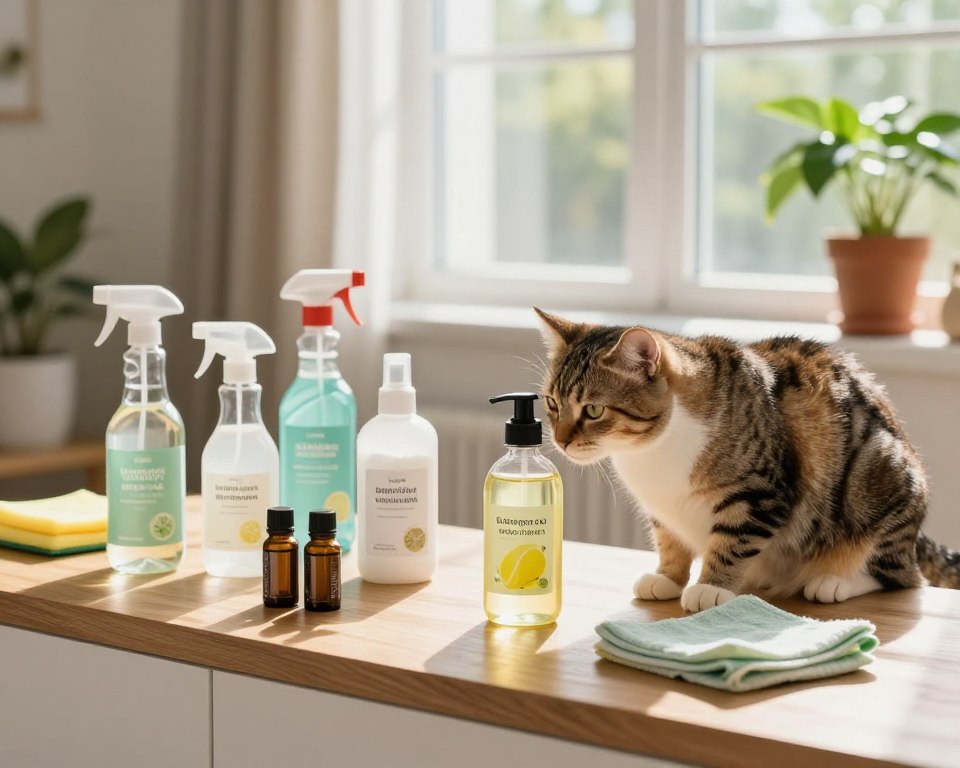
Finding effective lysol cat-friendly alternatives is a smart step toward a safer home environment for your feline companion. Many traditional disinfectants contain ingredients that can be harmful if ingested or absorbed through paw pads. By choosing gentler options, you can maintain a spotless home without compromising your pet’s health.
Using Vinegar and Water Solutions
A simple mixture of white vinegar and water is a highly effective and affordable cleaning solution. Vinegar acts as a natural deodorizer and cuts through light grease on hard surfaces. Because it is non-toxic, it is a popular choice for households looking for reliable lysol cat-friendly alternatives.
To create this solution, mix equal parts water and distilled white vinegar in a spray bottle. Always ensure the surface is wiped dry after cleaning to prevent any lingering dampness that might irritate sensitive paws.
The Benefits of Enzymatic Cleaners
When dealing with pet accidents, standard cleaners often fail to remove the underlying proteins that cause odors. Enzymatic cleaners are specifically designed to break down these organic compounds at a molecular level. This process effectively eliminates the scent, which discourages your cat from returning to the same spot.
These cleaners are generally safer than harsh chemicals and are widely available in pet supply stores. They provide a deep clean that is both thorough and gentle on your home surfaces.
Natural Disinfecting Properties of Hydrogen Peroxide
Hydrogen peroxide is a powerful, natural disinfectant that breaks down into water and oxygen. It is an excellent component in many safer cleaning products, including the Lysol Pet Solutions Disinfecting Cleaner. This specific formula utilizes the oxidizing power of hydrogen peroxide to kill germs without the toxic residue left by traditional sprays.
Using products that rely on this ingredient allows you to sanitize your home effectively. It is a great way to bridge the gap between heavy-duty cleaning and pet safety.
| Cleaning Agent | Primary Benefit | Safety Level |
|---|---|---|
| Vinegar Solution | Natural Deodorizing | High |
| Enzymatic Cleaner | Protein Breakdown | High |
| Hydrogen Peroxide | Deep Disinfection | High |
Creating a Pet-Safe Cleaning Routine
Establishing a consistent cleaning routine is the most effective way to protect your feline friend from chemical exposure. When you manage your home hygiene with care, you significantly reduce the risks associated with lysol cleaning products and pets. A well-planned strategy ensures that your living space remains spotless without compromising your cat’s health.
Scheduling Cleaning Around Cat Activity
Timing is everything when it comes to maintaining a safe environment. Try to perform your deep cleaning tasks when your cat is napping in another room or during their active outdoor time. This simple habit keeps your pet away from wet surfaces and airborne particles.
Always wait until the floors are completely dry before allowing your cat back into the area. By coordinating your chores with your pet’s schedule, you create a natural buffer that prevents accidental contact with cleaning agents.
Storing Cleaning Supplies Securely
Proper storage is a critical component of household safety. You must keep all lysol cleaning products and pets separated by storing chemicals in high cabinets or locked cupboards. Cats are curious creatures, and an unsecured bottle can easily be knocked over or chewed.
Ensure that all spray nozzles are set to the “off” position after every use. Taking these extra precautions prevents leaks and keeps concentrated chemicals safely out of your cat’s reach.
Choosing Non-Toxic Cleaning Tools
The tools you use to apply cleaners are just as important as the solutions themselves. Opt for microfiber cloths or mops that do not hold onto harsh residues, which helps minimize the risk of tracking chemicals across your floors. When selecting supplies, prioritize non-toxic alternatives whenever possible to keep your home environment healthy.
By choosing the right equipment, you make it easier to maintain a clean home while keeping your cat safe. A sustainable routine built on smart choices will provide long-term peace of mind for every pet owner.
Debunking Common Myths About Pet-Safe Disinfectants
Many pet owners are surprised to learn that “natural” does not always mean safe for their feline companions. While marketing campaigns often highlight botanical ingredients, these substances can be just as dangerous as synthetic chemicals. Navigating the world of household cleaners requires a critical eye to ensure your cat stays healthy.
The Truth About Natural Essential Oils
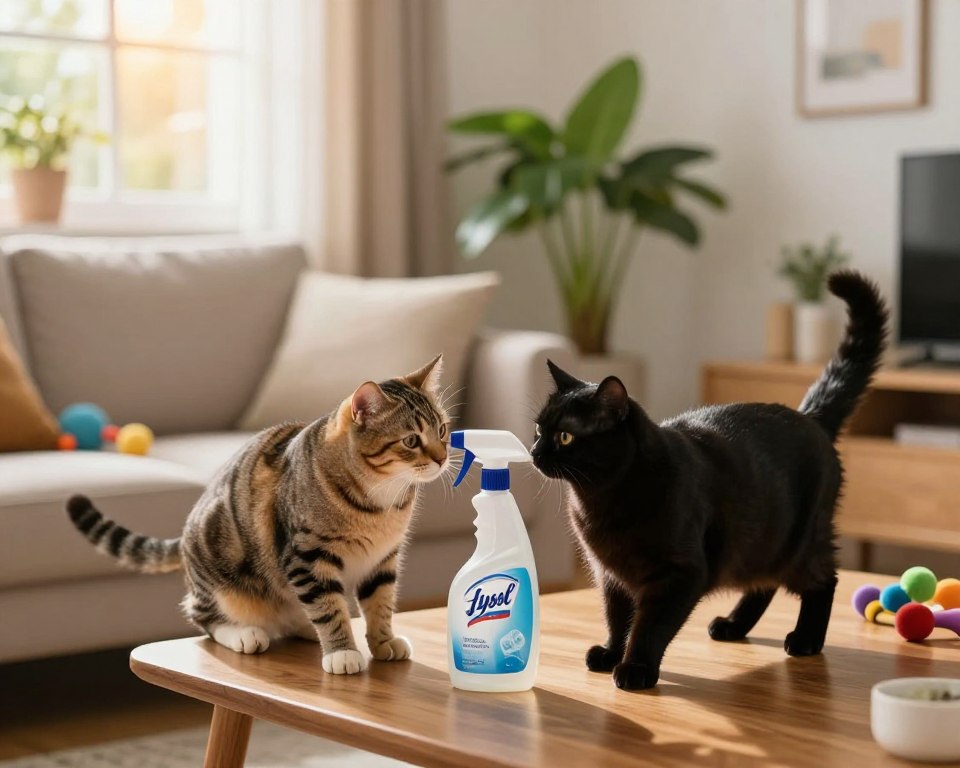
A common myth suggests that essential oils are a harmless way to clean a home with pets. In reality, many concentrated oils are highly toxic to cats because their livers cannot process certain compounds. Always verify the safety of any botanical extract before using it near your pet’s living space.
Why “Pet-Friendly” Labels Can Be Misleading
Marketing claims on bottles can be incredibly deceptive for consumers concerned about lysol disinfectant and cats. A label might claim a product is “natural” while still containing harmful phenols, which may appear on the ingredient list as carbolic acid or alkylphenols. You should always prioritize reading the full chemical disclosure over catchy front-of-bottle slogans.
Understanding the Difference Between Cleaning and Disinfecting
It is vital to distinguish between cleaning and disinfecting, as these processes serve different purposes. Cleaning physically removes dirt and debris, while disinfecting uses harsh chemicals to kill pathogens. When considering lysol disinfectant and cats, remember that the chemicals required to kill germs are often much stronger than those needed for simple surface cleaning.
| Feature | Cleaning | Disinfecting |
|---|---|---|
| Primary Goal | Remove visible dirt | Kill bacteria and viruses |
| Chemical Strength | Mild/Neutral | Strong/Reactive |
| Pet Safety | Generally safer | Requires strict caution |
| Residue Risk | Low | High |
By understanding these nuances, you can better protect your home environment. Choosing the right approach ensures that your cleaning routine remains effective without compromising your cat’s well-being.
Conclusion
Maintaining a clean living space does not have to come at the expense of your pet’s health. Lysol products offer powerful disinfection, but they require a mindful approach to protect your feline companions from chemical exposure.
You hold the power to create a secure environment by prioritizing proper ventilation and smart storage habits. Small changes in your cleaning routine make a significant difference in preventing accidental ingestion or skin irritation.
Consider switching to natural alternatives when possible to minimize risks. Your proactive choices ensure that your home remains a sanctuary where your cat can thrive without the threat of toxic residues. Stay observant of your pet’s behavior and reach out to your veterinarian if you ever notice signs of distress.
Your dedication to pet safety builds a stronger bond and a healthier life for your furry friend. Share these tips with other cat owners to help spread awareness about household chemical safety. A little extra care goes a long way in keeping every member of your family happy and healthy.
FAQ
Is Lysol toxic to cats?
Yes, many Lysol products can be highly toxic to felines. The primary concern lies in ingredients like phenols and quaternary ammonium compounds (quats), which a cat’s liver cannot process as efficiently as a human’s. Because cats are smaller and have a unique metabolism, even small amounts of residue can lead to serious health complications.
What makes the relationship between Lysol cleaning products and pets so risky?
The risk is a combination of chemical potency and feline behavior. Lysol cleaning products and pets often clash because cats are fastidious groomers. If they walk across a floor cleaned with a Lysol Multi-Surface Cleaner that hasn’t dried yet, they will later lick their paws, directly ingesting the chemicals. Additionally, their sensitive respiratory systems can be easily irritated by the strong fragrances and aerosol particles from Lysol Disinfectant Sprays.
What are the most common Lysol cat poisoning symptoms to watch for?
You should monitor your pet for respiratory distress, such as wheezing or open-mouth breathing, and gastrointestinal upset like vomiting or excessive drooling. Other Lysol cat poisoning symptoms include redness or chemical burns on the paws and tongue, lethargy, and a sudden loss of appetite. If you notice any of these signs, contact a veterinarian immediately.
How can I improve Lysol cat safety in my home?
To maximize Lysol cat safety, always keep your cats in a separate, well-ventilated room while you are cleaning. Ensure that all surfaces—especially floors and countertops—are completely dry before allowing your cat back into the area. For an extra layer of protection, rinse the treated surfaces with plain water after the disinfectant has sat for the required contact time to remove any lingering chemical film.
What are the primary Lysol pet exposure risks?
The three main Lysol pet exposure risks are inhalation, skin absorption, and ingestion. Inhalation occurs when cats breathe in fine mists from aerosol cans. Skin absorption happens when they walk on wet floors, potentially leading to dermal irritation. Ingestion is the most dangerous, occurring when a cat grooms its fur or paws after they have come into contact with Lysol Disinfectant Wipes or liquid residues.
Why is there such significant Lysol toxicity in felines compared to other animals?
Lysol toxicity in felines is particularly high because cats lack a specific liver enzyme called glucuronyl transferase. This enzyme is responsible for breaking down phenols and certain alcohols. Without it, these chemicals build up in the cat’s system, leading to toxicosis even at levels that might be considered safe for dogs or humans.
What are the Lysol harmful effects on cats if they are exposed long-term?
While acute poisoning is an immediate threat, chronic, low-level exposure can also result in Lysol harmful effects on cats. This may include chronic respiratory irritation, repeated bouts of skin sensitivity, or potential long-term damage to the liver and kidneys. Consistency in keeping your cat away from wet residues is vital for their long-term health.
Can I use any Lysol disinfectant and cats together safely?
While no Lysol product is strictly “cat-safe” in its concentrated or wet form, you can minimize the danger of using a Lysol disinfectant and cats by strictly following the label instructions. Use the proper dilution ratios and never spray the product near your cat. The key is ensuring the cat never interacts with the product in its liquid or airborne state.
What are some effective Lysol cat-friendly alternatives?
If you want to eliminate the risk entirely, there are several Lysol cat-friendly alternatives. A simple solution of white vinegar and water is great for general cleaning. For disinfecting, hydrogen peroxide is a much safer option for felines. You can also look for specialized pet-safe brands like Nature’s Miracle or Seventh Generation (specifically their botanical lines), which often use citric acid or thymol instead of harsh phenols.
What should I do if my cat is exposed to a Lysol Multi-Surface Cleaner?
First, immediately move your cat to a fresh-air environment. If the cleaner is on their fur or paws, wash the area with a mild dish soap like Dawn and plenty of lukewarm water to prevent them from licking it off. After performing this basic decontamination, call your vet or the ASPCA Animal Poison Control Center to determine if professional medical intervention is required.