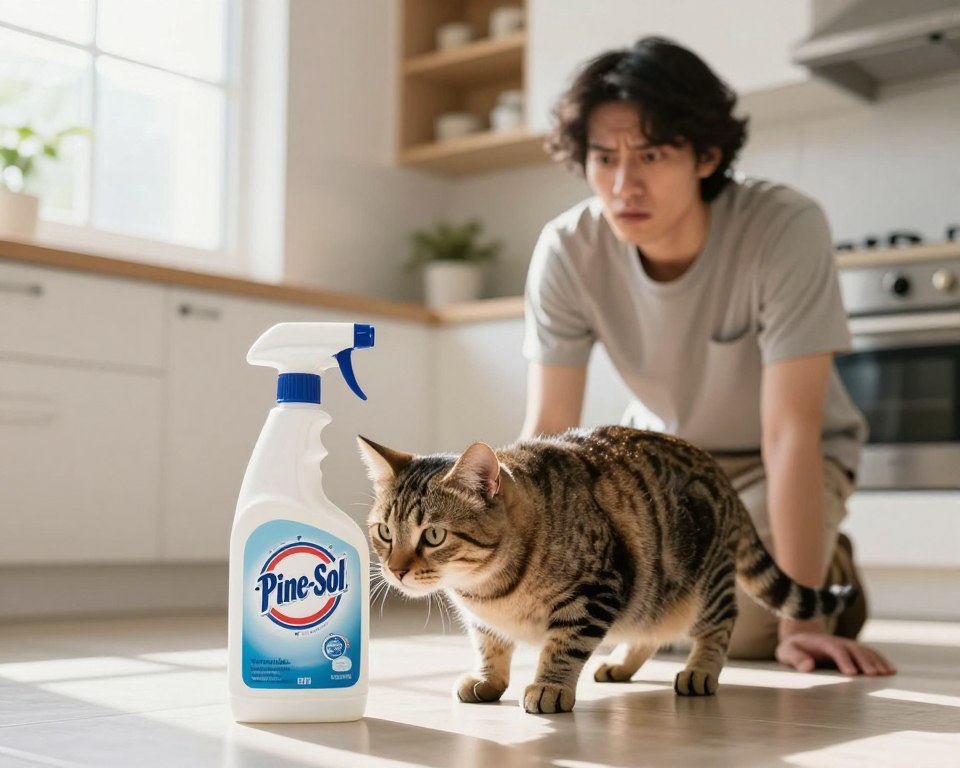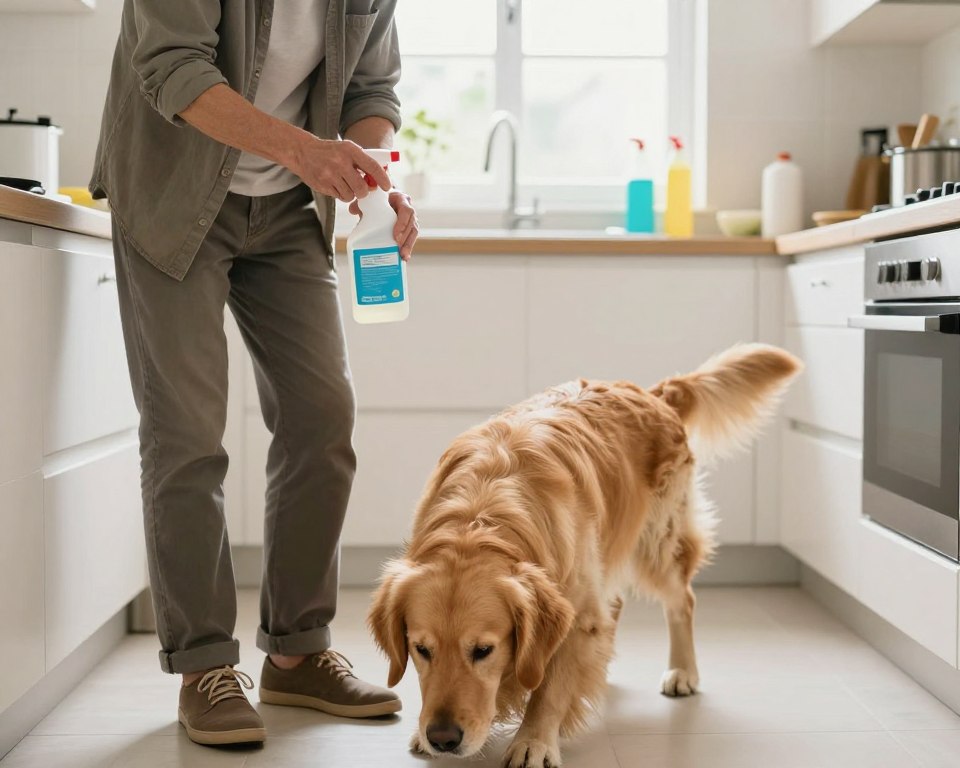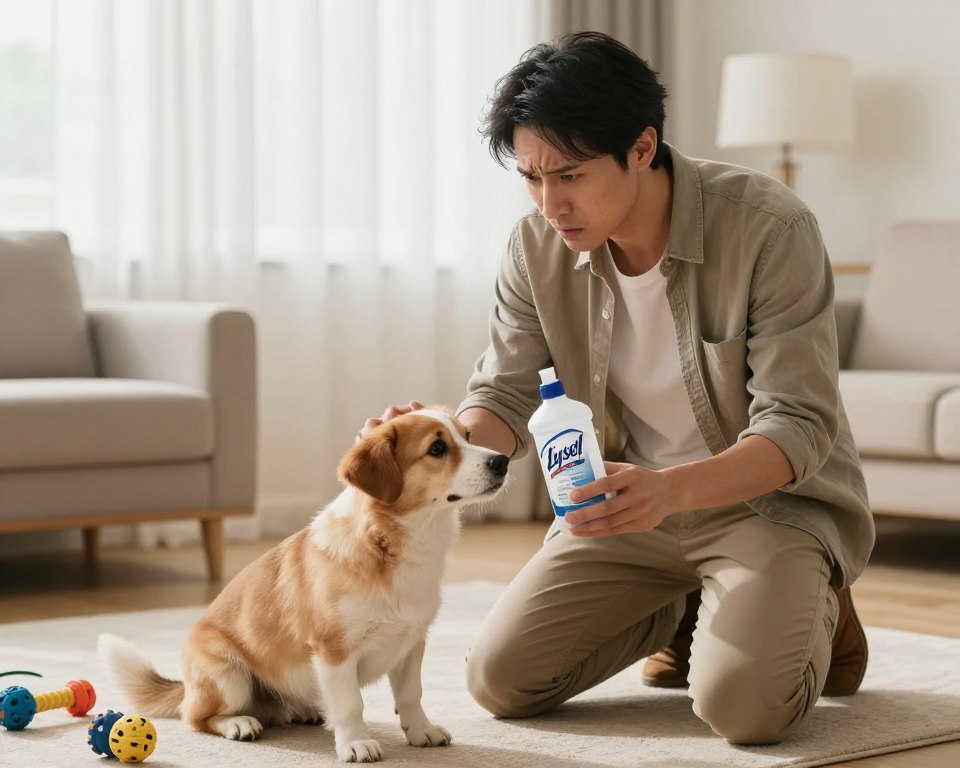
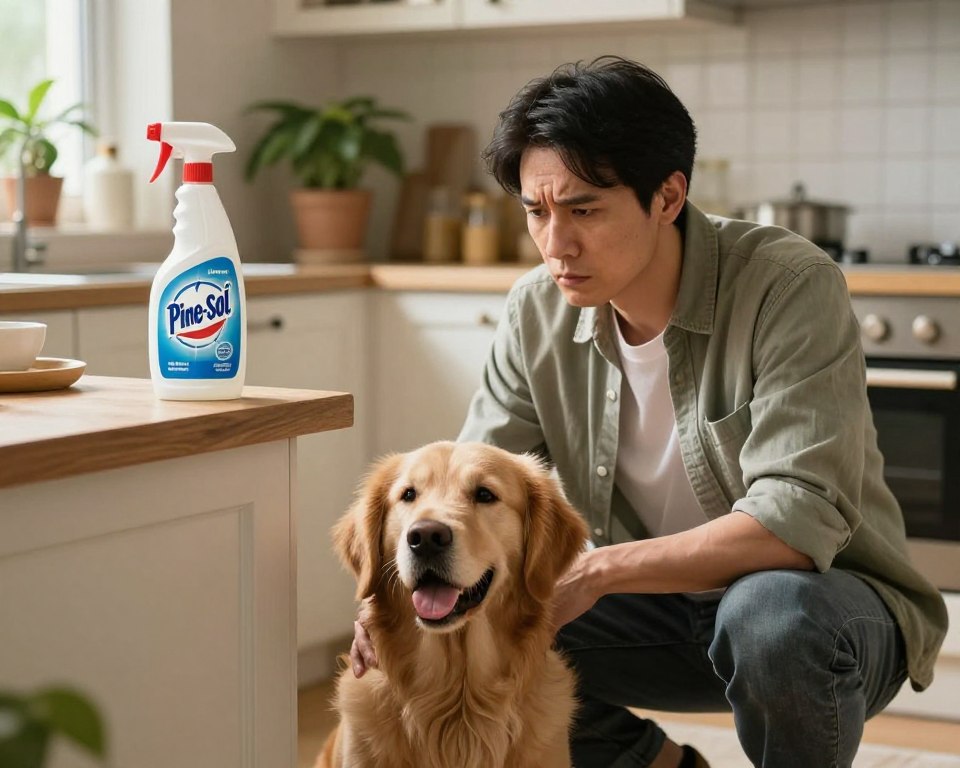
Many pet owners often wonder: Is Pine-Sol Toxic to Dogs? Maintaining a spotless living space is a priority for every homeowner, but your furry companion’s health remains the most important factor. You want a fresh-smelling home without worrying about hidden dangers lurking on your floors.
It is essential to understand that certain surfaces, such as marble, aluminum, and unsealed or waxed wood, do not react well with this cleaner. Using it on these materials can cause damage, and residue might pose risks if your pet walks across the area.
Protecting your pet starts with smart cleaning habits. By learning how to use household products safely, you create a secure environment for your animal. We will guide you through the best practices to keep your home clean while ensuring your dog stays happy and healthy.
Key Takeaways
- Identify which household surfaces are safe for specific cleaners.
- Always dilute cleaning solutions according to the manufacturer’s instructions.
- Keep pets away from wet floors until they are completely dry.
- Store all chemical bottles in secure cabinets out of reach.
- Monitor your pet for any signs of irritation after cleaning.
Understanding the Chemical Composition of Pine-Sol
Many homeowners assume that household cleaners are safe, but understanding their chemical makeup is vital for pet owners. When you look at the back of a bottle, the list of ingredients can often feel like a complex puzzle. Being aware of pine-sol chemical hazards helps you make better choices for your home environment.
Active Ingredients and Their Functions
Most modern cleaners rely on a blend of surfactants and solvents to lift dirt and grime from surfaces. Surfactants work by breaking the surface tension of water, allowing the liquid to penetrate deep into messes. These powerful agents are designed to disinfect, but they can also cause irritation if a pet comes into direct contact with them.
You might also find pH adjusters and fragrance compounds in these formulas. While these ingredients make your home smell fresh, they are not always benign for animals. It is important to remember that pine-sol chemical hazards are often linked to how these concentrated substances interact with sensitive skin or respiratory tracts.
The Role of Pine Oil in Household Cleaners
Historically, pine oil was the primary cleaning agent in many popular floor products. It provided both a distinct scent and natural antimicrobial properties that consumers grew to love. However, the industry has shifted significantly over the years to improve efficiency and cost.
It is a common misconception that all pine-scented cleaners still contain actual pine oil. In reality, modern versions of these brands commercially available to the public no longer appear to contain pine oil or phenols. This change has altered the chemical profile of the products we use every day.
Distinguishing Between Natural Pine Oil and Synthetic Alternatives
Because the industry has moved toward synthetic alternatives, the way we evaluate safety must also change. Synthetic ingredients are engineered to mimic the cleaning power of natural oils without the same biological footprint. Always check the label to see exactly what chemicals are being used in your specific bottle.
Understanding these differences is the first step in evaluating the potential risks to your pets. By focusing on the specific components listed on the packaging, you can better manage pine-sol chemical hazards. Staying informed ensures that your cleaning routine remains both effective and safe for every member of your family.
Is Pine-Sol Toxic to Dogs?
It is important to look closely at how household chemicals interact with your dog’s physiology. Many owners assume that a clean-smelling home is a safe one, but certain ingredients can pose hidden dangers to our four-legged companions. Understanding the biological pathways of these substances is the first step in keeping your pet healthy.
Acute Toxicity Risks for Canines
When considering pine-sol animal toxicity, it is vital to recognize that dogs are often more sensitive to chemicals than humans. If a dog ingests or comes into contact with concentrated cleaning agents, the body may struggle to process the toxins. These substances can travel through tissues and enter the bloodstream, potentially impacting vital organs like the liver and kidneys.
Acute exposure can happen quickly, especially if a dog licks a wet floor or walks through a spill. Because dogs have different metabolic processes, they cannot always break down these synthetic compounds effectively. This inability to process chemicals leads to a higher risk of systemic poisoning.
How Pine-Sol Affects the Canine Respiratory System
The respiratory system is another primary route for chemical exposure in the home. When you use cleaners that contain pine oil, the fumes can linger in the air, especially in poorly ventilated spaces. Dogs, who have a much more sensitive sense of smell, may inhale these concentrated vapors more deeply than we do.
Inhaling these particles can cause irritation to the delicate lining of the lungs and nasal passages. You might notice your dog coughing, sneezing, or showing signs of respiratory distress after you finish cleaning. Protecting your dog means ensuring that the air is clear before allowing them back into the area.
Dermal Absorption and Skin Irritation Risks
Many people do not realize that a dog’s skin can absorb chemicals just as easily as their lungs or digestive tract. If a dog walks across a floor that has not fully dried, the residue can stick to their paw pads. From there, the chemicals can be absorbed directly into the bloodstream or ingested later during grooming.
This contact often leads to dermal irritation, which manifests as redness, itching, or inflammation on the paws and belly. If you suspect your pet has walked through a cleaning solution, it is essential to wash their paws thoroughly with mild soap and water. Being proactive about these absorption pathways is the best way to ensure your home remains a safe haven for your pet.
Common Routes of Exposure in the Home
Because dogs are naturally curious, they often sample their environment in ways that lead to accidental exposure to cleaning agents. Understanding these behaviors is essential for every pet owner who wants to minimize the risk of pine-sol pet exposure. By identifying how your dog interacts with your home, you can better protect them from potential harm.
Ingestion Through Licking Floors or Surfaces
Dogs frequently explore their surroundings by licking surfaces, which can be dangerous if those areas were recently cleaned. Even after a floor appears dry, chemical residues may remain behind. Ingestion often occurs when a dog licks their paws after walking across a damp floor or investigates a spill that has not been fully rinsed.
- Kitchen tiles and hardwood floors
- Baseboards where liquid may pool
- Low-lying countertops or tables
Inhalation of Concentrated Fumes During Cleaning
While you are busy scrubbing, your dog might be nearby, breathing in the strong scents of your cleaning products. Concentrated fumes can irritate a dog’s sensitive respiratory system much faster than they affect humans. Proper ventilation is a key factor in reducing the likelihood of pine-sol pet exposure during your weekly chores.
Always ensure that windows are open or fans are running while you work. If the smell is overwhelming to you, it is likely even more intense for your pet’s heightened sense of smell.
Accidental Spills and Direct Contact
Accidents happen, and a tipped bottle or a puddle of cleaner can pose an immediate threat. If a dog walks through a spill, the chemical can coat their fur and paws, leading to dermal absorption or irritation. This type of pine-sol pet exposure is particularly concerning because the dog may later groom themselves, ingesting the chemical directly.
To keep your home safe, always store cleaning supplies in secure cabinets. If a spill occurs, remove your pet from the area immediately until the surface is thoroughly cleaned and dried.
Recognizing the Symptoms of Pine-Sol Poisoning
Identifying the early warning signs of pine-sol pet poisoning is critical for ensuring your dog receives timely medical attention. Symptoms can range from mild discomfort to severe, life-threatening emergencies depending on the level of exposure. Being observant of your pet’s behavior after cleaning can make a significant difference in their recovery.
Gastrointestinal Distress and Vomiting
The digestive system is often the first to react when a dog ingests toxic substances. You may notice your pet experiencing sudden bouts of vomiting or excessive drooling shortly after contact with a cleaning agent. Persistent stomach upset can lead to dehydration and may indicate that the chemicals are causing internal irritation or damage to the liver and kidneys.
Neurological Signs and Lethargy
If the toxins enter the bloodstream, they can impact the central nervous system. Watch for signs of lethargy, weakness, or difficulty walking, which are common indicators of pine-sol pet poisoning. In severe cases, your dog might exhibit tremors, disorientation, or even collapse, signaling a potential failure of the nervous system that requires immediate veterinary intervention.
Respiratory Symptoms and Coughing
Inhalation of concentrated fumes can irritate the delicate tissues of the lungs and throat. If your dog begins to cough, wheeze, or shows signs of labored breathing, they may be suffering from respiratory distress. These symptoms should never be ignored, as they can quickly escalate into respiratory failure if the animal is not moved to fresh air and treated by a professional.
To help you stay vigilant, keep an eye out for these common warning signs:
- Sudden loss of appetite or refusal to drink water.
- Unusual lethargy or lack of interest in play.
- Visible irritation or redness around the mouth and paws.
- Difficulty breathing or persistent, dry coughing.
Immediate Steps to Take After Pet Exposure
When you suspect your canine companion has come into contact with a household cleaner, immediate action is the best way to ensure their safety. It is natural to feel worried, but staying calm allows you to think clearly and act effectively. Managing a potential pine-sol pet exposure requires a quick, decisive response to minimize any harm to your dog.
Assessing the Severity of the Situation
The first step is to determine exactly how your dog interacted with the product. Check if the substance was ingested, inhaled, or merely touched by their paws. If you see your pet near a spill, ensure they cannot lick any remaining residue or swallow any tablets or gels.
Observe your dog for any immediate signs of distress, such as excessive drooling, coughing, or skin redness. Identifying the extent of the contact helps you provide accurate information to professionals later. Keep the product container nearby so you can read the ingredients list to your veterinarian.
Safe Decontamination Procedures for Fur and Paws
If the cleaning agent is on your dog’s fur or paws, you must act to prevent further absorption. Gently wash the affected areas with mild soap and plenty of lukewarm water. This process helps remove the chemical residue before it can penetrate the skin or be ingested during grooming.
Be careful not to scrub too hard, as this might irritate the skin further. Use a clean towel to pat the area dry once you have thoroughly rinsed away the cleaner. Always wear gloves during this process to protect your own skin from potential irritation.
When to Contact Your Veterinarian or Poison Control
Do not wait for symptoms to worsen if you suspect a significant pine-sol pet exposure. Contact your veterinarian or a local animal poison control center immediately for professional guidance. They can provide specific instructions based on your dog’s size, weight, and the amount of product involved.
Professional medical intervention is essential if your dog shows signs of lethargy, vomiting, or difficulty breathing. Having a clear plan in place ensures you are prepared to handle these household accidents effectively. Your quick thinking is the most important factor in your pet’s recovery.
The Dangers of Concentrated Versus Diluted Solutions
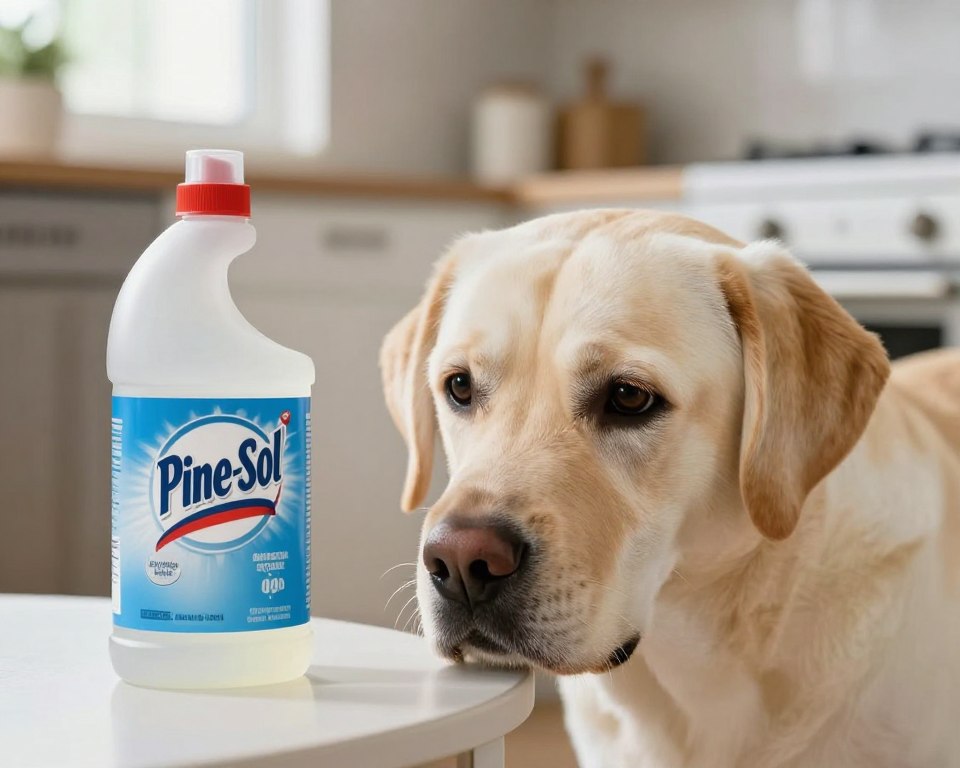
Many pet owners overlook the critical link between chemical concentration and the health of their dogs. When you use cleaning agents, the strength of the solution determines how much risk your furry friend faces during their daily activities. Prioritizing pine-sol dog safety starts with understanding how these chemicals interact with your pet’s environment.
Why Concentration Levels Matter for Pet Safety
Concentrated cleaning products contain high levels of active ingredients that can be extremely harsh on a dog’s sensitive paws and respiratory system. If a product is not properly diluted, the residue left on floors can cause chemical burns or irritation when your dog walks or lies down on the surface. High concentrations significantly increase the risk of accidental poisoning if your pet happens to lick the floor.
Safe Dilution Ratios for Household Cleaning
To maintain a clean home while protecting your pet, you must follow the manufacturer’s guidelines precisely. The recommended dilution for Pine-Sol is 1/4 cup per gallon of water for hard, nonporous surfaces. Using this specific ratio ensures that the cleaning power remains effective without leaving behind a dangerous level of chemicals. Always measure your cleaning solutions carefully to support consistent pine-sol dog safety in your living space.
Risks Associated with Improper Storage of Cleaning Agents
Even if you dilute your cleaners correctly, the way you store the original concentrate poses a major threat. If a bottle is left within reach, a curious dog might knock it over, leading to a spill that is far more toxic than a diluted solution. Proper storage in a locked cabinet or high shelf is essential to prevent accidental ingestion or direct contact. Keeping your supplies secure is a simple yet vital step in ensuring long-term pine-sol dog safety for your household.
Long-Term Health Implications of Chemical Exposure
Understanding the lasting impact of chemical exposure is a vital part of maintaining your pet’s long-term wellness. While many owners focus on immediate reactions, pine-sol pet health risks can sometimes manifest as subtle, chronic issues that develop over time.
Potential Liver and Kidney Stress
When a dog ingests or absorbs chemicals, their body works hard to process these foreign substances. The liver is responsible for metabolizing pine oil before the kidneys filter it for excretion in the urine.
Repeated or high-level exposure places significant stress on these vital organs. Over time, this constant filtration demand can lead to diminished organ function, which is a serious concern for long-term pine-sol pet health risks.
Chronic Respiratory Sensitivities in Dogs
Inhaling concentrated fumes can do more than cause a temporary cough. Frequent exposure to harsh cleaning agents may lead to chronic inflammation of the delicate tissues in a dog’s airways.
This sensitivity often results in persistent respiratory issues, such as wheezing or increased susceptibility to environmental allergens. Keeping your home environment clean without relying on harsh chemicals is the best way to protect your dog’s lung health.
Monitoring Your Dog After a Minor Exposure Incident
If your dog experiences a minor incident, it is important to stay vigilant for several days. Even if they appear normal, watch for changes in appetite, energy levels, or bathroom habits, as these can be early indicators of internal distress.
Documenting any unusual behavior helps your veterinarian make an accurate assessment if symptoms persist. Proactive monitoring is a key strategy in managing pine-sol pet health risks and ensuring your pet remains healthy.
| Exposure Level | Immediate Risk | Long-Term Concern |
|---|---|---|
| Low/Occasional | Mild irritation | Minimal organ stress |
| Moderate/Frequent | Gastrointestinal upset | Chronic liver strain |
| High/Direct | Acute toxicity | Permanent organ damage |
Safe Cleaning Practices for Pet-Friendly Households
A pet-friendly home relies on smart cleaning practices that prioritize the well-being of your canine companions. When you use products like Pine-Sol, maintaining pine-sol dog safety becomes a top priority for every responsible owner. By adjusting your routine, you can keep your floors clean without exposing your pets to unnecessary risks.
Keeping Pets Out of Rooms During Cleaning
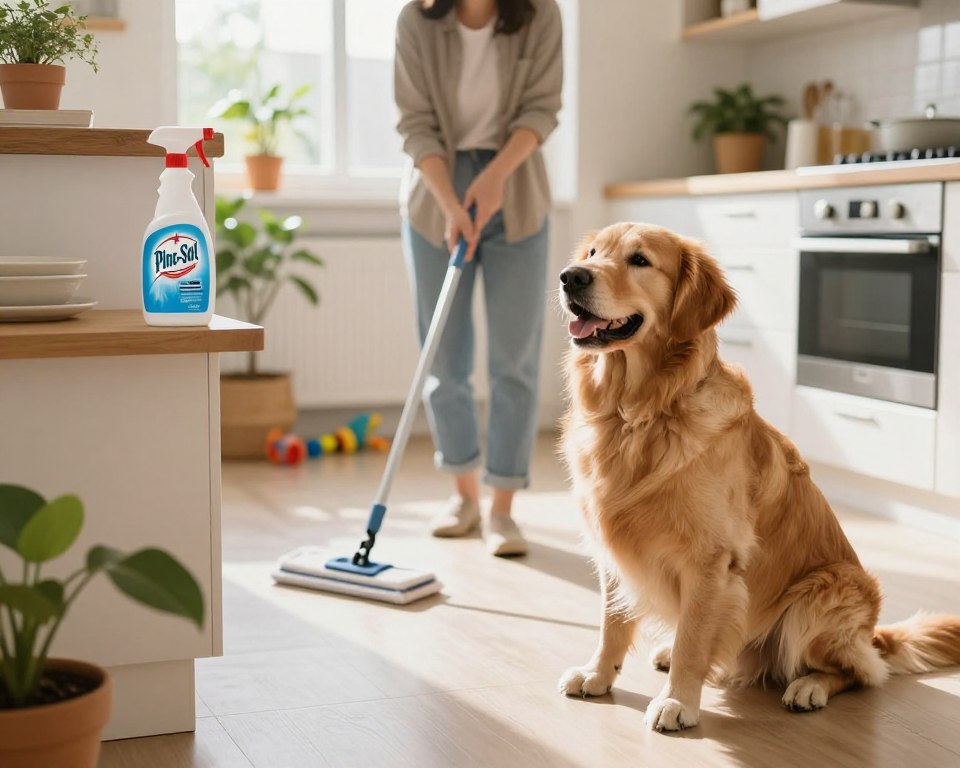
The most effective way to prevent accidental exposure is to create a physical barrier between your pet and the cleaning area. Always move your dog to a different room or a secure outdoor space while you are mopping or wiping down surfaces. This simple step ensures that your pet does not step in wet puddles or lick residue from the floor.
Ensuring Proper Ventilation While Using Chemicals
Chemical fumes can be overwhelming for dogs, who often have a much more sensitive sense of smell than humans. You should always open windows or use fans to circulate fresh air throughout the house while you clean. Proper ventilation helps disperse concentrated vapors quickly, which is a vital component of pine-sol dog safety in any indoor environment.
Allowing Surfaces to Dry Completely Before Pet Access
Many owners make the mistake of letting their pets back into a room before the floor is fully dry. It is essential to wait until the surface is completely moisture-free to prevent dermal absorption or accidental ingestion. Following these guidelines helps you maintain a clean home while ensuring your dog stays healthy and happy.
| Safety Measure | Action Required | Benefit for Pets |
|---|---|---|
| Physical Barriers | Close doors or use gates | Prevents direct contact |
| Air Circulation | Open windows and fans | Reduces inhalation risks |
| Drying Time | Wait until fully dry | Eliminates ingestion hazards |
Comparing Pine-Sol to Other Household Cleaners
Navigating the world of home cleaning supplies requires a careful look at the ingredients you bring into your living space. While many products promise a sparkling home, they often carry different levels of risk for your pets. Understanding these differences is essential to managing pine-sol chemical hazards effectively.
Bleach and Ammonia Hazards Compared to Pine-Sol
Bleach and ammonia are staples in many American households, yet they present distinct dangers compared to pine-based cleaners. Bleach is highly corrosive and can cause severe chemical burns to a dog’s paws or mouth upon contact. Ammonia, on the other hand, produces strong fumes that can irritate the sensitive respiratory tracts of animals.
While pine-sol chemical hazards are primarily linked to ingestion or concentrated skin contact, bleach and ammonia are often more volatile. Mixing these substances with other cleaners can create toxic gases, which pose an immediate threat to both humans and pets. Always prioritize ventilation when using these harsh chemicals in your home.
Evaluating Pet-Safe Cleaning Alternatives
Many pet owners are switching to specialized solutions designed with animal safety in mind. For instance, the Swiffer Wet Jet solution is a popular choice because it utilizes non-toxic propylene glycol. This is a significant improvement over older formulas that contained ethylene glycol, which is highly dangerous if ingested.
When selecting your cleaning supplies, consider the following comparison table to help you make informed decisions:
| Cleaner Type | Primary Risk | Pet-Friendly Status |
|---|---|---|
| Bleach | Corrosive Burns | Low |
| Ammonia | Respiratory Irritation | Low |
| Pine-Based | Ingestion/Skin Sensitivity | Moderate |
| Propylene Glycol | Minimal | High |
Reading Labels for Hidden Toxic Ingredients
The best way to avoid pine-sol chemical hazards is to become an expert at reading product labels. Manufacturers are not always required to list every single ingredient, but you should look for warning labels regarding pet safety. Avoid products that contain high concentrations of phenols or essential oils that are known to be toxic to dogs.
- Check for “Pet Safe” or “Non-Toxic” certifications on the bottle.
- Look for ingredient lists that avoid harsh solvents.
- Research any chemical name you do not recognize before using the product.
By taking these extra steps, you ensure that your cleaning routine does not compromise your pet’s health. Being proactive is the most effective way to maintain a clean and safe environment for your entire family.
The Role of Pine Oil in Veterinary Toxicology
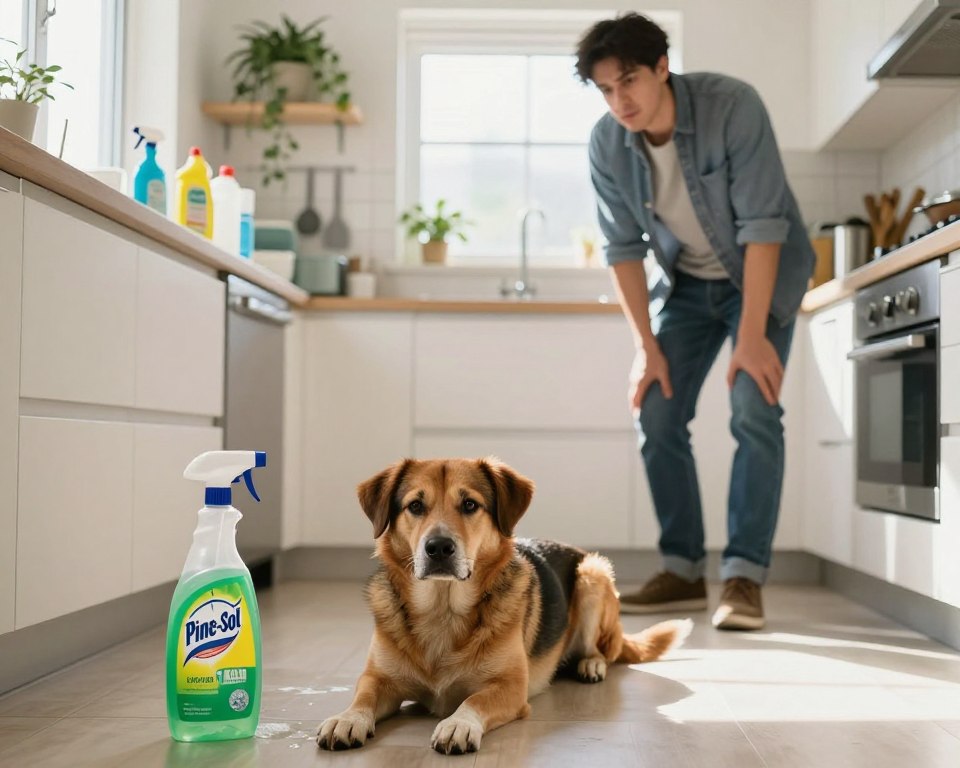
When a pet encounters a household chemical, the expertise of a veterinarian becomes your most valuable asset. Dealing with pine-sol pet poisoning requires a calm, methodical approach that prioritizes the immediate health of your animal. Relying on professional medical guidance ensures that your dog receives the most effective care during a potential health crisis.
How Veterinarians Diagnose Chemical Poisoning
Veterinarians utilize specialized diagnostic tools to identify the extent of chemical exposure. They often consult resources like the ASPCA poison control center to cross-reference ingredients found in common household cleaners. By analyzing the specific symptoms and the history of the incident, doctors can determine the severity of the pine-sol pet poisoning risk.
Diagnostic tests may include blood work to check liver and kidney function. These tests help the medical team understand if the toxins have already entered the bloodstream. Early detection is essential for a positive outcome.
Standard Treatment Protocols for Ingested Toxins
Once a diagnosis is confirmed, the clinic follows established protocols to stabilize the patient. Treatment often begins with decontamination, which may involve flushing the mouth or skin to remove residual chemicals. In cases of ingestion, veterinarians might administer activated charcoal to prevent further absorption of the toxin.
Supportive care is the next critical step in the recovery process. This includes intravenous fluids to help the body flush out harmful substances and medications to manage nausea or respiratory distress. Every case of pine-sol pet poisoning is treated with a tailored plan based on the dog’s size and overall health.
The Importance of Professional Medical Intervention
Attempting to treat a poisoned pet at home can often lead to dangerous delays. Professional medical intervention provides access to life-saving equipment and antidotes that are not available in a home setting. Expert guidance is the only way to ensure your pet receives the precise care needed to recover safely.
| Action Step | Professional Clinic | Home Observation |
|---|---|---|
| Diagnostic Testing | Comprehensive Blood Panels | None Available |
| Toxin Removal | Medical Decontamination | Limited Effectiveness |
| Supportive Care | IV Fluids and Monitoring | None Available |
| Emergency Response | Immediate Intervention | High Risk of Delay |
Creating a Pet-Safe Environment Beyond Cleaning
Creating a pet-safe environment involves more than just choosing the right supplies; it requires a holistic approach to home management. While many owners focus on the ingredients in their cleaners, the physical storage and daily habits in your home are equally vital for keeping your dog safe. A pine-sol pet-friendly strategy means looking at every corner of your living space to prevent accidental exposure.
Securing Cleaning Supplies in Pet-Proof Cabinets
The most effective way to prevent poisoning is to keep chemicals completely out of reach. Store all cleaning agents, including concentrated solutions, in locked cabinets that your dog cannot open with their paws or nose. If you do not have child-proof locks, consider installing them to add an extra layer of security.
Furthermore, always keep the lid closed on your toilets. Dogs often view the toilet bowl as a water source, and if you use cleaning tablets or residues from floor cleaners, this water can become a toxic hazard. Consistency is key when managing these risks in a busy household.
Using Natural Cleaning Solutions for Daily Maintenance
Incorporating natural alternatives into your daily routine can significantly reduce the chemical load in your home. Simple mixtures like vinegar and water or baking soda are often sufficient for light surface cleaning. By reducing your reliance on harsh chemicals, you create a more pine-sol pet-friendly atmosphere for your curious companion.
When you must use stronger products, ensure you follow the manufacturer’s instructions for dilution. Using less product is often just as effective for routine maintenance and poses a much lower risk to your pet’s health.
Educating Family Members on Pet Safety Protocols
Safety is a team effort that requires everyone in the house to be on the same page. Make sure all family members understand why certain products are kept in specific areas and why surfaces must be dry before pets are allowed back into a room. Clear communication prevents accidental spills or improper storage by guests or children.
| Safety Habit | Risk Level | Action Required |
|---|---|---|
| Cabinet Storage | High | Install child-proof locks |
| Toilet Lids | Medium | Keep closed at all times |
| Surface Drying | High | Wait until fully dry |
| Chemical Dilution | Medium | Follow label instructions |
By implementing these simple protocols, you ensure that your home remains a safe haven. Maintaining a pine-sol pet-friendly environment is a continuous process that protects your dog from unnecessary risks every single day.
Myths and Misconceptions About Pine-Sol and Pets
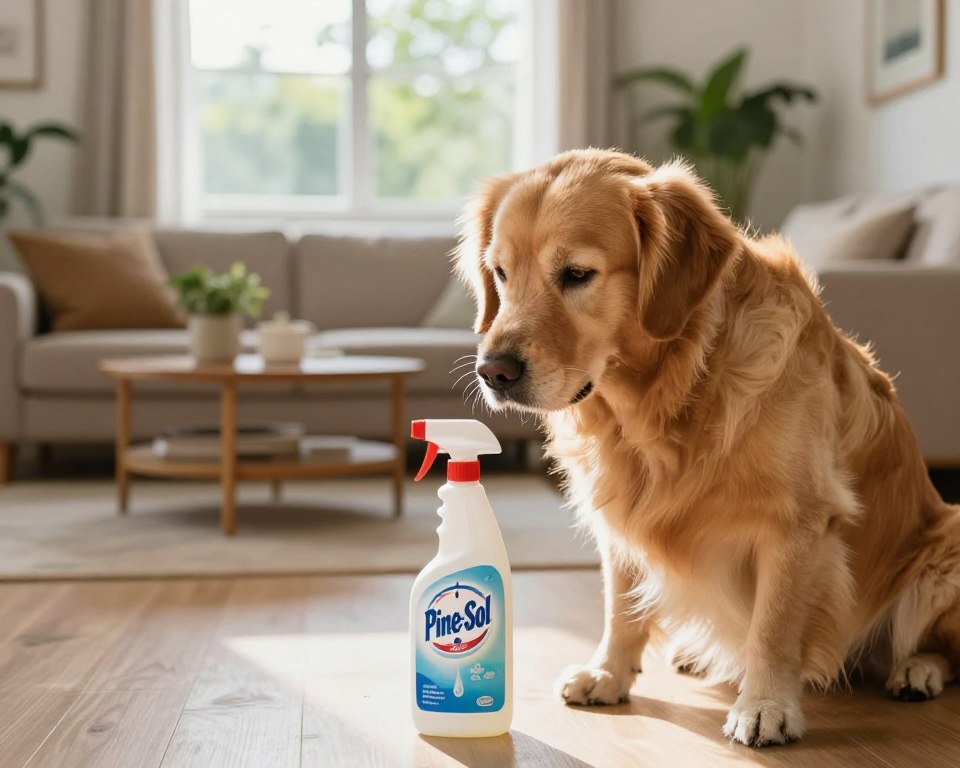
Many pet owners mistakenly believe that if a product smells like nature, it must be safe for their furry friends. This assumption often leads to a dangerous misunderstanding of pine-sol animal toxicity. Just because a cleaner features a fresh, forest-like aroma does not mean it is free from harsh chemicals that can harm your dog.
Debunking the Idea That Pine Scent is Always Safe
The scent of pine is frequently associated with cleanliness and the outdoors, which creates a false sense of security. In reality, the chemical compounds used to mimic this scent in commercial cleaners are far from natural. Relying on your nose to determine the safety of a product is a common mistake that can put your pet at risk.
Consider these common misconceptions that often circulate in online forums:
- “If it smells like pine, it is just natural oil.”
- “A clean-smelling floor is always safe for paws.”
- “Diluting the product makes it completely harmless.”
Clarifying the Difference Between Pine-Sol and Essential Oils
It is vital to distinguish between concentrated essential oils and commercial cleaning agents. While some essential oils can be toxic to dogs, Pine-Sol contains synthetic surfactants and solvents that serve a different purpose. These industrial ingredients are designed to break down grease and grime, not to be used in a pet-friendly environment.
Confusing these two categories can lead to improper handling and accidental exposure. Always check the label for specific warnings regarding pine-sol animal toxicity rather than assuming it shares the same properties as plant-based oils.
Addressing Common Internet Advice That May Be Harmful
The internet is a vast resource, but it is also a breeding ground for unverified advice. You might find suggestions that compare various household products without considering their unique chemical profiles. For instance, while the ASPCA lists products like Febreze as generally safe for use around pets, this does not apply to all household cleaners.
Always be cautious when reading tips from non-experts who claim that certain chemicals are “pet-safe” without scientific backing. If you are ever in doubt about pine-sol animal toxicity, consult your veterinarian directly. Relying on professional medical advice is the safest way to ensure your home remains a healthy sanctuary for your dog.
Special Considerations for Puppies and Senior Dogs
Maintaining a clean home is a priority for many pet owners, but it is essential to recognize that not all animals handle chemical exposure equally. Puppies and senior dogs often face unique challenges when exposed to household cleaning products. Understanding these pine-sol pet health risks is the first step toward creating a truly safe environment for your furry companions.
Why Younger Dogs Are More Susceptible to Toxins
Puppies are naturally curious, often exploring their world by licking floors and surfaces. Because their immune systems and organs are still in the early stages of development, they are less efficient at processing and eliminating toxins. This makes them significantly more vulnerable to the negative effects of harsh cleaning agents.
Even small amounts of residue can overwhelm a puppy’s system. Owners must be extra vigilant, as these young animals lack the physiological defenses of a fully grown dog. Minimizing exposure is critical to ensuring their long-term health and development.
Managing Chemical Sensitivity in Aging Pets
As dogs enter their senior years, their bodies undergo natural changes that can impact how they handle chemicals. Many older dogs suffer from underlying liver or kidney issues, which are vital organs for filtering toxins from the bloodstream. When these organs are already compromised, the impact of accidental exposure to cleaning chemicals can be much more severe.
It is heartbreaking to see a senior pet struggle with health complications that could have been avoided. If your dog has a known medical condition, you should consult your veterinarian about the safest cleaning products for your home. Being proactive helps mitigate potential pine-sol pet health risks that could otherwise lead to emergency situations.
Tailoring Your Cleaning Routine for Vulnerable Pets
To protect your most vulnerable family members, you should adjust your cleaning habits to prioritize safety. Always ensure that you use the most diluted solution possible when cleaning floors or surfaces. Furthermore, keep your pets in a separate, well-ventilated room until the area is completely dry and free of fumes.
Consider switching to natural, non-toxic alternatives for daily maintenance to reduce the overall chemical load in your home. By staying informed about pine-sol pet health risks, you can create a sanctuary where your puppies and senior dogs can thrive without the threat of accidental poisoning.
Preventative Measures for Responsible Pet Owners
A truly pet-friendly home requires more than just love; it demands careful planning and consistent safety habits. By taking proactive steps, you can create an environment where your furry companions thrive without the risk of accidental exposure to harsh chemicals. Being prepared is the hallmark of a responsible owner who values their pet’s long-term health.
Establishing a Pet-Safe Cleaning Schedule
Consistency is your best tool when managing household hygiene. Try to schedule your deep cleaning sessions for times when your pets are outdoors or resting in a separate, well-ventilated room. Waiting for surfaces to dry completely before allowing your pets back into the area is a simple yet effective way to prevent accidental ingestion or skin contact.
Choosing Products with Pet-Friendly Certifications
Not all cleaning agents are created equal, and it is vital to read labels carefully. Look for products that carry verified pet-friendly certifications or those explicitly labeled as safe for homes with animals. While some people search for a pine-sol pet-friendly alternative, always prioritize transparency in ingredient lists to ensure no hidden toxins are present.
Maintaining a First-Aid Kit for Household Accidents
Even with the best precautions, accidents can happen unexpectedly. Keeping a well-stocked first-aid kit specifically for your pets can make a significant difference during an emergency. Ensure this kit includes your veterinarian’s contact information, the number for a local animal poison control center, and basic supplies for cleaning paws or fur if a spill occurs.
Being prepared for the unexpected is the greatest gift you can give your pet. A proactive approach to safety turns a house into a secure sanctuary.
Conclusion
Protecting your dog from potential chemical hazards like Pine-Sol is a fundamental aspect of responsible pet care. You hold the power to shape a living space that balances cleanliness with the safety of your furry companion.
Understanding the risks associated with household cleaners allows you to make informed choices every day. By following proper dilution guidelines and maintaining a vigilant cleaning routine, you create a secure environment for your pet to thrive.
Always prioritize professional veterinary advice if you suspect your dog has been exposed to a toxic substance. Quick action often makes a significant difference in the outcome of an accidental exposure.
Your commitment to safety ensures that your home remains a sanctuary for your family and your pets. With these simple precautions, you can enjoy a clean home while ensuring your dog stays happy and healthy for years to come.
We invite you to share your own tips for maintaining a pet-friendly home in the space below. Your experiences help other owners navigate the challenges of keeping a clean and safe household.
FAQ
Is Pine-Sol toxic to dogs if they walk on a wet floor?
Yes, Pine-Sol can be harmful if a dog walks on a wet floor. The chemicals can cause skin irritation or be absorbed through the paw pads, leading to pine-sol pet exposure. Always wait for surfaces to dry completely before allowing your dog access.
What are the main symptoms of pine-sol pet poisoning?
Common symptoms include vomiting, excessive drooling, lethargy, wobbliness (ataxia), and respiratory distress like coughing. If you notice these signs, seek veterinary care immediately to address the pine-sol pet health risks.
Can the smell of Pine-Sol hurt my dog?
Strong fumes can cause pine-sol animal toxicity in the form of respiratory irritation. Dogs have a sensitive sense of smell, and inhaling concentrated vapors can lead to sneezing or labored breathing, especially in poorly ventilated areas.
Is there a pet-friendly version of Pine-Sol?
While the brand makes many effective cleaners, they are not specifically marketed as “pet-safe.” To ensure pine-sol dog safety, you must follow dilution instructions strictly or opt for cleaners with the EPA Safer Choice certification.
What should I do if my dog licks Pine-Sol?
If your dog licks a small amount of diluted solution, monitor them closely. However, if they ingest concentrated Pine-Sol, it is a serious pine-sol chemical hazard. Contact your veterinarian or a pet poison control center immediately.
Are “natural” pine cleaners safer for my pet?
Not necessarily. Natural pine oil contains phenols, which are difficult for a dog’s liver to process. Regardless of whether a product is natural or synthetic, the risk of pine-sol pet poisoning remains if the product is used improperly.
Can I use Pine-Sol to get rid of fleas on my dog?
No, you should never apply Pine-Sol to your dog’s skin. This can cause severe chemical burns and systemic toxicity. Use only vet-approved flea treatments to ensure your pet’s safety.
How can I safely store Pine-Sol to prevent pine-sol pet exposure?
Store all cleaning agents in high cabinets or behind doors with pet-proof latches. Preventing access is the best way to avoid accidental pine-sol chemical hazards in the home.