Many parents ask whether common cleaning products harm their little one. This short introduction helps families weigh household choices and spot safer options. It focuses on how cleaners, chemicals, and ingredients affect the home environment and baby health.
When deciding on a cleaner, they should look for formulas that remove germs without harsh fumes or residues. Simple swaps, like using mild vinegar and water for some tasks, can reduce exposure to harmful chemicals.
Choosing the right product is a small habit that protects a growing child. Parents can learn which household options balance effectiveness with gentle care for sensitive skin and the overall environment.
Key Takeaways
- Parents should check ingredients and pick cleaners with fewer harsh chemicals.
- Gentle options like diluted vinegar and water work for many surfaces.
- Proper ventilation and rinsing reduce residues that could affect skin.
- Choosing safer products helps protect long-term family health.
- Understanding labels makes it easier to find the best option for a baby.
Understanding the Risks of Bleach in the Home
Using strong disinfectants can protect against germs, but they also bring real risks for infants and the whole family. Parents should balance effectiveness with safety and avoid mixing chemicals that create toxic fumes.
The Dangers of Chemical Mixing
Combining chlorine bleach with ammonia or vinegar creates dangerous gases or corrosive acids. Those reactions happen fast and can harm anyone nearby.
- The Environmental Working Group (EWG) offers a database parents can use to check a cleaning product’s toxicity grade.
- Mixing household cleaners is a common, avoidable cause of severe exposure in the home.
Potential Health Impacts on Infants
Small droplets from a sprayed disinfectant can be inhaled by a baby whose lungs are still developing. Repeated breathing of fumes raises risks for respiratory irritation and may worsen or even cause asthma.
Residues on surfaces can touch a crawling child’s skin and eyes. For a safer choice, many experts suggest hydrogen peroxide or simple vinegar and water for routine cleaning.
Is Bleach Safe Around Babies
Households with a crawling child should favor gentle cleaners over harsh chemical solutions.
Many experts advise against using strong chlorine products in main living areas. A curious baby touches surfaces, toys, and hands a lot. That raises the chance of accidental contact or inhalation.
Removing bleach from routine cleaning can lower risk. Parents who prefer caution often switch to milder options for floors, highchairs, and play spaces.
Protecting a child’s health means balancing cleanliness with low-toxicity choices. Effective alternatives exist that clean well without harsh fumes or residues.
- Limit storage of powerful chemicals in easy-to-reach places.
- Rinse surfaces thoroughly when stronger cleaners are used elsewhere.
- Choose products with simple ingredient lists for daily tasks.
Why Traditional Cleaners Can Impact Respiratory Health
Cleaning products with strong chemicals can linger and affect indoor air quality.
Research from the HITEA project linked passive household exposure to higher infection rates. In a study of 9,102 school-age children, exposure to common disinfectants increased reports of recurrent throat infections.
The Link Between Cleaning Products and Infections
Key findings show that frequent use of harsh cleaners raises risks for respiratory irritation and long-term conditions like asthma in growing children.
- A large HITEA study found a relative risk ratio of 1.35 for recurrent tonsillitis with regular bleach use.
- Where bleach use was common (72% of homes in Spain), children had more respiratory issues than in low-use areas (7% in Finland).
- Vapors from a strong disinfectant can settle on surfaces and be breathed in by a baby all day.
| Country | Household Bleach Use | Associated Respiratory Findings |
|---|---|---|
| Spain | 72% of homes | Higher frequency of infections and irritation |
| Finland | 7% of homes | Lower rates of related respiratory problems |
| Study Group | 9,102 children | Increased risk of recurrent tonsillitis (RR 1.35) |
Parents should weigh the germs they want to remove against the risks of strong household cleaners and consider a safer choice for everyday cleaning.
Effective and Natural Alternatives for Your Household
Simple, natural cleaners can tackle everyday messes while protecting the family’s indoor air.
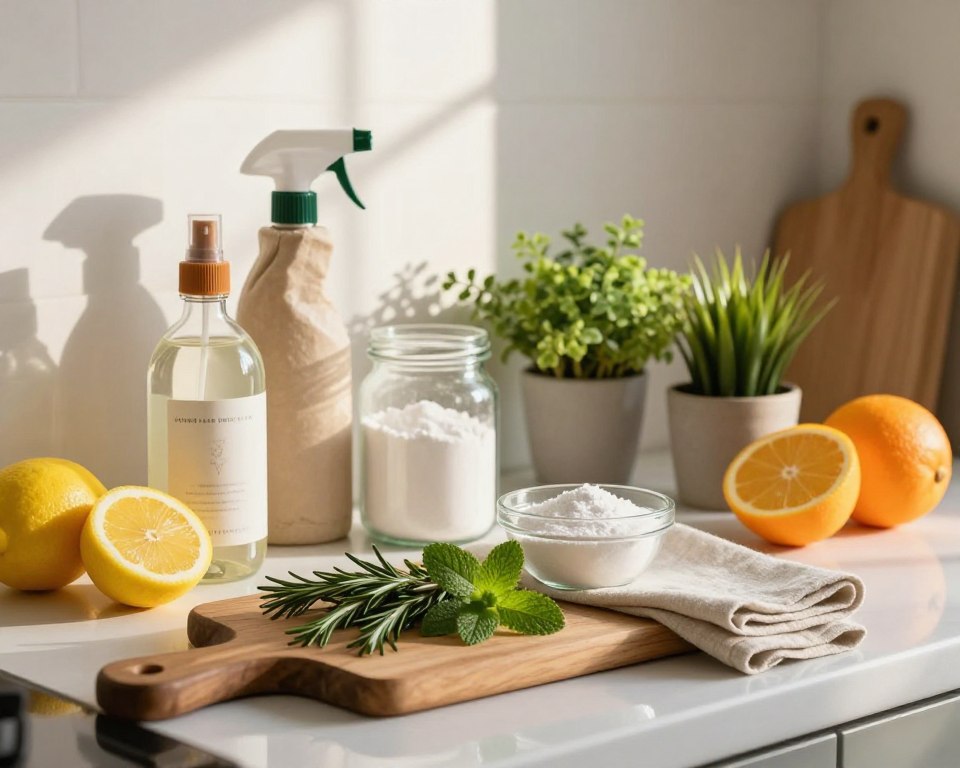
Using vinegar and water in a 50/50 mix works well on kitchen and bathroom surfaces. It cuts grease and reduces germs without harsh residues. Do not mix this with strong chlorine products.
Using Vinegar and Water
Spray a diluted vinegar mix for counters, tiles, and glass. Wipe with a clean cloth and rinse where food contacts surfaces.
The Benefits of Hydrogen Peroxide
Hydrogen peroxide is a natural bleach alternative that breaks down into water and oxygen. It disinfects and leaves no harmful residue, making it a good option for items a baby touches.
Choosing Castile Soap
Castile soap is plant-based and biodegradable. Mix a small amount with water for mopping or dishwashing to avoid harsh chemicals.
- Baking soda scrubs ovens and showers without toxins.
- Use vinegar and baking soda for tougher stains on a budget.
- These safer alternatives let parents clean baby items with confidence.
“Choosing natural products reduces exposure and keeps the home cleaner for every little one.”
Best Practices for Maintaining a Healthy Environment
A steady, low-toxicity approach to cleaning lowers daily exposure for young children and family members.
Always ventilate when using strong cleaning products and wear gloves to protect skin from irritation. In case of chemical exposure, call Poison Control at 1-800-222-1222 immediately.
Store household cleaners up and away from children. Label every bottle and make fresh dilutions each day, since a made-up bleach solution loses strength over time.
- Choose baby-safe cleaning products and safer alternatives like hydrogen peroxide or diluted vinegar for routine tasks.
- Do not mix hydrogen peroxide, vinegar, or other cleaners together; mixing creates hazards.
- Rinse surfaces toys and high-touch areas to remove residues after disinfection.
“A clean baby starts with clear habits: ventilate, label, store out of reach, and use gentler products.”
| Practice | Why it matters | Quick tip |
|---|---|---|
| Ventilation | Reduces indoor fumes and short-term exposure | Open windows or run a fan during cleaning |
| Storage & labeling | Prevents accidental ingestion or misuse | Keep cleaners high and in original containers |
| Daily dilutions | Maintains disinfectant effectiveness | Make fresh solutions each day |
| Gentle products | Less residue and lower risk to lungs and skin | Use hydrogen peroxide or vinegar for routine cleaning |
Conclusion
A careful cleaning plan helps families keep germs low while reducing chemical exposure for little ones. This approach keeps the home tidy and lowers daily risks for a baby who touches many surfaces.
Swap harsh options like household bleach for hydrogen peroxide or diluted vinegar when possible. Choose baby-safe cleaning and label every product to avoid mistakes.
Parents should pick gentle routines that still remove germs. By using safer products and good ventilation, families protect long-term health and create a cleaner, gentler health environment for babies and other household members.
FAQ
Can household bleach harm an infant if used for cleaning?
Yes. Concentrated chlorine bleach (sodium hypochlorite) can irritate a baby’s skin, eyes, and airways. Strong fumes and residues left on surfaces may trigger coughing or worsen eczema and asthma. If caregivers use bleach, they should ventilate well, rinse thoroughly with water, and keep infants away until surfaces fully dry and the smell dissipates.
What happens if bleach mixes with vinegar or ammonia?
Mixing bleach with acidic cleaners like vinegar releases chlorine gas; mixing with ammonia produces chloramines. Both fumes can cause burning eyes, throat irritation, chest pain, and breathing difficulty. These reactions are dangerous for adults and especially hazardous for infants with developing lungs.
Are diluted bleach solutions safer for disinfecting baby items?
Diluted solutions can disinfect but still pose risks if not handled correctly. The CDC recommends specific dilutions for sanitizing surfaces, and caregivers must rinse thoroughly and allow full drying. For baby bottles and toys, steam sterilizers or boiling (when appropriate) and dishwashing cycles are safer options.
What are safer disinfectant alternatives suitable for a nursery?
Safer choices include hydrogen peroxide-based sprays, fragrance-free castile soap for surface cleaning, and steam cleaning. EPA Safer Choice–labeled products and baby-safe cleaners from trusted brands like Seventh Generation or Method reduce harsh chemical exposure while controlling germs.
Can vinegar and water replace bleach for household cleaning?
Vinegar and water work well for light cleaning, removing grime, and deodorizing, but they do not reliably disinfect against many viruses and bacteria. For high-risk areas—diapering stations or surfaces contaminated with bodily fluids—use a recommended disinfectant or follow product instructions for effective microbial kill.
Is hydrogen peroxide a good option for disinfecting around infants?
Yes, 3% hydrogen peroxide is an effective disinfectant and breaks down into water and oxygen, leaving no harsh residue. It’s generally gentler than chlorine bleach, but caregivers should still rinse or wipe surfaces and ensure good ventilation during use.
How should caregivers minimize respiratory risks when cleaning a home with a baby?
They should choose low-odor, low-VOC cleaners, clean while the baby is out of the room, open windows, and run exhaust fans. Avoid aerosol sprays and fragranced products. Regular, gentle cleaning lowers pathogen load without heavy chemical use.
Are natural cleaners like baking soda effective for baby-safe cleaning?
Baking soda is great for scrubbing, deodorizing, and removing stains. It’s non-toxic and safe for many surfaces. Pair it with water or castile soap for routine cleaning, but use a proven disinfectant when disinfection is required.
What precautions should be taken if a baby is exposed to bleach fumes?
Move the infant to fresh air immediately, rinse any skin or eyes exposed to the solution with water, and monitor for coughing, wheezing, or vomiting. Seek medical care if symptoms persist or worsen. In severe cases, call emergency services right away.
How can parents choose truly baby-safe cleaning products?
Look for clear ingredient lists, fragrance-free labels, and certifications like EPA Safer Choice. Choose products from reputable brands such as Seventh Generation, Babyganics, or Dr. Bronner’s, and test a small area first. When in doubt, favor mechanical cleaning (washing, scrubbing, steam) over chemical sprays.